





From St. Martin’s Croissants to Wheat Fields: PestSpace Tracks Crop Diseases in Poland
23 November 2026
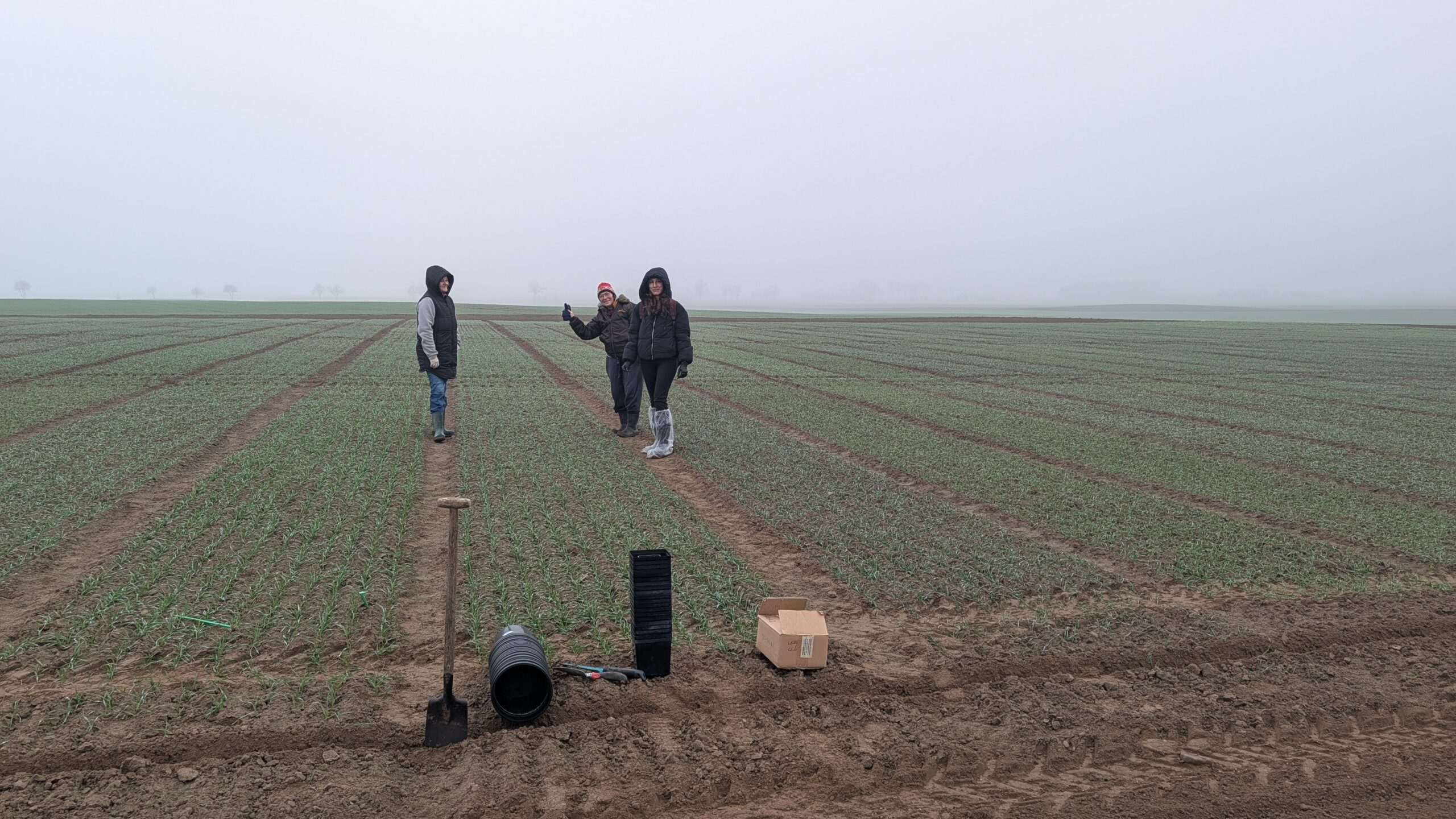
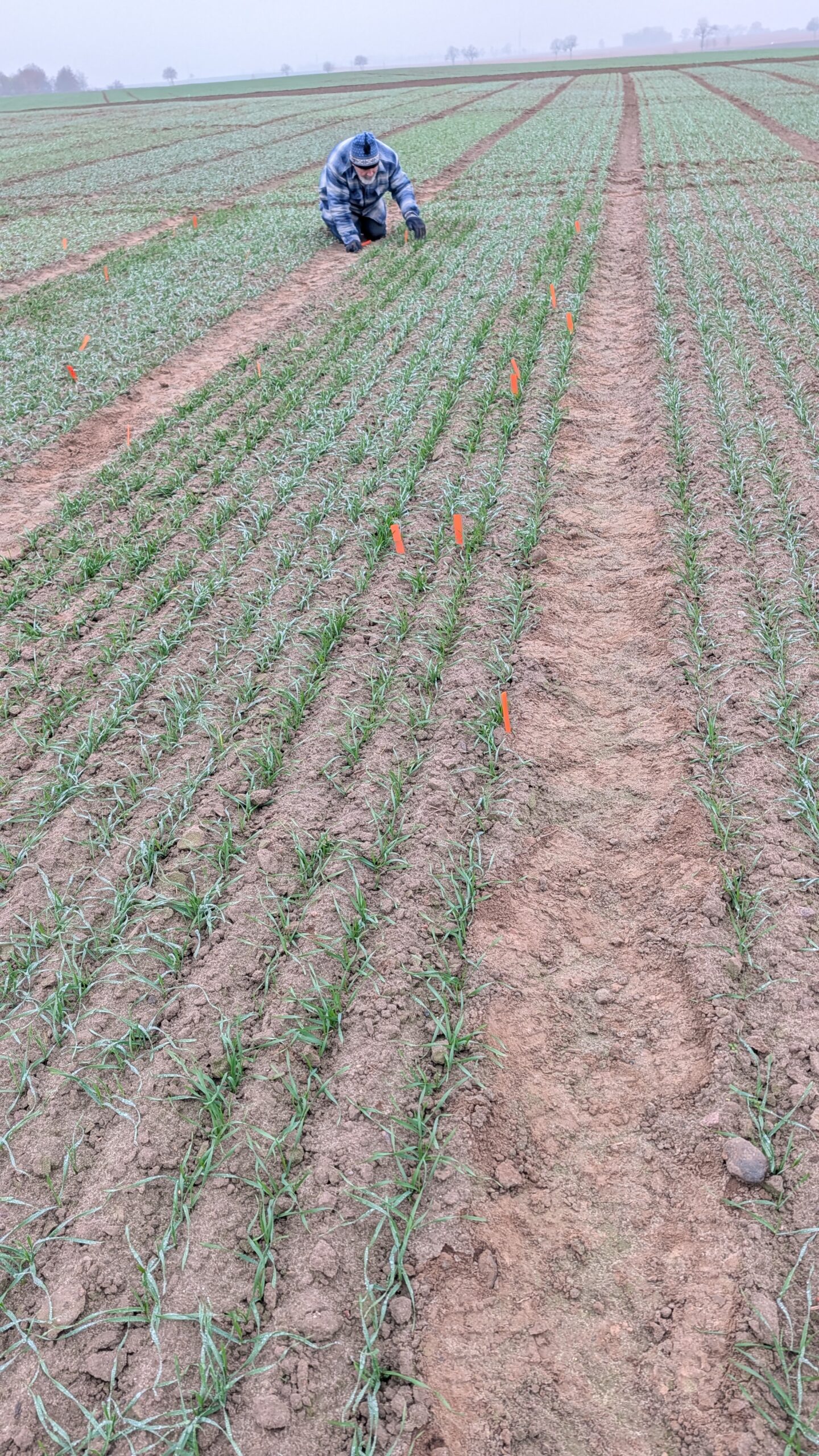
On November 12, the Polish PestSpace team headed to the Experimental Station for Cultivar Testing (COBORU) in Chrząstowo to assess the health of young winter wheat plants.
Ten Varieties, Five Countries, One Shared Challenge
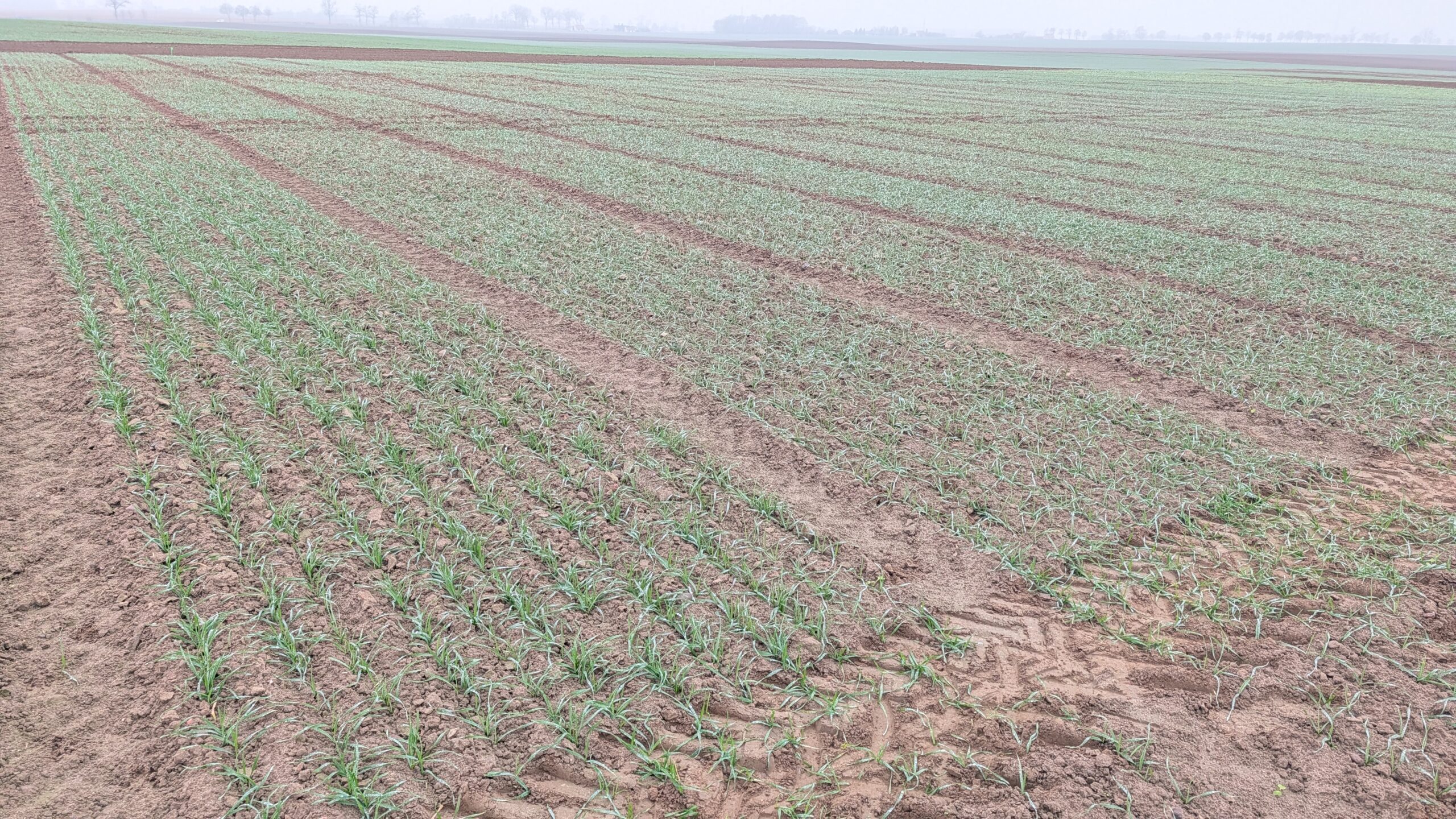
As part of the PestSpace field experiment, ten winter wheat varieties had been sown, with two varieties representing each of the five participating countries: Estonia, Finland, Latvia, Lithuania and Poland.
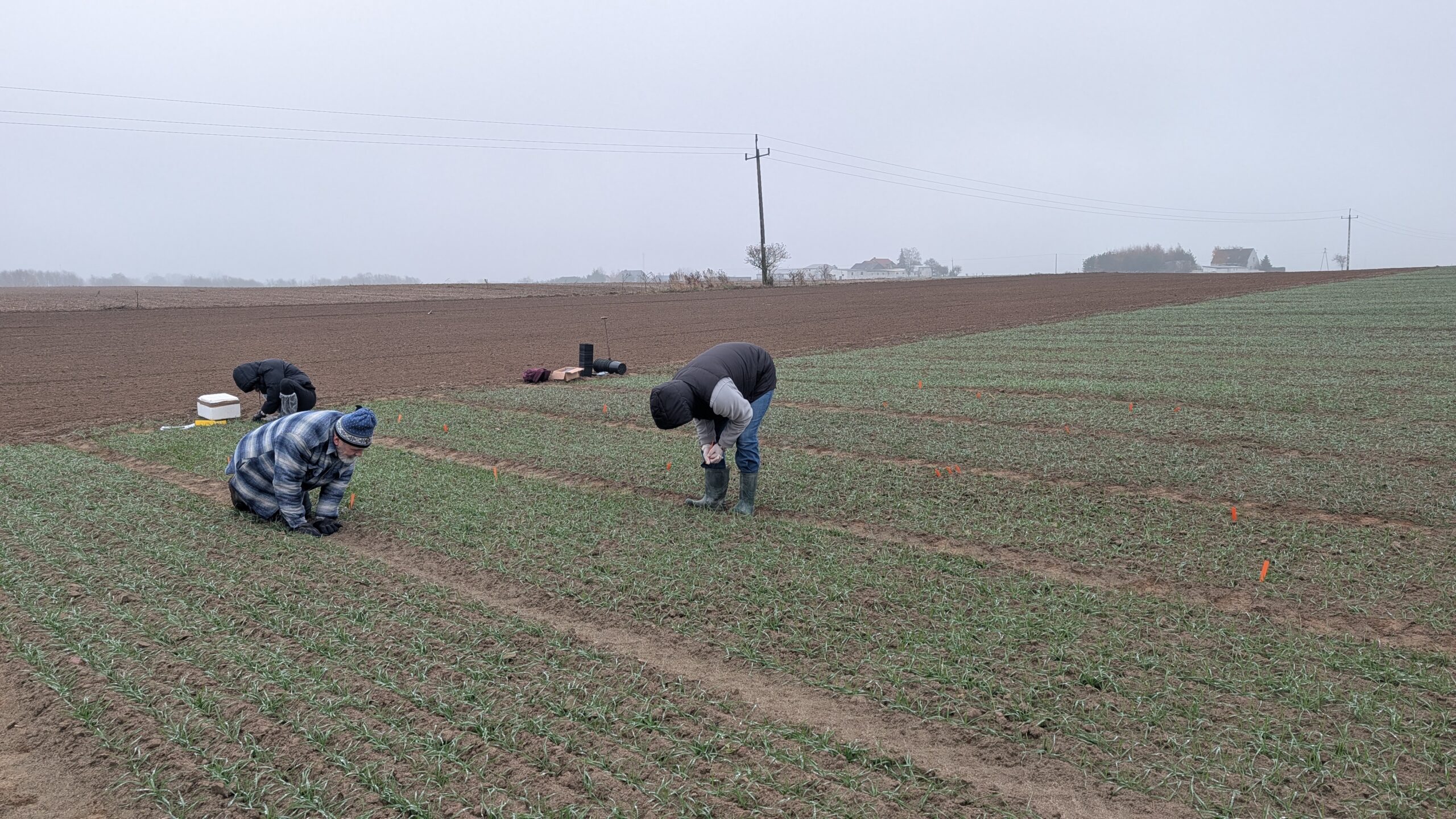
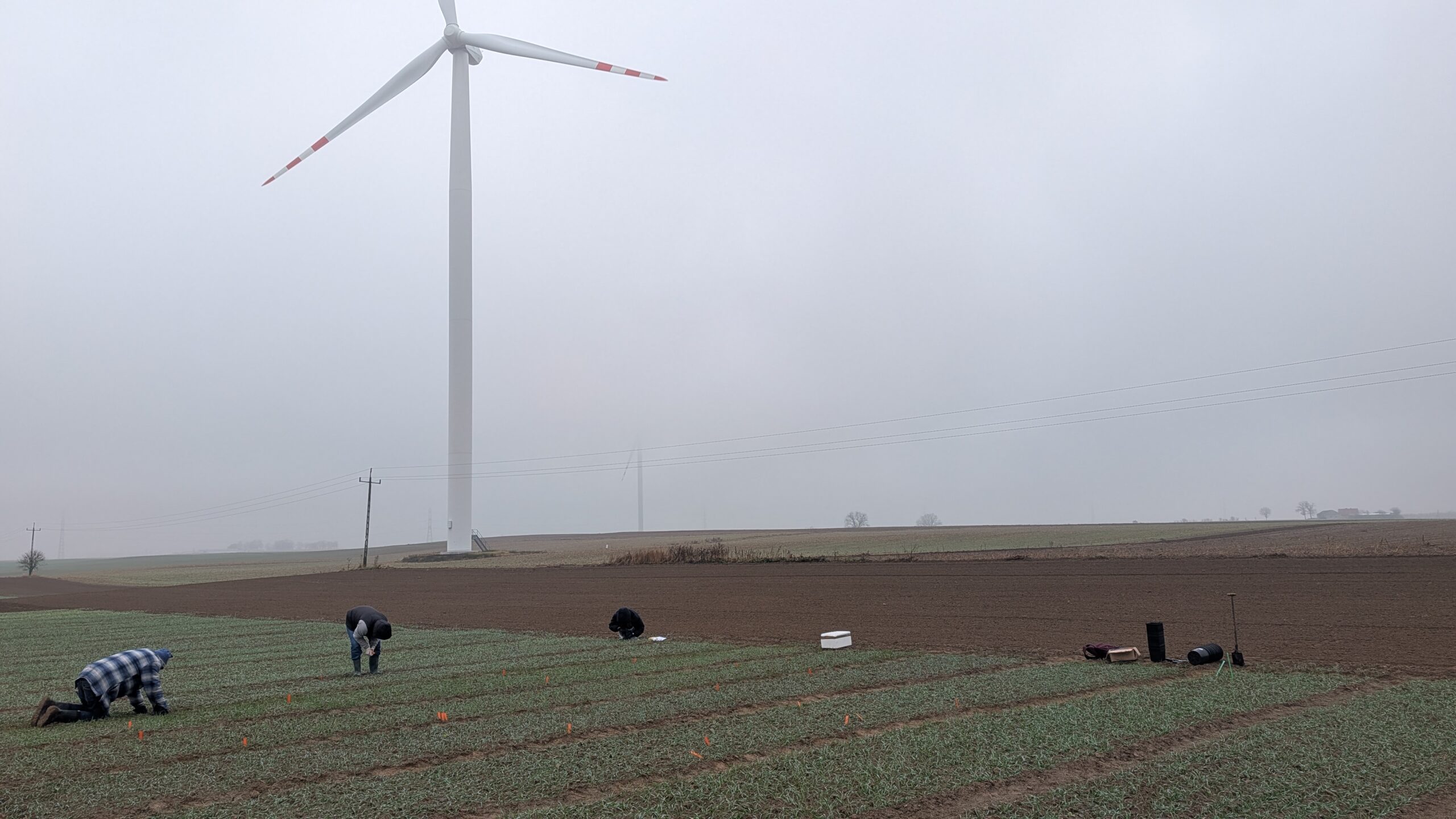
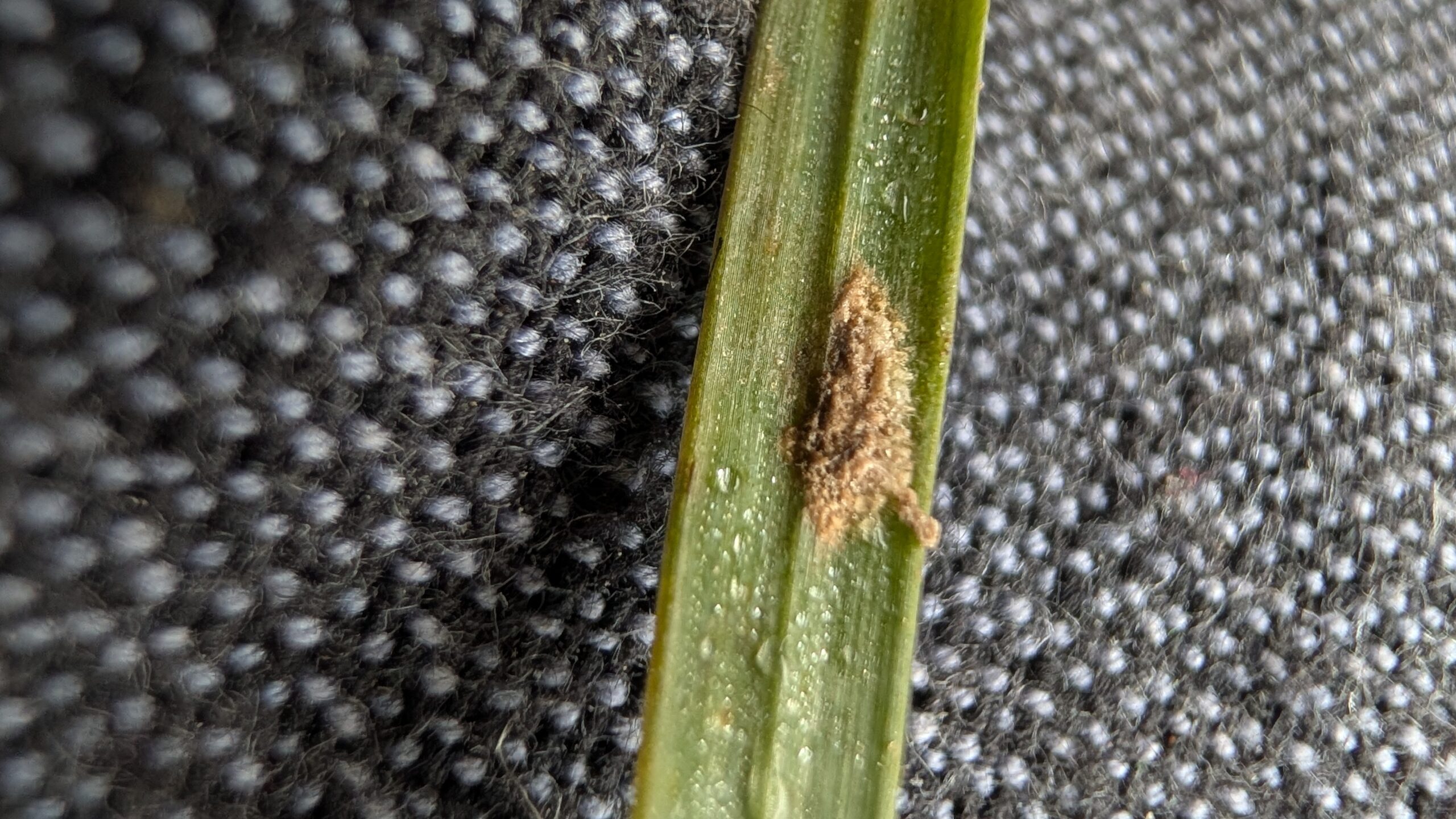
The weather was not particularly cooperative. Thick November fog and persistent moisture on the leaves made field observations challenging. Yet the team successfully identified symptoms of powdery mildew across all ten wheat varieties, although the severity of infection varied.
From the Field to Digital Disease Monitoring
Each plant showing disease symptoms was carefully marked with a bright orange label, photographed alongside a QR code and documented in the PlutoF database.
Leaf fragments displaying symptoms were collected in Eppendorf tubes and immediately frozen on dry ice for subsequent molecular analyses.
A total of 30 samples were collected, providing valuable material for further research into wheat diseases.
And this is where digital innovation comes into play!
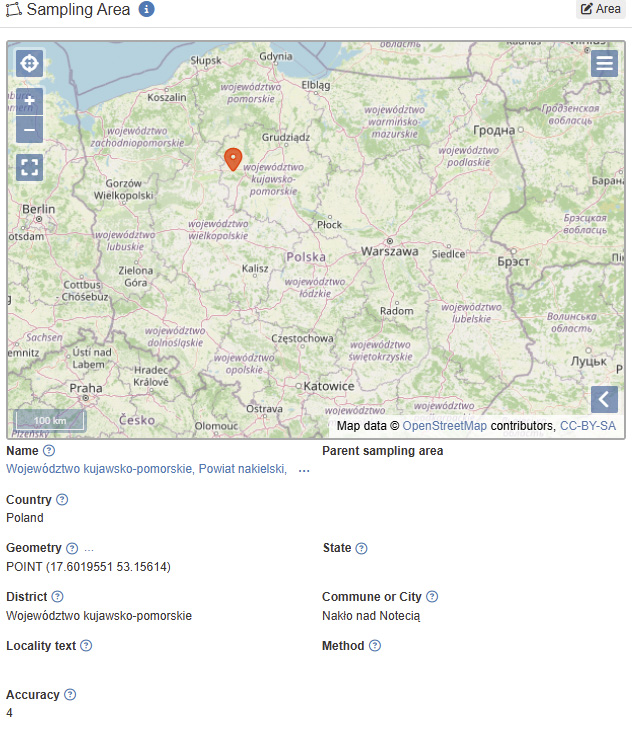
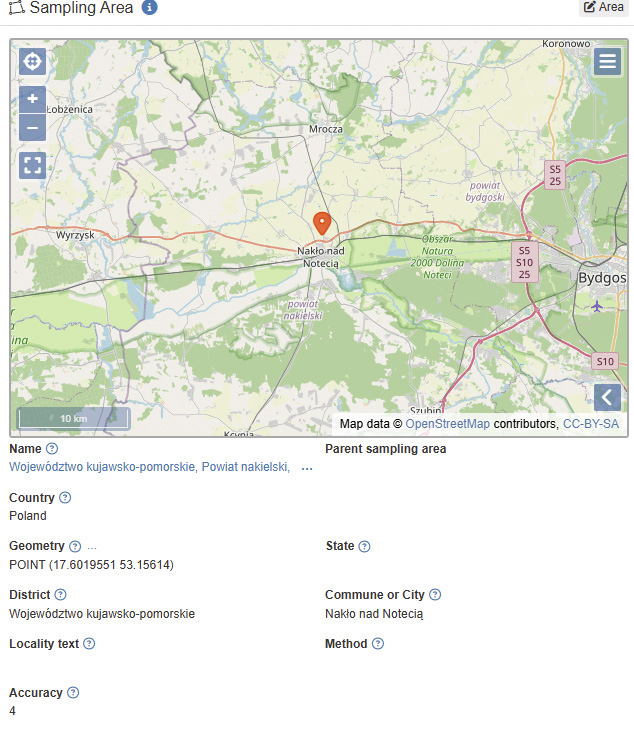
Thanks to the PestSpace monitoring system, the field where powdery mildew symptoms were detected is now visible in PestSpace Alert. This information can help raise awareness of potential disease risks for winter wheat in Poland’s Kuyavian-Pomeranian region.
Keeping an Eye on Wheat Health Before Winter
The observations highlight why early disease monitoring matters. Detecting powdery mildew in young wheat plants before winter provides valuable insights into crop health and potential risks as the growing season progresses.
The team also planned further field observations in West Pomerania to investigate whether similar symptoms, or signs of other wheat diseases, could be detected in another region.
From foggy fields and carefully collected samples to digital disease alerts, PestSpace is bringing research and technology together to support smarter, more informed plant protection decisions.
And while the St. Martin’s croissants may be gone, the work of protecting Europe’s crops continues!

Additional links
details
-
Homepage
-
Project typeCore Project

-
ImplementationMarch 2025 - February 2028
-
StatusOngoing
-
Contribution to EUSBSRPolicy Area Bioeconomy

-
Target groups
- Business support organisation
- Higher education and research institution
- National public authority
- Sectoral agency
- Small and medium enterprise
-
Social media
-
Additional links
-
Tags