




NURSECOAST-II at KOS 2026: Sustainable wastewater solutions in the circular economy
23 July 2026
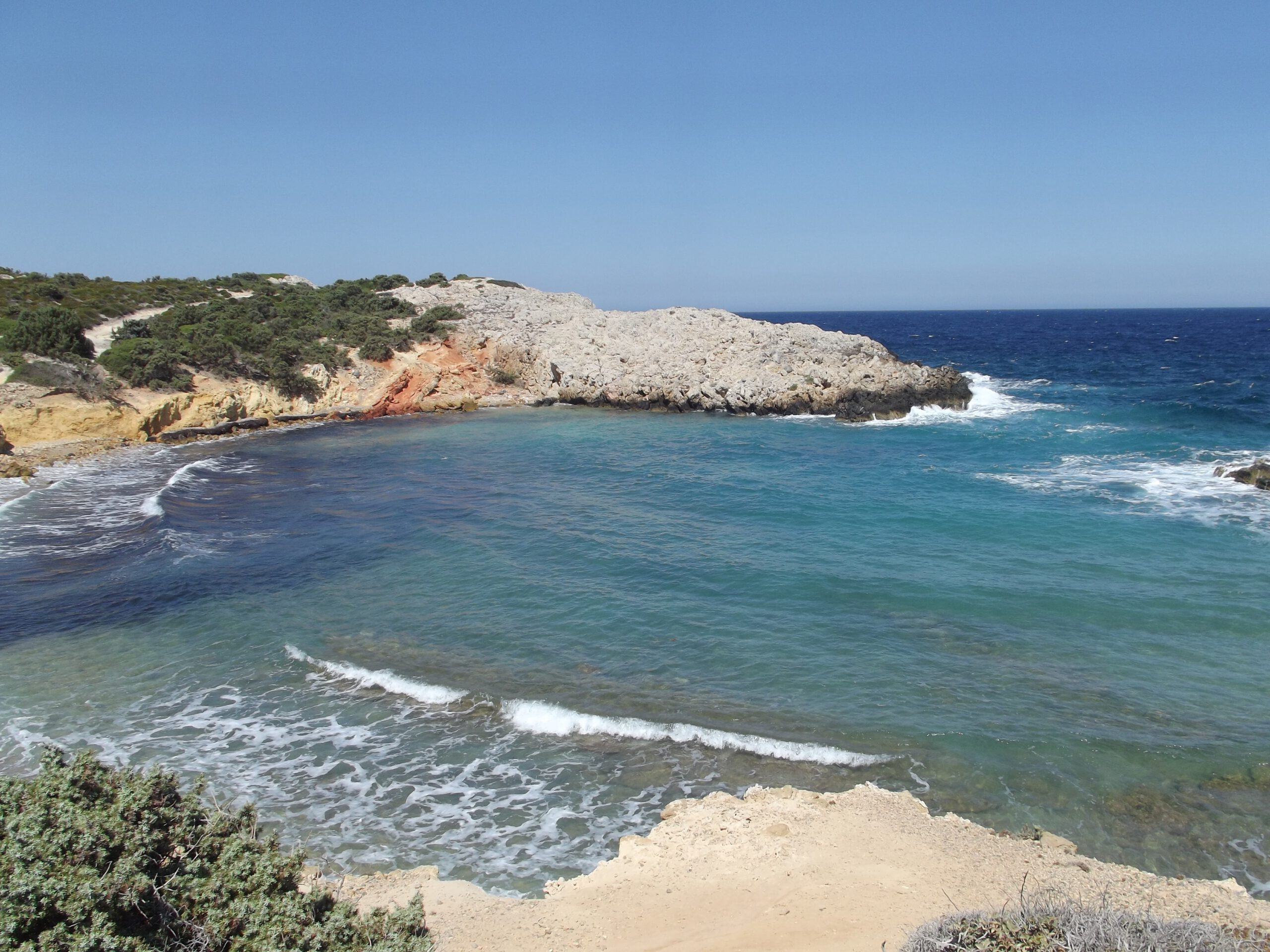
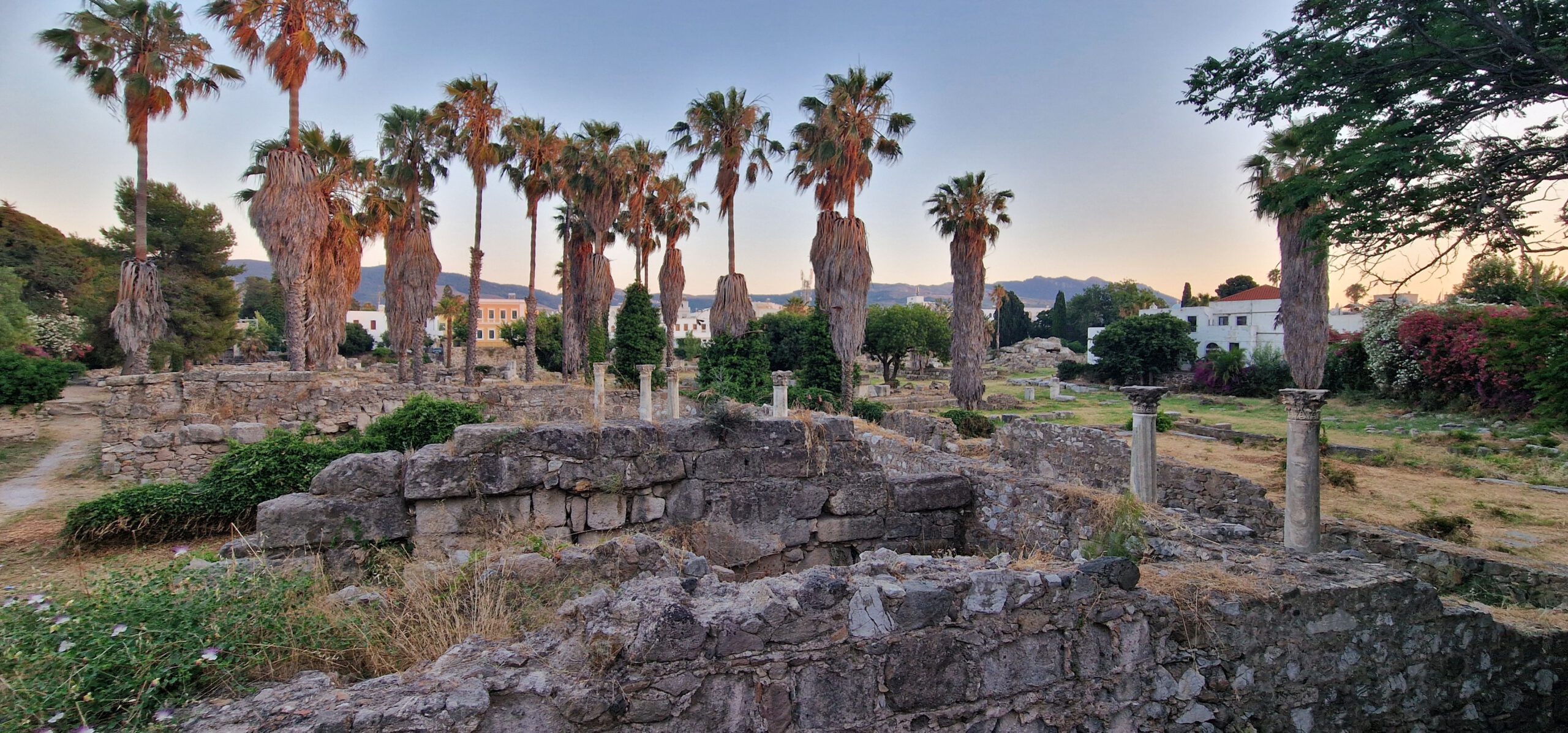
The conference provided a broad overview of current developments in waste management and circular economy, including material recycling, biorefineries, waste-to-energy technologies, and sustainable resource management, complemented by summer schools and workshops that supported collaboration among researchers, policymakers, and practitioners. The main themes focused on sustainable solid waste management and circular economy, covering waste prevention, resource efficiency, carbon and water footprints, bio-based solutions, and the specific challenges of coastal, island, and remote areas. Within this wide thematic framework, it was particularly valuable that small-scale and decentralised wastewater treatment systems were also addressed, highlighting their relevance in diverse environmental contexts and providing a realistic picture of shared challenges and development needs.
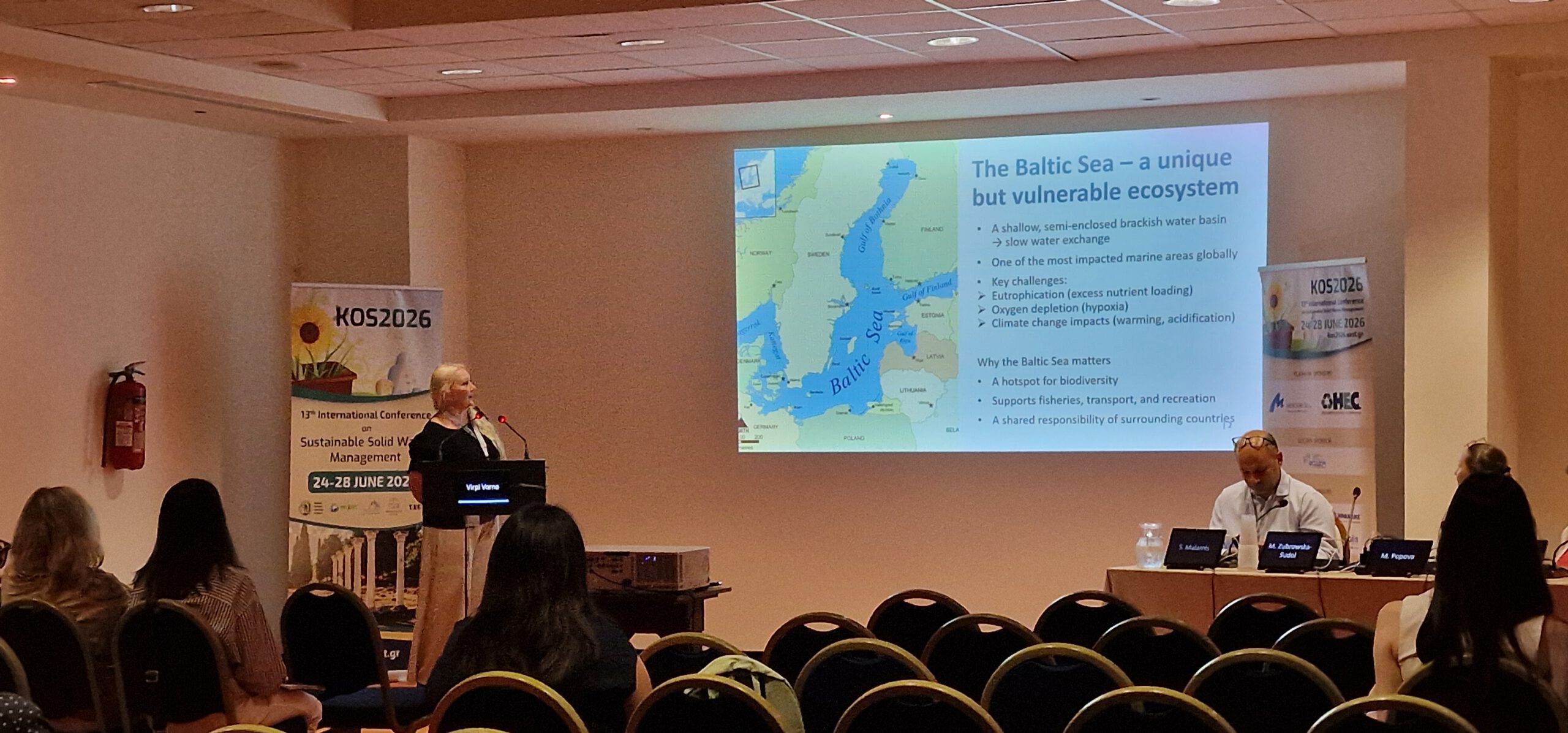
Results of the NURSECOAST-II project were presented in two presentations. The first presentation of the project was delivered under the session “Climate Change Mitigation and Adaptation through Nature-Based Solutions, Carbon & Water Footprint.” Within this session, the presentation addressed the performance of decentralised wastewater systems under seasonal pressures in tourism-intensive coastal areas of the Baltic Sea region. The case study from Saaremaa (Estonia) showed that most tourism facilities rely on systems such as septic tanks, leach fields, and storage tanks that are typically designed for low-season loads. During peak summer periods, these systems often exceed their treatment capacity, increasing environmental risks, especially in sensitive groundwater areas. Nearly half of the systems assessed did not meet regulatory requirements, mainly due to inadequate peak-season performance and unsuitable technology choices. The findings emphasised that effective wastewater management cannot rely solely on individual technical upgrades, but requires integrated approaches combining harmonised monitoring, risk-based prioritisation, and sustained financial and technical support.
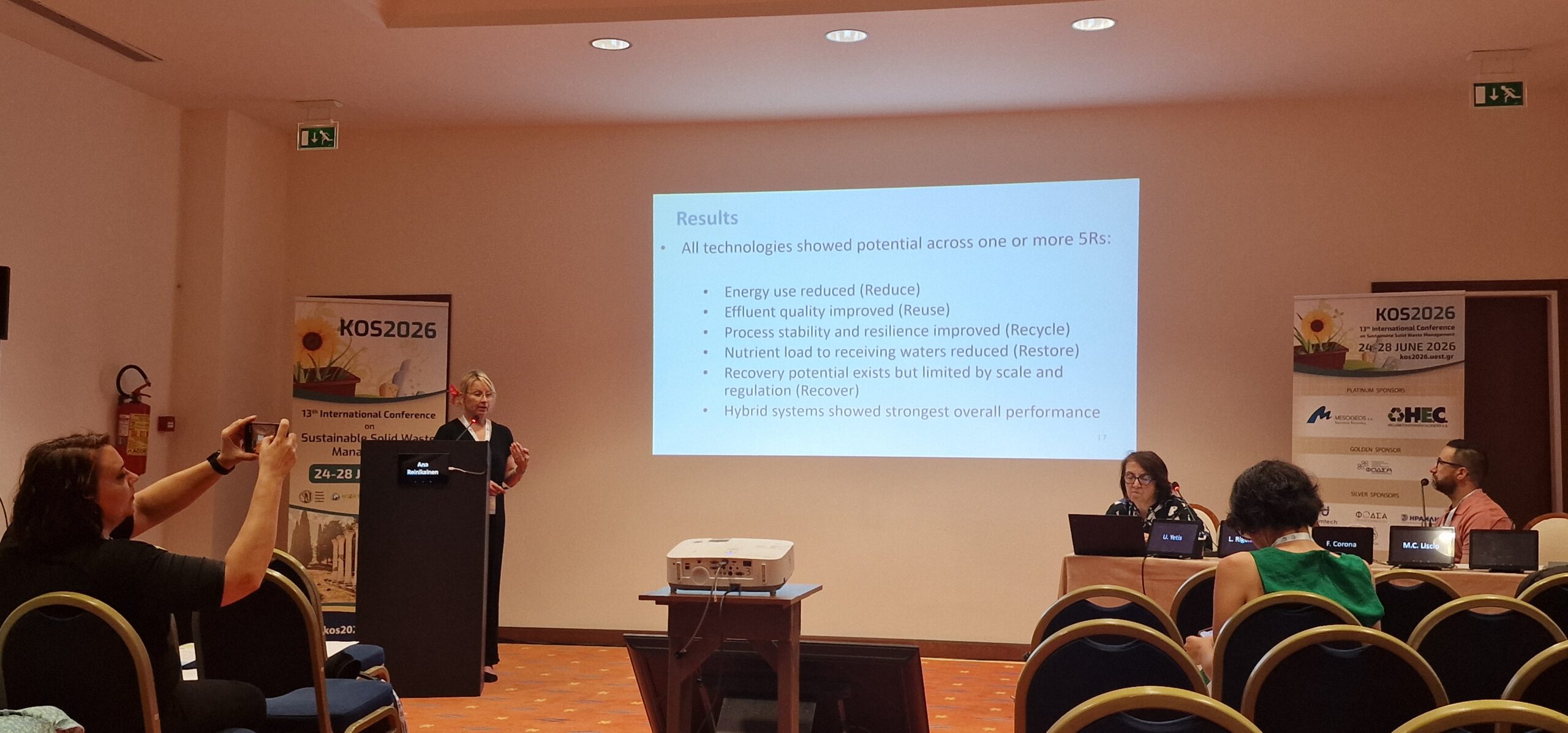
The second presentation of the NURSECOAST-II project was delivered under the session “Circular Economy & Symbiosis.” This presentation focused on the potential of small coastal wastewater treatment plants to support circular economy objectives through the 5R framework (Reduce, Reuse, Recycle, Restore, Recover). Based on six pilot cases, the study demonstrated that various technological solutions can contribute to one or more 5R functions. However, their practical implementation depends strongly on system-level conditions, including regulatory frameworks, operational capacity, economic feasibility, governance alignment, and digital readiness. The results indicate that while circular solutions are technologically feasible, their realisation depends largely on enabling conditions at the system level. The 5R framework was shown to provide a useful decision-support tool for the development and selection of decentralised wastewater solutions.
Overall, the KOS 2026 conference offered an extensive and up-to-date overview of research and innovation in waste management and circular economy, while strengthening international collaboration particularly in advancing sustainable solutions for coastal and island regions.

Additional links
details
-
Homepage
-
Project typeCore Project
-
ImplementationJanuary 2023 - September 2026
-
StatusCompleted
-
Contribution to EUSBSRPolicy Area Nutri, Policy Area Tourism

-
Target groups
- Infrastructure and public service provider
- Local public authority
- Regional public authority
-
Social media
-
Additional links
-
Tags