




New EU wastewater rules demand smarter solutions
15 December 2025
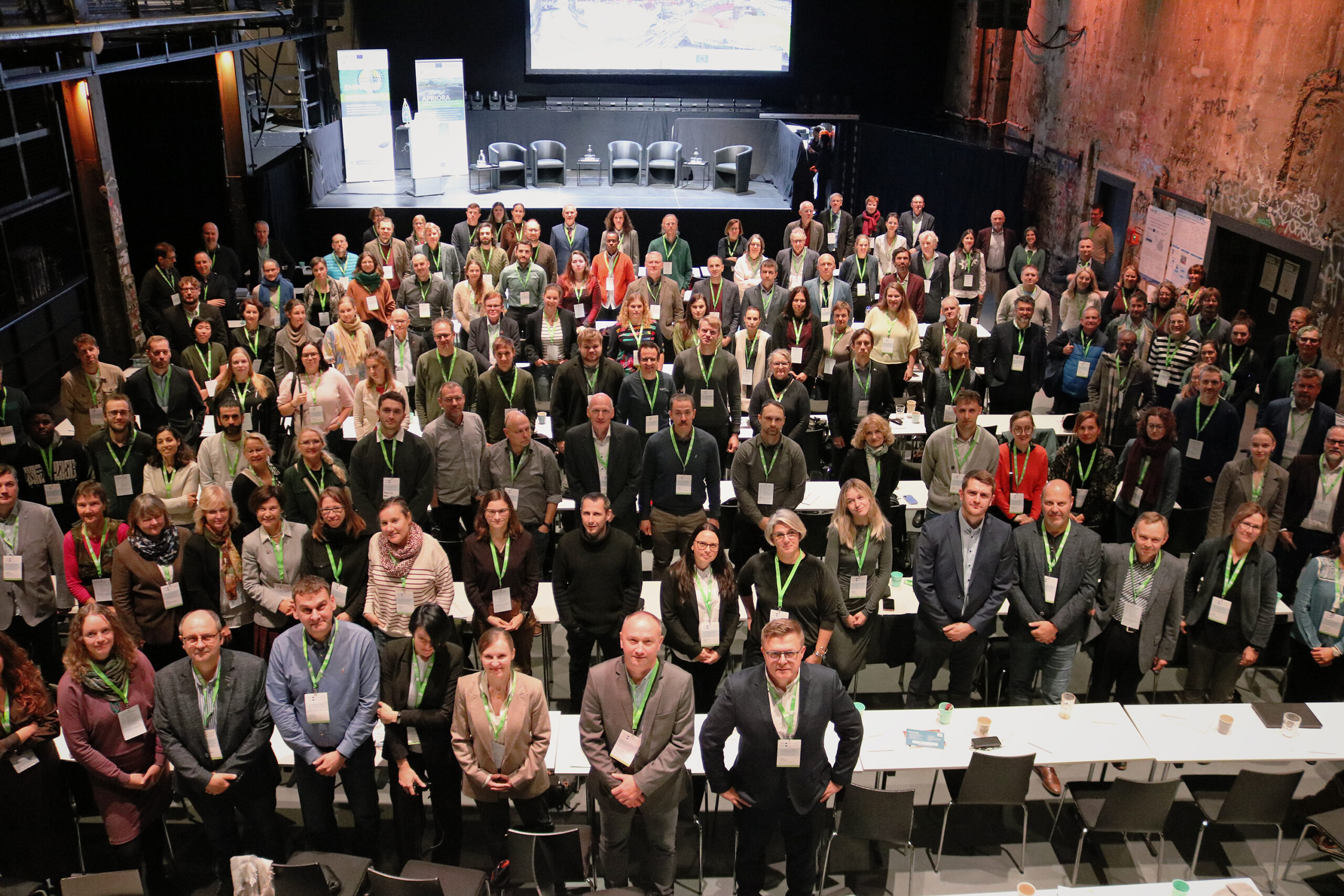
The conference “The Future of Water in the Changing World: Innovative solutions against PFAS and micropollutants” gathered 169 experts from across sectors. Organized by the EMPEREST and APRIORA projects, the event addressed the pressing challenges of the revised Urban Wastewater Treatment Directive, which introduces strict requirements for removing micropollutants from wastewater. These changes place significant pressure on treatment plants and will trigger major investments in quaternary treatment upgrades. The European Commission estimates that meeting these requirements across Europe will cost €28.6 billion by 2040, including €9 billion specifically for micropollutant removal.
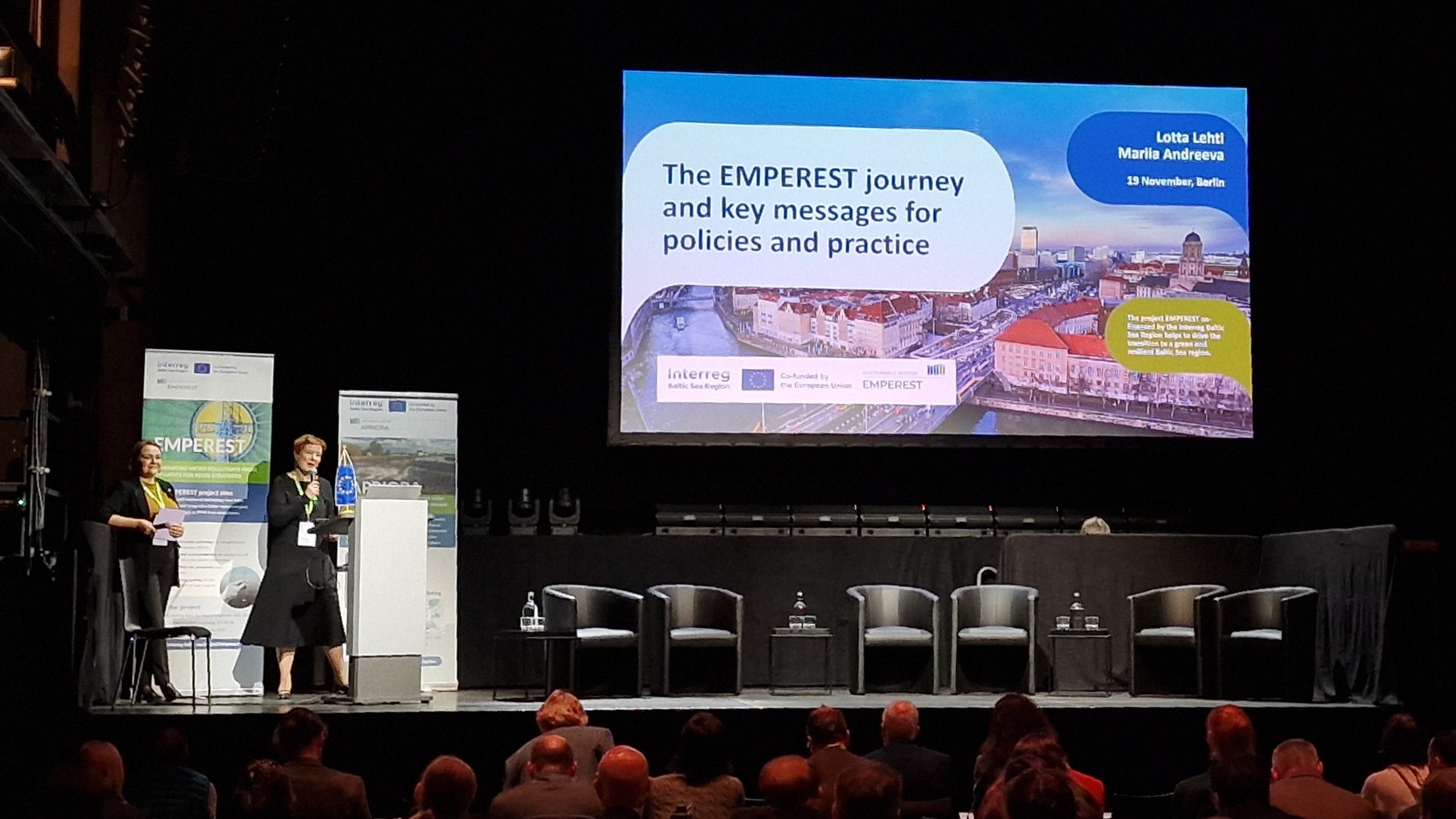
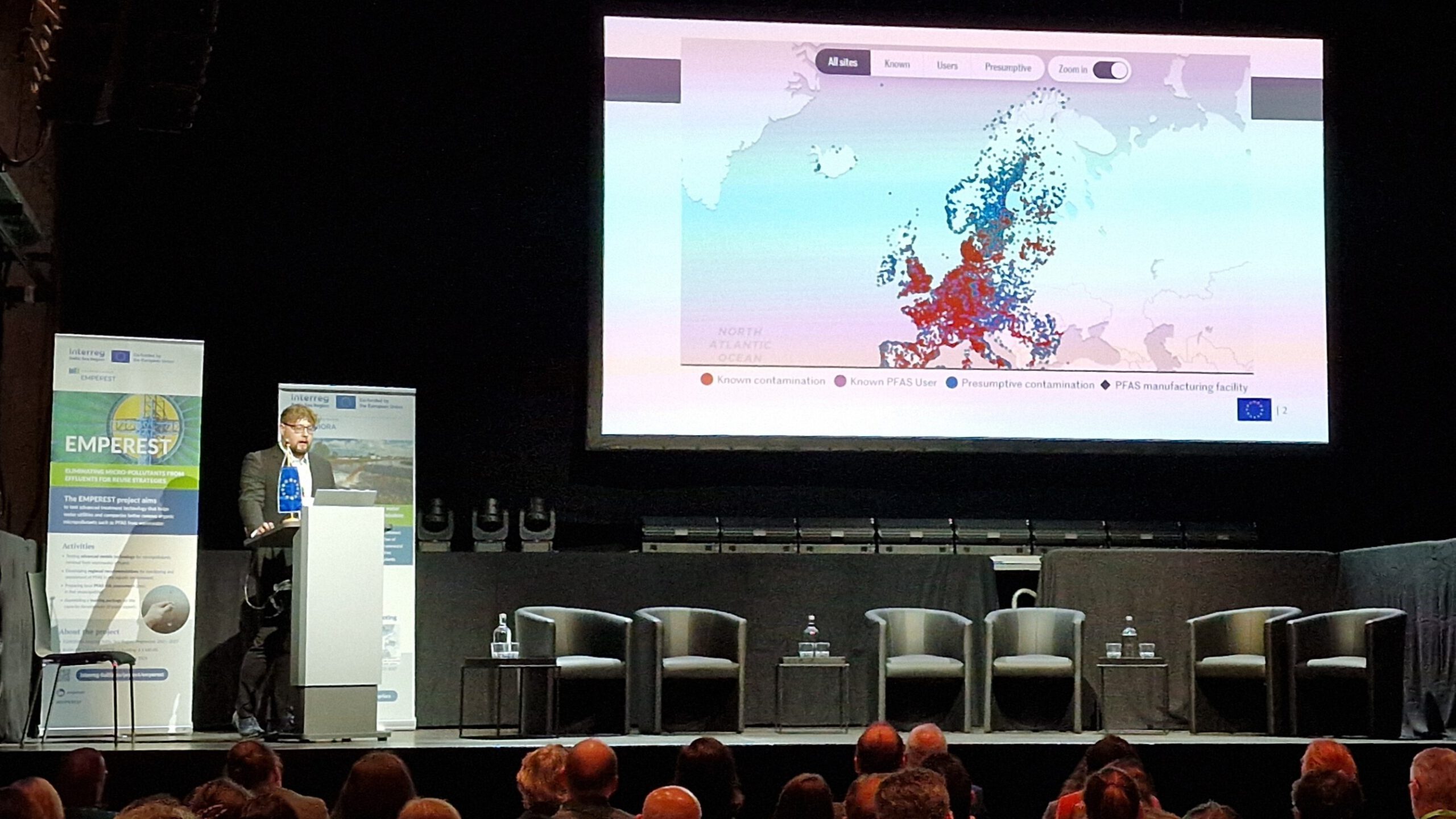
Lotta Lehti (EMPEREST Project Coordinator, Union of the Baltic Cities Sustainable Cities Commission) and Mariia Andreeva (Communications Coordinator, UBC SCC) emphasized EMPEREST’s role in advancing PFAS awareness and solutions in the Baltic Sea region. The project confirmed widespread PFAS contamination and highlighted the need for anticipatory legislation and local mitigation tools. Through international workshops and open-access training, EMPEREST improved understanding of PFAS complexity and health risks, while providing guidance on advanced wastewater treatment technologies for removing organic micropollutants. They stressed that upstream prevention, such as PFAS-free products and potential bans, remains the most cost-effective approach.
Markus Raudkivi (Baltic Marine Environment Protection Commission, HELCOM) explained that PFAS pollution is still a major concern in the Baltic Sea region, particularly in biota. According to new EU health-based thresholds, 9 out of 10 fish samples exceed the limits, with six substances (PFOS, PFNA, PFDA, PFUnDA, PFDoDA, PFTrDA) accounting for over 96% of contamination. While water samples show slight decreases in older PFAS compounds, the overall PFAS load remains unchanged due to new substances entering the environment. Long-term trends do not indicate sharp increases, but the rapid shift in industrial PFAS use makes monitoring increasingly challenging.
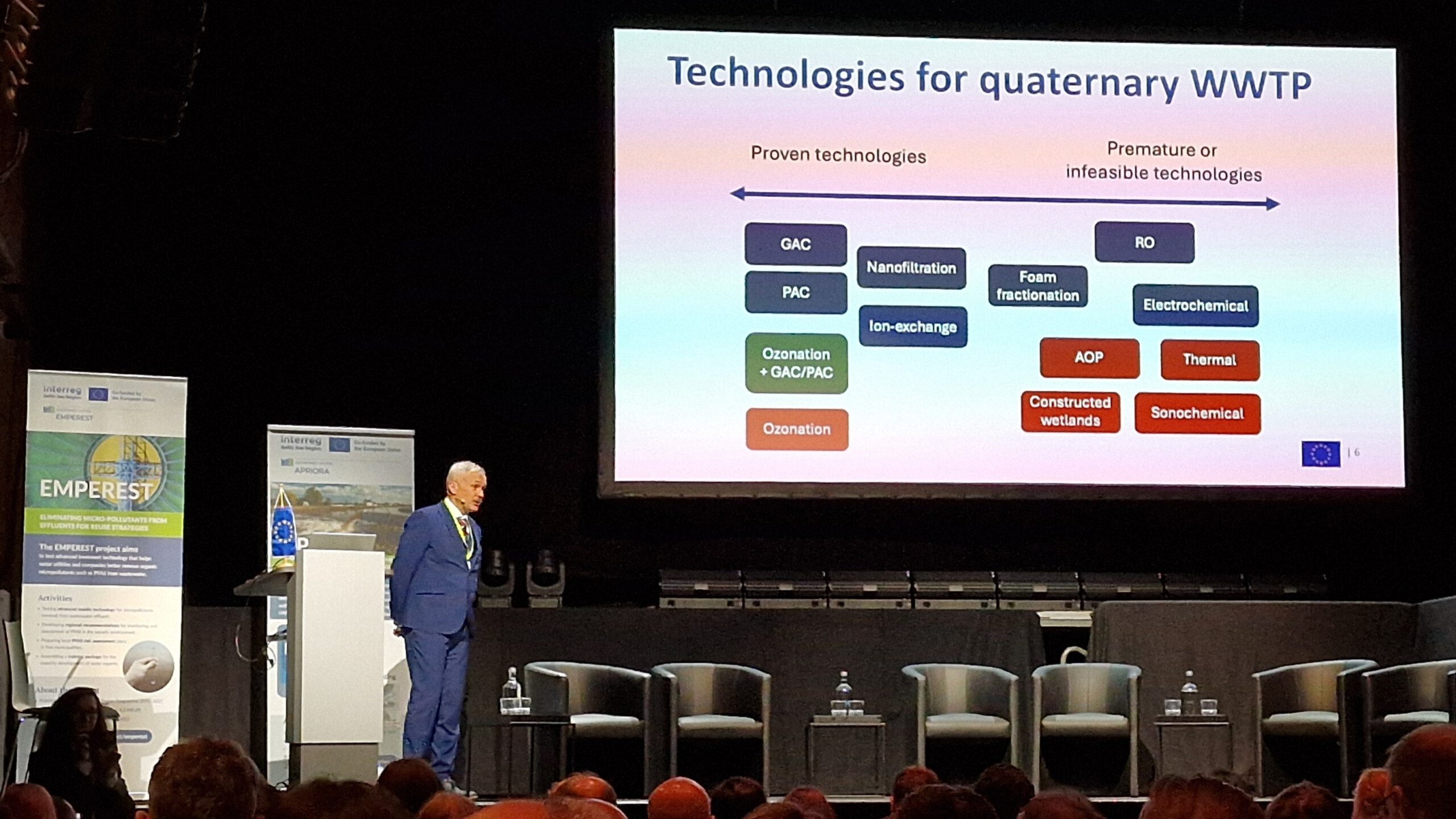
Taavo Tenno (University of Tartu) and Marek Swinarski (Gdańsk Water Utilities Ltd.) presented EMPEREST pilot results from seven Baltic Sea region cities, testing advanced wastewater treatment technologies for micropollutant and PFAS removal. Ozonation and granular activated carbon (GAC) proved highly effective for pharmaceuticals and organic micropollutants, while nanofiltration achieved the best PFAS removal, though short-chain PFAS remained challenging. Sorption technologies showed only mild potential for PFAS, and ozonation may partially degrade long-chain PFAS, requiring careful monitoring. These findings support evidence-based planning for large-scale upgrades under the revised Urban Wastewater Treatment Directive.
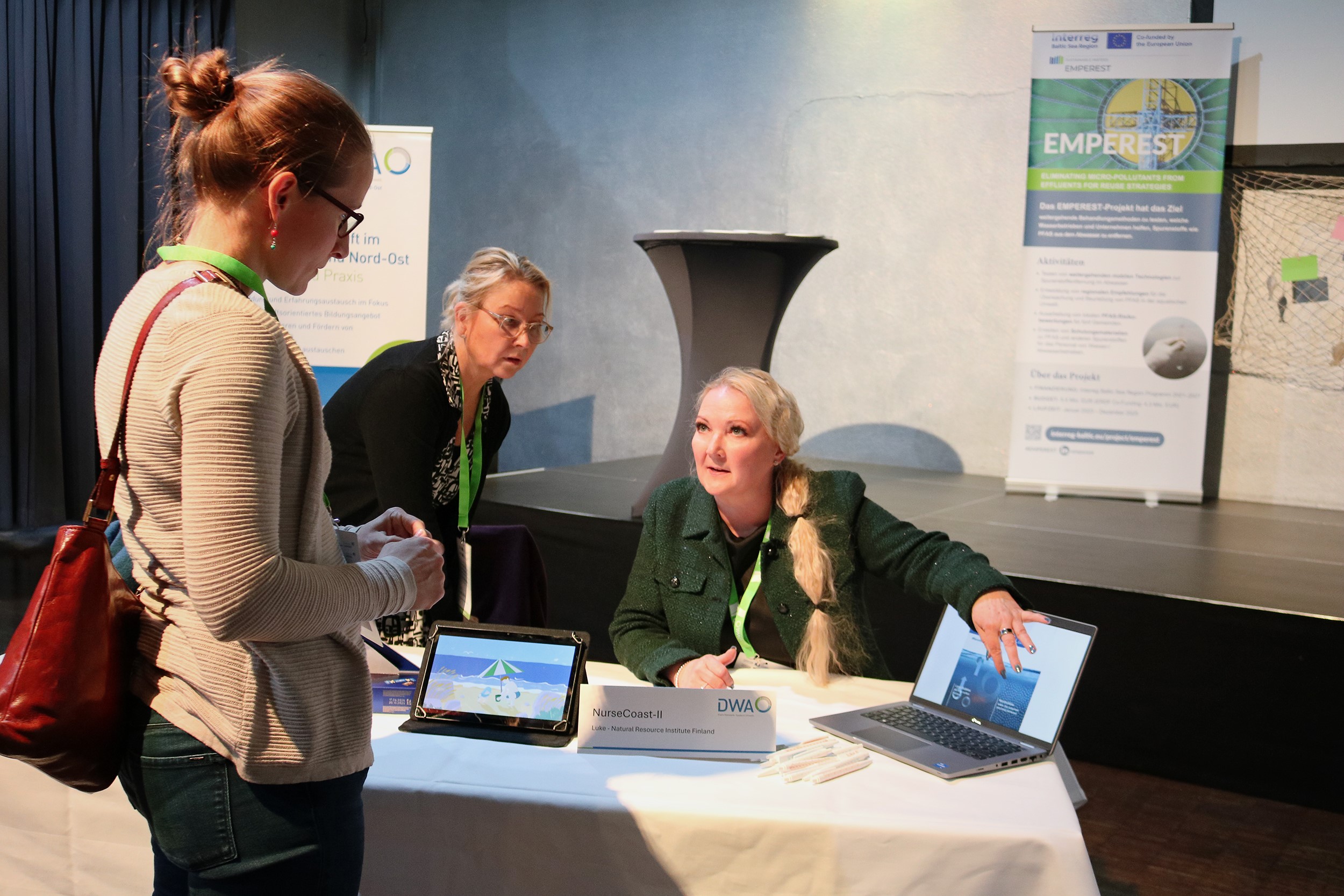
The results of the NURSECOAST-II project were showcased at stakeholder stands by Research Scientists Virpi Vorne and Anu Reinikainen (Natural Resources Institute Finland, Luke). The audience was particularly interested in the use of nanobubble technology in wastewater treatment and the role of constructed wetlands in enhancing treatment efficiency. The complexity, fragmentation, and slowness of environmental permitting processes across EU member states also sparked lively discussion, these challenges can, in the worst case, delay projects, hinder investment, and risk environmental protection.
The conference offered insightful presentations, site visits, and stakeholder networking opportunities. Many thanks to all Emperest partners for the great collaboration!

Additional links
details
-
Homepage
-
Project typeCore Project

-
ImplementationJanuary 2023 - September 2026
-
StatusOngoing
-
Contribution to EUSBSRPolicy Area Nutri, Policy Area Tourism

-
Target groups
- Infrastructure and public service provider
- Local public authority
- Regional public authority
-
Social media
-
Additional links
-
Tags