




Looking back and moving forward: Light in the Dark partners meet in the Stockholm Archipelago
25 September 2026
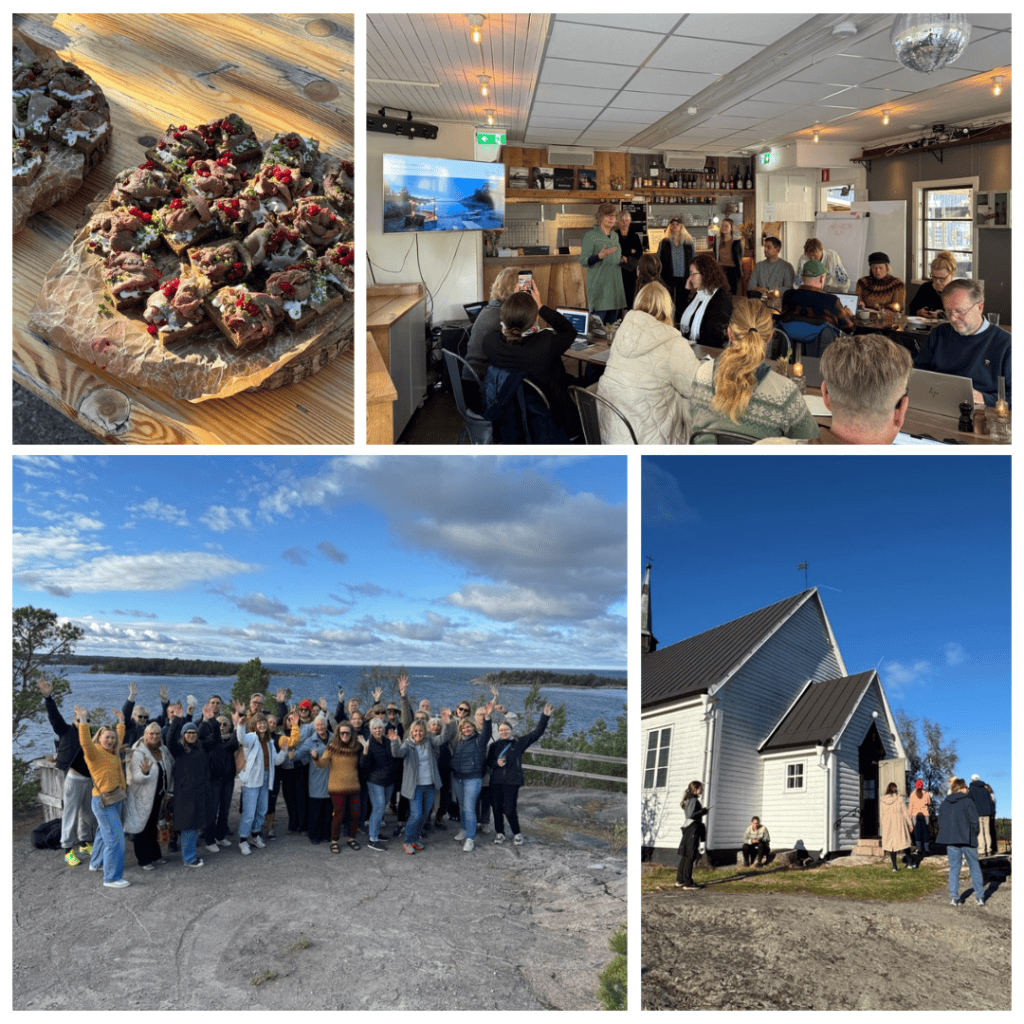
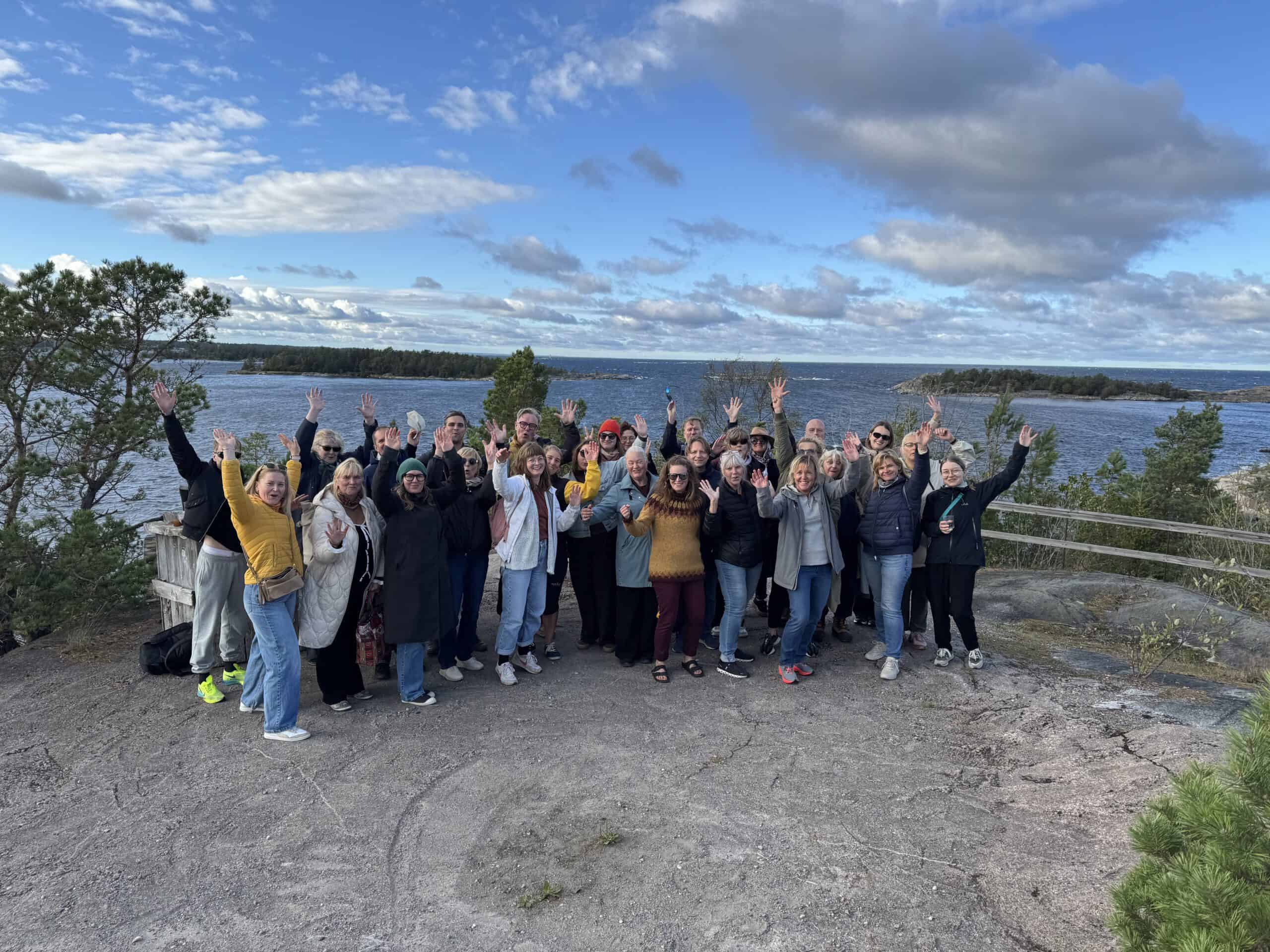
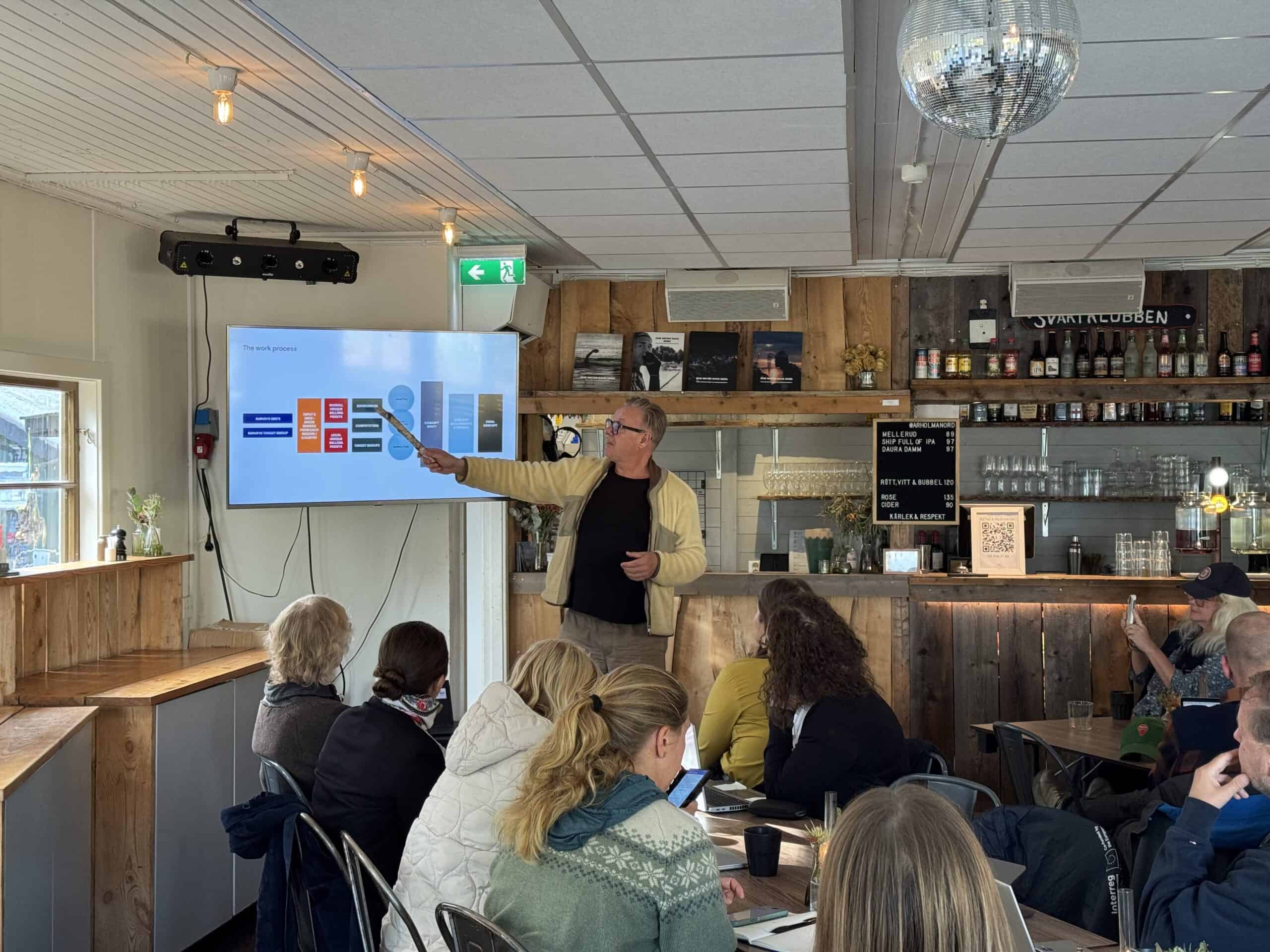
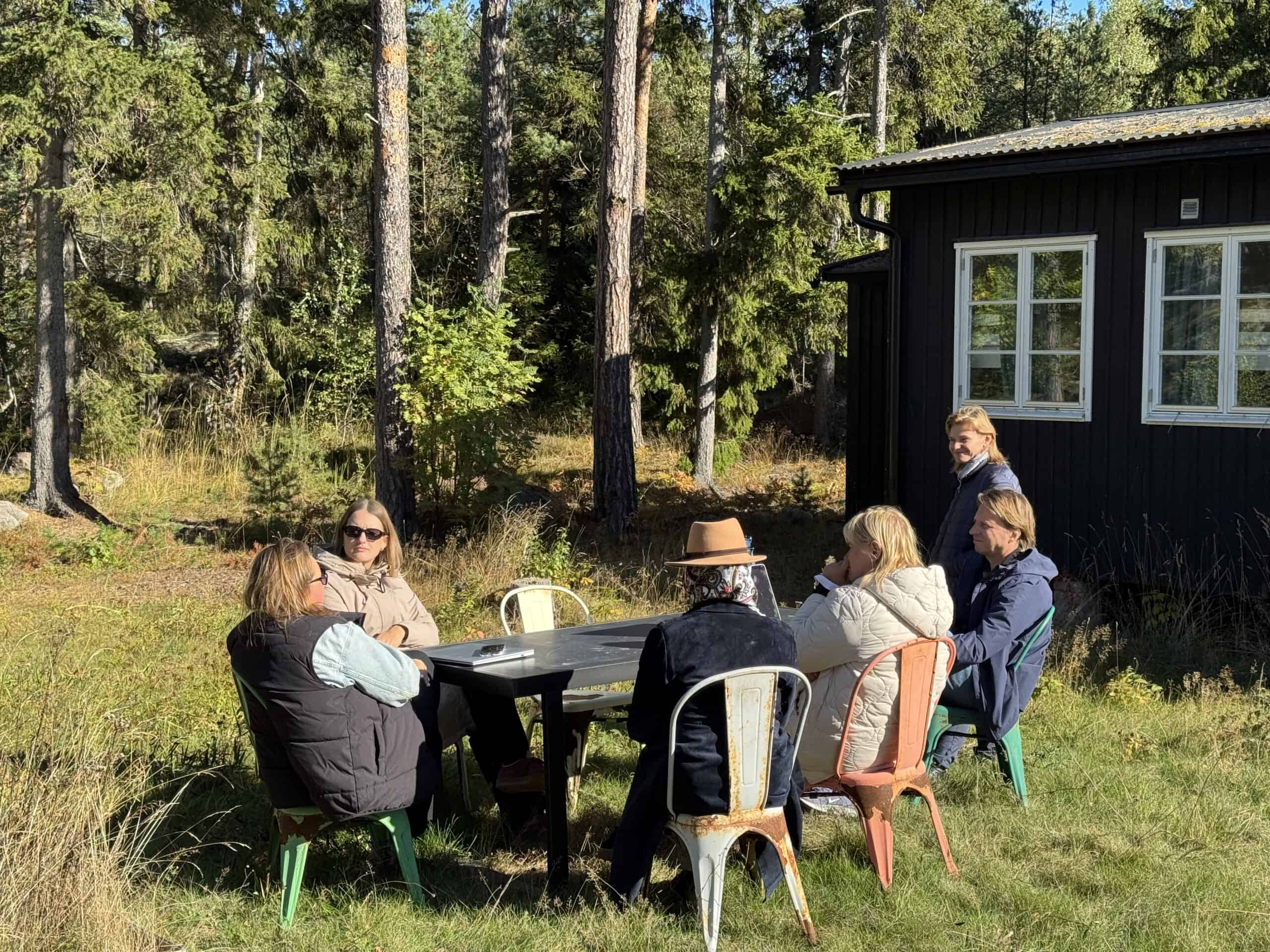
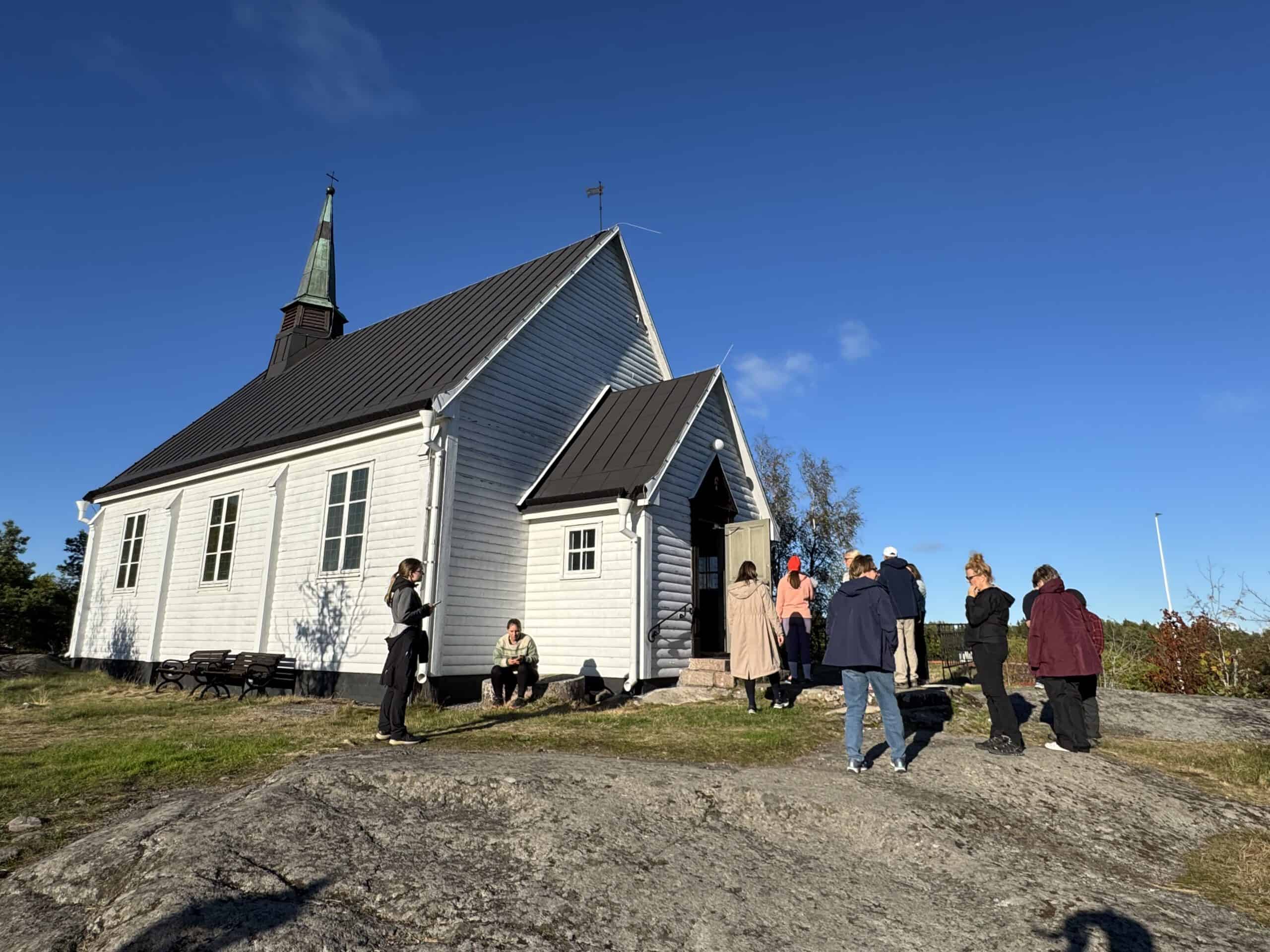
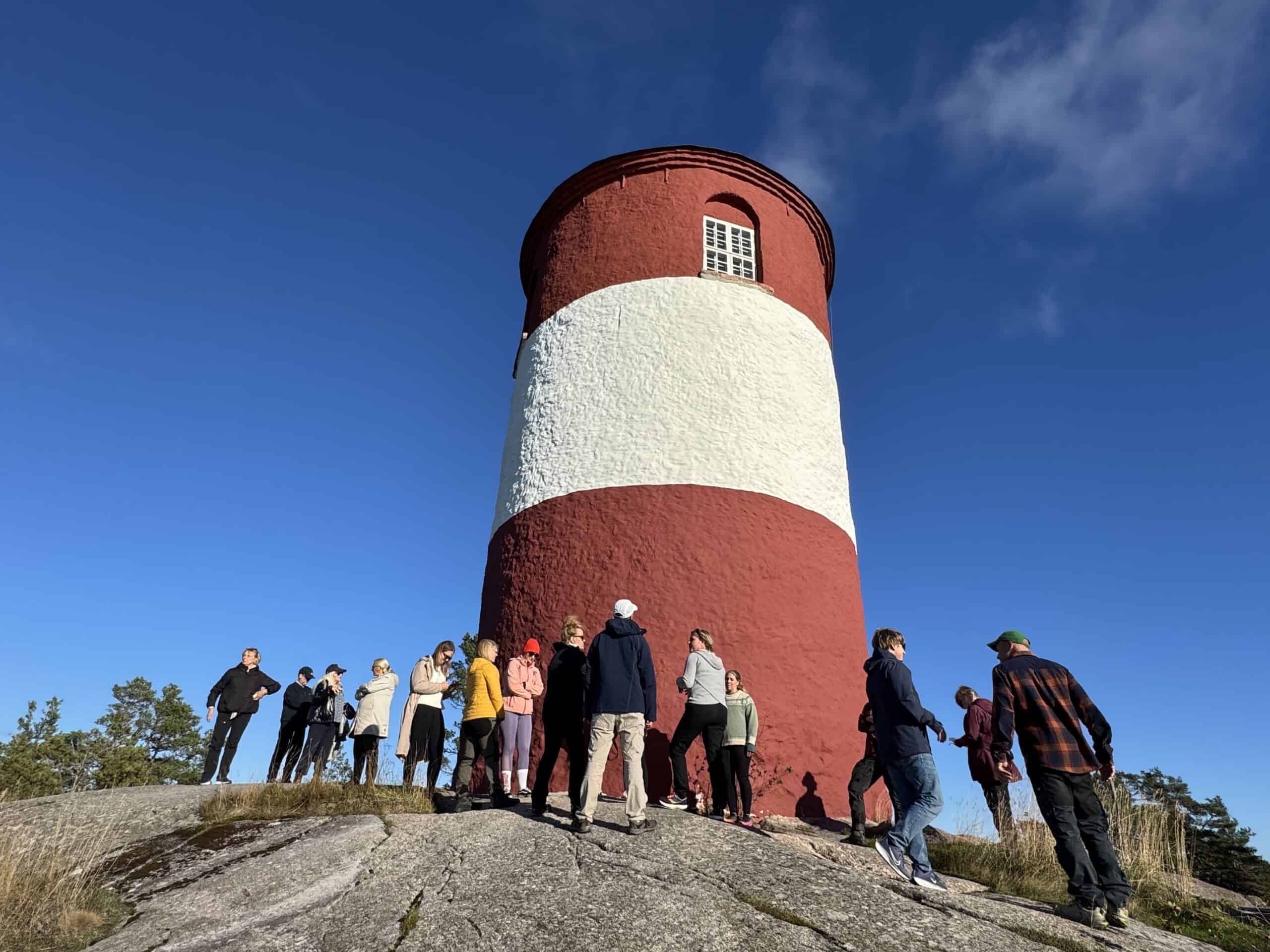
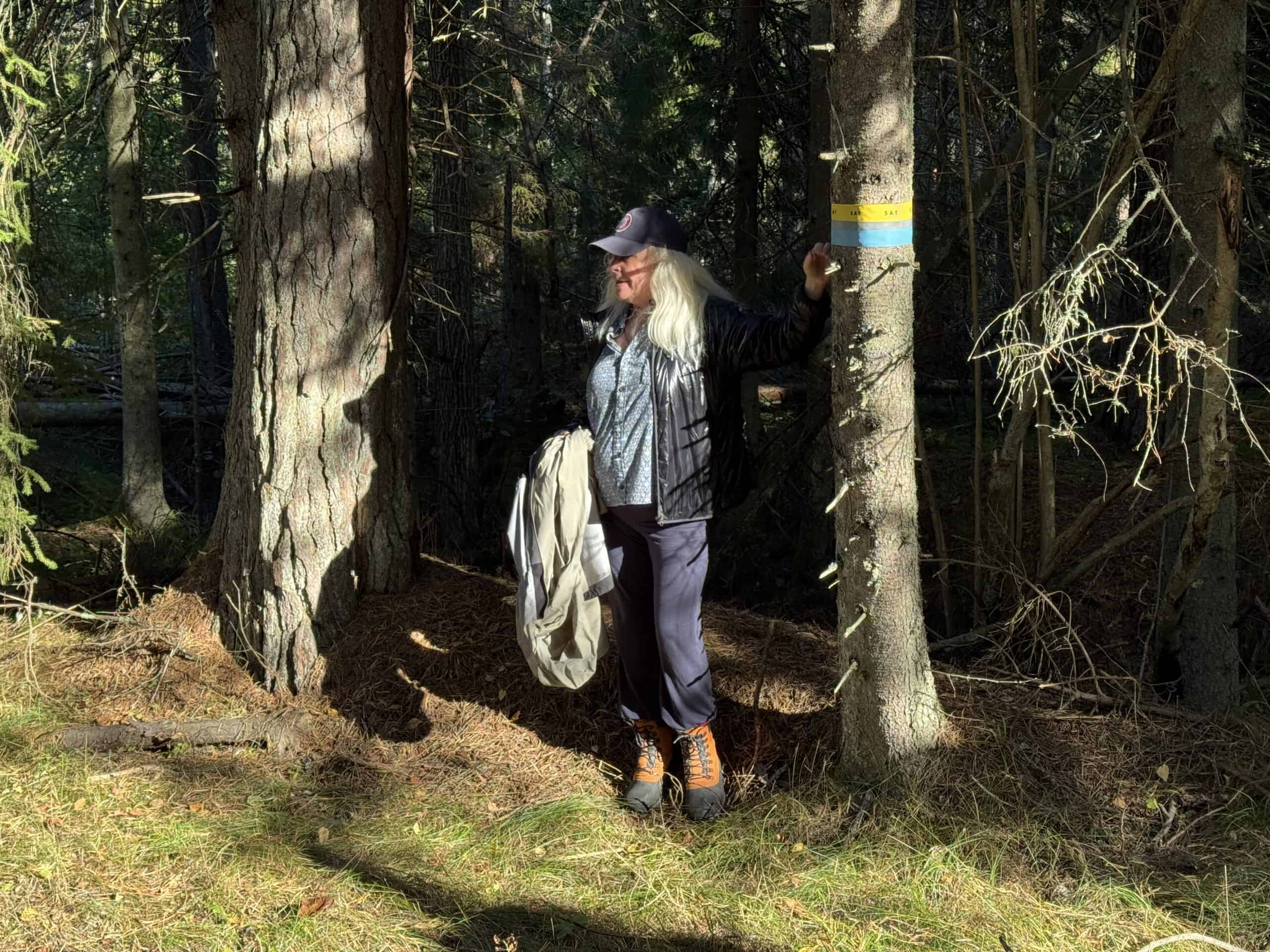
Light in the Dark partners gathered at Arholma Nord in the Stockholm Archipelago from 21 to 23 September for the project’s final in-person partner meeting. Hosted by the Swedish project team, the three days combined reflection on the project’s journey with discussions about what has been learned, what participating tourism businesses will take with them, and where the work could go next. The meeting began with a boat journey from Norrtälje through the Roslagen archipelago to Arholma. The setting also became part of the programme, with outdoor meals, a guided walk around Arholma and the Stockholm Archipelago Trail, and time for partners and businesses to meet outside the formal working sessions.
The main working sessions started by looking back. Partners revisited the story behind Light in the Dark and shared highlights from across the project, including research into visitors and SME challenges, product development, piloting, the joint marketing concept and materials, the handbook and the digital inspirational tool.
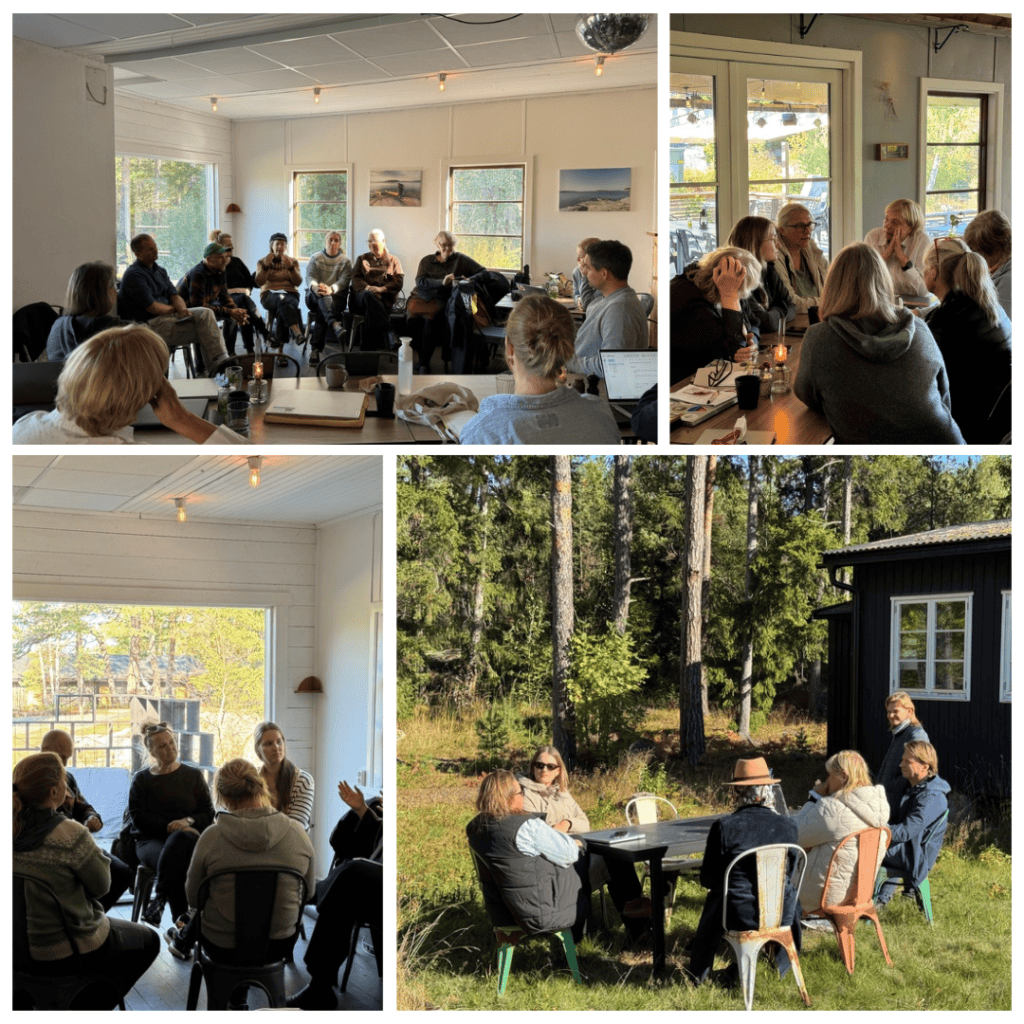
A central part of the meeting was hearing directly from the SMEs involved in Light in the Dark. The panel explored what had created value for businesses, what had been challenging, whether participation had changed the way businesses thought about the off-season, and what kind of support small tourism businesses still need to develop and sell experiences outside the traditional high season.
The discussion showed that the value of Light in the Dark was not limited to the tools and materials produced by the project. Businesses highlighted the learning that took place during the development process itself and the value of exchanging experiences with other nature tourism companies around the Baltic Sea. Increased confidence in working internationally, improved English skills, access to shared photos and videos for marketing, and the Light in the Dark marketing concept were among the benefits raised during the discussions.
At the same time, the conversations on Arholma were also honest about the challenges that remain. Developing an interesting tourism experience is only one part of the journey. Businesses ultimately need products that can reach customers and generate bookings. The discussions highlighted challenges around packaging experiences, calculating costs, connecting different booking systems and developing stronger links with international tour operators and agents. Participants also pointed towards the shoulder seasons as an important opportunity, rather than viewing the off-season as one single period.
This became the starting point for the meeting’s forward-looking workshop. Different groups explored how the knowledge, network and concept created through Light in the Dark could be developed further. Ideas included closer cooperation with tour operators, joint FAM trips around the Baltic Sea Region, practical support for SMEs with costing and digital solutions, stronger connections between businesses and destinations, and ways of maintaining the network through regular meetings. A joint presence for the Baltic Sea Region at ITB Berlin was also raised as one possible future step.
One recurring message was the importance of moving from individual pieces towards more complete tourism experiences. The SME group described participating businesses as pieces of a puzzle that need to be connected, while the discussions about a possible future continuation focused increasingly on packaging, promotion and sales rather than starting another cycle of product development.
The final morning brought the discussion back to where Light in the Dark stands after its three-year journey and to the activities and commitments that continue beyond the project period. The meeting concluded with reflections from the partnership before the boat left Arholma and returned to Norrtälje.
As Light in the Dark approached the end of its project period, Arholma offered both a moment to look back and an opportunity to look ahead. The project has created tools, knowledge, tested experiences and connections across the Baltic Sea Region. The discussions in Sweden also made one thing clear: developing off-season tourism is a longer journey, and there is still potential to build on the relationships and knowledge created through Light in the Dark.

Additional links
details
-
Homepage
-
Project typeCore Project

-
ImplementationNovember 2023 - October 2026
-
StatusOngoing
-
Contribution to EUSBSRPolicy Area Tourism

-
Target groups
- Business support organisation
- Local public authority
- Regional public authority
- Small and medium enterprise
-
Social media
-
Additional links
-
Tags