




Season extension in practice for SMEs
13 May 2026
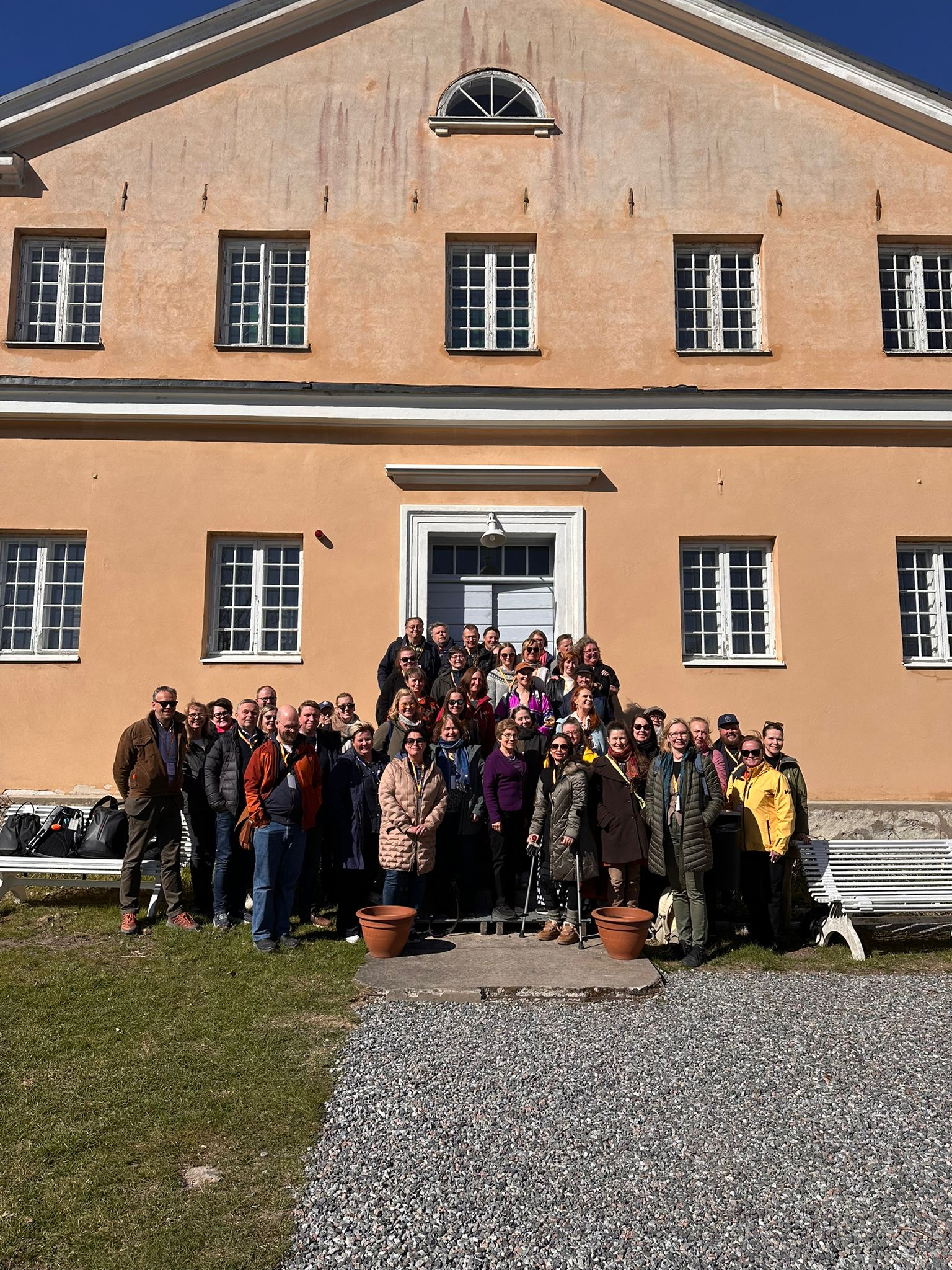
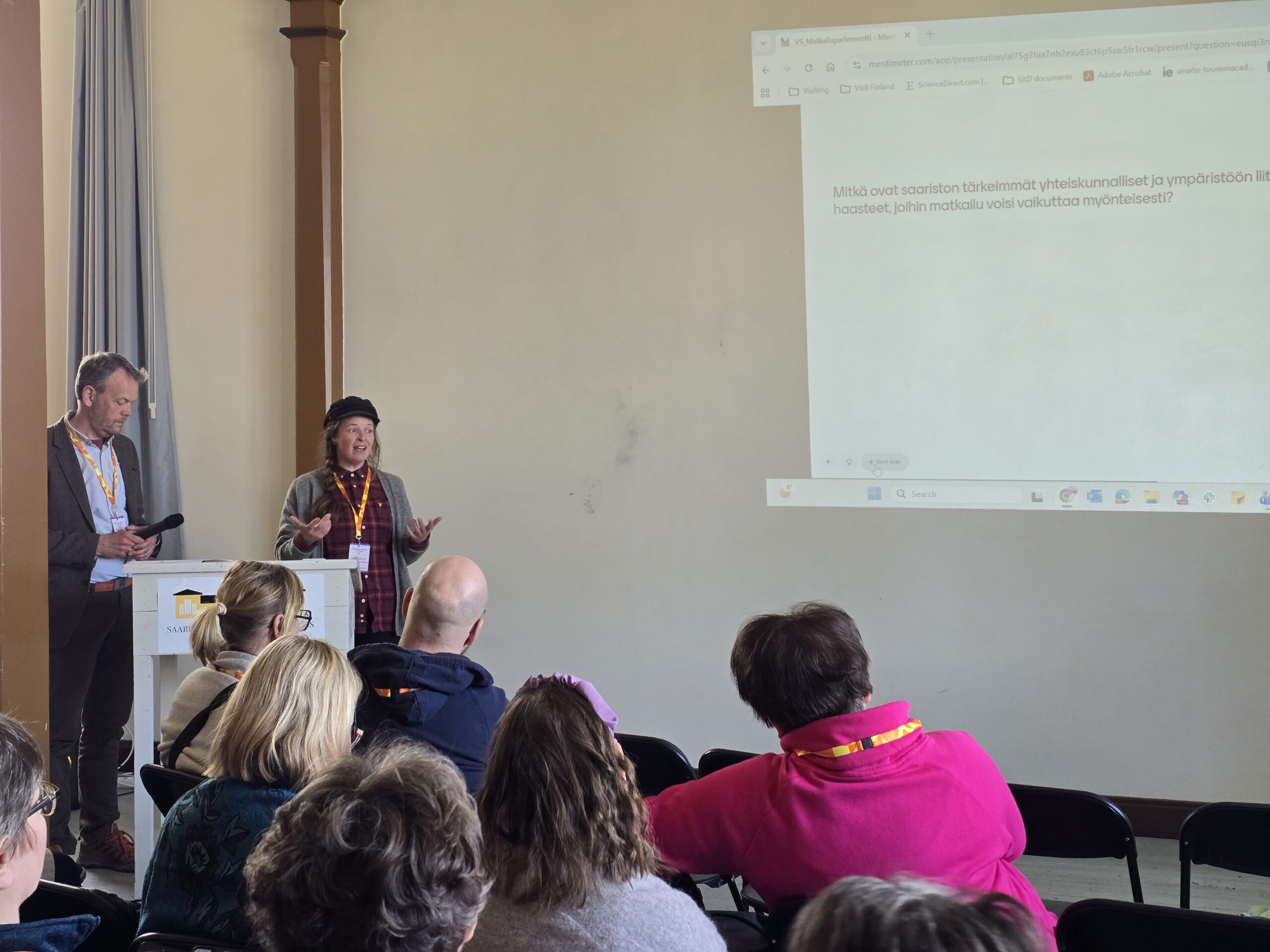
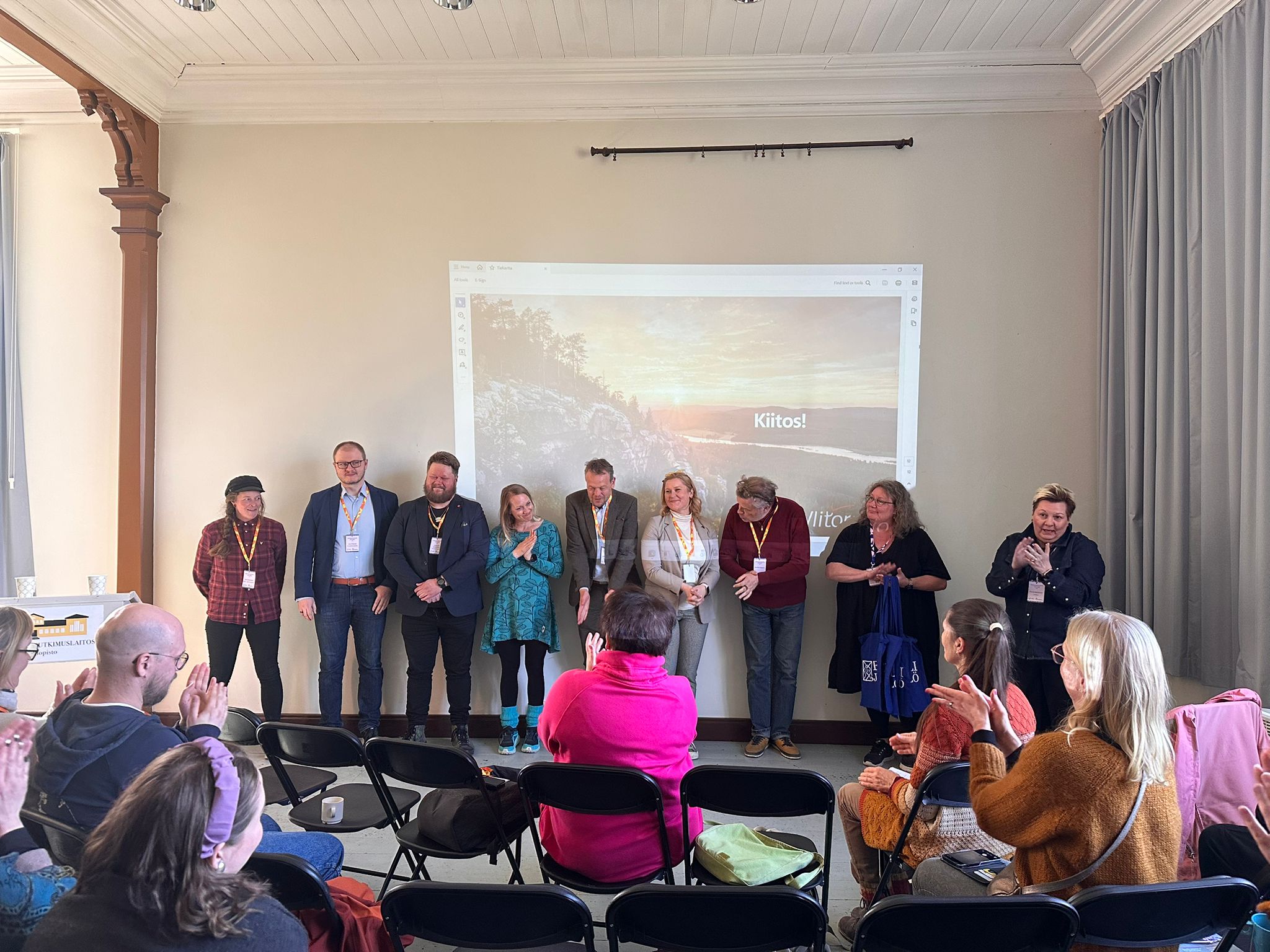
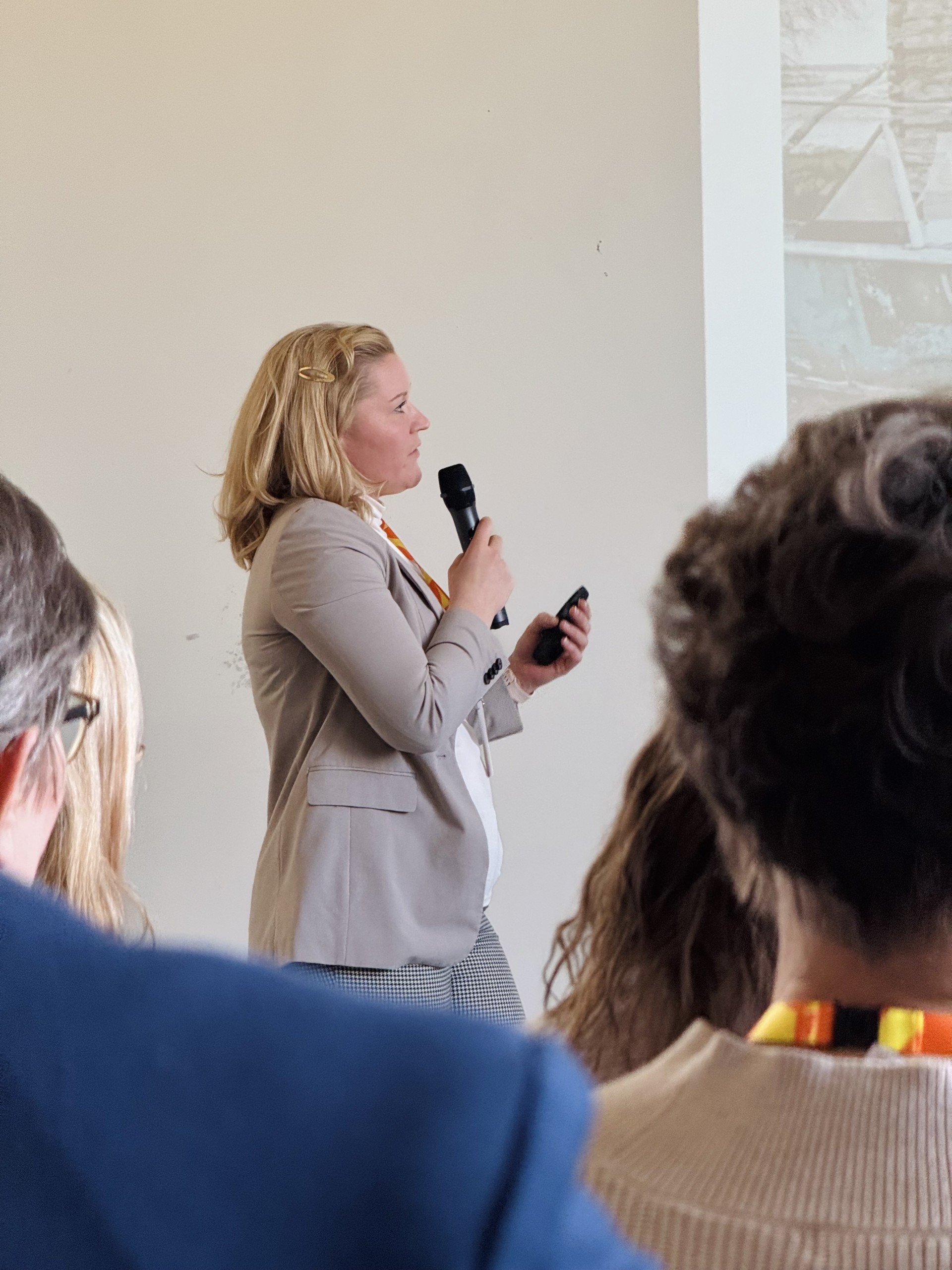
At the Tourism Parliament of Southwest Finland on 23 April 2026, discussions around tourism growth quickly turned into practical questions for small businesses working in the region.
Much of the conversation focused on managed growth, local acceptance and how tourism fits into everyday life. While these themes are often discussed at a strategic level, they also show up in very concrete ways for SMEs.
This is where the work of Light in the Dark connects to the broader discussions, complementing the system-level perspective explored in the RegenT project.
From ideas to offers
In our work with SMEs, the main challenge is rarely a lack of ideas.
More often, it is about turning existing ideas into something clear and bookable.
Experiences already exist in the off-season, but they are not always described in a way that reaches the right audience. A product in November might still be presented through a summer perspective.
This is often where the work starts:
- what is actually being offered
- who it is for
- why it matters at that time of year
For many businesses in small communities, these questions are closely linked to local acceptance and everyday life.
Supporting SMEs with AI
Within Light in the Dark, an AI-based tool is being developed to support this process.
The tool helps structure ideas into draft texts and visual material that companies can work with. Sometimes the output is useful as it is. Sometimes it needs further editing. Either way, it helps move things forward.
It also makes it easier to test ideas. SMEs can quickly try different ways of presenting an offer and see what works.
At the same time, there are ongoing discussions about how and when to use AI. Some entrepreneurs are careful with how much they use it, which is also part of the conversation.
Related reading

Additional links
details
-
Homepage
-
Project typeCore Project

-
ImplementationNovember 2023 - October 2026
-
StatusOngoing
-
Contribution to EUSBSRPolicy Area Tourism

-
Target groups
- Business support organisation
- Local public authority
- Regional public authority
- Small and medium enterprise
-
Social media
-
Additional links
-
Tags