




Building resilience beyond the peak season: Light in the Dark at CAMPUS 2026
26 October 2026
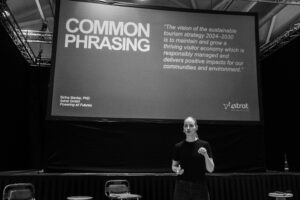
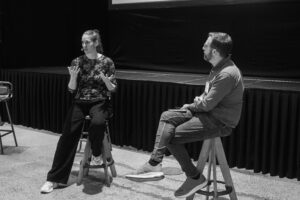
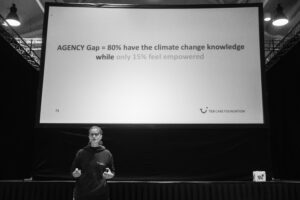
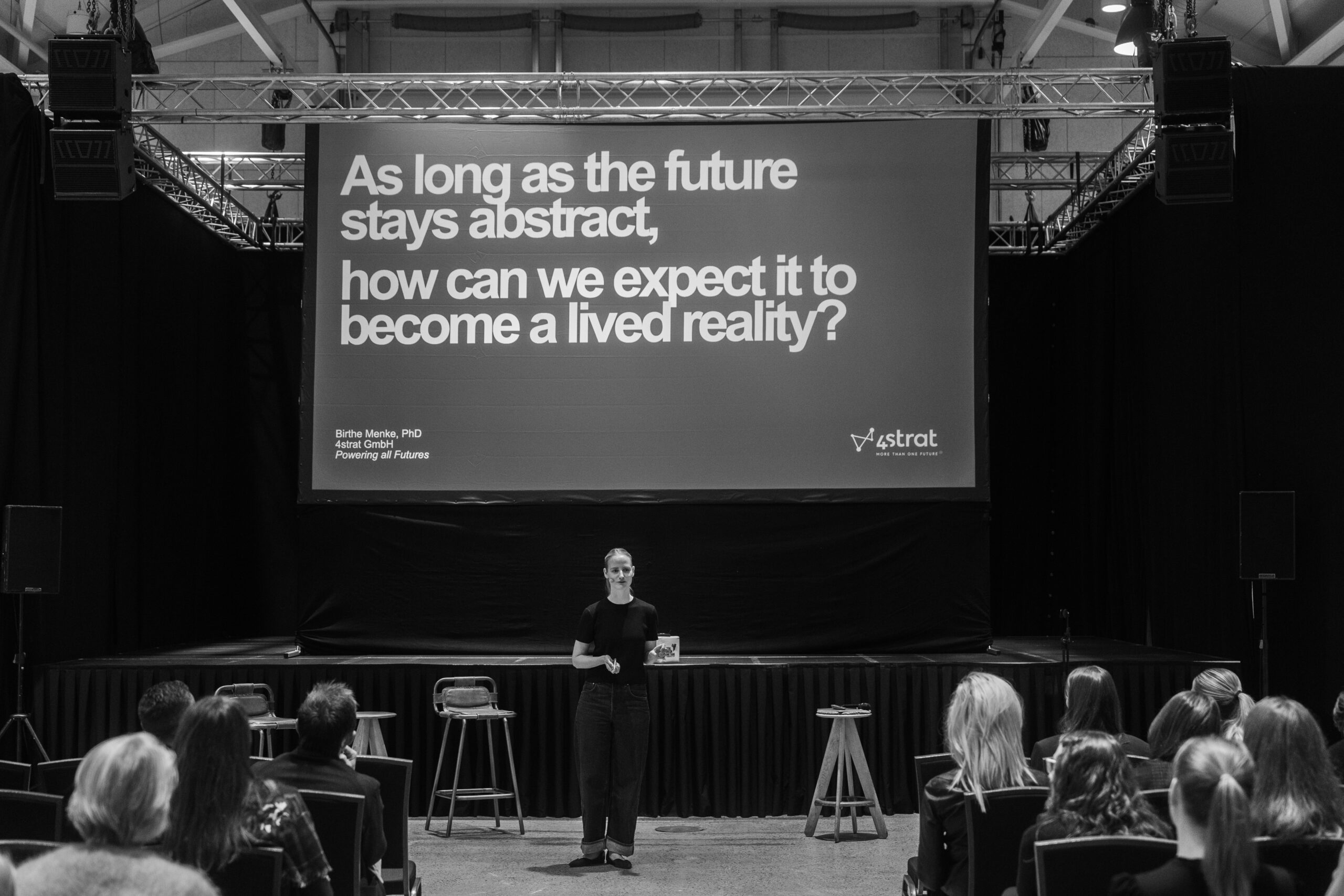
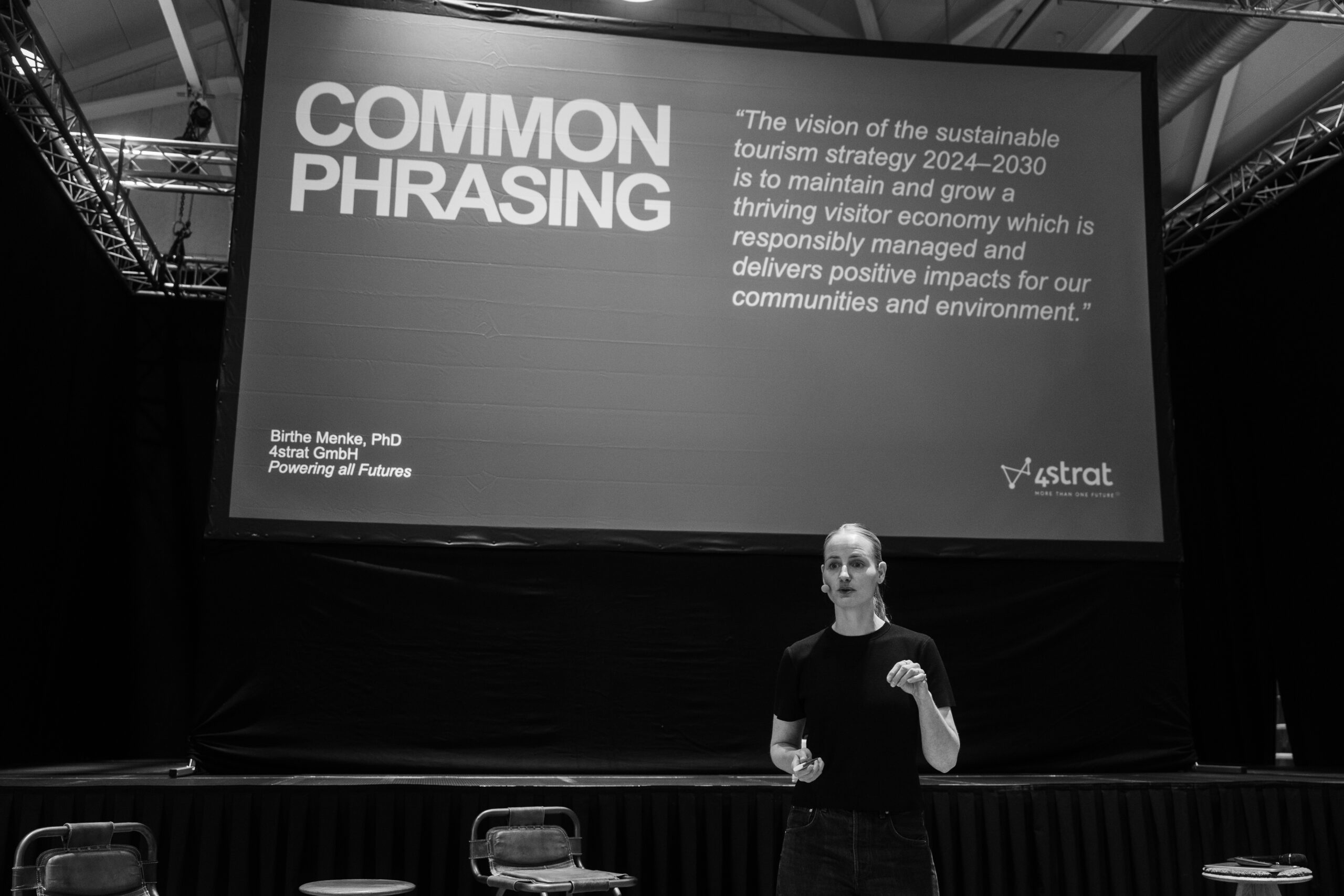
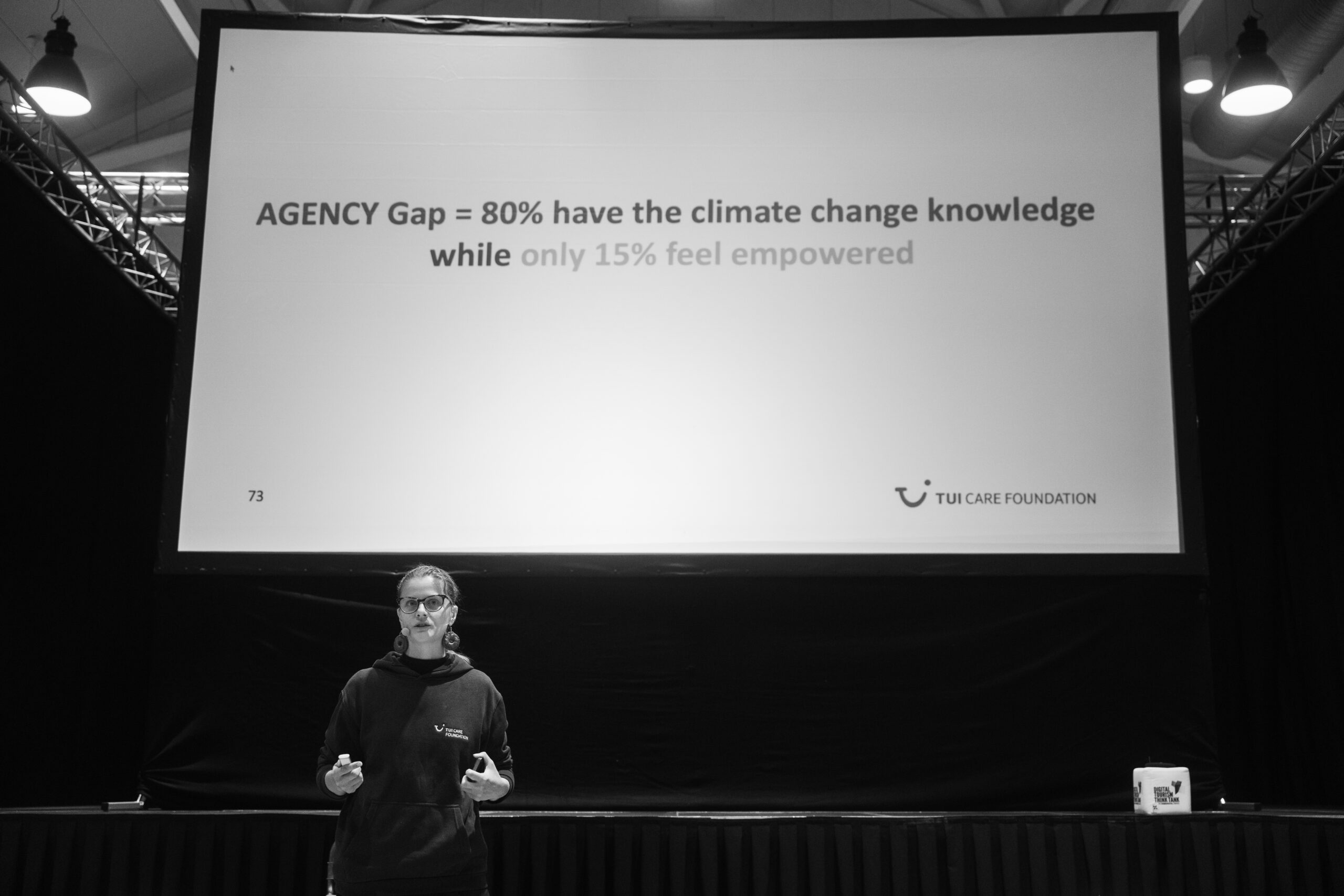
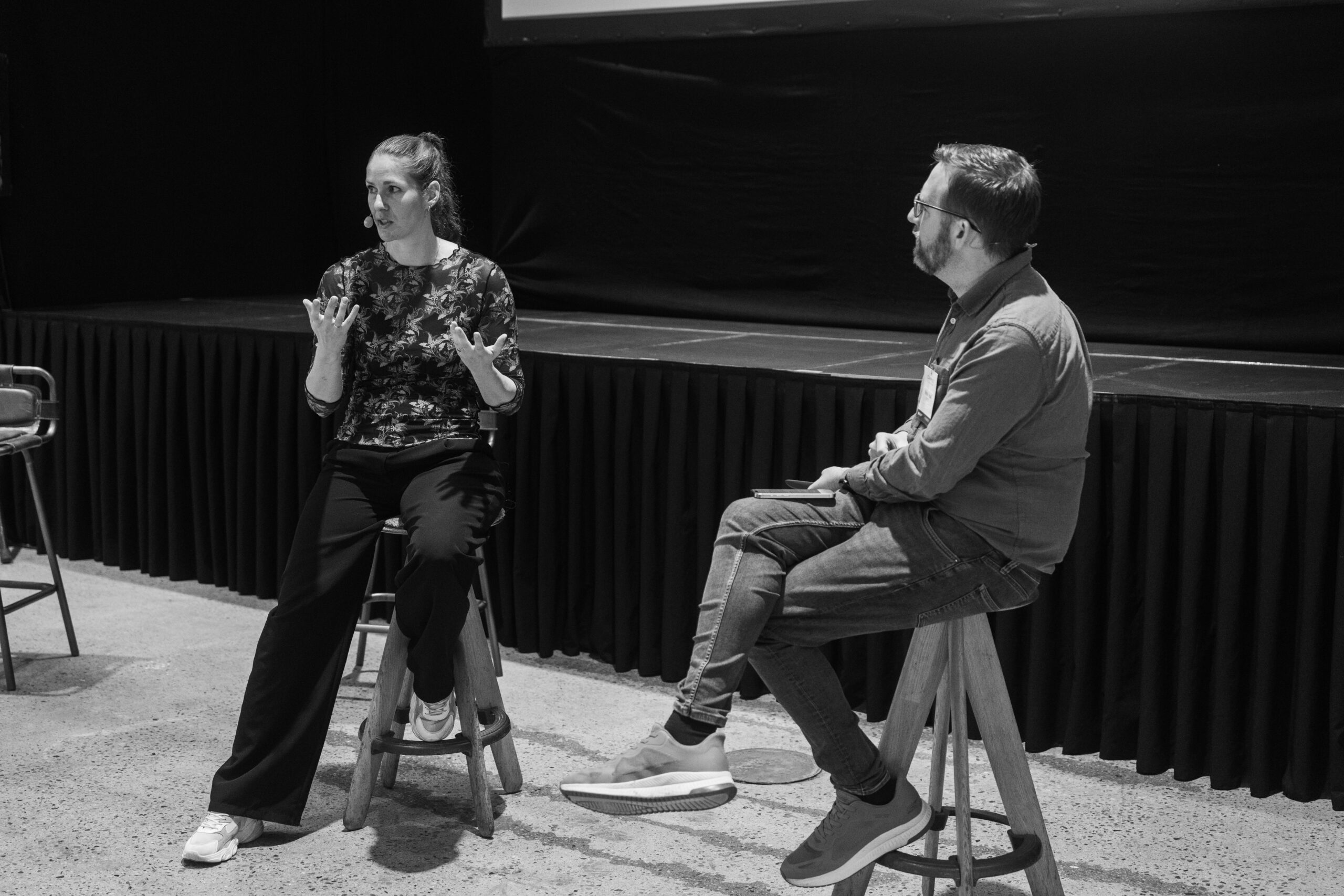
At the turn of September and October, tourism professionals and destination representatives from across Europe and beyond gathered in the Turku Archipelago for CAMPUS 2026, organised by the Digital Tourism Think Tank together with Visit Turku Archipelago. Over the two days, discussions ranged from climate action and regenerative tourism to visitor flows and new ways of looking at the value tourism creates for destinations.
For Light in the Dark, one question felt particularly familiar:
How can destinations become more resilient by looking beyond the traditional peak season?
Seasonality has always been at the heart of Light in the Dark. Across the northern Baltic Sea Region, the project has worked with tourism SMEs and destinations to develop sustainable, nature-based experiences for autumn, winter and spring.
Rethinking what successful tourism looks like
One presentation that stayed with me was “Wonderful KPIs” from Chile. It raised a simple but important question: what do we actually mean when we say that tourism is successful? Instead of looking only at traditional indicators such as arrivals and GDP, the presentation brought cultural, ecological and community wellbeing into the discussion.
For me, this connected very directly with the work we have been doing in Light in the Dark. Working with off-season tourism is of course about creating opportunities for businesses outside the busiest months, but there is a bigger question behind it too. What happens to a destination when tourism can create value during more of the year, rather than being concentrated into a short peak season?
This also links to another idea running through CAMPUS: destination development should not start only with the question of how to attract more visitors, but also with what kind of tourism a place actually wants and what value it should create locally. For Light in the Dark, extending the season is therefore not really a goal in itself. The more important question is what kind of tourism we want to develop outside the traditional summer season, and who should benefit from it. This place-based approach, including season extension and strengthening tourism’s local benefits, was part of the wider framing around CAMPUS 2026.
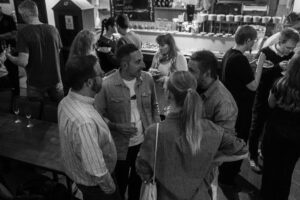
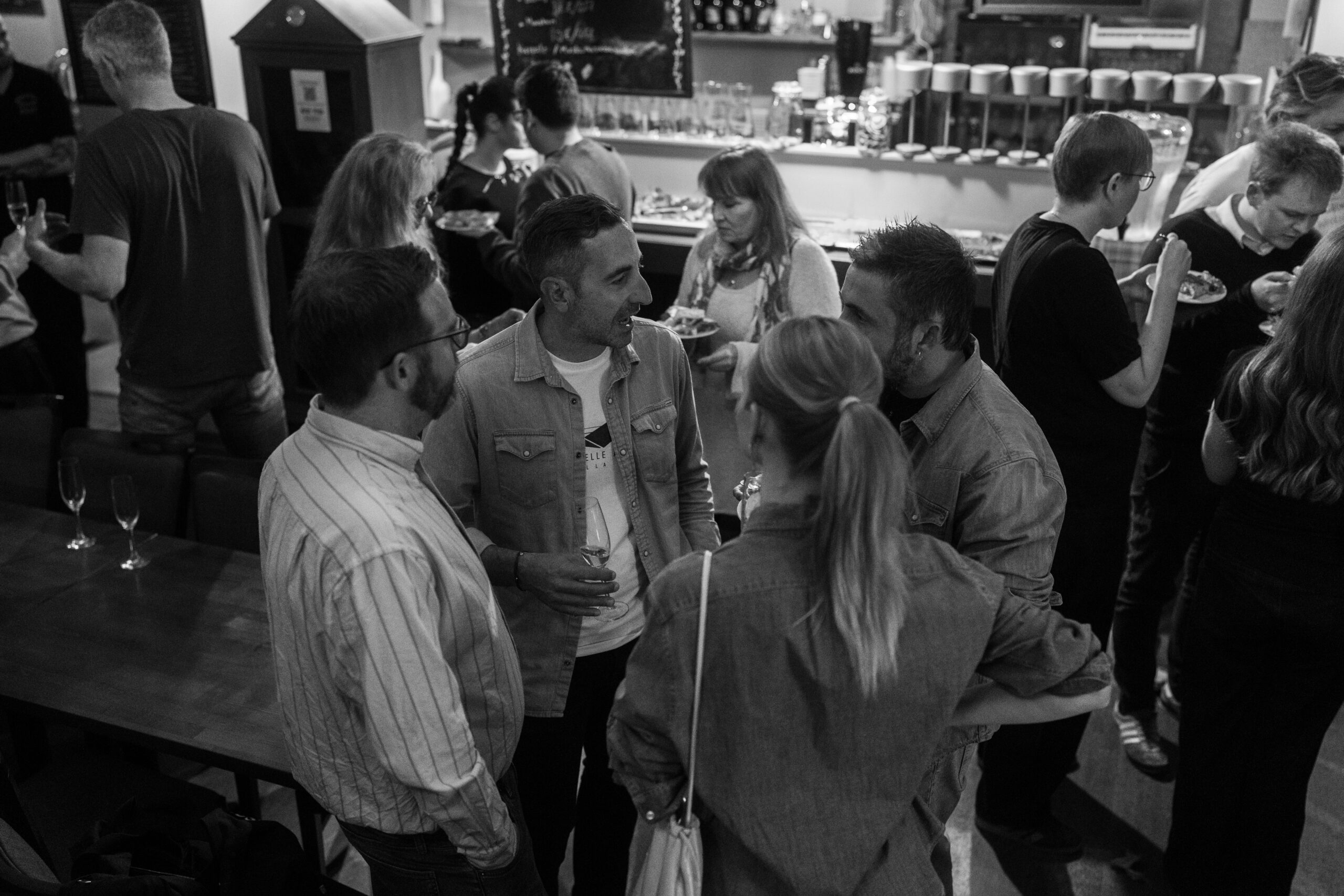
The format of CAMPUS also suited these discussions well. We did not spend the whole event sitting in a traditional conference room, but moved between presentations, discussions and experiential workshops in different settings around the Turku Archipelago. Having these discussions here in our own region also made many of the bigger questions around resilience and destination development feel much less abstract. The CAMPUS programme deliberately combined expert sessions with experiential fieldwork in the archipelago, including workshops on Ruissalo and later collaborative work deeper in the archipelago.
I left CAMPUS thinking that many of the discussions came back to something we have also seen during Light in the Dark: seasonality is not only a tourism challenge. It is connected to how destinations develop, how businesses can operate throughout the year and, ultimately, what kind of tourism we want to create in our regions.
Janina Selin
Project Manager
Novia University of Applied Scienes

details
-
Homepage
-
Project typeCore Project

-
ImplementationNovember 2023 - October 2026
-
StatusCompleted
-
Contribution to EUSBSRPolicy Area Tourism

-
Target groups
- Business support organisation
- Local public authority
- Regional public authority
- Small and medium enterprise
-
Social media
-
Additional links
-
Tags