



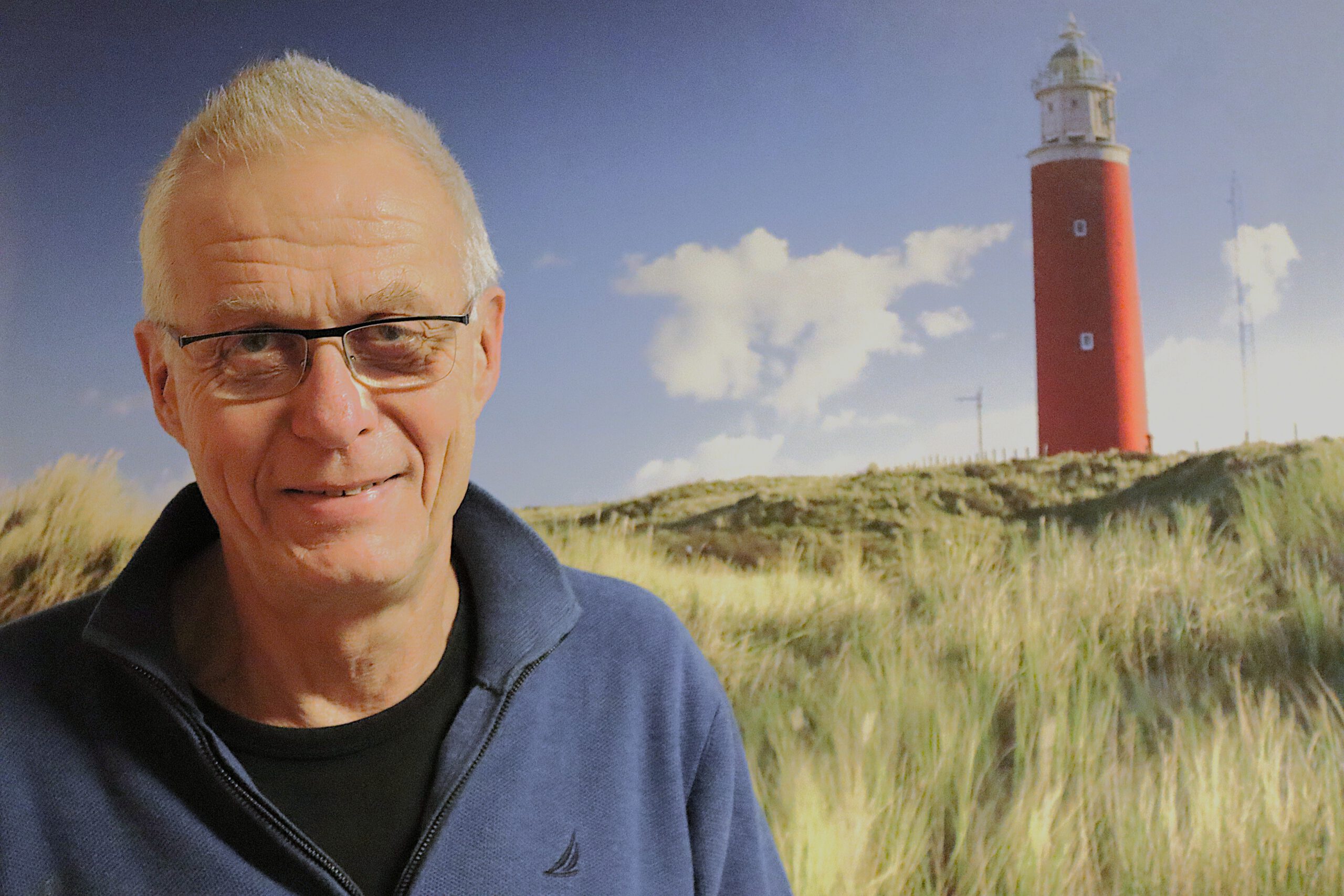
Interview with Andreas Ahrens
02 April 2026
“Only by connecting efforts along the full life cycle of chemicals can we achieve a truly non-toxic environment.”
Today we spoke with Andreas Ahrens, Senior Advisor for Chemicals Policy at Baltic Environmental Forum Germany, about why connecting upstream prevention and downstream action is key.
HAZGONE platform focuses on linking upstream prevention and downstream treatment. How does HAZGONE define these areas, so we establish a common understanding?
Andreas Ahrens: “When we talk about upstream and downstream, we are essentially looking at different stages of the same journey that chemicals take through our society.
Upstream refers to everything that happens before a substance is widely used — from its design and production to how it is placed on the market and integrated into products. This is where we can prevent problems before they occur, for example by substituting hazardous substances or designing safer products.
Downstream, on the other hand, is where we deal with the consequences. This includes risk management at workplaces, wastewater treatment, waste management, environmental monitoring, and even the clean-up of contaminated sites.
What is important for us at HAZGONE is that these are not separate worlds. They are deeply connected parts of one life cycle — and only if we understand this full chain we can really reduce pollution effectively.”
Upstream and downstream are different sides of the same coin — how can they be linked conceptually?
Andreas Ahrens: “A helpful way to think about it is to imagine a continuous flow — a value chain that starts with production of chemical substances and ends in the environment.
Today, many efforts are still fragmented. Some actors focus on targeting chemicals at the source, while others invest heavily in removing pollutants later on. But without connecting these perspectives, we are often just treating symptoms instead of addressing root causes.
Linking upstream and downstream means creating feedback loops. For example, data from environmental monitoring and wastewater can tell us which substances are actually causing problems — and this knowledge should directly inform decisions upstream, such as restrictions, product design or substitution.
At the same time, better communication along the value chain is essential. Information about hazardous substances must flow between producers, users (including public institutions) and regulators. Only then can each actor understand its role and take informed action.
In short, it’s about moving from isolated measures to a connected system of knowledge and preventive action.”
What benefits or new opportunities could this interconnection bring for the Baltic Sea Region?
Andreas Ahrens: “Connecting upstream and downstream opens up a new way of tackling pollution — one that is more effective, fair and future-oriented.
First, it allows us to target the most harmful substances earlier, before they spread through the environment and become much harder and more expensive to manage.
Second, it helps to shift responsibilities more fairly. Today, municipalities and water companies often bear the cost of removing pollutants that originate from products placed on the market. A more connected system can help ensure that these costs are better assigned to those who create risks.
Third, it supports better decision-making. When we combine data on production, use and environmental impacts, we can design smarter policies and more targeted measures.
And finally, it strengthens cooperation across sectors and countries in the Baltic Sea Region. By working together along the full life cycle, we move closer to a shared goal: a non-toxic environment that protects both ecosystems and human health.”
Thank you very much!
Learn more about the HazGone Platform and join us on LinkedIn!

Additional links
details
-
Homepage
-
Project typeProject Platform
-
ImplementationJuly 2025 - June 2028
-
StatusOngoing
-
Contribution to EUSBSRPolicy Area Hazards

-
Target groups
- Business support organisation
- Infrastructure and public service provider
- Local public authority
- National public authority
- NGO
-
Social media
-
Additional links
-
Tags