




HAZGONE Platform Assembly Meeting in Vilnius
24 November 2025
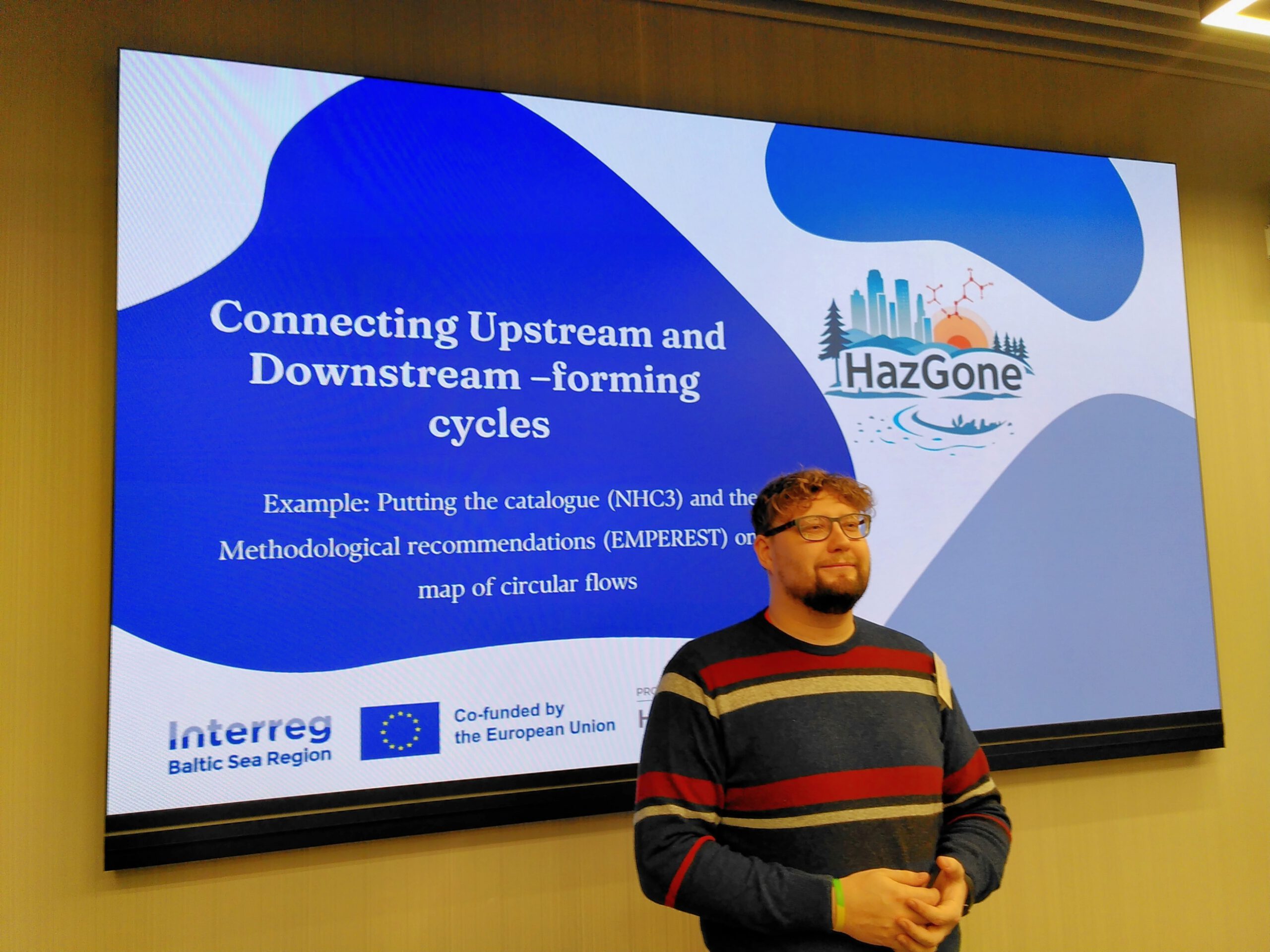
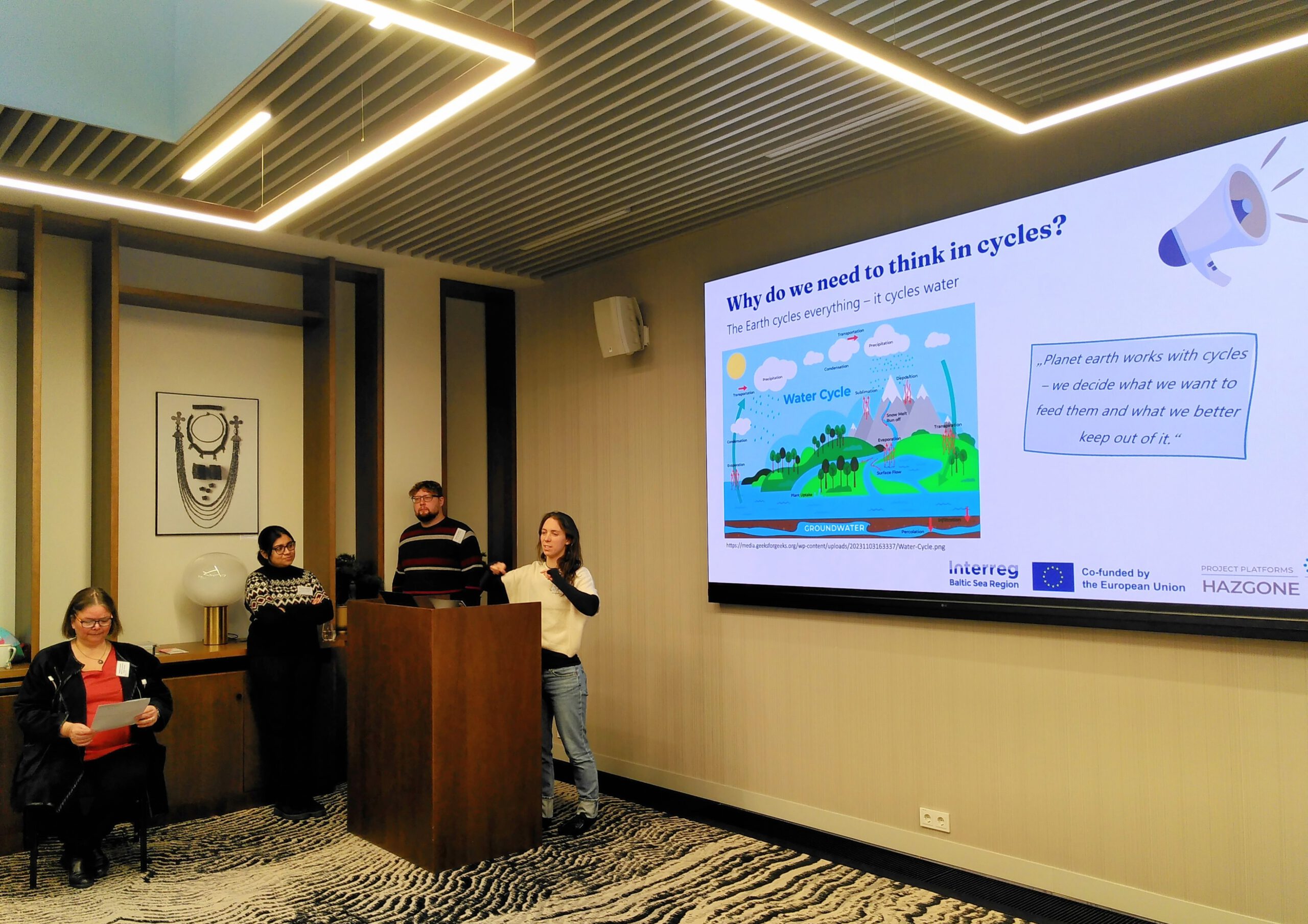
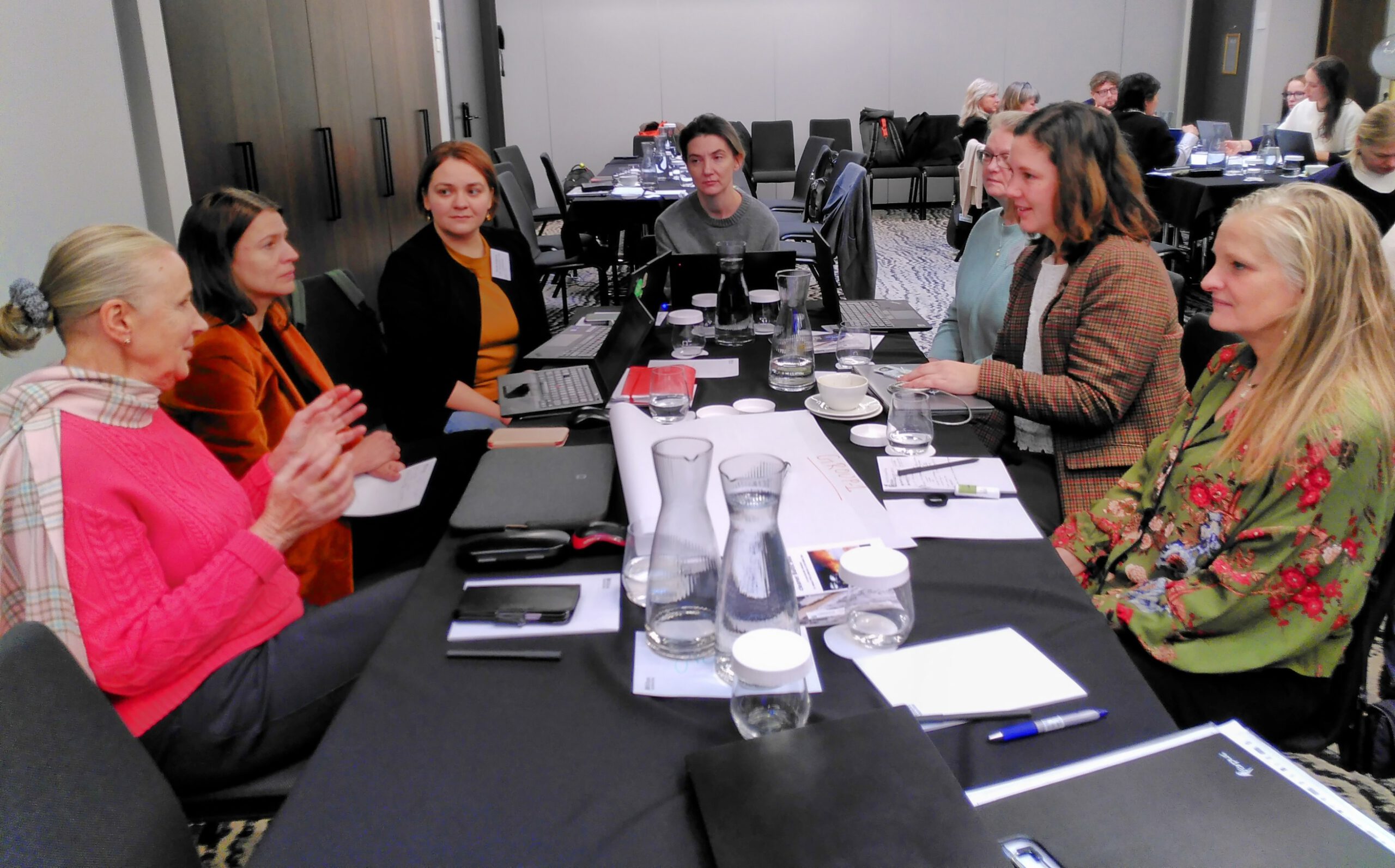
The HAZGONE platform consortium met on 24-25 November 2025 in Vilnius for a workshop that focused on strengthening cooperation between the platform’s projects.
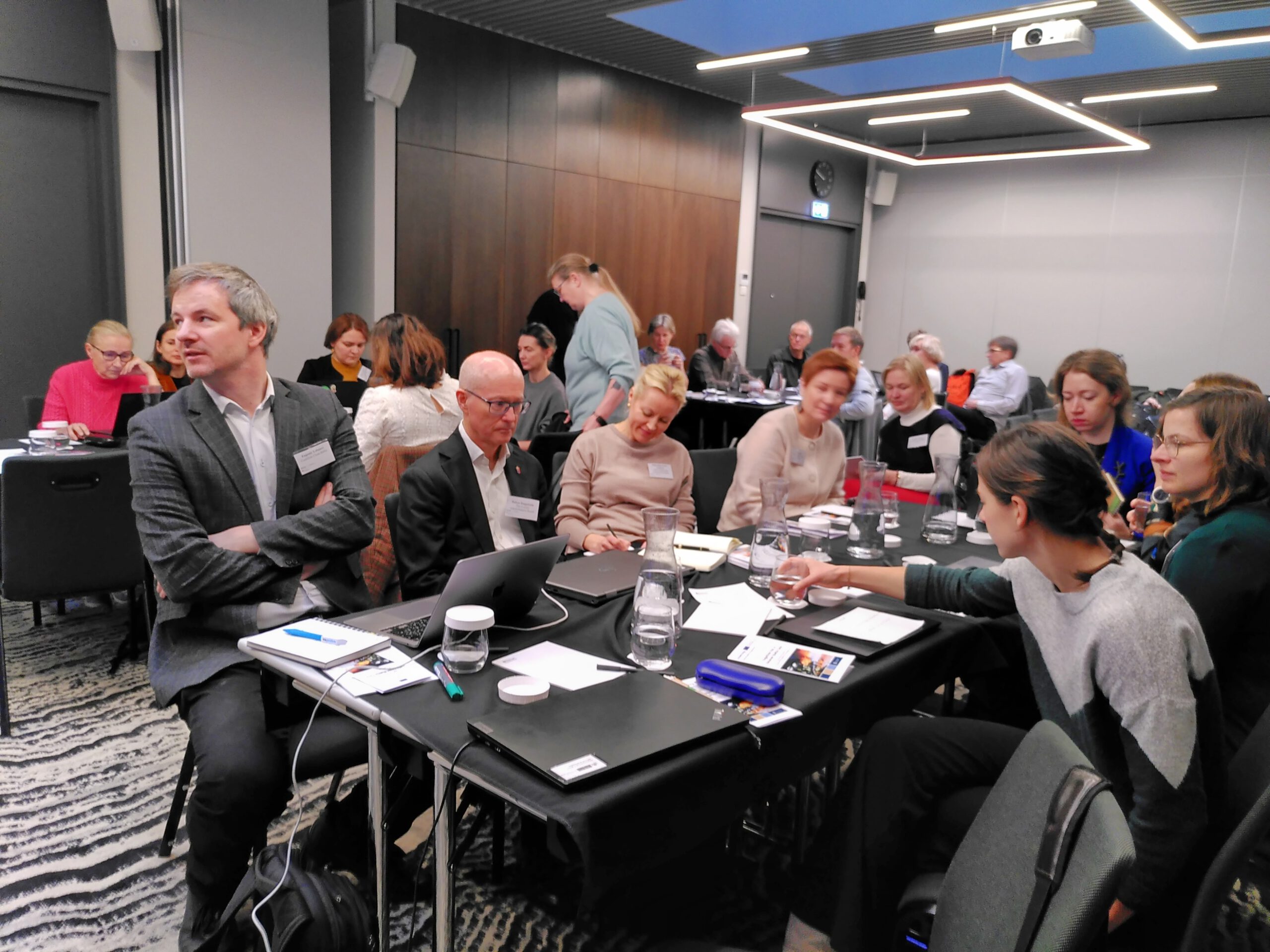
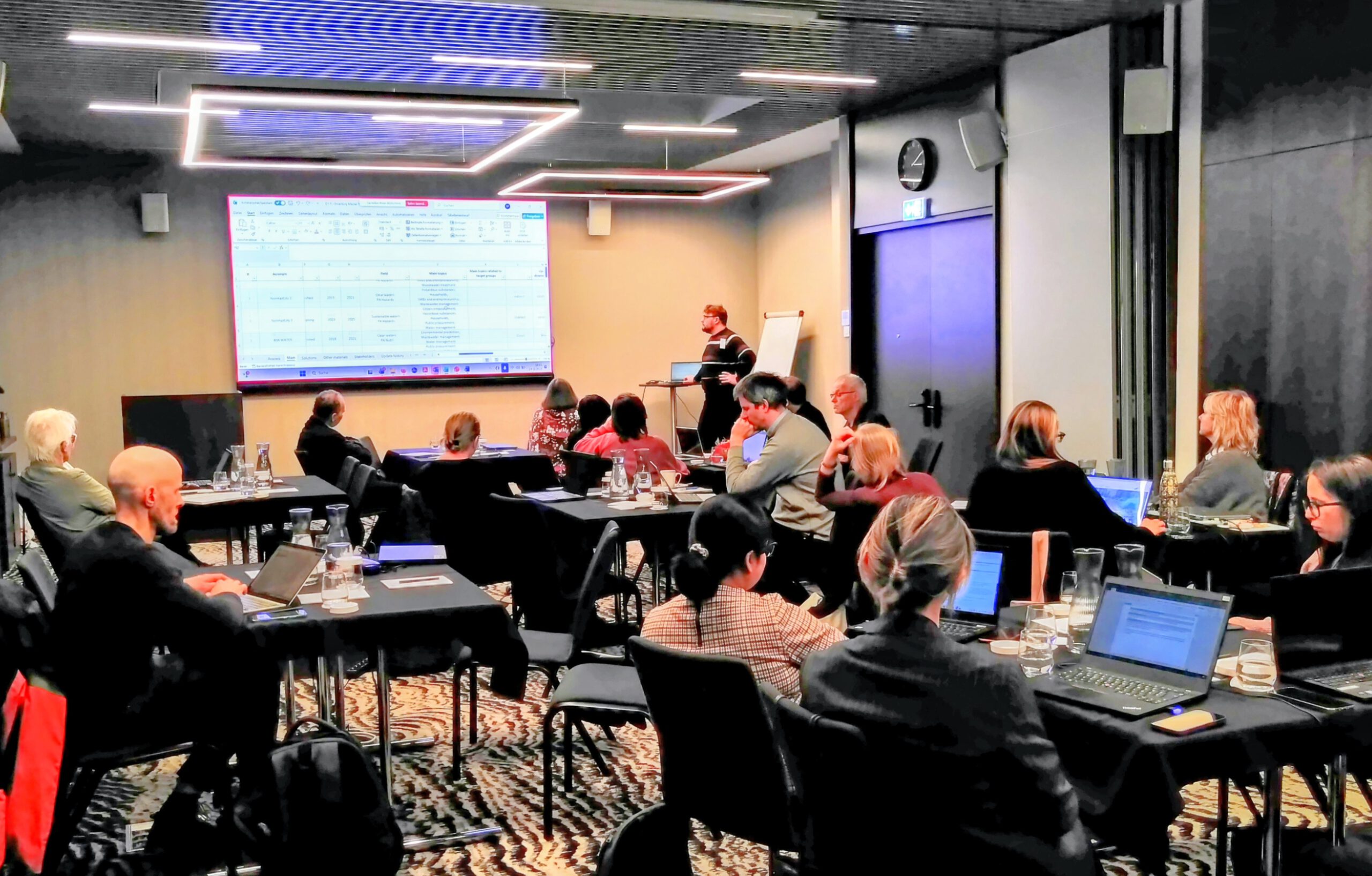
Through interactive sessions, ca. 30 participants who work on both prevention and treatment of hazardous substances, reviewed the full platform inventory containing the outputs of cooperating projects. The team also explored interconnections, leading to a productive revision of a life-cycle matrix, which spans from upstream, midstream and into the downstream activities.
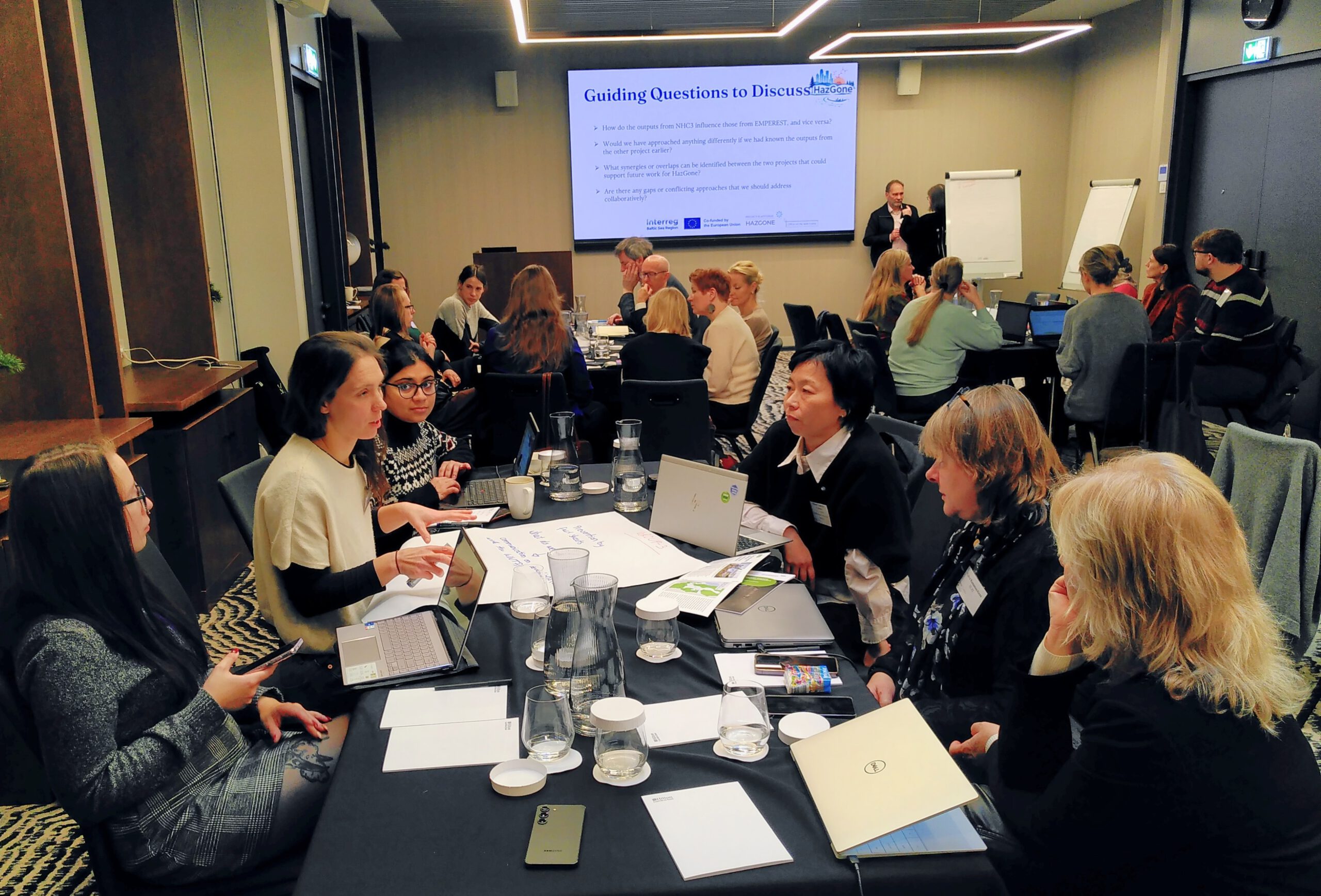
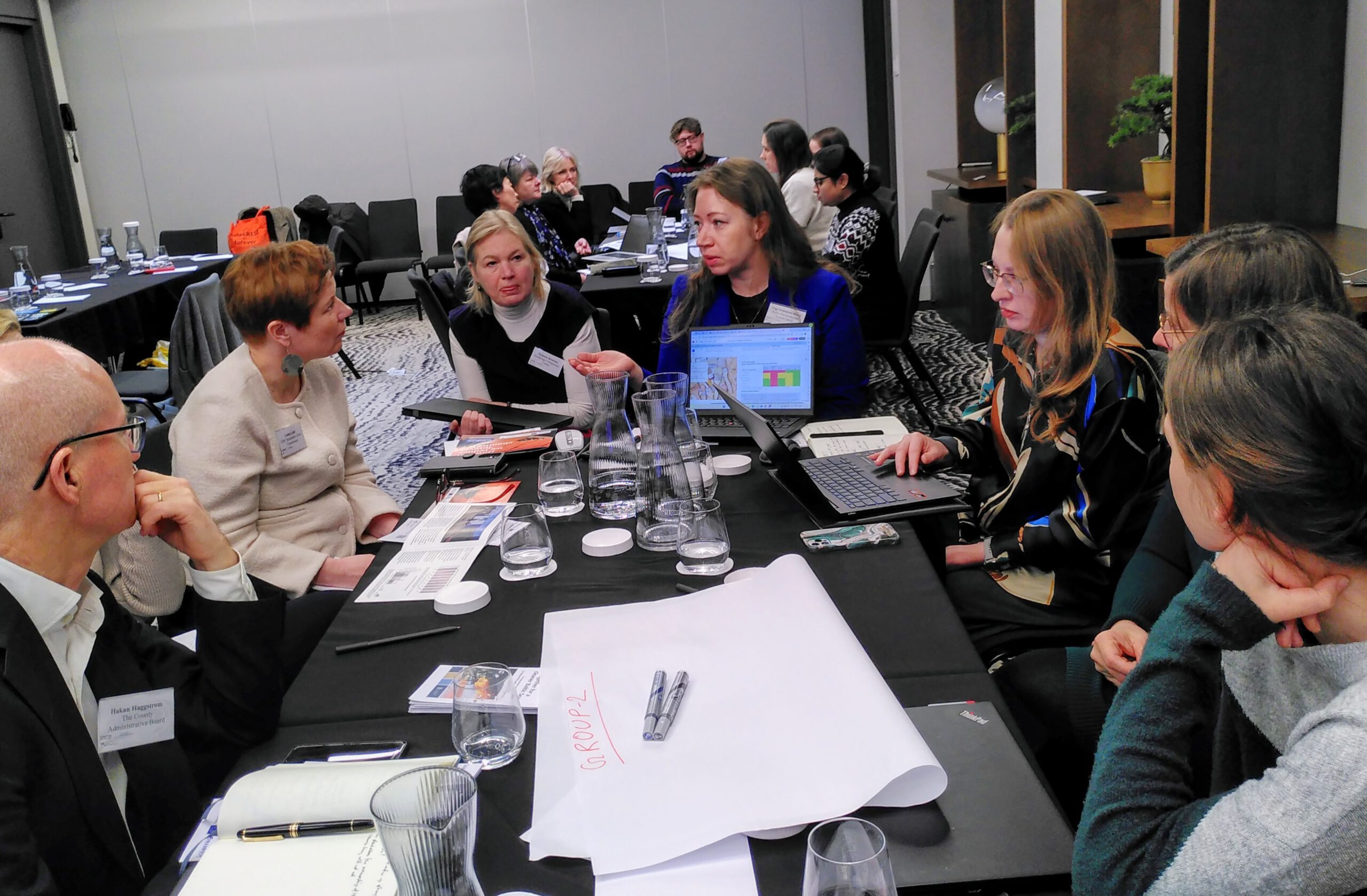
Consequent versatile group works allowed fruitful and applied discussions on matching different projects together and outlining the synergies between them. It’s not only the technical outputs that HAZGONE explores – it is vital for our platform to bring different target groups together, ensuring their shared values are at the core.
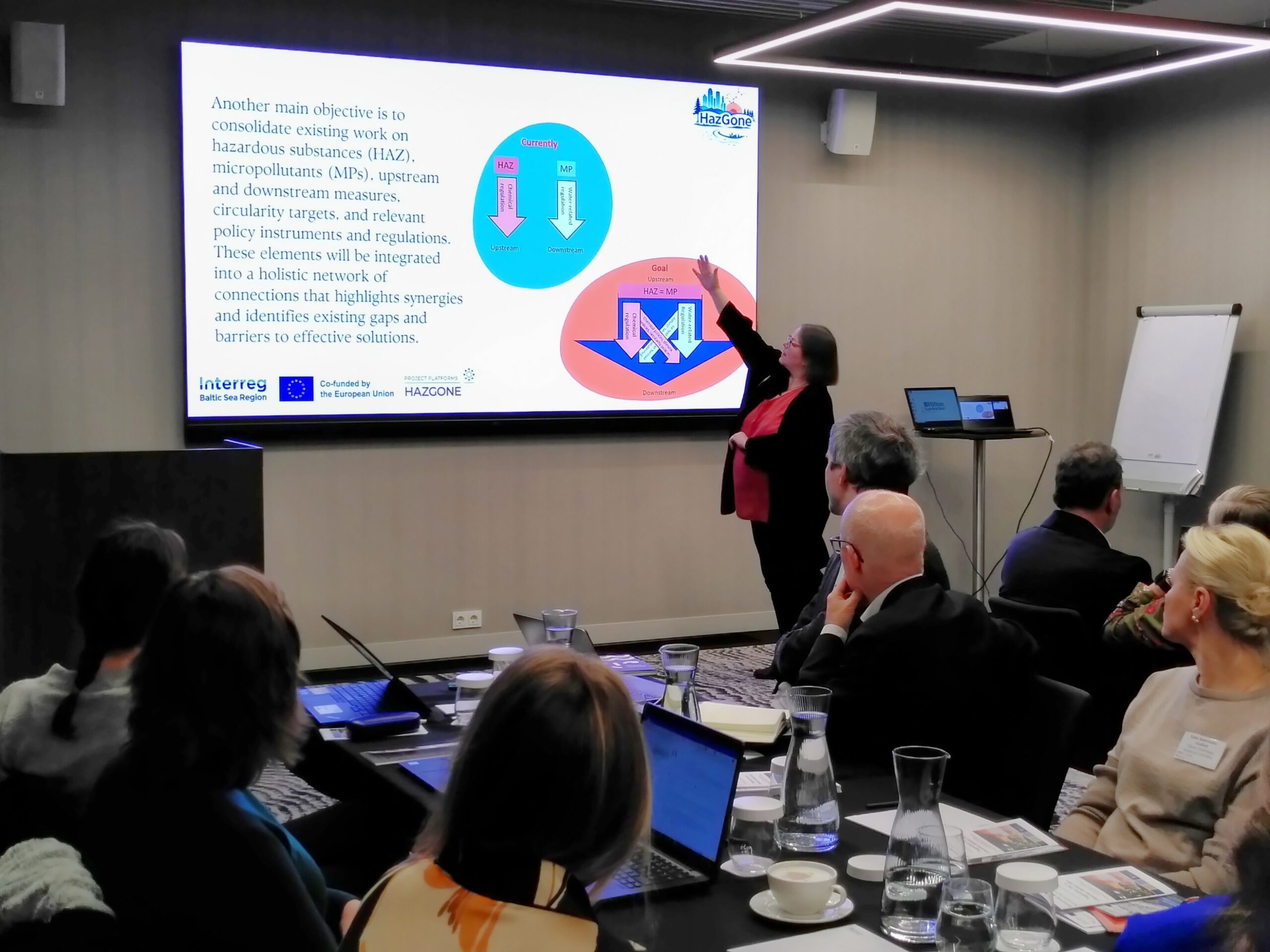
Hazardous substances and micropollutants are two sides of the same coin, as we say in HAZGONE – and it’s indeed a vocabulary feature defining the projects working on ‘upstream’, or prevention measures from the projects on ‘downstream’ wastewater treatment. In practice, the projects put different emphasis on their field of work: for general understanding, products are a clear start for the discussion; but for wastewater treatment operators, it’s important to outline the polluting substances instead. And this is an obvious gap that HAZGONE needs to address.
The workshop participants also worked further on the online portal Baltic Smart Water Hub, which will incorporate both sides of the discussion in a meaningful way with presenting tools and trainings considering how to reduce hazardous substances from the both sides.

Additional links
details
-
Homepage
-
Project typeProject Platform
-
ImplementationJuly 2025 - June 2028
-
StatusOngoing
-
Contribution to EUSBSRPolicy Area Hazards

-
Target groups
- Business support organisation
- Infrastructure and public service provider
- Local public authority
- National public authority
- NGO
-
Social media
-
Additional links
-
Tags