



From Our Water to Ourselves – new thinking for the HAZGONE Platform
15 June 2026
Editorial for the HAZGONE Newsletter #1
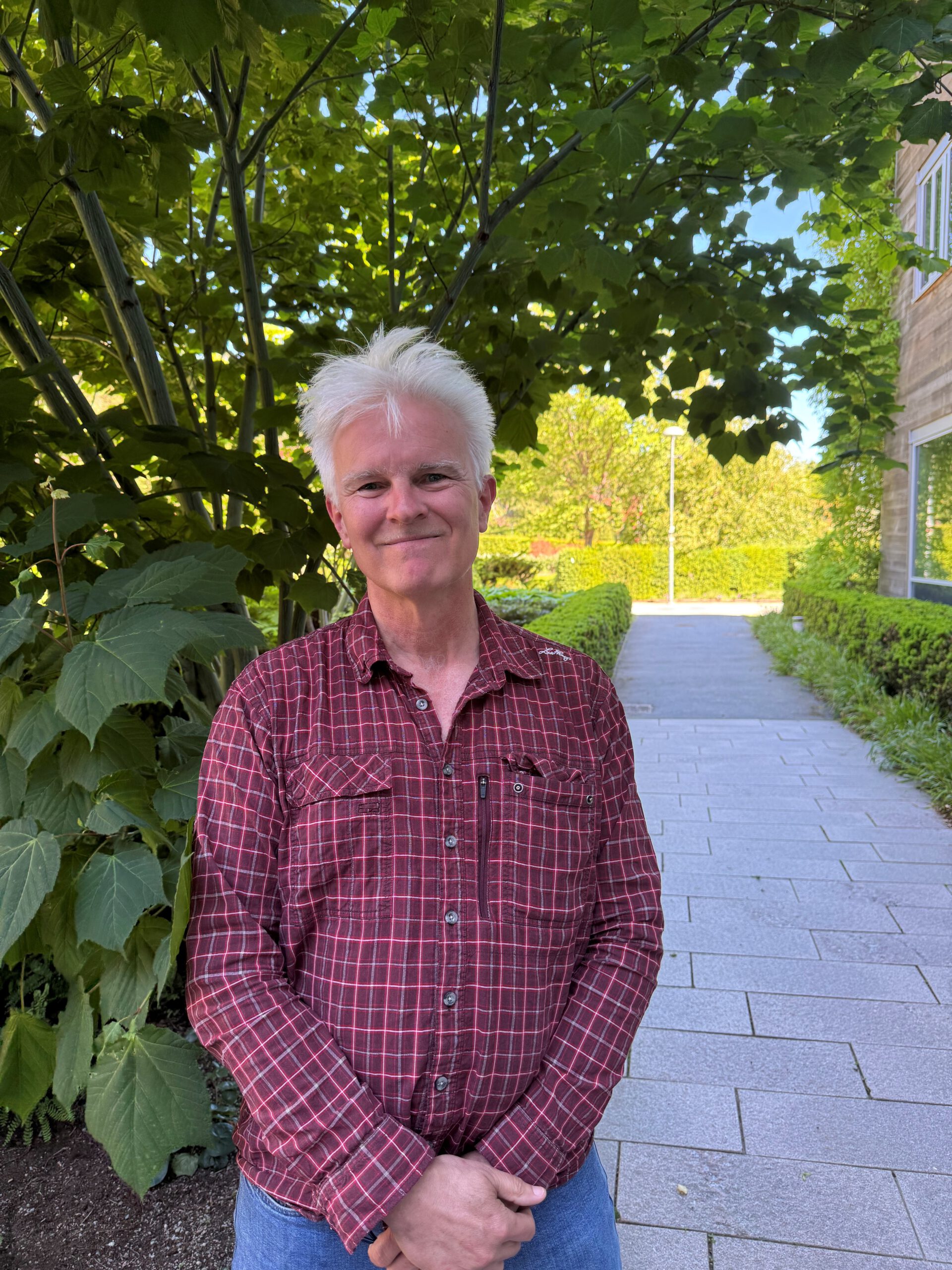
MARTYN FUTTER
Professor at the Swedish University of Agricultural Sciences
The HAZGONE platform is exciting as it gives us a way to connect many of the things we have worked on together over the years. For me, the project cooperation started with a focus on ways municipalities could reduce their loads of hazardous substances to the Baltic. One key part of this project was communication, raising awareness amongst politicians and residents about the presence of hazardous substances in their municipality. As we grew together, our focus changed. If we have hazardous substances in our water, we also have these chemicals in our bodies. And if we have hazardous substances in our bodies, so do our children. Communication continued to be a key part of our work together with awareness raising campaigns targeting young mums and preschools.
The fourteen projects cooperating in the HAZGONE platform are driven by this realisation: it is not enough to focus only on a very specific field to make an impactful change. And our joint evolution now continues under the platform umbrella. When we wrote the application, we had a very water-focused metaphor that presented an upstream-downstream perspective on hazardous substances and micropollutants. Once the platform started, we learned that our initial framing was too abstract and difficult to communicate. We needed to find a metaphor that worked for everyone from public authorities, city employees, and ministries to experts and the general public. Eventually, we discovered that a metaphor of prevention and treatment was easier for people to identify with.
It is perhaps not surprising: every day, all of us make decisions about our health. We try to prevent health problems by choosing what we eat, exercising and trying to limit our exposure to hazardous substances. If we do have health problems, we try to seek out the appropriate treatment so we can recover. The projects under the HAZGONE platform umbrella could also be thought of as focusing either on prevention or treatment. So called “upstream” projects aim to keep hazardous substances out of the environment. The “downstream” projects have the aim of tracking and removing micropollutants from the environment.
“Prevention versus treatment”, “upstream versus downstream” and “hazardous substances or micropollutants” highlight the importance of communication in the HAZGONE platform. All the contributing projects had strong stakeholder communication components, but in the platform, we need to do more. We need to not only find “joined up” messages for external communication but create new ways of communicating across separate target groups and single projects in the platform.
One thing I have learned from working on the platform is this: HAZGONE is not about creating new tools and new knowledge. Instead, HAZGONE is about capitalising on our existing results and communicating them internally and to stakeholders across the Baltic Sea Region. The HAZGONE platform is about sharing further what we have learned in our projects, both internally within our consortium, externally to stakeholders and ultimately, to the society.
Getting our platform funded was a vote of confidence that we have identified an important societal need in the Baltic Sea region and beyond. The start of HAZGONE marked the beginning of the comprehensive cooperation with many of the key European projects working on hazardous substances and micropollutants, and establishing the access to the necessary data for the prevention-treatment perspective. Together, we have laid the foundations for a successful platform. Our challenge now is to find ways to simplify our findings and turn our knowledge into action by making it interpretable, comparable, replicable, and actionable. In a nutshell, we will need to make ourselves understood. I think we are doing that as we move from “upstream-downstream” to “prevent and treat”. Together, we are on a journey not only to clean up the waters of the Baltic Sea region but to share the lessons we have learned about protecting and improving the health of our neighbors, families, colleagues, and ourselves.

Additional links
details
-
Homepage
-
Project typeProject Platform
-
ImplementationJuly 2025 - June 2028
-
StatusOngoing
-
Contribution to EUSBSRPolicy Area Hazards

-
Target groups
- Business support organisation
- Infrastructure and public service provider
- Local public authority
- National public authority
- NGO
-
Social media
-
Additional links
-
Tags