




ChemClimCircle 2: Connecting chemicals, climate and circularity through procurement
16 November 2026
Public procurement is a powerful lever for shaping markets and reducing environmental impacts. Yet chemicals, climate and circularity are often addressed separately in procurement decisions, even though they are closely interconnected. A product or service may perform well in terms of climate impact, for example, while still containing harmful substances or offering limited opportunities for reuse and recycling.
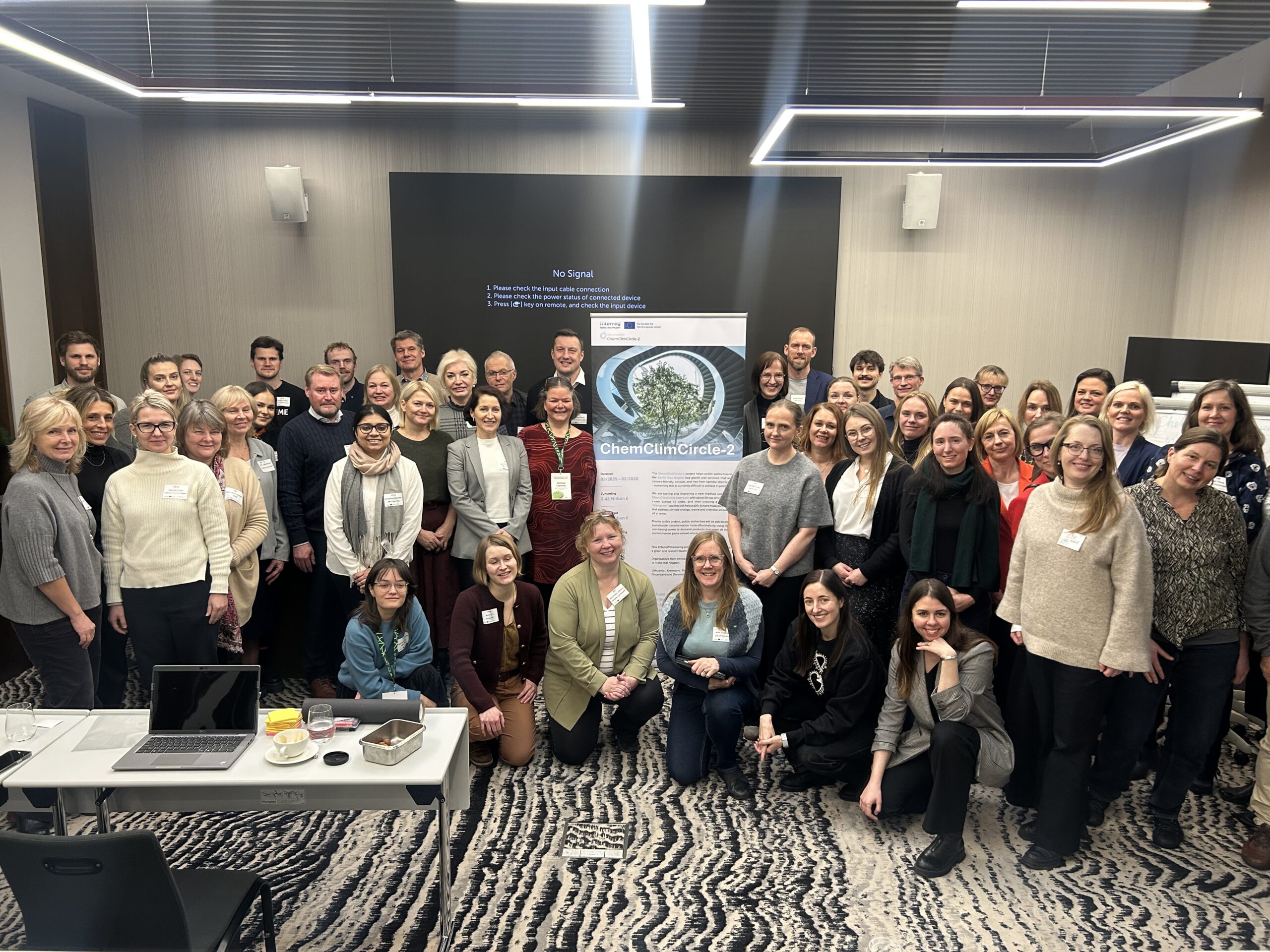
The Interreg Baltic Sea Region project ChemClimCircle-2 (CCC-2) aims to overcome this fragmented approach by bringing Chemicals, Climate and Circularity – the three Cs – together in green public procurement. With 22 project partners and 23 associated organisations from eight countries, the partnership is working to make this integrated approach applicable in everyday procurement practice. Around 50 procurement cases are planned to test the approach across different products, services and procedures.
From methodologies to practical application
Now in the second half of its implementation, the project has moved from developing its methodologies towards testing them in concrete procurement cases. Municipalities and other public organisations are exploring how the three environmental dimensions can be considered together throughout the procurement process.
To support this work, CCC-2 has developed a set of complementary tools. The CCC Procurement Management Framework Self-Assessment Tool helps organisations assess their readiness to integrate chemicals, climate and circularity into procurement at strategic, organisational and operational levels. An Environmental Impact Assessment methodology provides a framework for identifying environmental impacts, setting procurement ambitions and assessing results across all three dimensions. Reusable calculation sheets support its practical application.
A further CCC Monitoring Tool enables organisations to document and evaluate the progress and success of individual procurement cases – from preparation and tendering through contract implementation to post-procurement assessment.
Building knowledge and capacity for wider uptake
Alongside these tools, the project is investing in knowledge exchange and capacity building. A webinar series launched in September 2026 covers topics such as market dialogue, procurement management, environmental impact assessment and monitoring. It gives public procurement professionals the opportunity to explore the CCC approach and exchange experiences on its practical application.
Another key output under development is the ChemClimCircle Navigator, a digital platform intended to bring together the project’s methodologies, guidance, assessment tools and training materials. Its draft content has been prepared and is currently being reviewed by project partners. The official launch of the Navigator is planned for the first quarter of 2027.
Turning pilot experience into lasting change
In the remaining project period, the partnership will continue implementing and evaluating the pilot cases, gathering practical experience and finalising the ChemClimCircle Navigator. The lessons learned will help refine the methodologies and support their wider uptake among public authorities across the Baltic Sea Region.
By connecting chemical safety, climate protection and circularity in procurement decisions, ChemClimCircle-2 demonstrates how public authorities can use their purchasing power to drive more comprehensive environmental improvements – and help prevent hazardous substances at the source.
For more infos about ChemClimCircle 2 have a look at the official Interreg Website.

Additional links
details
-
Homepage
-
Project typeProject Platform
-
ImplementationJuly 2025 - June 2028
-
StatusOngoing
-
Contribution to EUSBSRPolicy Area Hazards

-
Target groups
- Business support organisation
- Infrastructure and public service provider
- Local public authority
- National public authority
- NGO
-
Social media
-
Additional links
-
Tags