




If Crisis Is Calling – Volunteers Can Respond: CREWS Pilot Exercise in Hamburg
22 September 2026
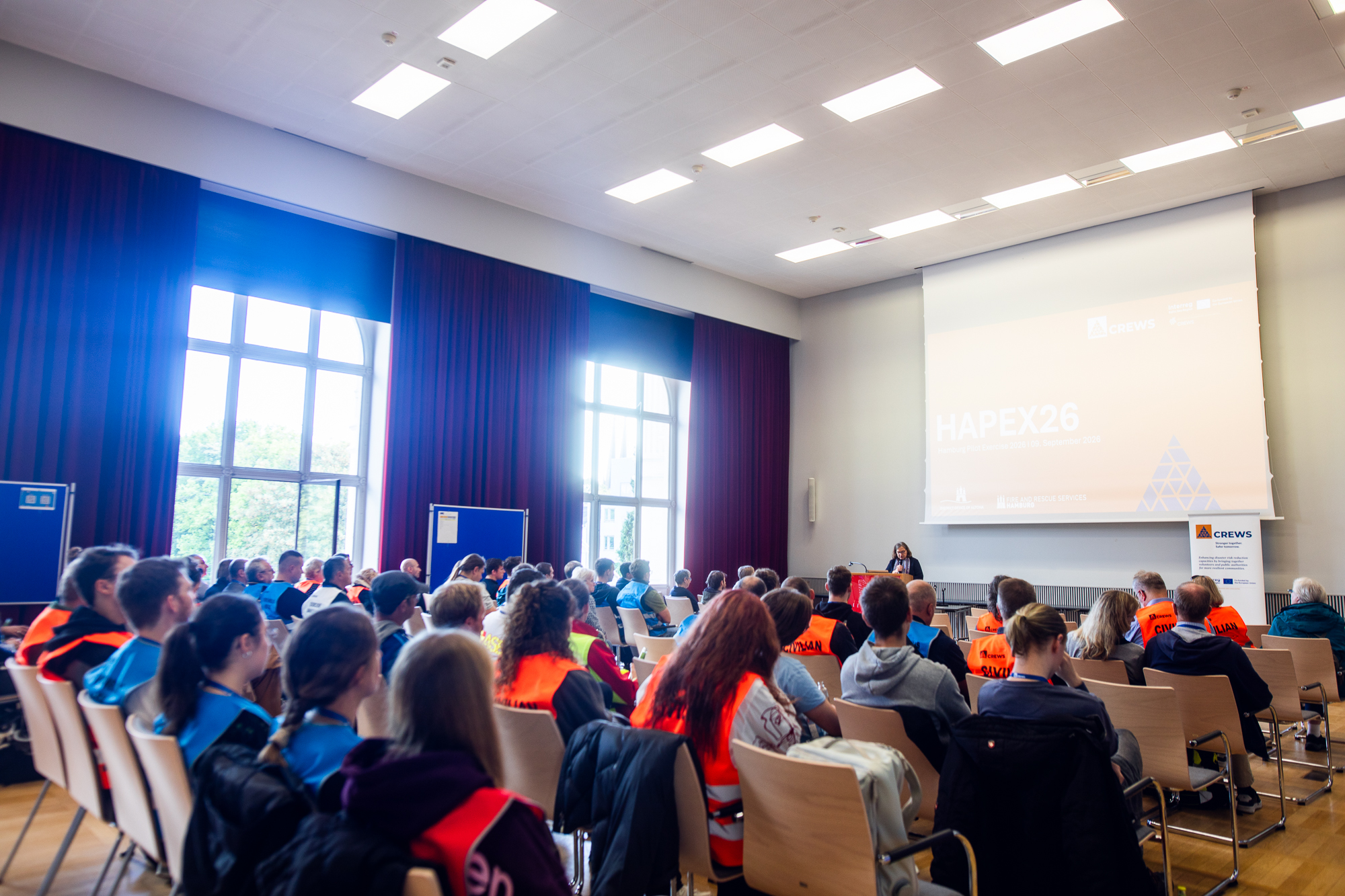
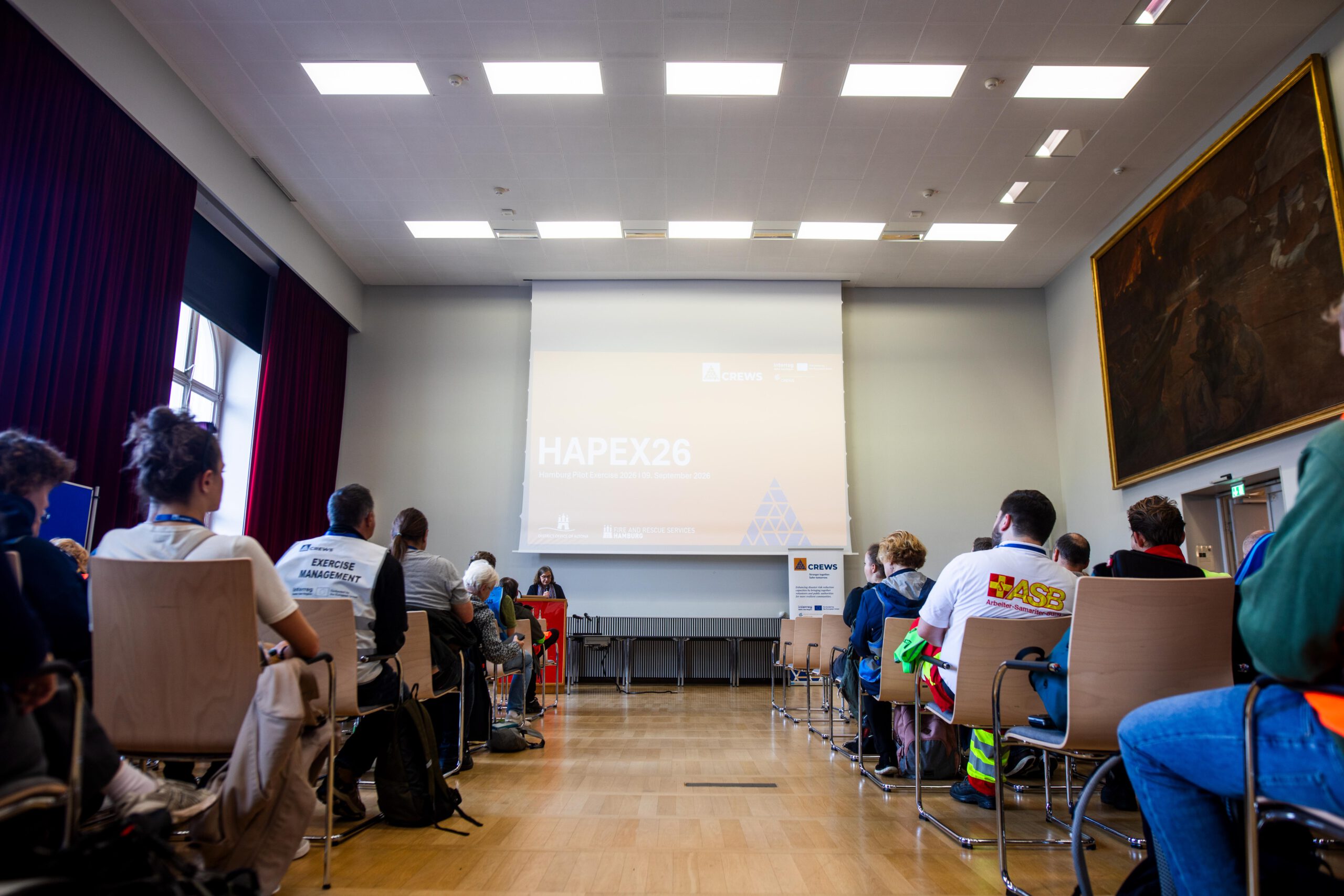
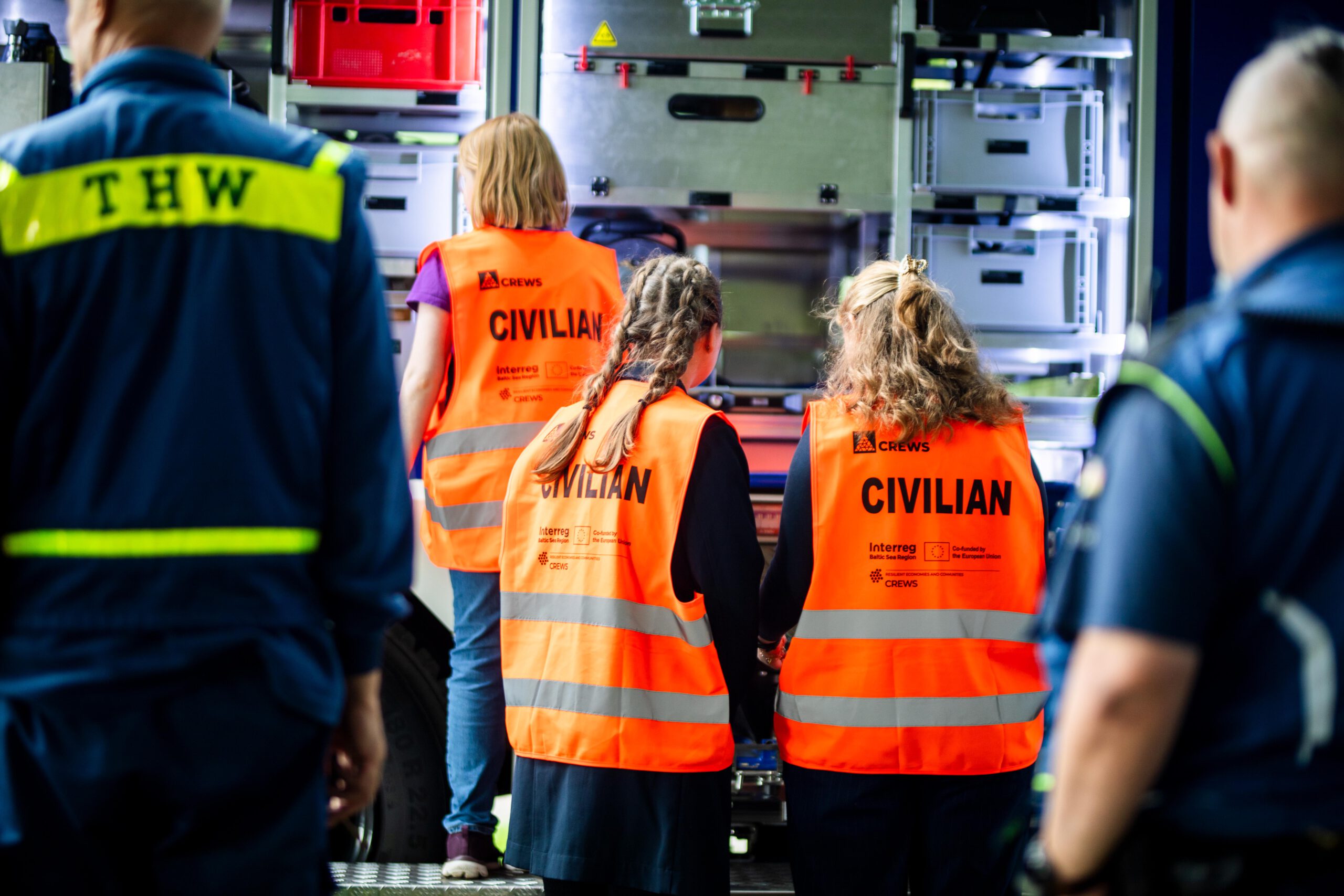
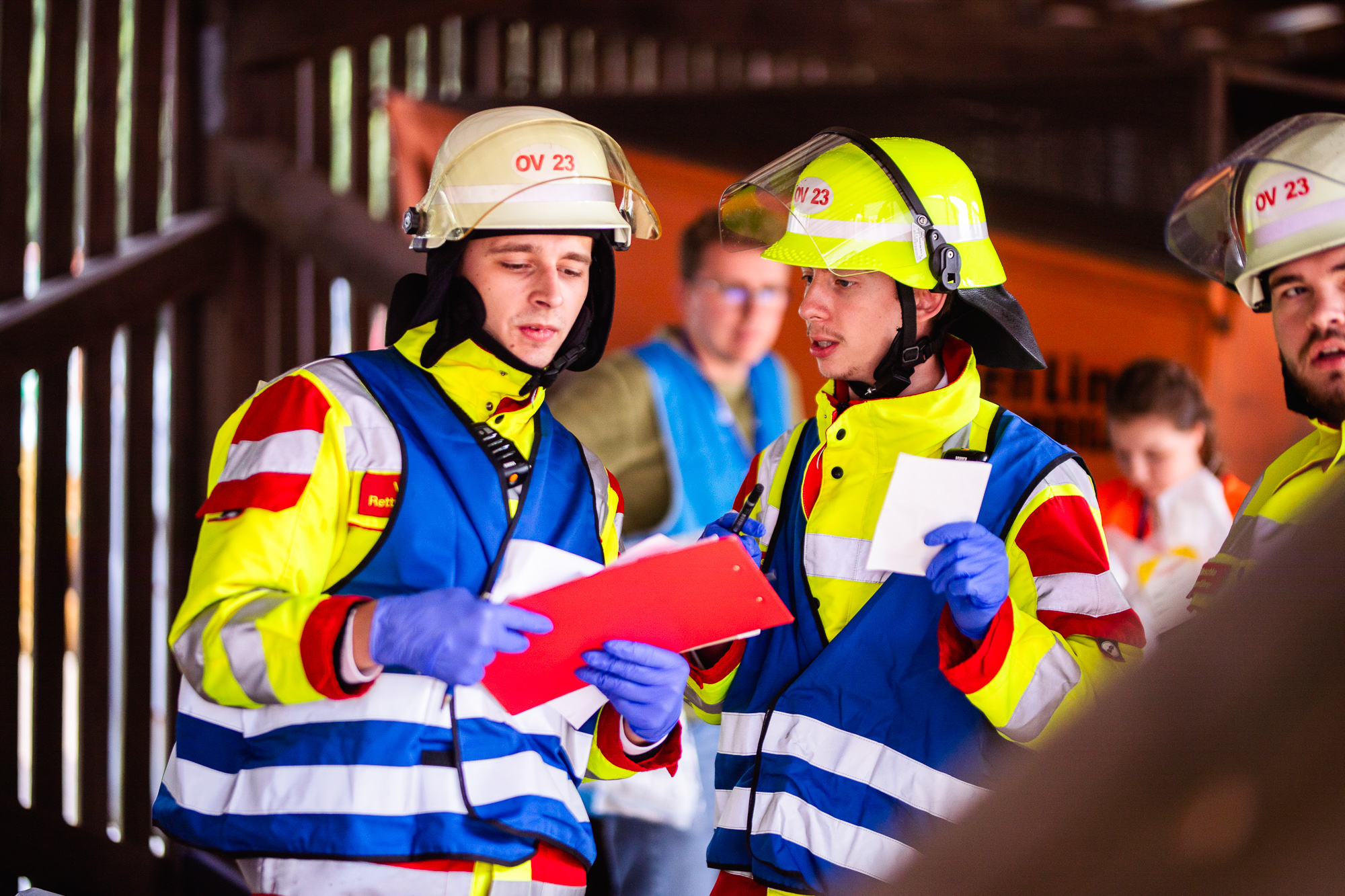
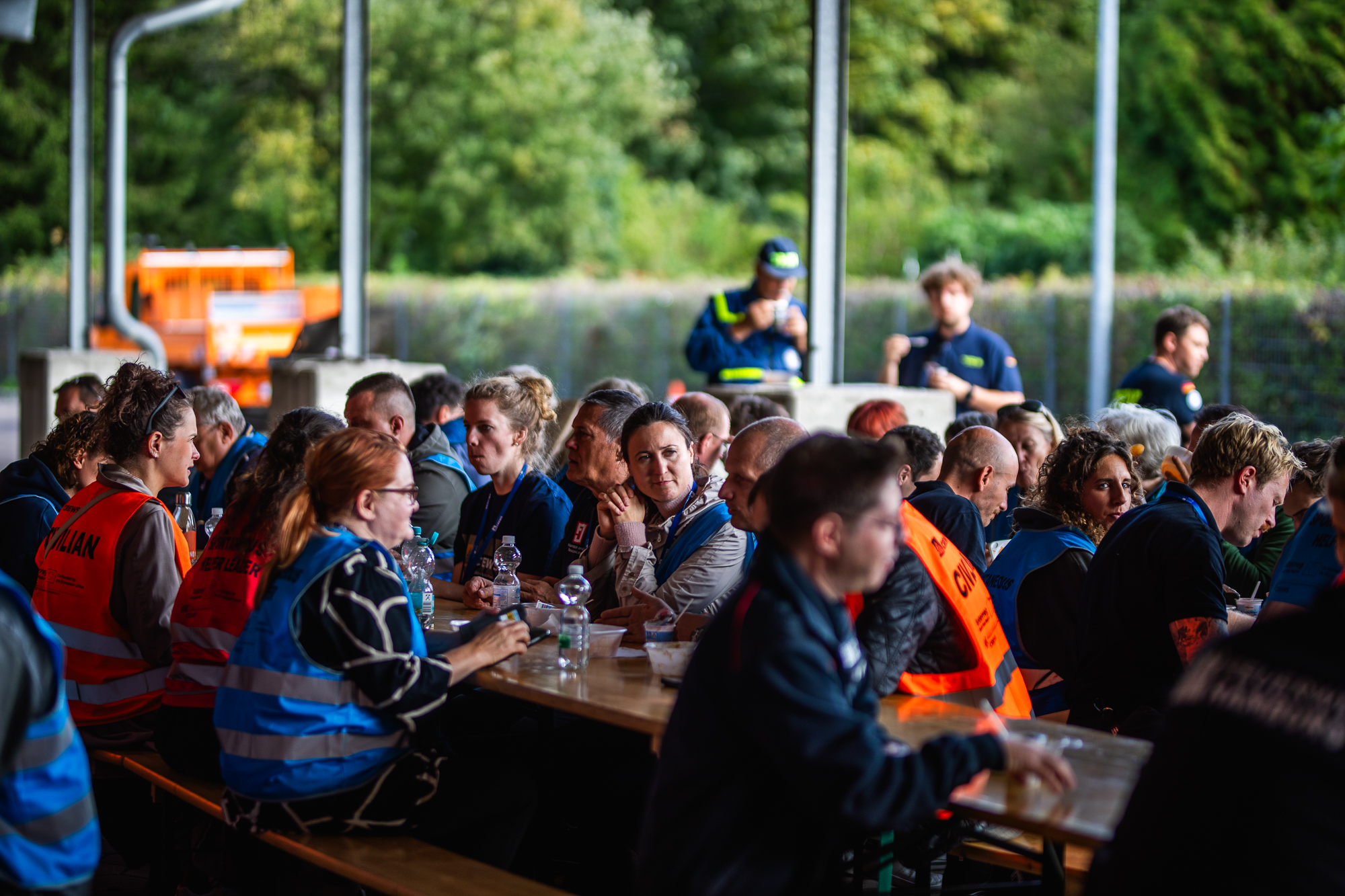
Hosted by the CREWS project lead partner, the Hamburg City District of Altona and Hamburg Fire and Rescue Services, the exercise brought together around 130 participants, including emergency organisations, local NGOs, volunteers and international partners.
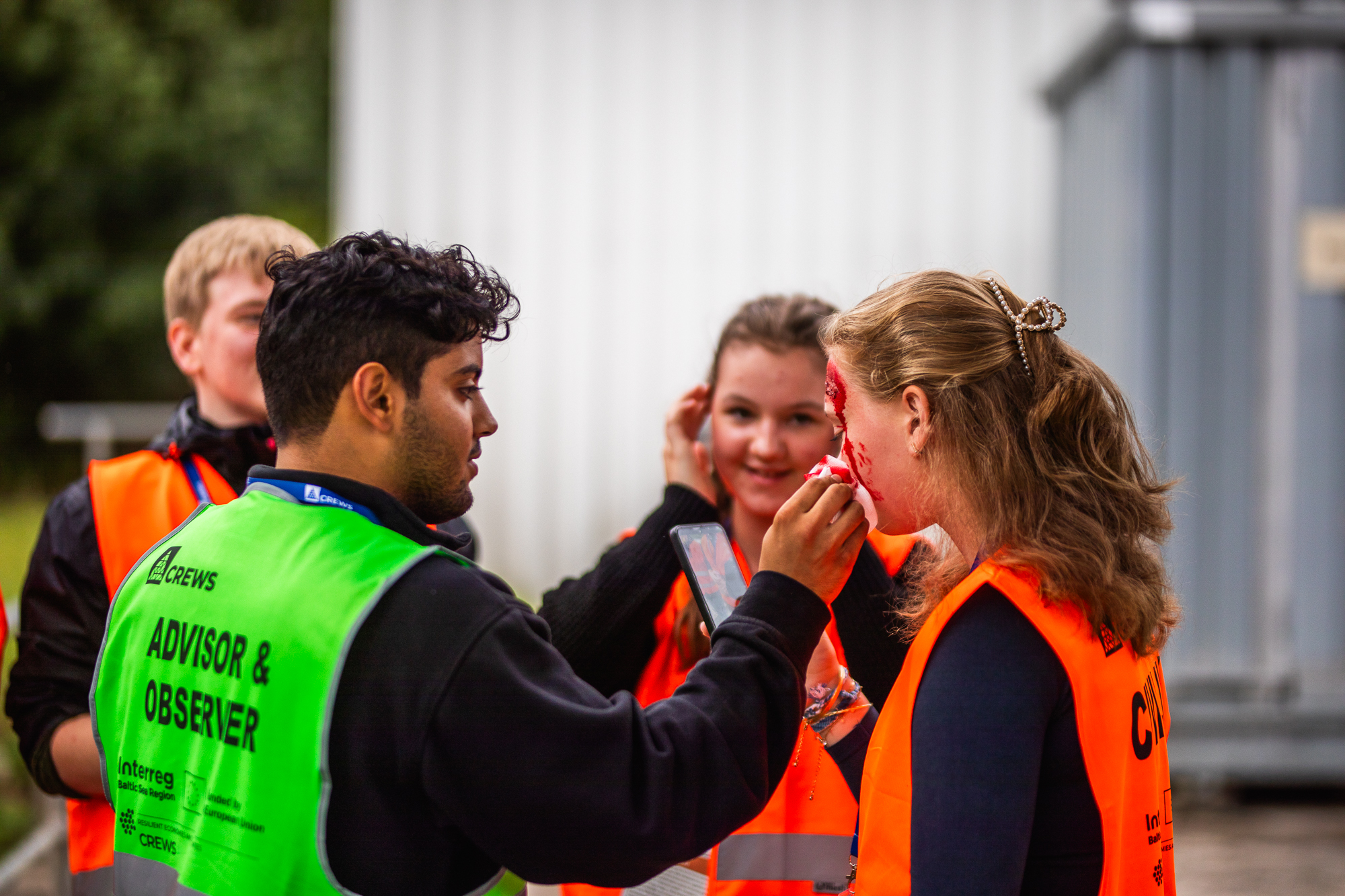
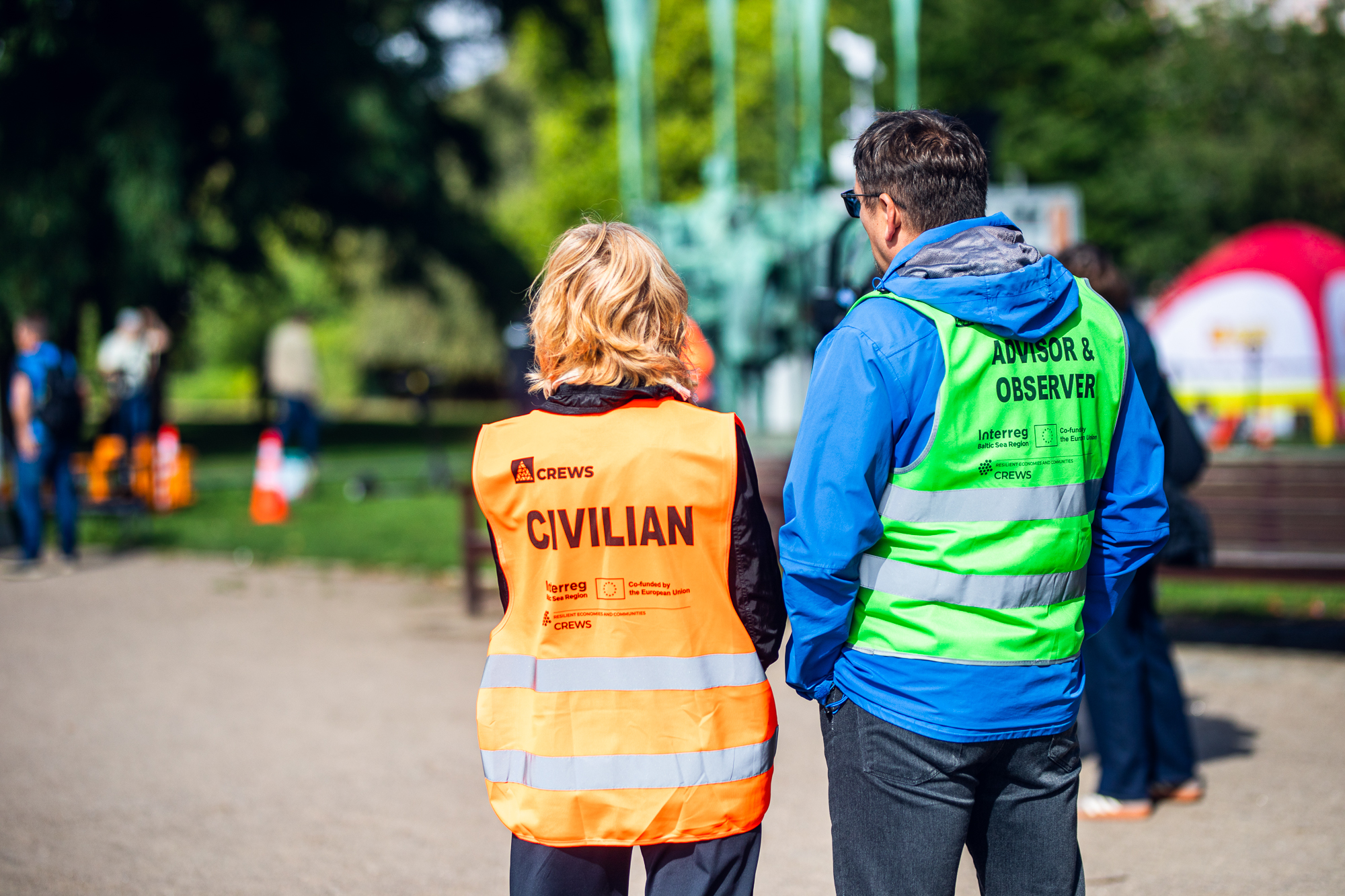
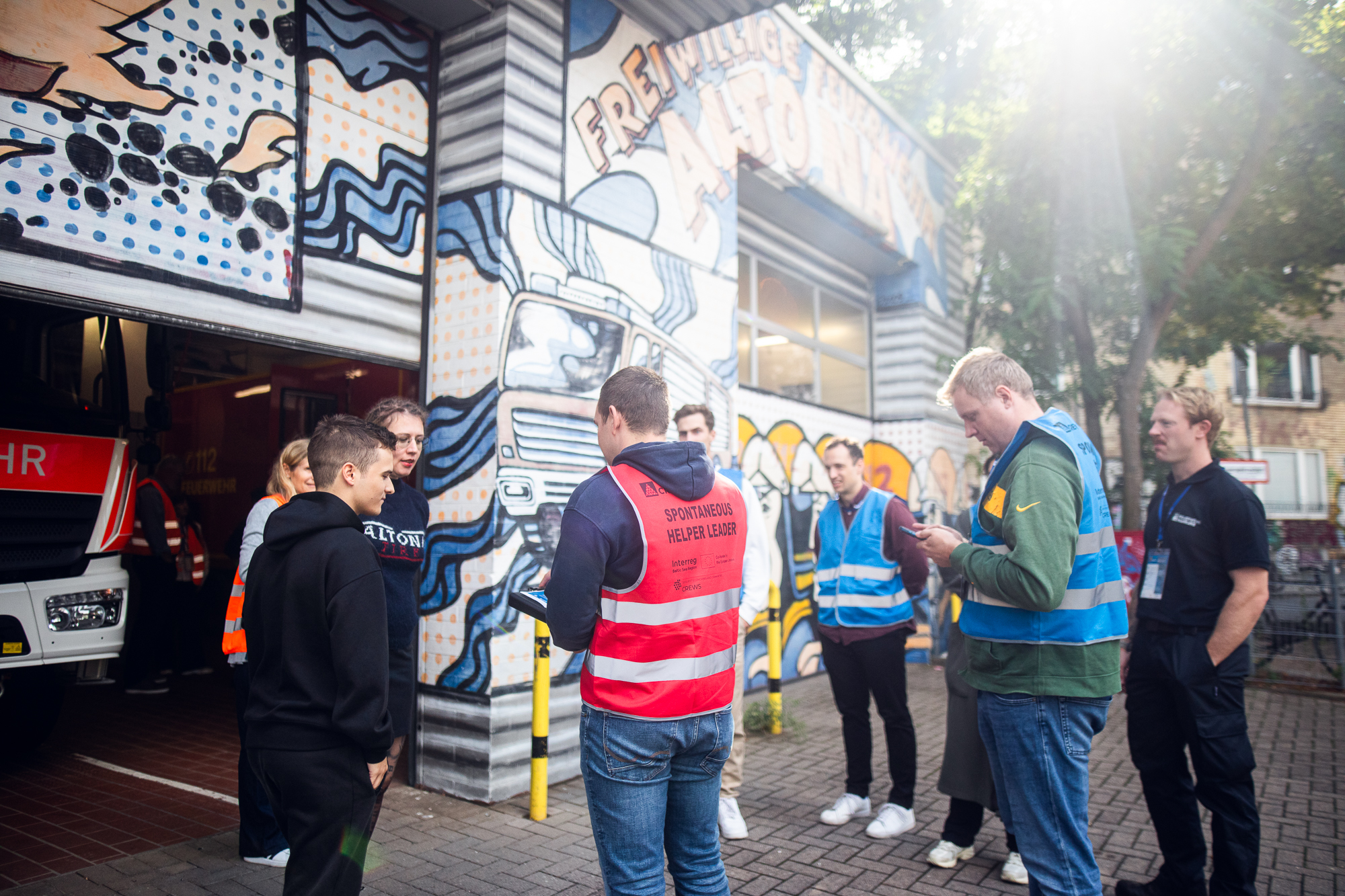
The scenario combined two increasingly relevant challenges for cities: a prolonged heatwave and flooding disaster. Participants took on different roles, from civilians and spontaneous volunteers to volunteer leaders and coordinating staff, and responded to around ten operational situations.
CREWS Project Manager Rebecca Bährle Wunsch took on the role of leader of a spontaneous volunteer group. “This role-playing exercise has also given me a sense of personal security. Now I would know how to help in such a disaster,” she said.
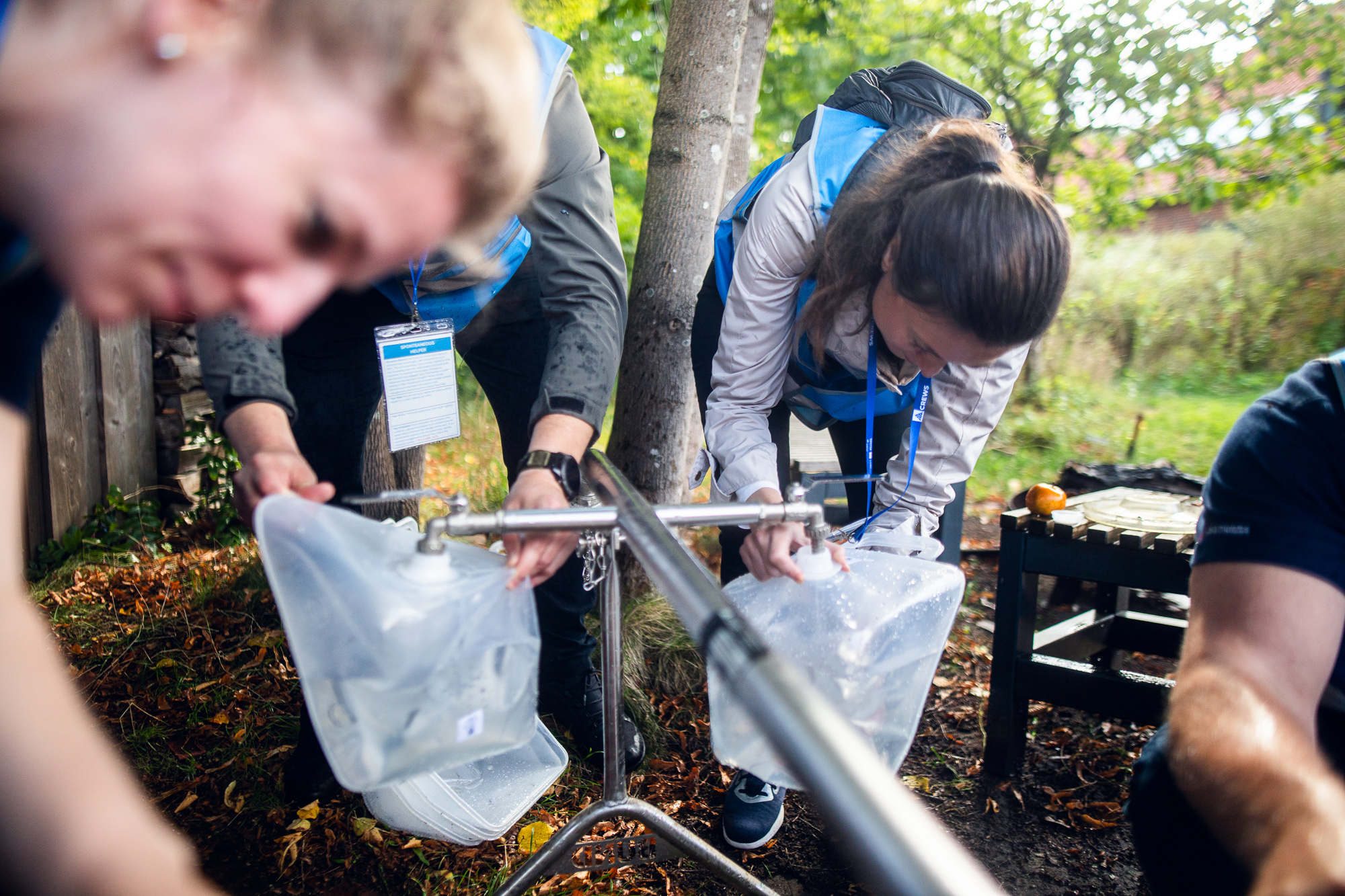
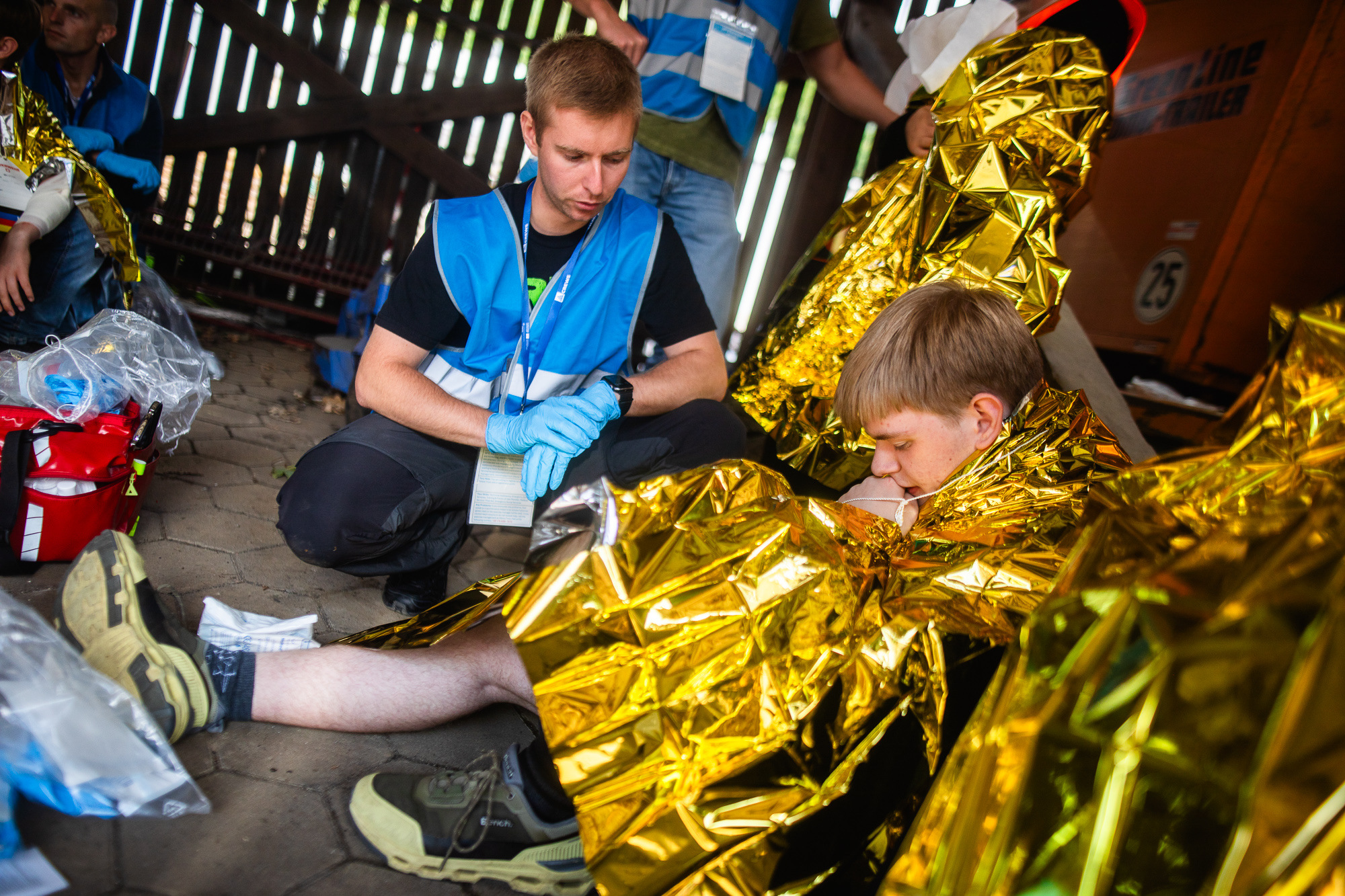
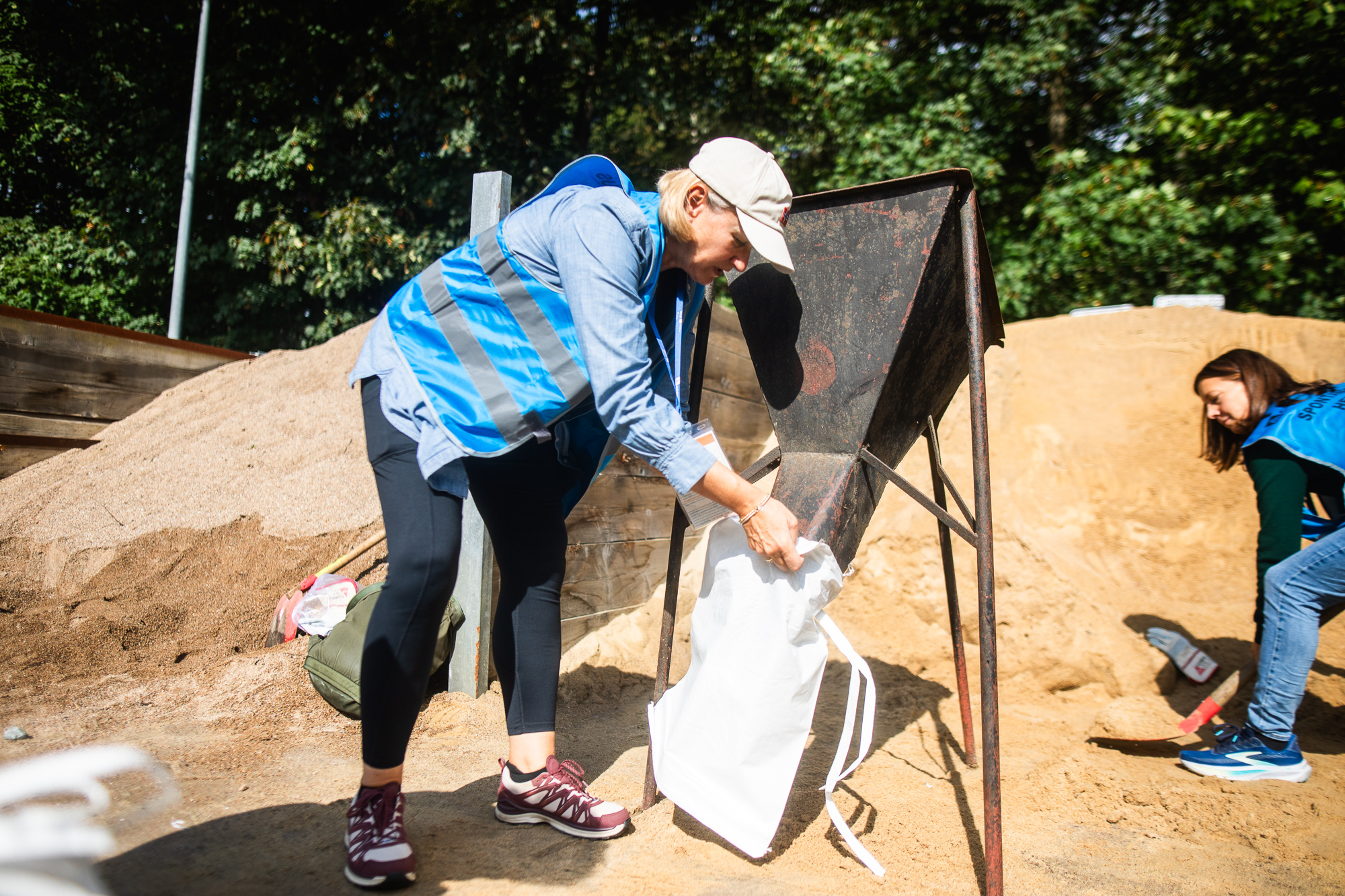
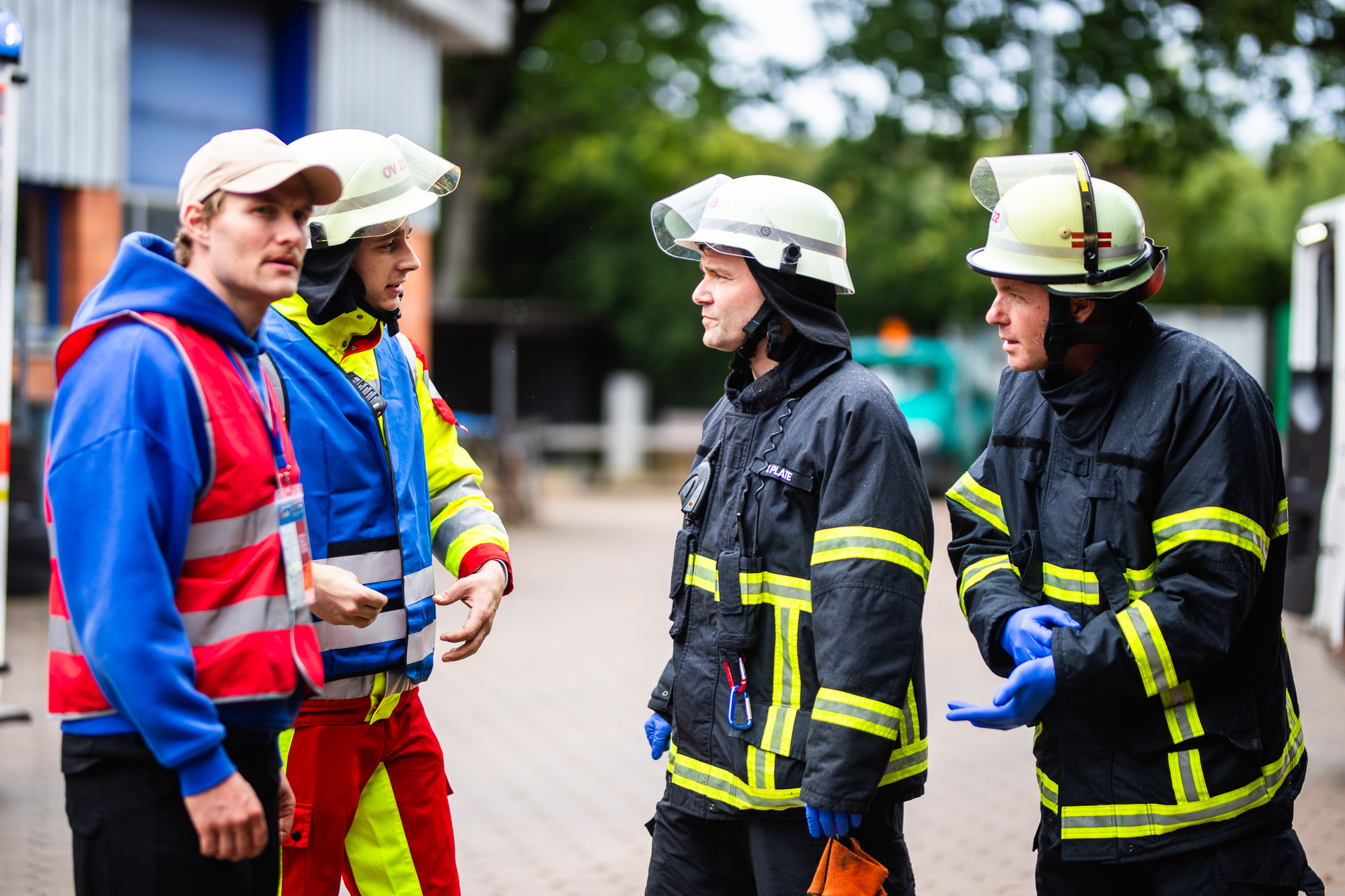
Tasks included setting up emergency support points, providing drinking water, filling and stacking sandbags, and assisting injured people. The exercise also involved cooperation with flood and dike defence authorities, the Hamburg Fire Brigade and emergency medical services.
Testing a new approach to volunteer coordination
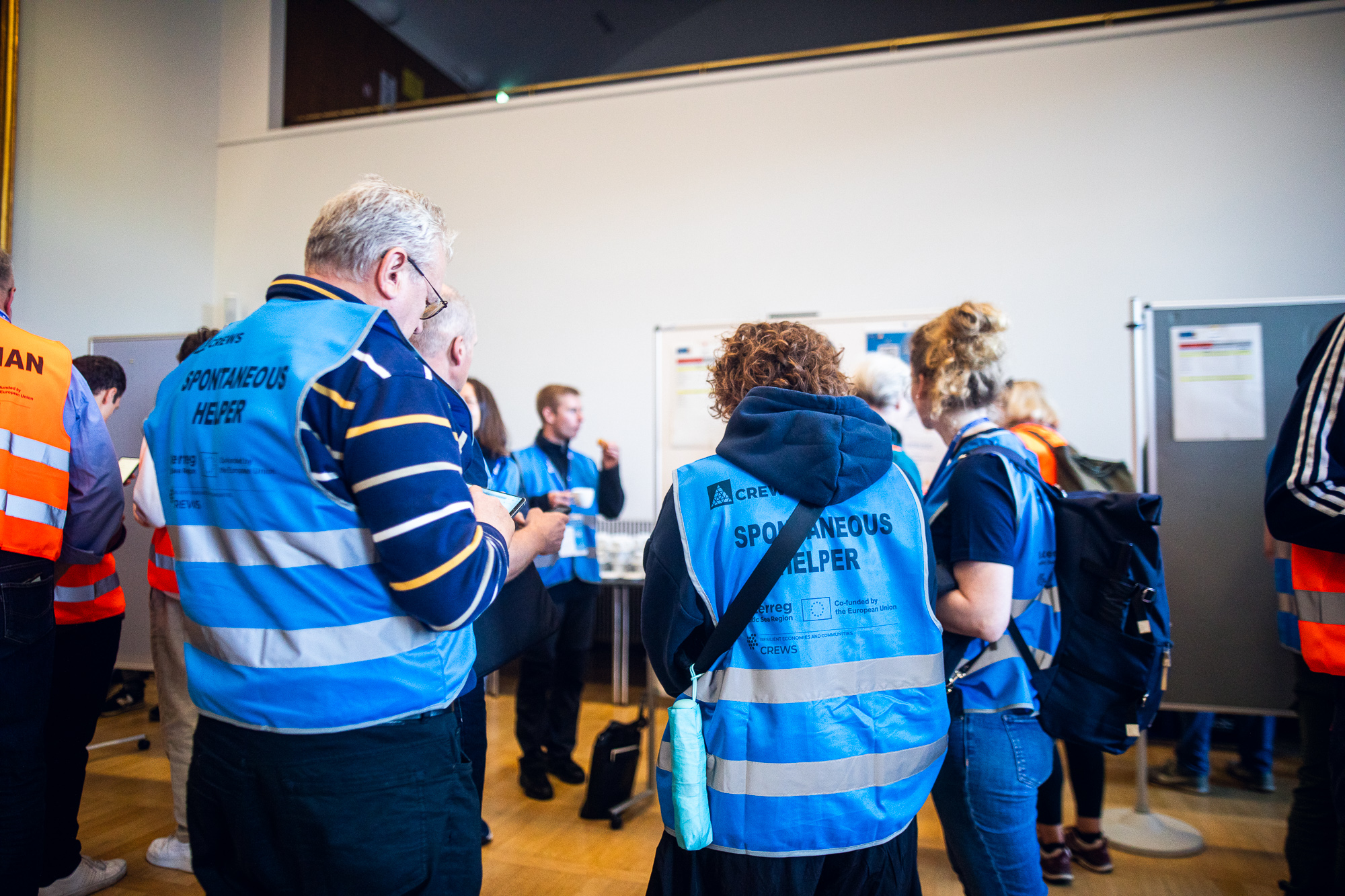
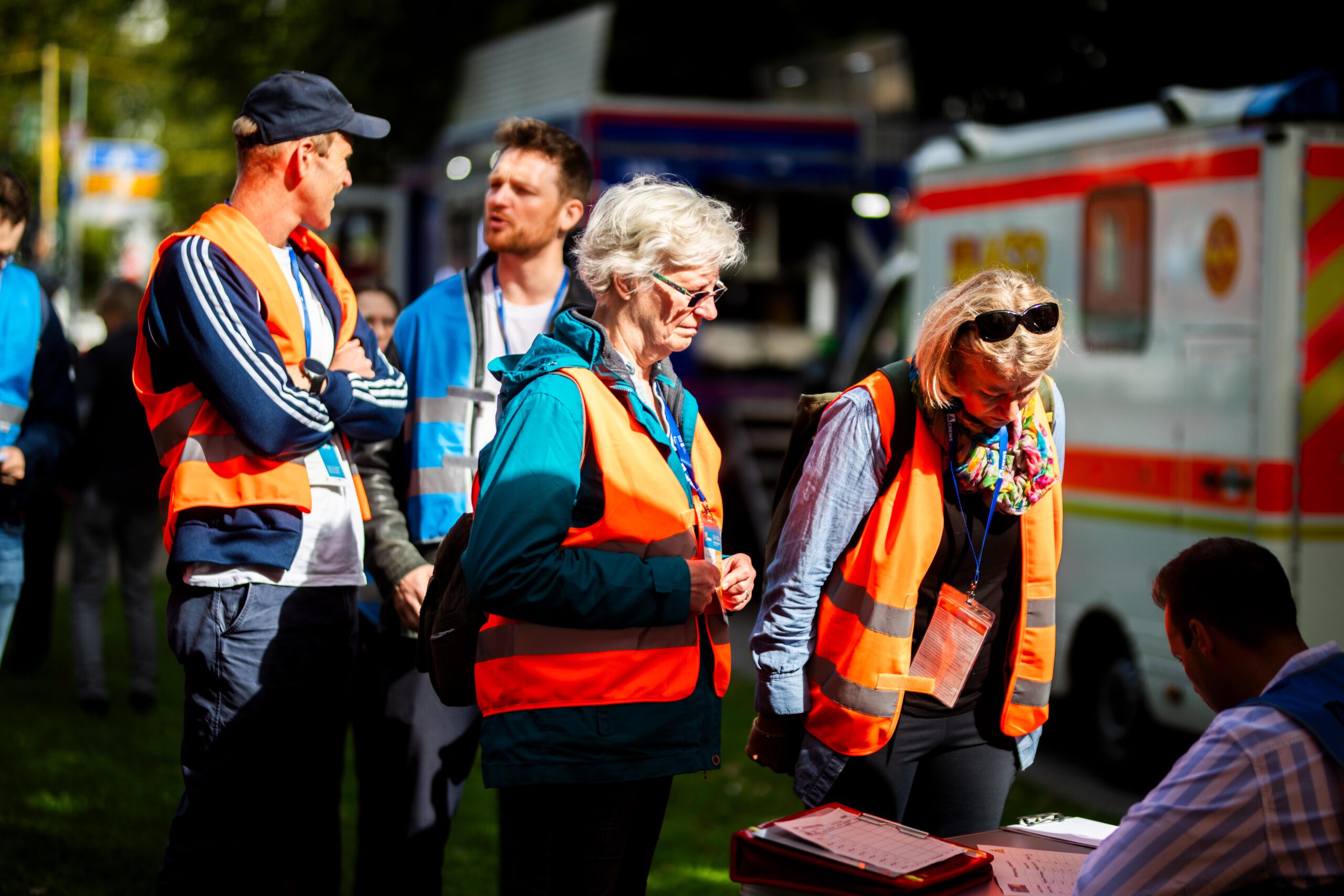
A key focus of HAPEX26 was testing how spontaneous volunteers can be integrated into organised emergency response. Participants registered through the CREWS digital coordination tool, which is designed to allow individuals to offer their support while helping authorities identify needs and coordinate available volunteers.
During the exercise, leaders used the tool to assign volunteer groups to specific tasks, testing how digital coordination can support cooperation between authorities, emergency organisations and civil society during a crisis.
The tool is part of a broader CREWS cooperation model, which also includes training materials and guidance to strengthen coordination between authorities and volunteers or volunteer organisations during crises. These solutions are being developed and tested through several pilot exercises in partner countries across the Baltic Sea Region, with Hamburg-Altona in Germany being one of them.
Learning from practice
HAPEX26 provided an opportunity to test these solutions in a realistic and complex operational environment. The lessons learned will help the CREWS consortium further develop the digital tool, cooperation model and training materials.
By bringing authorities, organised responders and spontaneous volunteers together, the exercise contributed to exploring new ways of strengthening coordinated and resilient emergency response in the face of increasingly complex extreme-weather events.
Watch the NDR report on the exercise (in German) here.
See a short video from Radio Hamburg capturing the exercise in action (in German) here.


Additional links
details
-
Homepage
-
Project typeCore Project
-
ImplementationMarch 2025 - February 2028
-
StatusOngoing
-
Contribution to EUSBSRPolicy Area Secure

-
Target groups
- Higher education and research institution
- Local public authority
- National public authority
- NGO
- Regional public authority
-
Social media
-
Additional links
-
Tags