




From Preparedness to Partnership: Building Stronger Cooperation for Emergencies in the Baltic Sea Region. An Inspiring Talk with Vineta Polatside, Senior Adviser for Safe and Secure Region at the CBSS
22 September 2026
In September 2026, the Communication Team of the Council of the Baltic Sea States (CBSS) met with Vineta Polatside to discuss challenges, achievements, and major milestones of the CREWS project. The result of the discussion is available as an interview below.
CBSS: Could you provide some context on the CREWS project and its significance?
VP: The CREWS project is not simply another project for the CBSS and its partners. It represents the culmination of several years of regional cooperation aimed at strengthening collaboration between civil protection authorities, civil society organisations and volunteers.
The initiative originated with our Finnish colleagues, who identified the need for closer cooperation between public authorities and civil society in disaster risk reduction and brought the idea into Baltic Sea Region cooperation. The CBSS welcomed the initiative and established a dedicated subgroup under the PA Secure Steering Group. Although the group initially worked well online, it gradually lost momentum, highlighting the need to move from discussions towards more structured and practical cooperation.
Two seed money projects followed, helping identify the most pressing challenges in Baltic Sea Region countries, assess the needs of both authorities and civil society organisations, and define possible ways forward. Their findings laid the foundation for CREWS.
The significance of CREWS lies in bringing national and local authorities, civil society organisations and academic partners together to develop practical mechanisms for cooperation in disaster risk reduction. The project aims to bridge formal emergency management structures and the considerable capacities, local knowledge and resources that already exist within our communities.
CBSS: What are some of the barriers the project aims to overcome?
VP: The barriers are numerous and often complex, particularly given the current geopolitical situation in the Baltic Sea Region and the growing challenges facing disaster risk management. But I believe some of the most important barriers have less to do with resources or technical capacities and more to do with people, mutual understanding and trust.
One of the fundamental challenges is developing a shared understanding of what cooperation means in practice. Authorities and civil society organisations may agree that working together is important, but they often have different priorities, responsibilities and ways of working. Recognising the value of cooperation is one thing; making it an integral part of everyday disaster preparedness, rather than an optional project activity, is another.
And then there is trust. We cannot simply bring people together for a few meetings and expect them to trust one another. Trust develops gradually through regular contact, honest conversations, clear expectations and, most importantly, practical experience of working together.
Another challenge is that civil society organisations and volunteers are not always sufficiently integrated into formal disaster management structures. They bring valuable local knowledge, experience and resources, but their potential is not always fully recognised or incorporated into preparedness planning. At the same time, volunteers need to understand how public authorities operate and where they can contribute most effectively.
Ultimately, the challenge is to move beyond recognising the importance of cooperation and make it a natural and reliable part of disaster preparedness.
CBSS: How does the CREWS project aim to overcome these barriers?
VP: This is precisely where CREWS comes in. Rather than simply developing another set of recommendations on the importance of cooperation, we want to bring public authorities and civil society organisations together and give them opportunities to develop, test and improve the way they work together.
One of the central elements of the project is developing a practical cooperation model that helps authorities and civil society organisations better understand their respective roles, responsibilities and capacities. The idea is not to create a single solution that everyone must follow, but rather a framework that can be adapted to different national and local circumstances.
But developing a model on paper is only the beginning. What is particularly important about CREWS is that we are putting cooperation into practice through joint training, exercises and the exchange of experience across the Baltic Sea Region. These activities allow participants to identify gaps, challenge assumptions and learn from one another. They also provide an opportunity to test the cooperation model in realistic scenarios and make adjustments based on what actually works.
We are also developing a digital tool to facilitate communication and coordination between public authorities and volunteers, helping to make cooperation more accessible and effective during emergencies.
And, of course, there is a strong regional dimension. Countries around the Baltic Sea have different approaches to involving civil society in disaster management. CREWS provides an opportunity to learn from these different experiences, identify practices that can be transferred or adapted, and build stronger connections between organisations across the region.
For me, one of the most important aspects of CREWS is that we are not just developing tools or organising individual project activities. We are investing in relationships and building a foundation for cooperation that can continue long after the project has ended. I strongly believe that the real achievement will be when authorities and civil society organisations no longer need a project to bring them together because working together has become a natural part of their everyday preparedness.
CBSS: What would successful cooperation look like in a real emergency, and how could CREWS make a difference?
VP: Imagine a major flood affecting several towns in neighbouring countries. Civil protection authorities are responding, but their resources are stretched, people need to be evacuated, temporary shelters have to be organised, and vulnerable groups need additional support. Meanwhile, local volunteer organisations and spontaneous volunteers are ready and willing to help, to do anything they can, but they do not know whom to contact, what is expected of them, or how they can contribute without creating even greater chaos.
In an ideal situation, these questions would have been answered long before the flooding occurred. Public authorities and civil society organisations already know each other, understand their respective roles, and have established ways of communicating and coordinating their activities. Volunteers are trained, their capacities are known to civil protection authorities, and everyone understands how they fit into the broader response.
This is precisely the kind of cooperation we want CREWS to help build. Through joint training, practical exercises, a common cooperation model and a digital tool, we aim to help authorities and civil society organisations prepare together, rather than meet for the first time in the middle of a crisis.
Of course, every emergency is different, and no project can anticipate every possible scenario. But if CREWS can help ensure that, when a crisis strikes, the right people already know each other, trust one another and are ready to work together, we will have made a meaningful difference.
Ultimately, successful cooperation means that communities are not simply waiting for help to arrive. They are part of the preparedness and response effort, working alongside public authorities to make their communities safer and more resilient.
CBSS: How has Interreg contributed to the project’s vision and success?
VP: To put it simply, without Interreg Baltic Sea Region funding, this project would not have been possible. Interreg BSR has given us the opportunity to turn a shared ambition into practical regional cooperation, bringing together public authorities, civil society organisations and local communities to strengthen disaster preparedness across the Baltic Sea Region.
What is particularly valuable about Interreg BSR is that it enables us to move beyond national approaches and individual initiatives, pool our knowledge and resources, learn from one another and develop solutions that can be adapted and applied across the region.
Importantly, this funding allows us to explore a shift from traditional command-and-control approaches towards more inclusive and coordinated disaster management, where authorities retain their responsibilities while recognising and making better use of the capacities of volunteers and civil society organisations. Interreg BSR is therefore much more than a funding instrument for CREWS. It is an enabler of regional partnerships, innovation and lasting cooperation.
CBSS: Vineta, thank you for sharing the inspiring journey of the CREWS project. It’s clear that strong cooperation between public authorities and volunteers can be a powerful tool for empowering local communities and building social resilience.
VP: Thank you. It’s been a pleasure discussing this project, and I hope it will inspire more public authorities to recognise the importance of this cooperation in fostering social resilience.
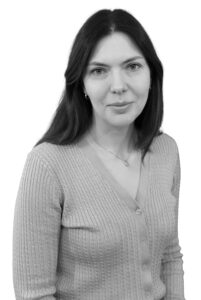 Vineta Polatside is a Senior Adviser for Safe and Secure Region Priority at the Council of the Baltic Sea States (CBSS) and also the EUSBSR PA Secure coordinator. She has over 20 years of experience in fields related to safety and security and she has worked in various capacities within the international arena, including for organisations such as the Council of the Baltic Sea States (CBSS), the International Organization for Migration (IOM), and the Red Cross.
Cover photo: Benjamin Ebrecht / @bephotography.de

Additional links
details
-
Homepage
-
Project typeCore Project
-
ImplementationMarch 2025 - February 2028
-
StatusOngoing
-
Contribution to EUSBSRPolicy Area Secure

-
Target groups
- Higher education and research institution
- Local public authority
- National public authority
- NGO
- Regional public authority
-
Social media
-
Additional links
-
Tags