




CREWS Tests Crisis Cooperation Solutions in Warsaw Flood Simulation
28 October 2026
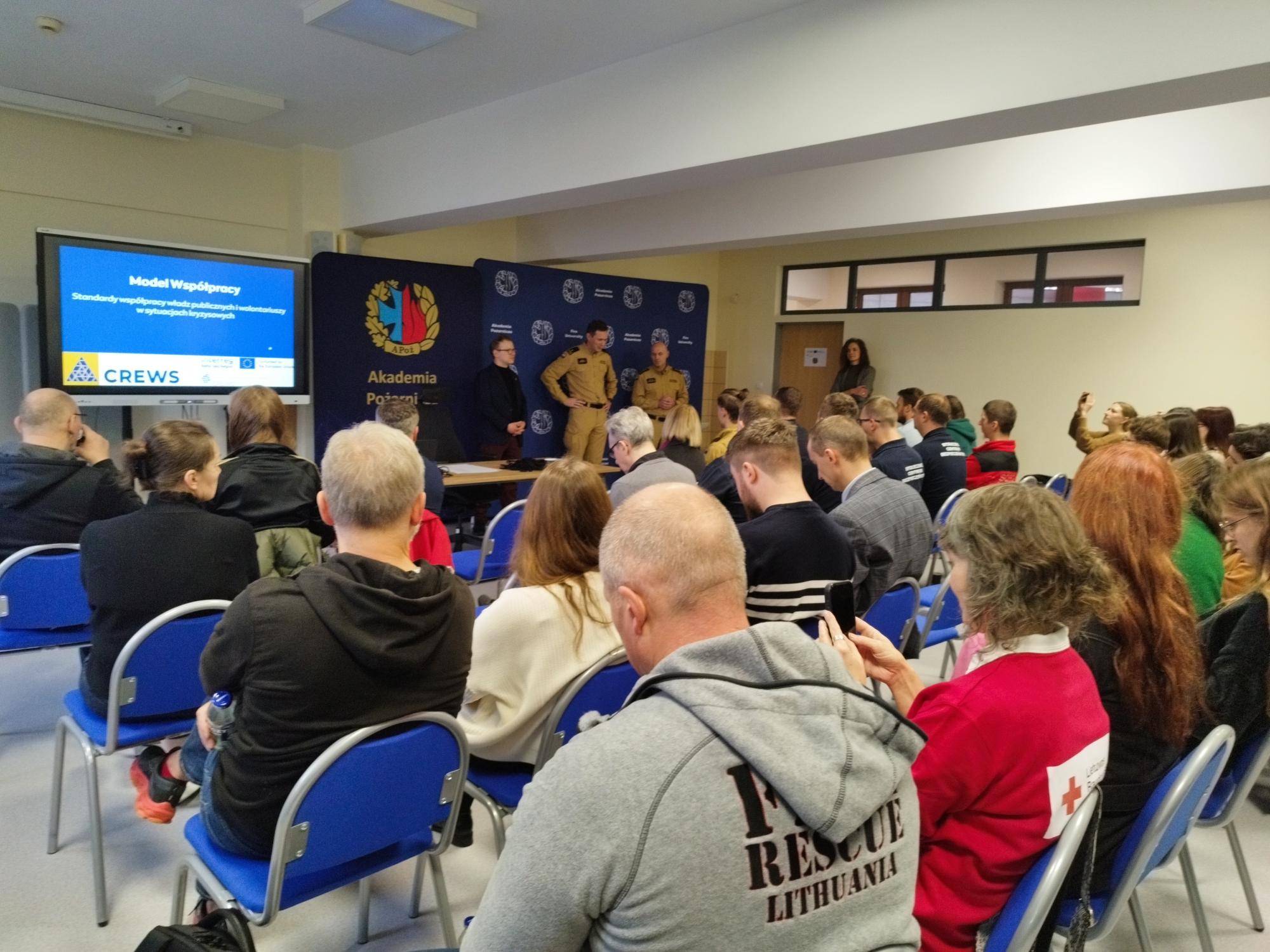
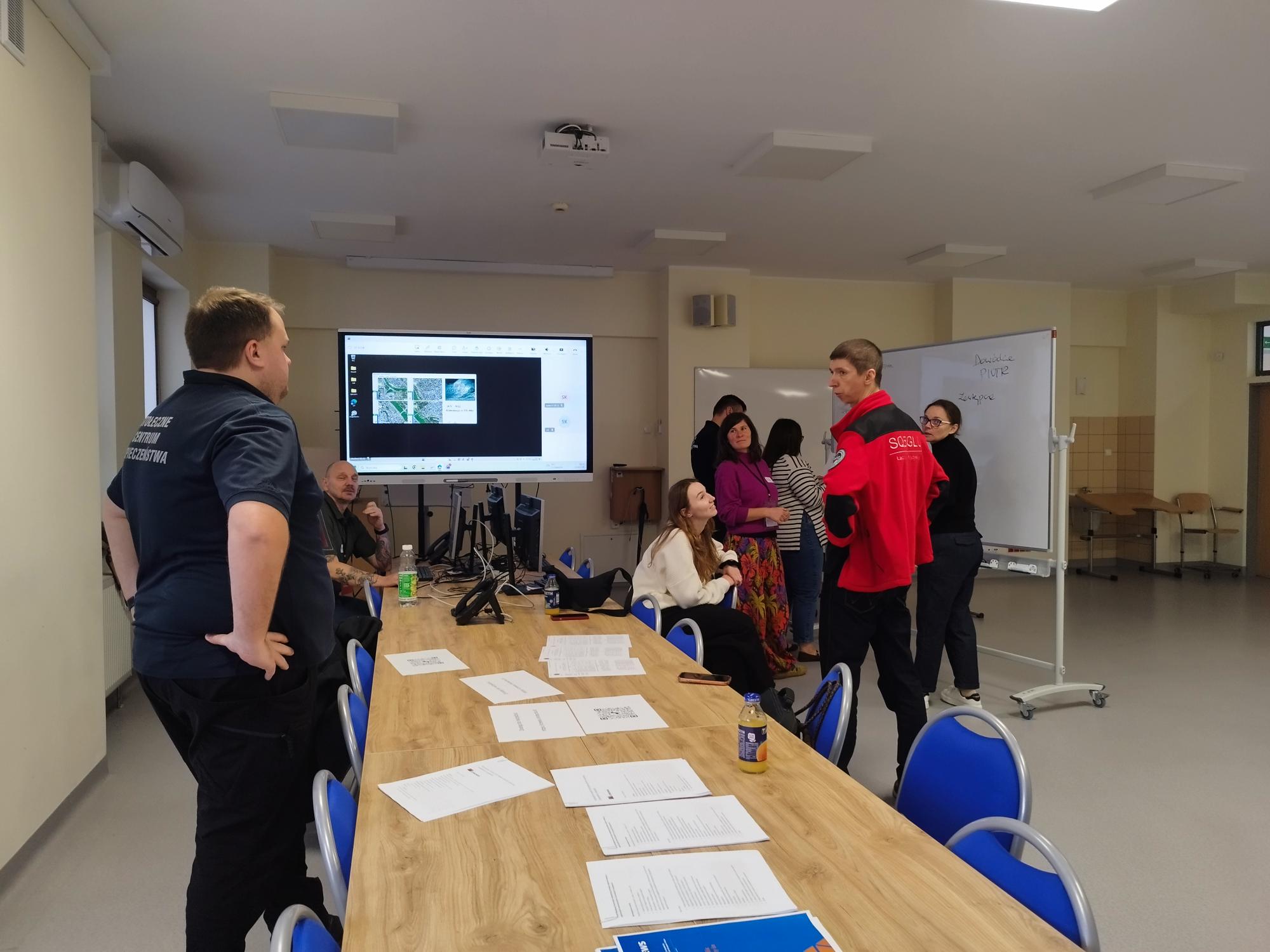
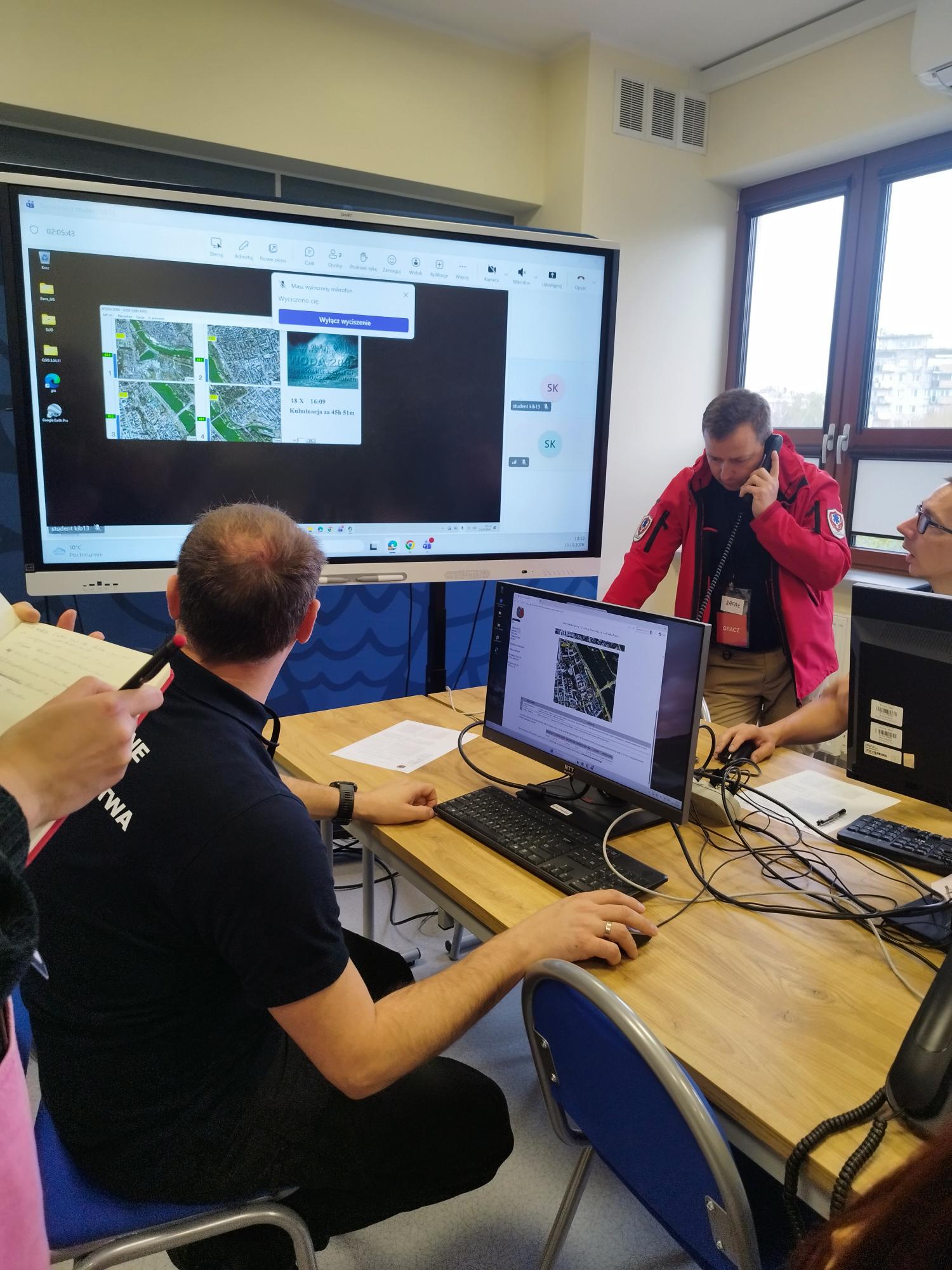
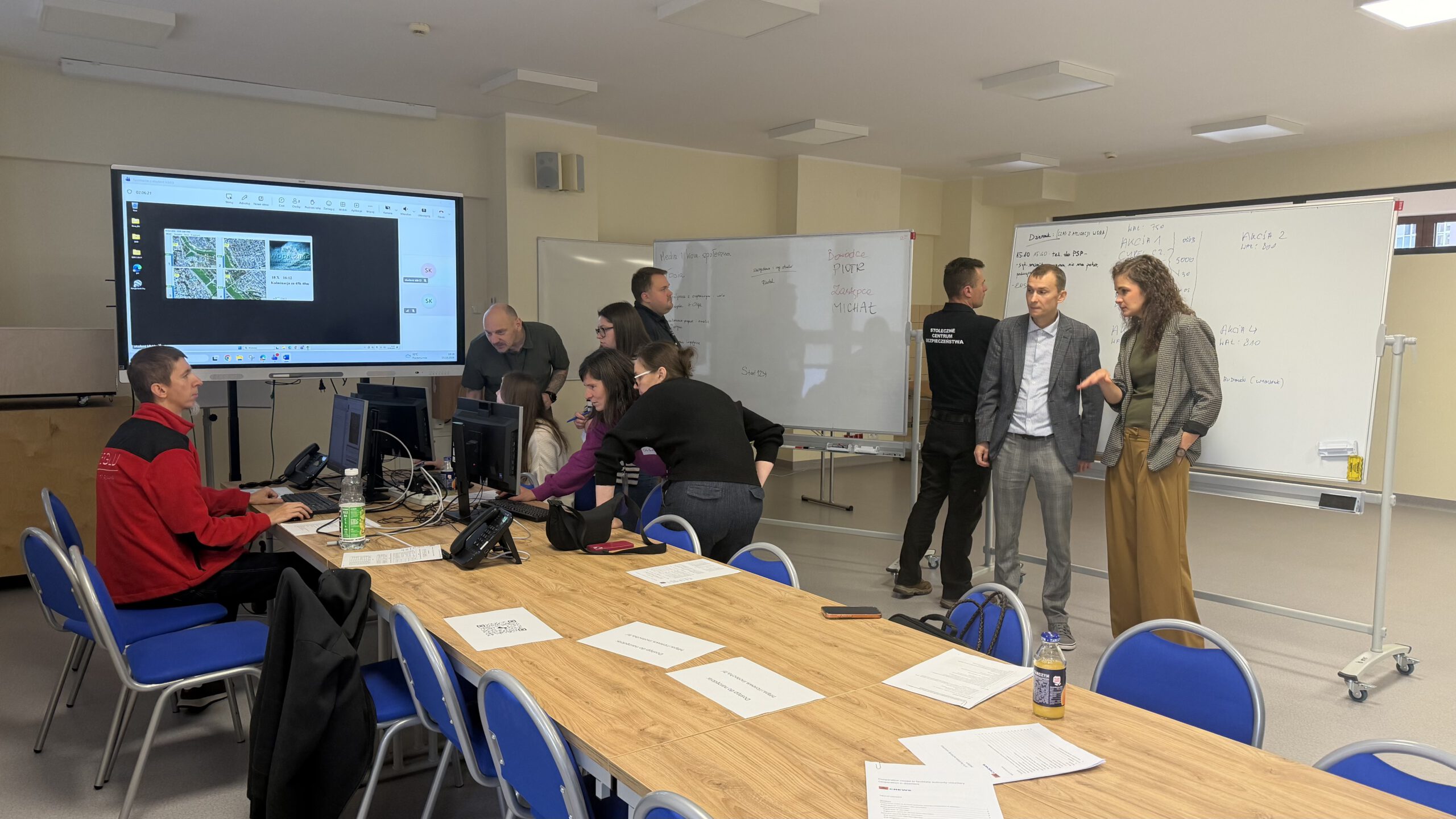
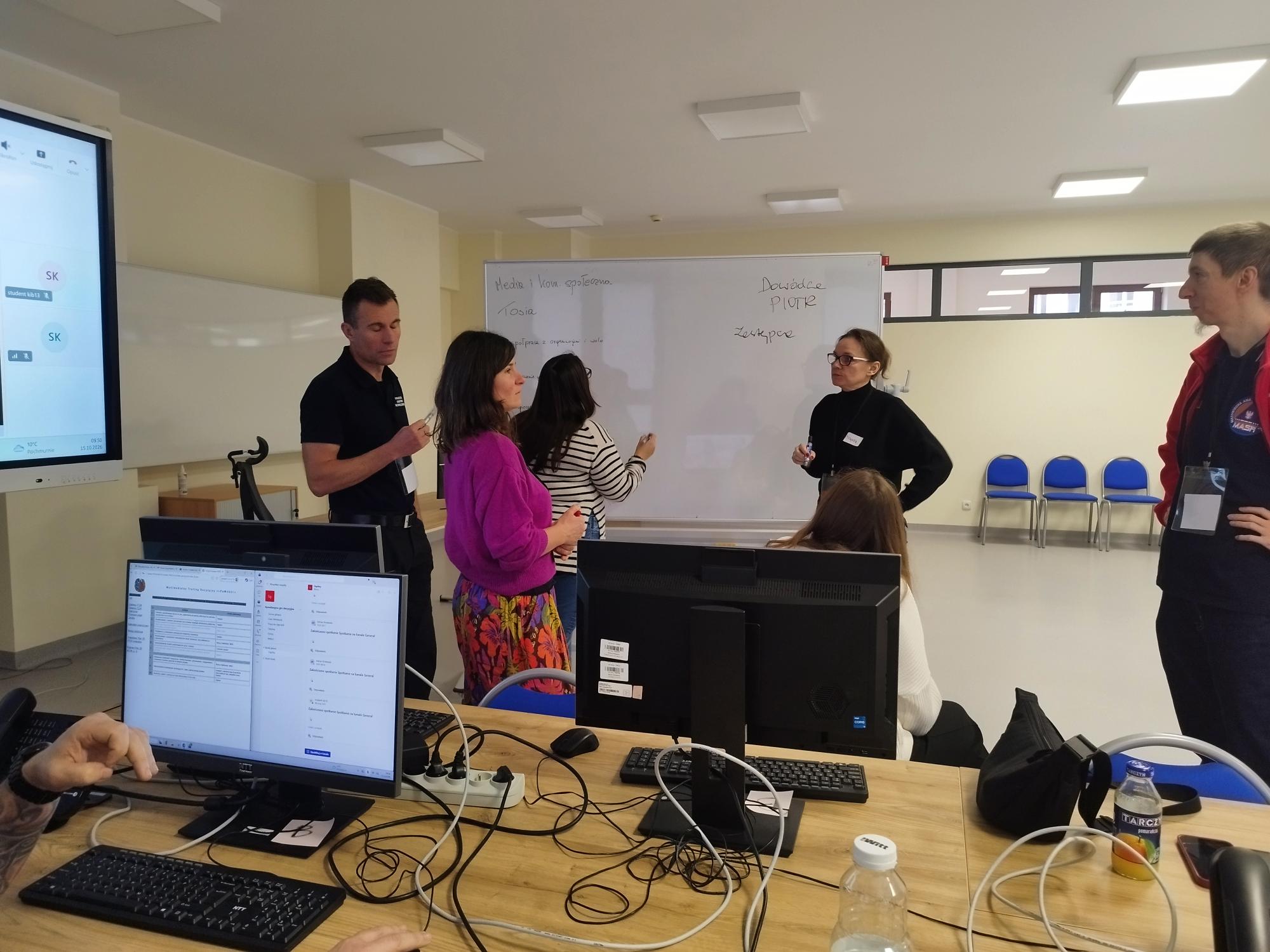
The exercise brought together representatives of the City of Warsaw and civil society organisations, including volunteer coordinators from the Warsaw Social Crisis Network. Participants worked through different stages of the simulated flood response, making decisions on the coordination of relief efforts, volunteer mobilisation, information sharing and cooperation between institutions and organisations.
The scenario also introduced additional challenges, including disinformation, a high volume of spontaneous volunteer registrations and the need to respond quickly to residents’ changing needs. These developments allowed participants to explore how the tested solutions could support effective coordination under pressure.
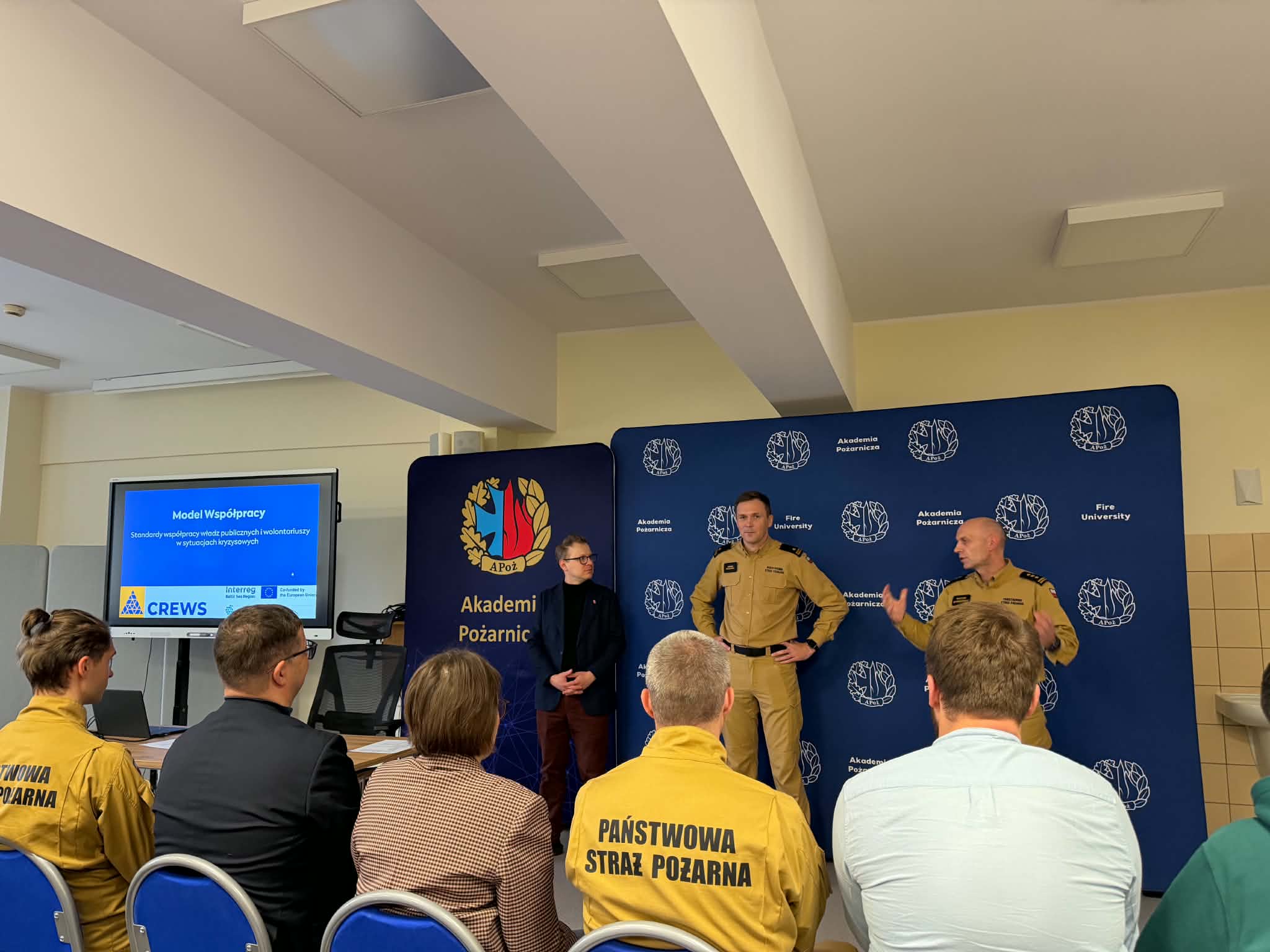
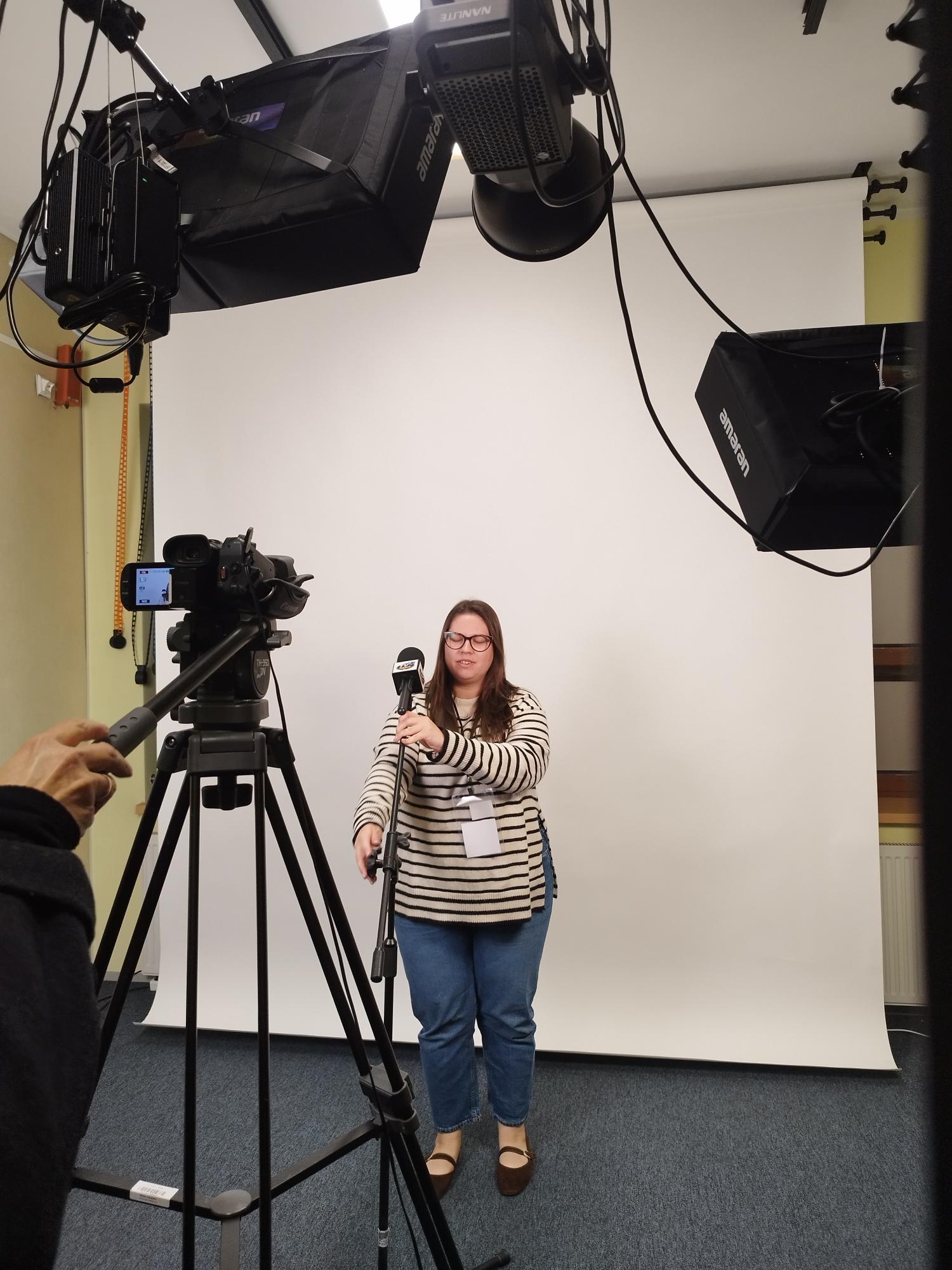
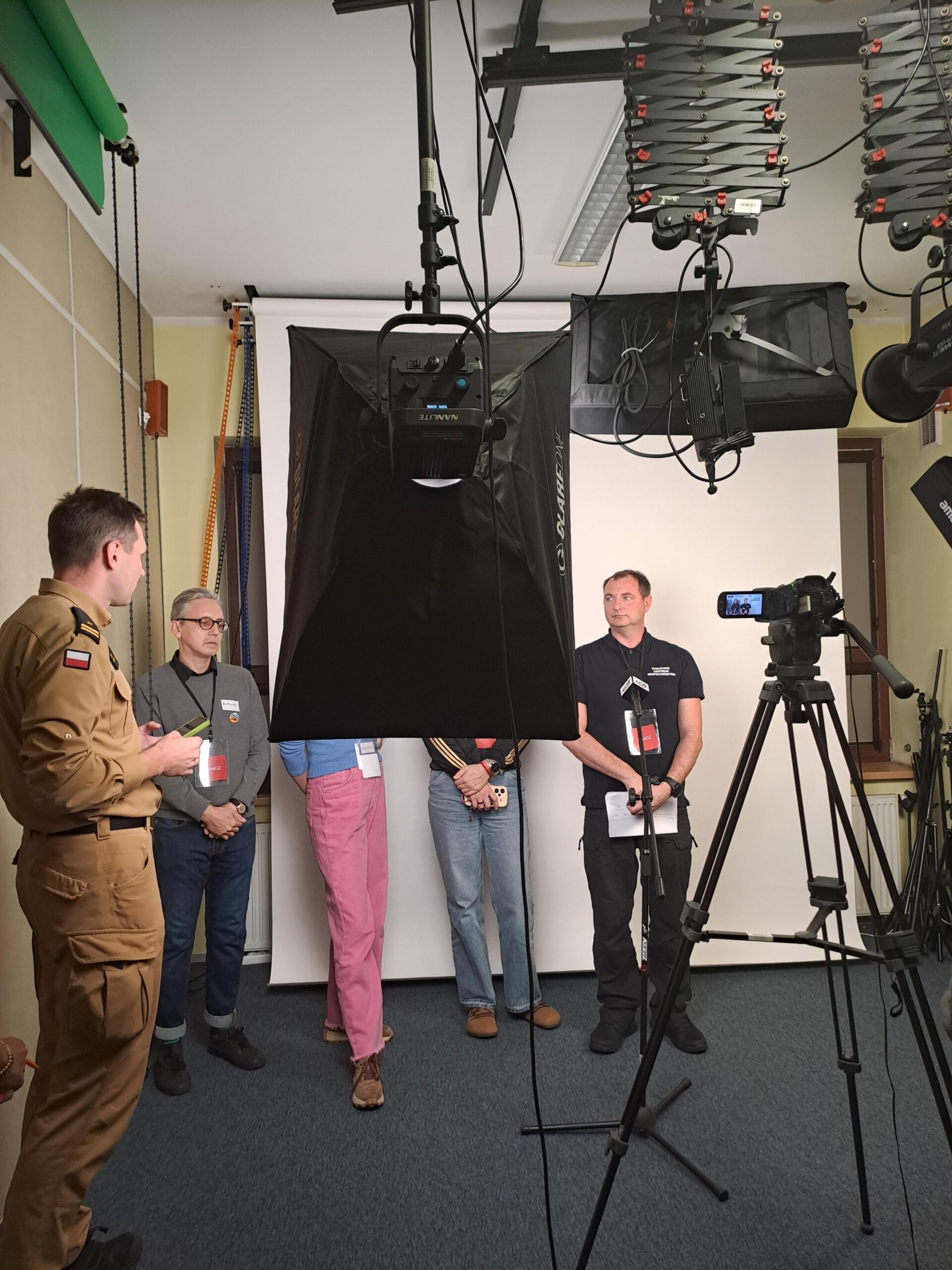
CREWS partners from Lithuania, Latvia, Germany, Finland and Sweden observed the exercise and assessed how the solutions functioned in practice. The tabletop simulation was prepared and facilitated by experts from the Fire University in Warsaw.
Testing practical solutions for crisis response
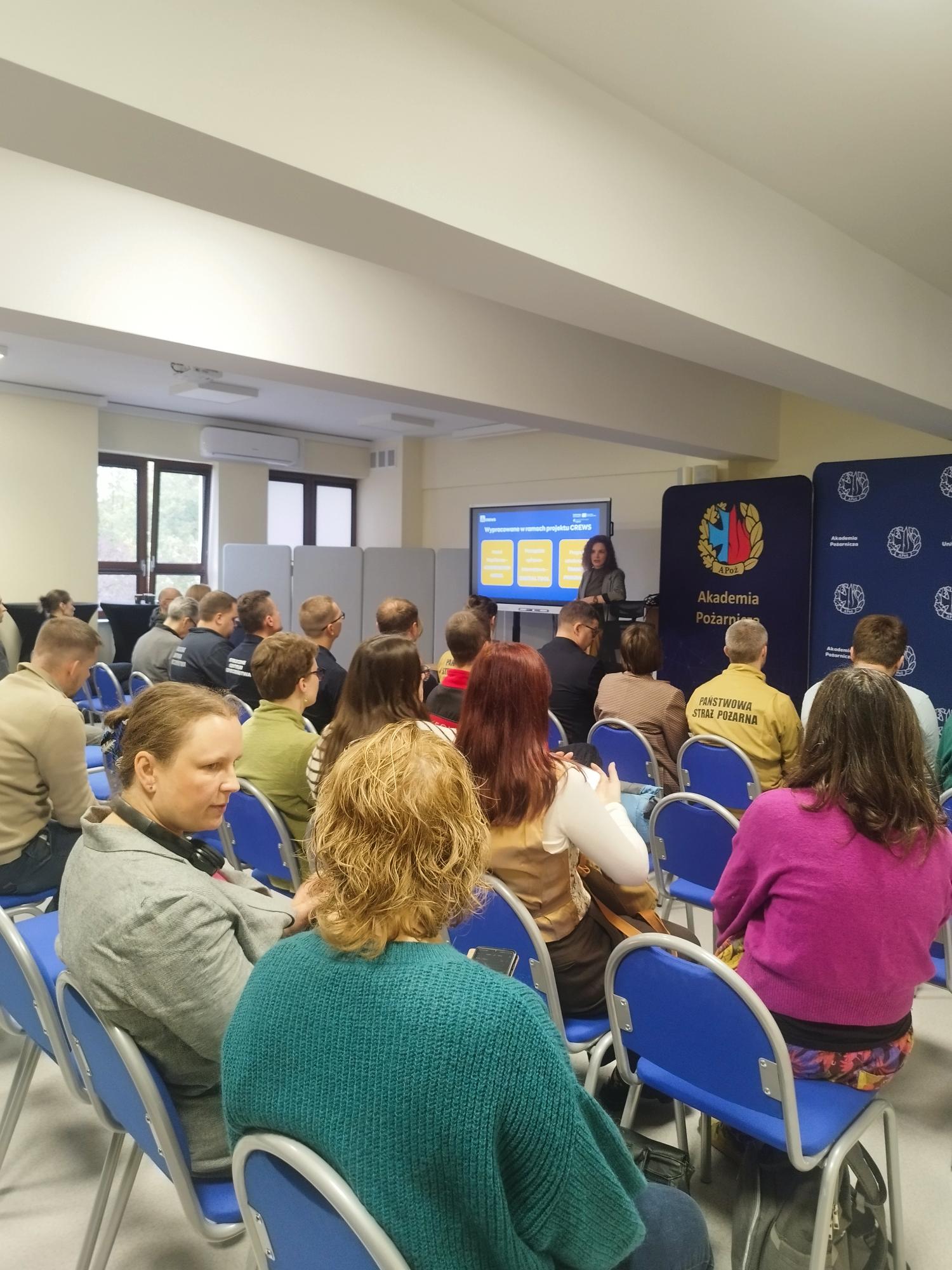
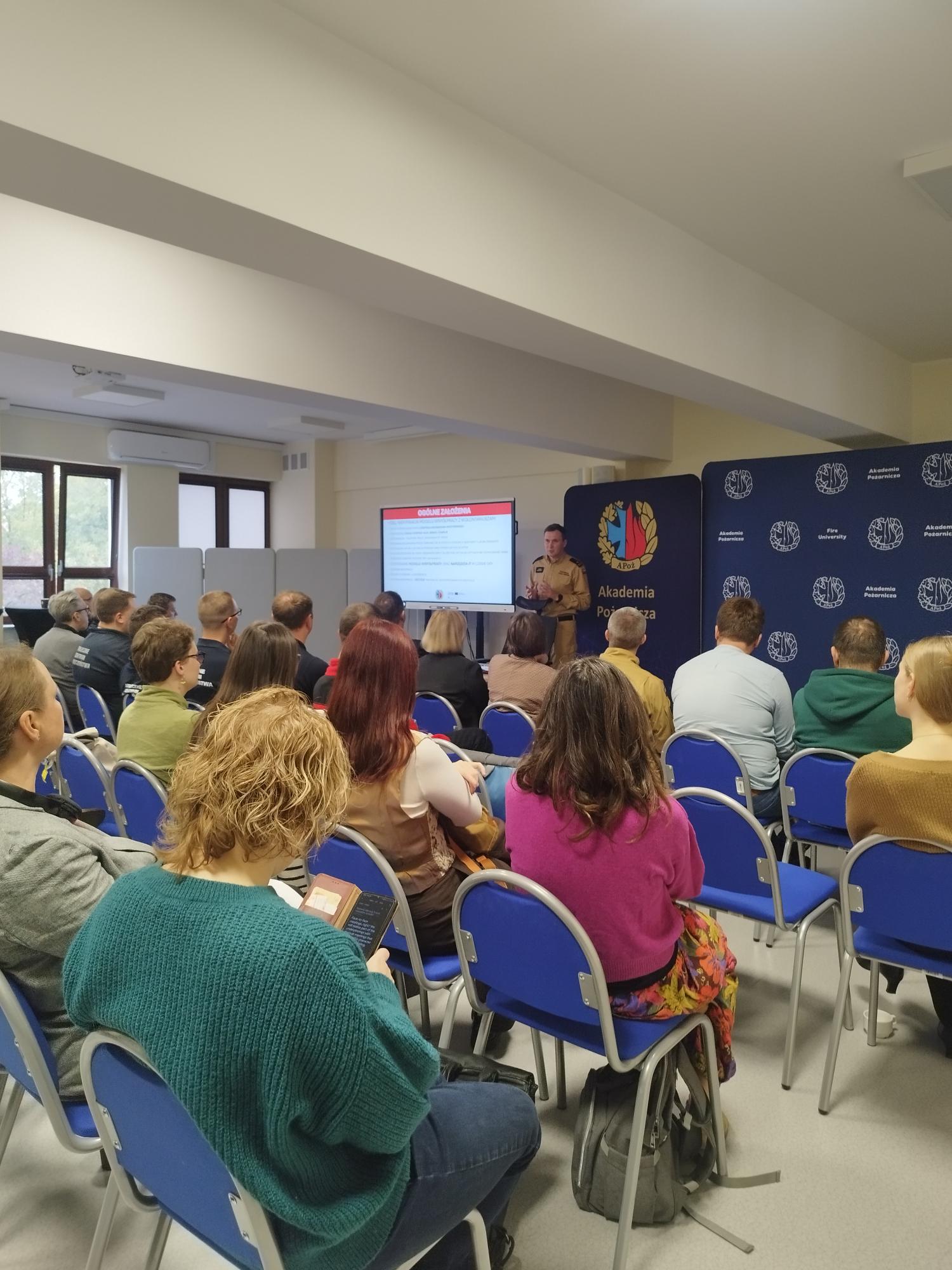
The Cooperation Model provides standards, recommendations and procedures to support collaboration between public authorities, emergency services, NGOs and volunteers throughout the crisis management cycle. It places particular emphasis on organising and coordinating both spontaneous and organised volunteering, helping ensure that volunteers can be effectively engaged and supported when communities face emergencies.
The Digital Tool is a web-based platform and application designed to facilitate cooperation between volunteers, NGOs and other actors involved in crisis response. It supports information exchange, volunteer resource management and the coordination of relief efforts, helping organisations respond more efficiently to the needs of affected communities.
During the exercise, participants used the solutions to practise coordination and information-sharing processes. The simulation also provided an opportunity to assess the Digital Tool’s functionality and collect user feedback to inform its further development.
Lessons for future implementation
The second day of the pilot was dedicated to reviewing the exercise and conducting an initial evaluation. Participants discussed the strengths of the tested solutions and identified areas requiring further development.
The findings from Warsaw will contribute to the next stages of CREWS, supporting the refinement and future implementation of the project’s tools. The exercise highlighted the importance of well-organised cross-sector cooperation and adequate preparation of volunteers and civil society organisations in strengthening disaster preparedness and response.
In 2027, CREWS partners will focus on implementing the project’s solutions at local, national and regional levels. Training activities and dissemination efforts will help make the tools and knowledge developed through the project available to stakeholders across the Baltic Sea Region.
The City of Warsaw will also contribute to preparing guidance and materials for local NGOs and explore opportunities to apply the solutions within the municipal administration and its subordinate units.

Additional links
details
-
Homepage
-
Project typeCore Project
-
ImplementationMarch 2025 - February 2028
-
StatusOngoing
-
Contribution to EUSBSRPolicy Area Secure

-
Target groups
- Higher education and research institution
- Local public authority
- National public authority
- NGO
- Regional public authority
-
Social media
-
Additional links
-
Tags