




CREWS Contributes to Resilience Discussions at the EUSBSR Annual Forum in Tallinn
25 May 2026
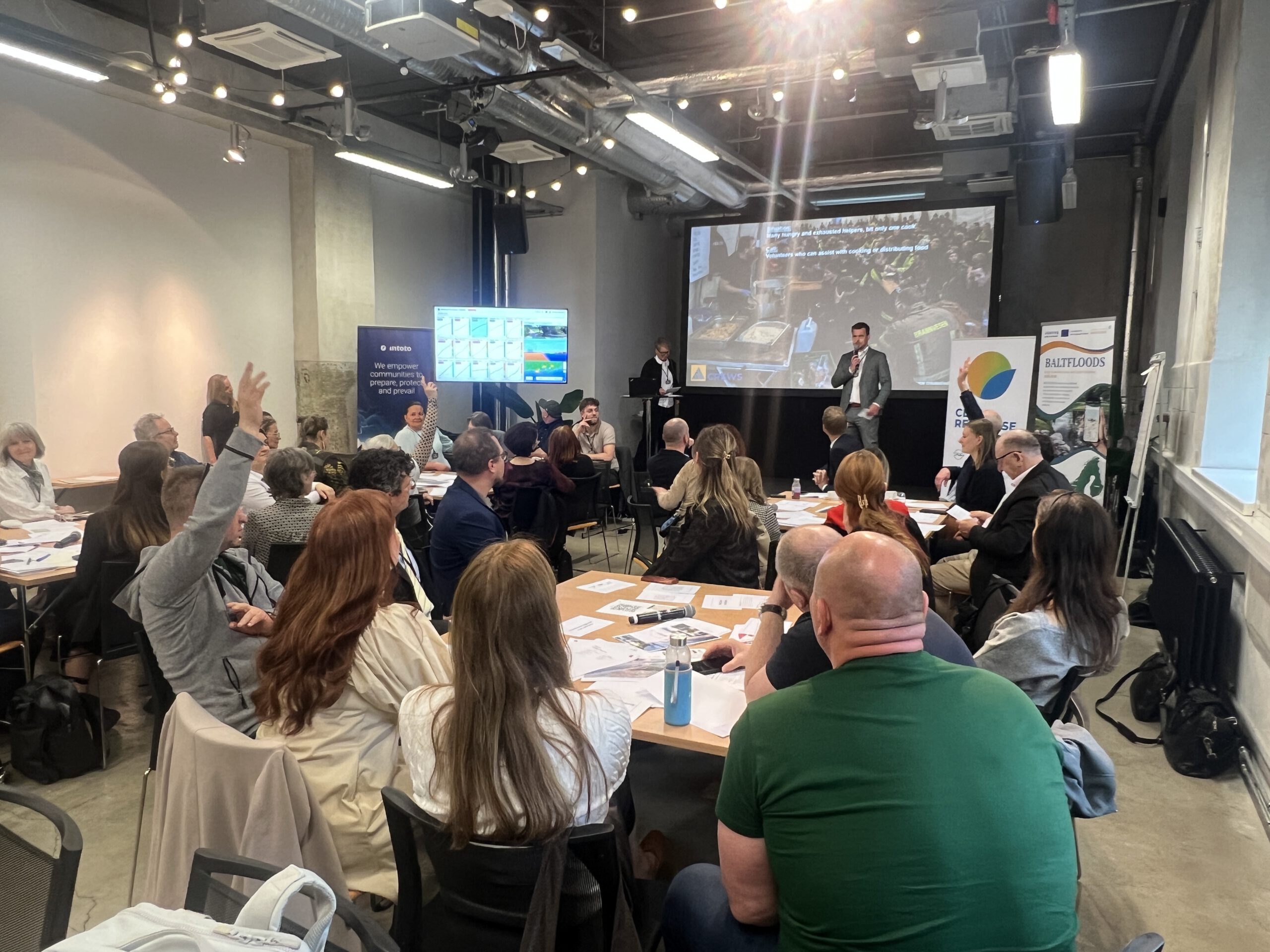
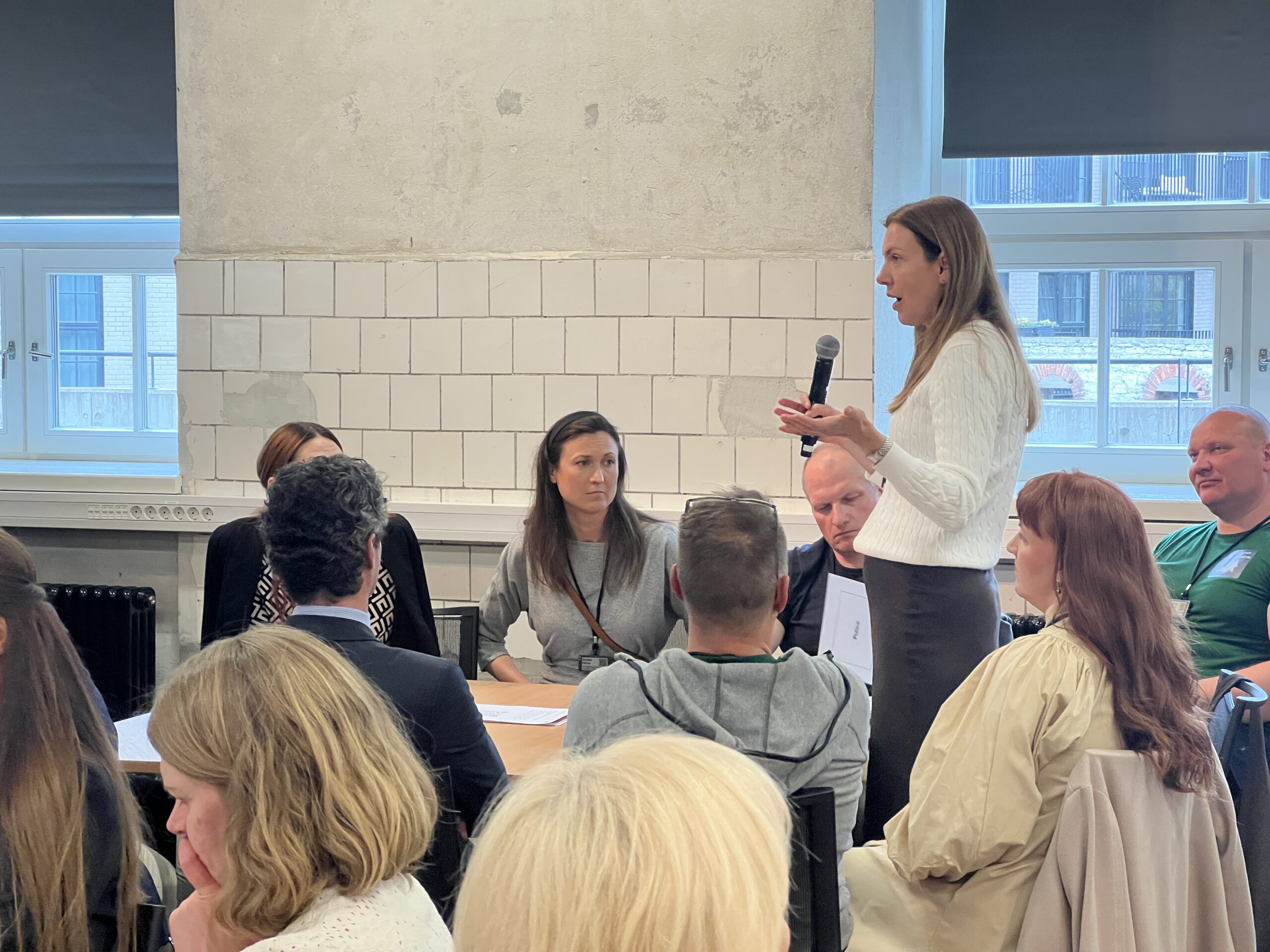
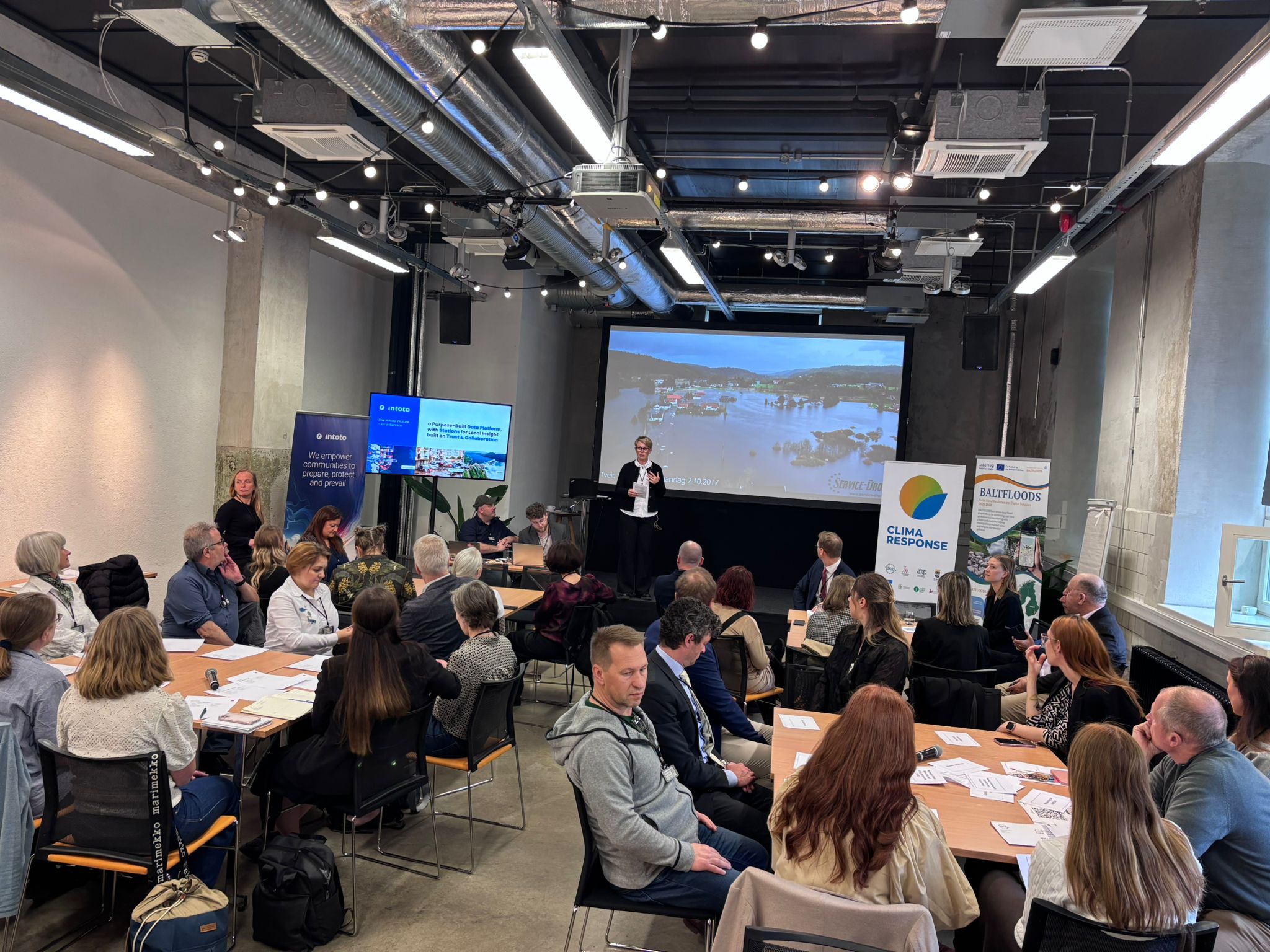
On 12 May, as part of the forum’s official programme, three projects working on disaster risk reduction and crisis preparedness — ClimaResponse, CREWS and BALTFLOODS — joined forces to deliver an interactive flood simulation and role-play exercise based on real-life data from a major flood event in Kristiansand, Norway.
During the hands-on workshop, participants stepped into the roles of local actors and took on specific crisis-response responsibilities in a simulation modelled on the October 2017 flood that brought Kristiansand to a standstill. The exercise highlighted the importance of coordination, clear communication and community engagement in responding effectively to crises.
“Public authorities cannot manage crises alone — civil society actors, including volunteers, are essential partners in preparedness and response,” said Birgit Gutenmorgen, CREWS Project Manager at the Hamburg district of Altona. She underlined the need for coordinated action between authorities, stakeholders and citizens to reduce damage and support more resilient communities.
“Municipalities and their communities are on the front line of the impacts of climate change and other disruptive events,” said Katie Goldie-Ryder, ClimaResponse Project Coordinator at the Council of the Baltic Sea States. “This exercise demonstrates how clear roles, coordination and local capacity are essential for responding effectively to crises and protecting communities.”
“The flood exercise demonstrates how citizens can be meaningfully engaged through digital tools,” said Sanna Varis, BALTFLOODS Project Manager at the City of Lappeenranta, Finland. She added that “it goes beyond simply informing people about potential flood scenarios and explores how they can contribute to preparedness efforts aligned with the co-creation of public services.”
As the Baltic Sea Region faces increasingly interconnected risks — including extreme weather events, geopolitical tensions and infrastructure vulnerabilities — rapid and coordinated responses are becoming ever more important to reduce harm and protect communities.
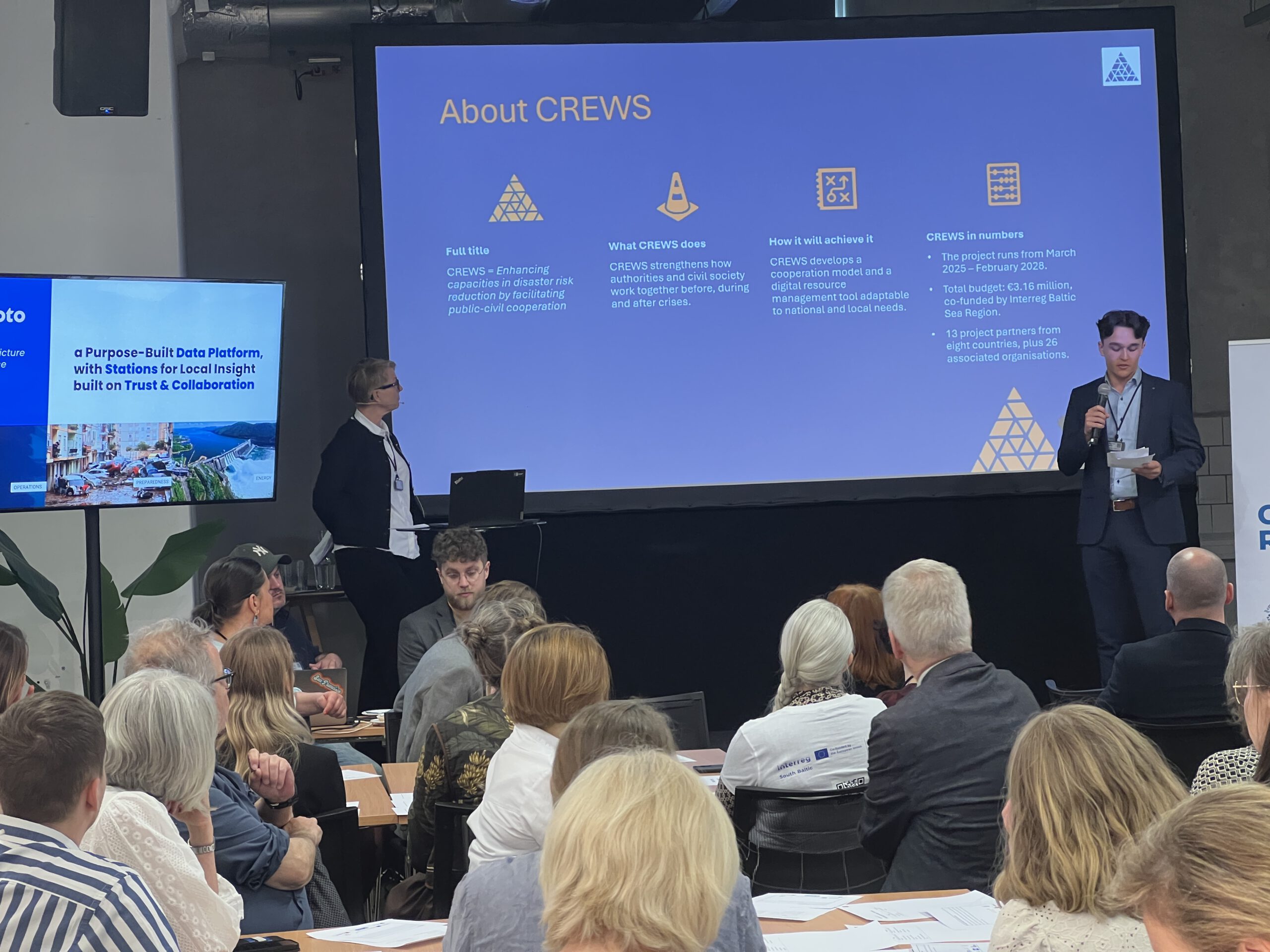
During the simulation, the three projects showcased digital tools and practical solutions developed within their respective initiatives. The CREWS project demonstrated and tested a digital resource management tool — a platform designed to manage volunteers across different crisis scenarios and, in the longer term, to serve as an API to strengthen the capacities of participating institutions.
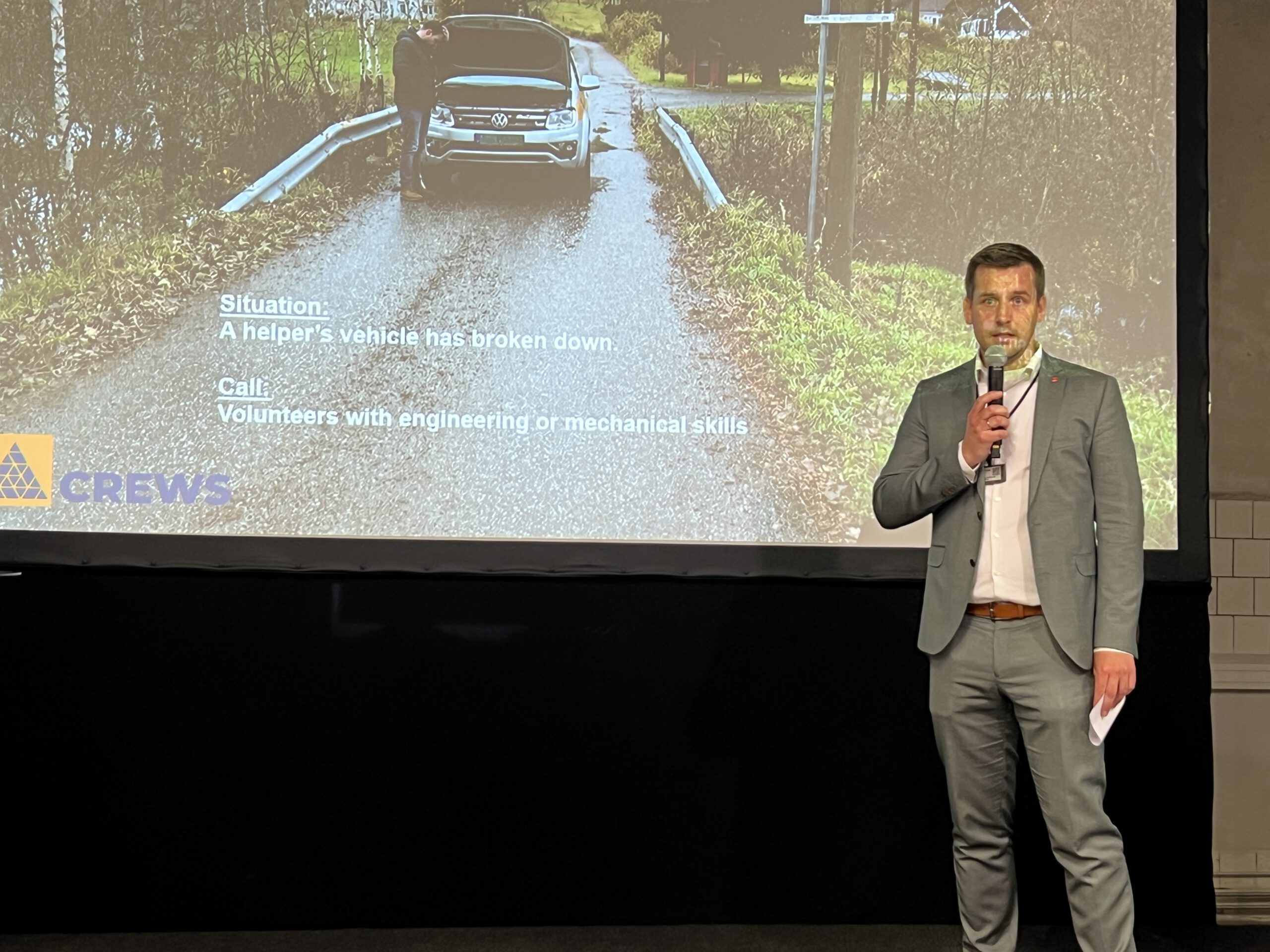
Participants in the flood simulation exercise were asked to register on the digital platform and indicate specific skills that could be useful in a flood scenario. The CREWS project partner, Hamburg Fire and Rescue Service, presented various situations and tasks in which volunteer involvement and support would play a crucial role.
The session was facilitated by Kristiansand Municipality in Norway, with support from partners from the three projects and Intoto, which provided the digital tool and flood data used during the exercise.
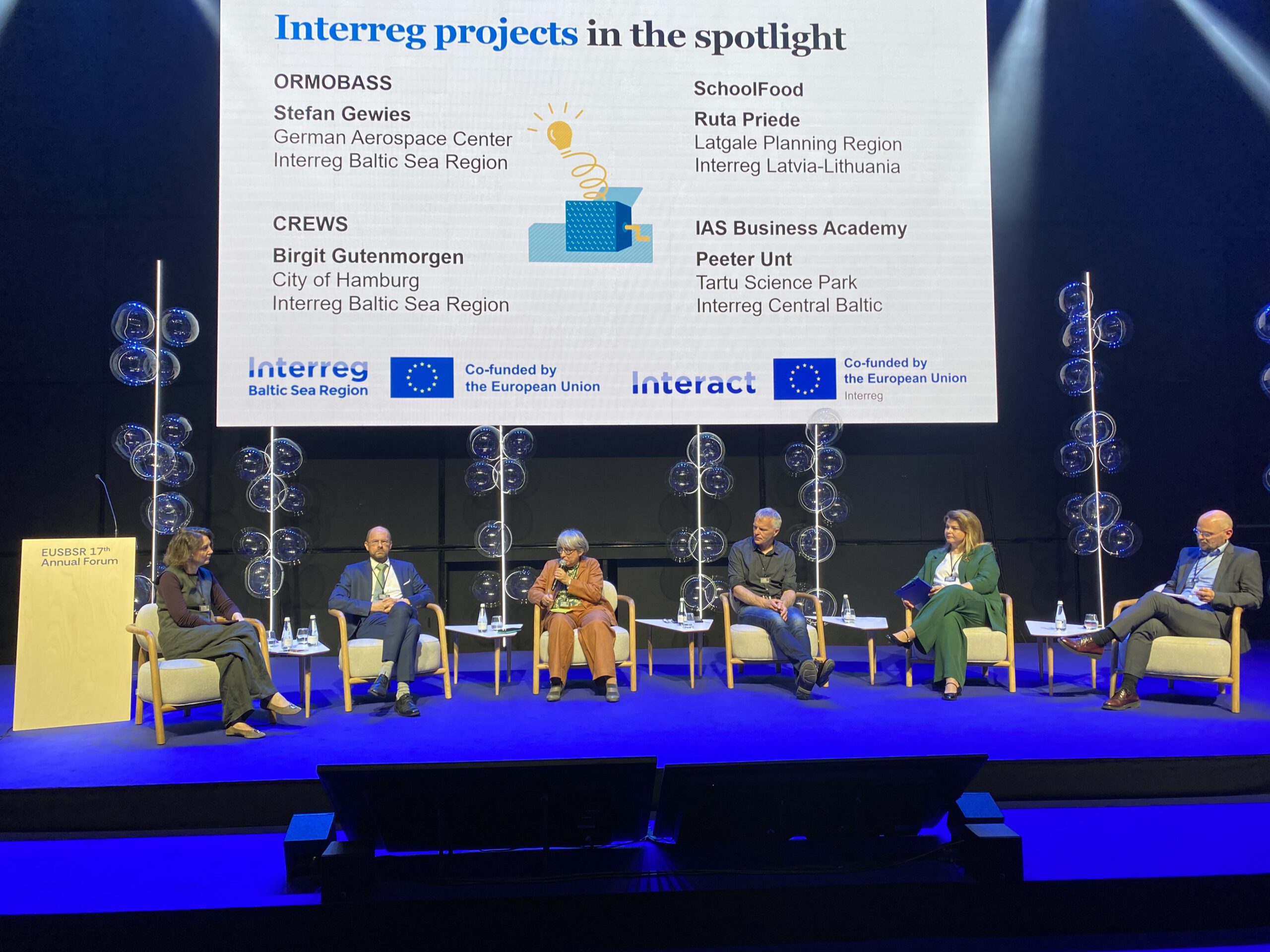
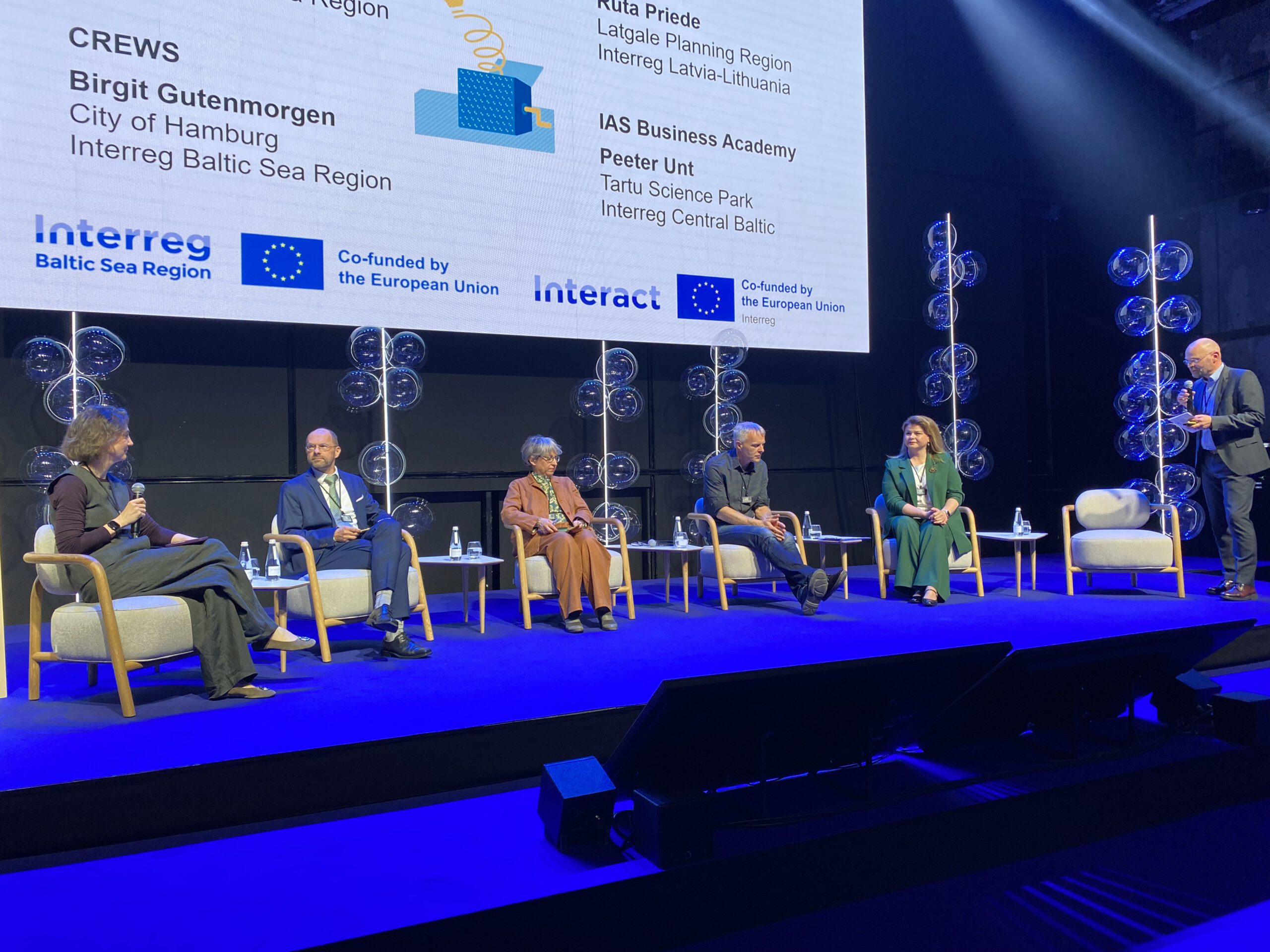
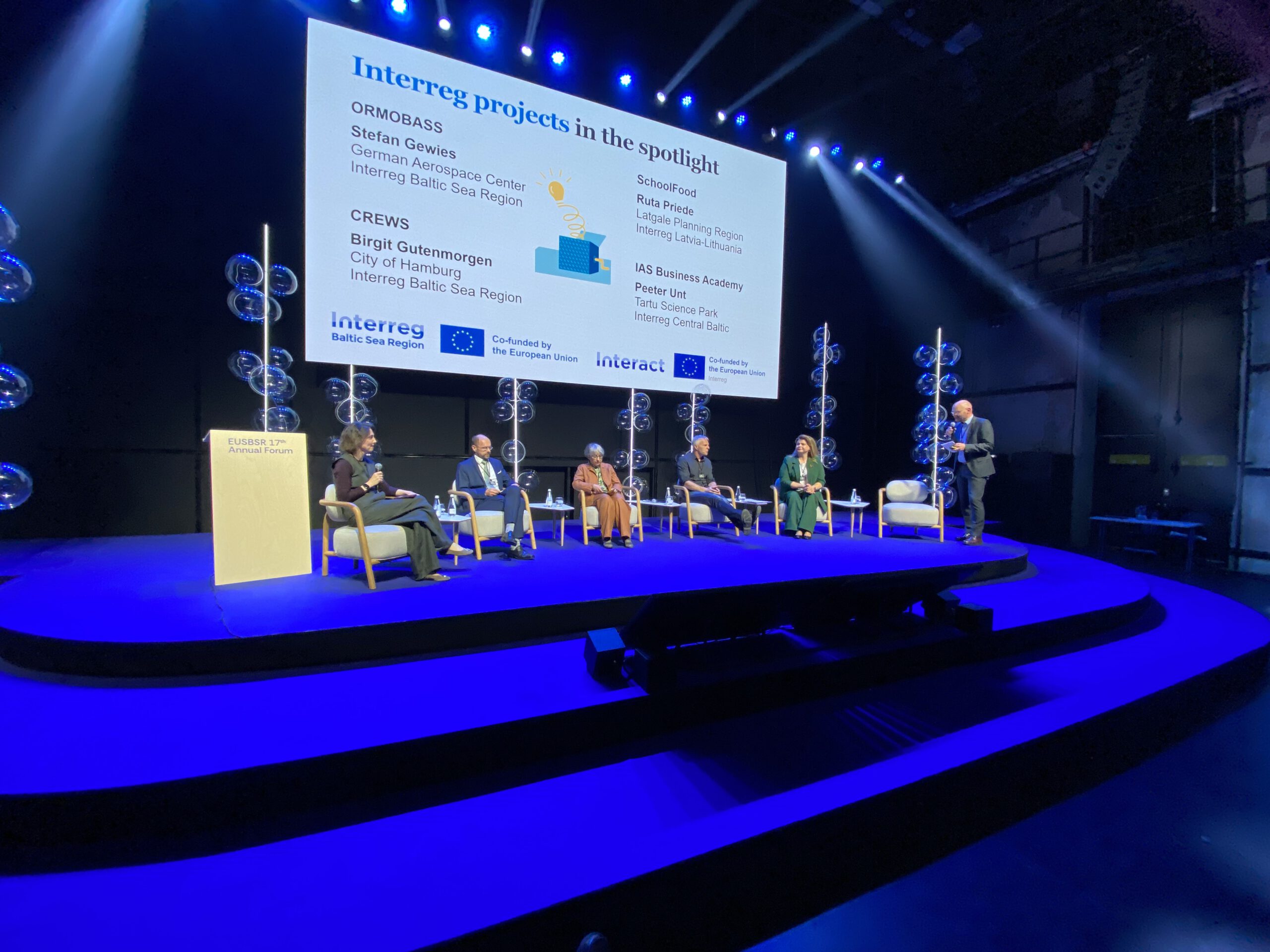
CREWS also contributed to the workshop “Co-creating a more secure and resilient Baltic Sea Region with Interreg”, where project partners shared practical experiences from Interreg projects, including the CREWS project, presented by Birgit Gutenmorgen from the City of Hamburg. The session highlighted how cross-border collaboration can support local preparedness, strengthen links between authorities and communities, and improve responses to shared societal security challenges.
The workshop concluded with group discussions on future challenges and cooperation needs in the Baltic Sea Region. One of the working groups focused specifically on volunteerism and community engagement. The outcomes were documented and will contribute to the continued development of the CREWS project, as well as to reflections within Interreg Baltic Sea Region on the next programming period.

Additional links
details
-
Homepage
-
Project typeCore Project

-
ImplementationMarch 2025 - February 2028
-
StatusOngoing
-
Contribution to EUSBSRPolicy Area Secure

-
Target groups
- Higher education and research institution
- Local public authority
- National public authority
- NGO
- Regional public authority
-
Social media
-
Additional links
-
Tags