




As wind energy grows, so does the need for blade recycling
12 October 2026
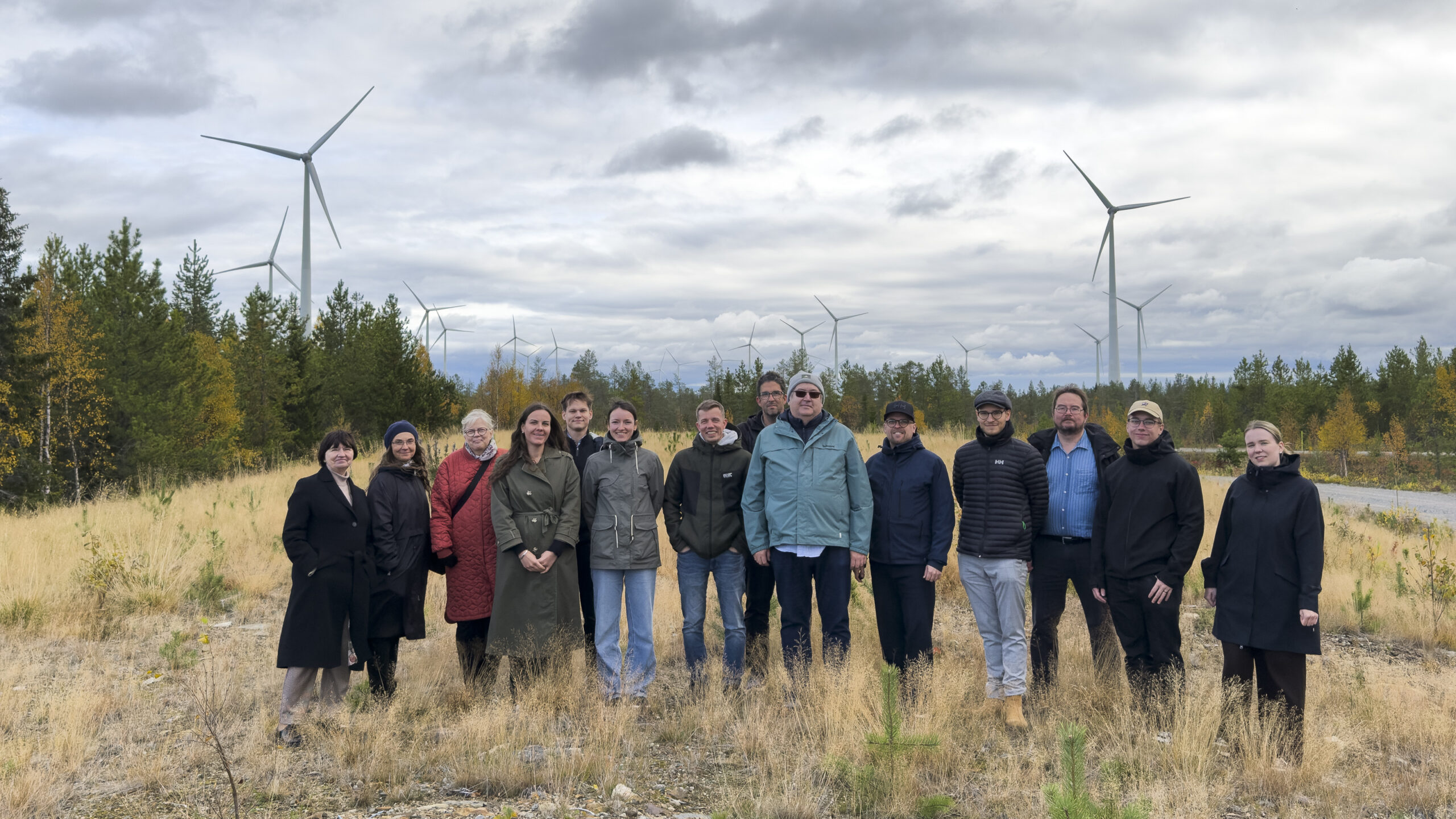
Standing among the vast wind farms surrounding Piteå, Sweden, it was impossible not to think about the future. While wind energy is playing a key role in the transition to a low-carbon society, another question is becoming increasingly important: what happens to wind turbine blades when they reach the end of their service life?
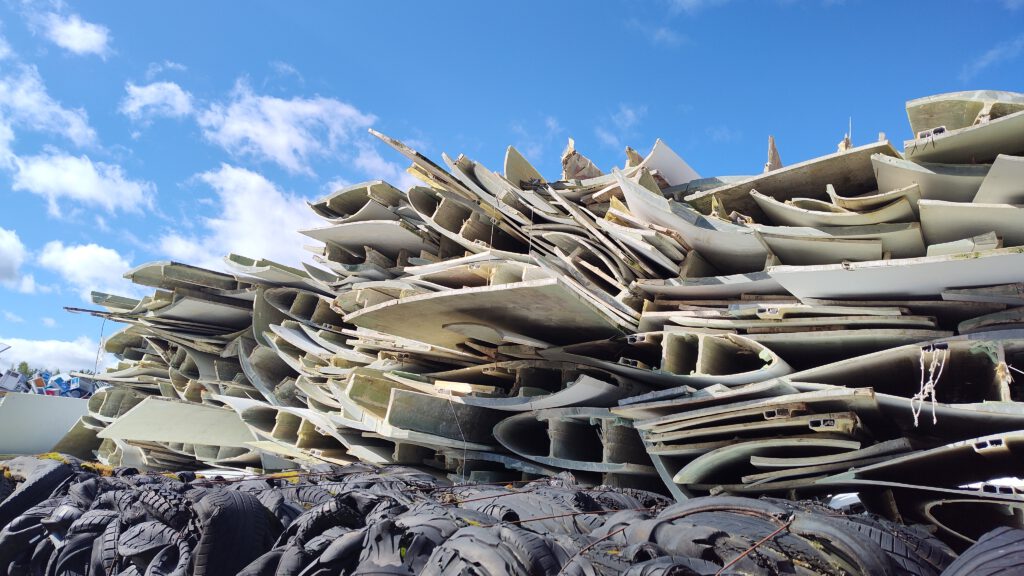
This challenge lies at the heart of the CompositeCircle project, which has now reached its halfway point. The project is developing and testing a recycling value chain for wind turbine blades, covering every stage from dismantling and pre-treatment to material processing and the use of recycled materials in new applications.
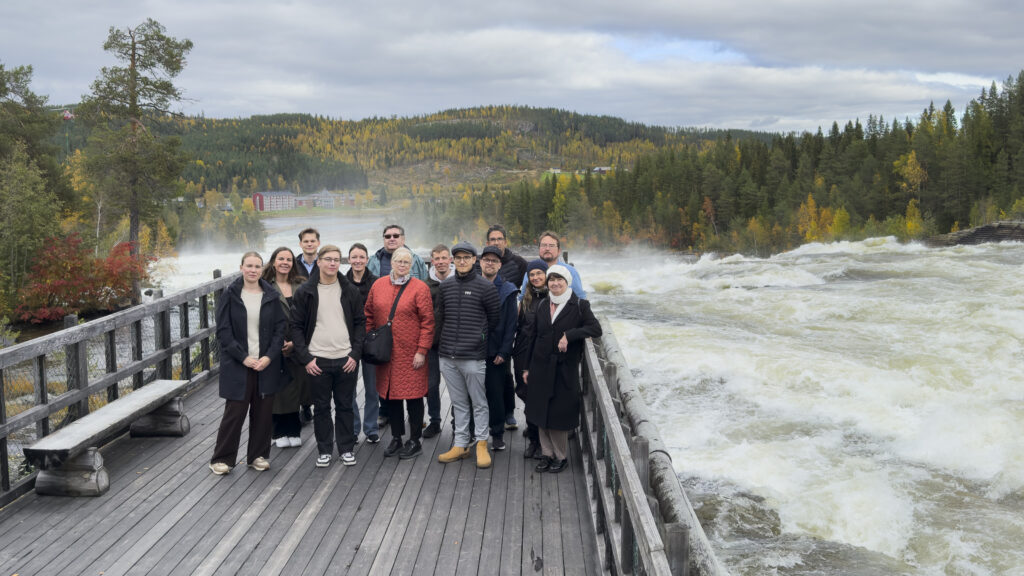
In September, project partners gathered in Piteå for a two-day meeting to review progress, share experiences from the o
ngoing pilots, and prepare for the next phases of the project. Bringing together expertise from across the Baltic Sea region, the meeting provided an opportunity to examine both the practical and strategic challenges of composite recycling.
A major milestone has already been reached. The pilot blade has been dismantled and pre-treated, laying the groundwork for the next and most challenging phase of the recycling process: material recovery and processing.
To explore different pathways for recycling composite materials, the project is piloting two processing methods. The first is co-processing, a technology already used in parts of Europe. Within CompositeCircle, the aim is to strengthen and expand the value chain across the Baltic Sea region, creating new opportunities for collaboration and business development.
The second method, solvolysis, represents one of the most promising emerging technologies for composite recycling. While considerable research has been carried out, large-scale applications for wind turbine blade recycling remain limited. For this reason, the project’s pilot activities offer valuable insights into the practical opportunities and challenges of scaling up the technology.
The first day of the meeting focused on the progress of the pilot activities and planning for the next stages of implementation. Discussions covered blade handling requirements, logistics, processing needs, and the challenges identified throughout the value chain. One clear conclusion emerged: effective recycling solutions require close cooperation between stakeholders at every stage of the process.
The programme also included an open seminar where project partners presented updates on the pilots and shared lessons learned so far. Participants gained a closer look at how the pilots are addressing real-life recycling challenges and helping to build new pathways for composite circularity.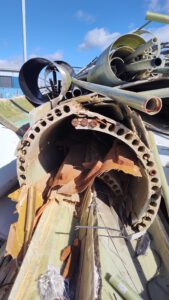
Industry and research perspectives added further depth to the discussions. Researchers from RISE, the Research Institutes of Sweden, presented their work on composite materials, highlighting both material properties and potential future applications. The day concluded with a panel discussion exploring the key barriers to composite recycling and possible solutions for overcoming them.
On the second day, attention turned to another important project outcome: the development of a practical guide for wind turbine blade recycling. During the first year of the project, partners mapped the existing knowledge base and developed an initial understanding of the recycling value chain. The pilot activities are now helping to validate and refine this knowledge with real-world experience.
Discussions in Piteå confirmed that further work is still needed to align regulations, harmonise best practices, and better understand how recycling solutions can be implemented across different operational environments. Continued cooperation between industry, researchers, and public stakeholders will be essential to achieving these goals.
The visit also included a tour of Podcomp, where participants saw a tangible example of how composite materials can find new life in entirely different applications. The company uses composites in products such as bathroom modules, demonstrating how recycled and repurposed materials can remain valuable resources long after their original use. Such solutions not only extend material lifetimes but also open new opportunities for innovation and business development within the circular economy.
One of the most memorable moments of the trip was a visit to Northern Europe’s largest wind farm area. The scale of the site highlighted both the success of the renewable energy transition and the challenge that lies ahead. Every new turbine contributes to cleaner energy production today, but it also represents future materials that will eventually need sustainable end-of-life solutions.
Seen from this perspective, blade recycling is not simply a waste management issue. It is an integral part of ensuring that the transition to renewable energy remains sustainable throughout the entire lifecycle of the technologies involved.
Through CompositeCircle, partners across the Baltic Sea region are working together to turn this challenge into an opportunity. With support from the Interreg Baltic Sea Region Programme, the project is developing practical solutions that help keep valuable composite materials in circulation. The ultimate goal is clear: ensuring that wind turbine blades become a resource for future products rather than a waste problem for future generations.

Additional links
details
-
Homepage
-
Project typeCore Project

-
ImplementationMarch 2025 - February 2028
-
StatusOngoing
-
Contribution to EUSBSRPolicy Area Innovation

-
Target groups
- Large enterprise
- Small and medium enterprise
-
Social media
-
Additional links
-
Tags