




Climate resilience starts with representation
12 June 2026
In ClimaResponse, Stockholm Environment Institute (SEI) Tallinn has led four municipalities through co-creation processes with local stakeholders to plan inclusive engagement methods that will be included in guidance documents for climate change adaptation (CCA) planning.
Inclusive resilience planning refers to planning around climate adaptation and disaster risk preparedness and response that accounts for the perspectives of local communities in shaping priorities, identifying barriers, and designing solutions. By including vulnerable groups, such as young children and people with disabilities or underlying health conditions in the conversation, cities can gain insight into both supporting and hindering factors for increasing resilience. This, in turn, can help reduce risks during an emergency, as the city’s preparedness strategies are based on lived experiences, needs, and the expertise of those most affected by climate impacts.
Increasing urban resilience in Ustka
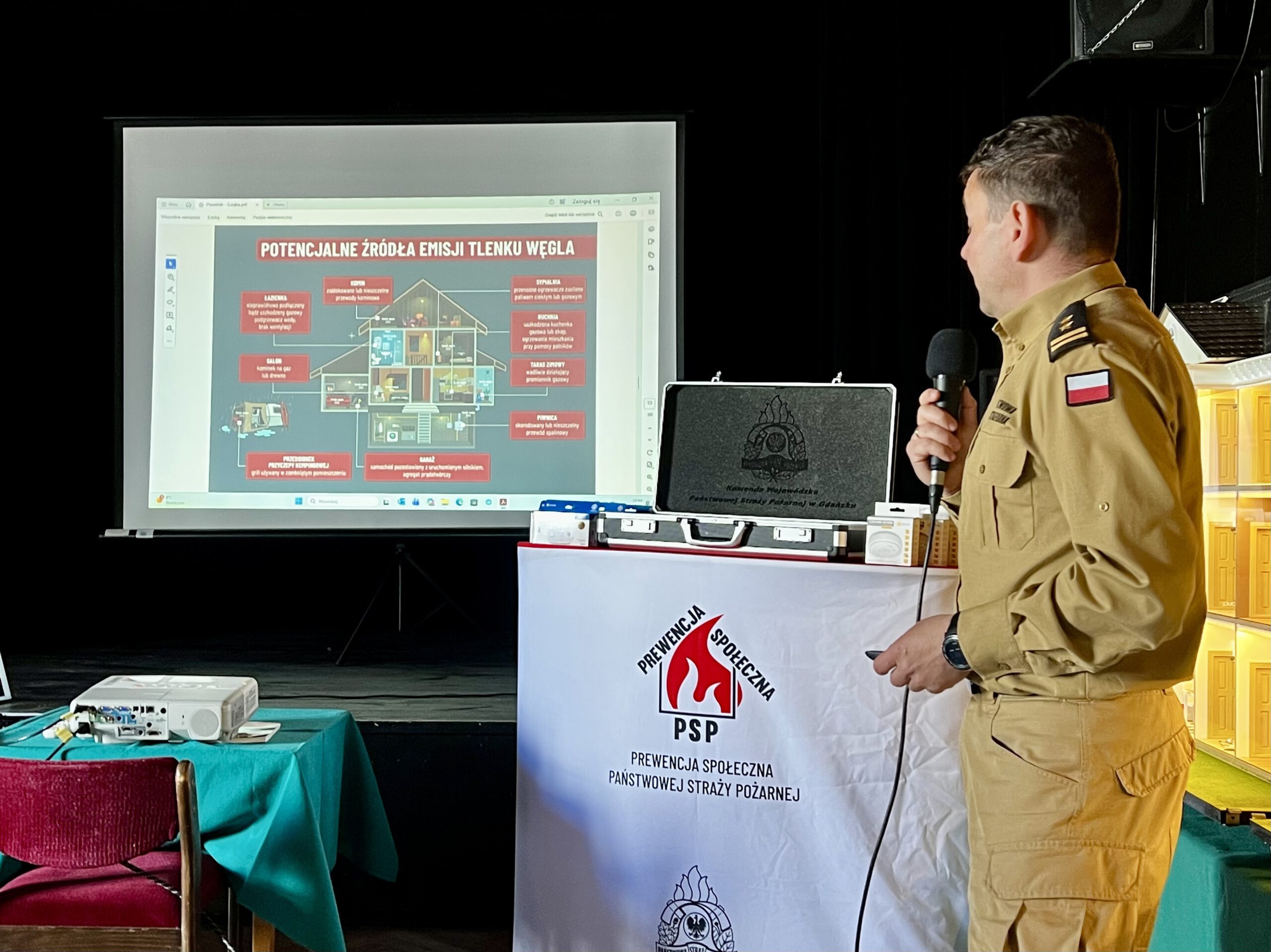
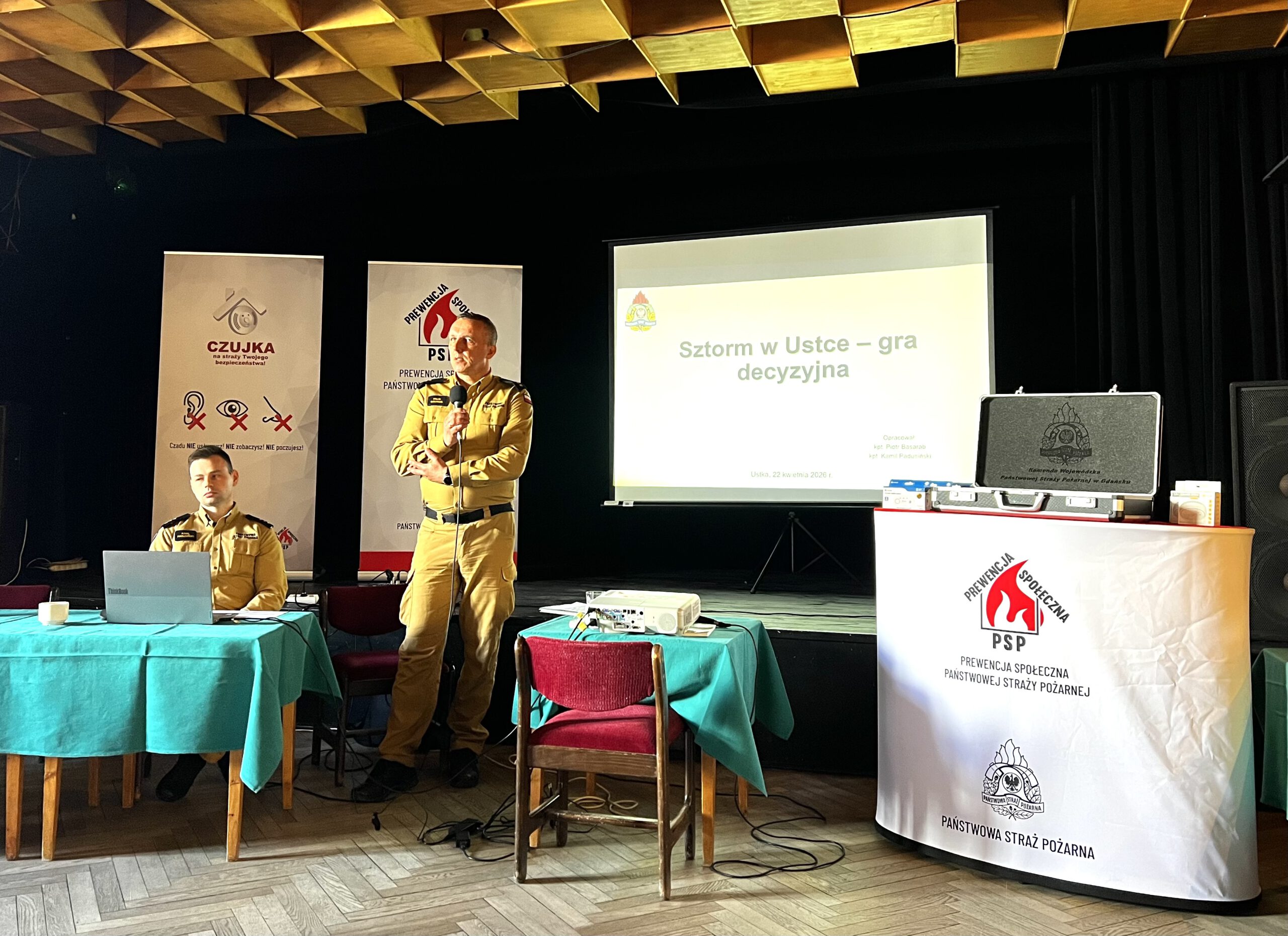
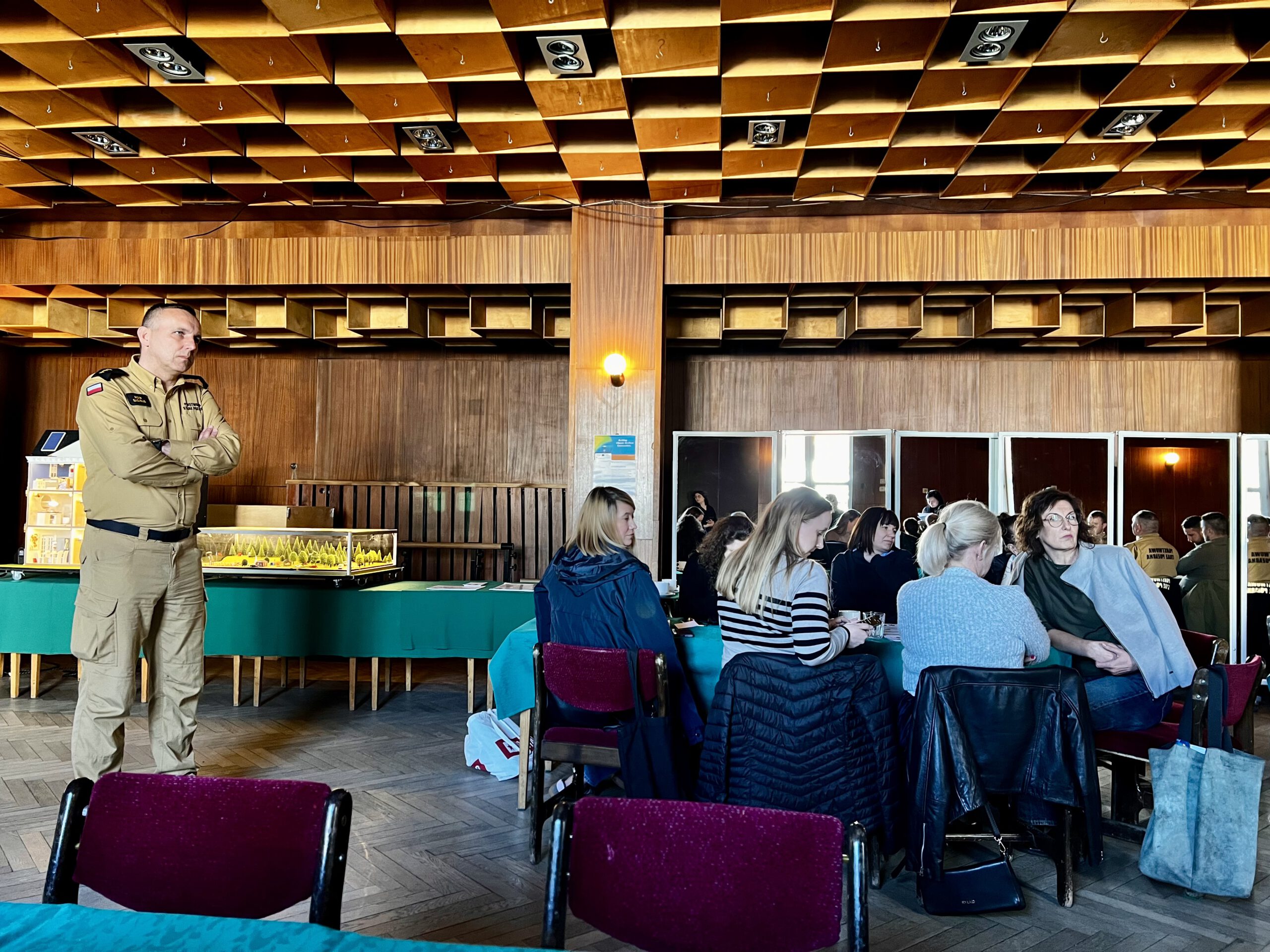
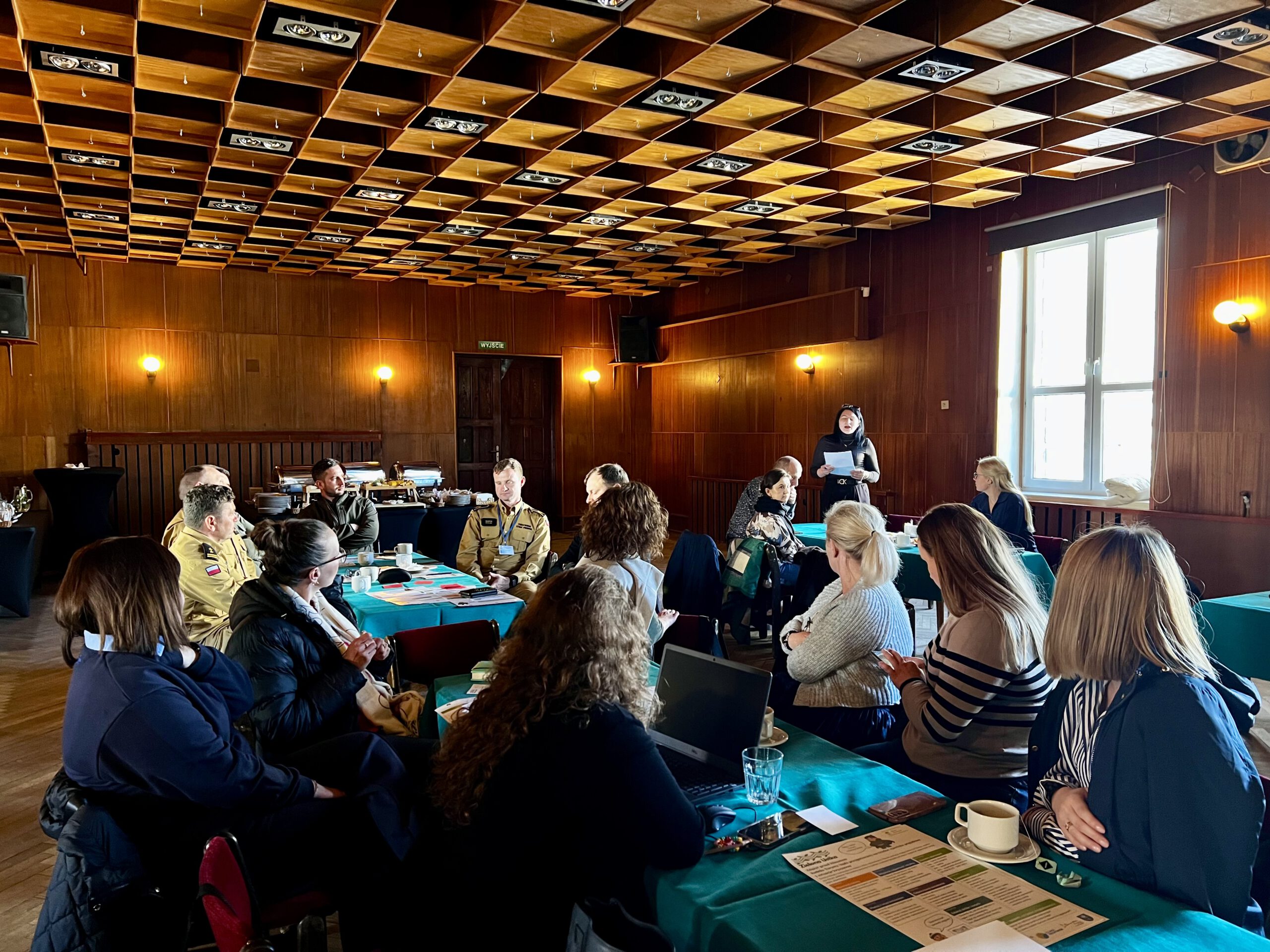
One of the piloted measures in ClimaResponse was conducting an awareness campaign and training to build shared understanding with citizens to make climate risks understandable, local and actionable. Pomorskie in the European Union Association, a regional NGO, supported Ustka Town Municipality in strengthening local climate resilience through a campaign and two workshops. Recently, hands-on training with mobile risk simulators and a decision-making game was conducted, with expert support from the Training Centre of the Provincial Headquarters of the State Fire Service in Gdańsk and the Municipal Headquarters of the State Fire Service in Słupsk.
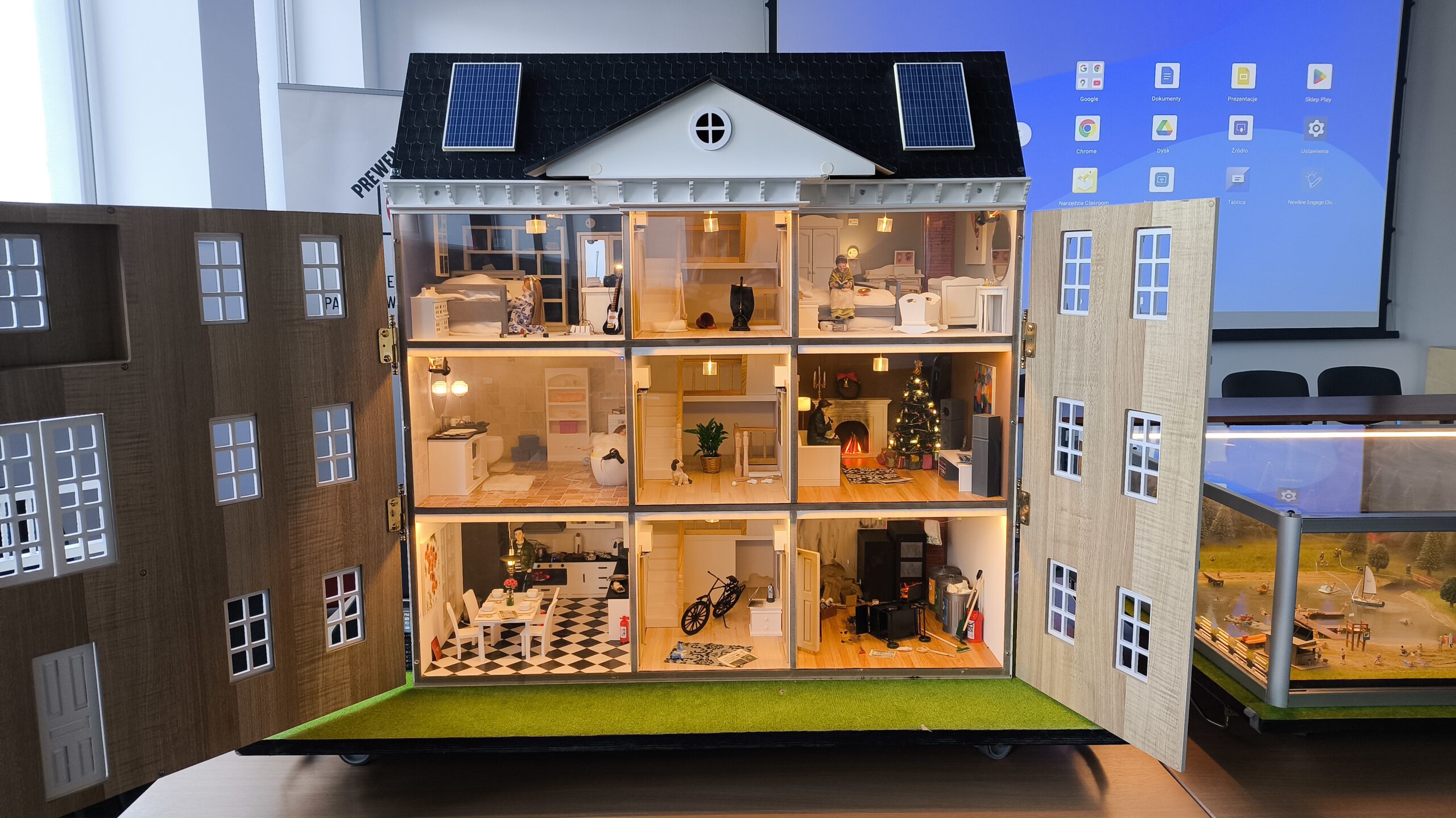
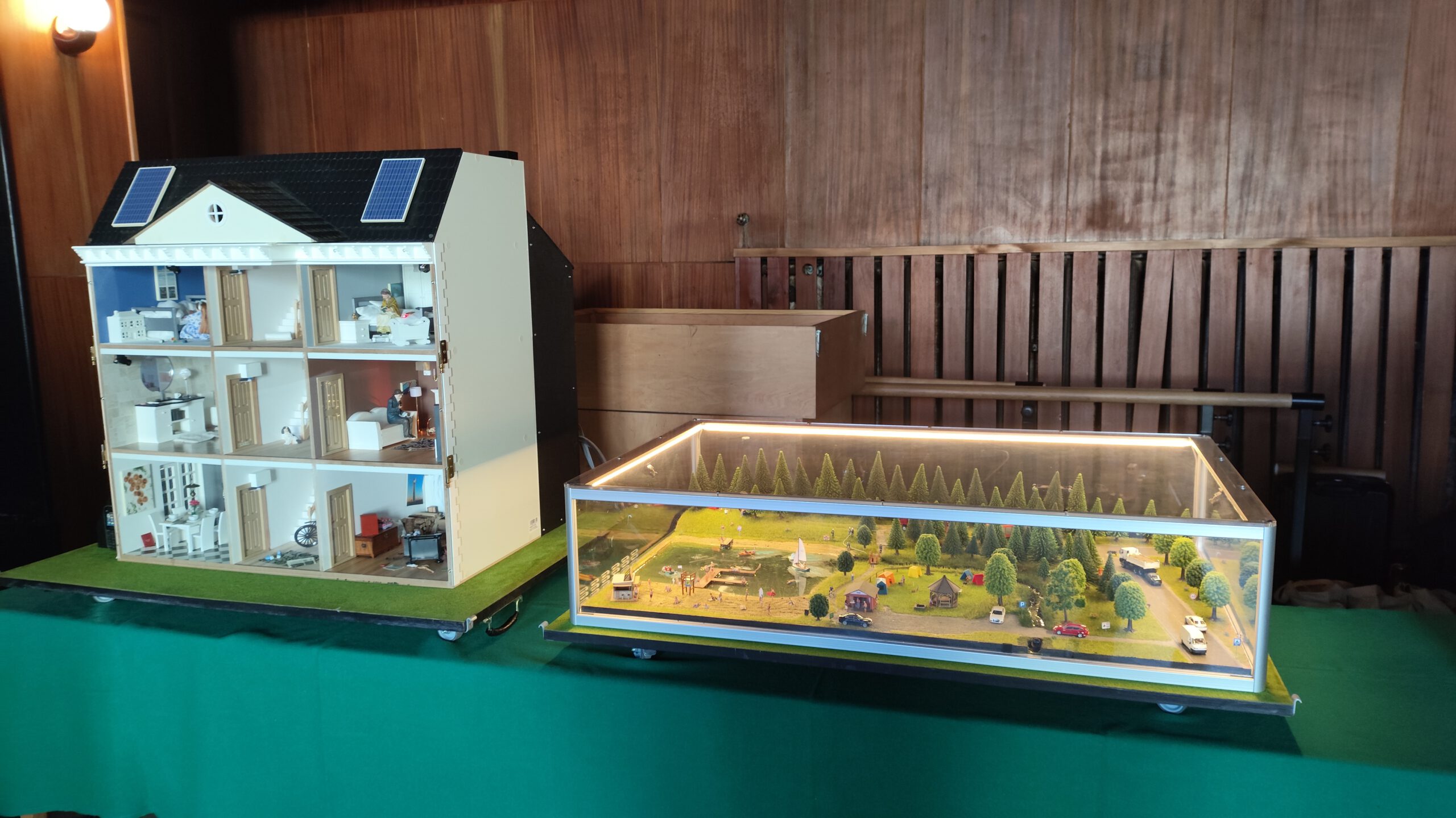
Using mobile hazard simulators, fire safety training was conducted, during which participants learned how to protect their homes and loved ones from fires and carbon monoxide. A house model and the “forest and lake” module illustrated how seemingly harmless everyday situations can quickly turn into serious threats.
During the “Storm in Ustka” simulation (a decision-making game), teams consisting of civil servants from public and rescue services, entrepreneurs, media, and local tourism offices practised fast decision-making and teamwork in crisis scenarios – essential skills in a tourist and health resort town.
As part of a communication campaign aimed at citizens, two practical material packages were created:
- Checklist for preparing for extreme weather events and emergency situations (in Polish), and
- Leaflet “Beating the Climate – What to do in case of…?” (in Polish).
The checklist is a compact guide for residents – simple, practical, and based on the “Safety Handbook” of the Ministry of National Defence. It includes tips on how to secure your home, what supplies to stock, and how to prepare an emergency evacuation backpack. The second is a double-sided leaflet with a map of Ustka and clear instructions on how to act during extreme weather events. It is useful for residents, as well as tourists and spa visitors.
Inclusive engagement matters for resilience
Targeted communication, practical examples, and capacity-building sessions can help residents, vulnerable groups, municipal staff, and local partners understand local climate risks, preparedness needs, and possible adaptation actions. Engaging with the public helps cities build a more resilient urban environment and society, supporting both the community and authorities during an emergency.
Stay tuned for a guide detailing different engagement methodologies, published by ClimaResponse project in the end of 2026.

Additional links
details
-
Homepage
-
Project typeCore Project

-
ImplementationMarch 2025 - February 2028
-
StatusOngoing
-
Contribution to EUSBSRPolicy Area Secure

-
Target groups
- Infrastructure and public service provider
- Interest group
- Local public authority
- National public authority
- NGO
-
Social media
-
Additional links
-
Tags