




Regional dialogue with stakeholders in Poland
24 November 2026
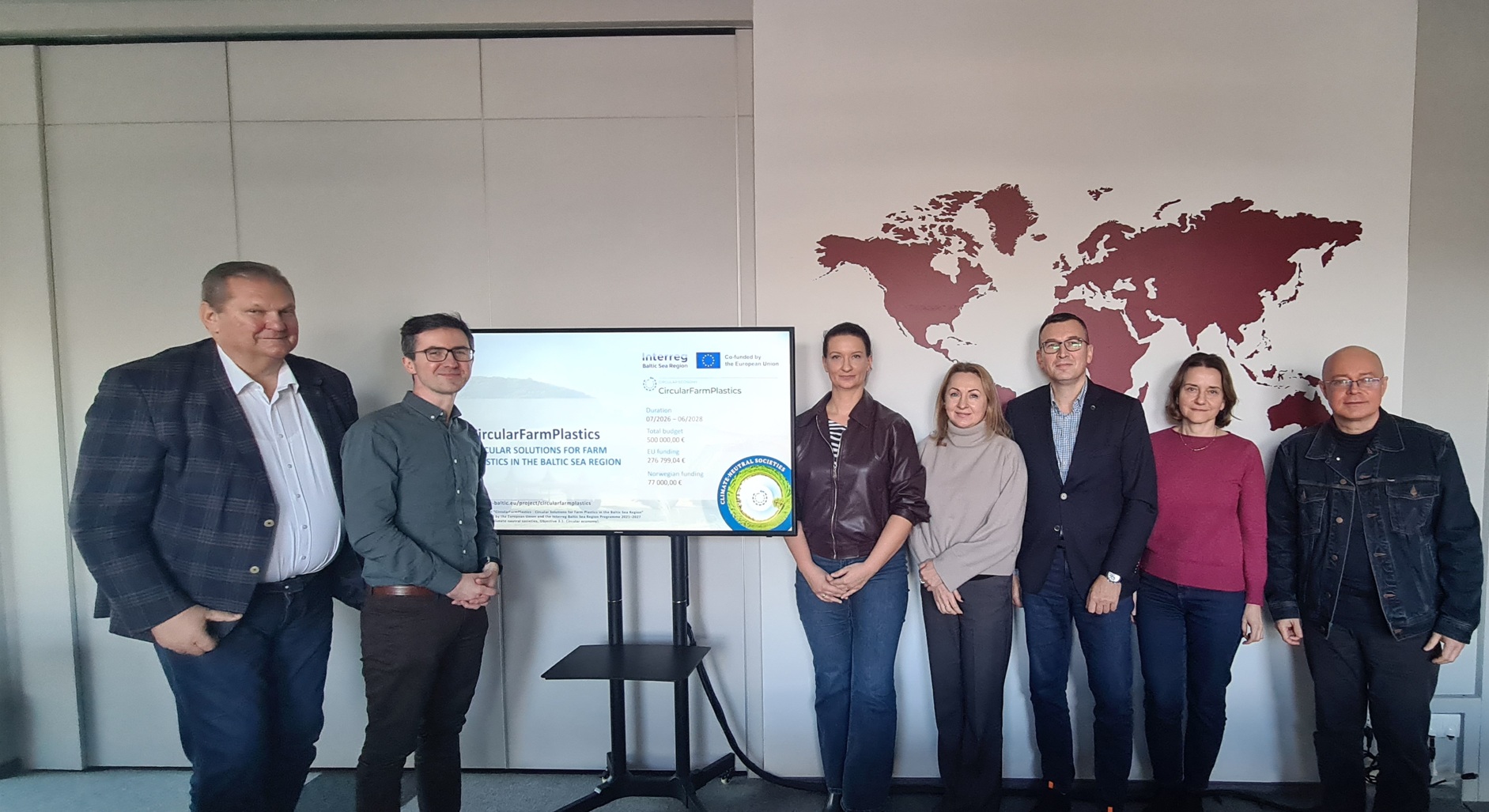
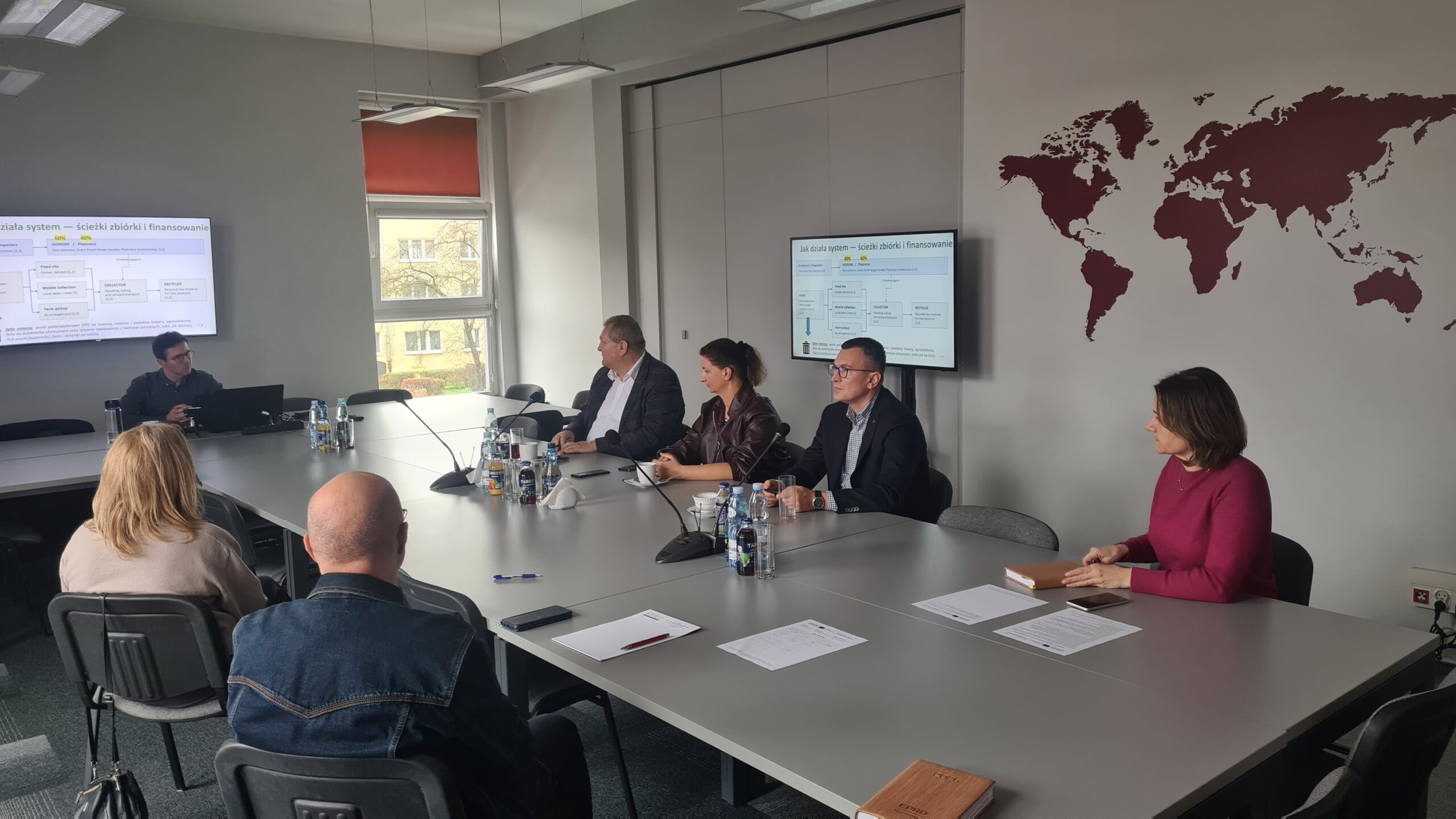
As a follow-up after study visit to Norway, on November 19th 2026, PRO CIVIS Foundation organized a regional stakeholders dialogue. The main aim was to present the outcomes and key findings learned during the study visit to Norway. The on-site workshop gathered seven participants with diverse points of view and expertise on managing plastics waste in the rural areas – waste collection facility representatives, with strong agricultural background and on-going cooperation with local farmers, the representative of regional administration, bioeconomy expert and regional development consulting company . The Norwegian case was a major inspiration and sparked discussion on the Polish model of managing waste and possible ways of improvement.
Comparing Norwegian agricultural plastic waste management practices to Poland
The stakeholders discussed the Norway’s Extended Producer Responsibility and KSL quality-assurance mechanisms in agricultural sector. Poland’s product fee currently subsidises general packaging recovery without financing a dedicated, permanent, free-of-charge agricultural take-back network. The available fixed sites, mobile collection point or an option for on-farm pick up of certain types of waste was heavily debated. The stakeholders already identified similar existing elements of the Polish system that could be developed in order to fulfil the comprehensive and wide spread Norwegian system. There are comparable schemes in Poland, however they have their significant limitations. Polish situation is further complicated by a historical trust deficit from communist-era cooperatives and producer-group. Norwegian system foundation is trust and cooperation between the farmers, which is a huge challenge in Polish conditions.
The challenge of the data availability
Poland lacks reliable empirical data on agricultural plastics placed on the market and recovered annually. While the classification of agricultural films as industrial waste relieves municipalities of collection duties yet penalises them for missed recycling targets when plastics are concealed in household streams. It is worth to highlight that Poland’s has fragmented smallholder structure and diverse production profile (dairy, orchards, soft-fruits, arable farms) generate small, heterogeneous waste volumes that are typically stored loose without on-farm baling presses, increasing organic and moisture contamination. Nevertheless, existing Polish solutions (e.g. municipal aggregation points at local utilities) demonstrate viable, locally trusted pathways for scaling rural waste consolidation.
The key role of the education and cooperation
The education is an on-going task that needs constant improvement. Farmers require the knowledge on how to store, segregate and prepare the agricultural plastic to be efficiently processed by the recycling company. In fact, each actor in the value chain needs to be informed about the best practices and waste management procedures. The current experiences from the rural areas show that people are well informed of the importance of plastic waste management. In the rural communities are also well established institutions that could help and provide support to fares for the common good, e.g. Voluntary Fire brigades – very important element of Polish rural society that has the trust of the local people and has the infrastructure that could be used in different purposes.
Next stop – Finland!
The first study visit to Norway provided many insights and practical lessons learned for other countries participating in the project, including Poland. It showed that best practices from other countries are a great motivation and discussion-starters on the current state of play in the filed of plastics waste management in the rural areas. It can also spark the discussion on what actually can be done and how to change people behaviours – and this is the true impact. The next study visit to Finland will bring another insights from a different system, which for sure will also be a food for thought for the Polish stakeholders.

Additional links
details
-
Homepage
-
Project typeSmall Project

-
ImplementationJuly 2026 - June 2028
-
StatusOngoing
-
Contribution to EUSBSRPolicy Area Bioeconomy

-
Target groups
- Infrastructure and public service provider
- Interest group
- Regional public authority
- Small and medium enterprise
-
Social media
-
Additional links
-
Tags