





How to assess the effectiveness of recycled nutrient fertilizers?
24 February 2026
At the Centre of Estonian Rural Research and Knowledge (METK) Dr. Liina Edesi has been conducting pot experiments, to find out the optimal amount of phosphorus given with struvite in the fertilization of food crops. Struvite is one of the recycled nutrient fertilizers (RNFs) studied in this series of experiments. Struvite or magnesium ammonium phosphate is a mineral that forms when urine releases ammonia, which reacts with magnesium and phosphorus in alkaline conditions. The CiNURGi experiments focus on how available nitrogen and phosphorus were to plants in RNFs, as well as the carbon emissions from the soil.
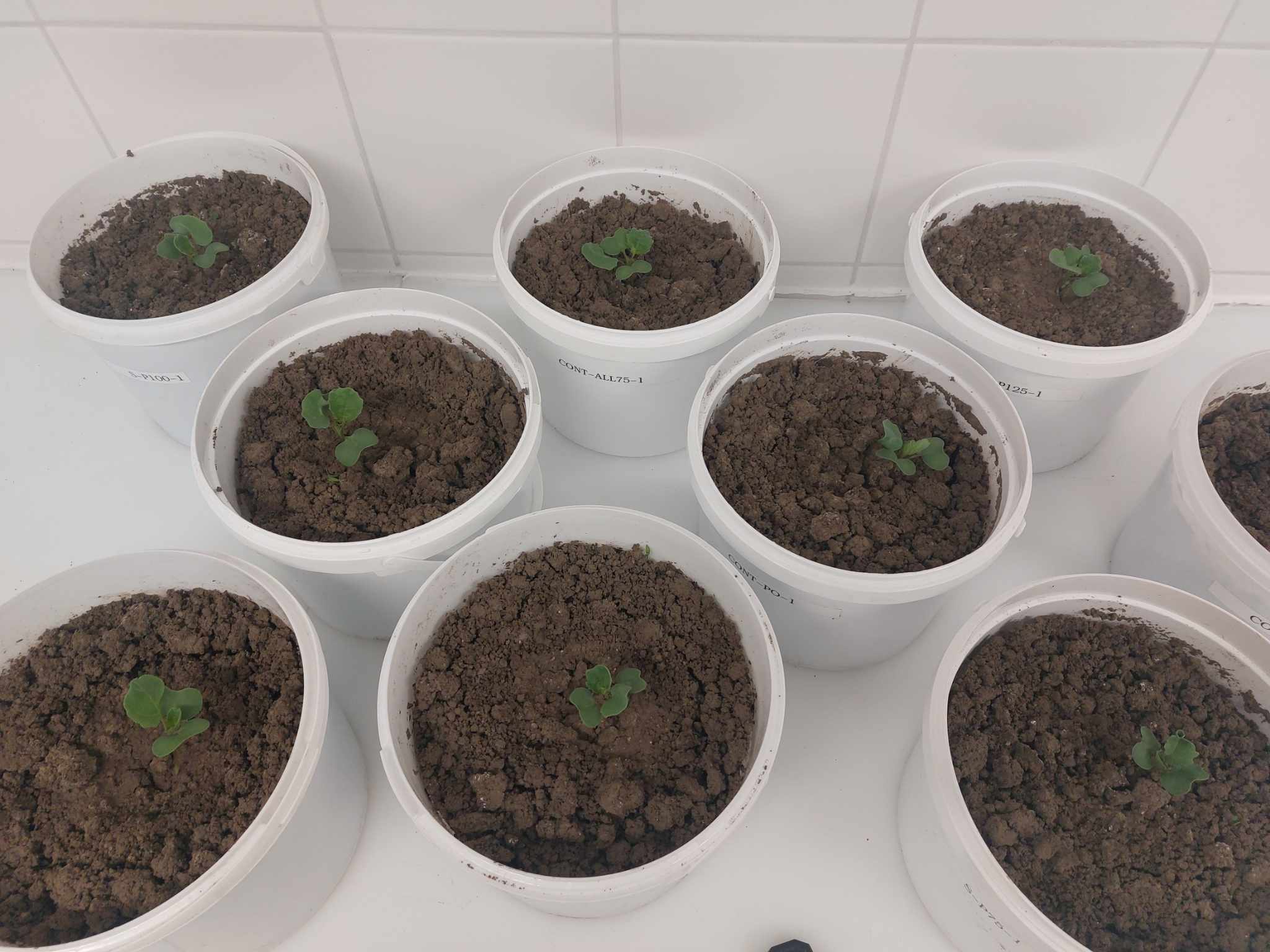
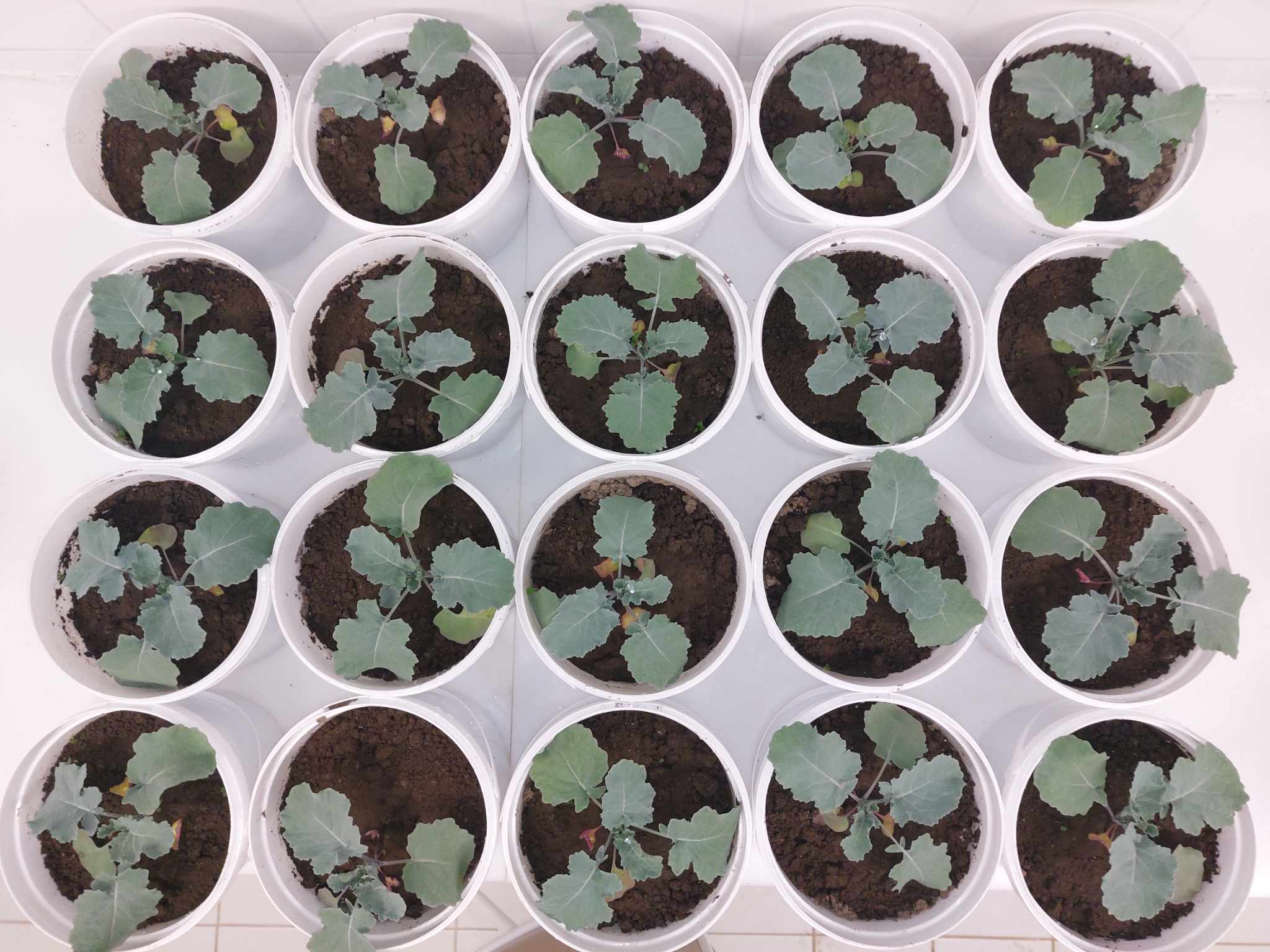
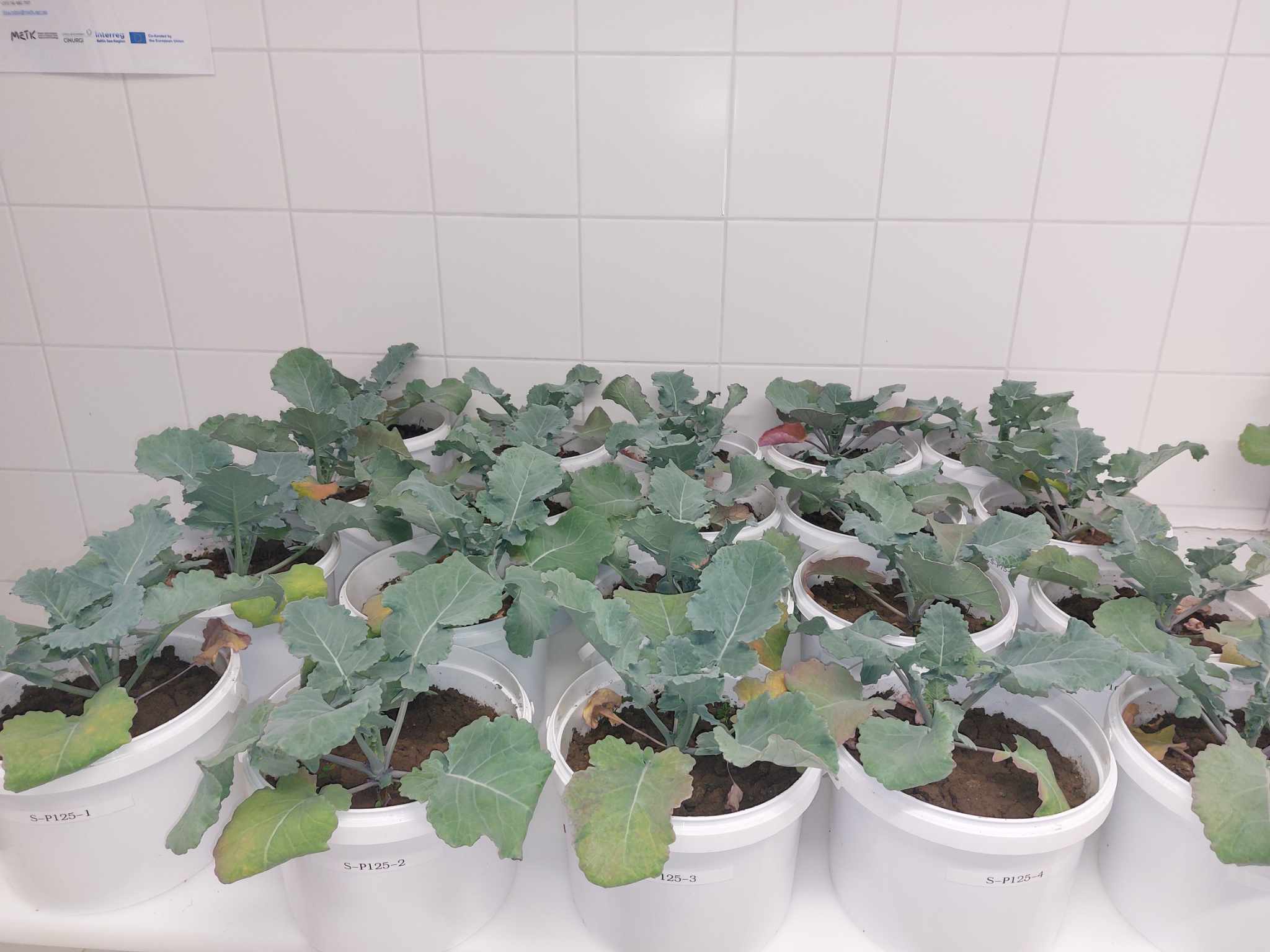
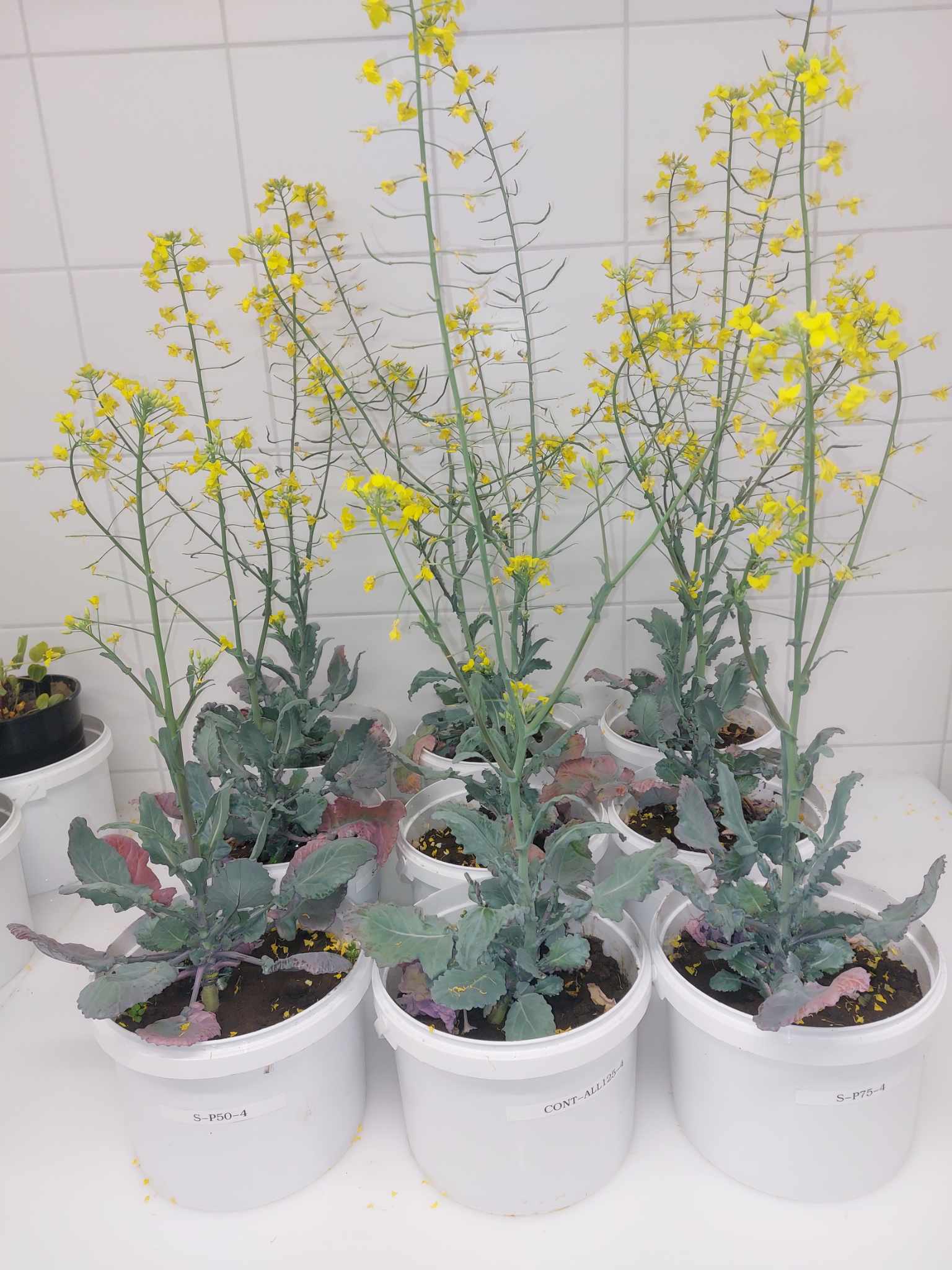
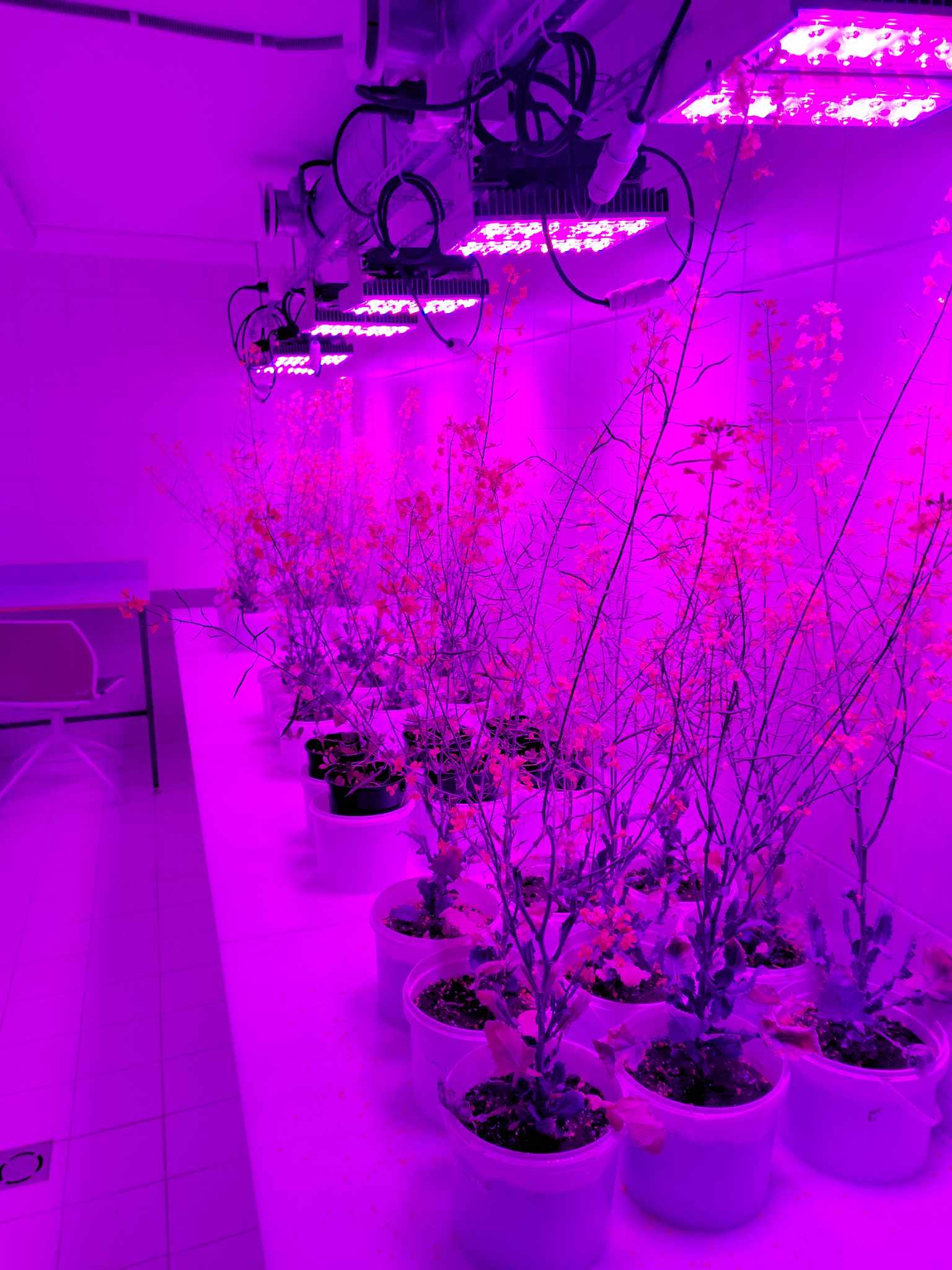
The pot experiments at METK were conducted under controlled conditions with spring oilseed rape (Brassica napus var. oleifera L., variety ‘Lagoon’). The plants were regularly watered and monitored for growth parameters, including plant height and biomass production. The plant is commonly grown and used in the region, making it a good test plant.
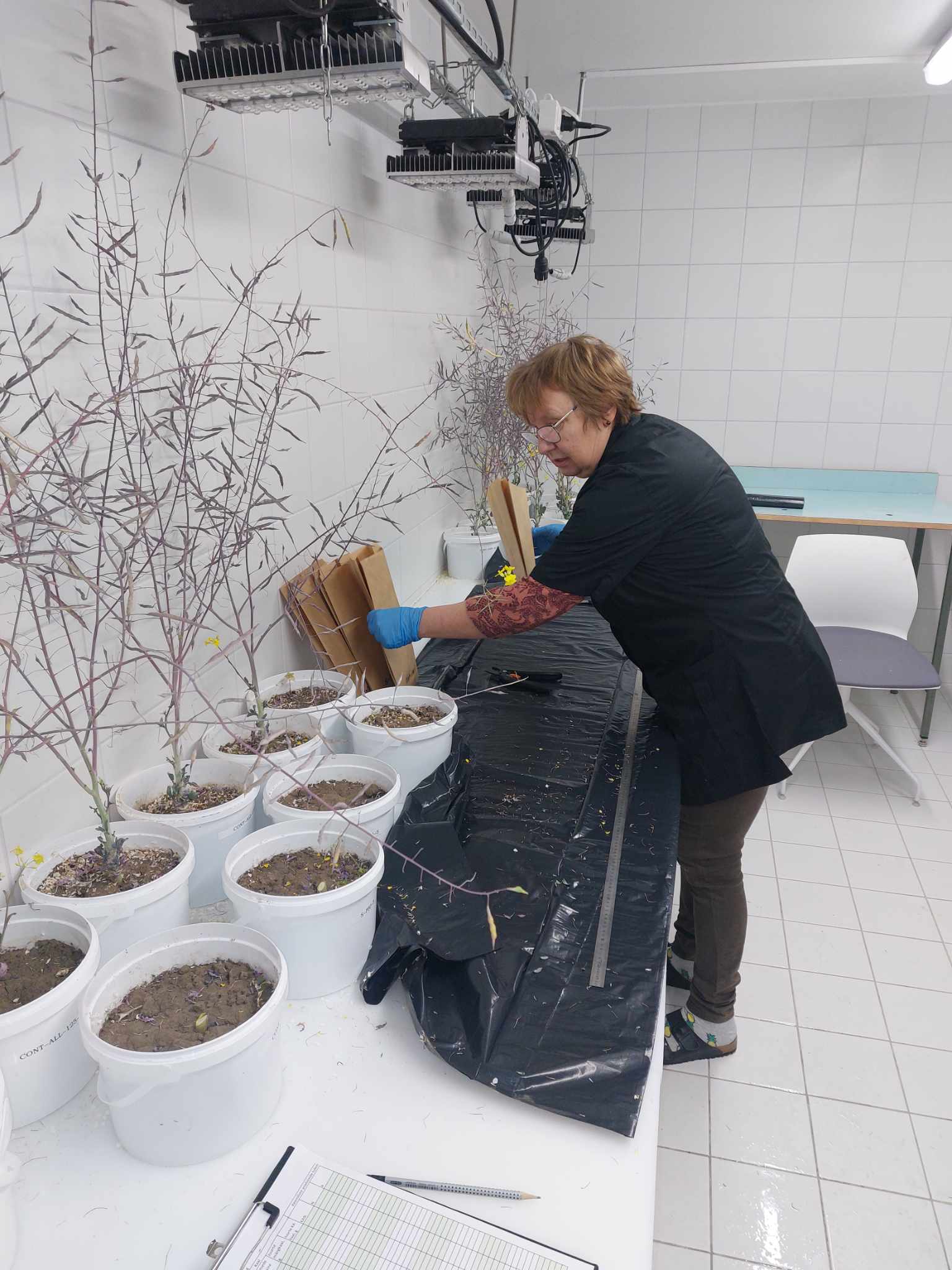
From October 2024 to February 2025 Dr. Edesi cared for 30 pots and their contents. The oilseed rape was planted in 3 L pots filled with silty loam soil, which was treated with struvite or a reference substance of mineral phosphorus. The pots treated with struvite received either 17, 25, 34 or 42 mg of phosphorus per 1kg of dry soil. The experiment also included a phosphorus-free control treatment sample.
From being planted at the beginning of October the oilseed was harvested at the beginning of February. This meant everything above ground, including seeds were harvested as well as the roots of the plant. Then the plant was weighed twice, first freshly harvested and then dried. The dry samples were then analysed for their phosphorus content, and results were available by mid-March 2025.
The preliminary observations and conclusions from the experiment showed that higher struvite application rates (34 and 42 mg of phosphorus) notably enhanced root development and supported improved overall plant growth. Enhanced root development is important because it improves the plant’s ability to absorb nutrients and water from the soil. A larger and more extensive root system increases contact with the soil, allowing the plant to access resources more efficiently. It also enhances the plant’s resilience to environmental stresses, such as drought, and supports stronger overall growth and biomass production.
CiNURGi is hoping to present more results from similar tests in the spring of 2026, as partnering organizations finalize their analysis on the effectiveness of RNFs such as struvite, manure, compost etc.

Additional links
details
-
Homepage
-
Project typeCore Project

-
ImplementationNovember 2023 - October 2026
-
StatusOngoing
-
Contribution to EUSBSRPolicy Area Nutri

-
Target groups
- Interest group
- National public authority
- Small and medium enterprise
-
Social media
-
Additional links
-
Tags