




CiNURGi Project Meeting in Gdańsk Showcases Results and Sets Steps for 2026
24 November 2025
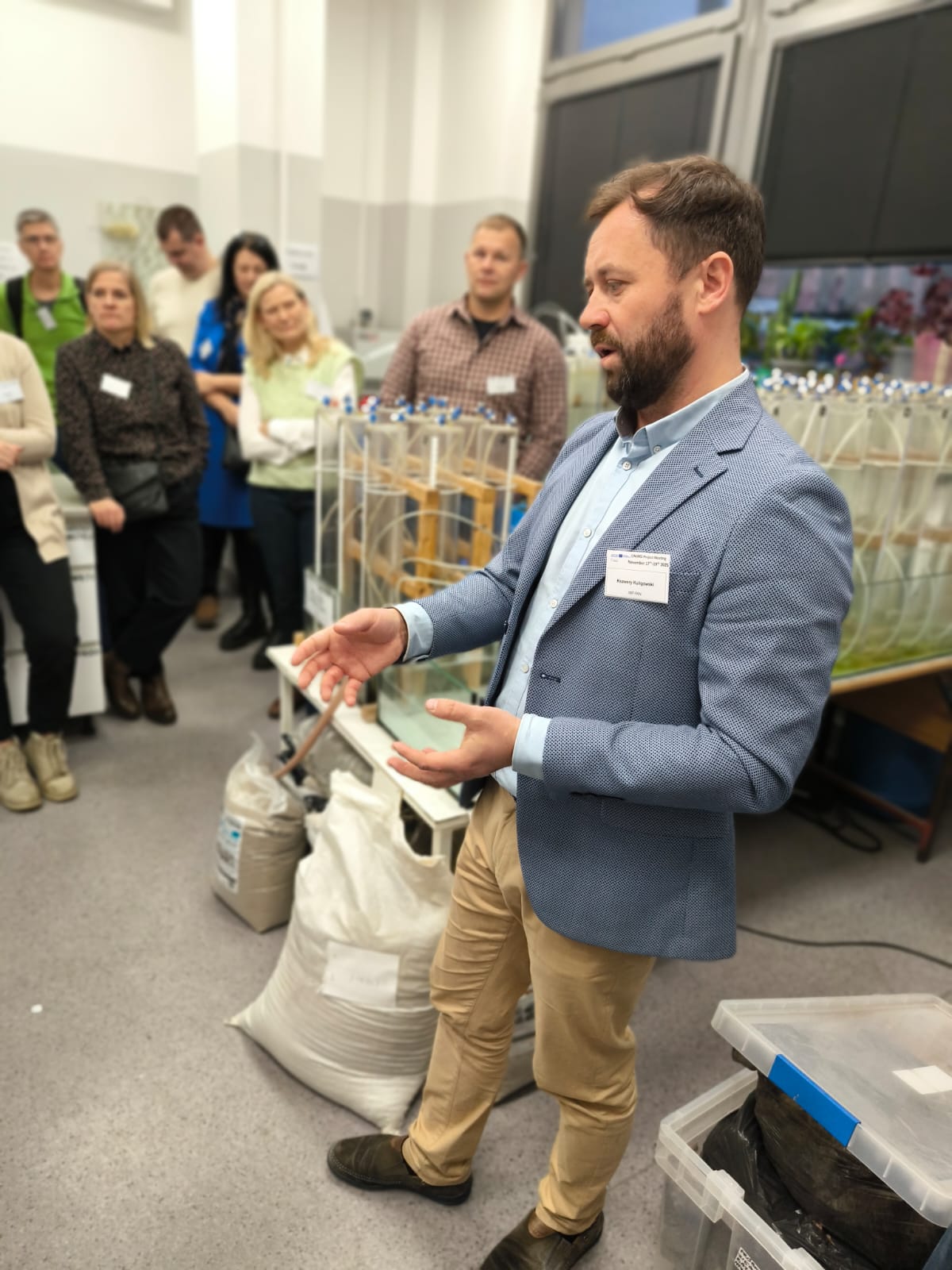
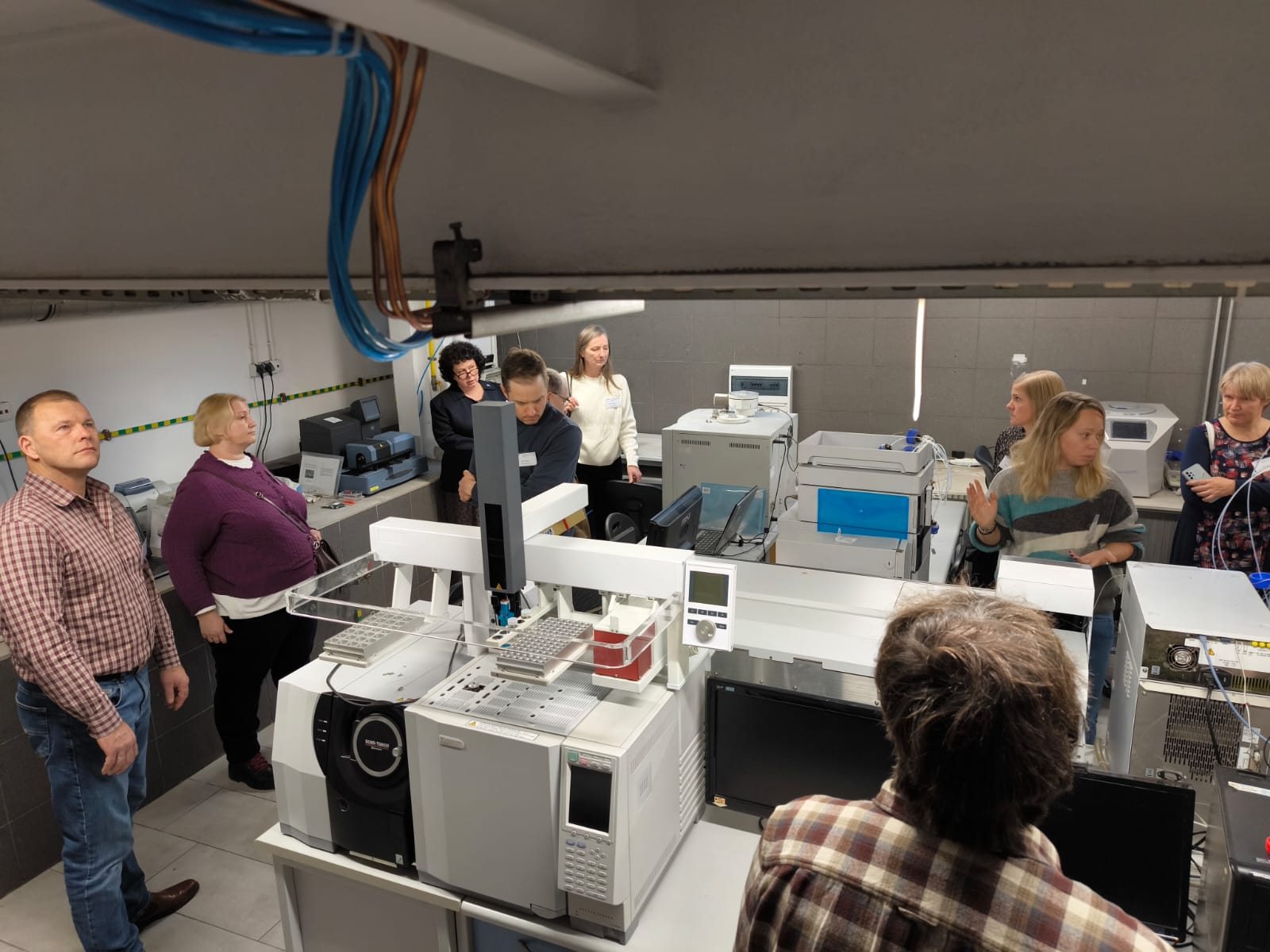
The CiNURGi project meeting was hosted by the Institute of Fluid Flow Machinery of the Polish Academy of Sciences (IMP PAN), located in Gdańsk. IMP PAN is a leader of a work package in CiNURGi focusing on piloting solutions. Their expertise in fluid mechanics and engineering supports many project activities.
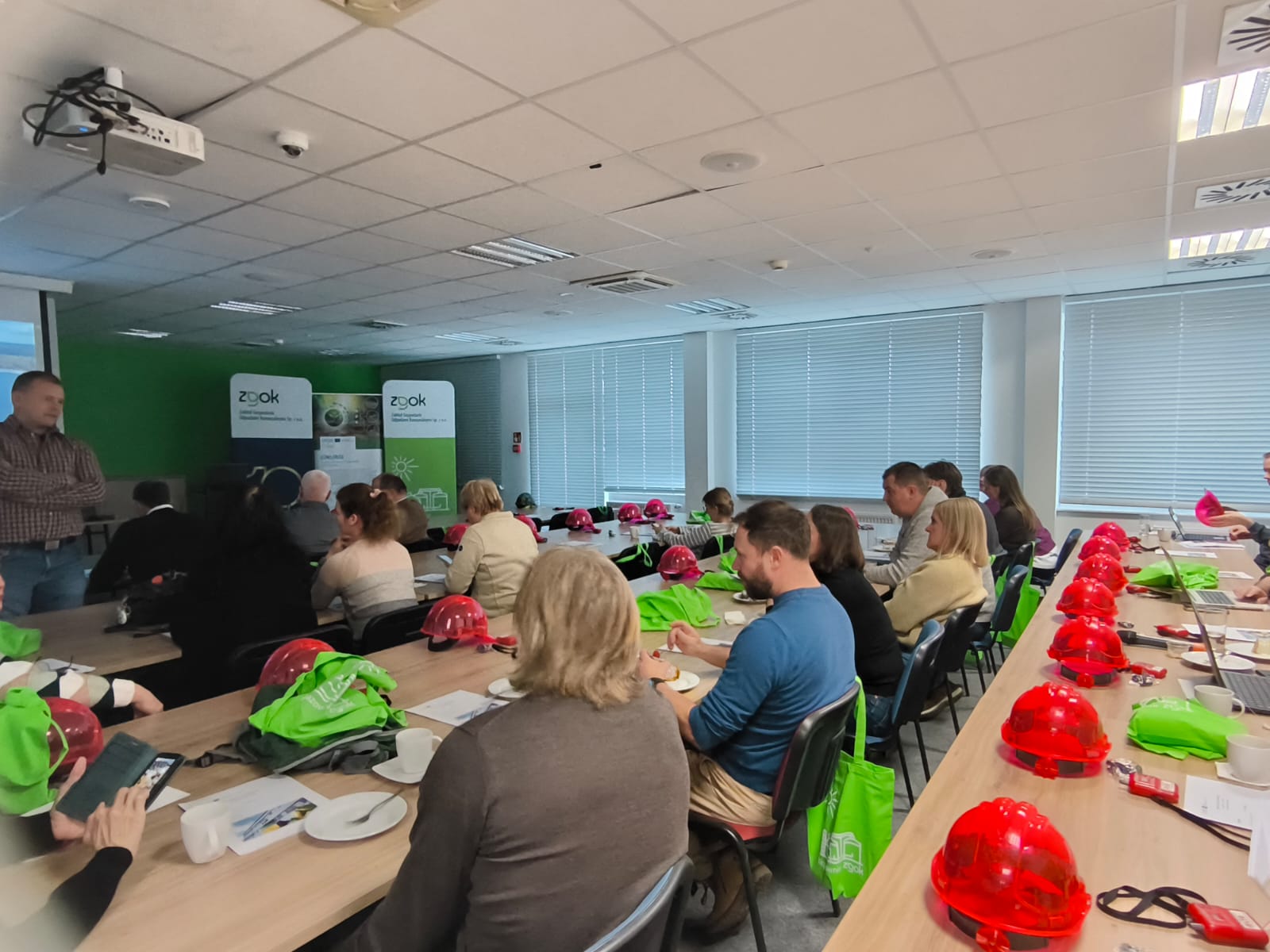
The programme included a study visit to the Olsztyn municipal waste management plant, where participants explored practical nutrient recovery processes. During the visit to Olsztyn, participants also got to engaged with Zakład Gospodarki Odpadami Komunalnymi (ZGOK) Sp. z o.o., the municipal waste management operator overseeing the plant. ZGOK is a CiNURGi project partner and a public-sector company owned by 37 municipalities in the Warmian-Masurian region. The facility plays a vital role in the region’s waste processing.
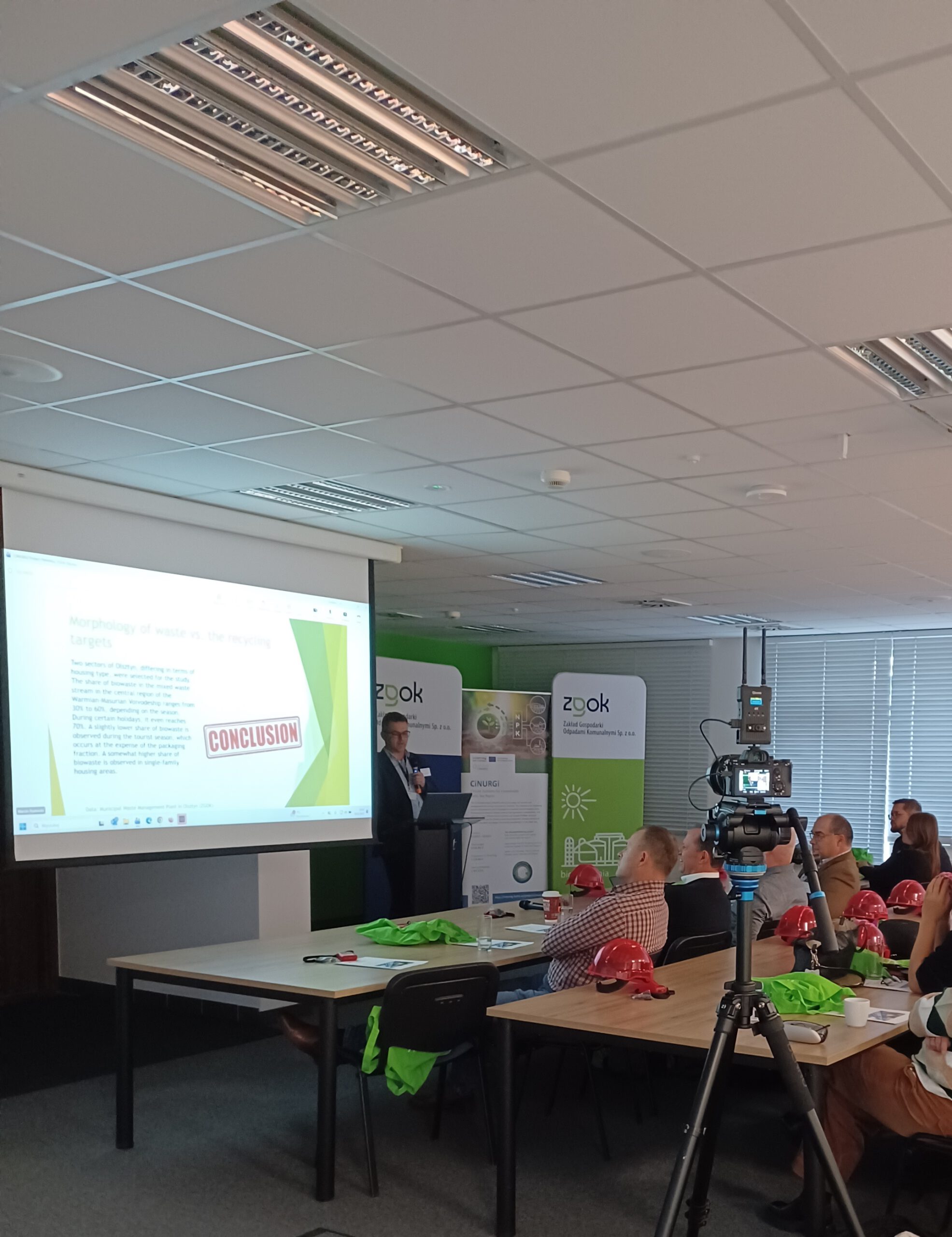
While visiting Olsztyn Mr Marcin Rudnicki, DBA, Head of the Dept. of Energy Projects from ZGOK gave a lecture on the topic: “Waste management. Analysis of selectively collected biowaste collection systems. Mycotoxin hazards in systems for collecting selectively-sourced green and kitchen waste in the central region of the Warmian-Masurian Voivodeship”
The lecture presented issues related to systems for the selective collection of kitchen and green bio-waste. A well-designed collection system is a valuable source of waste organic dry matter that can be successfully used in bio-waste treatment installations. The main products are soil improvers, natural organic fertilizers, as well as electrical and thermal energy, depending on the type of technology applied. During the lecture, it was emphasized that certain physicochemical parameters directly related to the quality of bio-waste play a crucial role in biological bio-waste treatment processes. The correlation between the share of organic dry matter and biogenic elements (C, N, P) depending on the type of housing from which the bio-waste originates and seasonal variability was discussed.
The lecture also presented threats occurring in bio-waste collection systems associated with the presence of molds and toxin-producing fungi. Information was provided on populations of toxigenic molds found in bio-waste and on hazards related to the presence of mycotoxins such as patulin, ochratoxin, aflatoxin, and zearalenone. The lecture provided valuable guidance for decision-makers responsible for designing and implementing safe systems for the collection and processing of waste, taking into account diverse regional and seasonal conditions.
Insights and next steps
Having reached the half-way point of the project last spring, the CiNURGi project meeting featured several new project results. Part of these project results have already been shared on the project homepage, while some reports will be published shortly. At the heart of the discussions were fresh insights from the work done on assessing the nutrient recycling potential in the Baltic Sea Region, the draft report on industry standards, and the analysis of the market evaluation and development in nutrient recycling.
CiNURGi has carried out a comprehensive assessment of nutrient recycling across the Baltic Sea Region, covering agricultural, municipal, and industrial biomasses. The analyses show that the availability of recyclable nutrient-rich varies significantly between countries and regions, which has important implications for targeting recycling efforts. To support decision-making, CiNURGi has compiled two reports as well as a database mapping the nutrient content (nitrogen, phosphorus) of these biomasses.
Another major milestone is the draft industry standards report for recycled nutrient fertilizers. The draft report establishes a practical evaluation framework covering agronomic performance, storage, field application, and handling, in line with EU Fertilising Products Regulation (EU) 2019/1009. This report laid the foundation for further work within CiNURGi, as we endeavour to contribute to the HELCOM Baltic Sea Action Plan action E33, which calls for the development of recycled nutrient fertiliser safety requirements by 2027 and for the minimisation of harmful compounds to ensure compliance.
The project has also analysed the market potential for nutrient recycling solutions, focusing on economically viable and environmentally beneficial approaches. CiNURGi identified 24 innovative nutrient recycling solutions and selected 11 for detailed evaluation. The team behind the analysis developed a custom method to assess environmental and climate impacts (Nutrient Recycling Impact, NRI), greenhouse gas emission reductions (Direct Emission Reduction Impact, DERI), and social cost (Guiding Social Cost, GSC) of these solutions. Findings suggest large variability in performance: some recycling value chains are very promising, but in many cases recycled nutrients remain more expensive than mineral fertilizers when societal costs are considered.
Given that 2026 is the final year of CiNURGi, the Gdańsk meeting focused strongly on momentum for the last phase. The focus for next year will be on completing ongoing pilots, and their results will be disseminated to reach regional authorities, farmers, industry stakeholders, and research networks. Participation in events such as the ESNI-NERM conference were confirmed and regional policy dialogues will continue under the HELCOM framework. The Gdańsk meeting highlighted how far the initiative has come in building a foundation for a circular nutrient economy in the Baltic Sea Region. The newly presented results provide a robust basis for continuing project activities.
The next full project meeting will take place in 2026, focusing on final reporting and a strong dissemination push to ensure that CiNURGi’s legacy continues well beyond its formal end date.

Additional links
details
-
Homepage
-
Project typeCore Project

-
ImplementationNovember 2023 - October 2026
-
StatusOngoing
-
Contribution to EUSBSRPolicy Area Nutri

-
Target groups
- Interest group
- National public authority
- Small and medium enterprise
-
Social media
-
Additional links
-
Tags