




CCC-2 Partners Meet in Vilnius to Advance Circular, Climate-Friendly and Chemical-Smart Procurement
08 December 2025
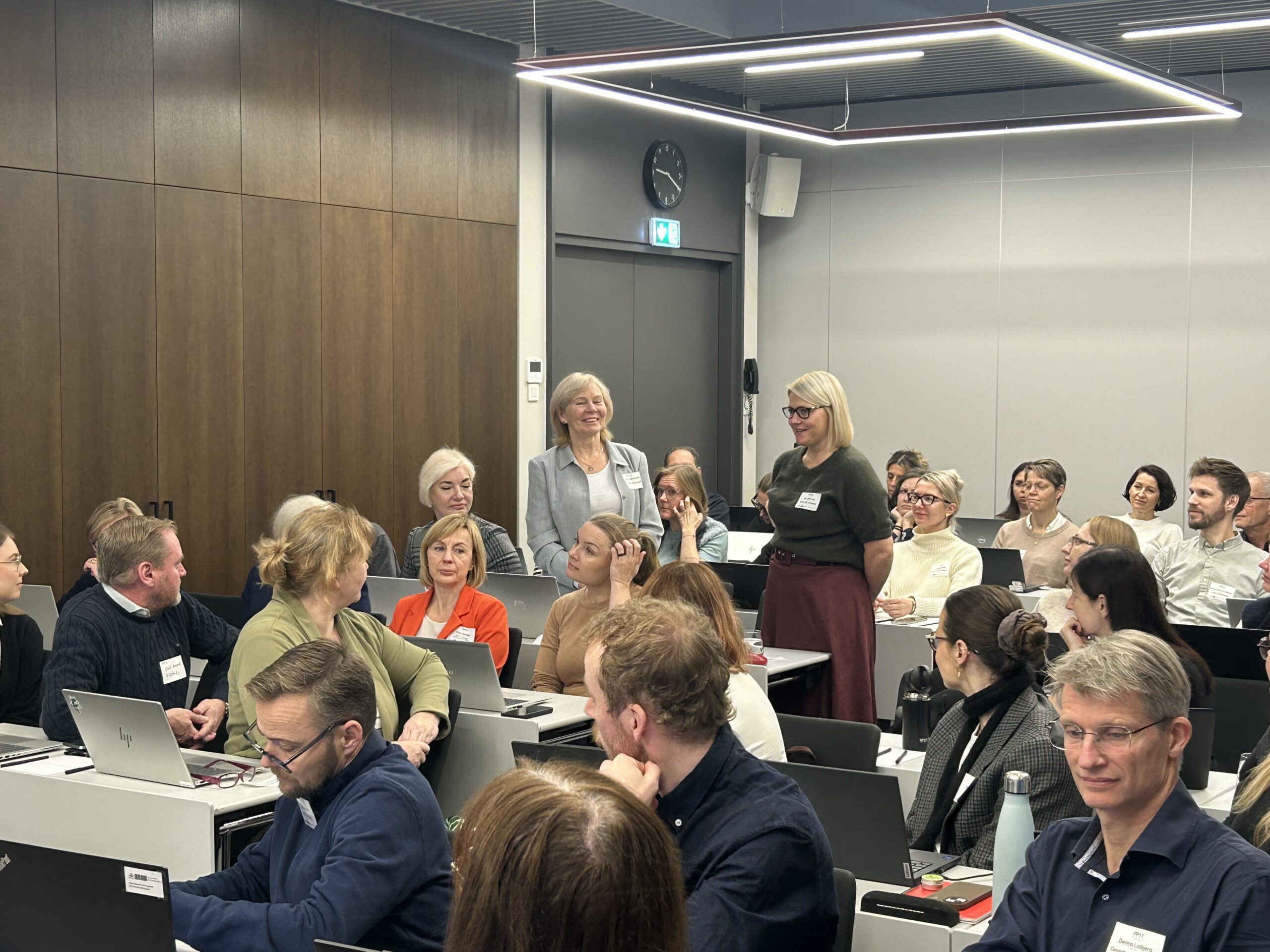
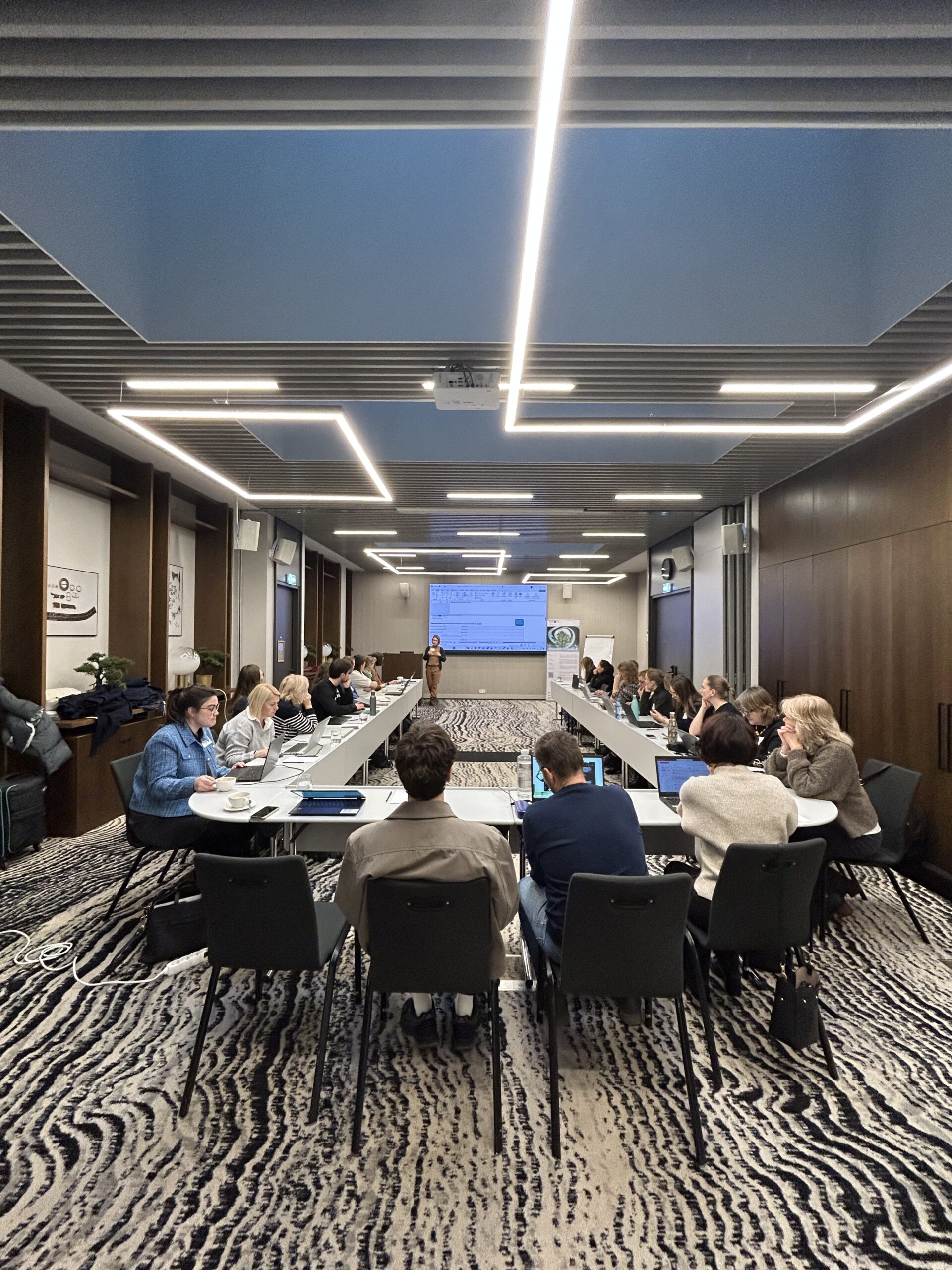
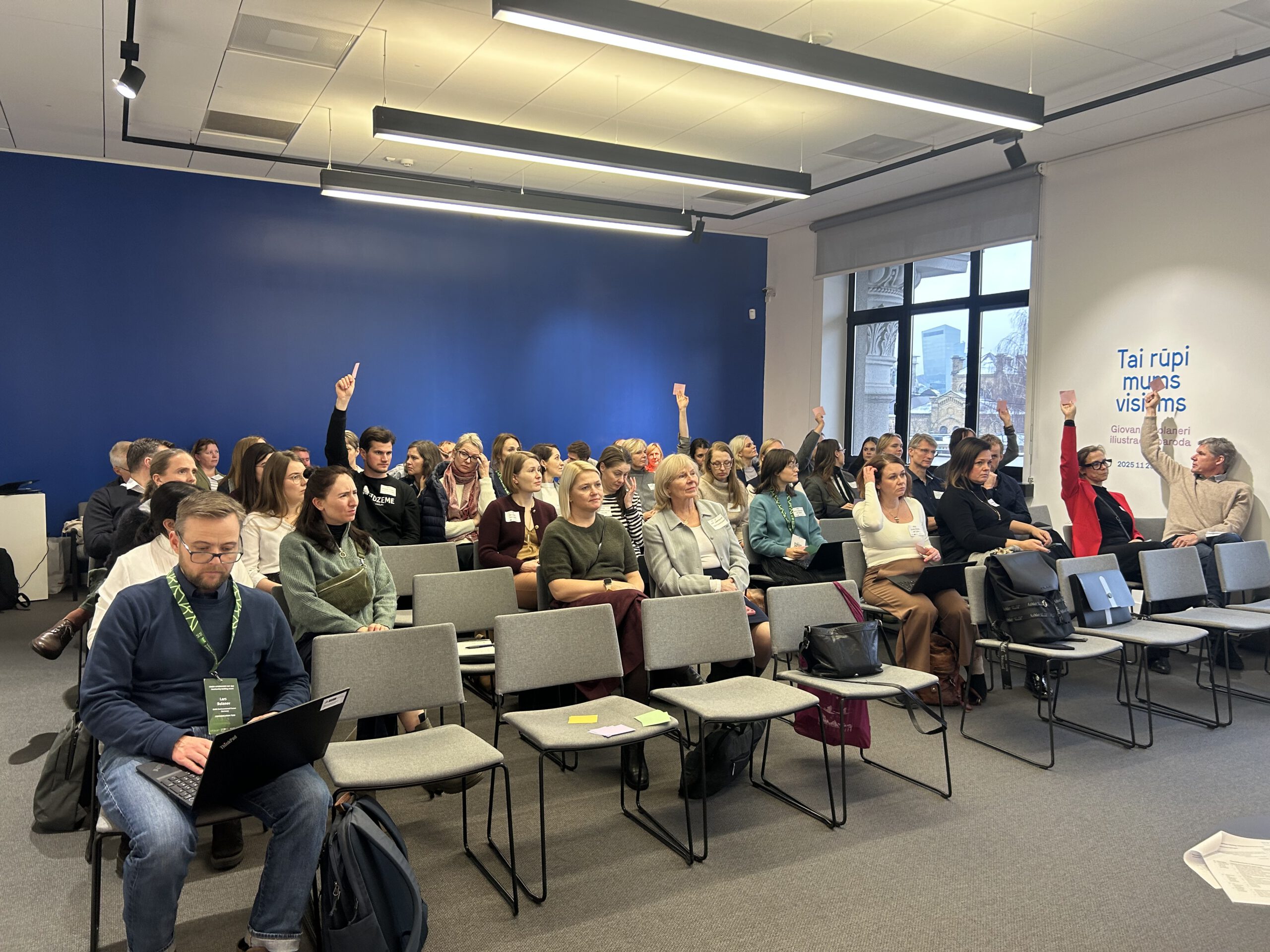
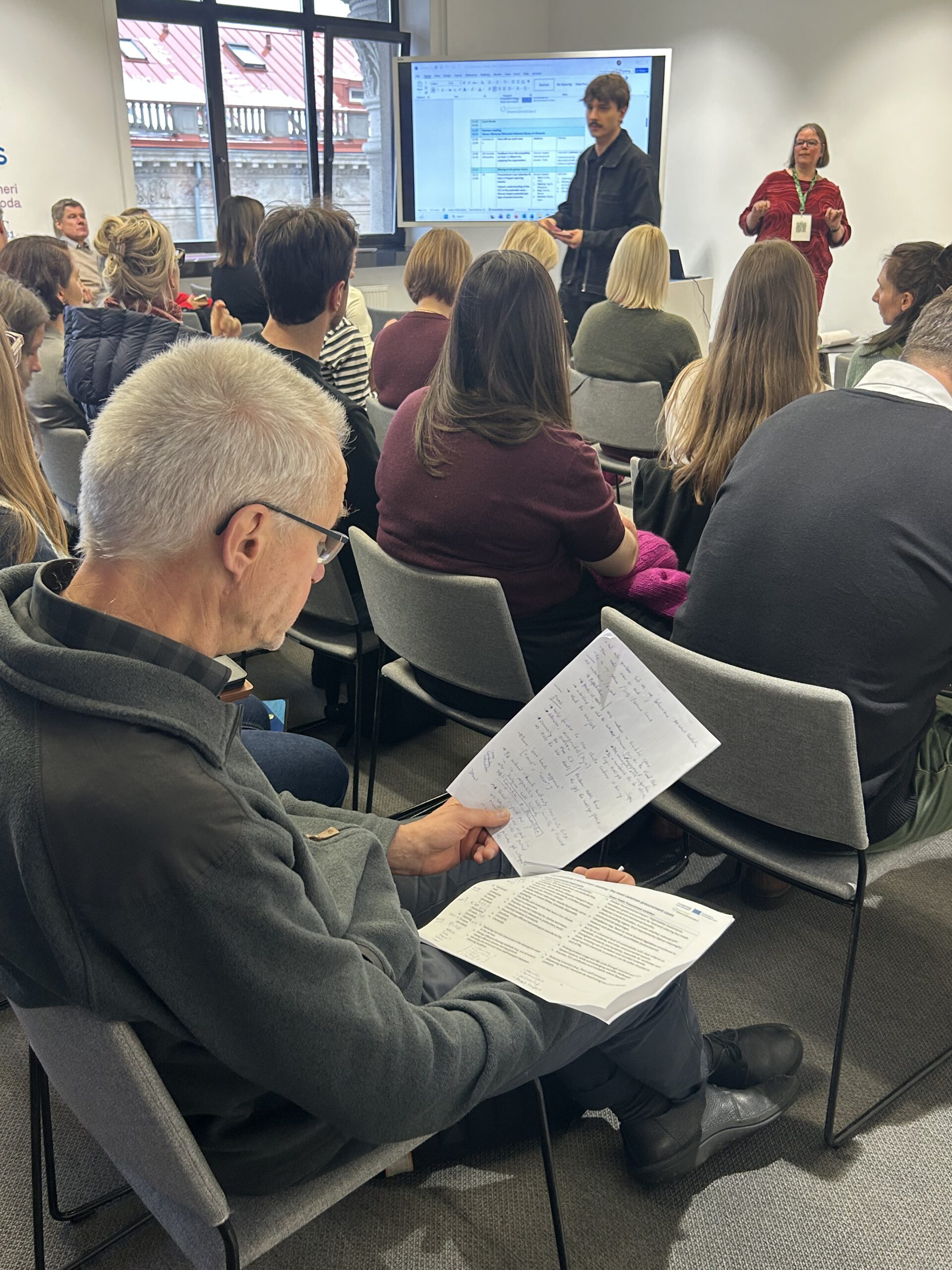
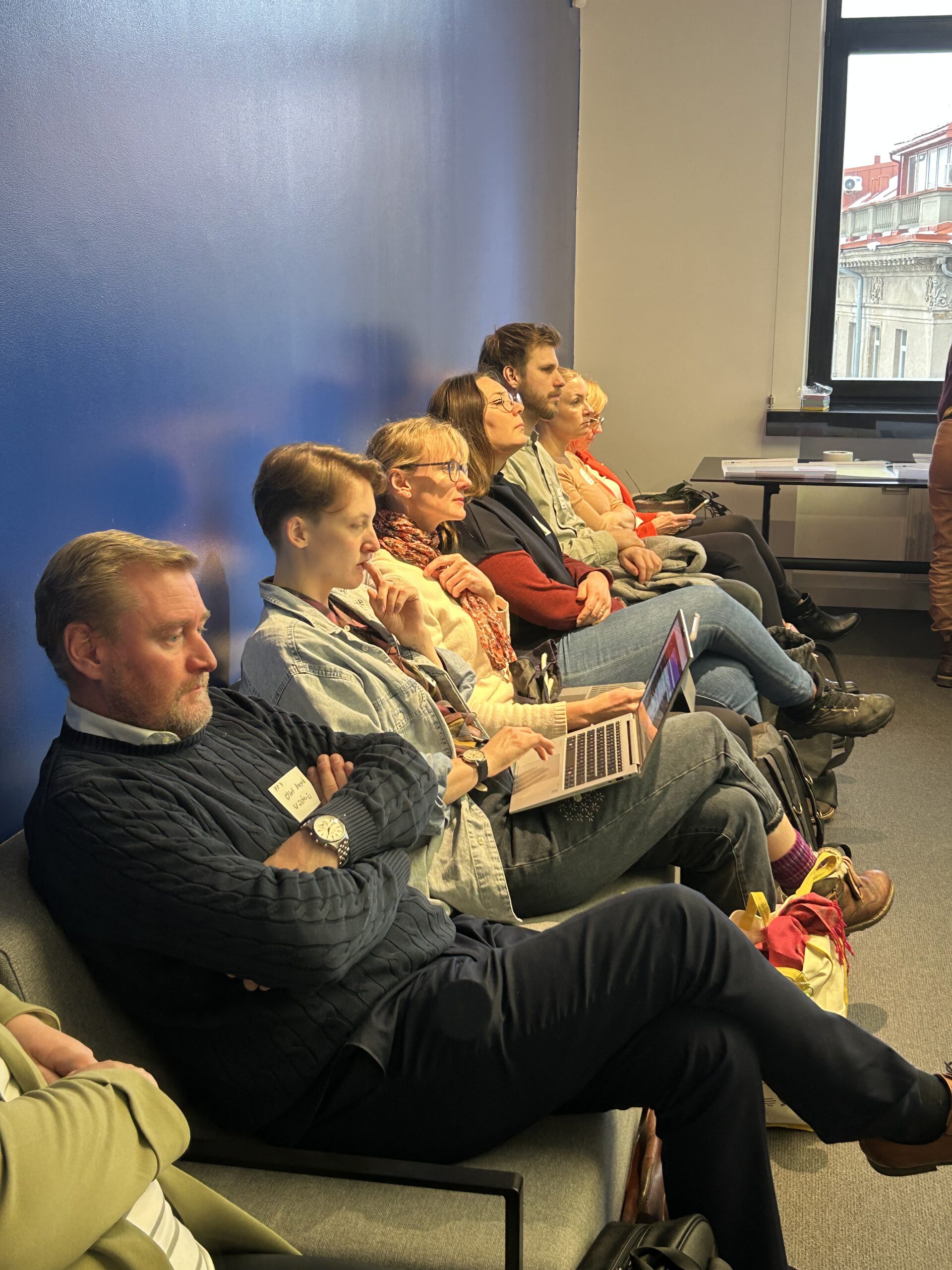
At the end of November, the ChemClimCircle-2 (CCC-2) partnership gathered in Vilnius for a two-day working meeting focused on strengthening the project’s strategic direction and accelerating the development of practical tools for greener public procurement. Hosted by the Lithuanian Public Procurement Office and MC Baltics, the meeting brought together municipalities, regional entities and thematic experts from across the Baltic Sea Region.
A Shared Understanding and Hands-On Co-Creation
The meeting opened with a joint plenary session, giving partners the chance to reconnect, reflect on progress and jointly discuss key opportunities and challenges ahead. Partners explored how procurement, climate action, circularity and chemical safety objectives can be better aligned within the project’s approach, and exchanged insights from the recent Green Governance Day.
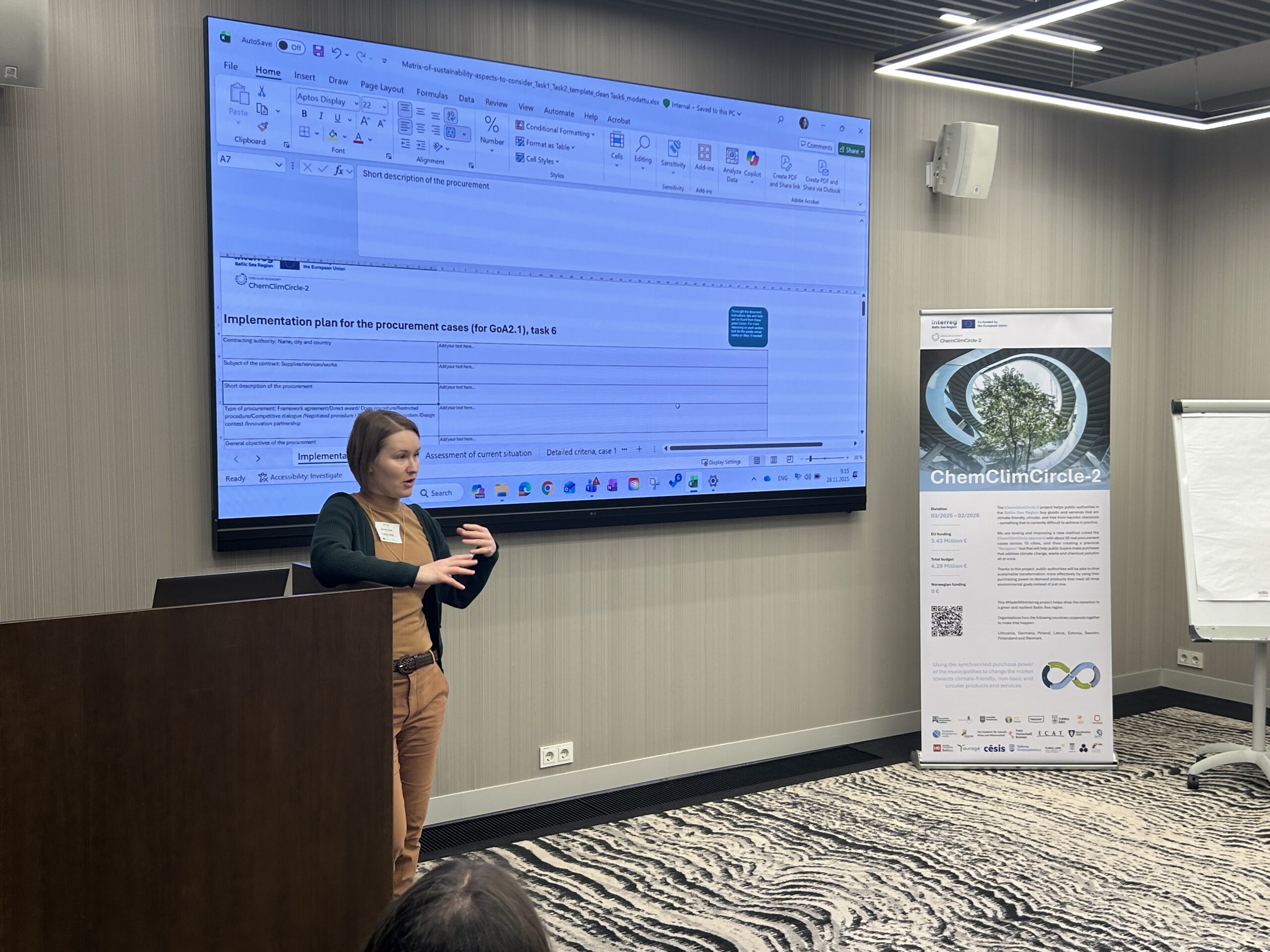
A significant part of the day was dedicated to interactive group work. Partners first reviewed experiences with the CCC-2 organisational mapping matrix, sharing what they learned while evaluating their current procurement systems. Discussions highlighted recurring needs: strengthening internal follow-up mechanisms, improving skills, and ensuring more systematic consideration of climate, chemicals and circularity in everyday procurement processes.
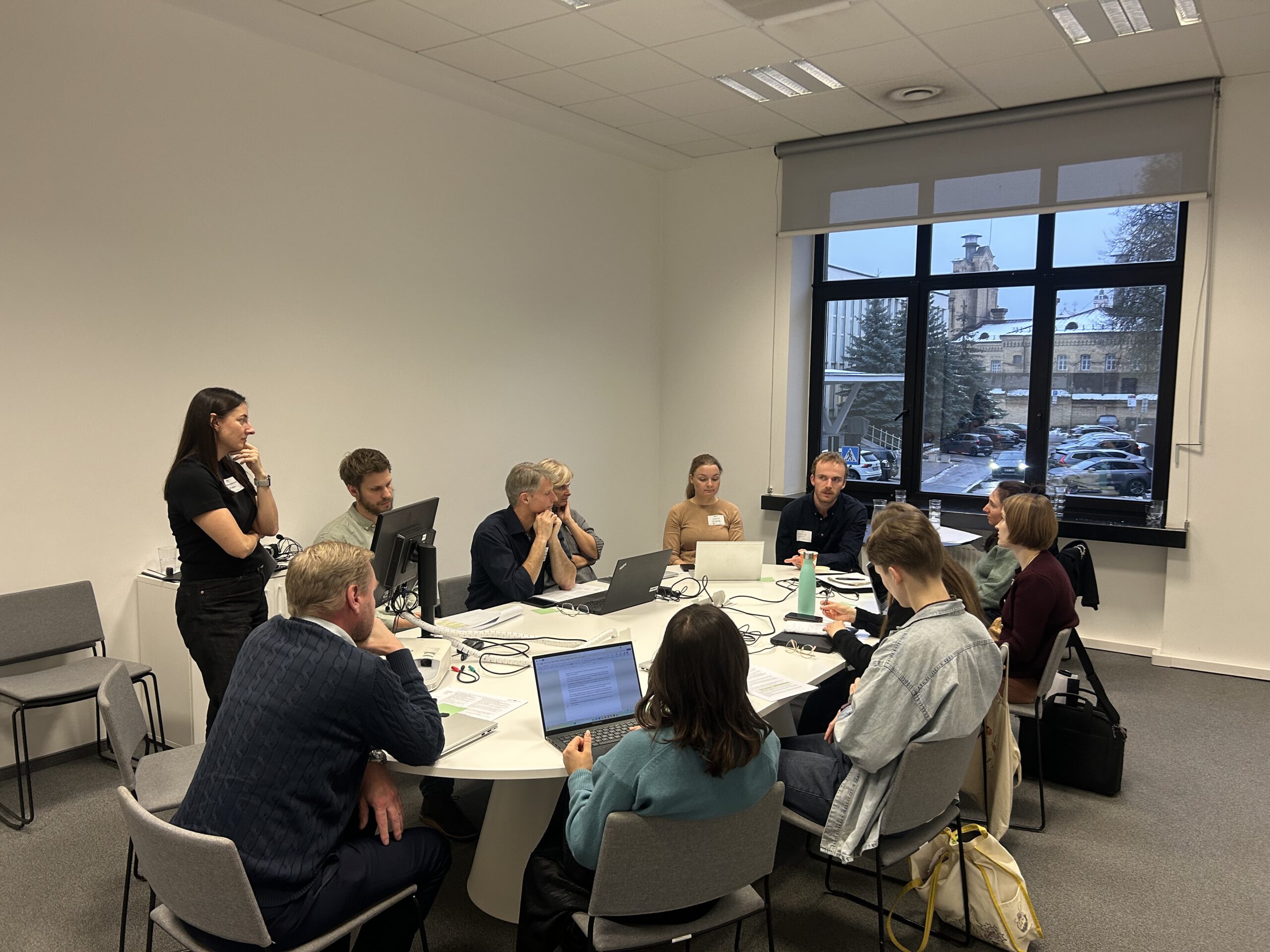
In the afternoon, the consortium moved into thematic group sessions, working with four procurement categories: catering and canteen services, workwear and protective clothing, ICT equipment, and cleaning products and services. Each group explored the potential impact of greener procurement choices in their category – examining practical opportunities to reduce hazardous substances, cut emissions and increase circular practices.
Following this, partners took part in a joint session on environmental impact mapping. The discussion bridged theoretical frameworks with real-life municipal constraints, helping partners begin defining ambition levels for their upcoming pilot procurements.
The day concluded with a session on data collection and monitoring. Partners reviewed the draft questionnaire designed for municipalities implementing GPP – an instrument that will support both self-assessment and provide structured data for a regional dashboard showcasing GPP practices and good examples across the Baltic Sea Region.
Building a Strong Foundation for the Pilots
Day two focused on preparing the next steps of the pilot work. Municipalities and regional authorities took the first steps toward shaping their procurement pilot plans, translating the insights from earlier organisational assessments into concrete directions for upcoming tenders.
In parallel, a dedicated advisory group continued advancing the project’s emerging impact assessment approach. Their work centered on finding practical ways to embed climate, circularity and chemical safety considerations into the pilot cases, ensuring that the tools developed in CCC-2 remain both robust and usable for public buyers across the region.
With two days of focused collaboration, the meeting strengthened the shared direction of the CCC-2 partnership and set a solid foundation for the next phase of work. By combining strategic alignment with hands-on co-creation, partners are steadily shaping practical tools and pilot cases that will help public authorities across the Baltic Sea Region integrate climate action, circularity and chemical safety into everyday procurement decisions.

Additional links
details
-
Homepage
-
Project typeCore Project

-
ImplementationMarch 2025 - February 2028
-
StatusOngoing
-
Contribution to EUSBSRPolicy Area Innovation

-
Target groups
- Local public authority
- National public authority
- Regional public authority
-
Social media
-
Additional links
-
Tags