




CCC-2 Partners Meet in Copenhagen to Shape the Future of Green Procurement
31 March 2026
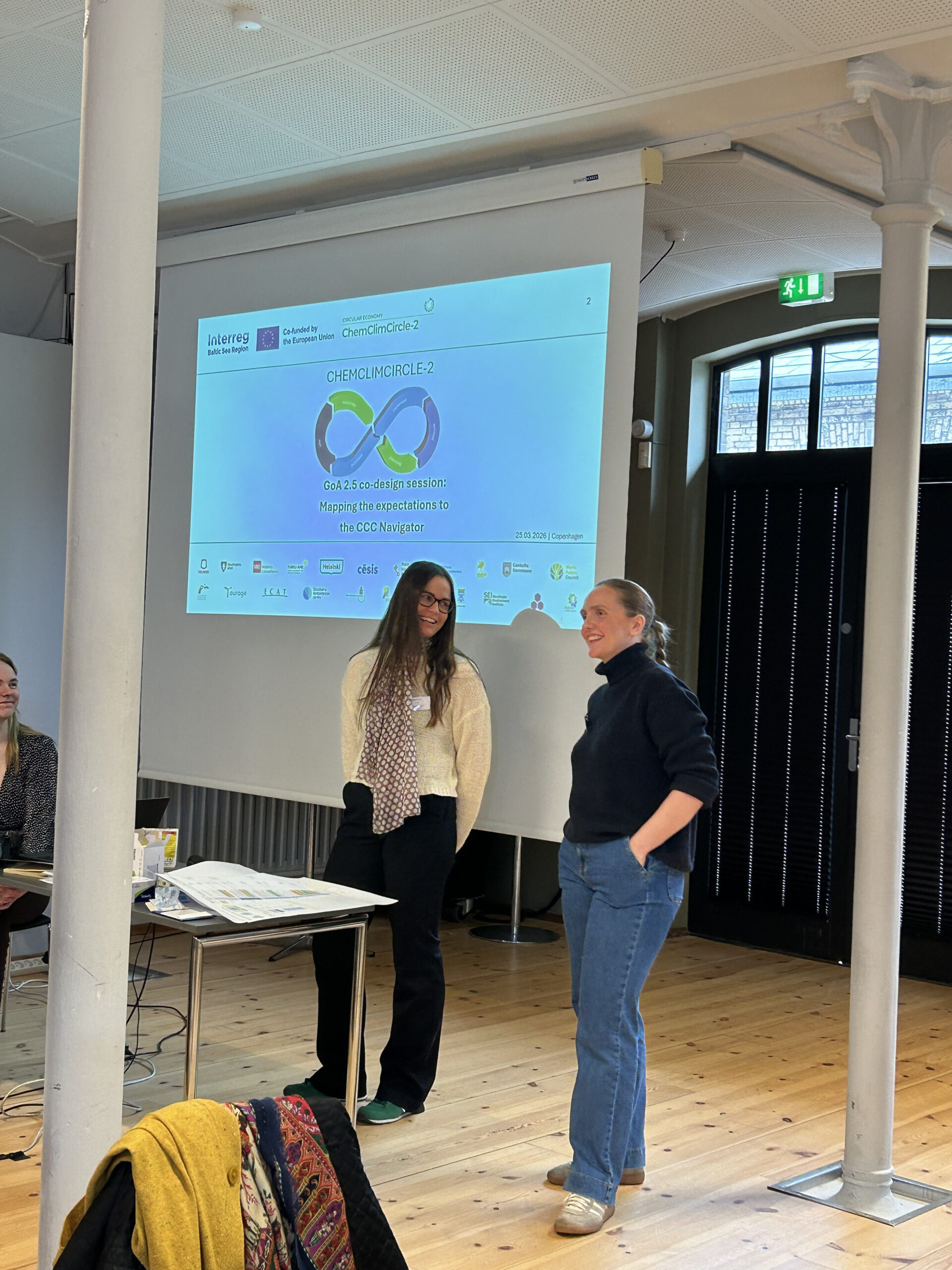
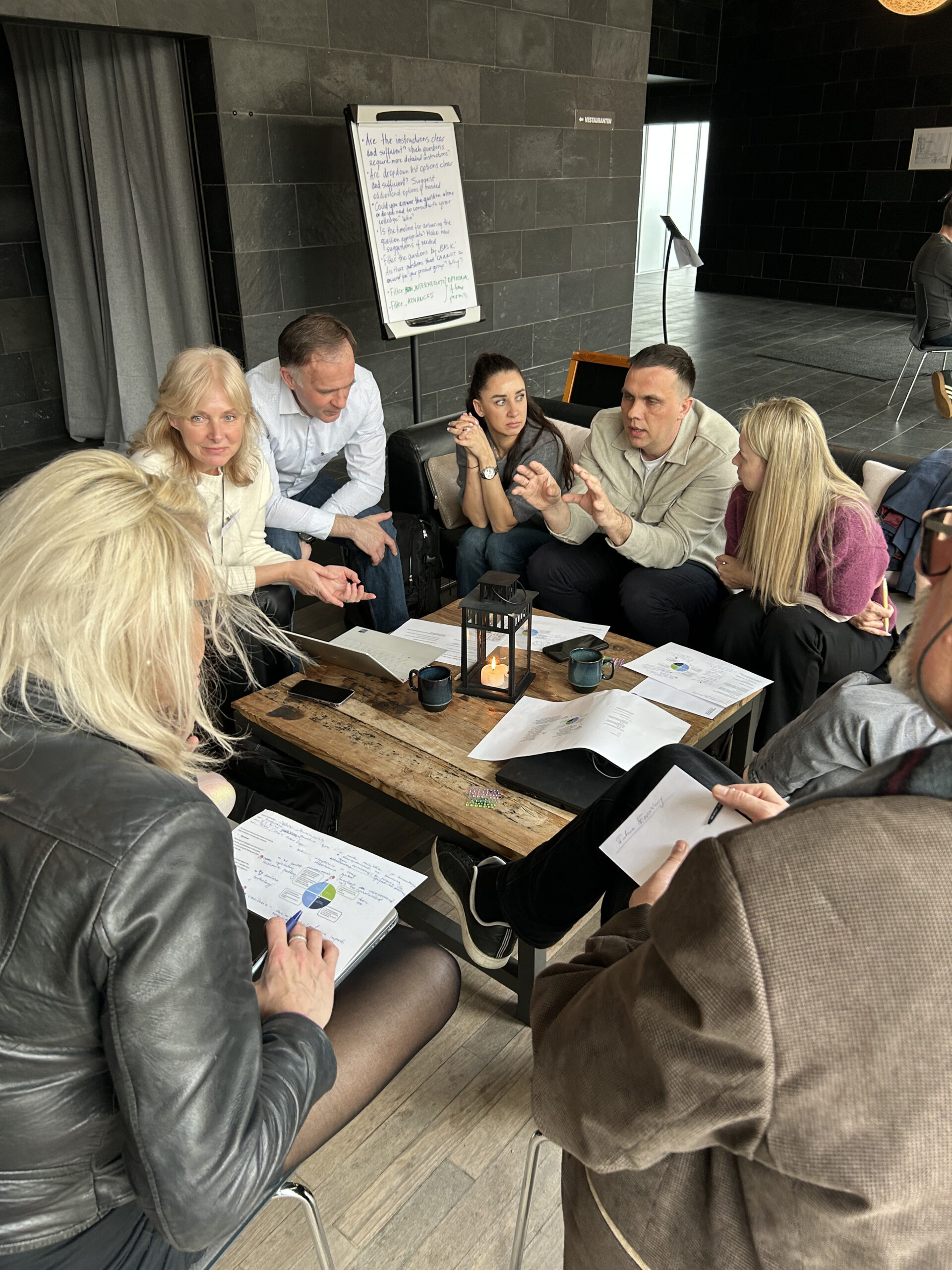
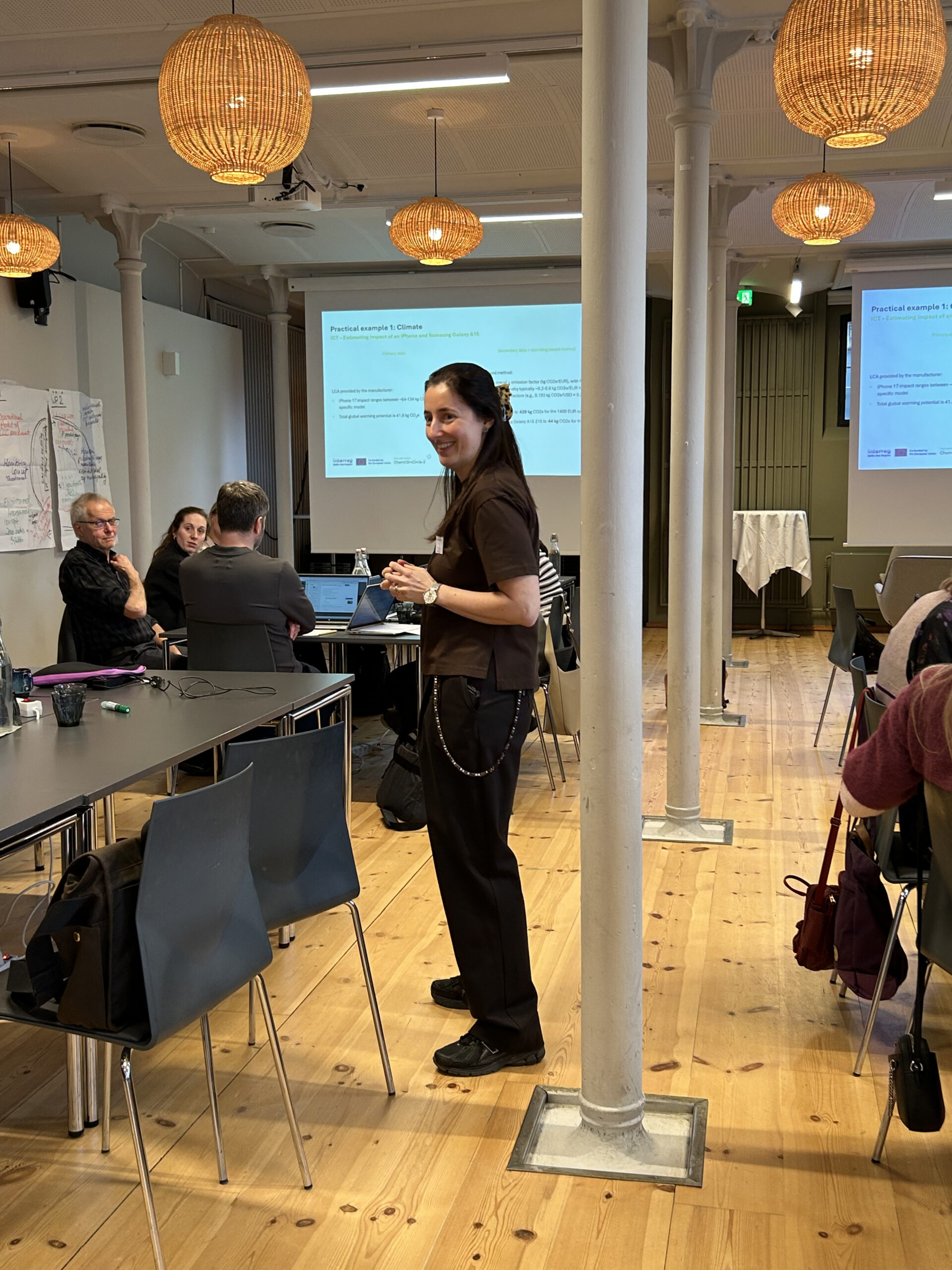
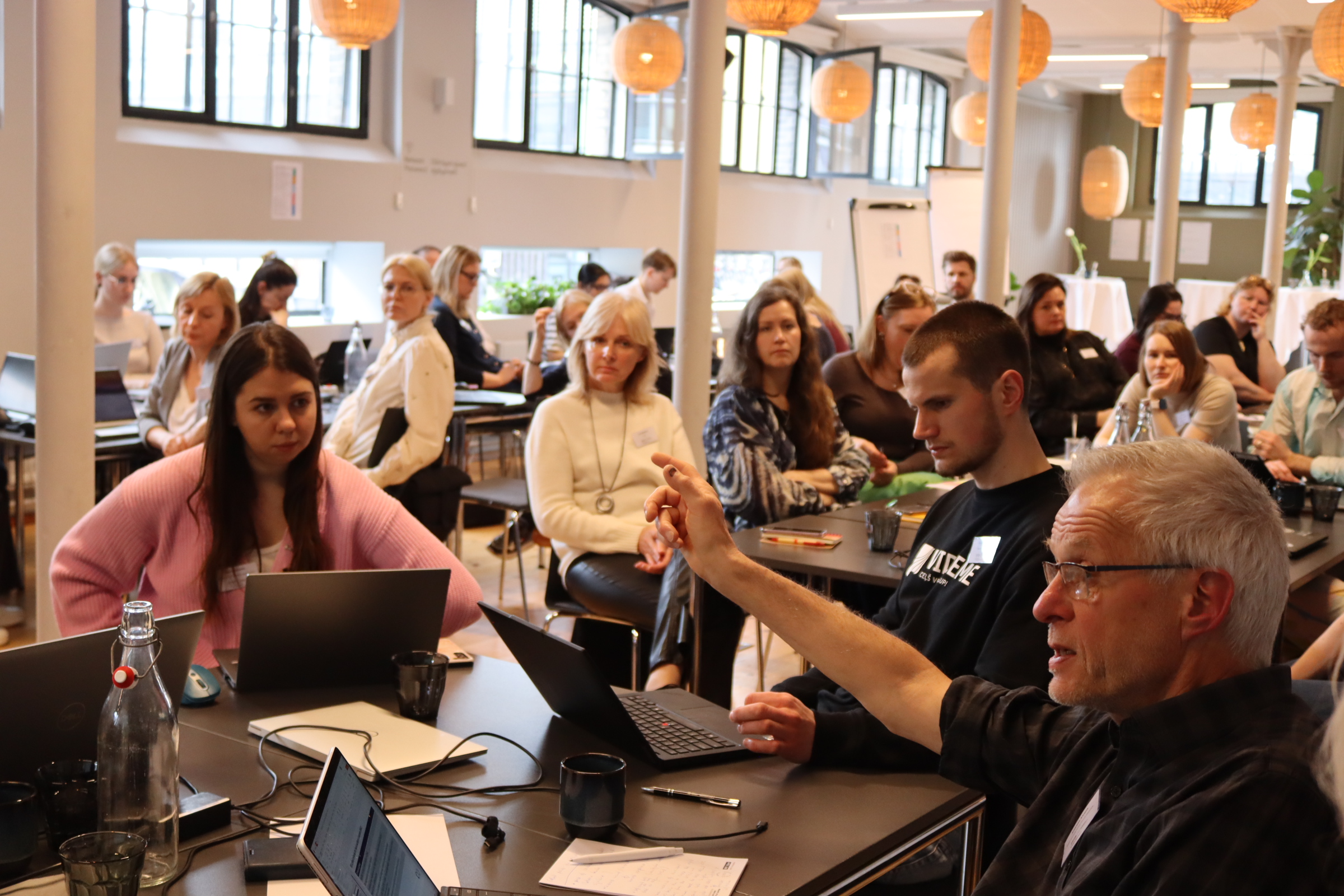
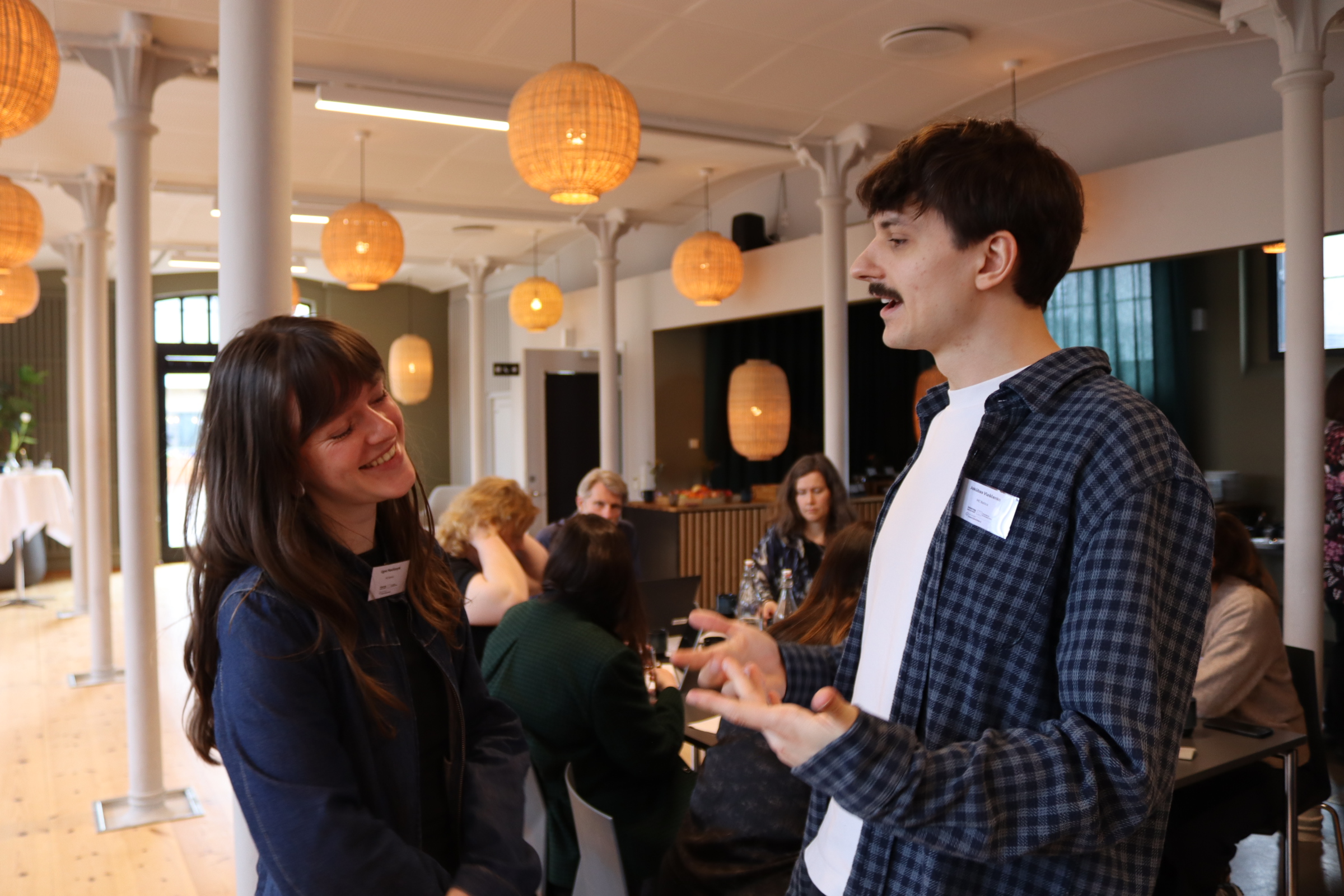
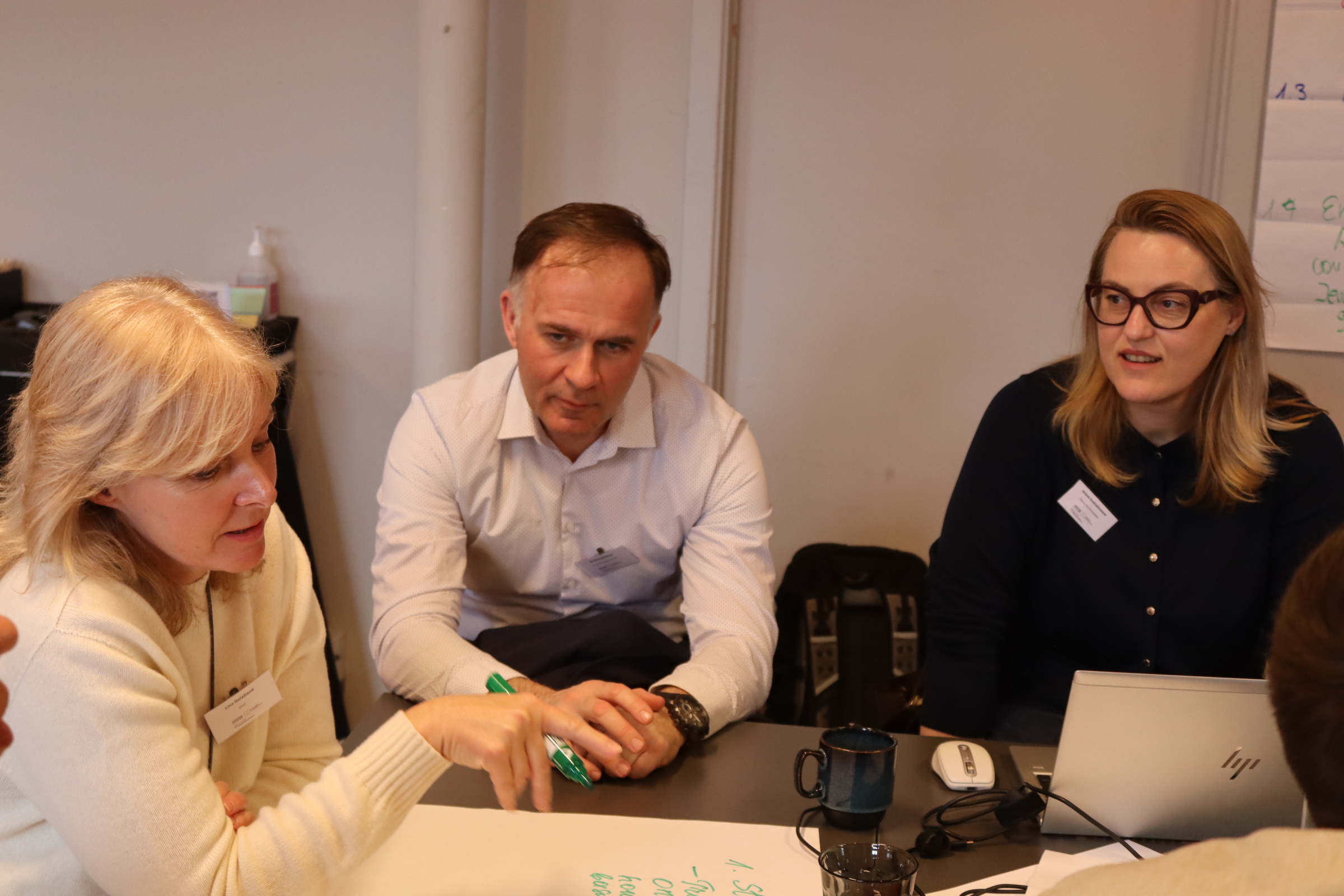
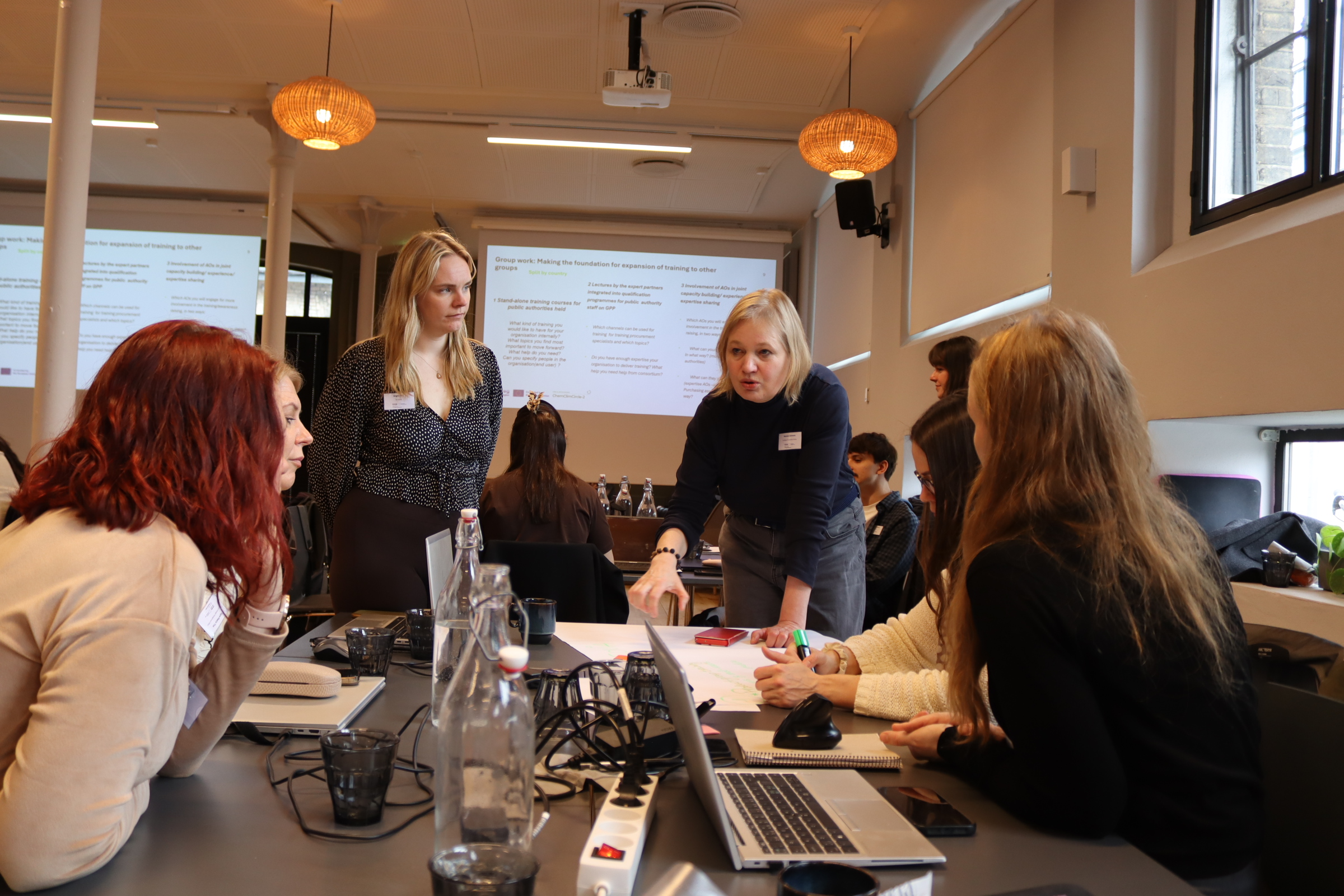
On March 25-26, ChemClimCircle-2 (CCC-2) partners gathered in Copenhagen for two days of discussions, knowledge exchange, and hands-on work – bringing together municipalities and experts from across the Baltic Sea Region. Together, they tackled a shared challenge: how to make public procurement a real driver of climate-neutral, circular, and chemical-safe solutions.
The meeting opened with a simple exercise – going around the table and asking: where do we stand now? What has worked, what has been difficult, and what are we learning?
A “bouquet” of procurement cases
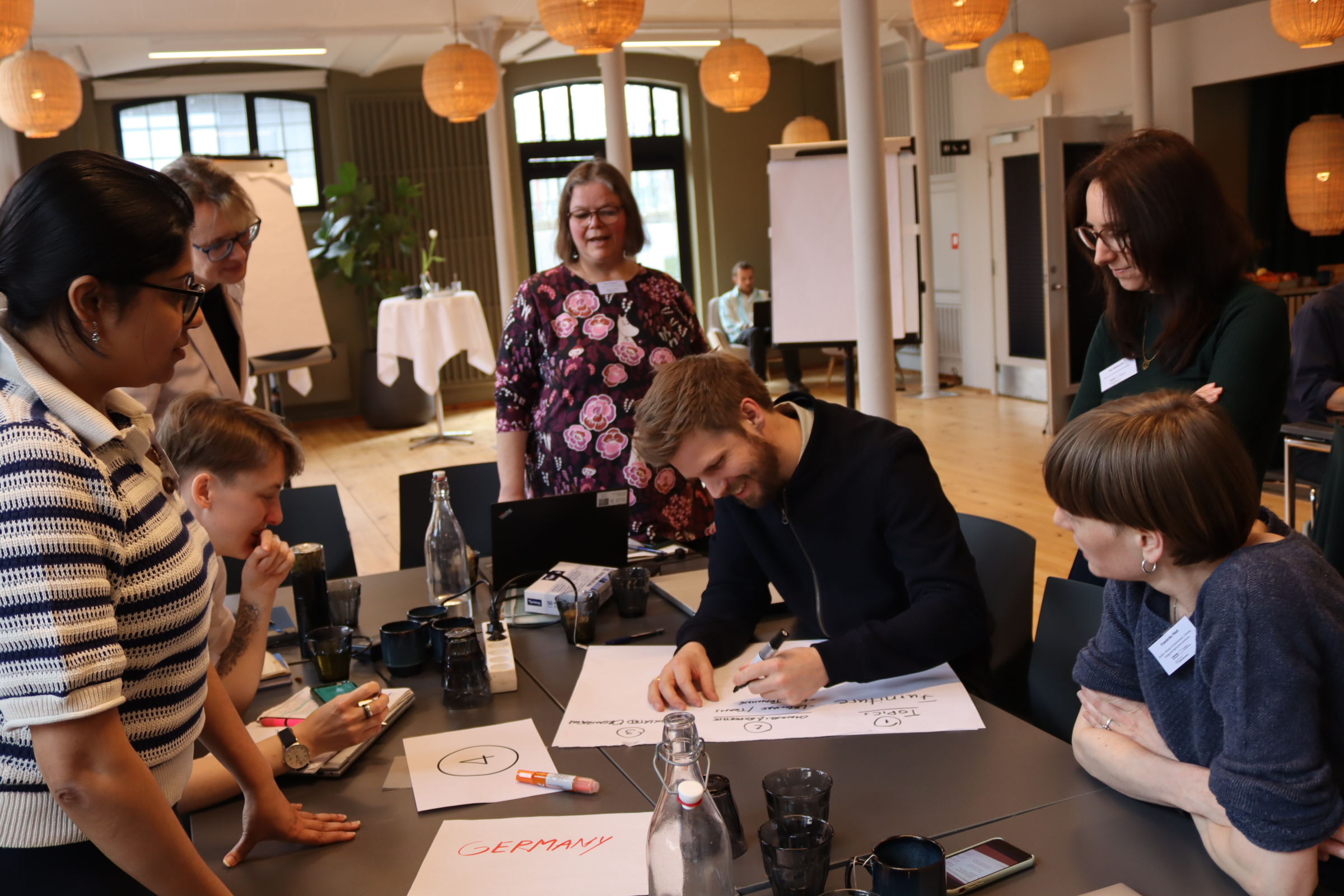
What emerged was a rich and varied picture. Across the partnership, procurement cases are taking shape in very different sectors – from construction and information and communications technology (ICT) to textiles, cleaning, and catering. This diversity was described as a “bouquet” of pilot cases: a wide mix of approaches, each reflecting local priorities and realities, yet all connected by the same ambition – to embed the ChemClimCircle (CCC) approach into everyday procurement practice.
At the same time, some common challenges became clear. Construction, for example, remains one of the most significant and complex areas. It represents a large share of municipal spending but also carries a heavy environmental footprint. This makes it both a challenge and an opportunity – if procurement can shift practices here, the impact could be substantial.
(Further reading on each procurement case can be found on “Solutions” -> “Pilots”: https://interreg-baltic.eu/project/chemclimcircle-2/)
Talking to the Market
One of the key themes running through the meeting was the role of market dialogue. In a dedicated session, partners openly discussed their experiences engaging with suppliers. While everyone agreed on its importance, barriers such as limited time, lack of experience, or uncertainty about how to approach the market still persist.
Introducing the CCC Navigator
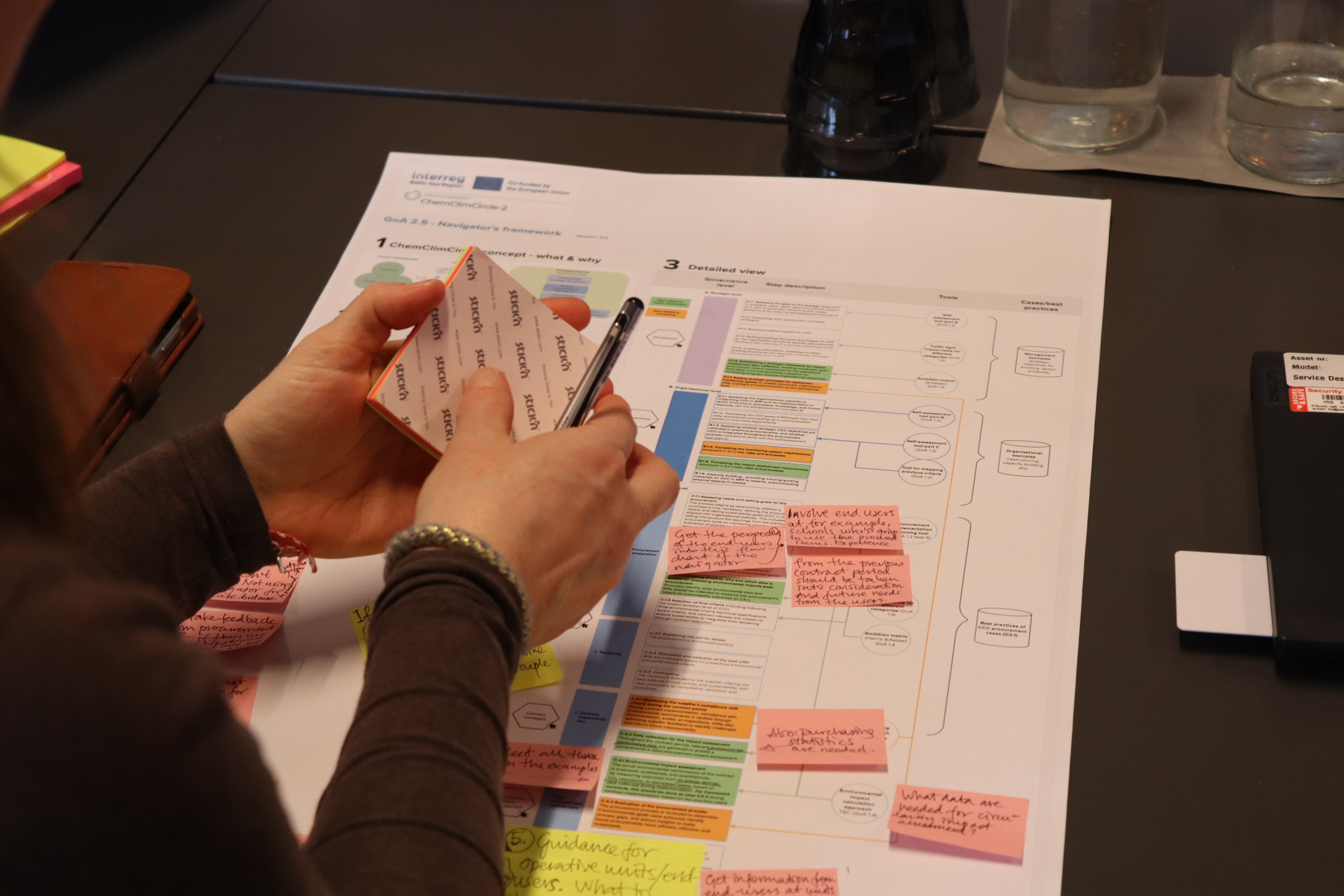
Another highlight of the meeting was a first preview of the CCC Navigator – one of the core outputs currently under development within the project. Rather than a static document, the Navigator is being designed as a practical, step-by-step framework to support municipalities in integrating climate, circularity, and chemical considerations into procurement.
Partners were introduced to the planned backbone structure of the platform, spanning strategic, organisational, and operational levels, each supported by tools, cases, and best practices. While the Navigator is still in development and not yet publicly available, this early preview provided a clear sense of how the CCC approach will be translated into a concrete and user-friendly tool.
Building Capacity
In parallel, partners are developing a set of training activities to support the uptake of the CCC approach. This includes both internal, in-house training for project partners – aimed at aligning methodologies and building shared understanding – and external training formats for public procurers across the Baltic Sea Region. These will combine practical guidance, thematic modules, and real-life examples from pilot cases, ensuring that the knowledge generated within CCC-2 can be effectively transferred and applied beyond the consortium.
Navigating Policy Realities
Beyond project outputs, the discussions also turned to the broader context in which procurement takes place. In a session on policy uptake, partners reflected on national developments and the realities they face at home. A shared concern emerged: in several countries, shifting political priorities and changing narratives around sustainability are slowing down progress. Climate programmes are not always keeping pace with targets, and in some cases, ambitions are being scaled back.
Looking Ahead
And yet, despite these challenges, the overall direction remains clear. Public procurement continues to stand out as one of the most practical and immediate tools for driving change. By making smarter, more integrated choices, municipalities can directly influence markets and steer them towards climate-neutral, more circular, and safer solutions in terms of chemicals.
The Copenhagen meeting was not just about project progress – it was about aligning perspectives, learning from each other, and moving forward together. As the project enters its next phase, the focus will be on turning these discussions into action: testing approaches, refining tools, and ultimately ensuring that the CCC approach can be applied far beyond the project partnership.

Additional links
details
-
Homepage
-
Project typeCore Project
-
ImplementationMarch 2025 - February 2028
-
StatusOngoing
-
Contribution to EUSBSRPolicy Area Innovation

-
Target groups
- Local public authority
- National public authority
- Regional public authority
-
Social media
-
Additional links
-
Tags