




CCC partners share lessons learned and prepare for the final project phase at Transition Lab in Gdynia
30 April 2026
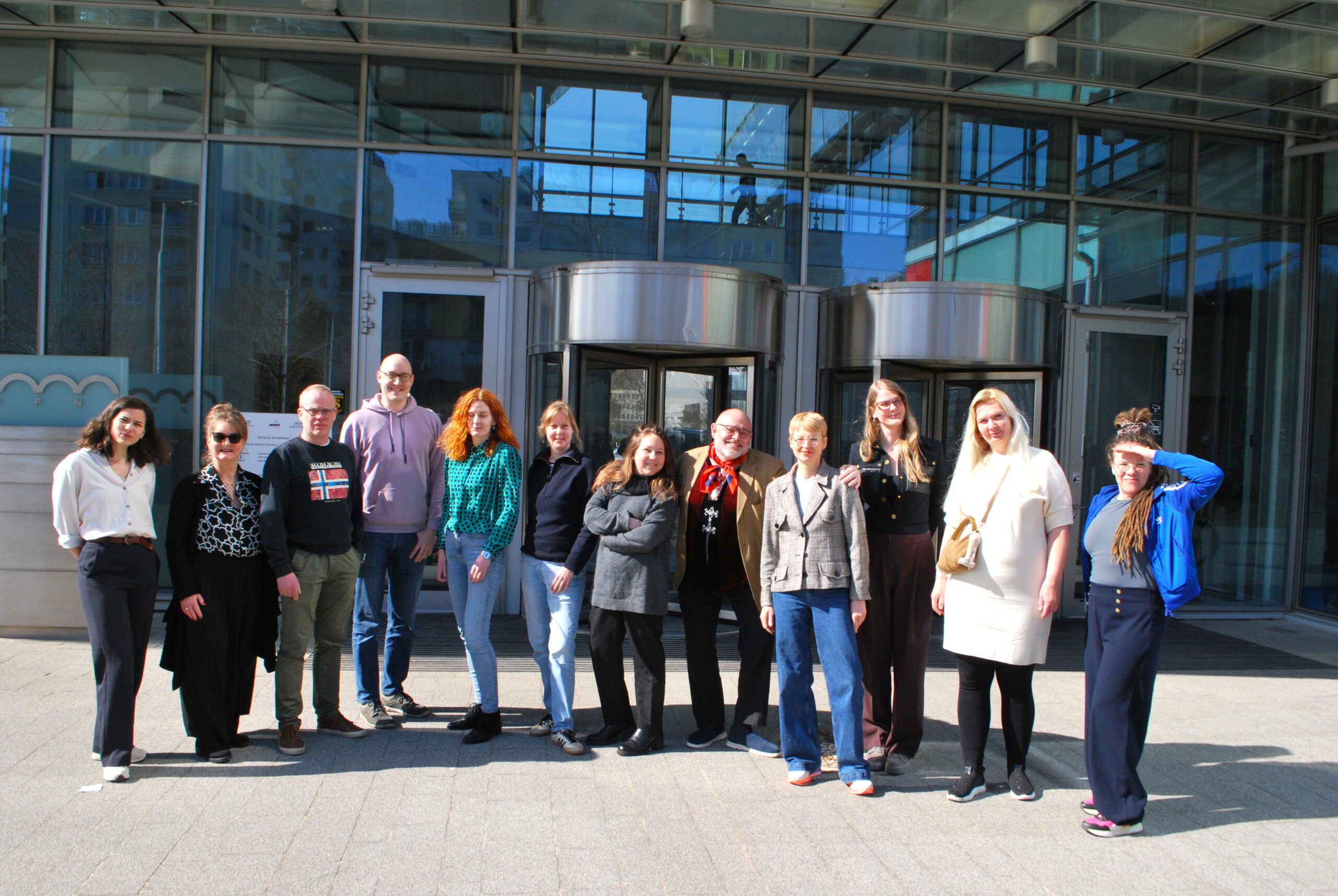
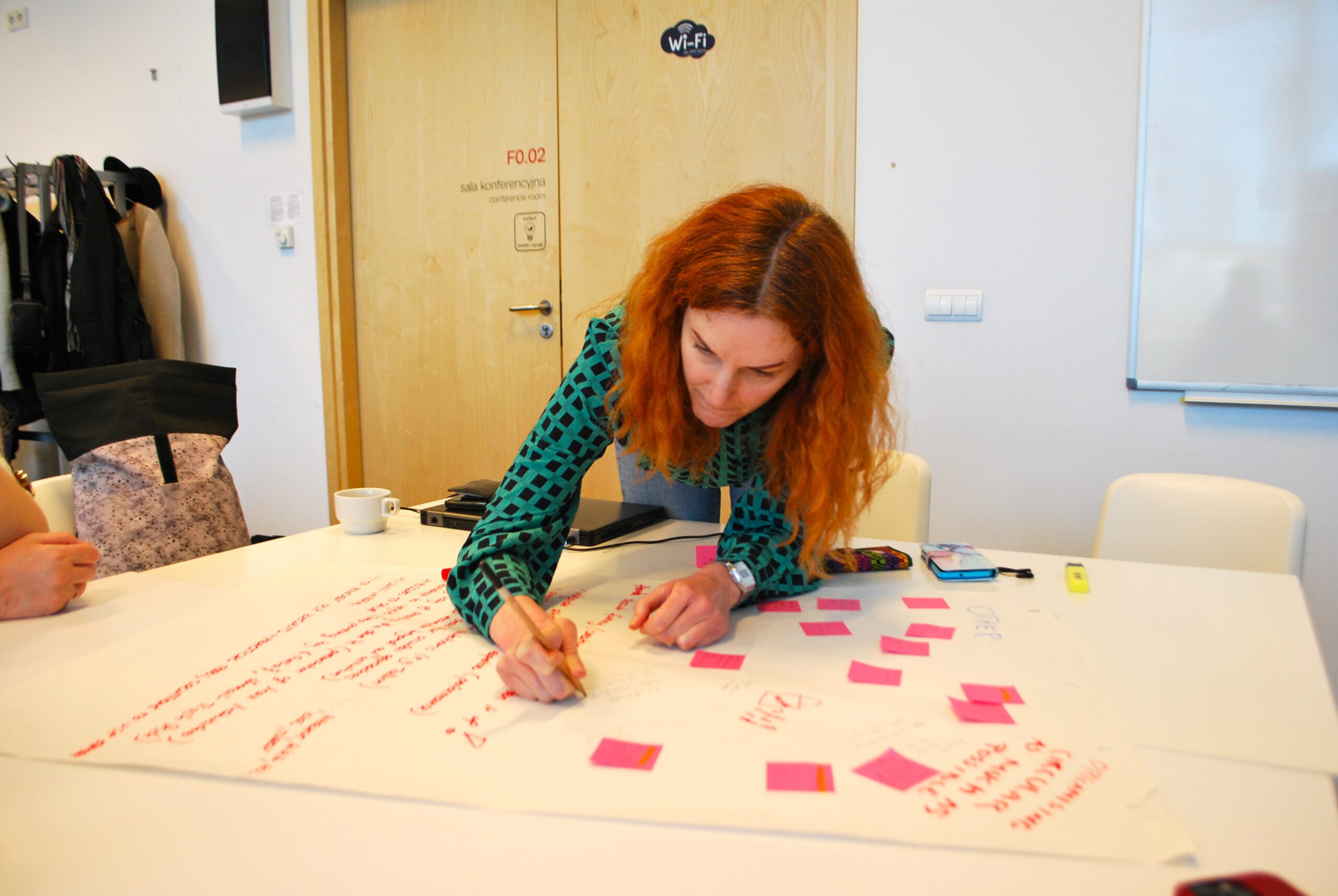
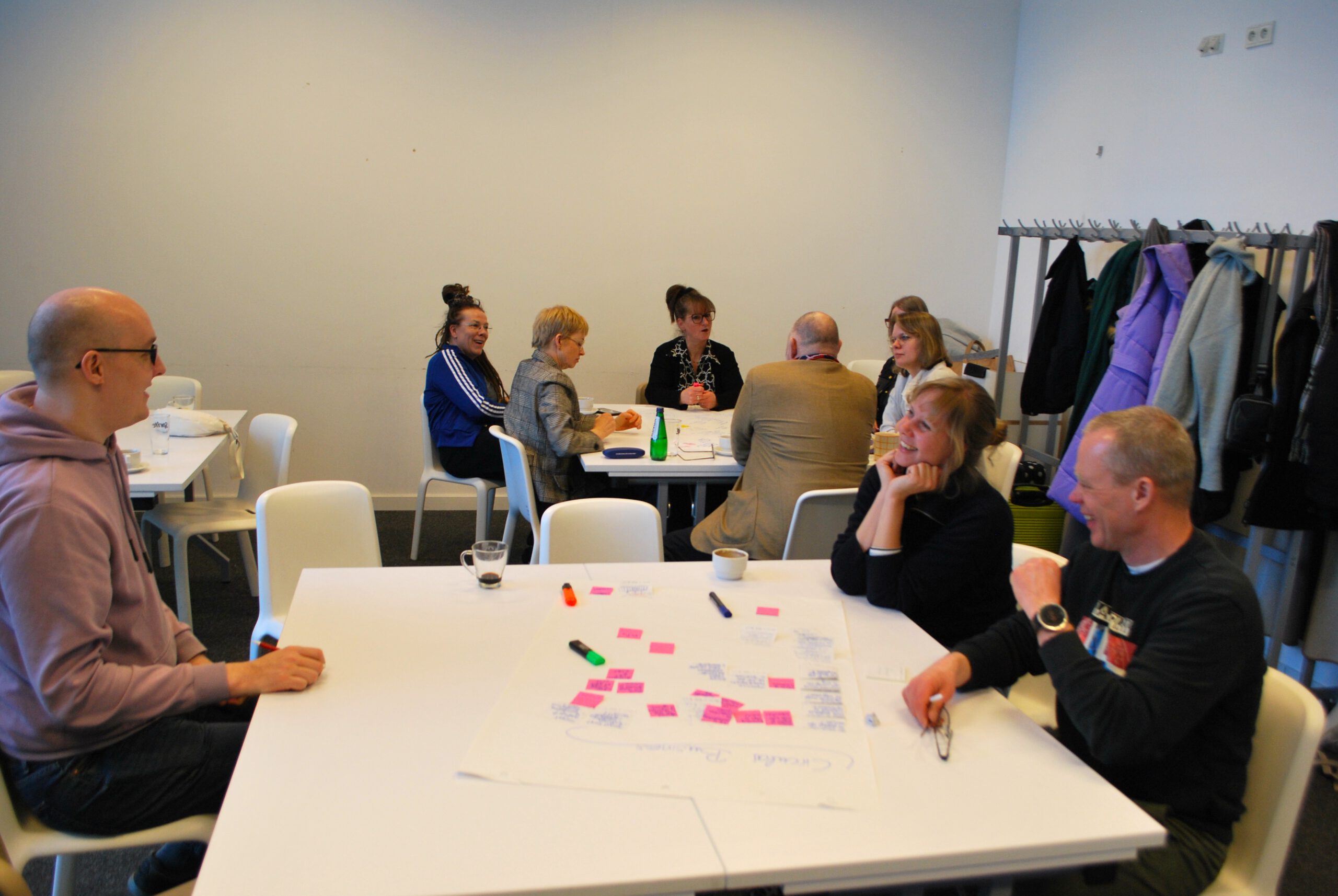
From 30 March to 1 April, the “Creative Circular Cities” (CCC) project partners met in Gdynia, Poland, for the final CCC Transition Lab. After more than two years of collaboration across the Baltic Sea Region, the meeting provided an opportunity to reflect on progress, prepare for the project’s final phase and plan how to sustain and expand activities beyond the project’s lifetime.
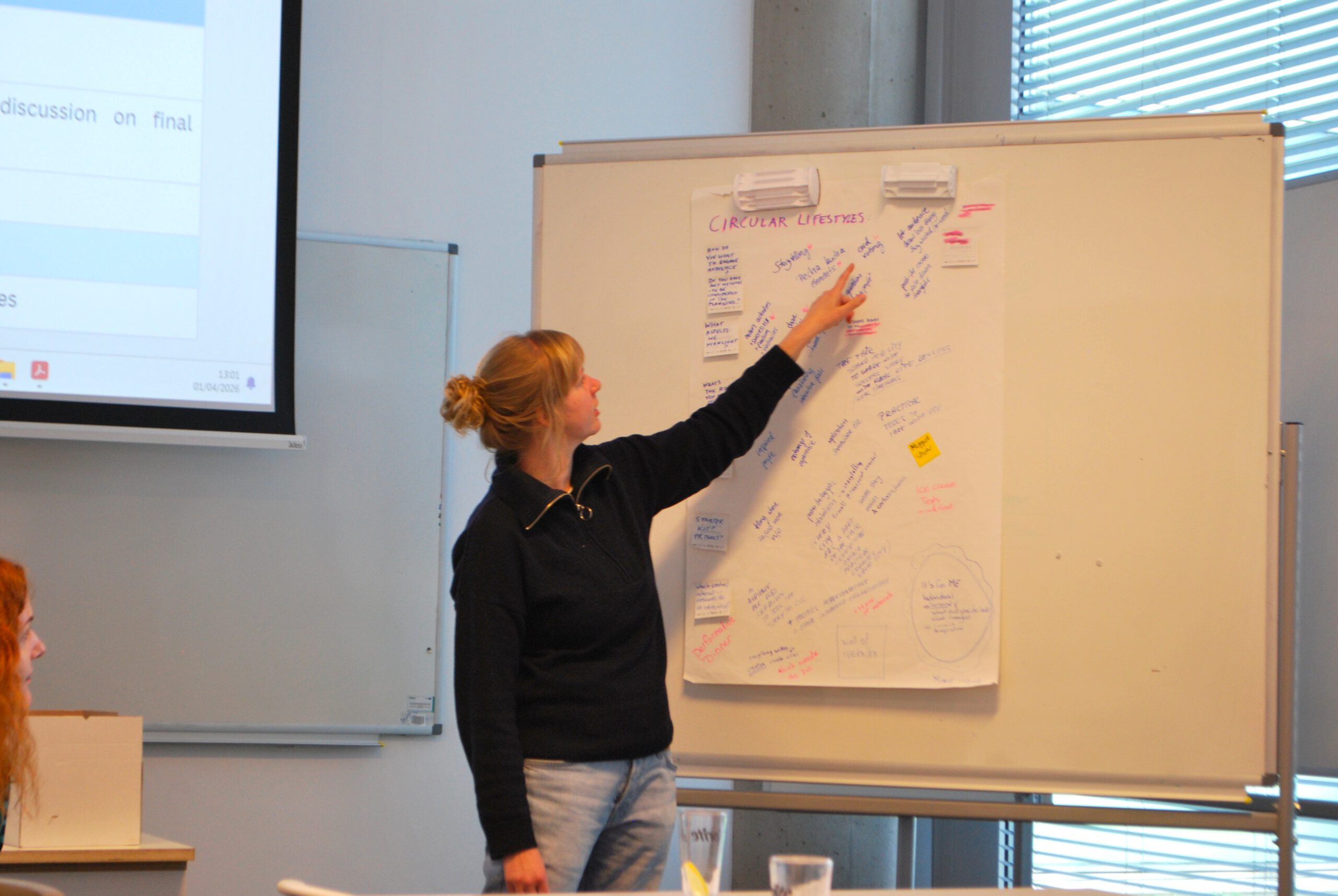
Throughout the meeting, partners discussed how cultural and creative sectors contribute to circular transition in the six cities, sharing practical examples, challenges, and methods that can be applied elsewhere. These insights will inform both the final conference programme and the CCC Starter Kit, designed to support others in replicating project activities.
The Transition Lab opened with a welcome from the hosts – Gdynia Design Centre – followed by an introduction by CCC Project Manager Indra Levite from the Danish Cultural Institute in the Baltics. Emphasizing the collaborative process, she encouraged participants to actively contribute: “This time, we do not have any external experts joining, because the experts on how to involve creatives in circularity are already in this room. I encourage you to share your insights and experience, ask questions and learn from each other.”
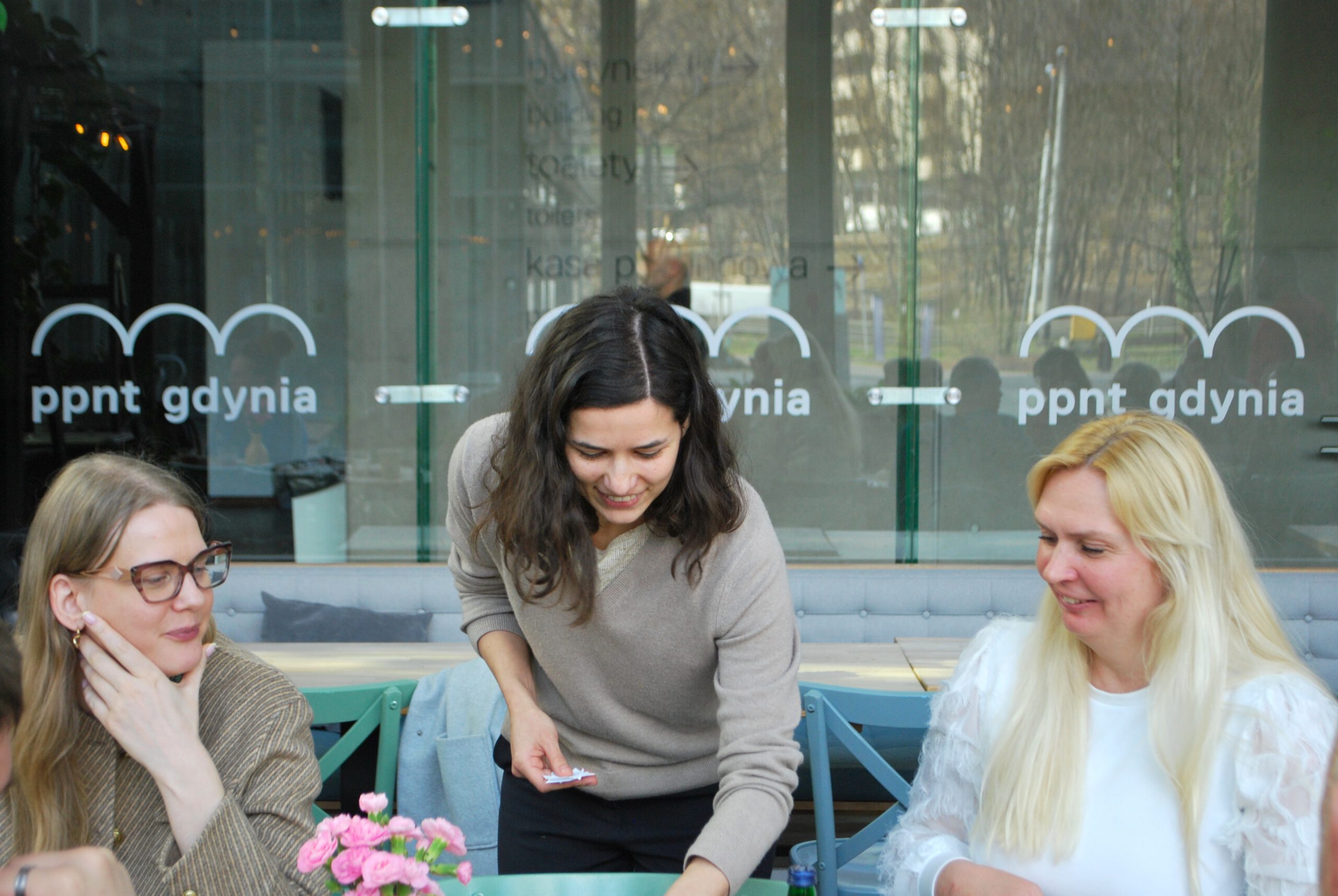
Partners then presented their work and reflected on what they have gained throughout the project. Many highlighted stronger cross-sector collaboration, lasting networks, and the value of exchange between cities. This collaboration has led to new ways of engaging citizens, creatives, and businesses, while also helping make circular economy concepts more understandable and relevant to the general public.
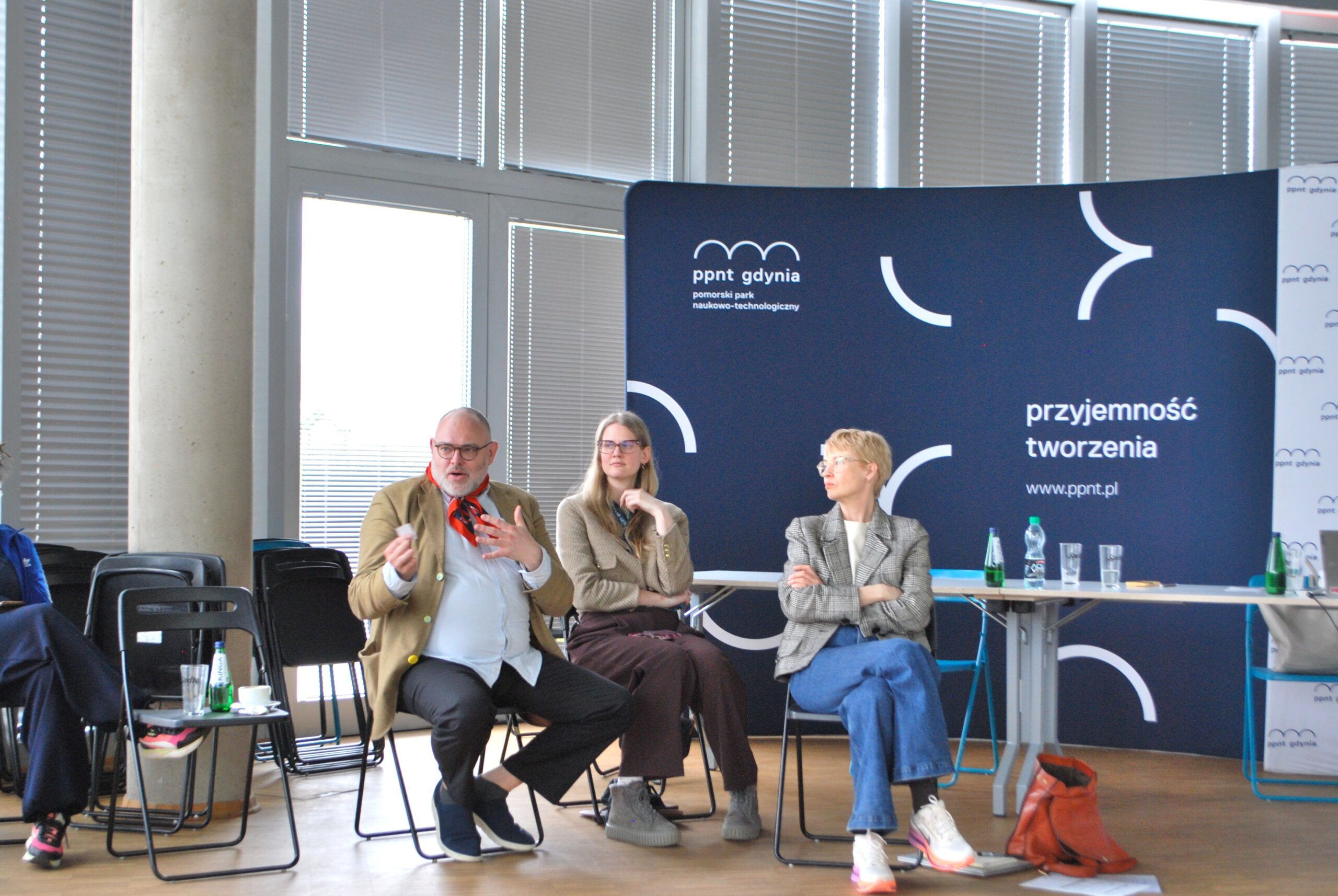
The second day of the Lab focused on co-creation and planning for the next steps as the project enters its final phase. A panel discussion, facilitated by Krista Petäjäjärvi, Head of the Northern Dimension Partnership on Culture Secretariat, explored the role of cultural and creative sectors and industries (CCSIs) in CCC, including both successes and challenges. Participants emphasised the role of creatives in engaging communities, communicating complex ideas, and shaping new perspectives on circular economy. The programme continued with a session on replication and scalability, facilitated by Marie Delaperrière from Zero Waste Kiel e.V., focusing on how local pilot activities can be replicated in other cities.
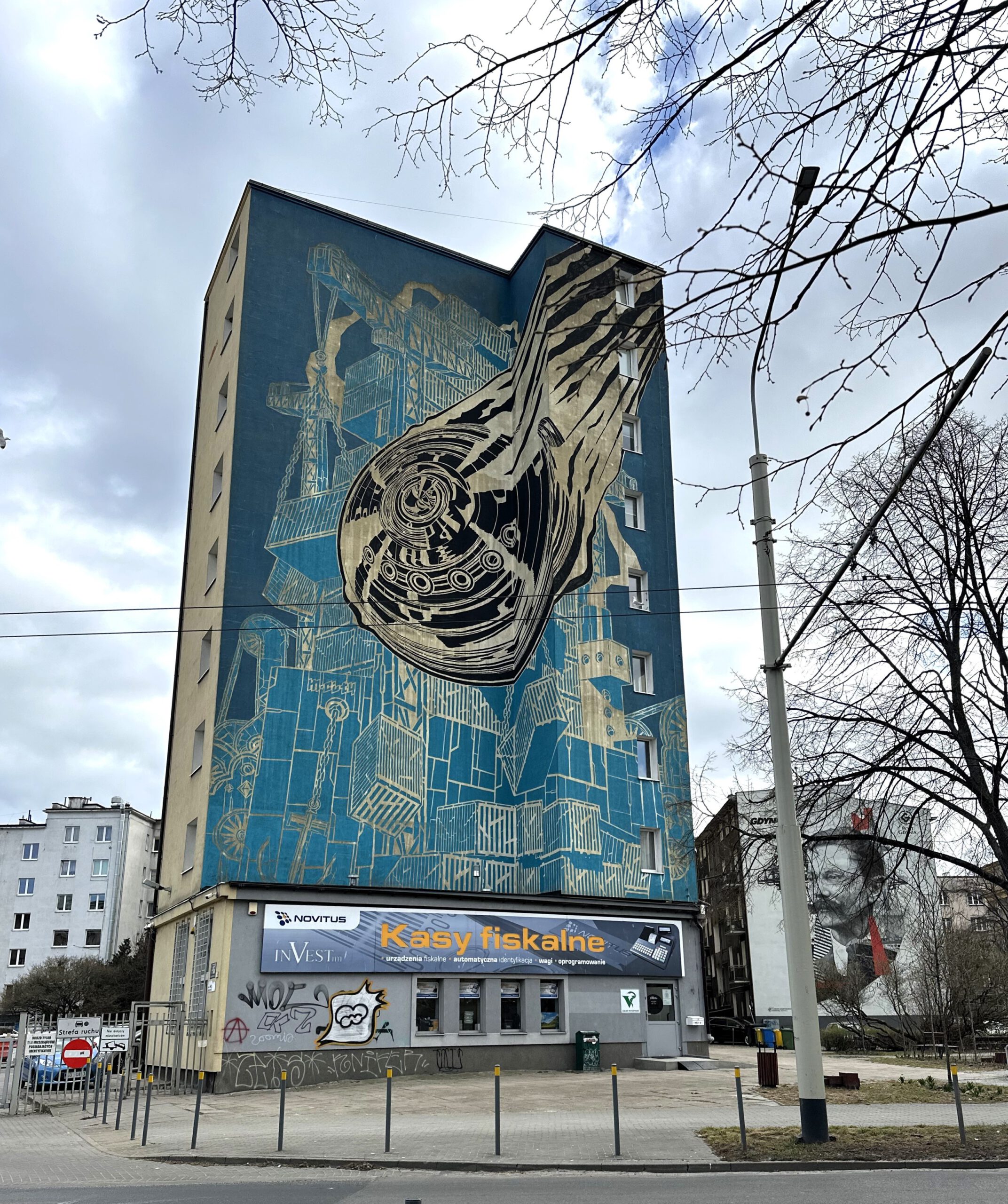
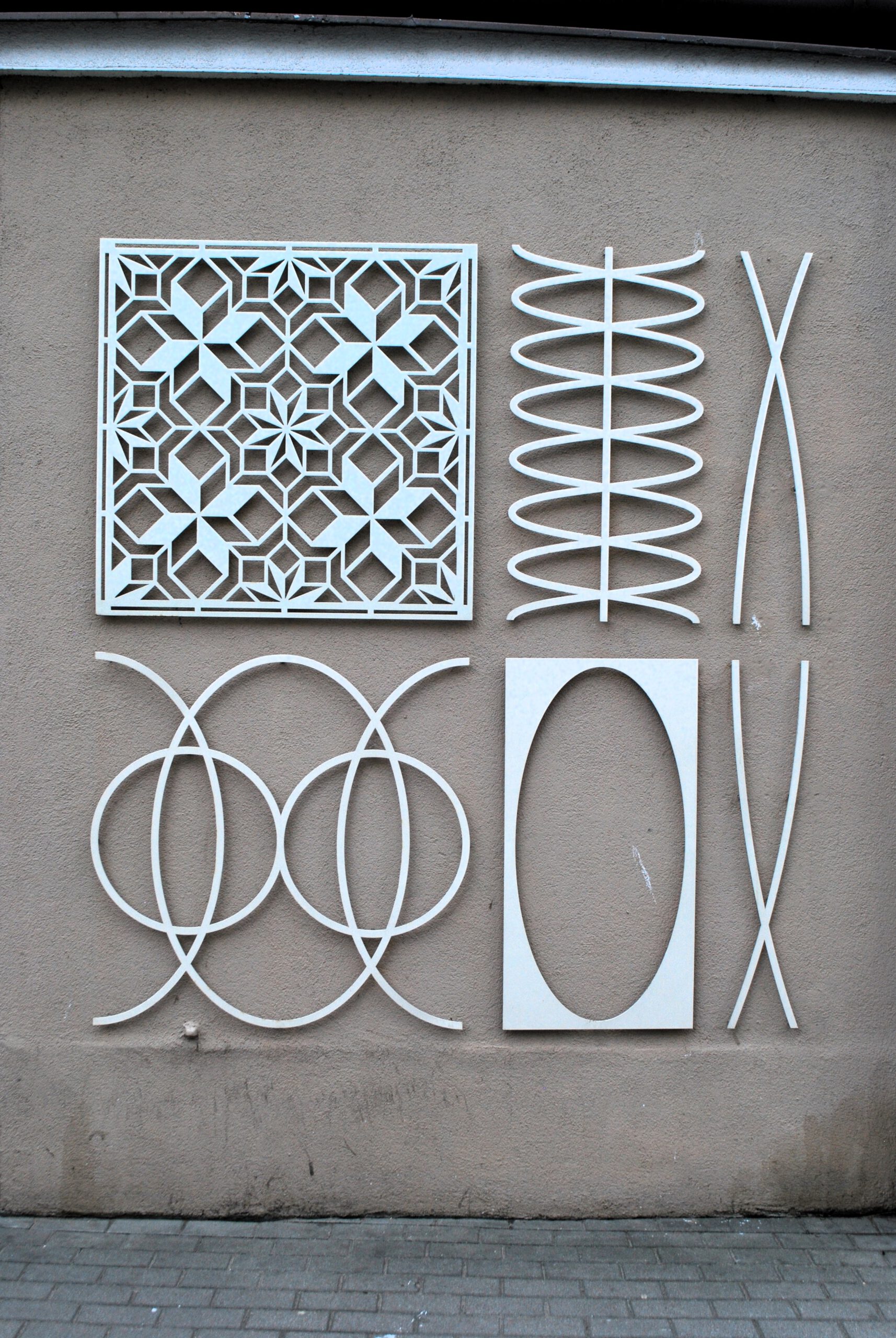
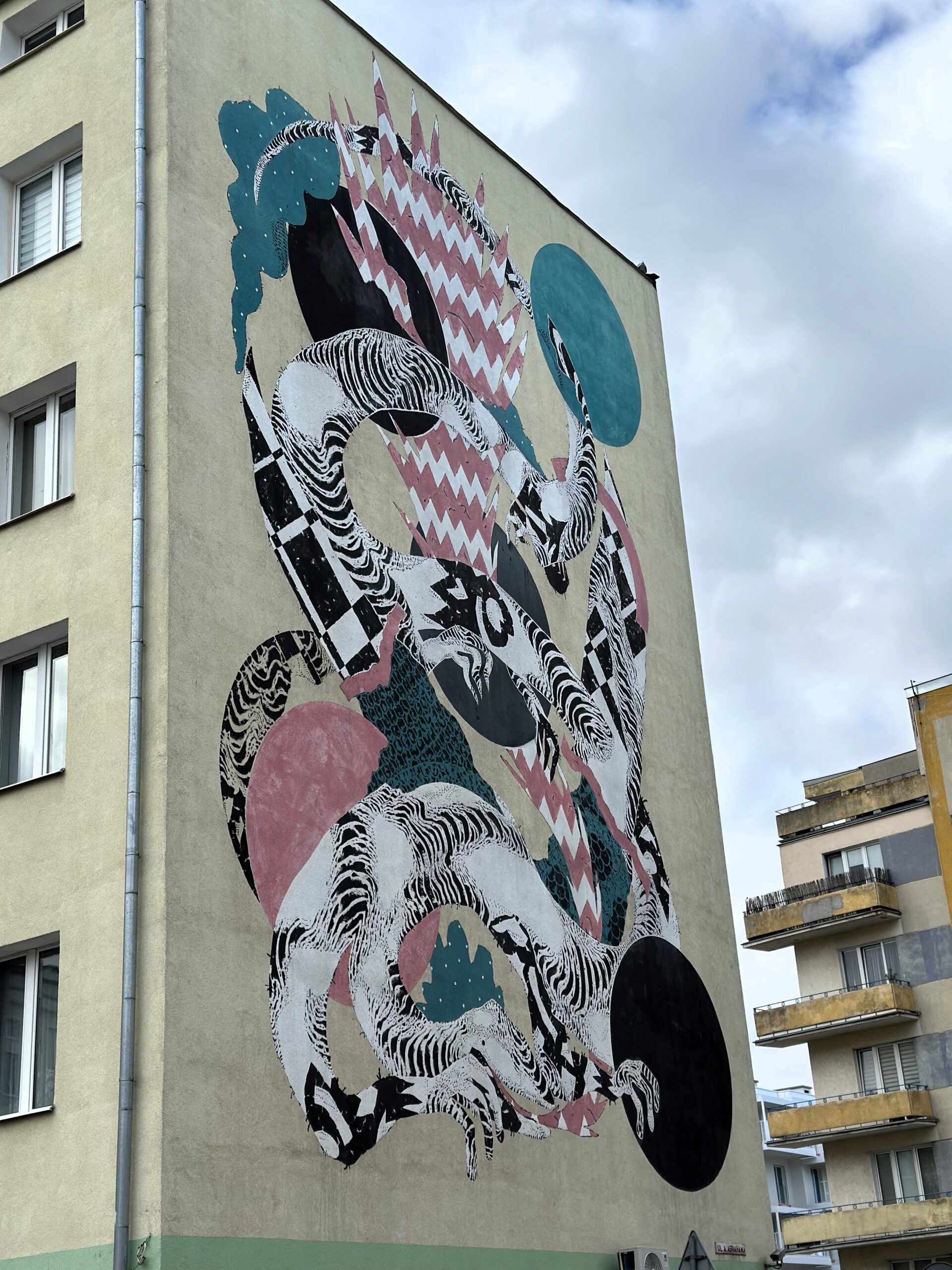
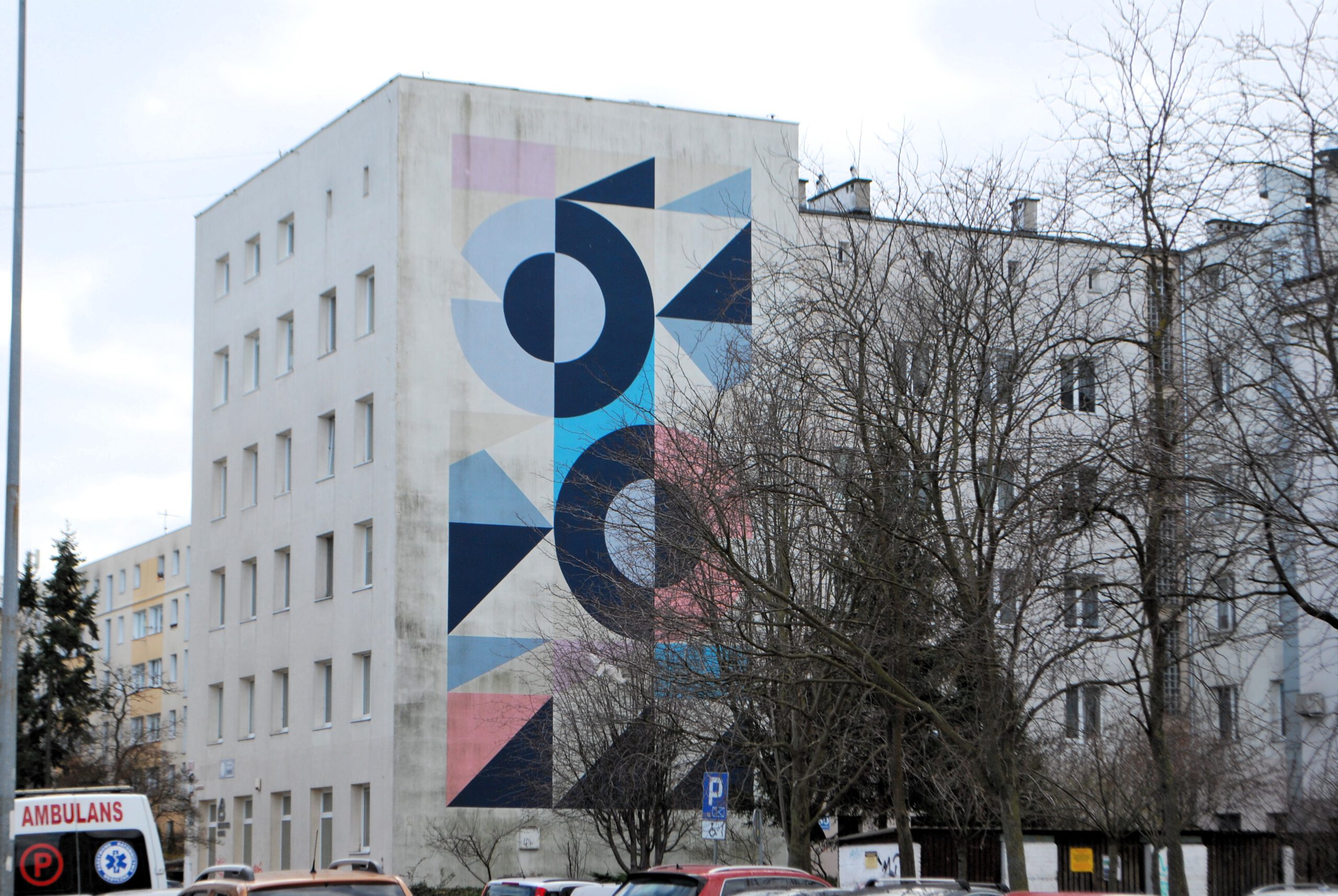
The day concluded with a field visit hosted by Traffic Design, a Polish non-governmental organisation working with art, design, and urban public spaces. Participants explored a series of murals and design interventions that connect Gdynia’s history and identity with everyday urban life, demonstrating how creative work can make art more accessible, strengthen community engagement and create a sense of place and shared identity.
On the final day of the workshop, partners looked ahead to the project’s closing phase, shaping the programme and key messages for the final conference, which will take place in Kiel this September. The final Transition Lab in Gdynia marked an important step in consolidating project results and ensuring that its work will continue to have an impact beyond its official timeline.
The project “Creative Circular Cities” is co-funded by the EU’s Interreg Baltic Sea Region programme.

Additional links
details
-
Homepage
-
Project typeCore Project
-
ImplementationNovember 2023 - October 2026
-
StatusOngoing
-
Contribution to EUSBSRPolicy Area Culture

-
Target groups
- Business support organisation
- Interest group
- Local public authority
- National public authority
- NGO
-
Social media
-
Additional links
-
Tags