




Common Ground: Mental Health Priorities across the Baltic Sea Region
13 May 2026
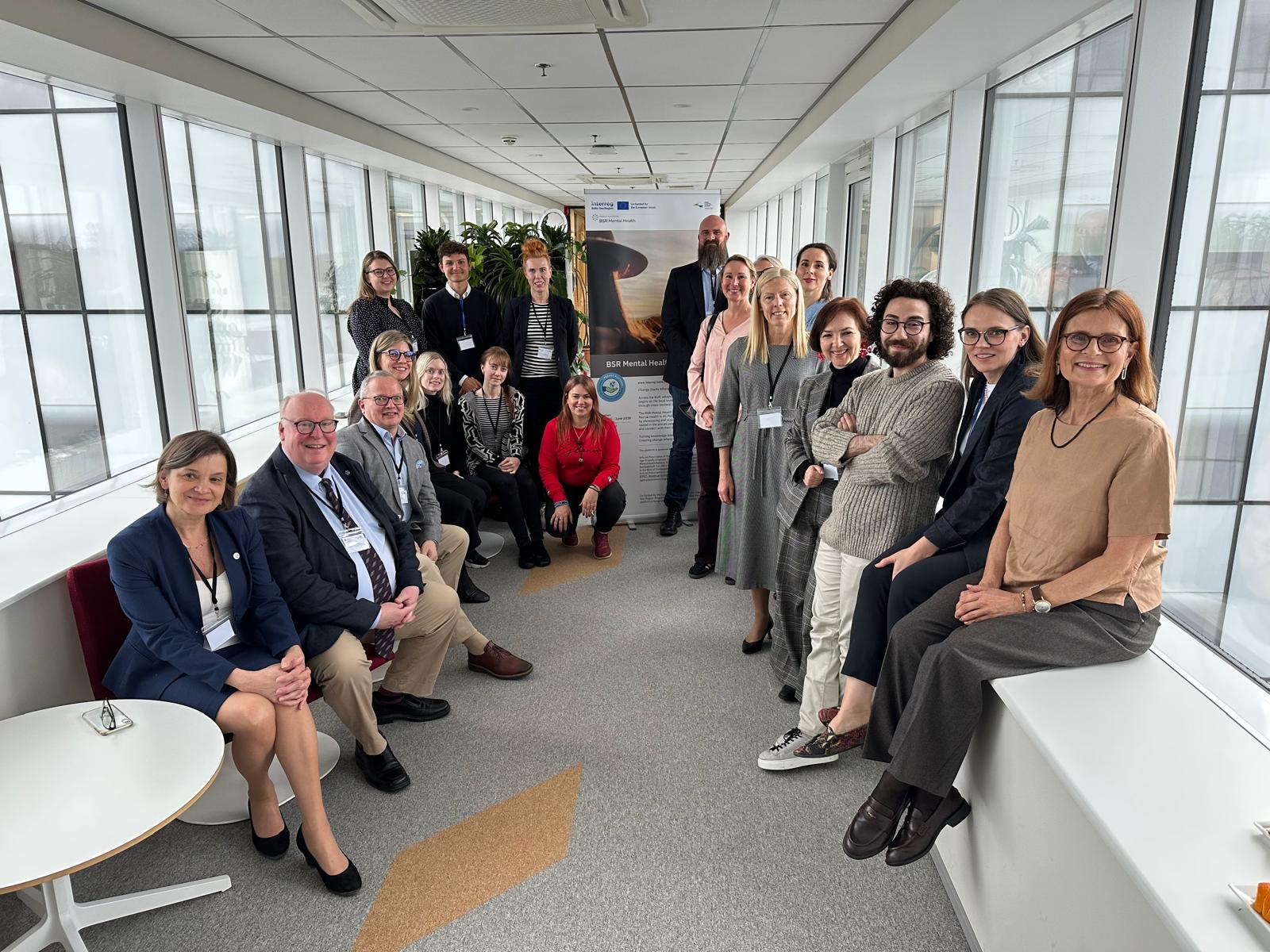
On 11 May 2026, the Policy Area Health Steering Group held its seventh meeting at the Ministry of Social Affairs in Tallinn, combined with a stakeholder consultation for the BSR Mental Health Platform. The meeting brought together ministry representatives from Estonia, Sweden, Finland, Lithuania and Germany, alongside DG REGIO, national institutes, civil society organisations, platform partners and the NDPHS Secretariat, on the day before the EUSBSR Annual Forum.
Initiatives featured in the platform
The morning covered the architecture of the platform and its policy outreach, followed by presentations from three of the initiatives it brings together. Anneli Vares presented the work of VATEK, Krista Mulenok the SAFE project on psychosocial risks at work, and Beata Fabisiak the work of Poznan University of Life Sciences on the role of design in mental health across the life course.
Mental health strategy in Estonia
The Head of Mental Health Policy at the Estonian Ministry of Social Affairs set out the national picture. Estonia is implementing its Mental Health Action Plan 2023 to 2026 against a backdrop of growing needs, particularly among young people, weak coordination across the health, social and education sectors, and shortages of psychiatrists, psychologists and mental health nurses. She used an image from the Estonian Human Development Report describing the country’s service pyramid as shaped like an hourglass, with people moving from self-help straight to specialist care without passing through community or primary level support. The main response is a stepped care model drawing on UK and Finnish experience, beginning with digital self-help tools and guided low intensity interventions.
A regional roundtable
Participants then shared national priorities and challenges, and the range of responses proved as informative as the common ground.
Sweden reported a ten year strategy on mental health and suicide prevention, with substantial funding directed at suicide prevention following an increase among young people. Stigma has fallen, but suicide and loneliness are now more prominent, along with screen use among children and adolescents and unequal access for people with disabilities.
Finland is implementing its National Mental Health Strategy and Suicide Prevention Programme 2020 to 2030, with a deliberate effort to embed mental health beyond the mental health sector. A practical toolkit developed under the Mental Health at Work Programme has been downloaded more than 130,000 times.
Lithuania is shifting towards community-based approaches and developing mental health literacy programmes, with stigma reduction a stated priority and growing attention to digital risks.
Latvia has run a number of promising pilots and prototypes, and reported that the open question is how to sustain them beyond project funding. Awareness is rising without a matching increase in specialists, and there are few NGOs and patient-led initiatives in the field.
Several threads ran across the accounts shared: stigma, workforce capacity, fragmentation across sectors, and the difficulty of building support at community level before people reach specialist care. These are precisely the questions the platform’s thematic work is intended to address, and the discussion gave the partnership a clearer view of where its outputs can be useful nationally.
What stakeholders asked of the platform
Participants then worked in groups on how to ensure the platform has policy impact at national level. The message was consistent: what policymakers need is not more concepts but material they can use directly, in the form of a catalogue of tools, collaborations and tested examples drawn from municipalities and regions that have already put something into practice. Several participants offered to act as connectors, carrying information into their own networks and helping the platform reach the people who influence implementation.
Two themes came through strongly. The first was continuity, and the concern that good work ends when project funding does, leaving each new initiative to build its own version of the same thing. The second was information flow between the European, national and regional levels, which participants described as running too much through formal structures and too little through partnerships and networks. Municipalities with relevant experience, communication actors, and people with lived experience of mental health problems were all named as groups the platform should bring in.
The groups were also asked what is missing from the platform. The answers pointed to consolidation of what already exists, a broader contact base, and clearer, more accessible project pages with concrete tools and resources. The partnership is taking this input into the design of the thematic reports and accompanying materials.
Steering the platform
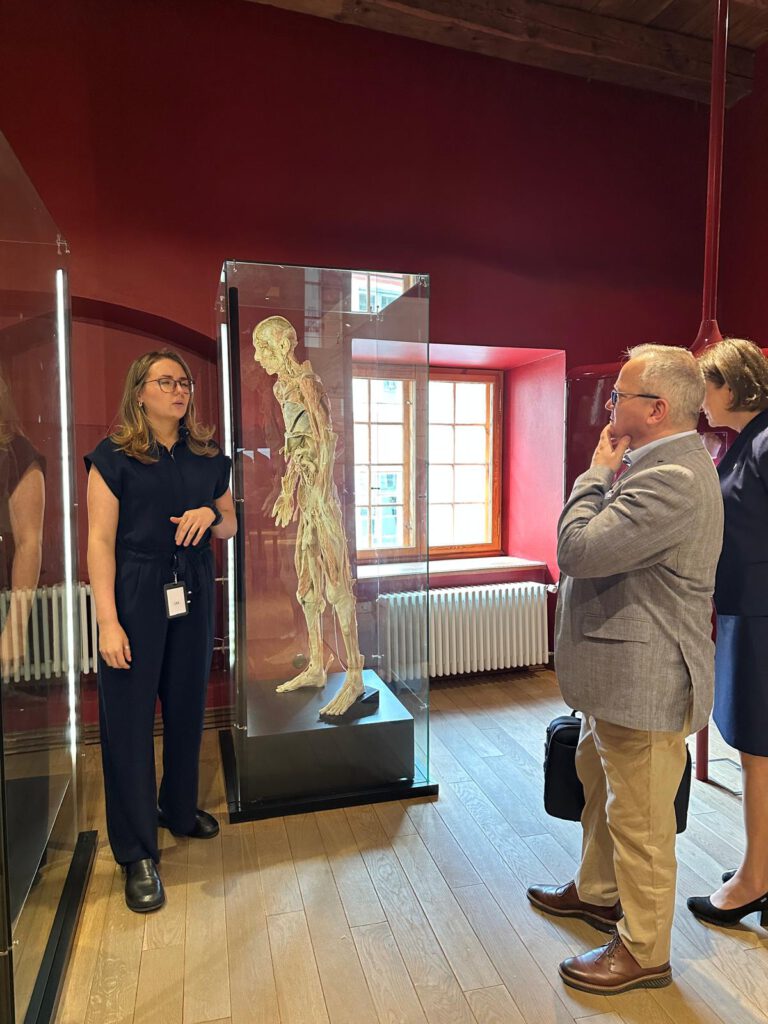
The meeting also reviewed the Terms of Reference for the platform’s Project Steering Group. Alongside the project partners, who carry responsibility for governance, the group includes advisory members drawn from experts and key stakeholders working on mental health in the Baltic Sea Region, who are asked to guide the platform’s strategic direction and support the translation of its findings into policy and practice. The country representatives taking part in Tallinn form this advisory membership, giving the platform a standing channel to national policy work. A closing discussion looked at how to ensure the platform’s work has policy impact at national level. The day ended with a study visit to the Estonian Health Museum.

Additional links
details
-
Homepage
-
Project typeProject Platform
-
ImplementationJuly 2025 - June 2028
-
StatusOngoing
-
Contribution to EUSBSRPolicy Area Health

-
Target groups
- International governmental organisation
- National public authority
- NGO
- Regional public authority
-
Social media
-
Additional links
-
Tags