




BSR Cultural Pearls at the EUSBSR Annual Forum 2024: Building Resilient Communities Through Culture
31 October 2024
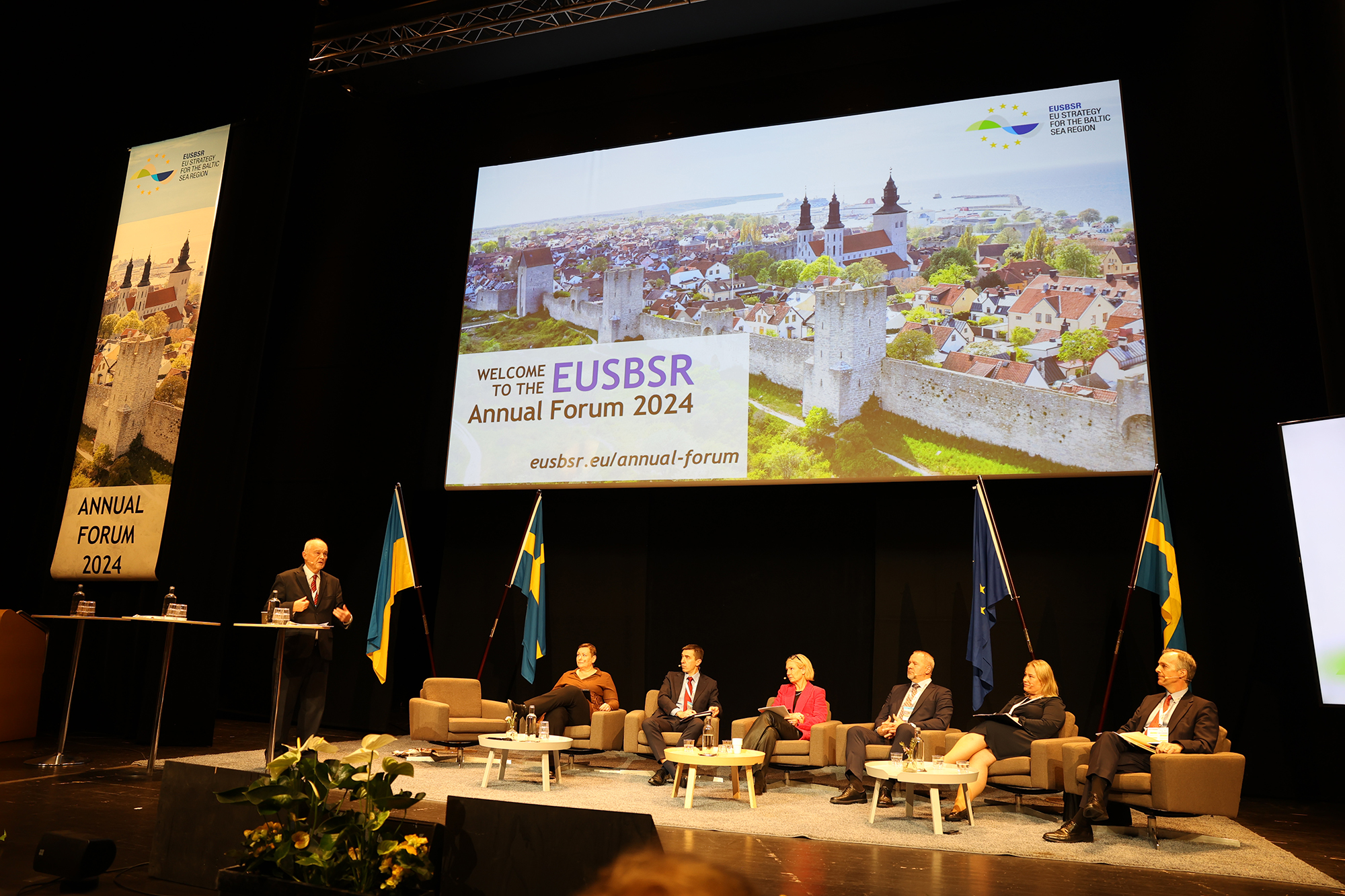
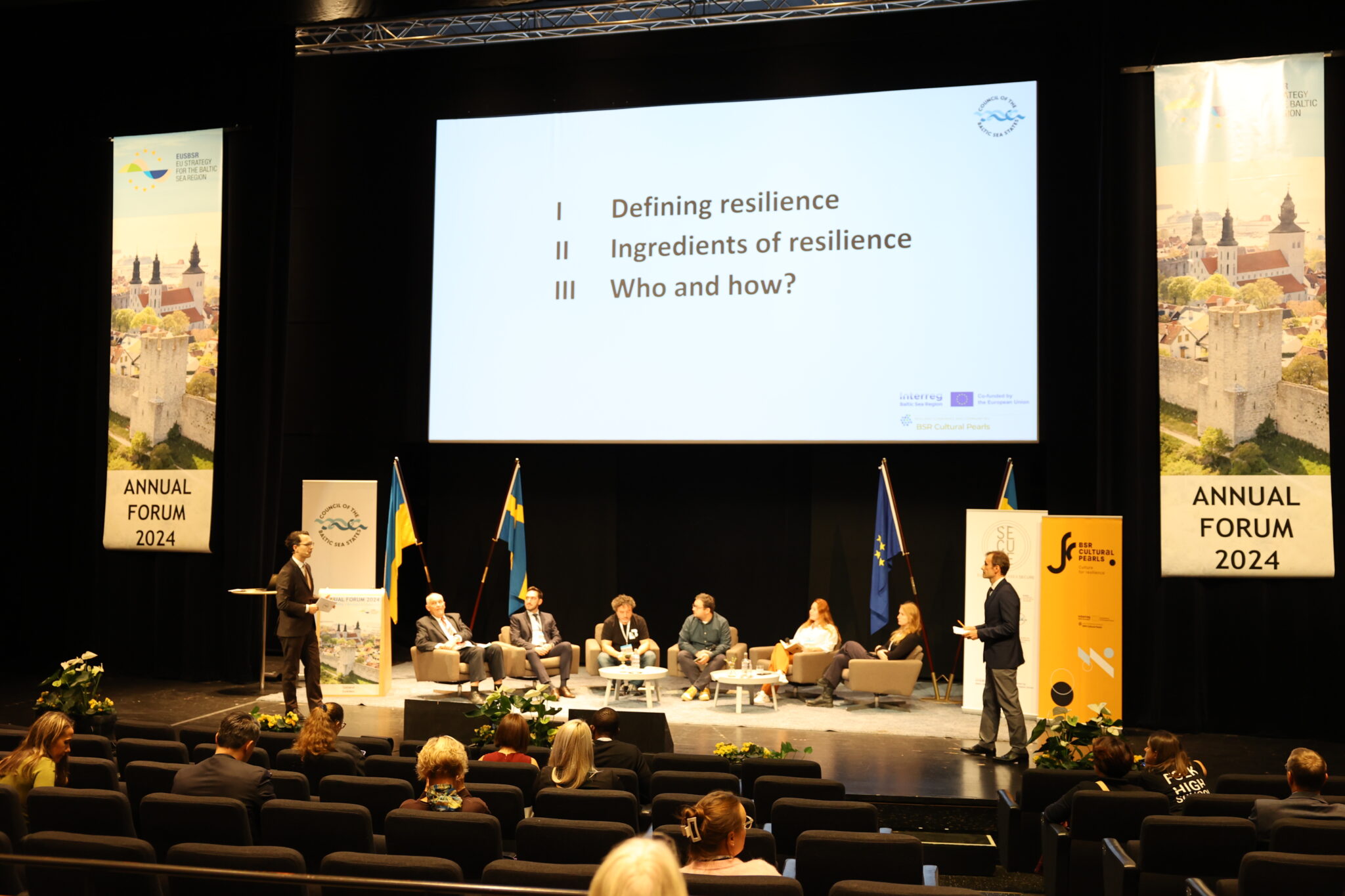
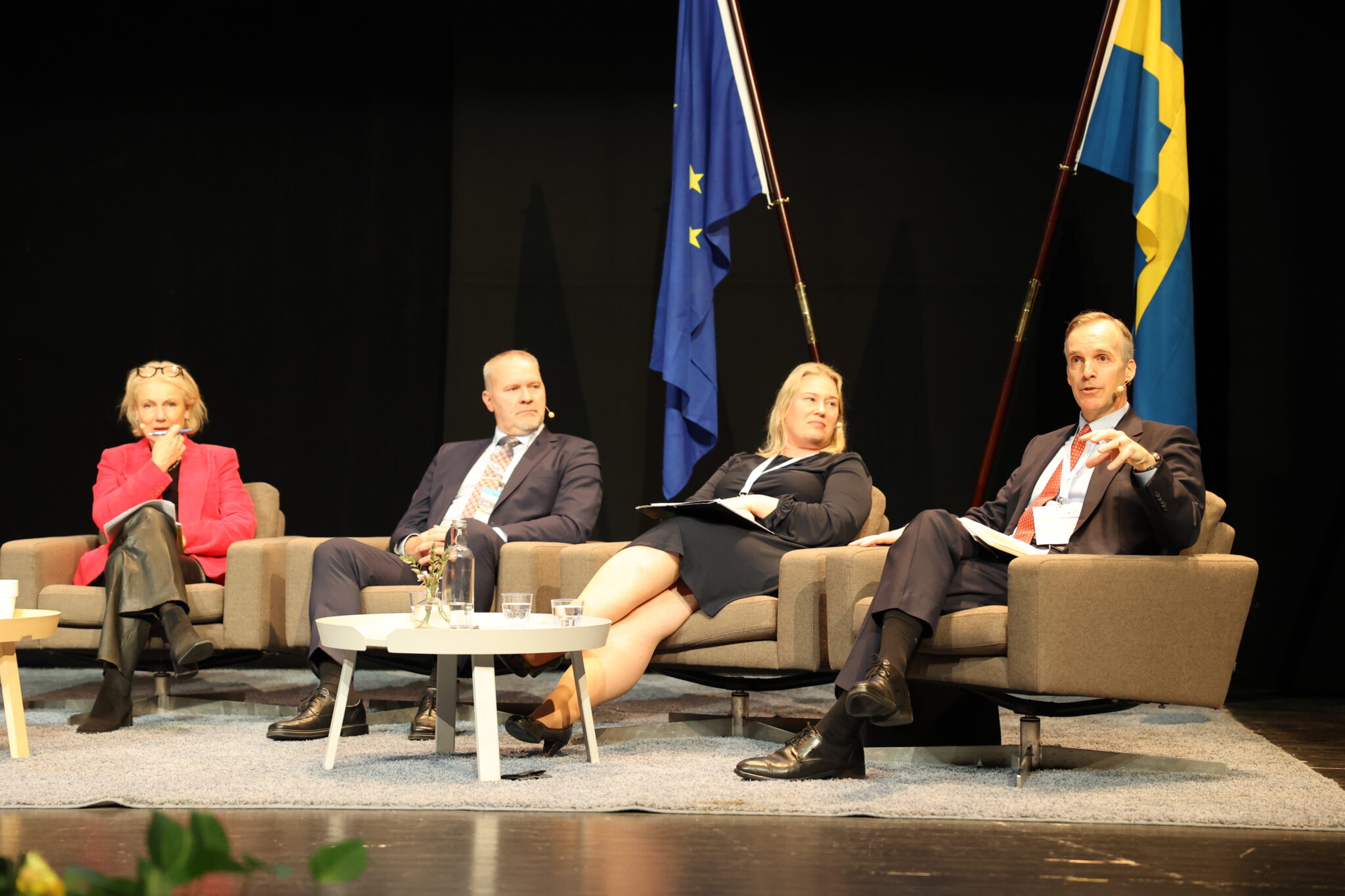
As part of the programme, BSR Cultural Pearls contributed to the session “Recipes for Resilience – Communities, Culture, and Comprehensive Security”, highlighting the critical role of culture, community engagement, and local governance in strengthening societal resilience. The session was moderated by Felix Schartner Giertta and Andriy Martynenko from CBSS and gathered researchers, civil protection authorities, local governments, and Ukrainian stakeholders.
Key Insights and Speakers
The session examined how trust, a sense of belonging, and cultural identity strengthen communities in times of crisis. Discussions highlighted the ways local actors can promote cooperation and preparedness amid geopolitical tensions, climate-related threats, and other challenges, while addressing three key questions: what resilience entails, which factors make societies resilient, and how public authorities can create conditions that support resilient communities.
Professor Bengt Sundelius (Strategic Advisor, Swedish Civil Contingencies Agency, MSB) provided an academic perspective, defining resilience as a dynamic, adaptive capacity that enables societies not only to survive crises but also to transform and adapt while maintaining integrity and identity. He emphasised that resilience is embedded in networks across sectors, governance levels, and communities—a true “whole-of-society” approach.
Speakers highlighted practical examples from Ukraine and the Baltic Sea Region:
- Tetyana Simchuk (Rivne Regional State Administration, UA) shared how local governance in Ukraine fosters participatory solutions and transparency to strengthen community resilience.
- Liene Jakobsone (Valmiera City Council, LV) presented the role of art and culture through BSR Cultural Pearls projects in sustaining social cohesion and fostering belonging and trust.
- Matias Barberis (EFIS Centre, BE) discussed resilience from a disaster risk reduction perspective, emphasising research-driven, transformational strategies that engage all components of society, from education to healthcare and food supply systems.
- Serhii Chumachenko (Vovchok Folk High School, UA) illustrated how community-based education empowers citizens to actively contribute to societal resilience.
- Mykhailo Glubokyi (IZOLYATSIA Foundation, UA) highlighted cultural decentralisation and grassroots engagement, turning post-industrial spaces into hubs that strengthen local communities in conflict-affected regions.
The panellists identified core ingredients for resilient societies: community cohesion and trust, cultural identity and heritage, robust networks and public engagement, and economic flexibility and stability. The discussion underscored the importance of enabling local actors, while authorities play a supportive role in facilitating community-driven initiatives and cultural projects.
The session concluded with a focus on co-creation and bridging policy and practice. Participants and moderators agreed that resilience is a collective effort, rooted in culture, trust, and shared responsibility, and reinforced by lessons learned from Ukrainian experiences during ongoing conflict.
Through its active engagement, the BSR Cultural Pearls project demonstrated how culture can serve as both a unifying force and a practical tool for building stronger, more resilient communities across the Baltic Sea Region.
This event was co-funded by the Interreg Baltic Sea Region Programme.

Additional links
details
-
Homepage
-
Project typeCore Project

-
ImplementationJanuary 2023 - December 2025
-
StatusCompleted
-
Contribution to EUSBSRPolicy Area Culture, Policy Area Tourism, Policy Area Spatial Planning

-
Target groups
- Local public authority
- Regional public authority
-
Social media
-
Additional links
-
Tags