




APRIORA One Health summer school in Gdańsk
06 November 2026
GIS-Based Risk Mapping for Wastewater-Borne Micropollutants in Receiving Waters
From 21 to 24 July 2026, Gdańsk University of Technology hosted the APRIORA One Health Summer School. Under the theme “GIS-Based Risk Mapping for Wastewater-Borne Micropollutants in Receiving Waters”, participants from across Europe explored current challenges in water quality, antimicrobial resistance (AMR), wastewater-borne micropollutants and sustainable wastewater management.
The event was organised at a particularly important regulatory context for the water and wastewater sector. The recast Urban Wastewater Treatment Directive, Directive (EU) 2024/3019, has made the reduction of micropollutants from urban wastewater a concrete implementation challenge for Member States, environmental authorities and wastewater treatment plant operators. In this context, the Summer School directly responded to emerging capacity needs by strengthening practical skills in monitoring, GIS-based modelling, risk assessment and evidence-based prioritisation of mitigation measures to protect rivers, lakes, coastal waters and the Baltic Sea.
The programme was designed as a hybrid learning experience that combined theoretical preparation with hands-on application:
Online preparatory classes, 6–7 July:
Participants first met virtually via MS Teams for an introduction to the APRIORA project, the regulatory and methodological context, and the basics of QGIS-based spatial data analysis.
Four-day on-site intensive, 21–24 July:
The core part of the Summer School took place at Gdańsk University of Technology.
Bridging theory and practice
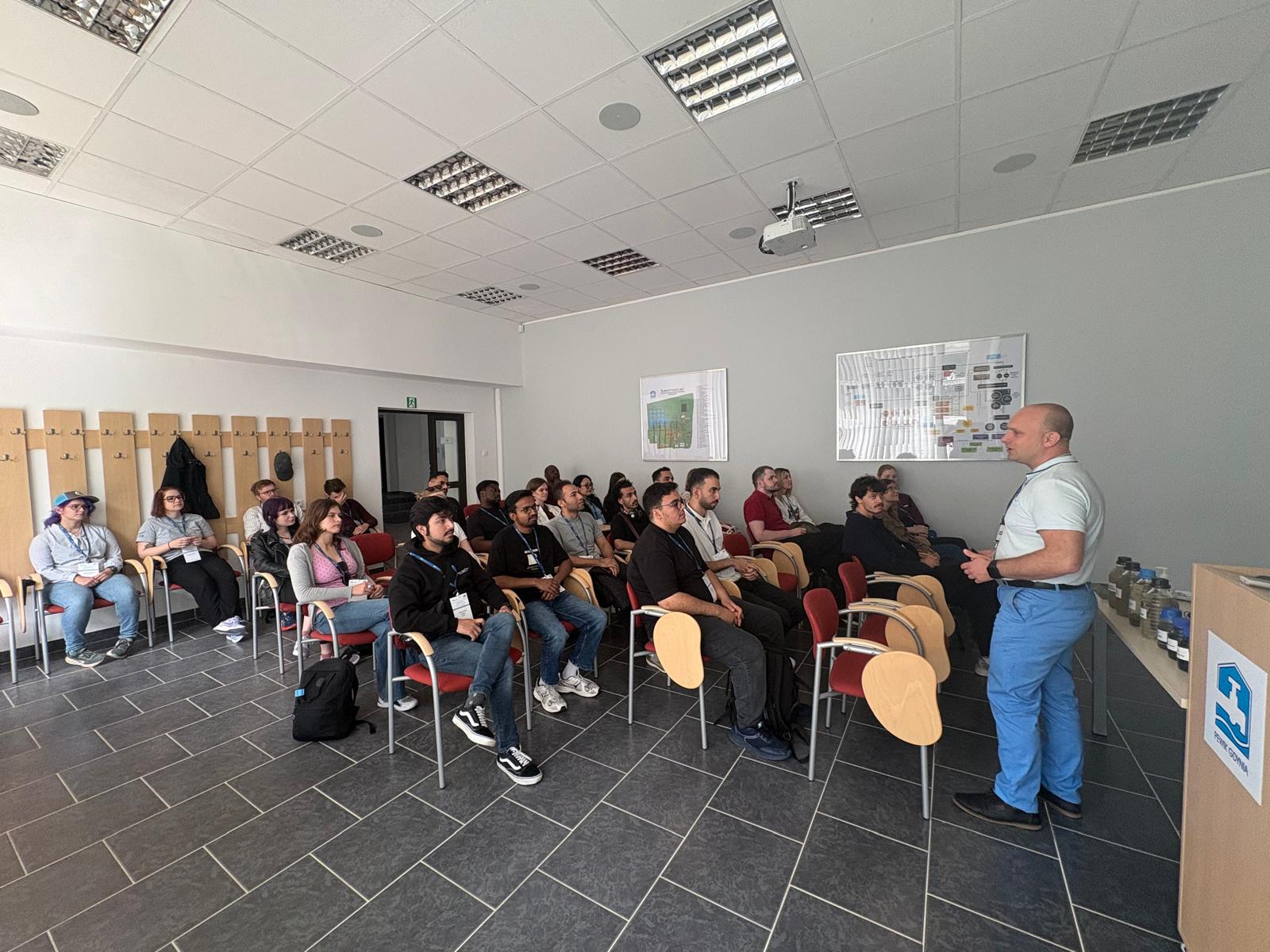
Over four days in Gdańsk, participants discussed pharmaceuticals and other micropollutants in aquatic environments, their sources, pathways, persistence and potential effects. The curriculum covered environmental, human health and antimicrobial resistance risk assessment, monitoring design, analytical determination of pharmaceuticals, data interpretation, flow estimation, pollutant load and concentration modelling, and GIS-based risk mapping using the APRIORA QGIS plugin developed within the project.
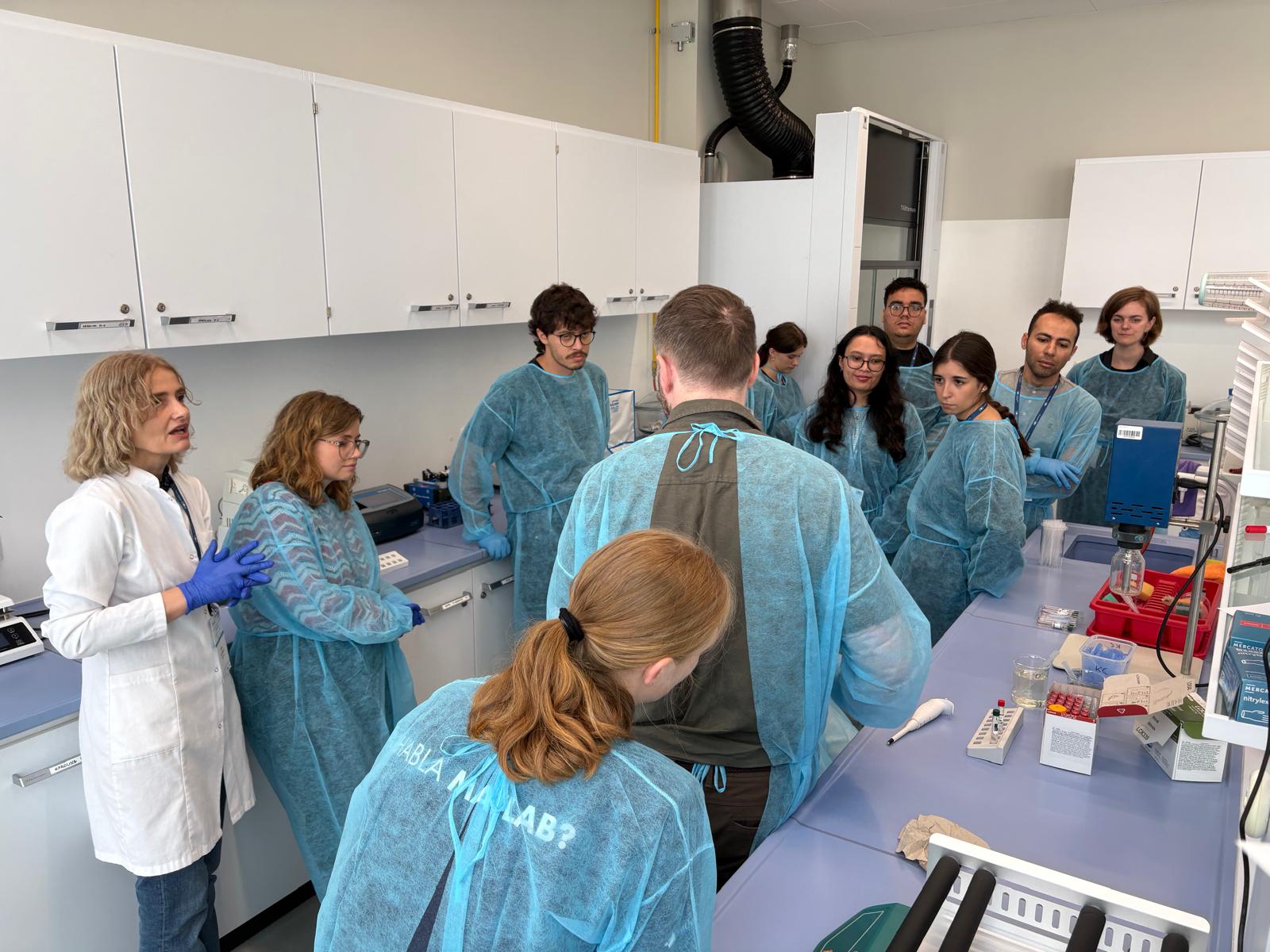
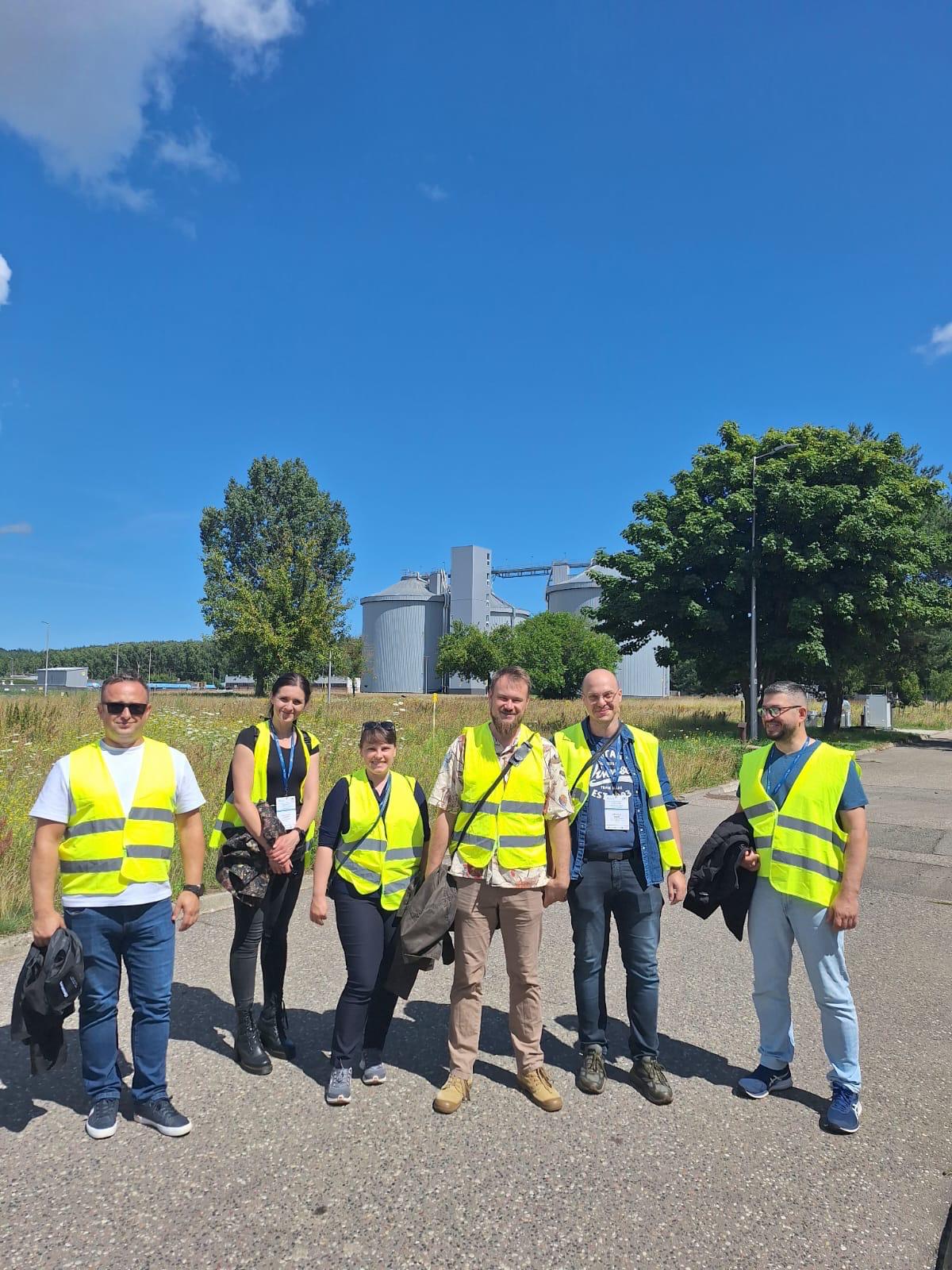
Participants also took part in rotating laboratory sessions covering physicochemical analysis of water and wastewater, micropollutants analysis and AMR assessment within the One Health framework. The Summer School concluded with a technical visit to a wastewater treatment plant, linking modelling and risk assessment exercises with real infrastructure and operational practice. The programme ended with a closing session and the awarding of ENHANCE certificates.
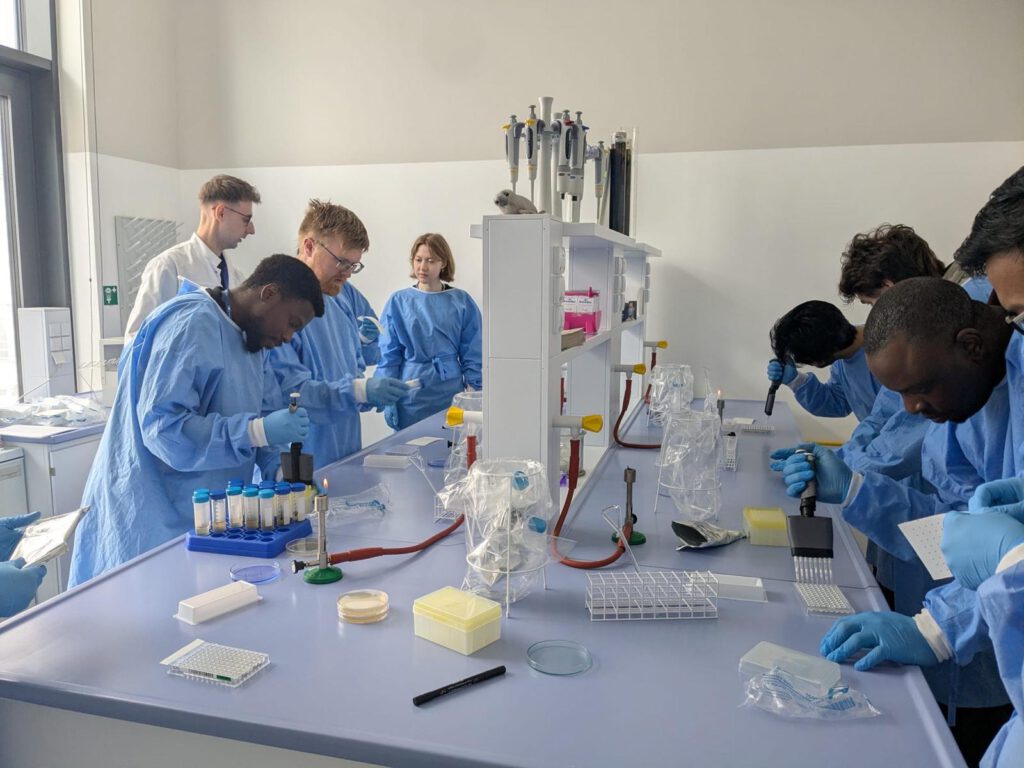
Participants during hands-on laboratory work. Photo: Aneta Łuczkiewicz
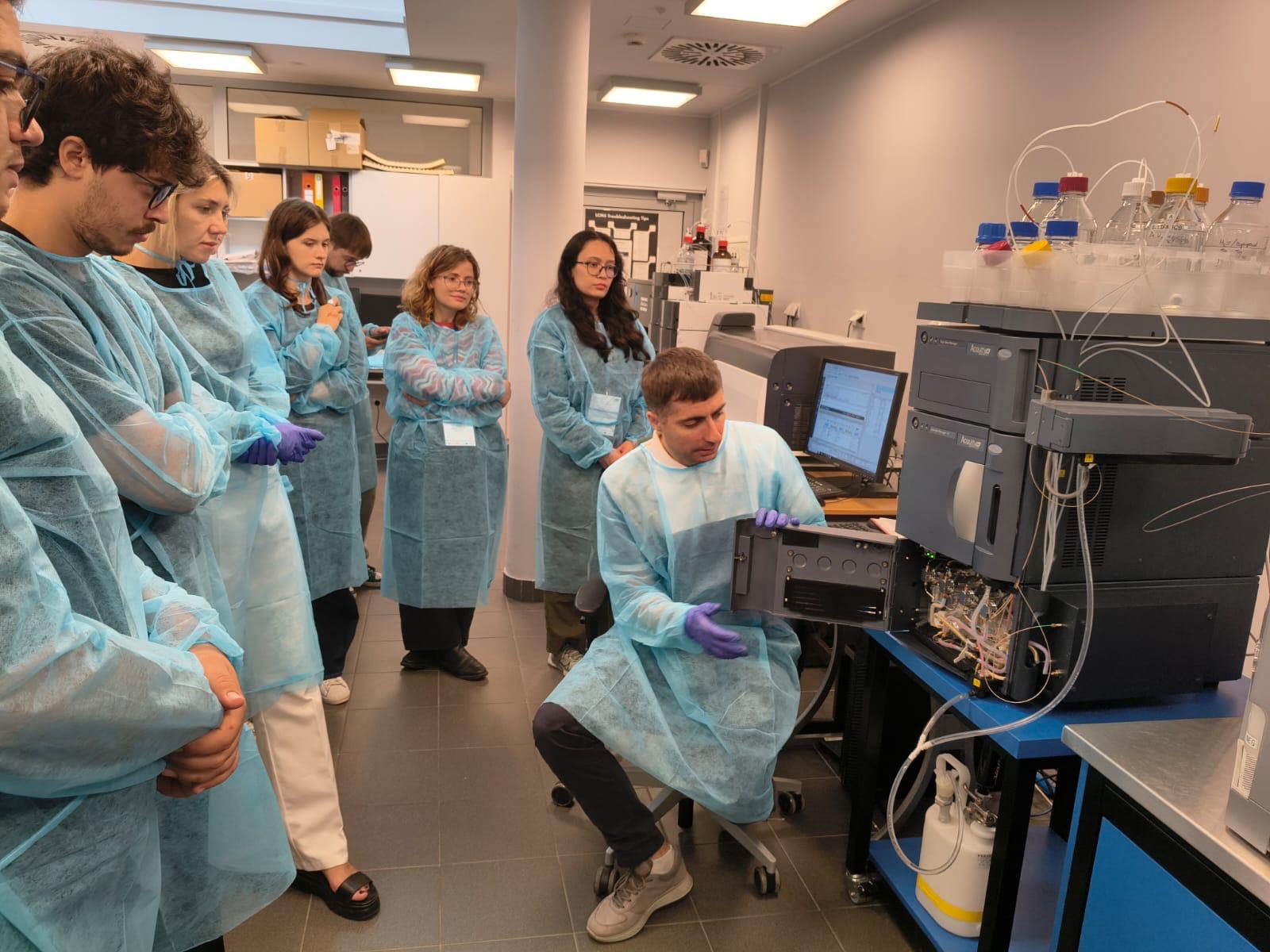
Participants during a laboratory session at the APRIORA summer school. Photo: Aneta Łuczkiewicz
A true student experience
Beyond the scientific programme, the organisers created a friendly and inspiring atmosphere that captured the spirit of student life. Every detail was carefully planned — from daily lunches and campus tours to evening sightseeing in Gdańsk — offering many opportunities to learn, connect and experience the city together.
A huge thank you to everyone who contributed to making the APRIORA One Health Summer School a success: our dedicated lecturers, university staff and all those working behind the scenes. Your commitment, professionalism and enthusiasm made this event a truly memorable experience.
This Summer School was co-financed within the framework of the “Strengthening the Potential of Gdańsk University of Technology in the ENHANCE Alliance” project, no. BPI/WUE/2024/1/00020, financed by the European Union under the “Support for European Universities Alliances” programme, call no. FERS.01.05-IP.08-0219/23 — 2024 intake.

Additional links
details
-
Homepage
-
Project typeCore Project

-
ImplementationNovember 2023 - October 2026
-
StatusCompleted
-
Contribution to EUSBSRPolicy Area Hazards

-
Target groups
- Infrastructure and public service provider
- Sectoral agency
-
Social media
-
Additional links
-
Tags