




APRIORA at regional level - Latvian Stakeholder Seminar
14 April 2026
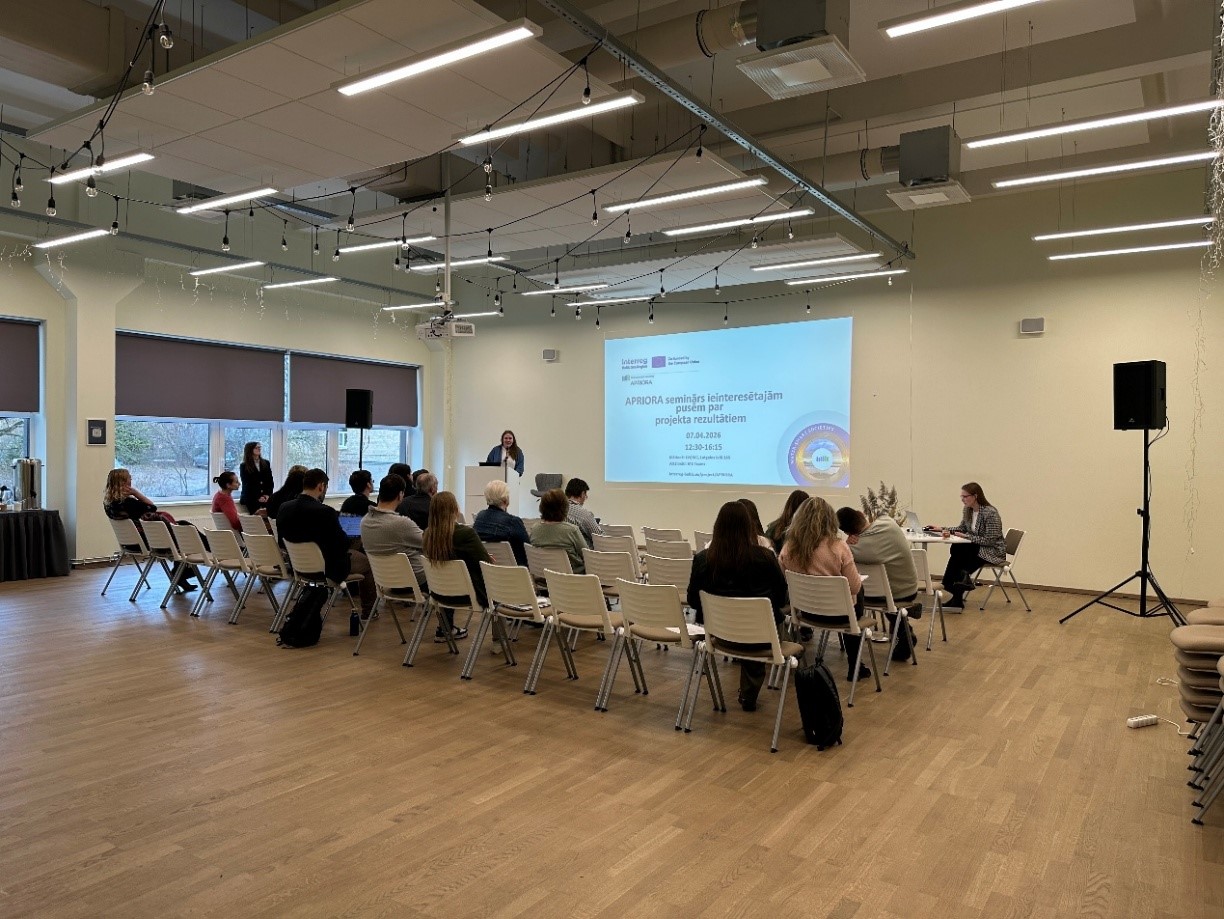
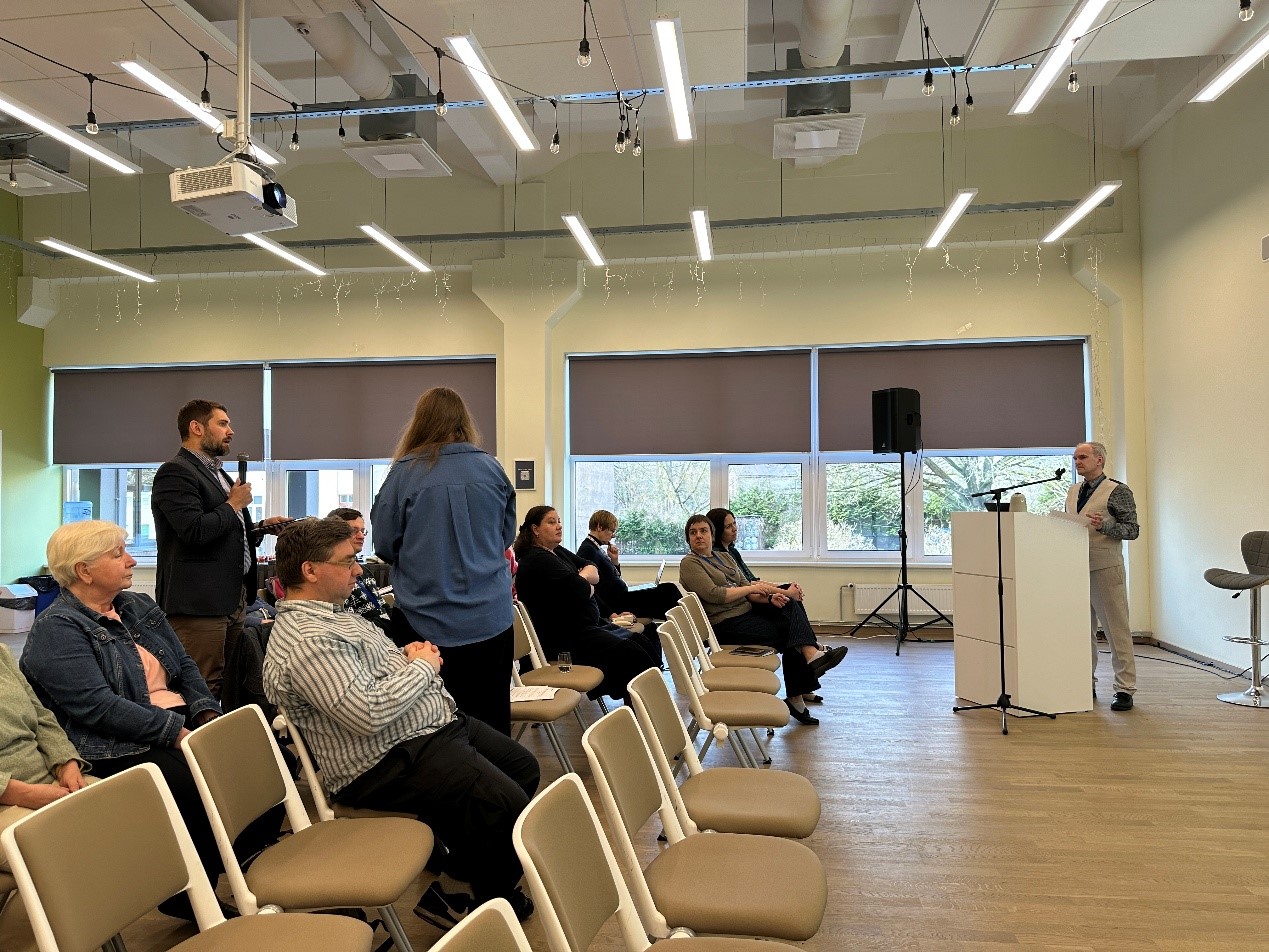
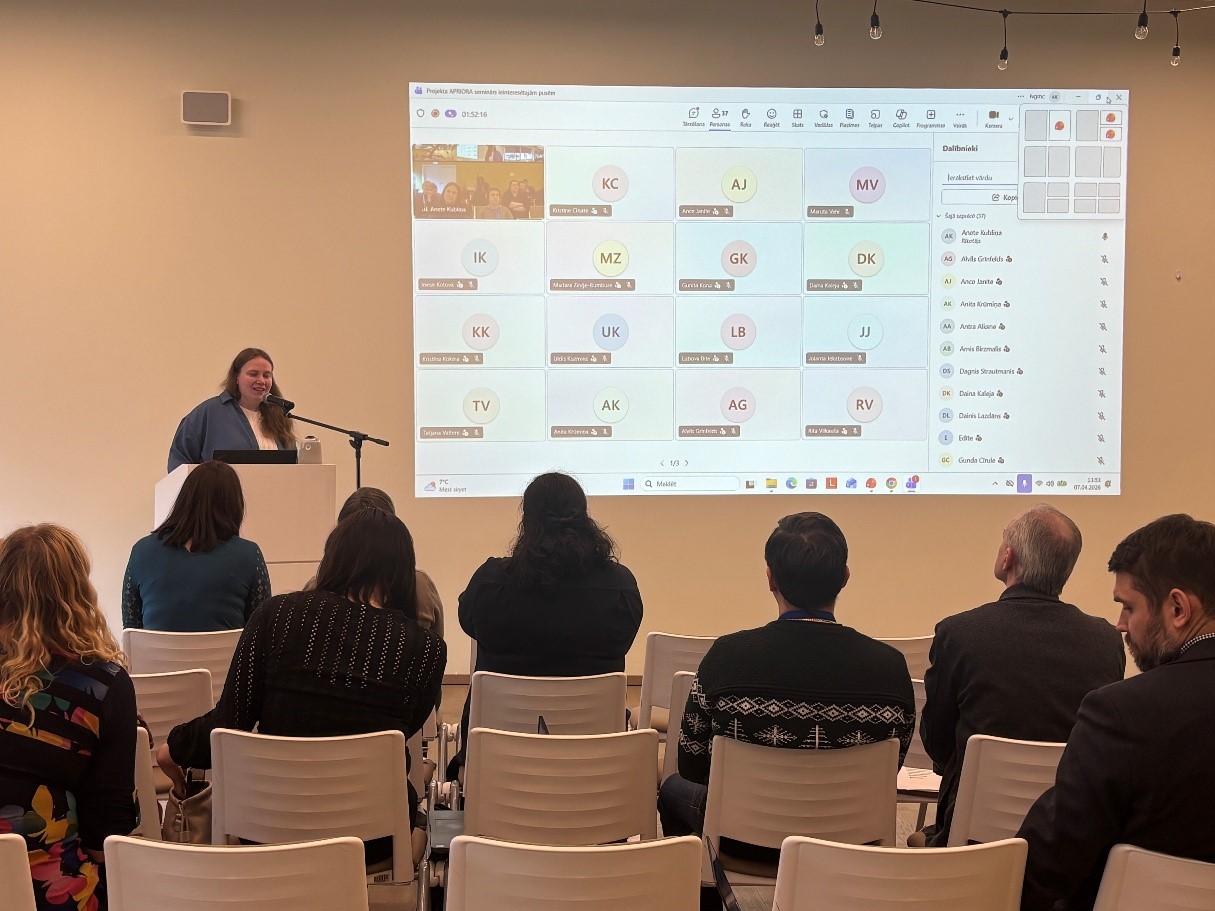
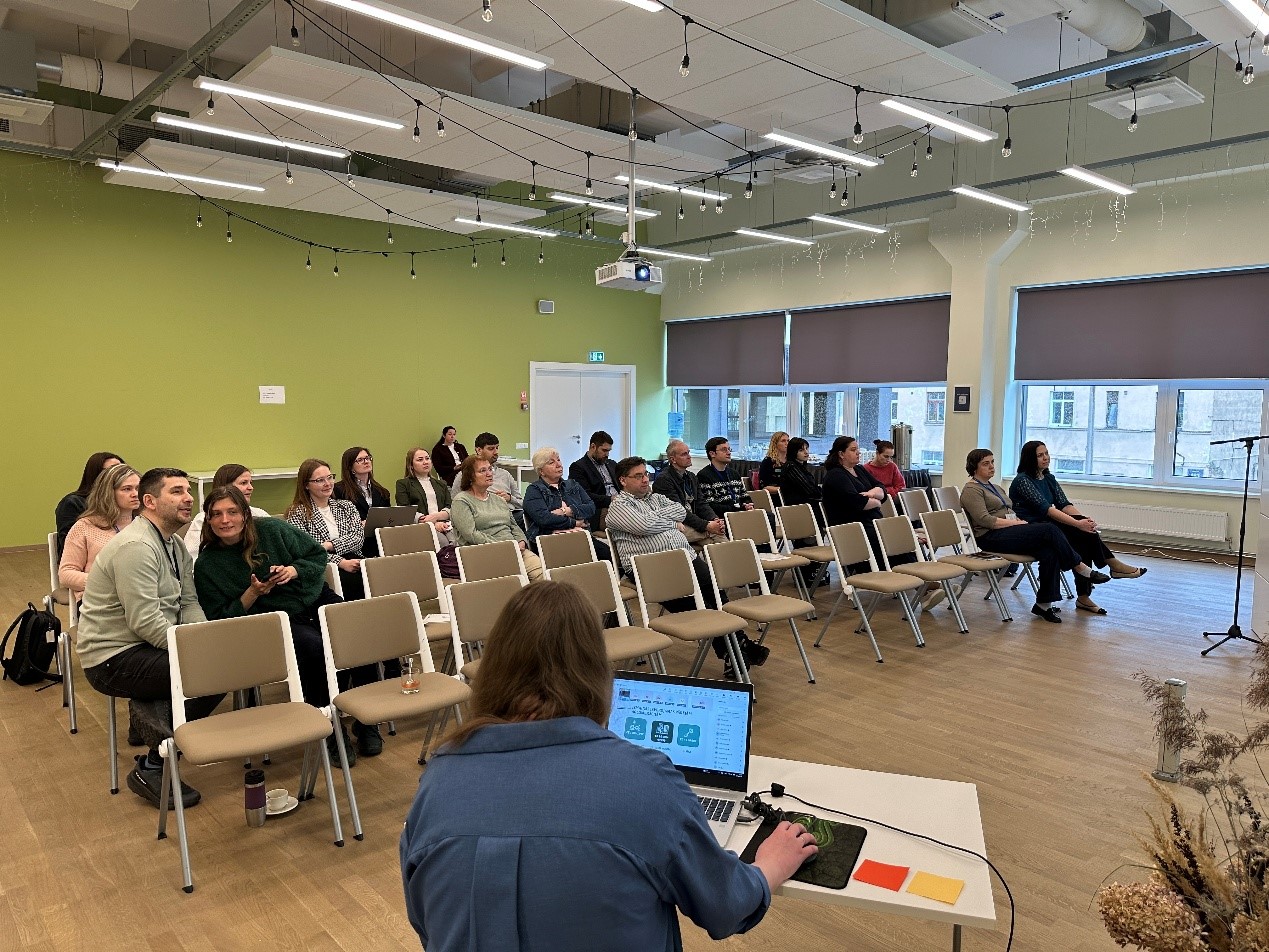
On 07.04.2026, we organised the Latvian stakeholder seminar on the results of the Interreg Baltic Sea Region Programme co-funded project APRIORA: “Improved risk assessment for strategic water management to reduce micropollutant emissions in the Baltic Sea Region”. This was a great chance to exchange with Latvian stakeholders and show the benefits and outputs of our transnational work.
1.New legal framework and directive requirements
Iveta Teibe, Director of the Sustainable Water Resources Department of the Ministry of Climate and Energy, introduced the new Urban Wastewater Treatment Directive (2024/3019), which imposes new obligations for micropollutant control. Larger cities (mandatory for Riga and those wastewater treatment plants with a population equivalent over 10,000 where pollution risk is identified) will have to gradually implement quaternary wastewater treatment (for micropollutant removal).
To attract funding, it is planned to introduce an extended producer responsibility system, which means that manufacturers in the pharmaceutical and cosmetics sectors will have to cover part of the treatment costs. Ambitious goals have been set to achieve energy neutrality by 2045.
2. Monitoring of pharmaceutical substances and the situation in Latvia
Within the framework of the APRIORA project, extensive monitoring was carried out, focusing on 10 priority substances, including diclofenac, antibiotics, and antidepressants. Diclofenac was identified as one of the most problematic substances because its concentration in rivers downstream of wastewater treatment plants often exceeds environmental quality standards.
Current biological treatment plants are not designed for the treatment of pharmaceutical substances; in some cases, the concentration even increases after treatment because the metabolic forms of the substances in the sludge are converted back into the original compound.
3. Risk assessment and modeling tools
A new Combined Cumulative Risk Index (CCRI) was proposed, which allows for the assessment of not each substance individually, but their combined “cocktail” impact on the environment and human health.
Industry challenges and the perspective of water utilities
Sandis Dejus (Executive Director of the Latvian water and wastewater works association) emphasized that the industry faces serious obstacles.
- Funding: Indicative estimates suggest that approximately 2 billion euros could be needed to fulfill all the new requirements in Latvia.
- Shortage of specialists: There is a critical shortage of wastewater treatment technologists in Latvia who are able to work with complex fourth-level technologies.
- Technical challenges: Fourth-level treatment (for example, ozonation or activated carbon filters) is an expensive and energy-intensive process.
Conclusions and further action
A survey of participants at the end of the seminar indicated that specialists see insufficient funding, lack of knowledge about technologies, and insufficient public understanding of the water cycle as the greatest challenges. The project team plans to continue work on improving the GIS tool and to organize practical training in its use.

Additional links
details
-
Homepage
-
Project typeCore Project
-
ImplementationNovember 2023 - October 2026
-
StatusOngoing
-
Contribution to EUSBSRPolicy Area Hazards

-
Target groups
- Infrastructure and public service provider
- Sectoral agency
-
Social media
-
Additional links
-
Tags