





The Agronomic Value of different Recycled Nutrient Fertilizers
12 February 2026
Agronomic value reflects the effectiveness of a fertilizer on plant growth and yield. A critique against RNFs is that they are less effective than mineral fertilizers, making the assessment of the agronomic value of different recycled nutrient fertilizers (RNFs) important to the CiNURGi cause.
To determine the agronomic value of any fertiliser, it is important to understand several factors, including nutrient uptake and nutrient recovery. Nutrient uptake means finding out the concentration of nutrients in the plant’s biomass, while nutrient recovery is the proportion of nutrients absorbed by the plants from the fertiliser applied to the soil. Measuring and calculating these factors shows whether plants can access the nutrients in the fertiliser and benefit from them. The CiNURGi tests evaluated how available nitrogen (N) and phosphorus (P) were to plants in RNFs, as well as the carbon emissions from the soil.
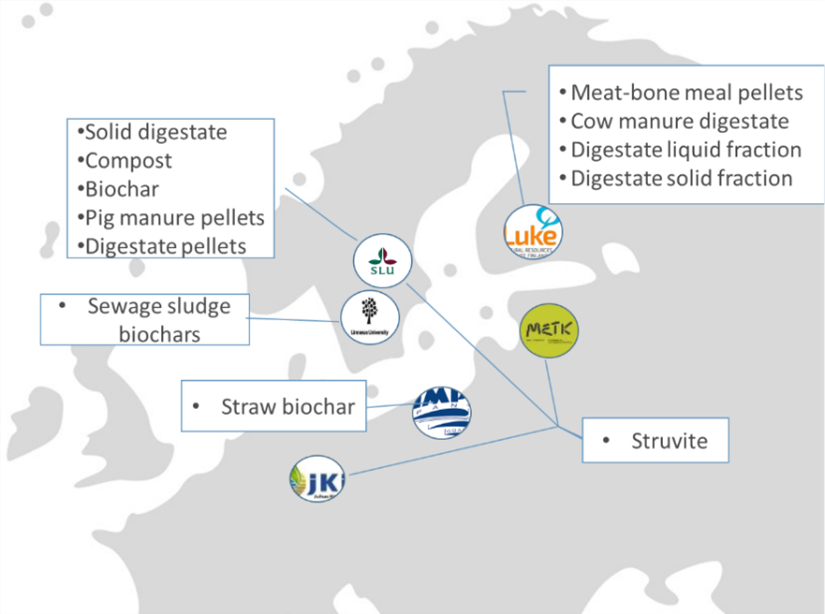
Six CiNURGi project partners, the Centre of Estonian Rural Research and Knowledge (METK), the Institute of Fluid-Flow Machinery (IMP-PAN), the Julius Kühn Institute (JKI), the Natural Resource Institute of Finland (Luke), Linnaeus University (LU) and the Swedish University of Agricultural Sciences (SLU), have conducted both soil incubation tests and greenhouse pot trials to assess the agronomic value of several RNFs. The incubation experiments generated insights into how RNFs release nutrients in soil and how stable their carbon remains. In contrast, the pot trials examined their influence on plant growth, yield, and nutrient uptake. Greenhouse experiments also served to validate and complete the incubation results when calculating the apparent phosphorus utilisation ratio of the RNFs. To standardise the tests and ensure comparable results, CiNURGi established common testing protocols. These experiments generated data suitable for a comprehensive evaluation of the potential of RNFs to replace mineral fertilisers and support sustainable crop production.
How do we assess RNFs?
The CiNURGi partners conducting the assessments each selected the focus of their study—such as nitrogen or phosphorus release from the fertilizers—based either on the availability of suitable soil for the required tests or on their research interests.
According to the approved research protocol, each partner used soil from their local area for the tests. Soil sampling and preparation began in the spring of 2024, with each partner carrying out their own sampling. Before the research started, the soil was analysed and, when necessary, stored frozen. The RNFs used in the studies were prepared in the same way and compared with the mineral fertiliser.
Characterising the RNFs is essential, as their physical and chemical properties strongly influence the outcomes of fertilisation trials. Even materials originating from the same feedstock and processed in similar ways can differ in composition, which in turn affects nutrient release and plant response. These compositional differences were addressed through thorough RNF characterisation and were carefully considered when interpreting the final results of the fertilisation trials.
In the incubation studies, nutrient release from the RNFs was monitored under controlled soil conditions without plants. These experiments tracked how key nutrients, such as nitrogen and phosphorus, became available over time by taking repeated measurements at several intervals throughout the incubation period. Indicators such as ammonium, nitrate, pH, and water extractable phosphorus were assessed to characterise nutrient dynamics. The timing of sampling varied depending on the type of analysis; for example, nitrogen and carbon dynamics were measured more frequently than phosphorus. Sampling frequency also differed according to the specific objectives of each study. To ensure reliability and reproducibility, each treatment was carried out in multiple replicates.
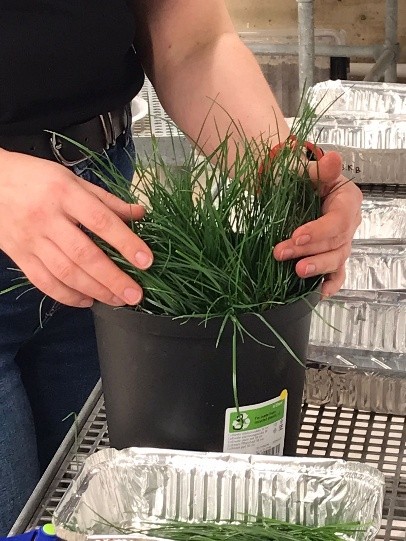
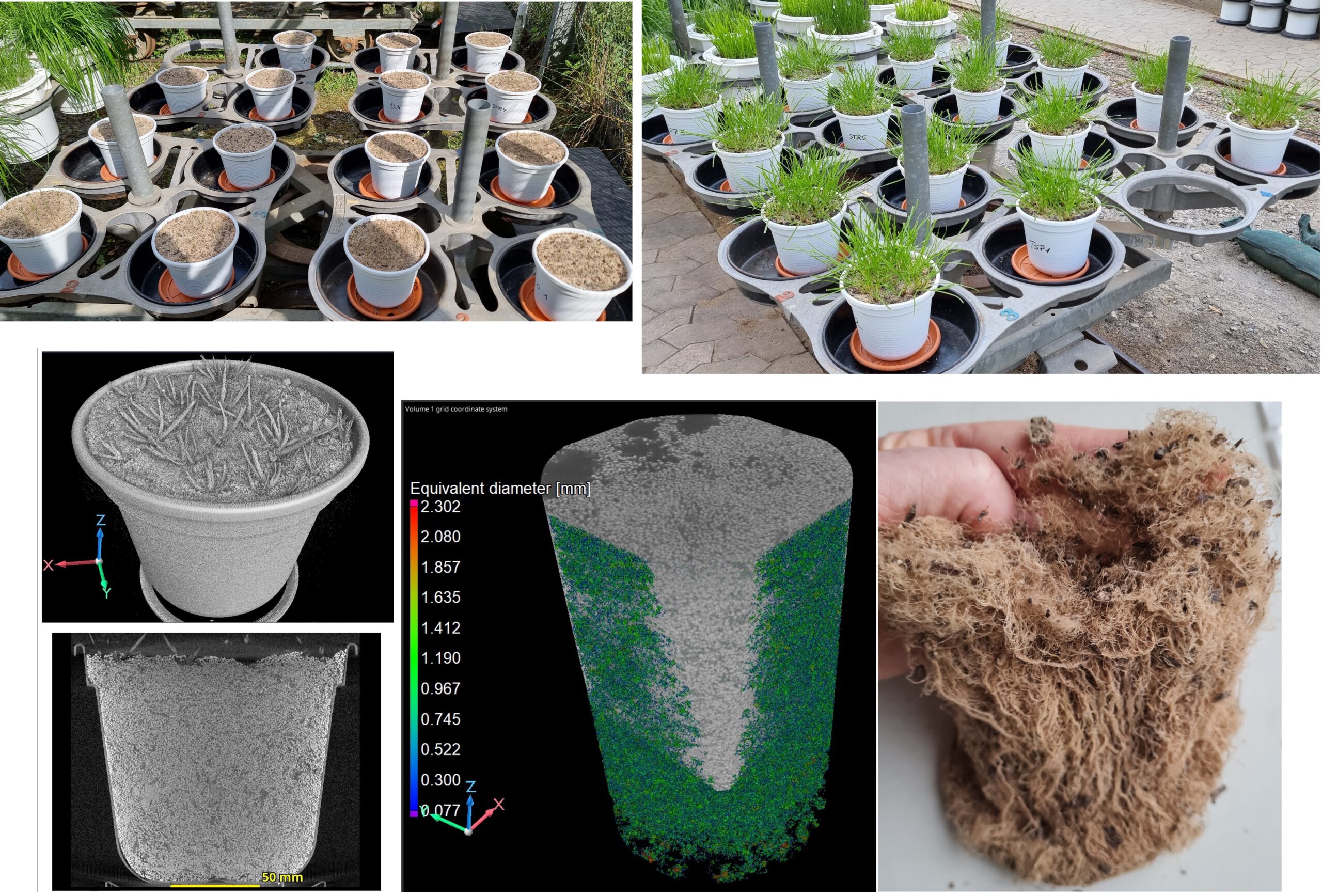
For the pot trials, partners grew either ryegrass or oilseed rape. The RNFs were compared with mineral fertilisers of the same type, depending on the research focus – nitrogen or phosphorus. Additional nutrients were applied and thoroughly mixed into the soil to avoid growth limitations in the pots. Each fertiliser treatment was replicated at least four times.
The pots were kept in the greenhouse under conditions that reflected the average temperature and light levels of the local growing season. The crop was harvested three times to assess nitrogen and phosphorus accumulation during growth. Plant material from each harvest was dried, milled, and analysed for total nitrogen using oxygen combustion. Total phosphorus and other elements were determined by ICP-OES after microwave digestion with nitric acid (HNO₃).
RNFs assessed
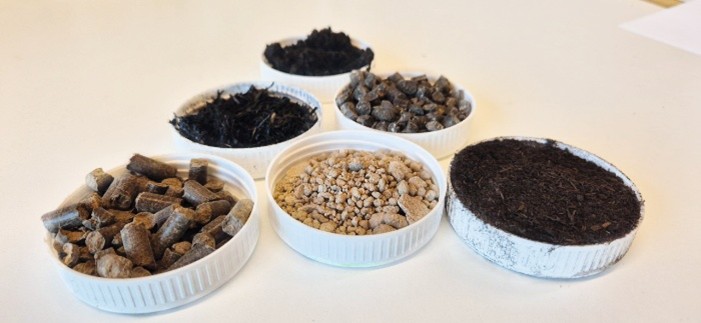
The RNFs used in the experiments are either established or emerging on the market. A total of 12 RNFs were tested. The project collaborated with start-ups and SME’s offering the results from the evaluation in exchange for their product. The names listed below are not the brand names of the RNFs but a description of their content or method of production.
- Solid digestate
- Digestate liquid fraction
- Digestate solid fraction
- Compost
- Meat-bone meal pellets
- Pig manure pellets
- Cow manure pellets
- Digestate pellets
- Biochar
- Sewage sludge biochar
- Straw biochar
- Struvite

Interactive map showing pilot locations. Use the arrow keys to move the map view and the zoom controls to zoom in or out. Press the Tab key to navigate between markers. Press Enter or click a marker to view pilot project details.
details
-
Homepage
-
Project typeCore Project

-
ImplementationNovember 2023 - October 2026
-
StatusOngoing
-
Contribution to EUSBSRPolicy Area Nutri

-
Target groups
- Interest group
- National public authority
- Small and medium enterprise
-
Social media
-
Additional links
-
Tags