




Field Experiments with Recycled Nutrient Fertilizers
12 February 2026
To test recycled nutrient fertilizers in real conditions is central to assessing their potential for replacing mineral fertilizers. Growing crops using recycled nutrient fertilizers (RNFs) and analysing the results will give CiNURGi valuable insight into the agronomic efficiency of RNFs, meaning the impact of these fertilizers on yield and nutrient uptake, plant growth and development. As part of CiNURGi project activities several field experiments have been carried out during the years 2024 and 2025.
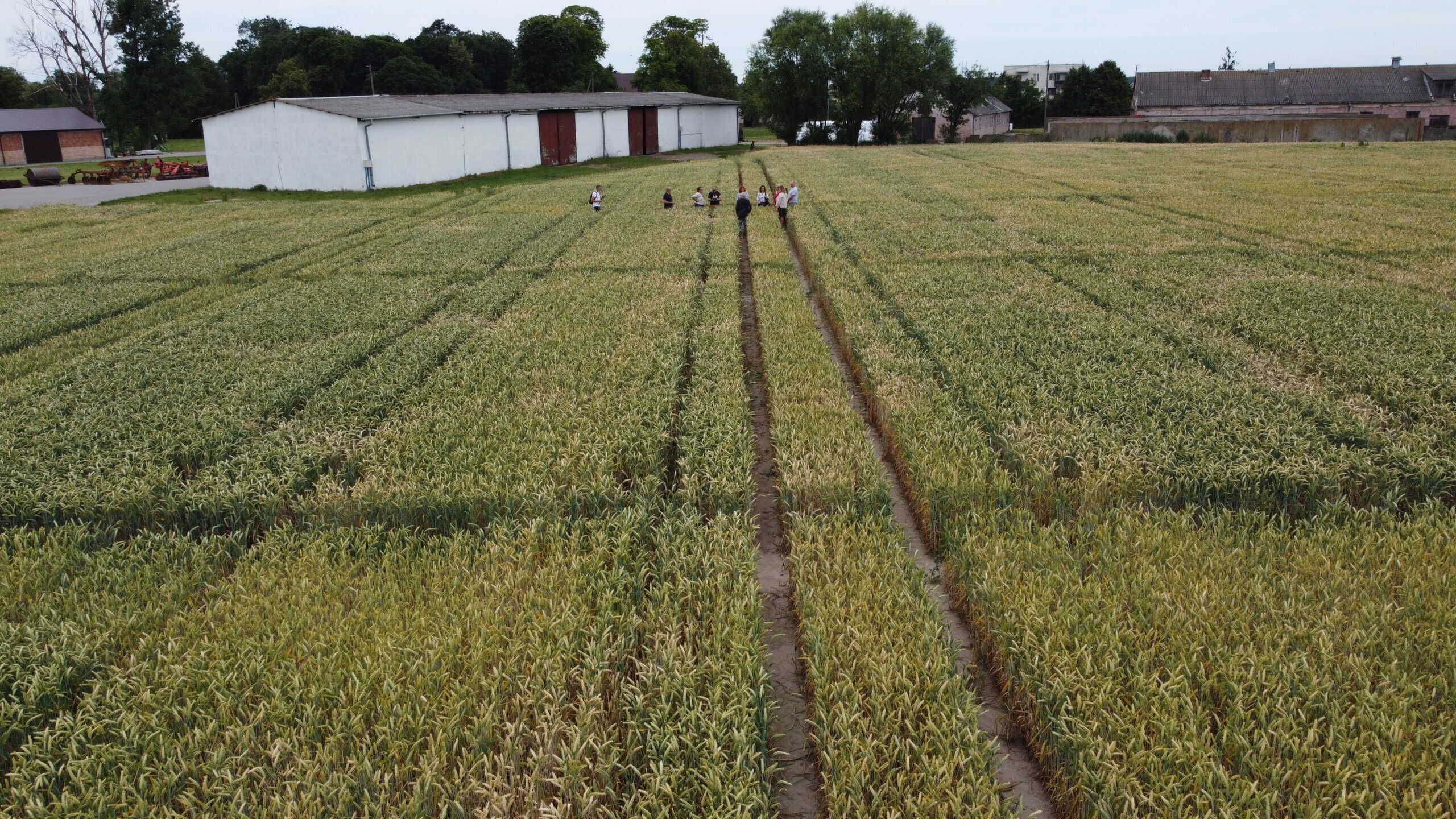
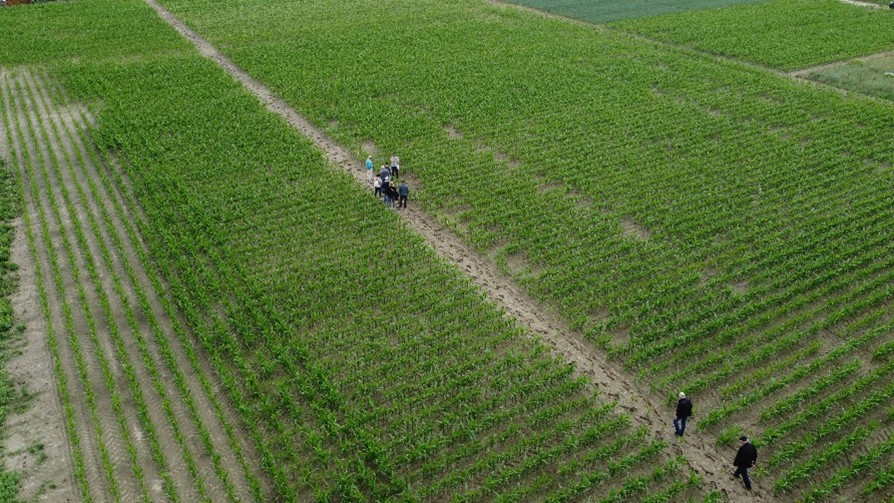
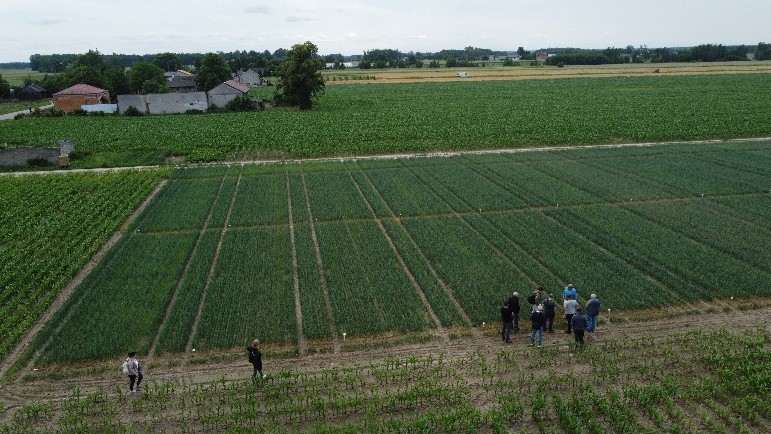
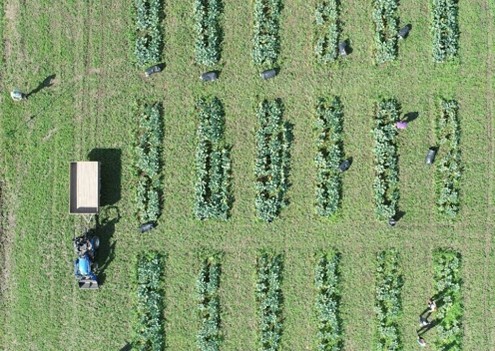
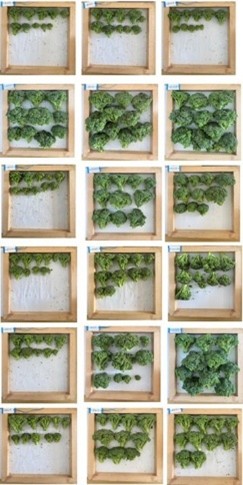
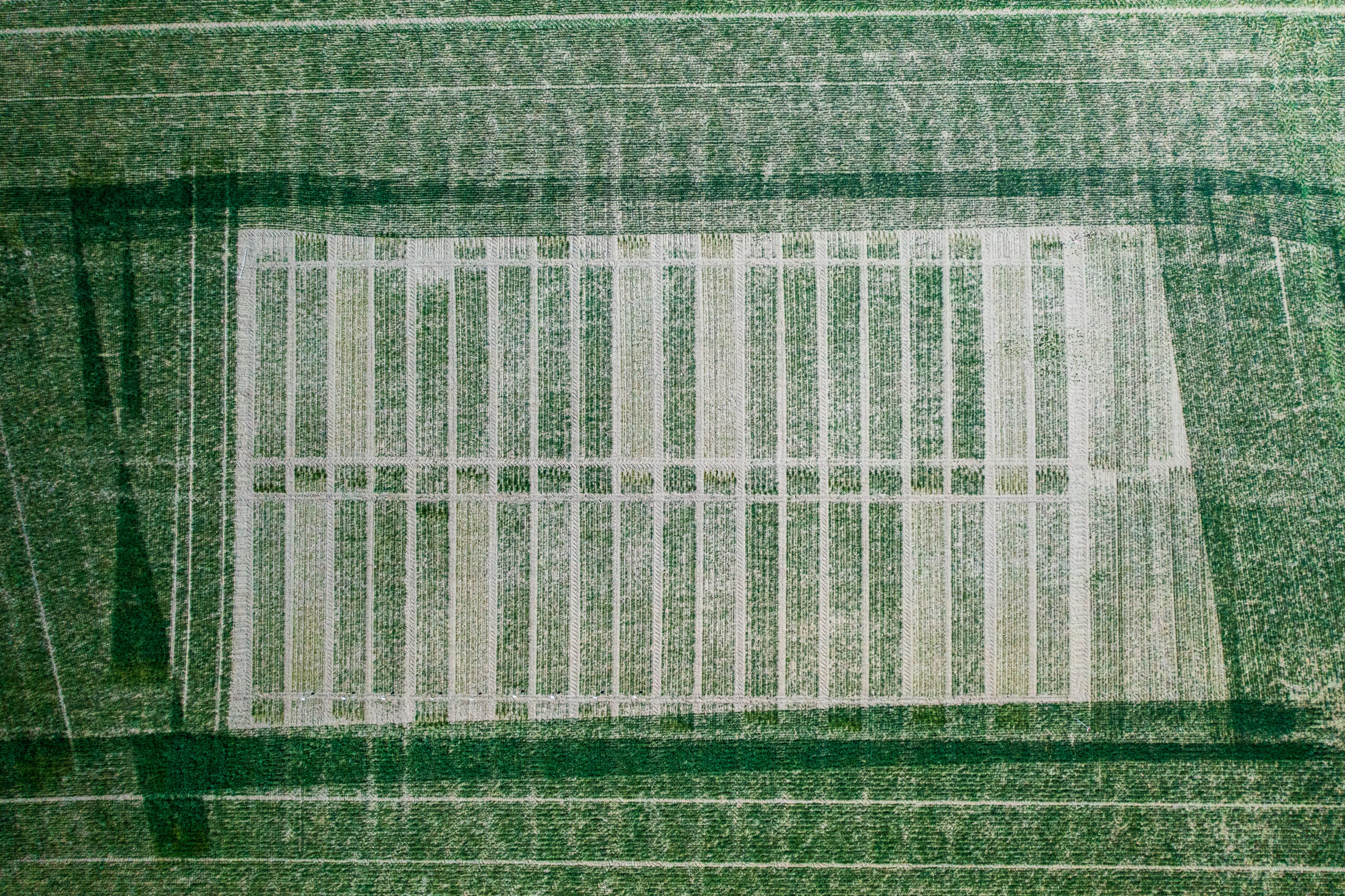
During the growing season of 2024 and 2025, CiNURGi partners IUNG, SLU, METK and JKI carried out large-scale field experiments, growing crops using RNFs. For the experiments they grew crops like broccoli, wheat, maize and oats to see how different RNFs impacted both yield and nutrient uptake, as well as plant growth and development. Testing RNFs in real conditions is important to establish their effectiveness and agronomic value. The CiNURGi field trials complement the work done in laboratory and greenhouse experiments with RNFs to assess their agronomic value.
The field experiments are especially important to stakeholders, farmers, who rely on classics fertilizers that have proven their effectiveness and provided adequate economic results. Farmers will not decide to replace classic fertilizers with RNFs if they are not convinced of their effectiveness. These field demonstrations have been done in accordance with the laws and agricultural recommendations in force in each country to lend them further credibility, and the partner organisations have organised stakeholder events with field visits, so that the results can be viewed in person.
CiNURGi has been conducting large-scale field experiments with recycled nutrient fertilizers (RNFs) at the following locations:
- IUNG Agricultural Experimental Station in Grabów, Poland.
- SLU Lanna research station in Lidköping, Sweden.
- METK field trial station in Jõgeva, Estonia.
- JKI in Braunschweig, Germany.
Experiment details
CiNURGi field experiments were conducted over two consecutive growing seasons to obtain reliable and comparable results. The study evaluated the effectiveness of recycled nutrient fertilizers in relation to control treatments, which included standard mineral fertilizers for RNFs such as struvite and manures for RNFs made from the solid fraction of digestate or compost. Plant and soil samples were collected during the growing season and after harvest in accordance with research methodologies developed by each project partner.
Plant analyses covered the content of major macronutrients (nitrogen, phosphorus and potassium) in biomass sampled during vegetation and in the final yield, along with assessments of biomass accumulation and harvested yield. Soil analyses focused on key physicochemical properties, including pH, the content of available nutrient forms such as nitrogen, phosphorus and potassium, organic matter levels, and selected micronutrients. This comprehensive approach made it possible to evaluate both crop response and the influence of the tested fertilizers on soil fertility and overall soil condition.
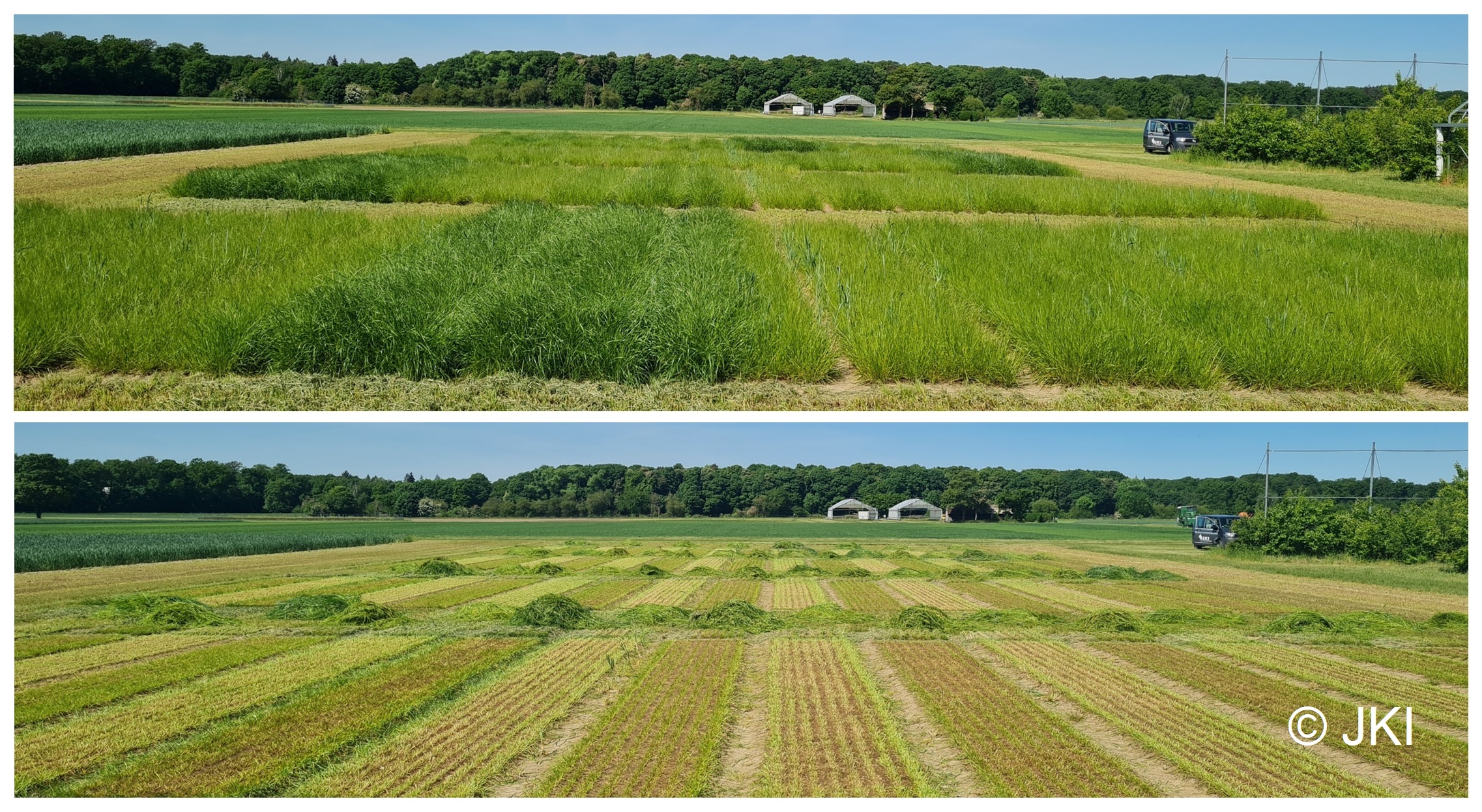
The experimental schedule spanned the period from May 2024 to September 2025. In May 2024, project partners IUNG, METK and SLU initiated experiments with spring crops, using RNFs that were either commercially available or produced by the participating partners. In September 2024, IUNG and METK established experiments with winter crops, planned to continue into the 2025 growing season. During the same period, JKI launched a grassland experiment, with RNF application scheduled for spring 2025. All field experiments were completed in the summer of 2025.
The RNFs tested in the field trials included products already known on the market, those currently being introduced, as well as materials developed by the project partners. In Poland, the tested RNFs included ammonium sulfate solution (ASL), struvite and plant‑based digestate pellets. In Sweden, the portfolio comprised compost, granulated digestate, biochar derived from raw and digested sludge, and plant biomass. In Estonia, the tested materials included composted horse manure, struvite and the liquid fraction of biowaste digestate. In Germany, the RNFs evaluated consisted of organic fertilizers such as sheep wool pellets and hair meal pellets.
The results of the field experiments will be published later this year.

Interactive map showing pilot locations. Use the arrow keys to move the map view and the zoom controls to zoom in or out. Press the Tab key to navigate between markers. Press Enter or click a marker to view pilot project details.
Additional links
- Read about the project
- News story: Two synergy workshops in Poland with CiNURGi and NUTRI-CHECK NET
- News story: CiNURGi &FERTITEC Joint Field trip to Agricultural Experimental Station of the Institute of Soil Sciences and Plant Cultivation in Grabów
- News story: CiNURGi results showcased at Lanna Research Station, Sweden
details
-
Homepage
-
Project typeCore Project

-
ImplementationNovember 2023 - October 2026
-
StatusOngoing
-
Contribution to EUSBSRPolicy Area Nutri

-
Target groups
- Interest group
- National public authority
- Small and medium enterprise
-
Social media
-
Additional links
-
Tags