




Pilot Action in Sweden
26 November 2025
BSI_4Women – Supporting Entrepreneurial Pathways for Ukrainian Refugee Women in the Baltic Sea Region
Project Overview
The BSI_4Women project (BSR Interreg) runs from 1 January 2023 to 31 December 2025 and involves seven partners from across the Baltic Sea Region. The project responds to the shared regional challenge that all seven partner countries have received Ukrainian refugee women after Russia’s full-scale invasion of Ukraine.
The overarching mission has been to equip refugee women with tools, training and networks to explore entrepreneurship as a viable path to employment, income, and long-term self-sufficiency.
Implementation in Sweden (Dalarna Science Park)
Business Start Ukraine – Spring 2024
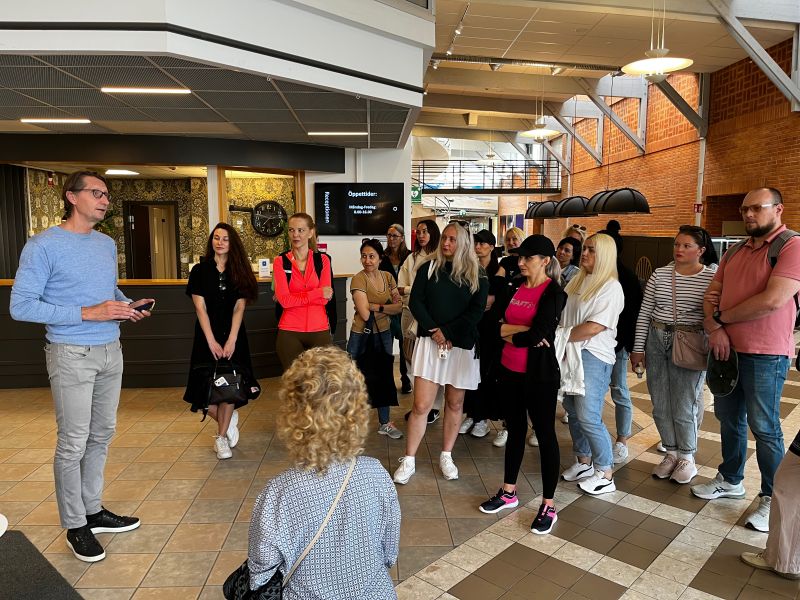
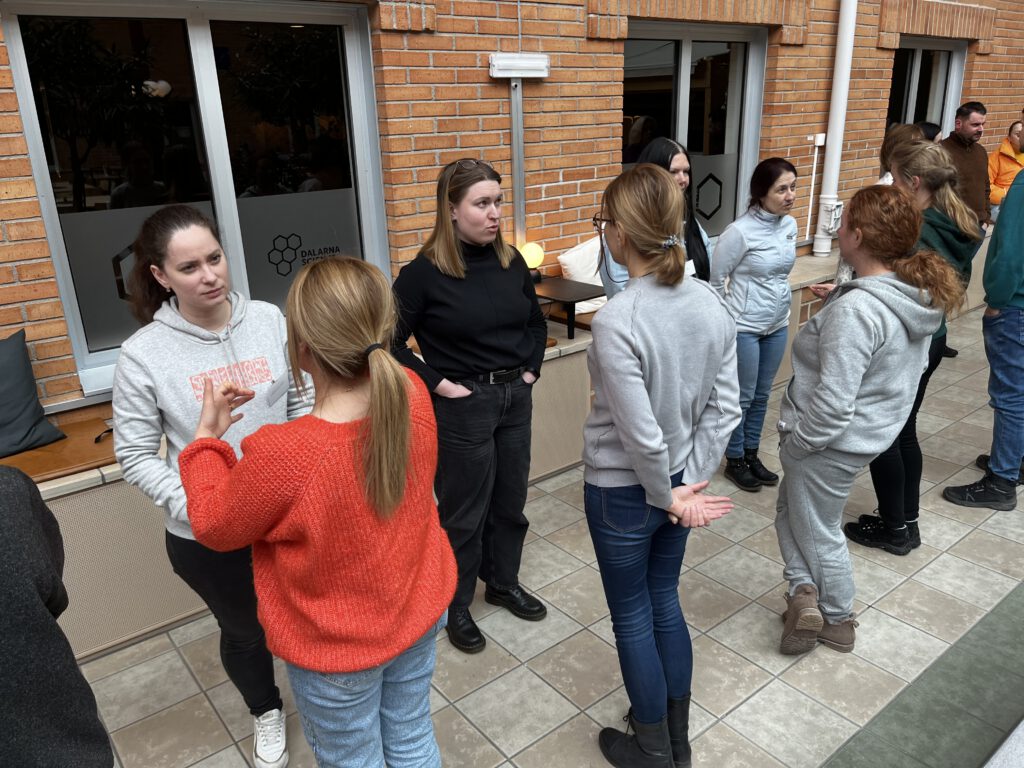
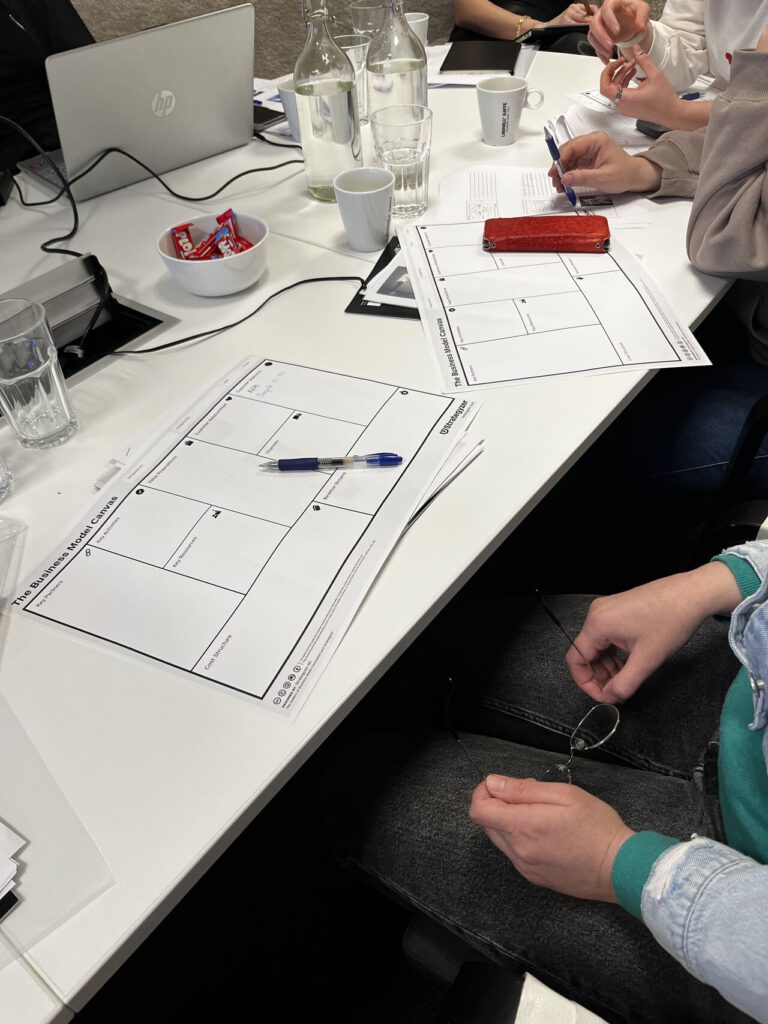
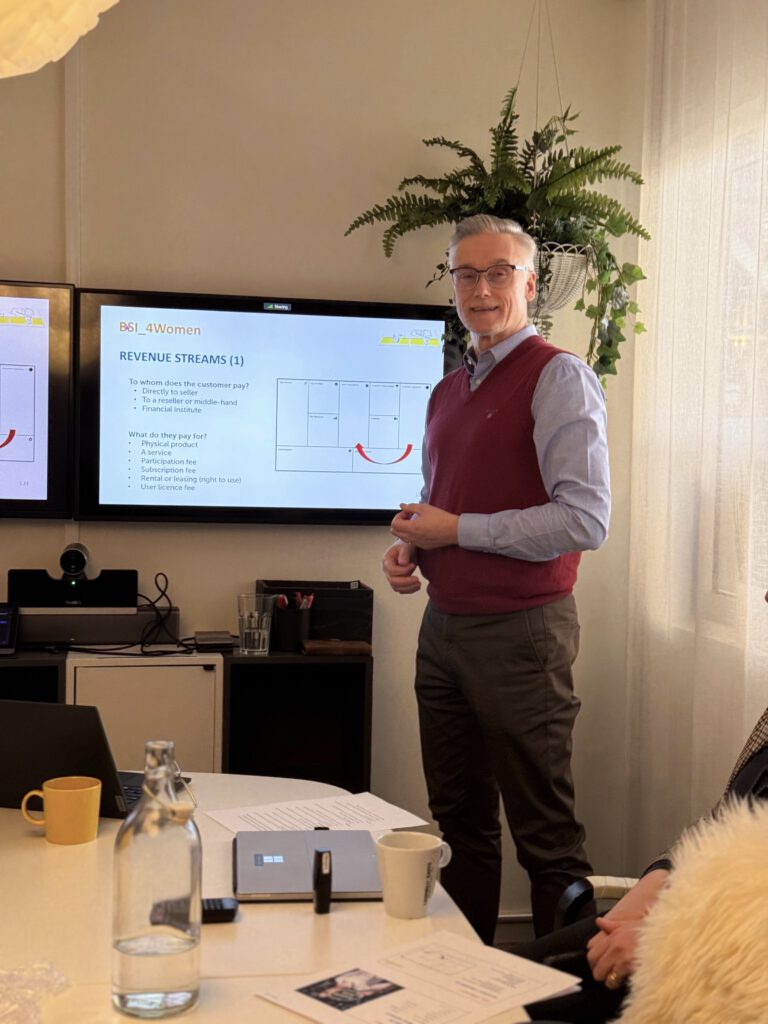
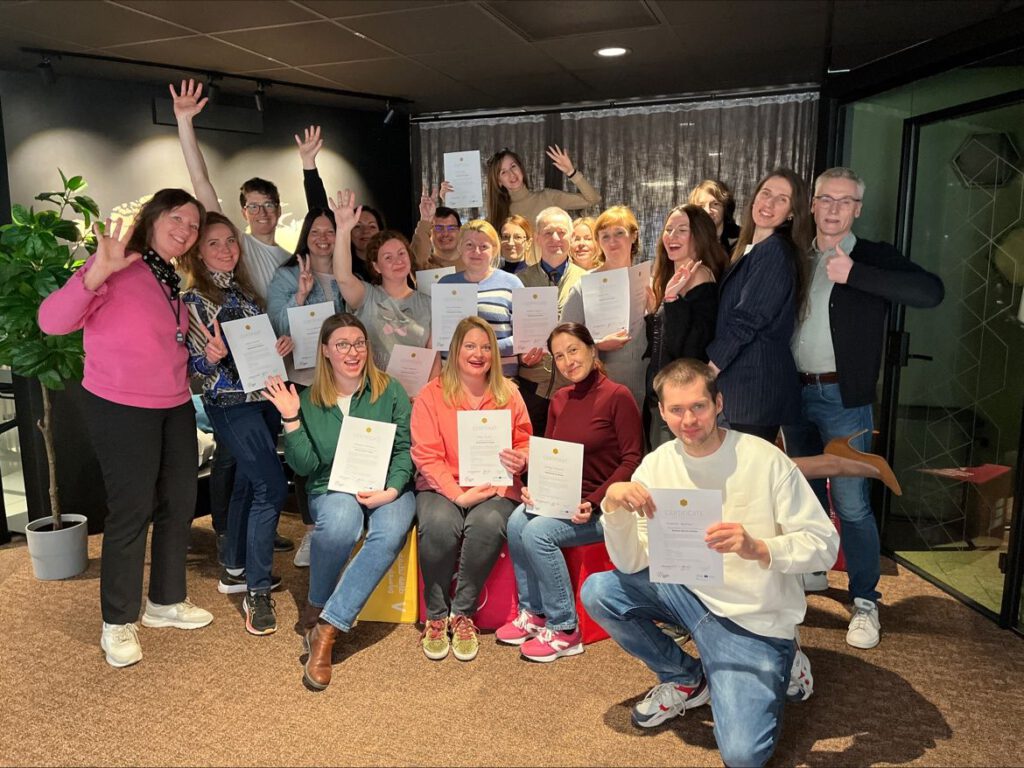
Dalarna Science Park invited Ukrainian women to participate in Business Start Ukraine, resulting in over 30 participants. The programme introduced fundamental entrepreneurial skills through six core themes:
- Idea generation
- Understanding the customer
- Creating customer value
- Business model development
- Basic economics
- Registration, taxes and formalities
The sessions were designed to lower the threshold for entrepreneurship, create peer networks, and improve participants’ readiness for further incubation support.
+Entrepreneurial Gateway – Incubation Phase
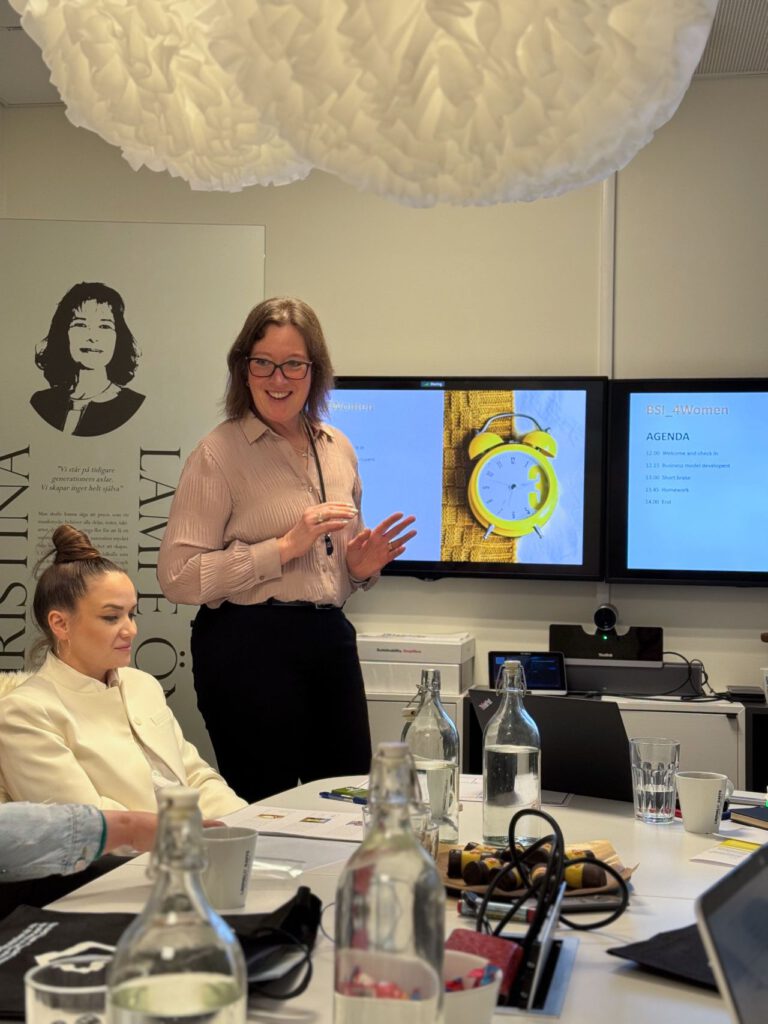
Following the introductory programme, participants were invited to continue into the incubation track Entrepreneurial Gateway.
Six women submitted business ideas, of which five entrepreneurs and their concepts were further developed:
- Alena – REPPA (machine rental)
- Katerina – Interpretation and language services
- Olena – Clothing production and sales
- Liidia – Outdoor cooking and events
- Angela – Food collection and distribution (social enterprise focus)
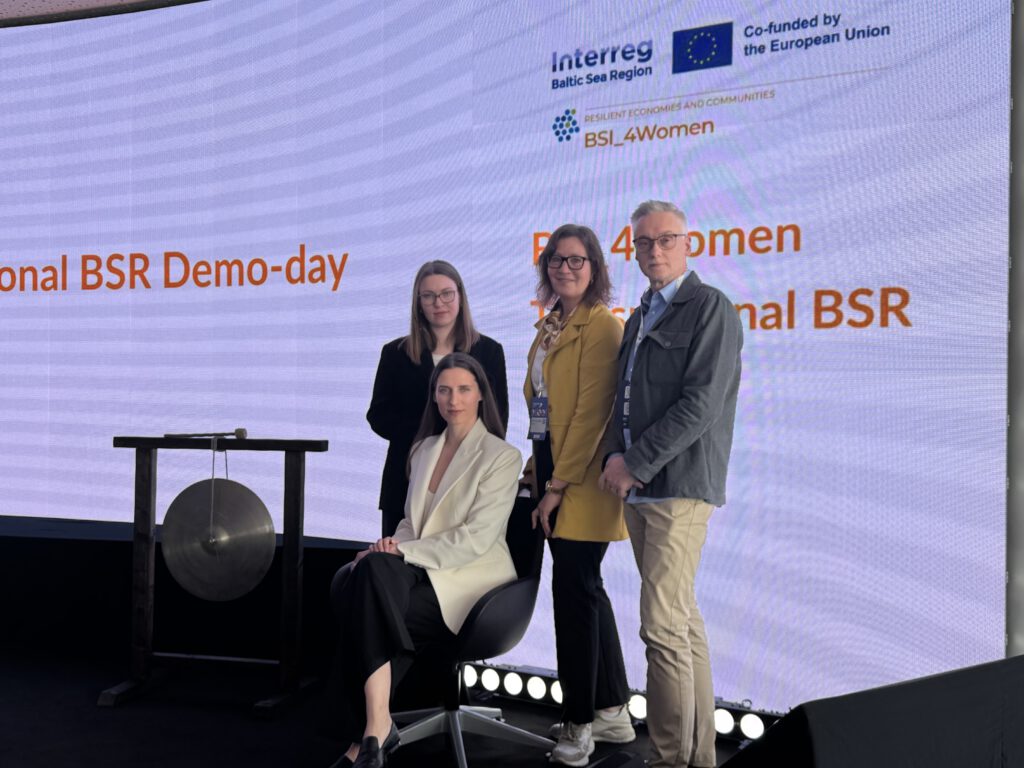
Two of these entrepreneurs were selected to travel to Rzeszów, Poland, on 20–22 May 2025 to pitch their business ideas before an international panel of experts.
Winner:
Alina Shynkar from Falun, Sweden, representing REPPA, was awarded first place among 14 participants from the seven partner countries.
National Recommendations (Sweden)
- Simplify regulations and financing
- Establish dedicated start-up grants and microloan schemes for refugee women.
- Streamline administrative processes and reduce regulatory barriers for newly arrived entrepreneurs.
- Strengthen mentoring and networks
- Improve access to local business networks, mentors and advisors.
- Expand collaboration between incubators, municipalities and NGOs.
- Adapted education and training
- Provide entrepreneurship training with language support, including interpretation and tailored materials.
- Combine theory with practice, e.g., internships or simulated business projects.
- Legislative support and labour market integration
- Facilitate combined employment, studies and entrepreneurship.
- Introduce a trial period allowing refugee women to test business ideas without losing access to social support systems.
These recommendations reflect the current reality in Sweden, where refugee women with ongoing protection status often face more hurdles compared to neighbouring Baltic countries, including limited access to bank loans, longer processing times and restrictive regulations.
EU-Level Recommendations
- EU-wide support programme for refugee entrepreneurs
- Create an EU-funded support mechanism focused specifically on refugee women.
- Promote harmonised regulations to facilitate cross-border business activities.
- EU-funded digital platforms and resources
- Develop an EU-level entrepreneurship platform offering training, tools and access to investors.
- Encourage partnerships between national incubators and EU-level support systems.
- Stronger focus on social entrepreneurship
- Provide incentives for social enterprises created by or employing refugee women.
- Develop EU guidelines connecting social entrepreneurship with integration and economic independence.
- Strengthen legal rights for refugee entrepreneurs
- Introduce a standardised entrepreneurial status for refugees within the EU.
- Ensure equal access to rights, protections, and financing across the EU.
Transnational Guide to Financing Solutions
A comprehensive financing guide has been developed to help refugee women navigate national and international funding landscapes. The guide addresses:
- Early-stage financing
- Microloans and alternative funding
- EU and national support schemes
- Social financing and impact investment options
Initial feedback on the guide and recommendations has been strongly positive at national level.
All photos included in the article © Dalarna Science Park, 2024-2025.

Interactive map showing pilot locations. Use the arrow keys to move the map view and the zoom controls to zoom in or out. Press the Tab key to navigate between markers. Press Enter or click a marker to view pilot project details.
Additional links
details
-
Homepage
-
Project typeCore Project
-
ImplementationJanuary 2023 - December 2025
-
StatusCompleted
-
Contribution to EUSBSRPolicy Area Innovation

-
Target groups
- Business support organisation
- Education/training centre and school
- Interest group
- Regional public authority
- Small and medium enterprise
-
Social media
-
Additional links
-
Tags