

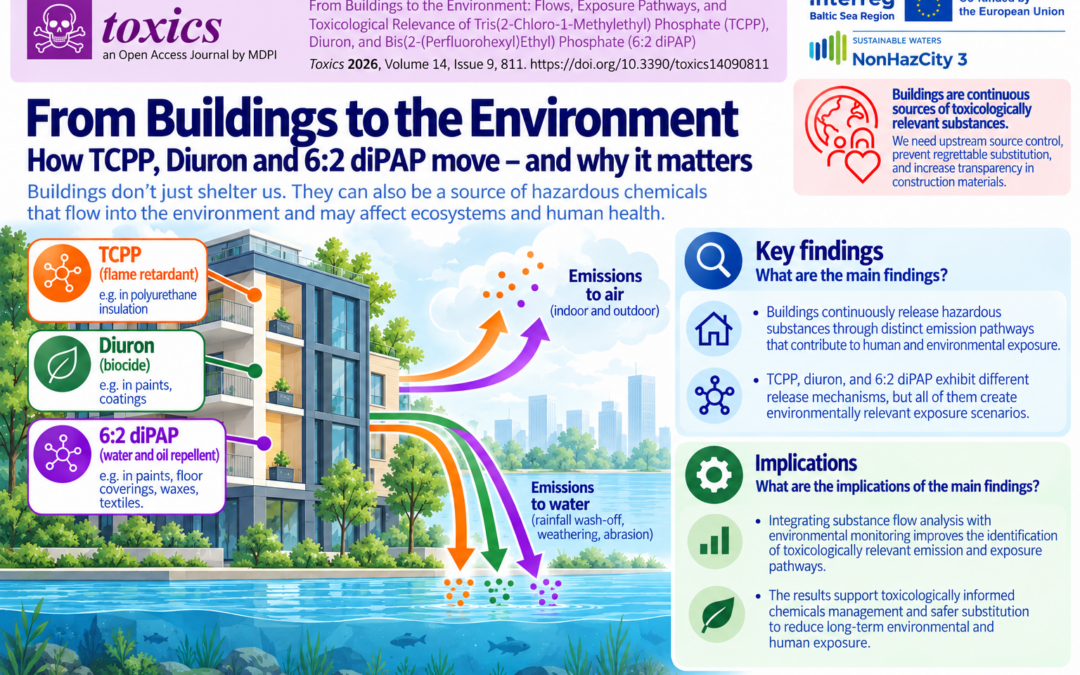
From Buildings to the Environment
Buildings can be a continuous source of hazardous chemicals entering the environment. A new publication from the Interreg NonHazCity3 project investigates how three substances used in construction materials (TCPP, diuron and 6:2 diPAP) are released into...
From practical investments to policy action: CiNURGi presents its final results
After three years of collaboration across the Baltic Sea Region, CiNURGi is approaching the end of its project period with results to share. The final webinar, CiNURGi Webinar: Final project results, showcased nutrient recycling solutions developed with companies in...
Building resilience beyond the peak season: Light in the Dark at CAMPUS 2026
At the turn of September and October, tourism professionals and destination representatives from across Europe and beyond gathered in the Turku Archipelago for CAMPUS 2026, organised by the Digital Tourism Think Tank together with Visit Turku Archipelago....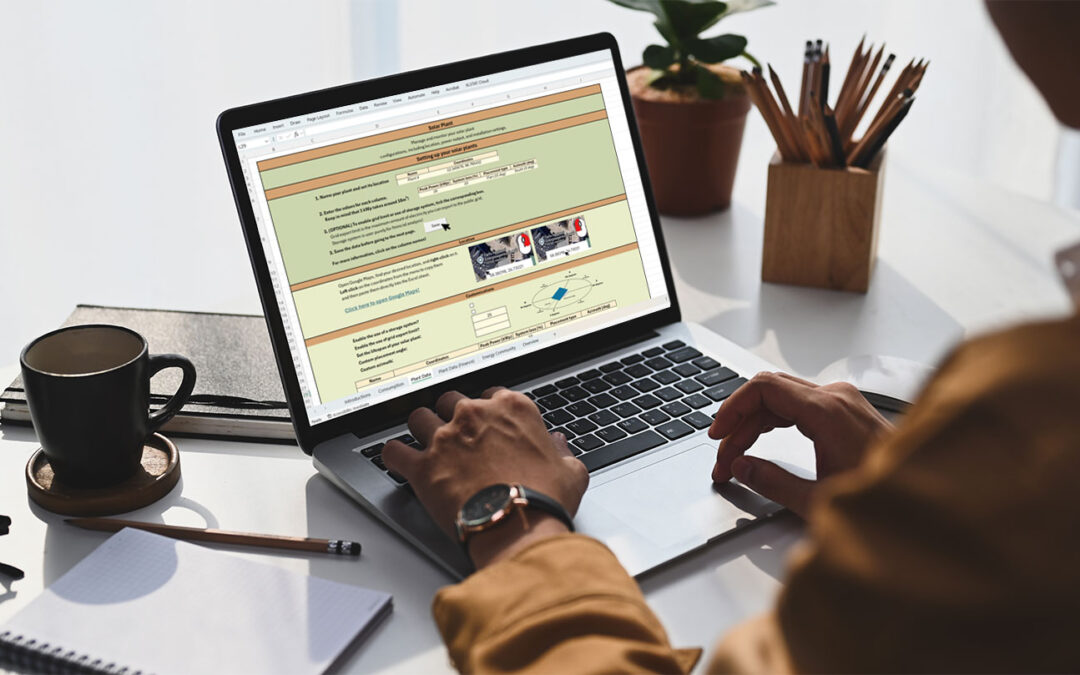
Download the latest version of StartSun Energy Community Feasibility Calculator
StartSun project has developed a free and easy-to-use digital tool that helps individuals and small organizations explore the feasibility and potential of creating or joining a solar energy community in their area. This tool is the first to be tailored specifically to...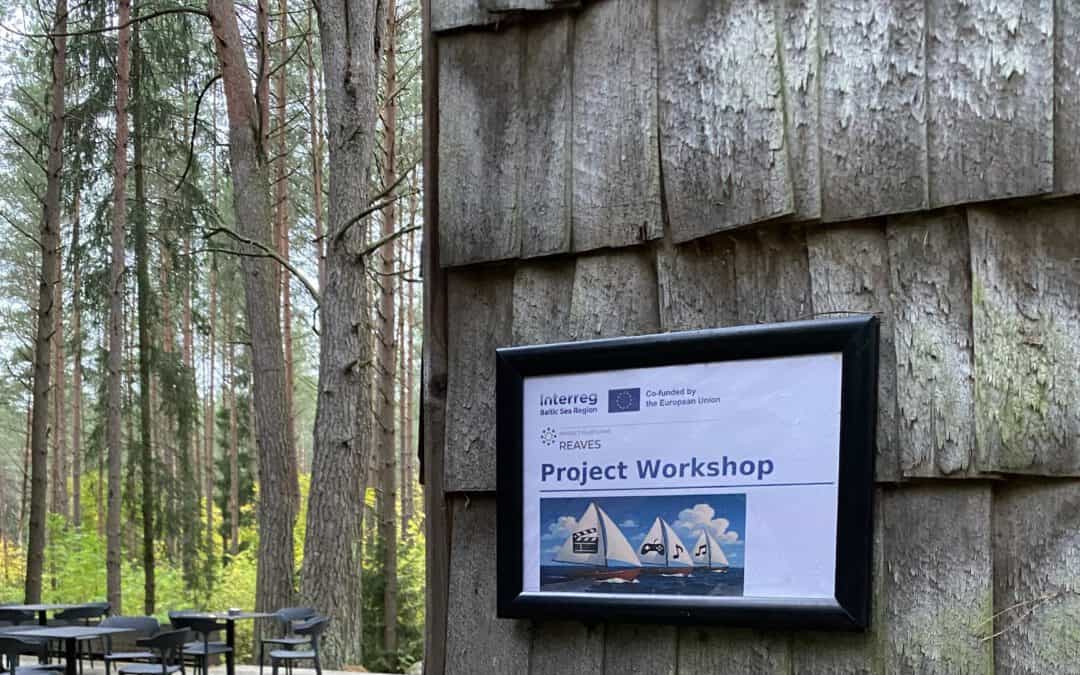
The Fabric of Efficient Collaboration
Following the solitude that Covid pushed us into despite online collaboration, we have come to cherish spending “quality time” together as the very fabric of efficient collaboration. There is nothing as productive as trust among people working together, and trust...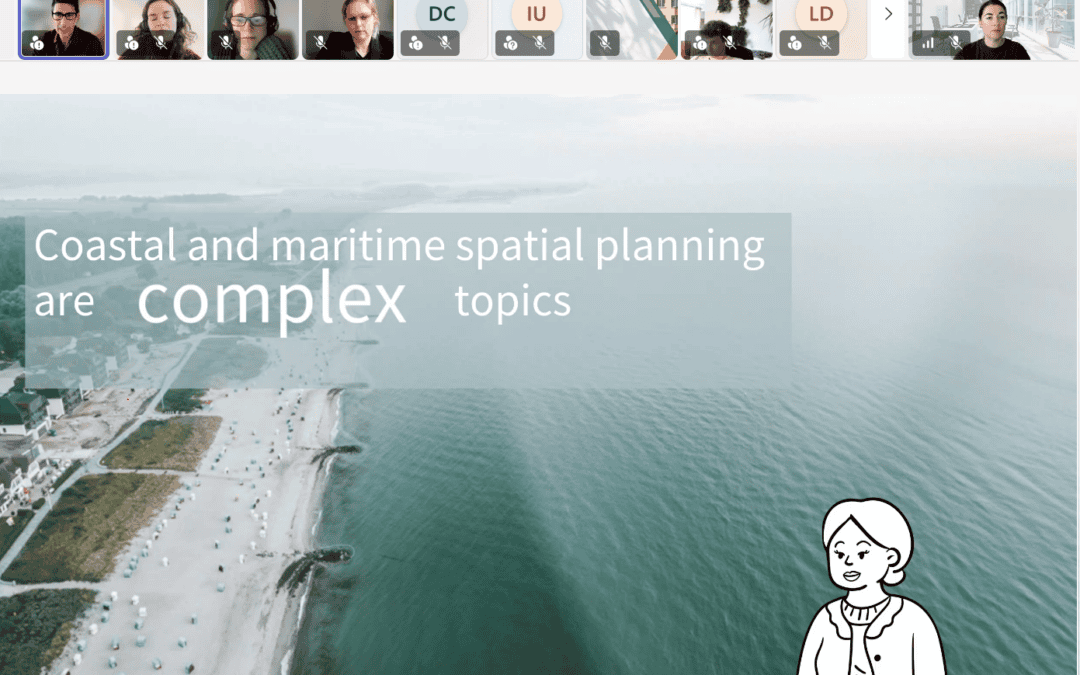
Making Climate Data Work Better for Spatial Planning
More than 30 participants from across the Baltic Sea Region actively engaged in interactive tasks, sharing ideas, identifying needs and voting to prioritise key themes for further exploration. Their questions and feedback provided valuable insights into how...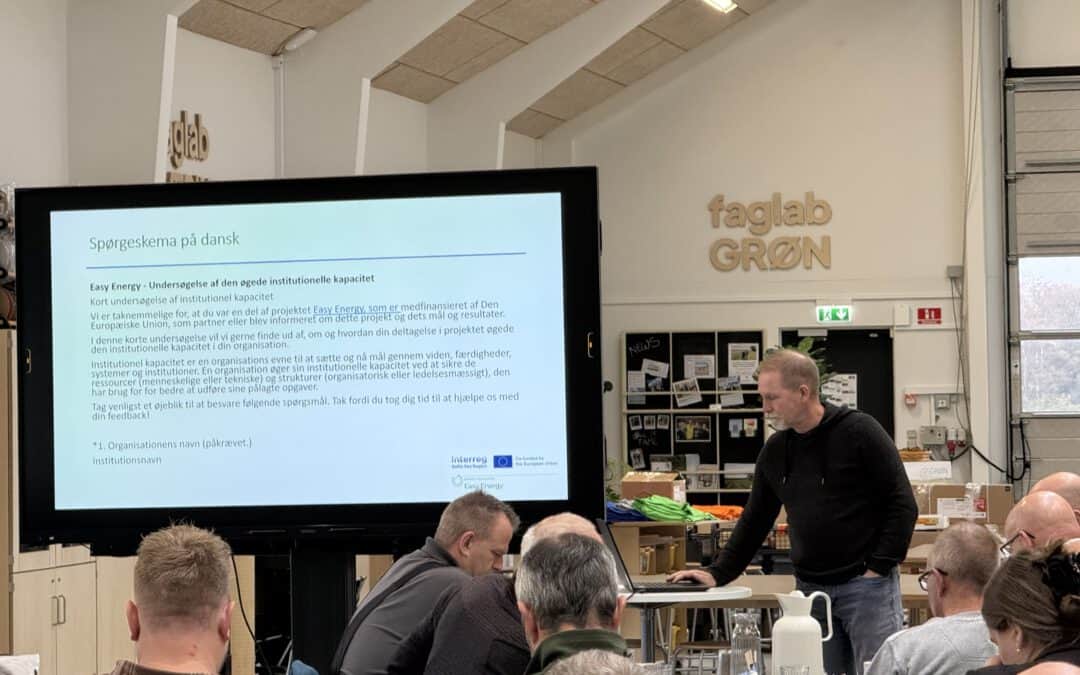
Energy Practitioner Training Session and Closing Conference in Vesthimmerland Municipality.
Vesthimmerlands Kommune has completed its final Energy Practitioner Training under the EASY ENERGY project, in a session that also served as its closing conference for the project. To make sure the project ended on a strong note, Vesthimmerlands designed its last...