




III Design Thinking Camp, Part 1/2
Project: CIRC-2-ZERO
Physical Meeting
24. - 27. March 2026
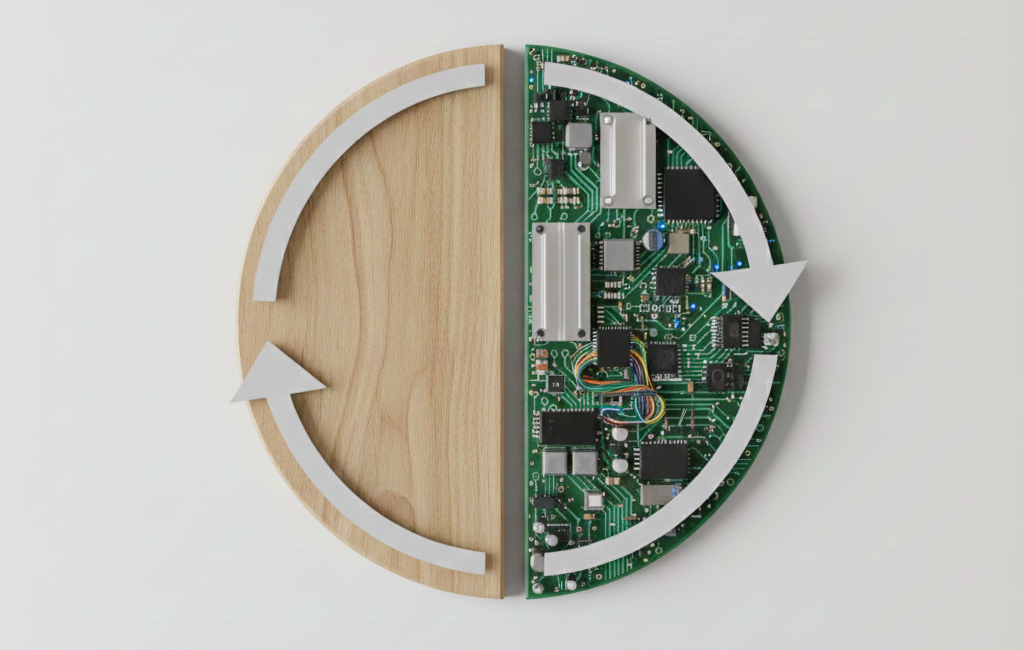
The CIRC-2-ZERO Project successfully conducted two virtual Technical Workshops on 22 May 2025, organised by the project partner Riga Technical University (RTU). The workshops brought together project partners and industry experts to ensure that Digital Twin Demo Platform (DTDP) Module 2 is grounded in practical manufacturing contexts while remaining accessible and relevant, particularly for small and medium-sized enterprises (SMEs).
The general objective was to analyse critical business and manufacturing processes in the target sectors and jointly develop insights, tools, and preparatory materials that support upcoming SME interviews and field visits. Participants aimed to achieve the following specific objectives:
The workshop dedicated to the EWP industry examined the scope of critical manufacturing processes and clarified the boundaries of the target group. Participants largely agreed that the focus should remain on manufacturing companies, excluding distribution and warehousing to maintain clarity and relevance. At the same time, the interconnected role of logistics and distribution within manufacturing systems was acknowledged as an important area for future consideration.
A notable contribution to the discussion was the proposal of a two‑stage SME survey/interview approach. The idea is to first engage companies with high‑value, relevant questions that clearly demonstrate the benefits of digital twin platform, followed by a second stage of more detailed data collection.
Policy, safety, and sustainability emerged as another key theme, particularly regarding the impact of current and upcoming regulations on SMEs. Participants emphasised the importance of assessing SMEs’ awareness of regulatory developments, their preparedness for compliance, and how sustainability objectives align with broader Environmental, Social, and Governance (ESG) reporting requirements. This perspective will help ensure that DTDP Module 2 supports not only technological decision‑making but also strategic compliance and sustainability planning.
The workshop concluded with concrete next steps, including finalising the questionnaires, preparing a Focus Group Workshop methodology draft, and streamlining collaboration through agreed timelines and communication channels.
Second Technical Workshop: Electronics Industry
The workshop on the electronics industry focused on identifying the core manufacturing processes and sub‑processes most relevant for advancing circular economy transitions. Participants emphasised the importance of expert knowledge in structuring these processes clearly and consistently to ensure that the resulting framework accurately reflects real operational practices.
A central discussion point concerned the design of SMEs surveys/interviews and Focus Group Workshops methodology. The group agreed on the need for a structured yet streamlined approach, recognising that overly detailed questionnaires may discourage participation. Particular attention was given to the sensitivity of information in the electronics sector and the potential reluctance of companies to share data. To address this, participants highlighted the value of involving multiple representatives from each company to capture diverse perspectives while reducing the burden on individual respondents.
The discussion also underscored the strategic importance of focusing on SMEs, which often face distinct challenges in adopting digital and circular solutions. While large enterprises can provide useful insights, the workshop concluded that SMEs should remain the primary target group to ensure that DTDP Module 2 delivers the most meaningful support where it is most needed.
The electronics workshop concentrated on identifying core manufacturing processes and sub-processes that are most relevant for circular economy transitions. Participants underlined the importance of expert knowledge in structuring these processes clearly and consistently, ensuring that the resulting framework reflects real operational practices.
A key discussion point was the design of surveys and focus group tools. The group agreed on the need for a structured approach that avoids unnecessary complexity, recognising that overly detailed questionnaires can discourage participation. Special attention was given to the sensitivity of information in the electronics sector and the potential reluctance of companies to share data. To address this, the workshop highlighted the value of involving multiple representatives from each company to capture diverse perspectives while reducing individual burden.
The discussion also emphasised the strategic importance of focusing on SMEs, which often face distinct challenges in adopting digital and circular solutions. While large enterprises can provide valuable insights, the workshop concluded that SMEs should remain the primary target group to ensure that DTDP Module 2 delivers tangible benefits where support is most needed.
The session closed with a shared commitment to clear communication and close collaboration in developing survey and focus group questions, ensuring alignment across regions and partner organisations.
The workshop dedicated to the EWP industry addressed the scope of critical manufacturing processes and the boundaries of the target group. Participants largely agreed that the focus should remain on manufacturing companies, excluding distribution and warehousing in order to maintain clarity and relevance. At the same time, the interconnected role of logistics and distribution within manufacturing systems was acknowledged as an area for future consideration.
An important contribution to the discussion was the proposal of a two-stage survey approach. This approach aims to first engage companies with high-value, relevant questions that demonstrate the benefits of digital twins, followed by more detailed data collection. The group also discussed survey design strategies to improve engagement, such as positioning basic or administrative questions later in the questionnaire.
Another key theme was policy, safety, and sustainability, particularly the impact of current and upcoming regulations on SMEs. Participants agreed on the importance of assessing companies’ awareness of regulatory developments, their preparedness for compliance, and how sustainability objectives align with broader Environmental, Social, and Governance (ESG) reporting requirements. This perspective will help ensure that DTDP Module 2 supports not only technological decision-making but also strategic compliance and sustainability planning.
The workshop concluded with concrete plans to finalise questionnaires, prepare focus group drafts, and streamline collaboration through agreed timelines and communication channels.
1.Regional Survey
2.Focus Groups
3.Field Visits
Project: CIRC-2-ZERO
Physical Meeting
03. - 05. March 2026
Project: CIRC-2-ZERO
Physical Meeting
03. - 05. March 2026
Project: CIRC-2-ZERO
Physical Meeting
27. - 29. January 2026