




International Conference in Zemgale Outlines the Future of "Smart gardens"
10 October 2025
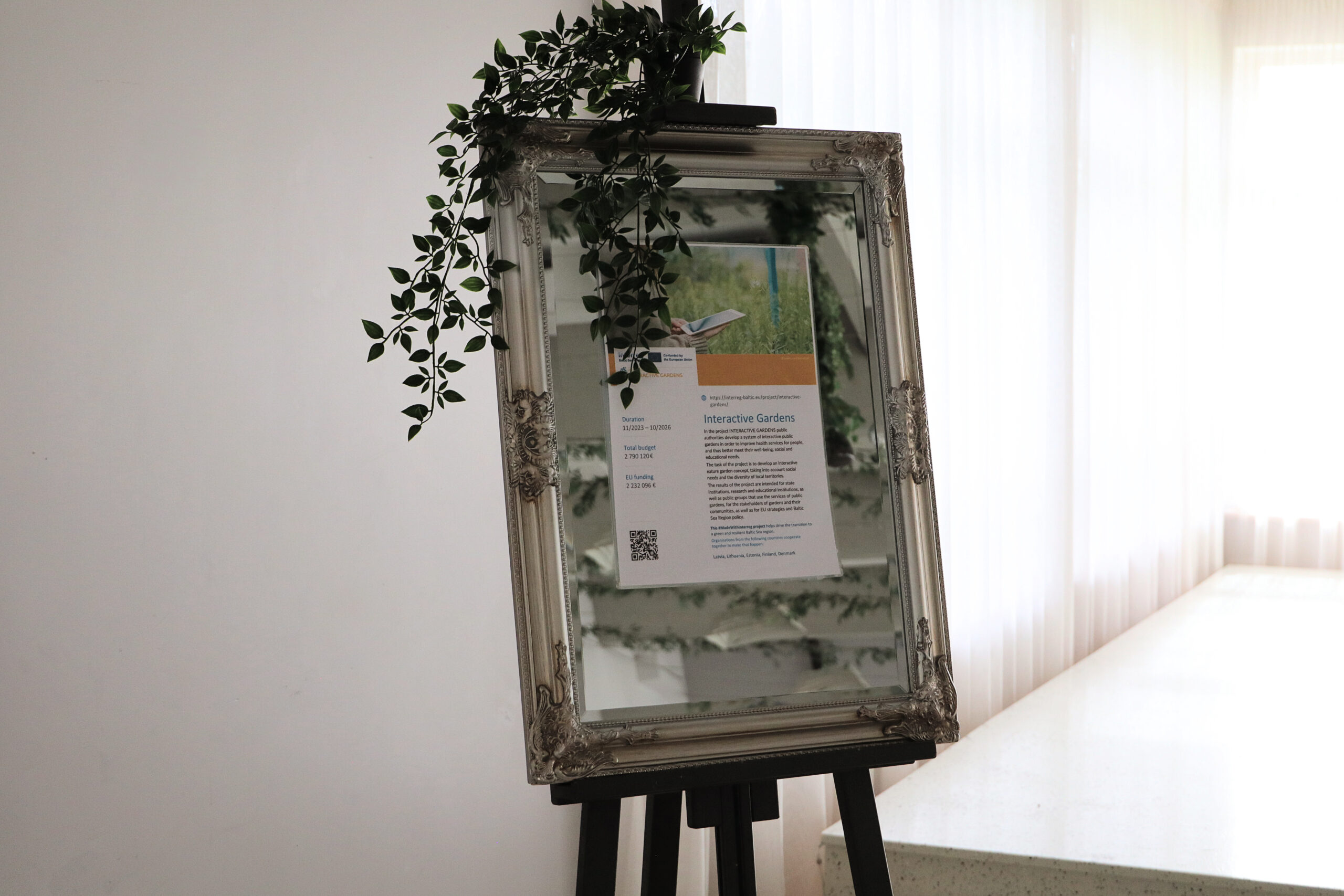
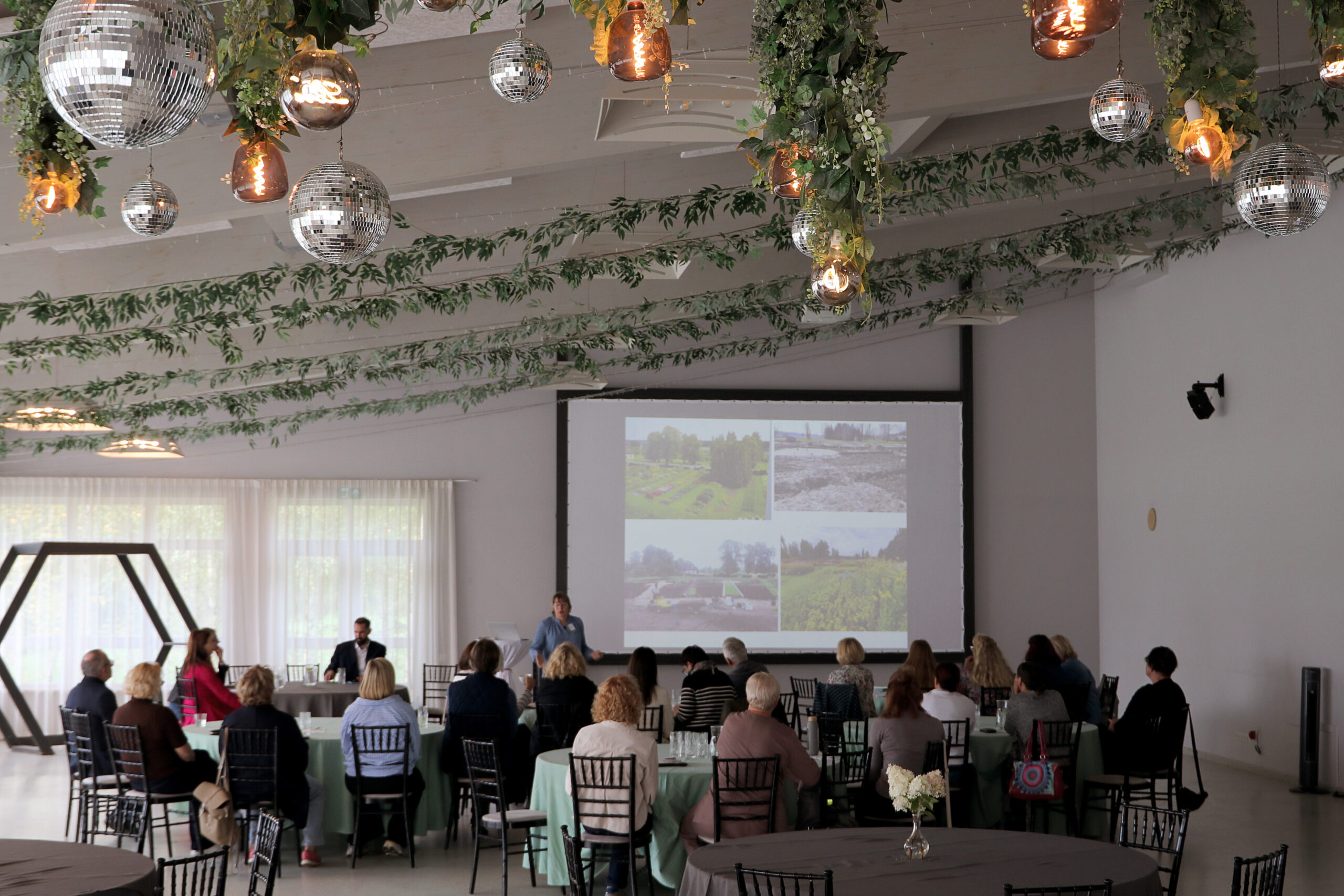
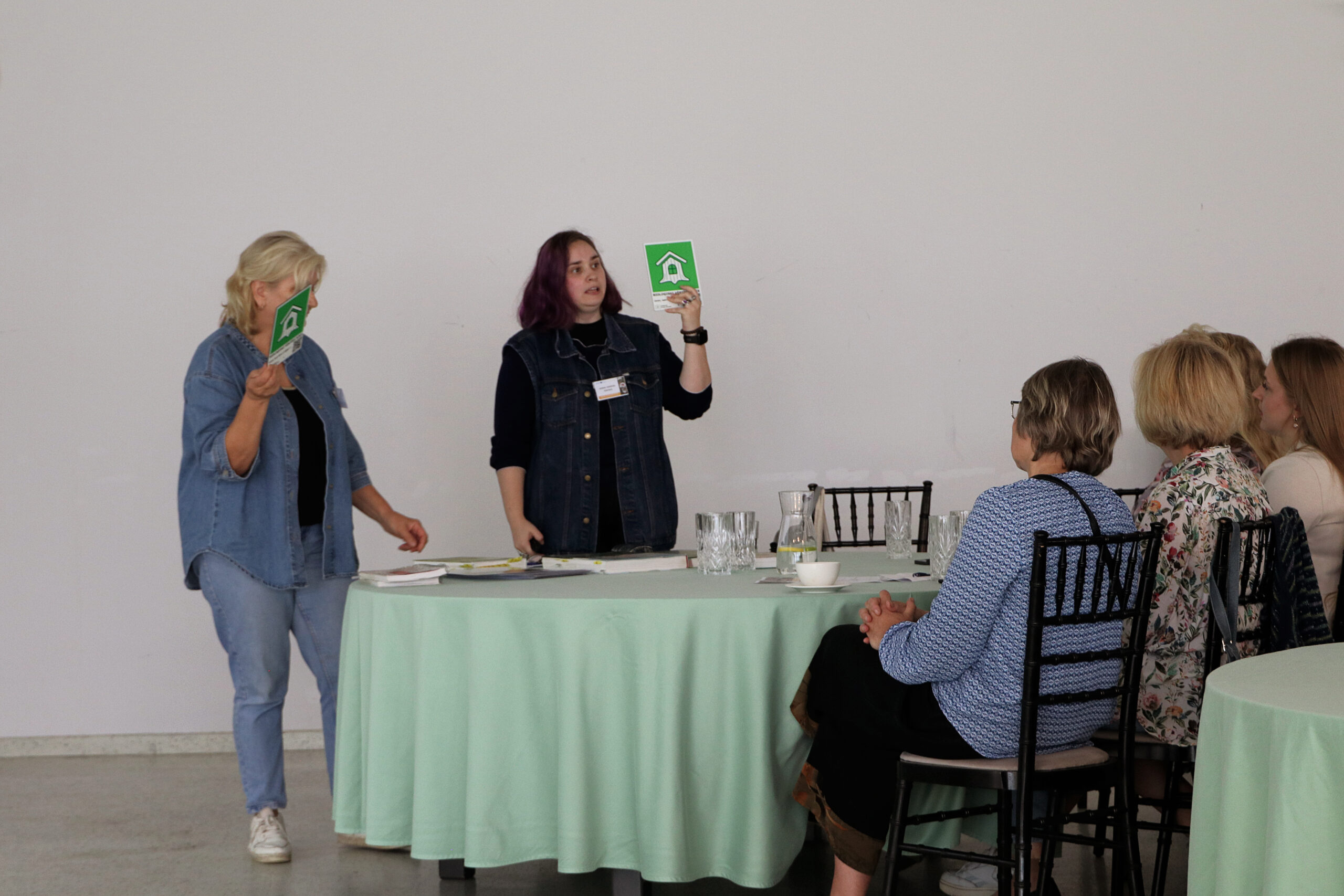
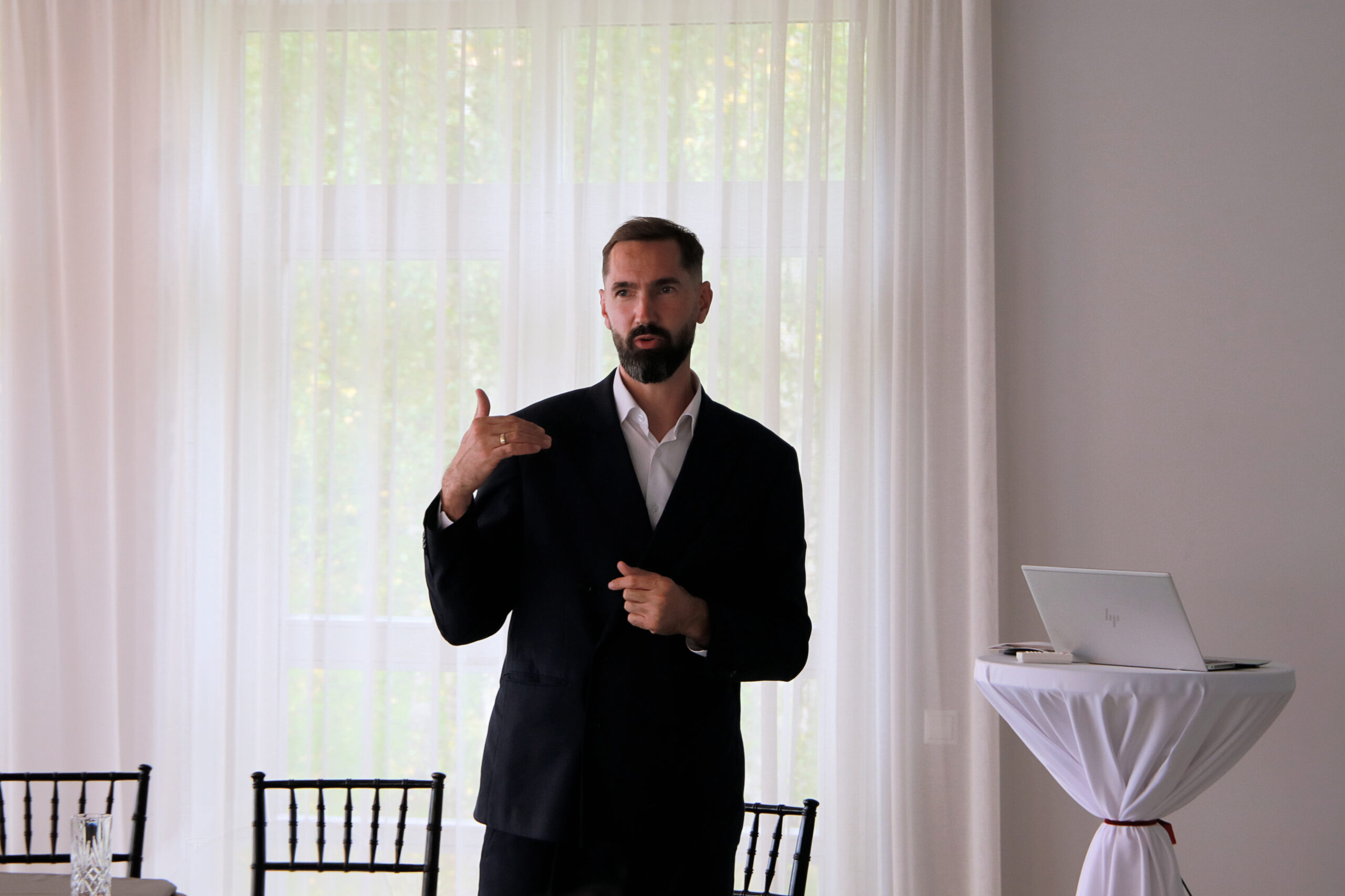
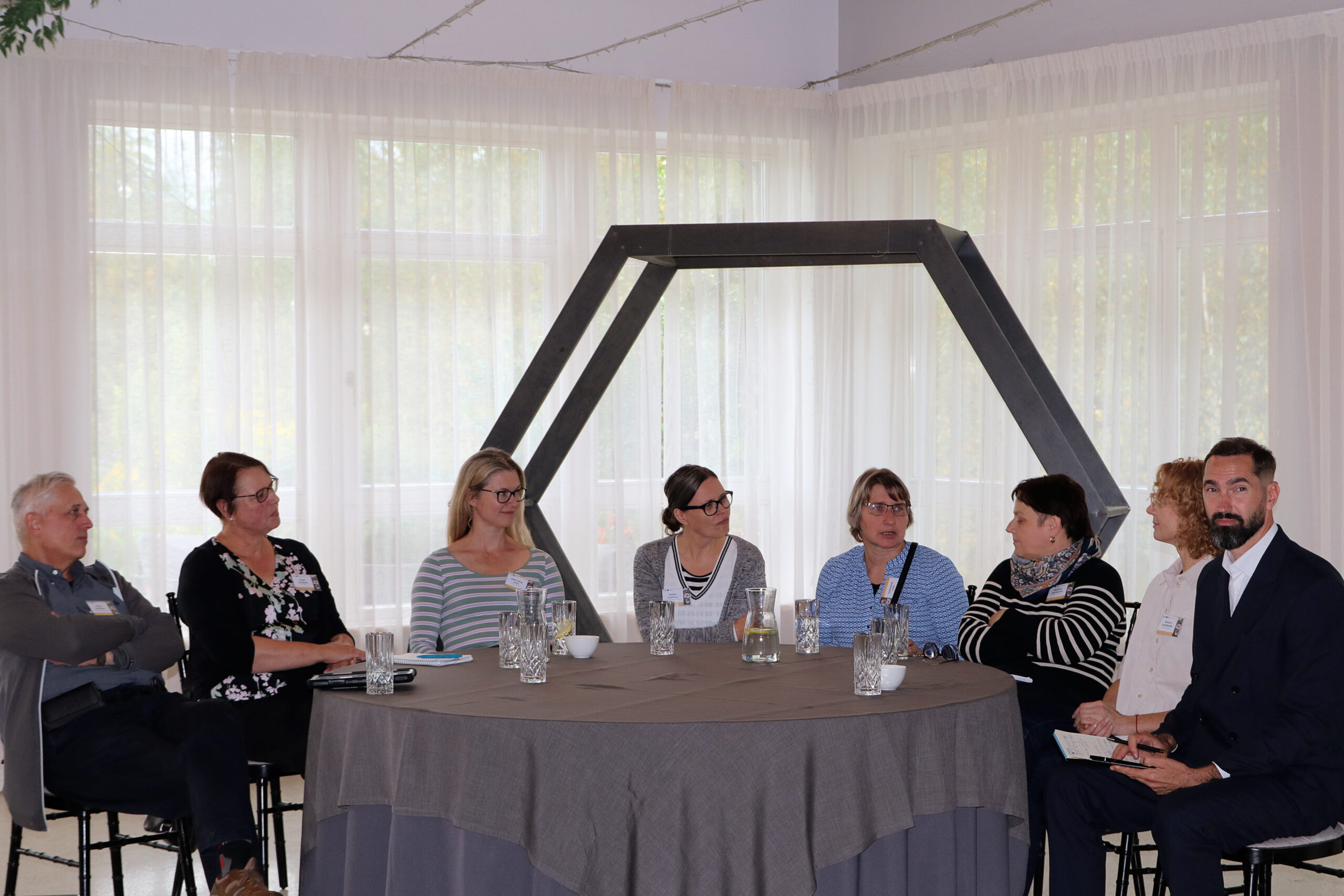
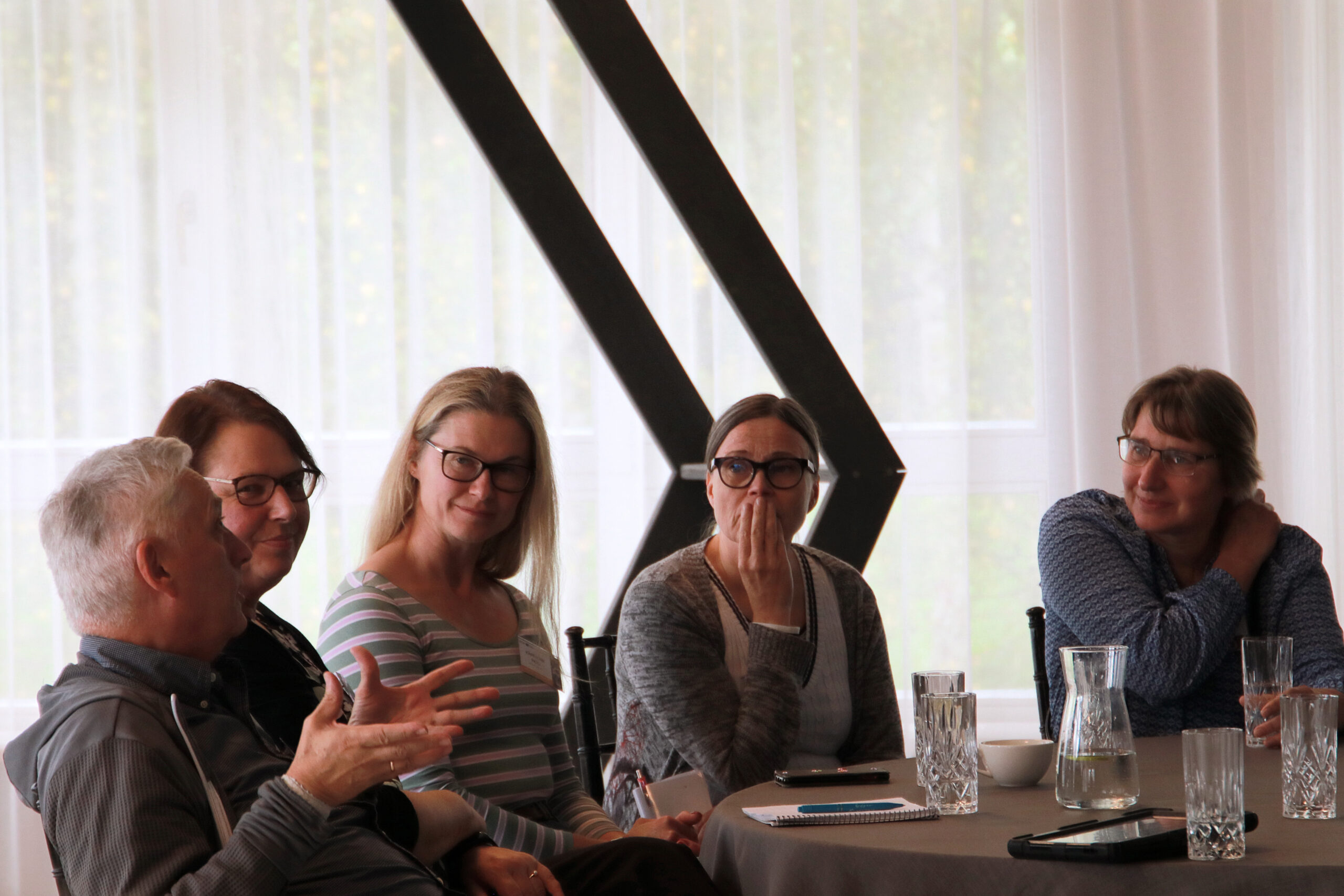
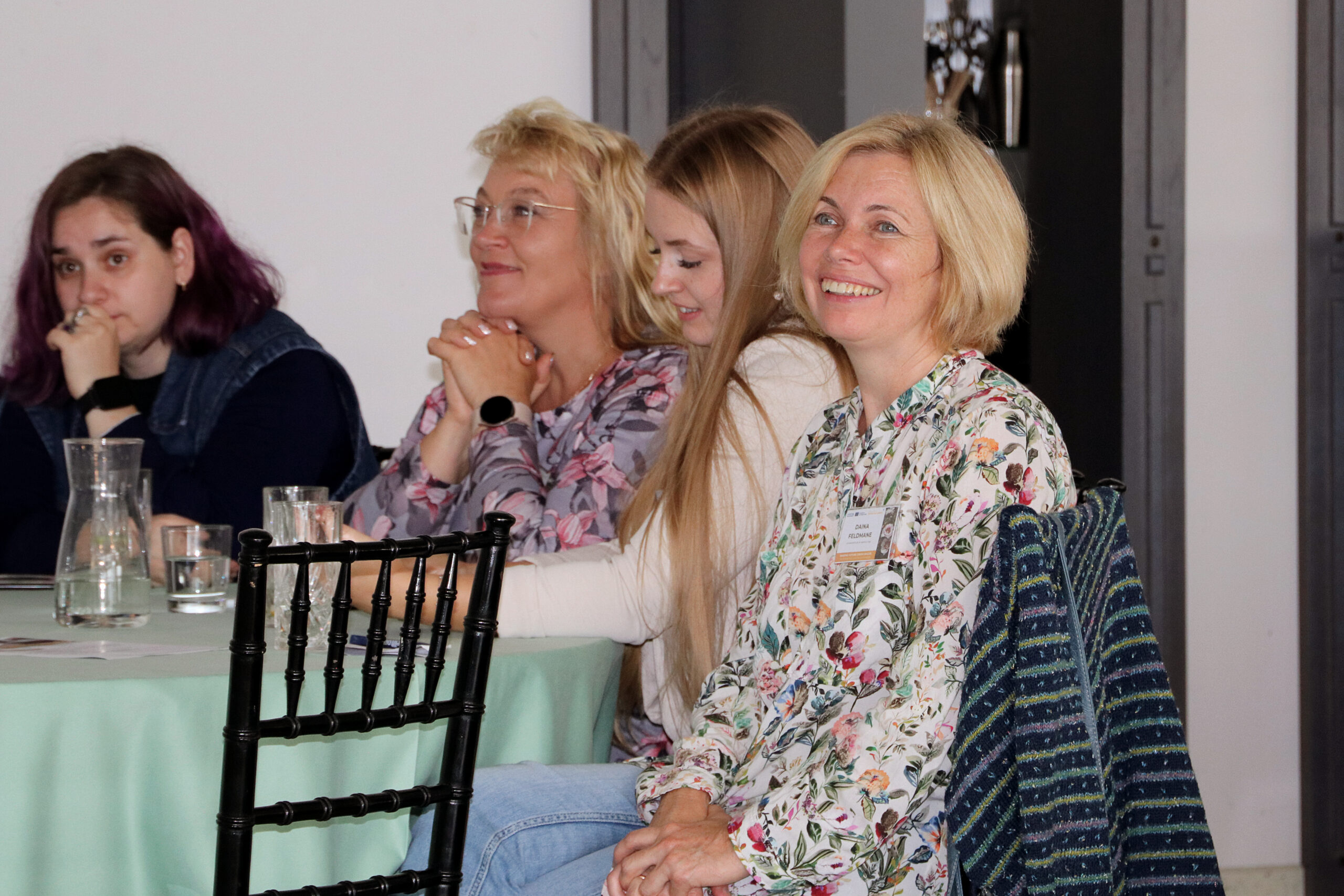
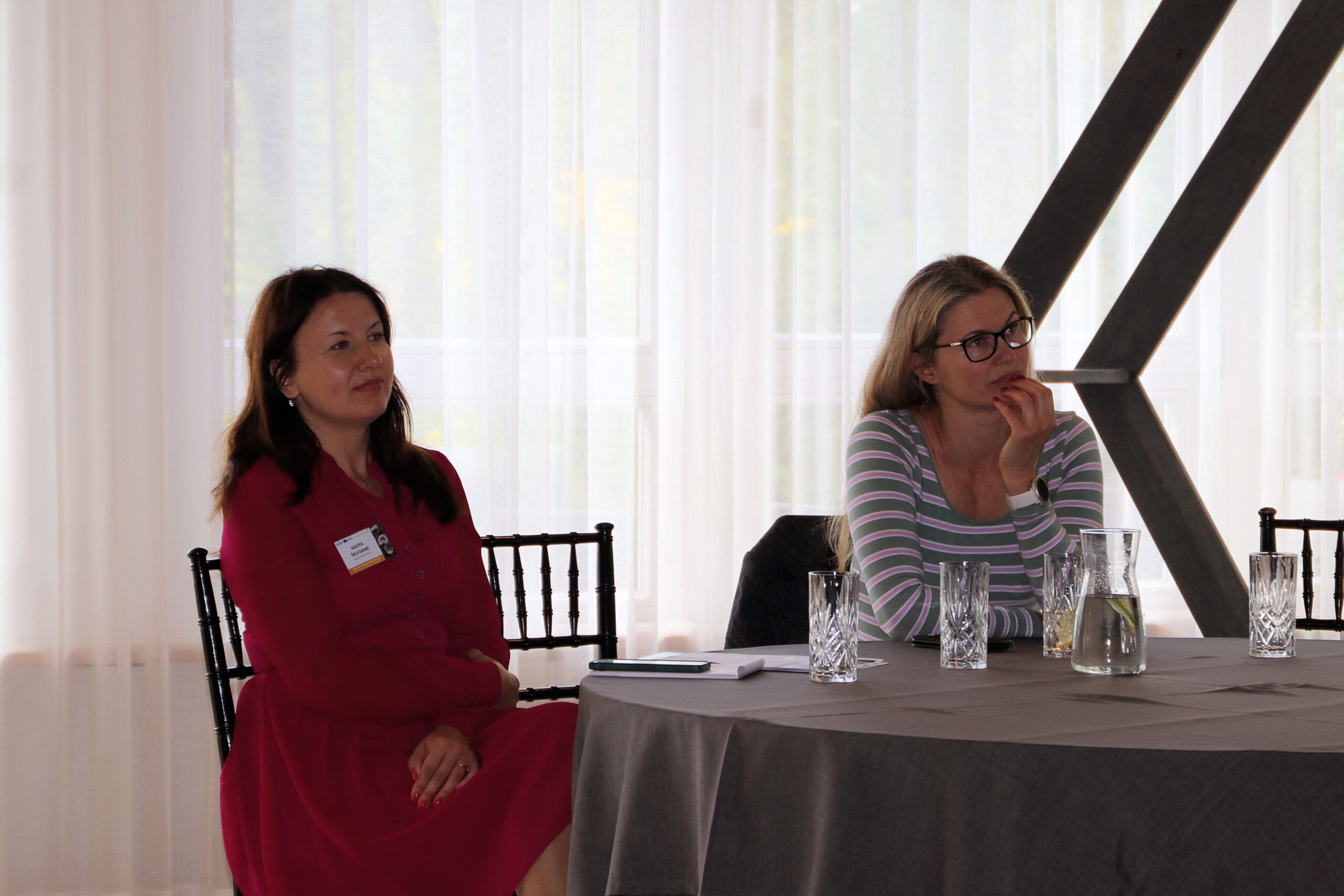
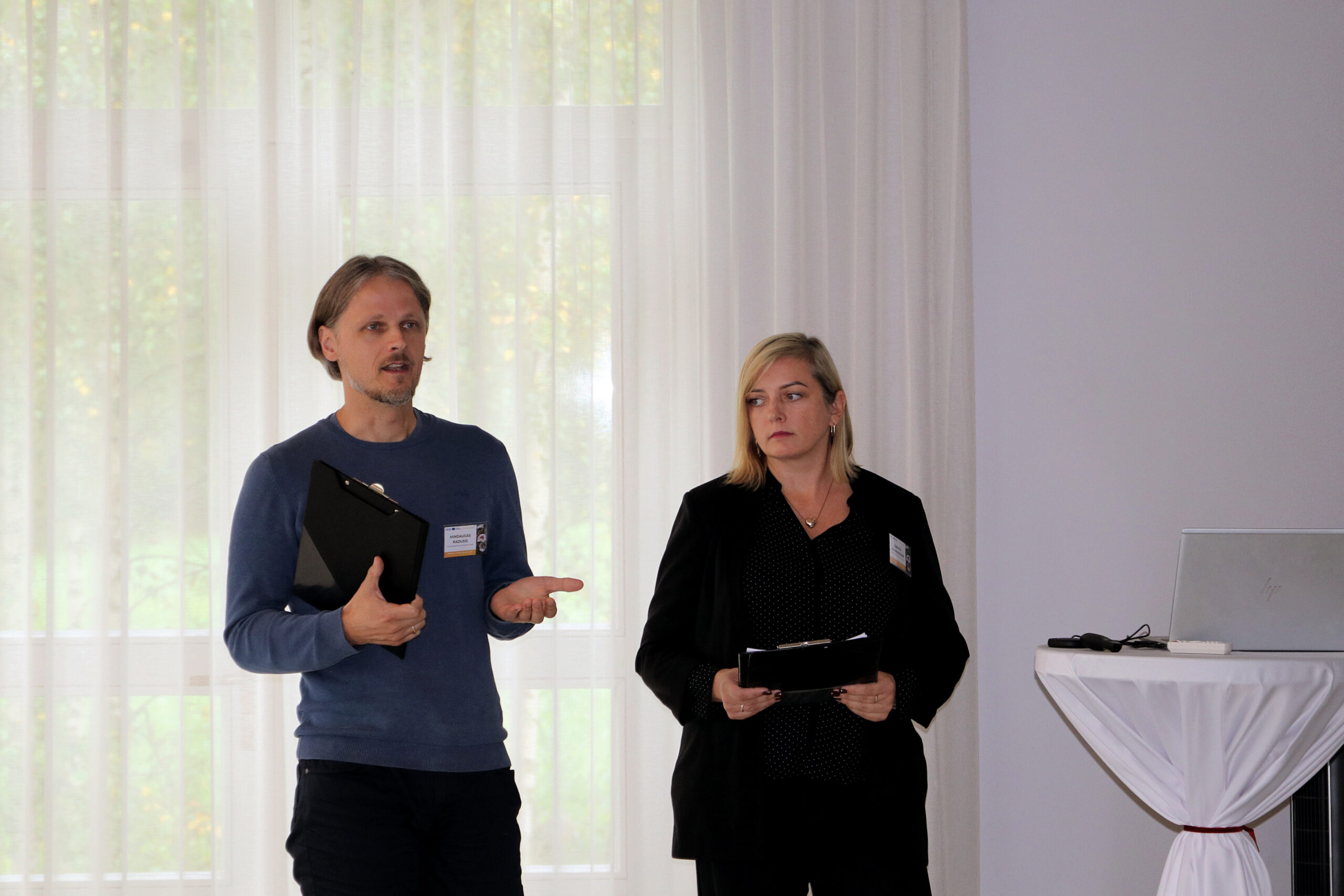
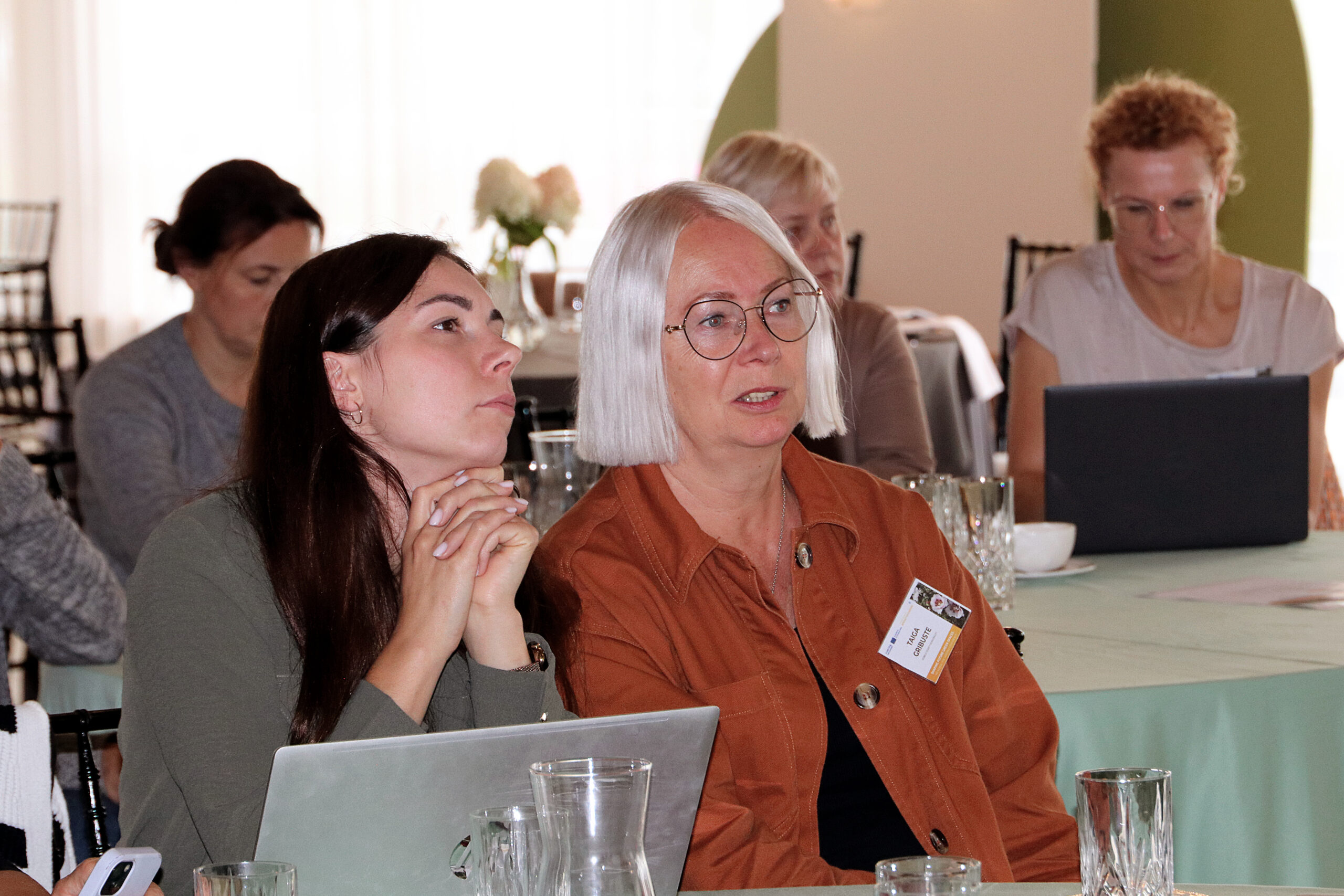
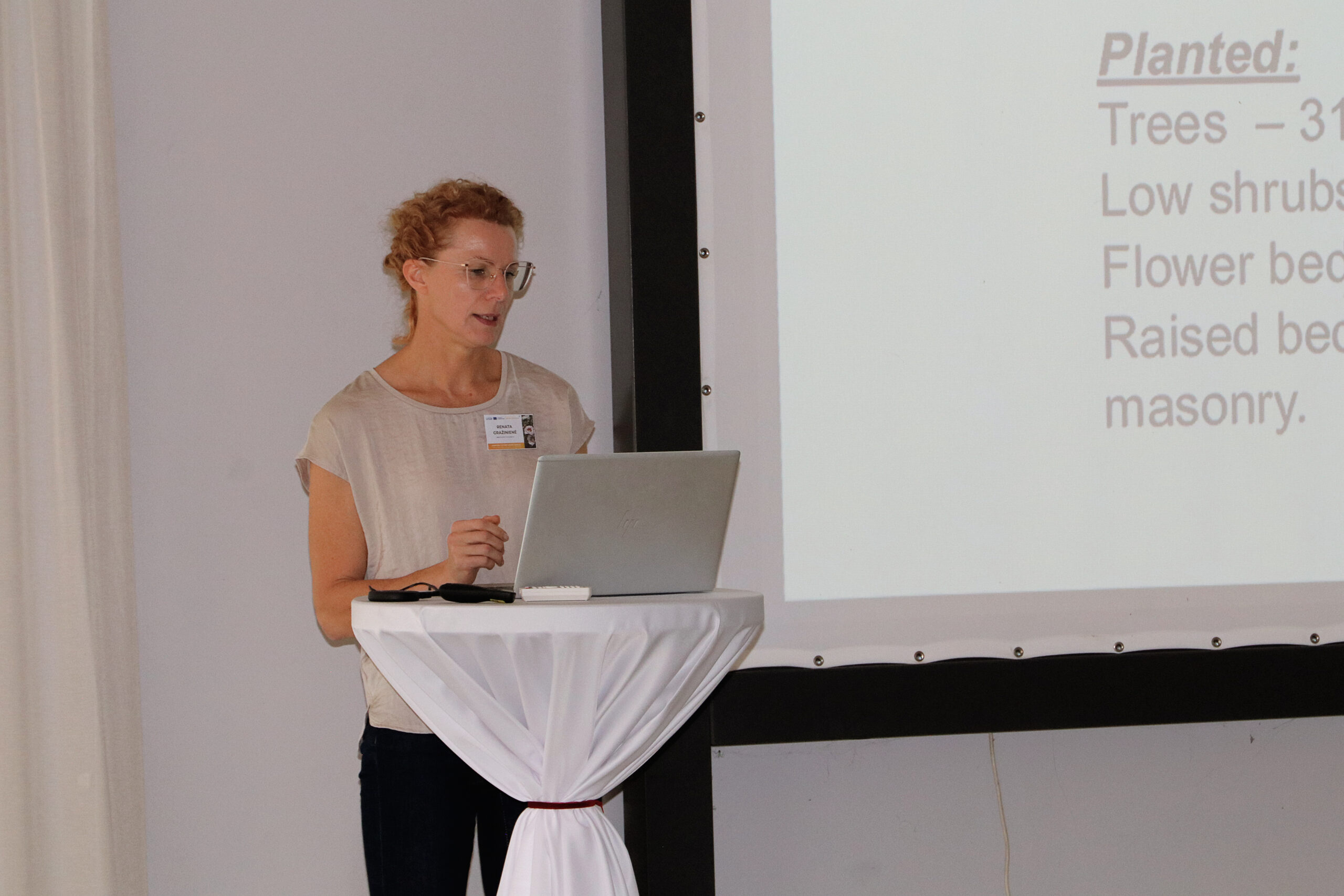
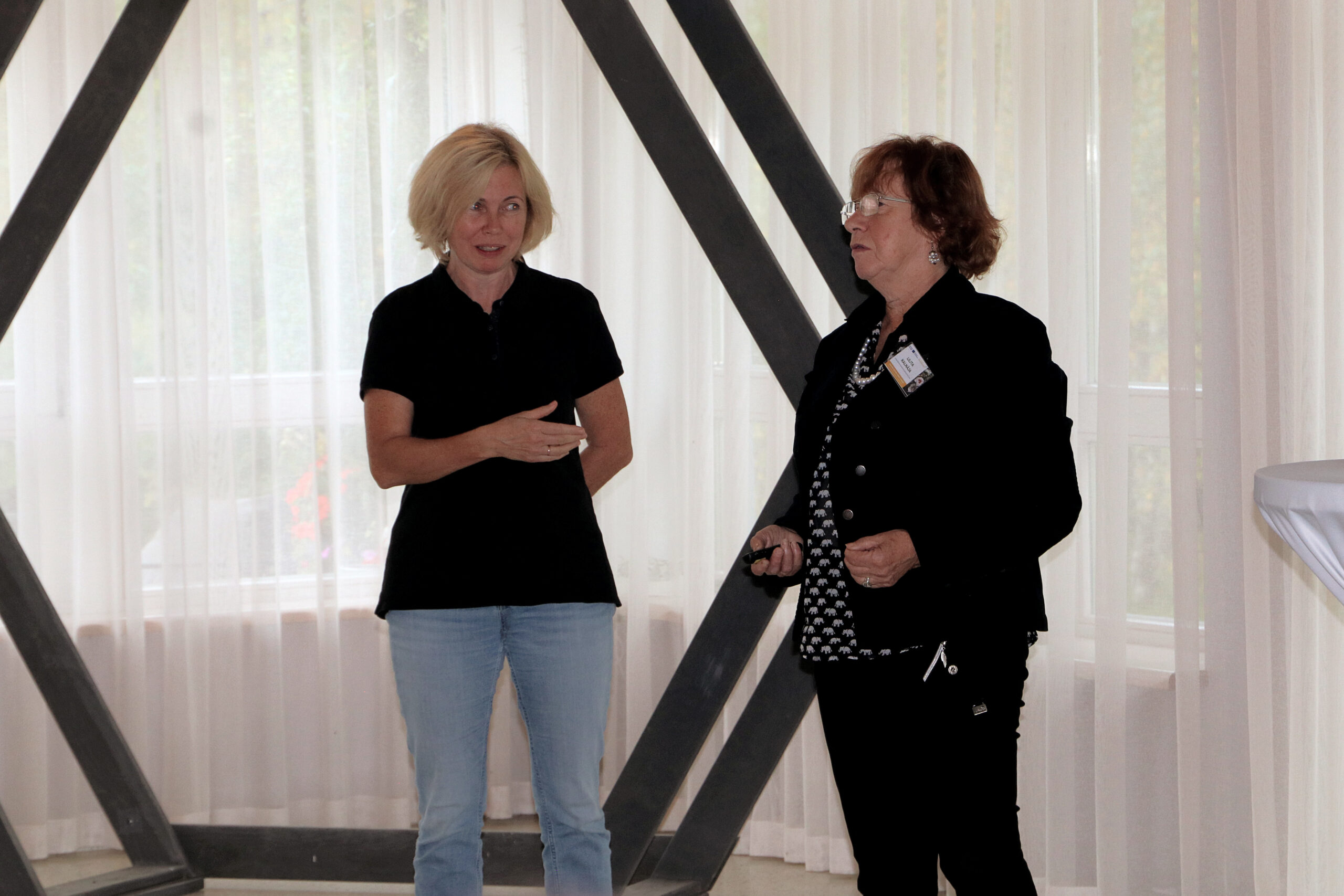
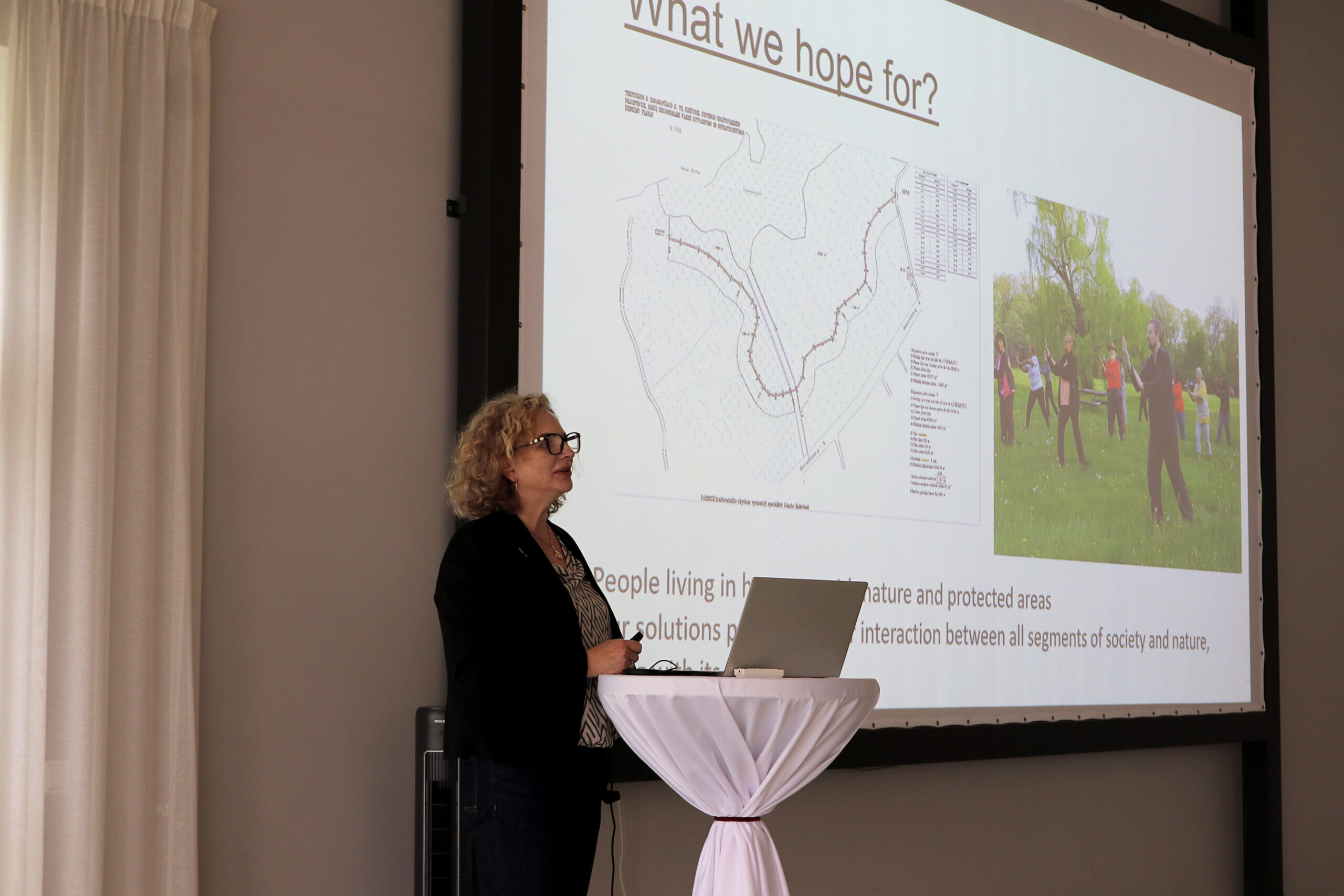
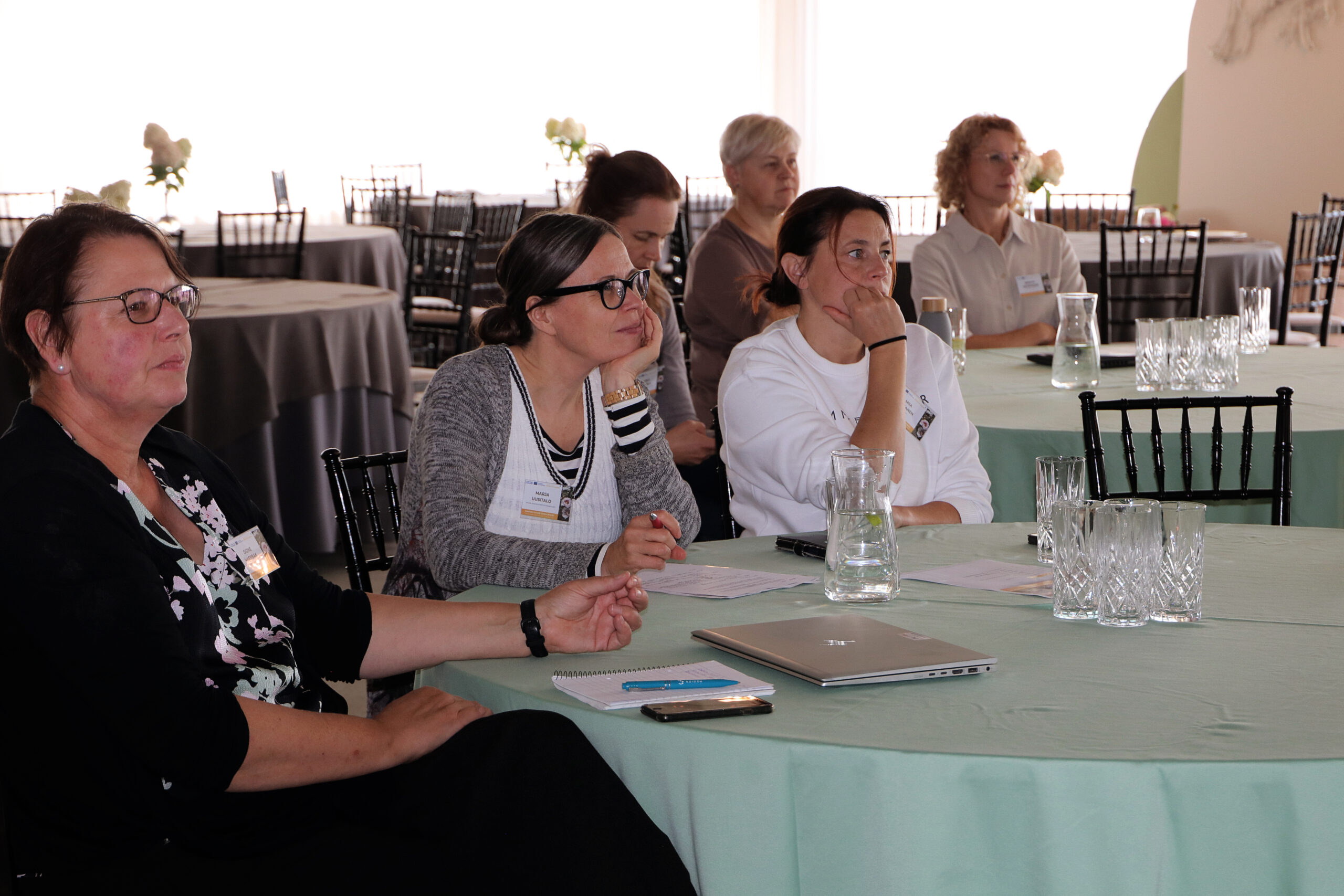
What will public green spaces look like in the future, what technologies will be used to manage them, and can gardens become part of healthcare? Answers to these questions were sought by invited industry experts and project partners from Latvia, Lithuania, Estonia, Finland, and Denmark, who gathered at an international conference in Koknese on September 17 and 18. The event was organized by the Zemgale Planning Region within the framework of the Interreg Baltic Sea Region program project “Integrated System for Interactive Public Garden Development” (Interactive Gardens).
The conference convincingly demonstrated that a modern garden is no longer just an aesthetic recreational spot, but a multifunctional ecosystem where the latest technologies, science, and a deep understanding of human needs come together. A prime example of Latvian innovation was the “smart garden” (iDārzs) from the Bulduri Technical School, which features an automated irrigation system, sensors, and even a robot that collects data on plant health, showcasing how technology can make park management more sustainable and resource-efficient.
Special attention at the event was devoted to the impact of green spaces on public health and well-being. Partners from Finland introduced their unique “Health Forest” model, where nature is integrated into the healthcare system – specially designed natural areas are located near medical facilities, and doctors can issue a “prescription” for a forest visit to promote recovery and improve mental health. The effectiveness of such an approach was confirmed with specific data by partners from Lithuania – in a survey conducted by the Klaipėda Pedagogical Psychological Service about their newly created Japanese garden, 100% of visitors confirmed that the visit had improved their mood. This dimension of well-being, which is particularly important for seniors, is complemented by the social aspect – the opportunity to meet and be together. The necessity for accessible and comfortable gathering places was emphasized at the conference by a representative of the Latvia Association of Senior Communities, who welcomed the goal of the Interactive Gardens project to create precisely such inclusive public outdoor spaces.
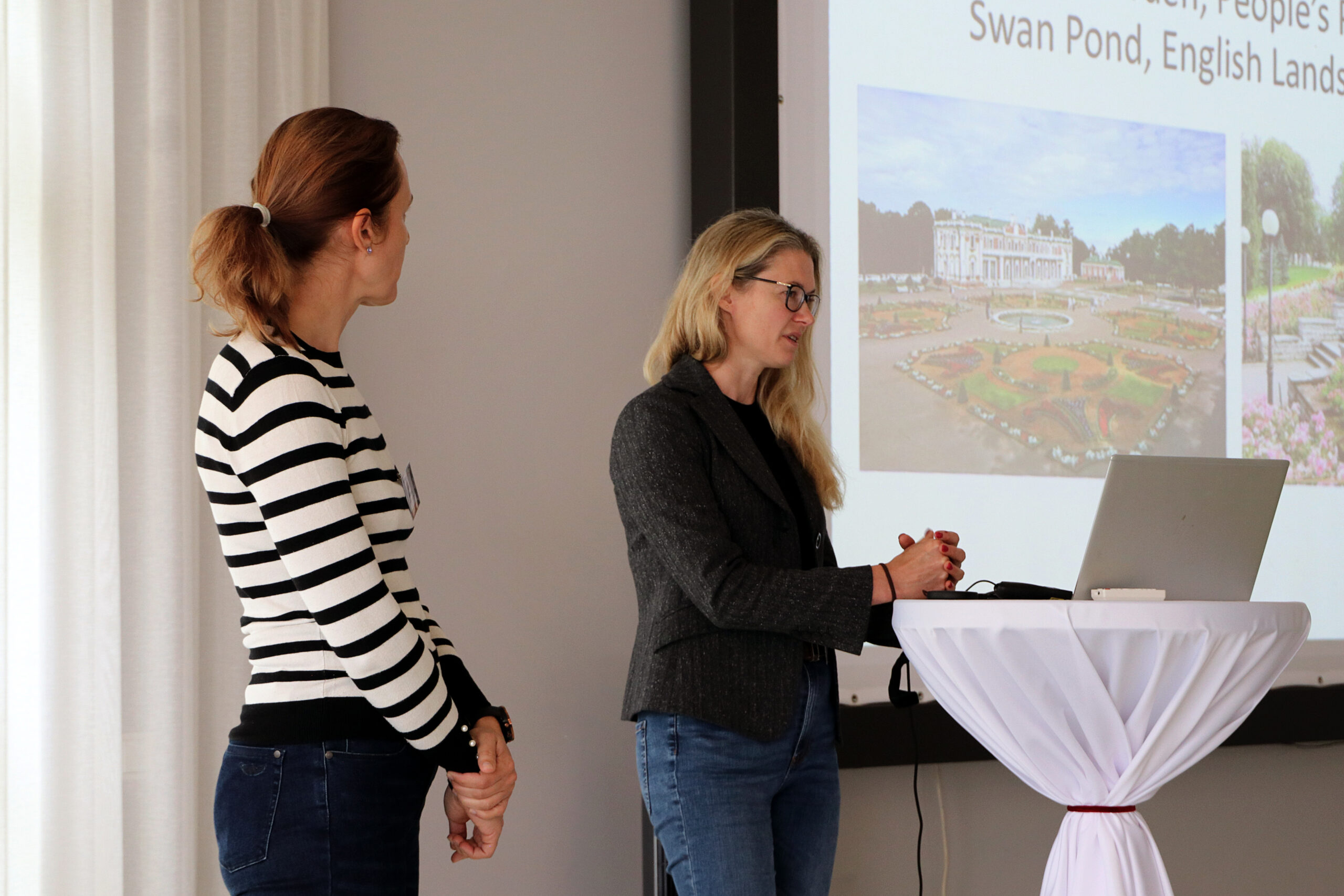
The experts’ presentations covered a wide range of ideas – from landscape design philosophy to specific solutions for public outdoor spaces. Landscape architect Ludmila Knoka introduced the principles of the “New Wave” style, which encourages the creation of nature-friendly and sustainable “four-season gardens.” These are aesthetically pleasing even in winter, emphasizing plant structure rather than just flower color. The conference also provided an insight into good practices in other countries, such as Estonia’s experience in transforming Vana-Kalamaja Street in Tallinn into a pedestrian-friendly area with community gardens, and the Danish model, where universities play a leading role in creating innovative educational gardens.
“This conference is a confirmation that we in the Baltic Sea Region are thinking in the same direction – how to create a higher quality, greener, and more people-oriented public space. By exchanging such diverse experiences, we gain not only inspiration but also practical tools that municipalities and industry professionals throughout the Baltic Sea Region can use in the development of their green areas. Our goal is for the ideas developed within the project to transform into real, tangible works that improve the daily lives and well-being of residents,” emphasizes Sigita Šiļvjane, “Interactive Gardens” project manager at Zemgale Planning Region.
The project ideas are already being put into practice. For example, Lithuanian partners in Biržai are improving the hospital park by creating raised beds and installing wind chimes, while the Directorate of Aukštaitija Protected Areas is improving access to the nature reserve by building a new bridge and enriching the landscape with hundreds of new tree plantings. The project’s lead partner, the Zemgale Planning Region, is also preparing for practical improvement works, which will take place next season.


Additional links
details
-
Homepage
-
Project typeCore Project

-
ImplementationNovember 2023 - October 2026
-
StatusOngoing
-
Contribution to EUSBSRPolicy Area Innovation, Policy Area Tourism

-
Target groups
- Higher education and research institution
- Local public authority
- Regional public authority
-
Social media
-
Additional links
-
Tags