




Breathing Easier Across Borders: How HybReDe Brings Rehabilitation Closer to Patients
03 June 2026
In the Warmia-Mazury region of Poland, access to pulmonary rehabilitation is limited. For patients living with Chronic Obstructive Pulmonary Disease (COPD), distance, time, and limited resources often stand between them and the care they need. Pulmonary rehabilitation is an important part of COPD care, but maintaining regular exercise, dietary routines, and ongoing support can be challenging in everyday life. When this support is difficult to access, symptoms may worsen and the need for hospital care may increase, placing additional strain on healthcare services.
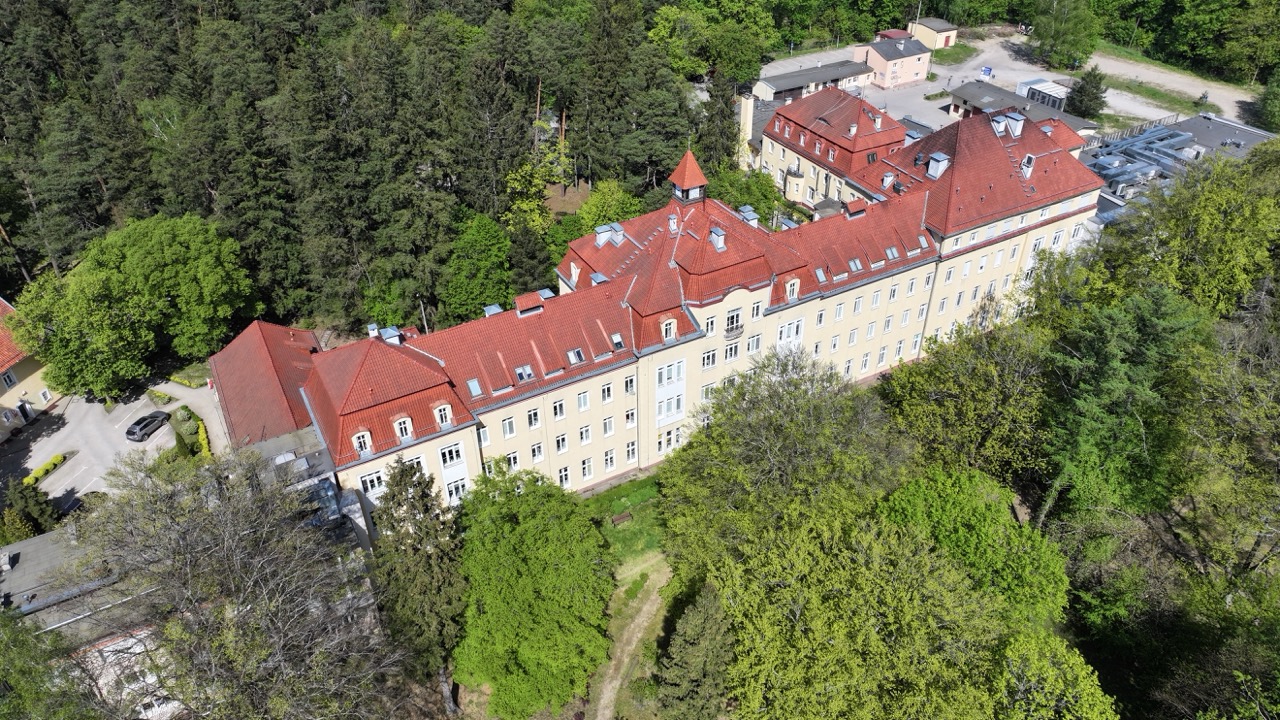
At Warmian-Masurian Pulmonary Diseases Centre in Olsztyn (WMCCP), this challenge is part of everyday reality. Patients require long-term, consistent guidance, but healthcare professionals cannot always be present beyond hospital walls.
In the case of COPD, we were looking for a solution that would allow us to support a patient who requires constant supervision, while also being practical within the healthcare system. Patients who don’t exercise or follow a diet often experience exacerbations and end up in the hospital. A virtual assistant could offer additional day-to-day support by answering common questions, encouraging routines, and helping patients stay engaged with rehabilitation in everyday life.This need for continuous, accessible support is not unique to Poland.
Across the Baltic Sea Region, healthcare systems face similar barriers: limited acceptance of AI tools, regulatory complexity, and a lack of practical guidance for implementing digital rehabilitation solutions.
This is where the HybReDe project—co-financed by the Interreg Baltic Sea Region Programme (2021-2027)—steps in. HybReDe brings together partners from Finland, Estonia, Sweden, and Poland to co-create a new model of hybrid e-rehabilitation. At its core is an AI-based Virtual Assistant (VA), designed to complement healthcare professionals by providing additional support for communication, guidance, and daily routines.
At WMCCP, the journey began with listening. Through focus groups with COPD patients and physiotherapists, and interviews with healthcare leaders, the team identified real needs: simple communication, voice-based interaction for older users, reliable answers, and motivation for daily activity. These insights shaped the Polish VA prototype, developed in close cooperation with international partners, including Tallinn University of Technology.
The transnational collaboration proved to be highly valuable.
Finland contributed structured, patient-centered models of hybrid care. Estonia highlighted challenges of digital exclusion among older populations. Poland brought clinical experience and system-level insights. Together, these perspectives allowed the partnership to design solutions that are not only innovative, but also realistic and adaptable across countries.
The project goes beyond technology. It develops protocols for pilot implementation, feasibility testing, usability and acceptability evaluation, and legal guidance aligned with European regulations, including MDR and the AI Act. By examining how these solutions function in real-life contexts, the project generates practical knowledge on how virtual assistants may be introduced as part of hybrid rehabilitation.
For patients, this means the possibility of having access to an additional source of day-to-day support that answers questions, supports healthy habits, and encourages physical activity. For healthcare professionals, it means exploring whether some routine guidance tasks can be supported in new ways. For healthcare systems, it means assessing whether hybrid support models could contribute to more efficient use of resources over time.
Through HybReDe, the consortium’s collaborative work is generating knowledge and experience that can support the future development of hybrid rehabilitation across Europe.

Additional links
details
-
Homepage
-
Project typeCore Project

-
ImplementationMarch 2025 - February 2028
-
StatusOngoing
-
Contribution to EUSBSRPolicy Area Health

-
Target groups
- Hospital and medical centre
- Interest group
- Small and medium enterprise
-
Social media
-
Additional links
-
Tags