





RegenT contributes to peer review on sustainable tourism development in Râșnov, Romania
17 November 2026
Planning for a sustainable tourism future
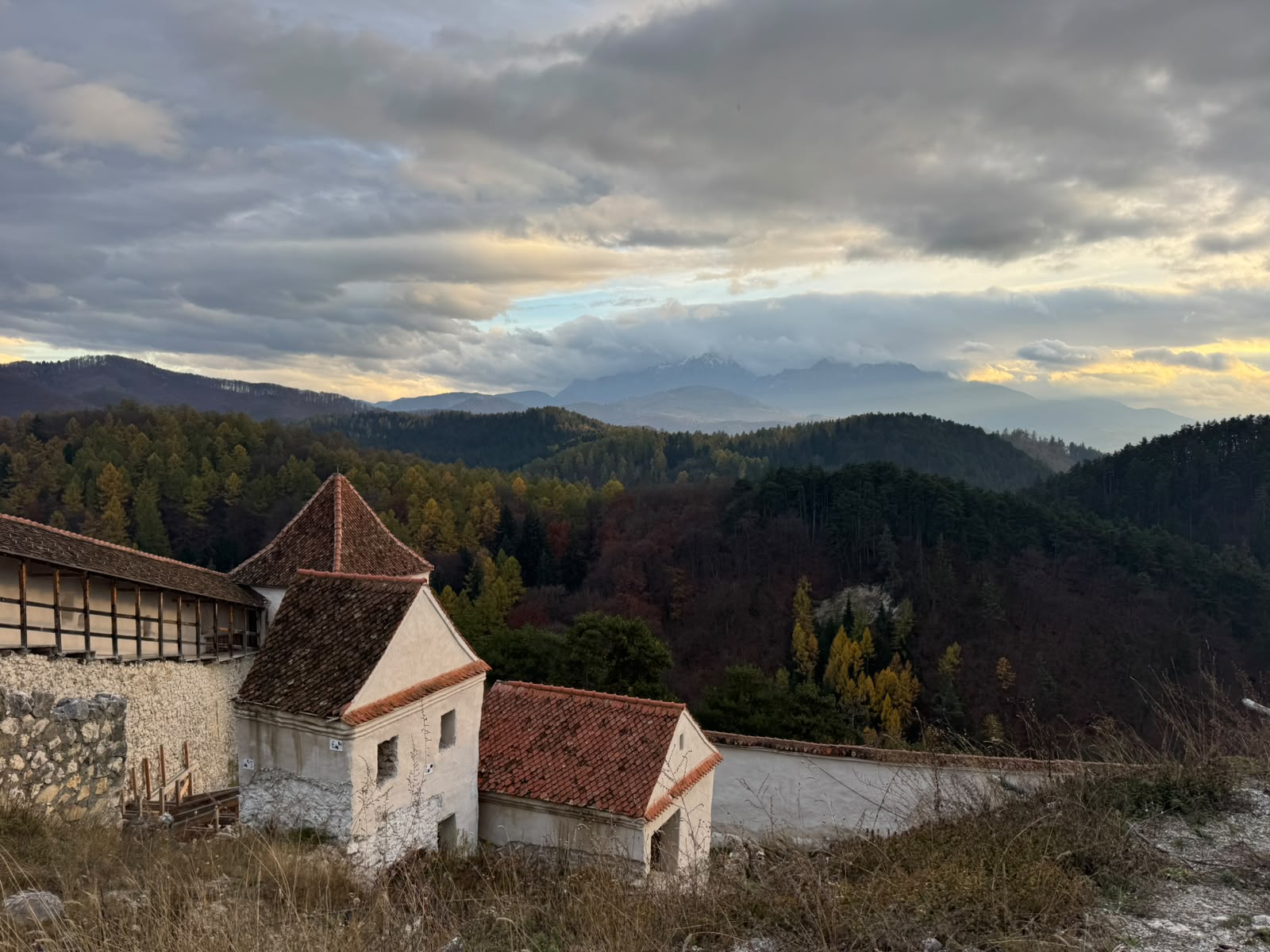
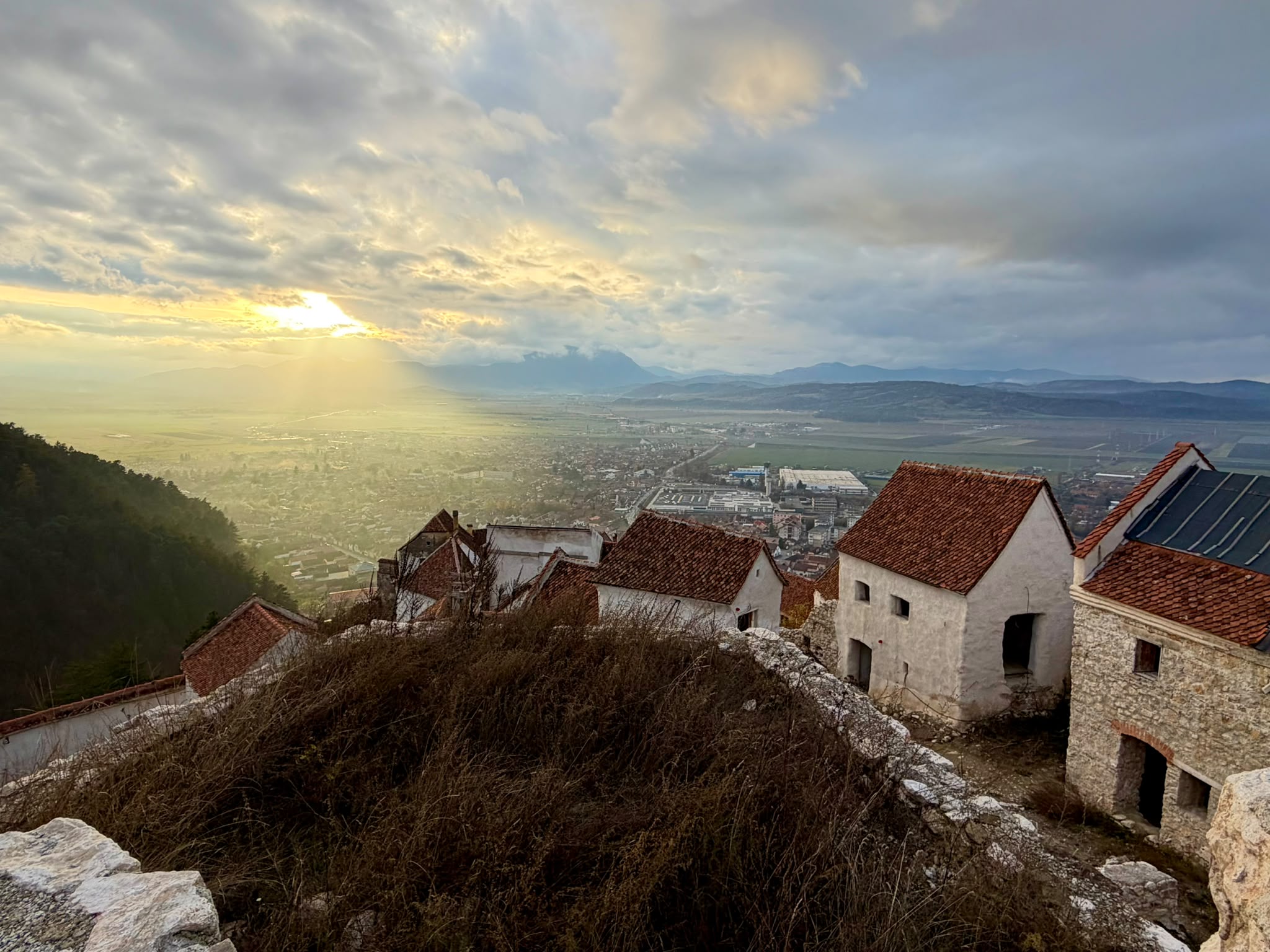
Located in Brașov County, Râșnov is an established mountain tourism destination attracting visitors to its historic attractions and surrounding natural landscapes. However, its proximity to other major destinations means that the majority of visitors spend only a short time in the town.
The municipality is now preparing its Tourism Development Strategy 2027–2035, with the ambition of encouraging longer stays, strengthening local businesses and connecting tourism more closely with the community.
An important aspect of Râșnov’s approach is its commitment to involving stakeholders in shaping this future. Rather than waiting for tensions between tourism development, community needs and environmental protection to emerge, the municipality is taking steps to establish a shared direction for tourism development.
Bringing regenerative tourism perspectives into the discussion
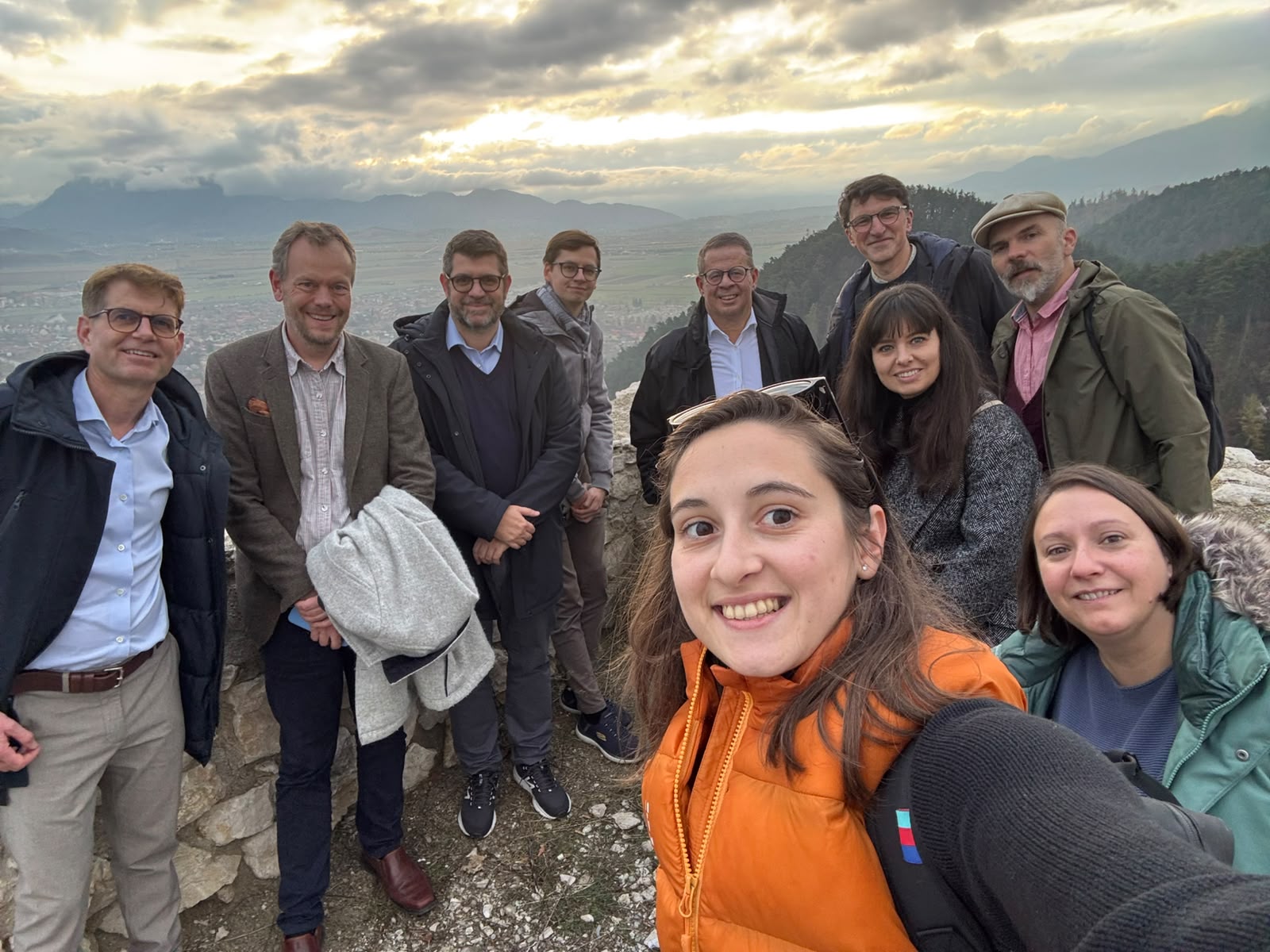
James Simpson, project manager at Novia University of Applied Sciences and coordinator of the Interreg Baltic Sea Region project platform RegenT, participated in the peer review, contributing perspectives on regenerative tourism, stakeholder engagement and destination governance.
RegenT’s contribution emphasised the importance of moving beyond tourism growth as the primary measure of success. Instead, destinations should consider how tourism can strengthen local livelihoods, support cultural heritage, benefit residents and contribute positively to the environment.
The discussions also highlighted the role of municipalities in bringing together businesses, communities and other stakeholders around a common vision. Effective destination management requires long-term cooperation, clear responsibilities and practical actions that connect tourism development with wider community priorities.
These themes are central to RegenT’s work in supporting destinations across the Baltic Sea Region in moving towards more regenerative approaches to tourism.
Learning from each other
The peer review was organised through the Interreg Europe Policy Learning Platform, which supports public authorities in addressing policy challenges through exchanges with experienced peers from other European regions.
The programme combined discussions on tourism strategy and governance with opportunities to explore Râșnov’s local tourism offer, including visits to artisan businesses.
The exchange demonstrated the value of peer learning as a two-way process. While participating experts shared experiences and approaches from their own regions, Râșnov’s proactive work on stakeholder engagement and long-term planning also provided valuable lessons for other destinations.
Local craftsmanship and cultural heritage offered practical examples of how tourism can become more closely connected to a destination’s identity, creating opportunities for local businesses while giving visitors reasons to explore beyond the main attractions.
Connecting European experiences with RegenT
Participation in the peer review provided an opportunity to share knowledge developed through RegenT and its participating projects with a destination outside the Baltic Sea Region.
The discussions reinforced several priorities addressed by RegenT, particularly community participation, integrated destination management and the need to translate strategic ambitions into practical actions.
The experience also underlined an important lesson for destinations in the Baltic Sea Region. planning for tourism’s future before significant pressures emerge creates opportunities to build stronger partnerships and ensure that development benefits both people and places.
The exchange contributes to RegenT’s wider efforts to connect European experiences, strengthen knowledge sharing and support municipalities and destination management organisations in putting regenerative tourism principles into practice.
Further information:

Additional links
details
-
Homepage
-
Project typeProject Platform

-
ImplementationJuly 2025 - June 2028
-
StatusOngoing
-
Contribution to EUSBSRPolicy Area Tourism

-
Target groups
- Interest group
- International governmental organisation
- Local public authority
- Regional public authority
- Sectoral agency
-
Social media
-
Additional links
-
Tags