




SafeDrink Kick Off
06 November 2026
SafeDRINK partners meet in Latvia to launch joint work on drinking water safety
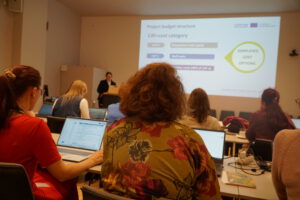
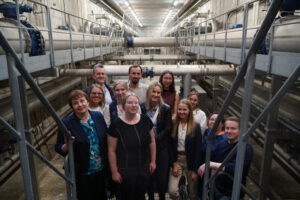
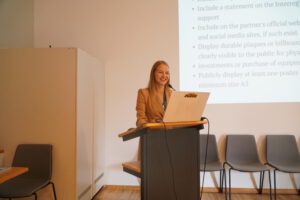
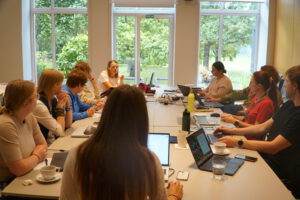
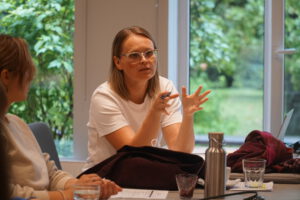
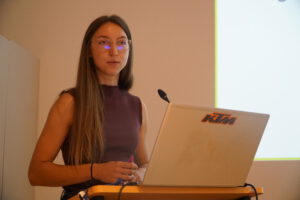
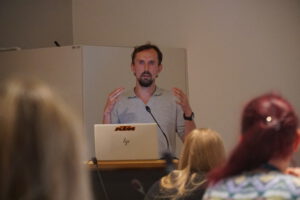
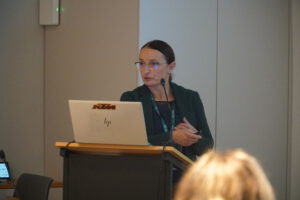
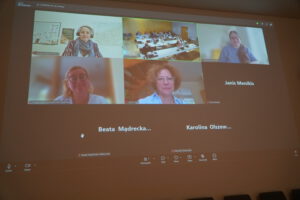
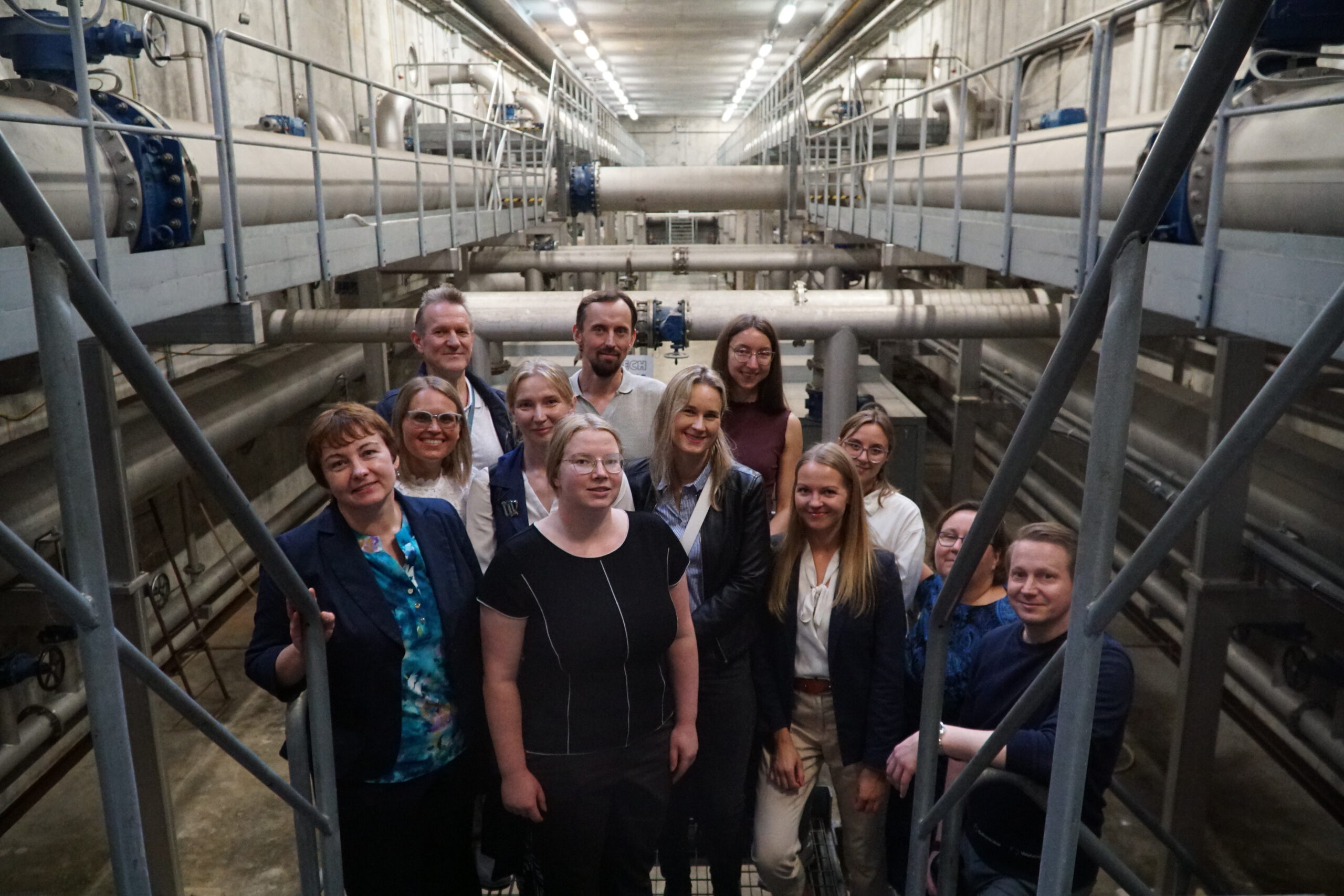
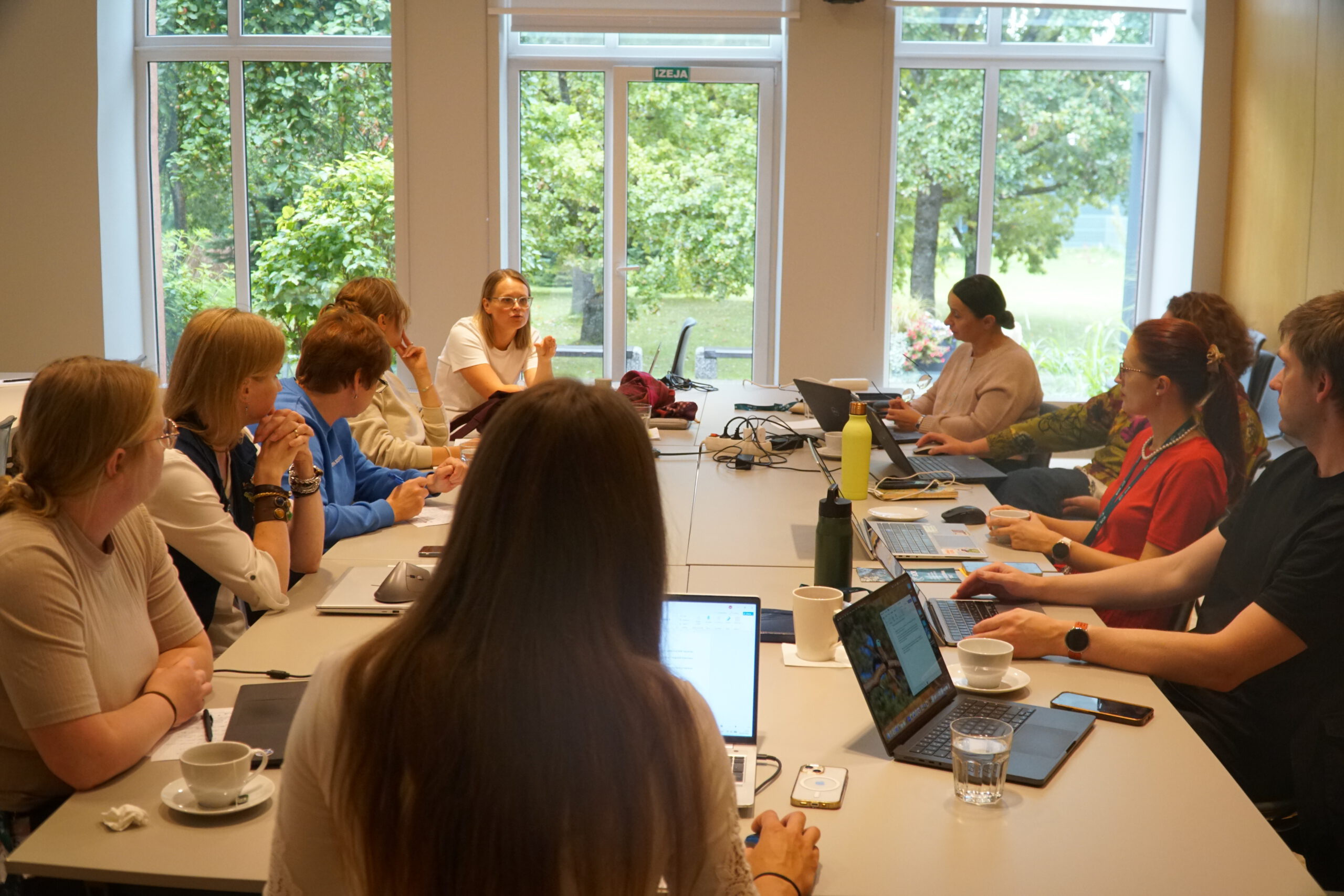
The kick-off meeting of the Interreg Baltic Sea Region project “SafeDRINK – Strengthening Drinking Water Safety Regarding Microplastic Pollution in the Baltic Sea Region” took place over two days at the Institute of Food Safety, Animal Health and Environment “BIOR” in Latvia. The meeting brought together project and associated partners from Latvia, Estonia, Poland and Germany.
The meeting marked the beginning of the project’s practical implementation. Partners presented their expertise and planned contributions, clarified responsibilities, discussed the joint work plan and agreed on the next steps. Particular attention was given to harmonising microplastic monitoring methods, testing sampling and analytical procedures, strengthening interlaboratory cooperation and providing training for specialists.
The Institute of Food Safety, Animal Health and Environment “BIOR” is the lead partner of SafeDRINK. BIOR will coordinate the international partnership, oversee the project’s implementation and support cooperation among research institutions, laboratories, water utilities and public authorities.
Towards a harmonised approach to microplastic monitoring
Microplastics are increasingly being detected in groundwater, lakes and other water bodies used as sources of drinking water. At the same time, laboratories, water utilities and responsible authorities across the Baltic Sea Region still lack harmonised and practically tested approaches to monitoring microplastics.
SafeDRINK partners will work together to develop and test harmonised sampling and analytical protocols, conduct interlaboratory testing and strengthen the knowledge and skills of specialists. The project will also establish a shared cooperation and data-exchange platform to support the exchange of information, experience and expertise among the participating countries.
Consultations with water utilities, municipalities and public authorities will be organised throughout the project. National and transnational expert workshops will support the development and alignment of the methodology, while public engagement activities will increase awareness of microplastic pollution and help build trust in drinking water quality.
International cooperation for safer drinking water
The SafeDRINK partnership includes Tallinn University of Technology, Poznań University of Technology, the Estonian Health Board and DVGW – the German Technical and Scientific Association for Gas and Water. Associated partners include water utilities, municipalities and public institutions.
By combining scientific, technical and regulatory expertise, the SafeDRINK partners will develop practical solutions to help laboratories and responsible authorities prepare for new European Union requirements, identify potential risks and make evidence-based decisions.
SafeDRINK is being implemented from 1 July 2026 to 30 June 2028. Its total budget is EUR 475,400.21, including EUR 380,320.16 in funding from the European Regional Development Fund and EUR 95,080.05 in partner co-financing.
The kick-off meeting in Latvia was an important first step towards closer cross-border cooperation and a harmonised approach to microplastic monitoring across the Baltic Sea Region.
Photo and Media: Kristīne Plinta
Kristine Plinta

Additional links
details
-
Homepage
-
Project typeSmall Project

-
ImplementationJuly 2026 - June 2028
-
StatusOngoing
-
Contribution to EUSBSRPolicy Area Hazards

-
Target groups
- Higher education and research institution
- Large enterprise
- National public authority
- Small and medium enterprise
-
Social media
-
Additional links
-
Tags