




European Mobility Week inspiration from around the Baltic Sea Region
06 November 2026
Cēsis in Latvia, Panevėžys in Lithuania, Greifswald in Germany, Turku in Finland and Gävle in Sweden share some of their activities, experiences and ideas to inspire other cities and perhaps spark ideas for future Mobility Weeks too.
On 22 September, Cēsis celebrated Car-Free Day by closing Raunas Street, one of the city’s busiest streets, to motor traffic and transforming it into a space for activities for children and adults. Visitors could test their balance and coordination and learn the basics of bicycle maintenance at a bicycle workshop. At Vienības Square, Latvian Cycling Girls organised an activity “One Road for Everyone”. It gave drivers an opportunity to experience traffic from a cyclist’s perspective, highlighting the importance of safe passing distances, visibility and mutual respect between road users.
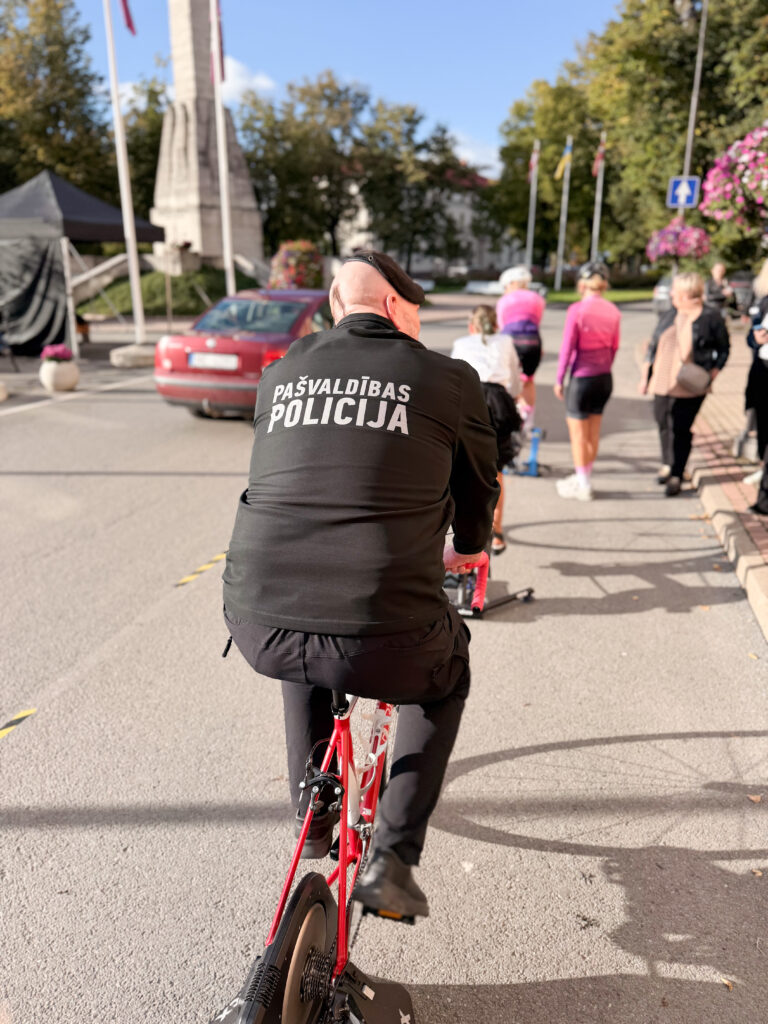
The Latvian Police officer is participating the European Mobility Week in Cesis. Photo: ©Monta Ašmane
Local schoolchildren also joined the European Mobility Week by taking part in a creative competition “Mobility for All Generations”. Pupils in grades 1–4 illustrated their safest and most convenient routes to school and other everyday destinations, while pupils in grades 5–9 stepped into the role of young urban planners and shared their ideas for improving mobility in Cēsis. The best works were displayed at the Cēsis Municipality building, and the winners received awards during the Car-Free Day event.
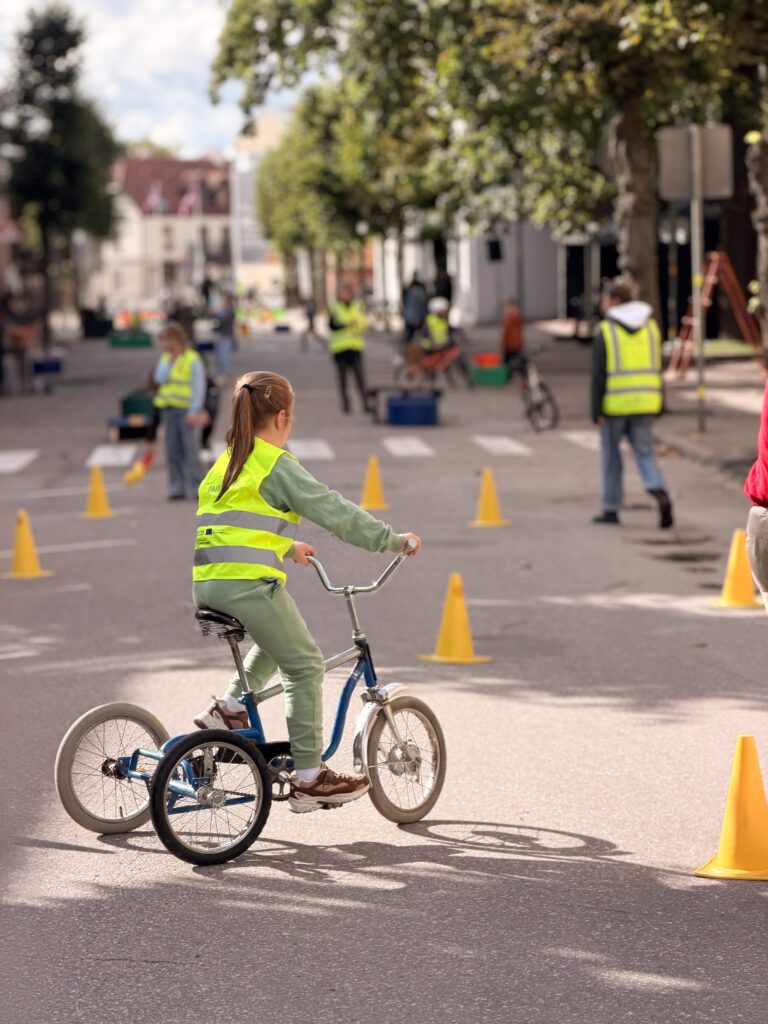
Mobility for All Generations in Cesis Photo: ©Monta Ašmane
European Mobility Week also invited residents to reflect on their everyday travel habits and the kind of urban environment they would like to see. Car-Free Day offered a glimpse of Raunas Street from a different perspective, without the usual motor traffic and with space for people and activities.
Panevėžys joined the European Mobility Week under the theme “Mobility for Everyone”, bringing together schools, sports organisations and local communities to promote active, sustainable and accessible mobility. The programme included an event raising awareness of accessibility, a walking initiative for preschool children. On Car-Free Day, activities included free public transport, road safety activities, sports demonstrations and the closing event of the “Our School Moves 3.0” challenge.
One of the highlights was the fourth edition of a women’s cycling parade, held on Car-Free Day. Women took to the streets of Panevėžys in elegant outfits, with bicycles decorated with flowers and other accessories. The event offered a creative way to showcase cycling as an attractive and practical option for everyday urban travel while bringing the local community together.
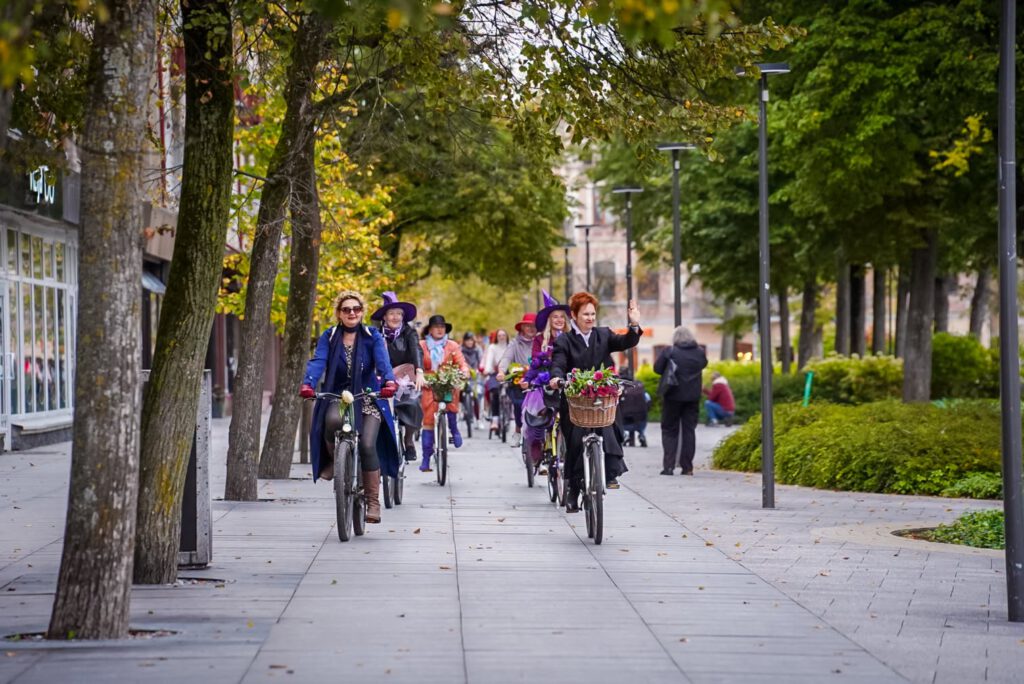
The Panevezys ladies taking a ride Photo: ©Živilė Večiorkutė
In Greifswald, European Mobility Week brought a diverse programme of activities. In 2026, Greifswald was the only city in Mecklenburg-Western Pomerania to participate in the campaign. The programme kicked off with a screening of Cycling Cities at the municipal library, followed by a panel discussion involving experts and residents. Another highlight was a bicycle cinema at the Museum Harbor, where 70 participants powered the screening by pedalling while enjoying a selection of short films.
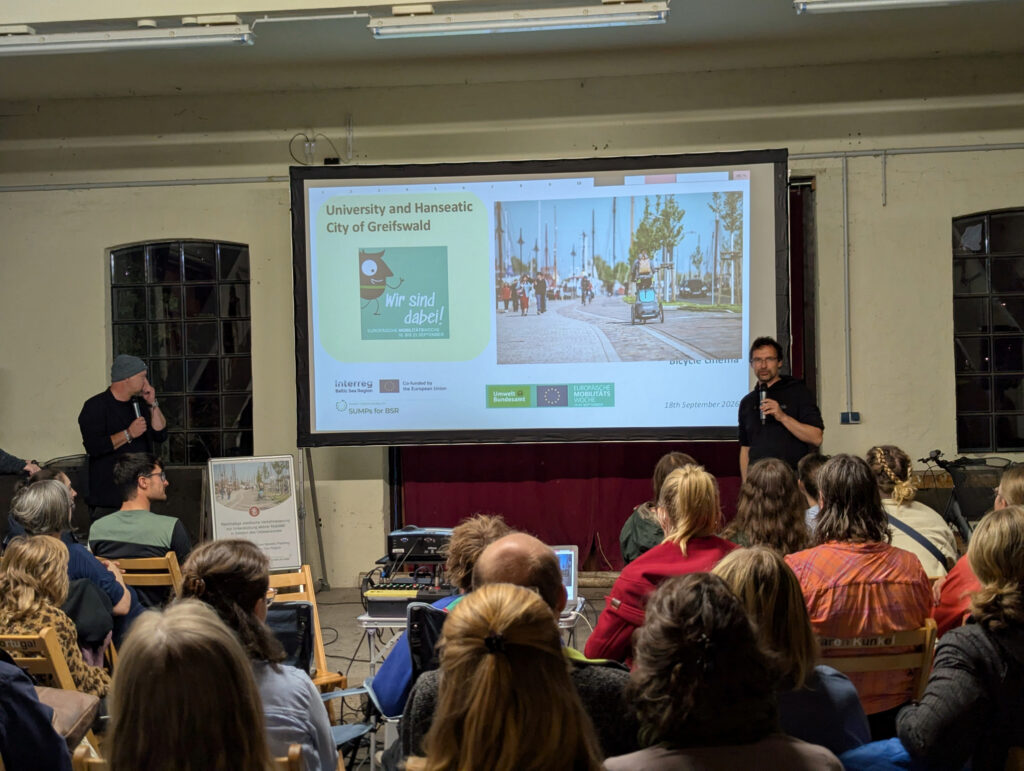
One of the EMW events in Greifswald. Photo: © Maiko Becker
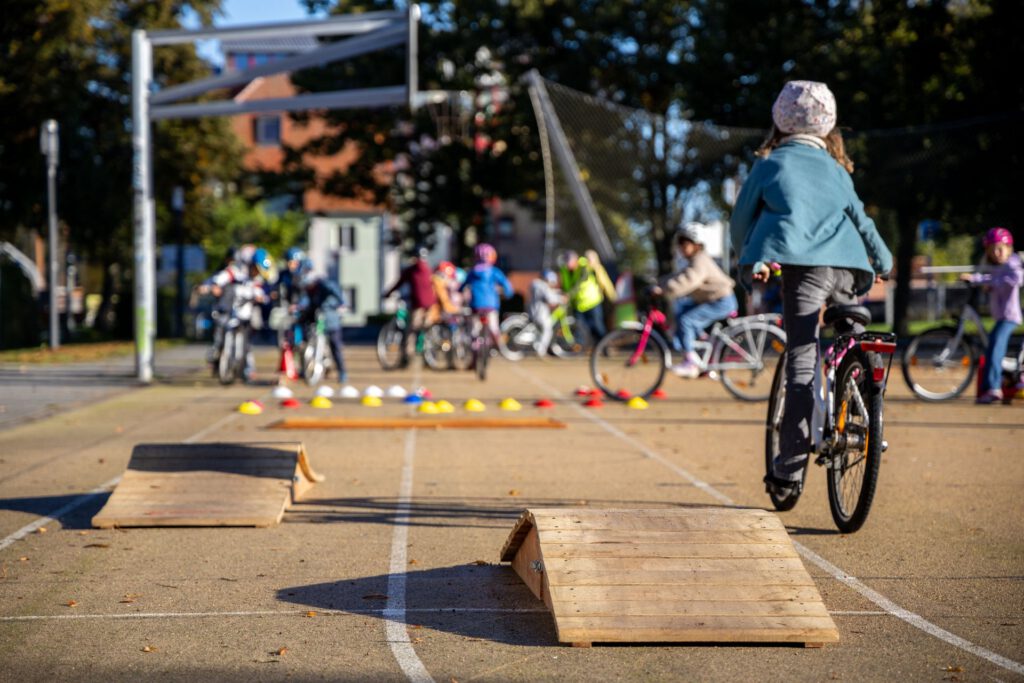
Bicycle Game with the children in Greifswald during EMW Photo: © André Gschweng
During European Mobility Week, the City of Turku promoted sustainable mobility on social media, highlighting e-scooter parking, cycling, travel chains, mobility data collection, the mobility hub and related pilot projects. The city also showcased its pilots at the Turku Day market. There, residents could participate in an e-scooter safety survey and receive sustainable mobility-themed prizes, such as reflectors and bicycle bells. The activities particularly reached families with children and students.
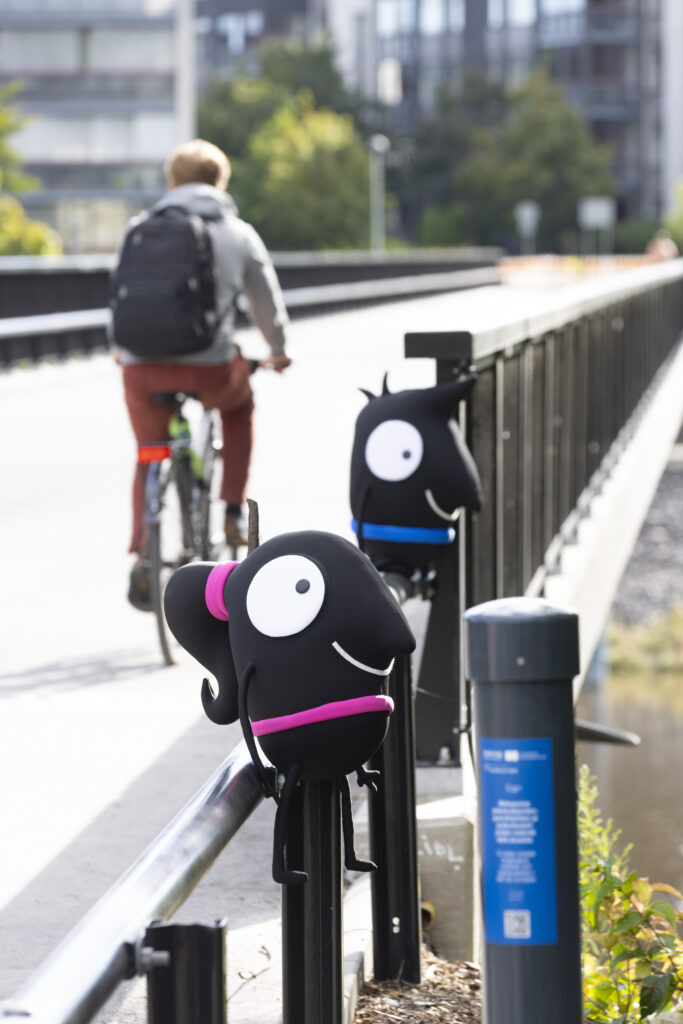
European Mobility Week Mascots on the new lighttrafic/pedestrian bridge in Turku Photo: © Suvi Elo
Gävle Mobility Week 2026 focused on promoting cycling and public transport and encouraging residents to make more sustainable everyday travel choices. Bus advertisements and public information boards across the city encouraged people to leave their cars at home and choose the bus or bicycle instead, with messages such as “Your journey matters”. One highlight was an outdoor event in the town centre, with a cargo bike serving as an information stand. Visitors could take part in a mobility quiz and share their thoughts on mobility in Gävle. The activities also generated useful ideas for making resident engagement even more interactive during Mobility Week 2027.
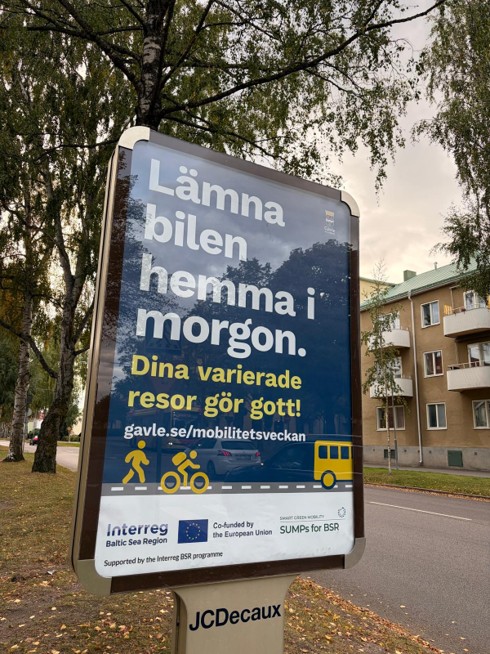
Roadside mobility-campaign poster in Gävle, Sweden Photo: © Farah Albukaai
One Mobility Week, many ways to get people moving! These examples show how sustainable mobility can become part of everyday life, from creative cycling events and car-free streets to activities for children and accessible mobility. We hope they inspire ideas for your next European Mobility Week!

Additional links
details
-
Homepage
-
Project typeCore Project

-
ImplementationNovember 2023 - October 2026
-
StatusCompleted
-
Contribution to EUSBSRPolicy Area Spatial Planning

-
Target groups
- Local public authority
- National public authority
-
Social media
-
Additional links
-
Tags