




Light in the Dark at the Baltic Sea Tourism Forum 2026
06 November 2026
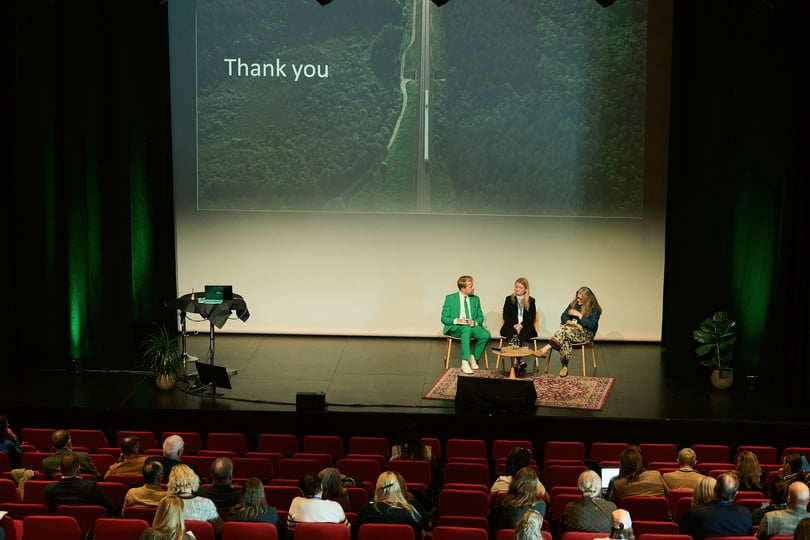
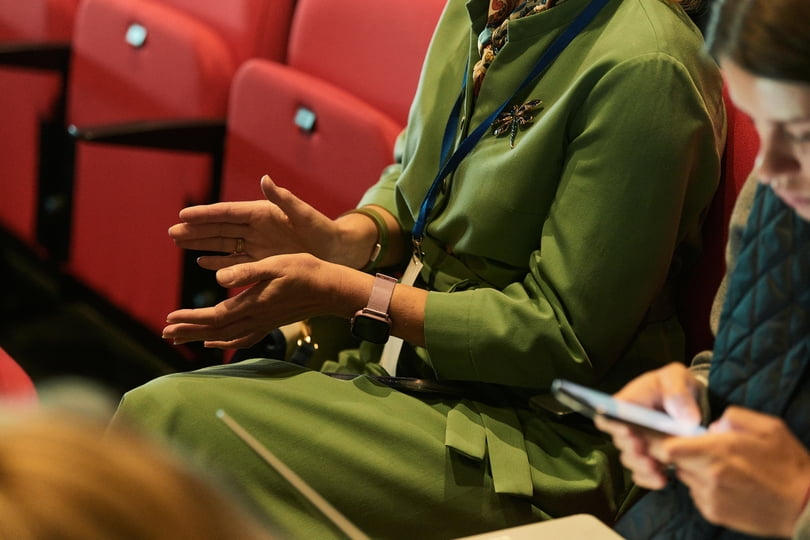
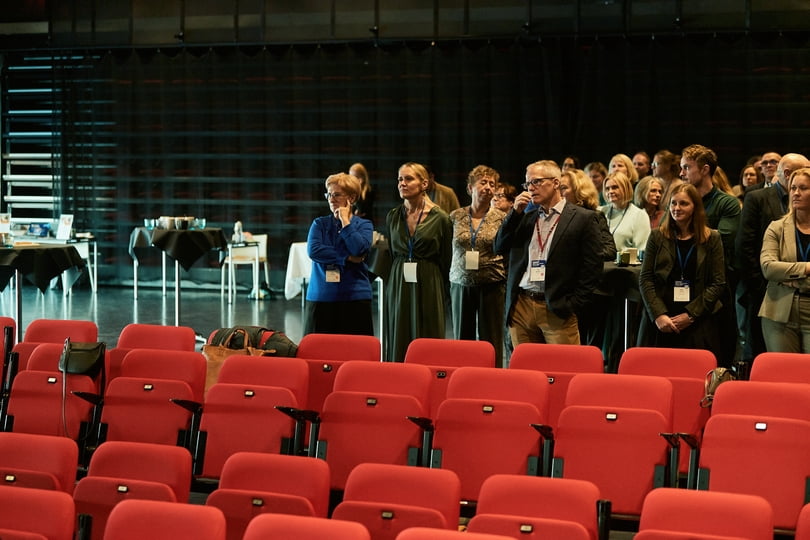
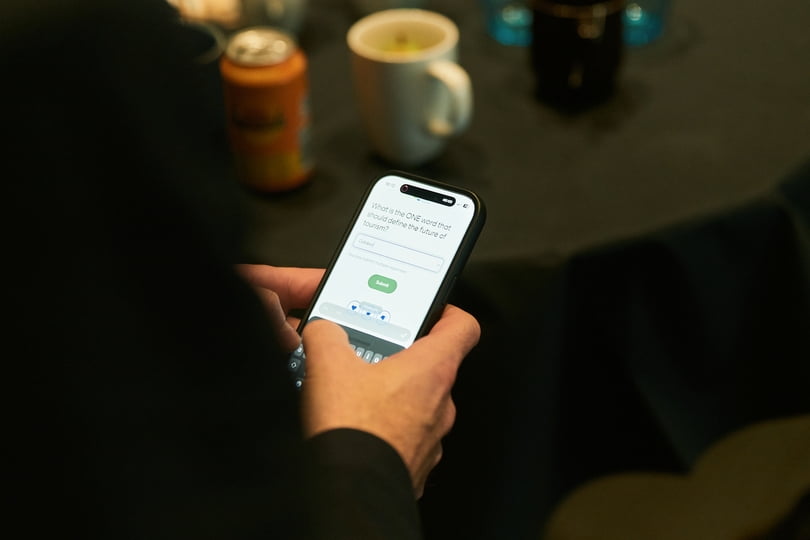
On 2–3 November, Light in the Dark joined tourism professionals, destinations and projects from across the Baltic Sea Region in Helsingør, Denmark, for the Baltic Sea Tourism Forum 2026.
Coming at the very end of the Light in the Dark project, the forum provided a timely opportunity to reflect on many of the questions that have shaped our work over the past three years: How can tourism create greater value for local communities? How can we encourage visitors to make more responsible choices? And how can destinations become more resilient while responding to changing visitor behaviour, climate challenges and increasing expectations for more sustainable tourism?
From seasonality to resilient destinations
Light in the Dark has explored how nature- and culture-based tourism experiences can help destinations attract visitors beyond the traditional high season. Through collaboration with tourism SMEs and destinations around the Baltic Sea Region, the project has tested new tourism experiences and explored how businesses can develop attractive off-season products that are rooted in local nature, culture and communities.
At the Baltic Sea Tourism Forum, many of these ideas appeared within an even broader discussion about the future of tourism.
Sessions explored changing visitor behaviour, climate-smart destinations, sustainable mobility and new approaches to destination development. A recurring message was that tourism development should not only be about increasing visitor numbers, but about considering the value tourism creates for the places people visit.
The discussion around moving from destination marketing towards destination stewardship was particularly relevant. It reflects a shift from simply asking how do we attract more visitors? towards questions such as what kind of tourism do we want, when do we want it, and how can it contribute positively to the destination?
These are questions that strongly resonate with the work carried out in Light in the Dark.
Encouraging visitors to make positive choices
Another interesting theme was how destinations can influence visitor behaviour.
Examples such as Wonderful Copenhagen’s CopenPay initiative showed how positive incentives can encourage visitors to make choices that benefit both the destination and its communities.
For Light in the Dark, this connects closely with our work on experiences outside the traditional peak season. Encouraging visitors to discover destinations at different times of the year can help spread tourism flows, create opportunities for local businesses beyond the summer season and offer visitors new ways of experiencing the Baltic Sea Region.
Instead of seeing seasonality only as a challenge, Light in the Dark has explored the opportunities found in the darker, quieter and less traditionally visited periods of the year.
Connecting Light in the Dark with regenerative tourism
The forum was preceded on 2 November by an event organised through RegenT, a platform bringing together knowledge and results from European projects working with regenerative tourism.
This provided another important connection for Light in the Dark.
Many of the experiences developed and lessons learned during the project raise questions that extend beyond sustainability alone: How can tourism contribute to thriving local communities? How can visitors develop a stronger relationship with the places they visit? And how can tourism businesses work together with destinations to strengthen local nature, culture and identity?
These discussions are increasingly becoming part of the wider conversation about regenerative tourism in the Baltic Sea Region.
Continuing the conversation
As Light in the Dark approaches its conclusion, participating in the Baltic Sea Tourism Forum was also a reminder that the project’s work does not end with the project itself.
The experiences developed by tourism businesses, the lessons from piloting across the Baltic Sea Region, and the tools and knowledge created through Light in the Dark can continue to support discussions about seasonality, resilience and more sustainable tourism development.
The forum showed that many of the questions explored through Light in the Dark are increasingly relevant across the Baltic Sea Region.
Our project may be coming to an end, but the conversation about creating tourism that works better for visitors, businesses, local communities and destinations continues.

Additional links
details
-
Homepage
-
Project typeCore Project

-
ImplementationNovember 2023 - October 2026
-
StatusCompleted
-
Contribution to EUSBSRPolicy Area Tourism

-
Target groups
- Business support organisation
- Local public authority
- Regional public authority
- Small and medium enterprise
-
Social media
-
Additional links
-
Tags