




How Can Tourism Destinations Remain Attractive Year-Round? International Seminar Explores the Future of Tourism and Ways to Address Seasonality
30 October 2026
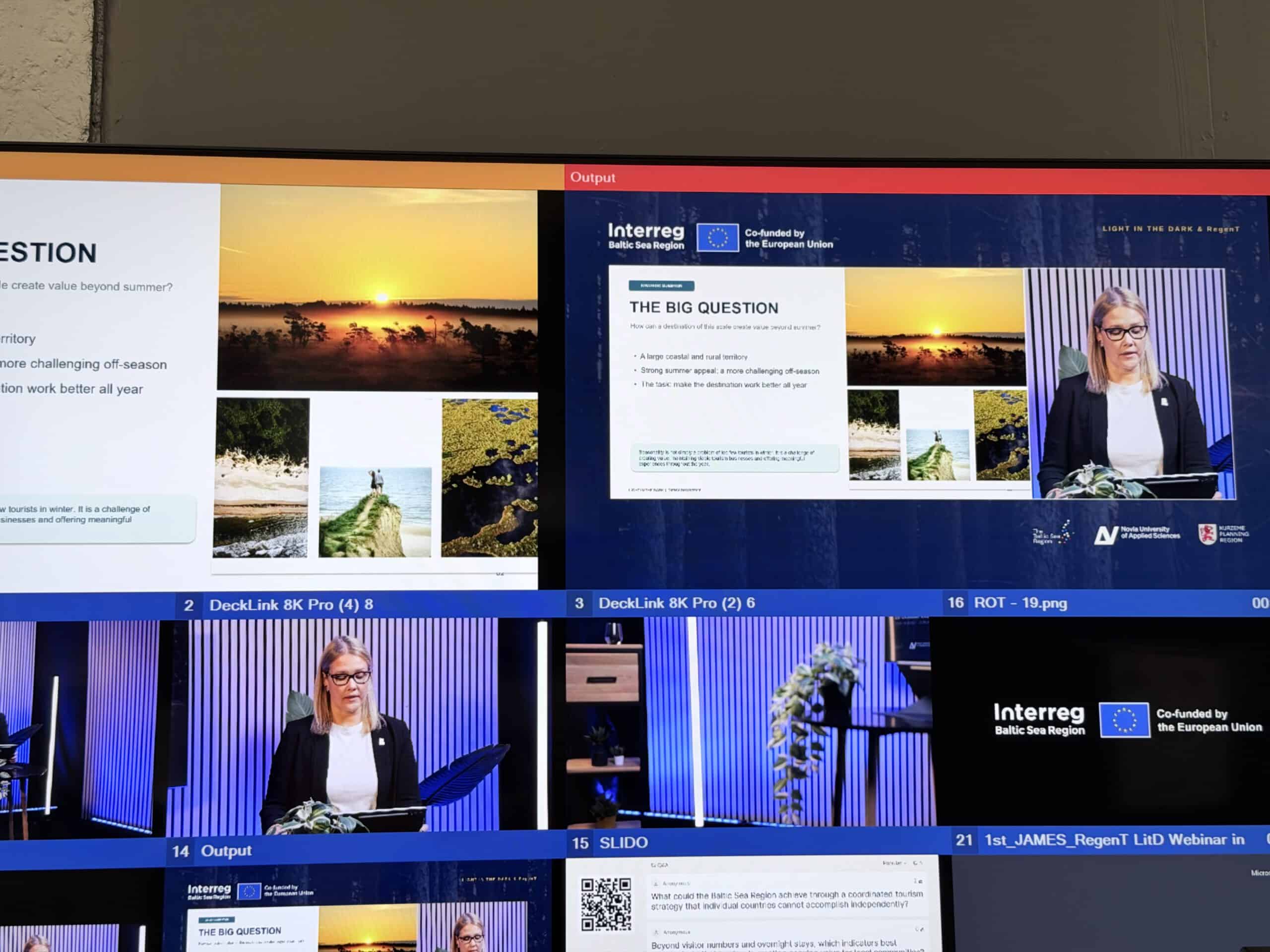
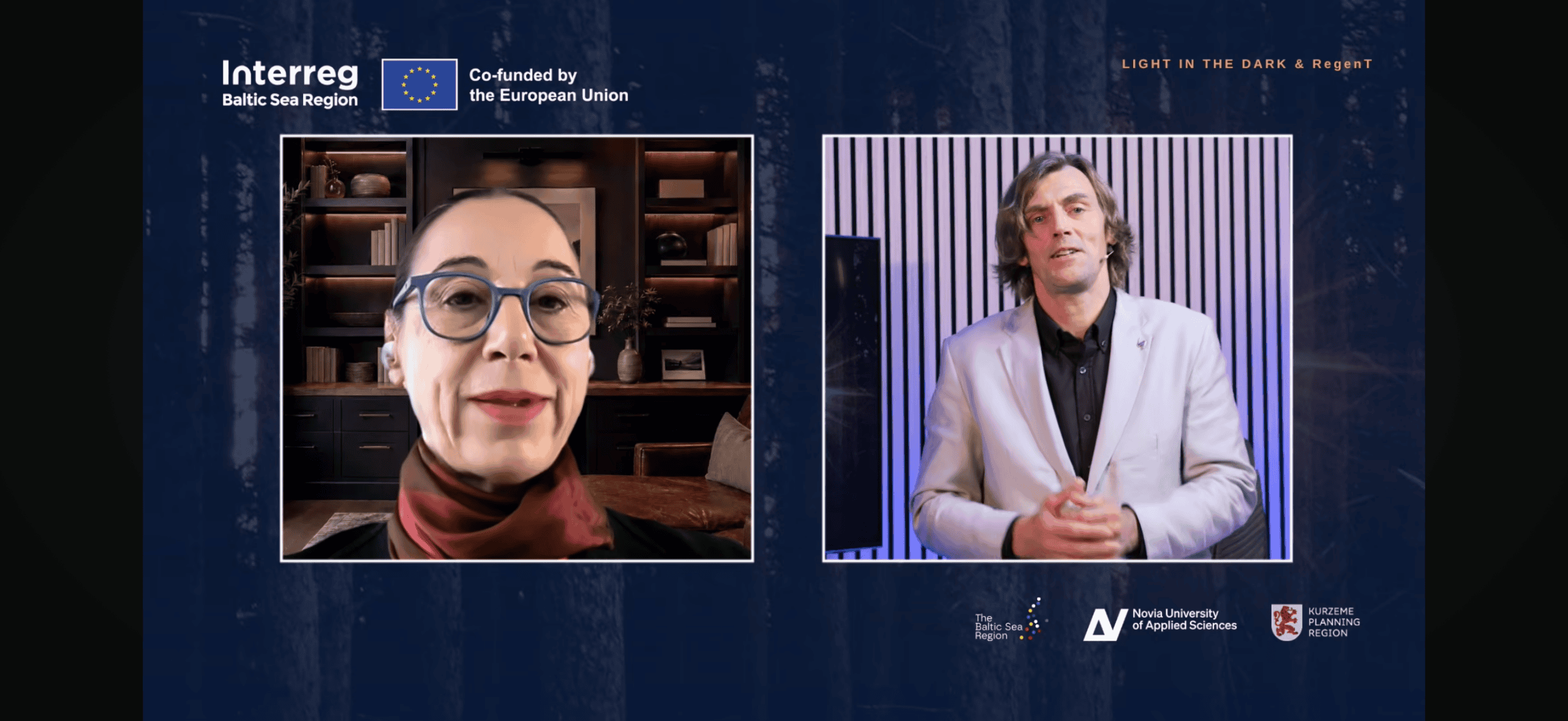
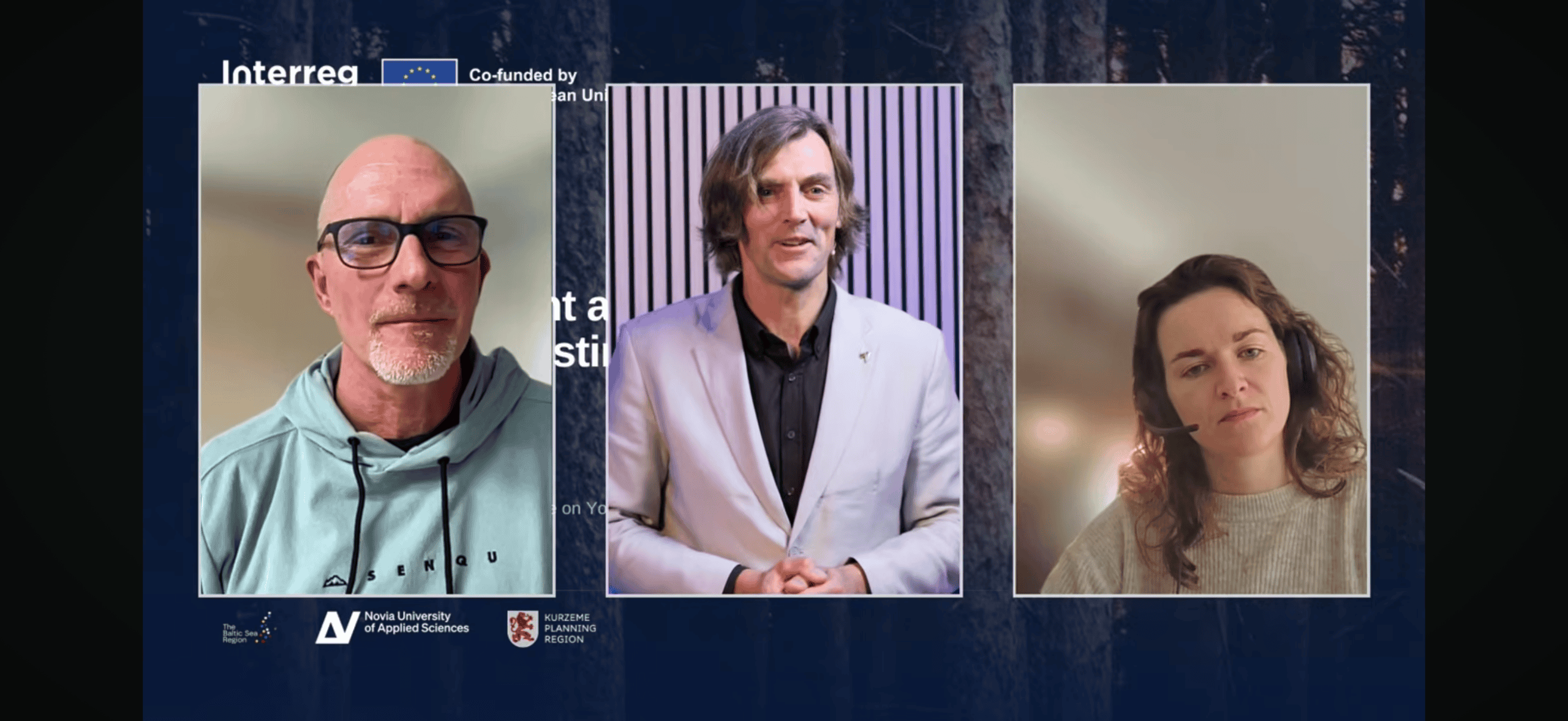
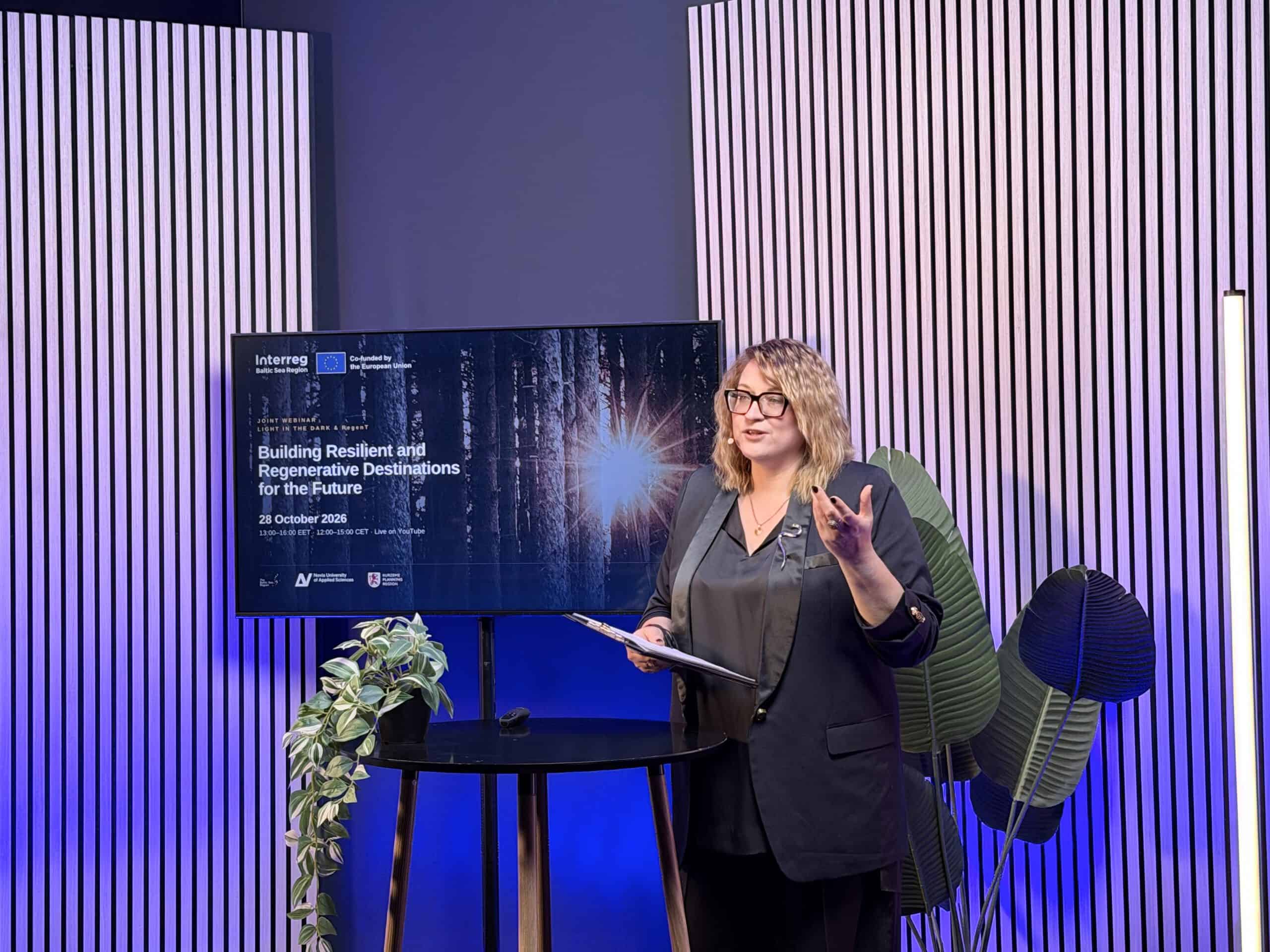
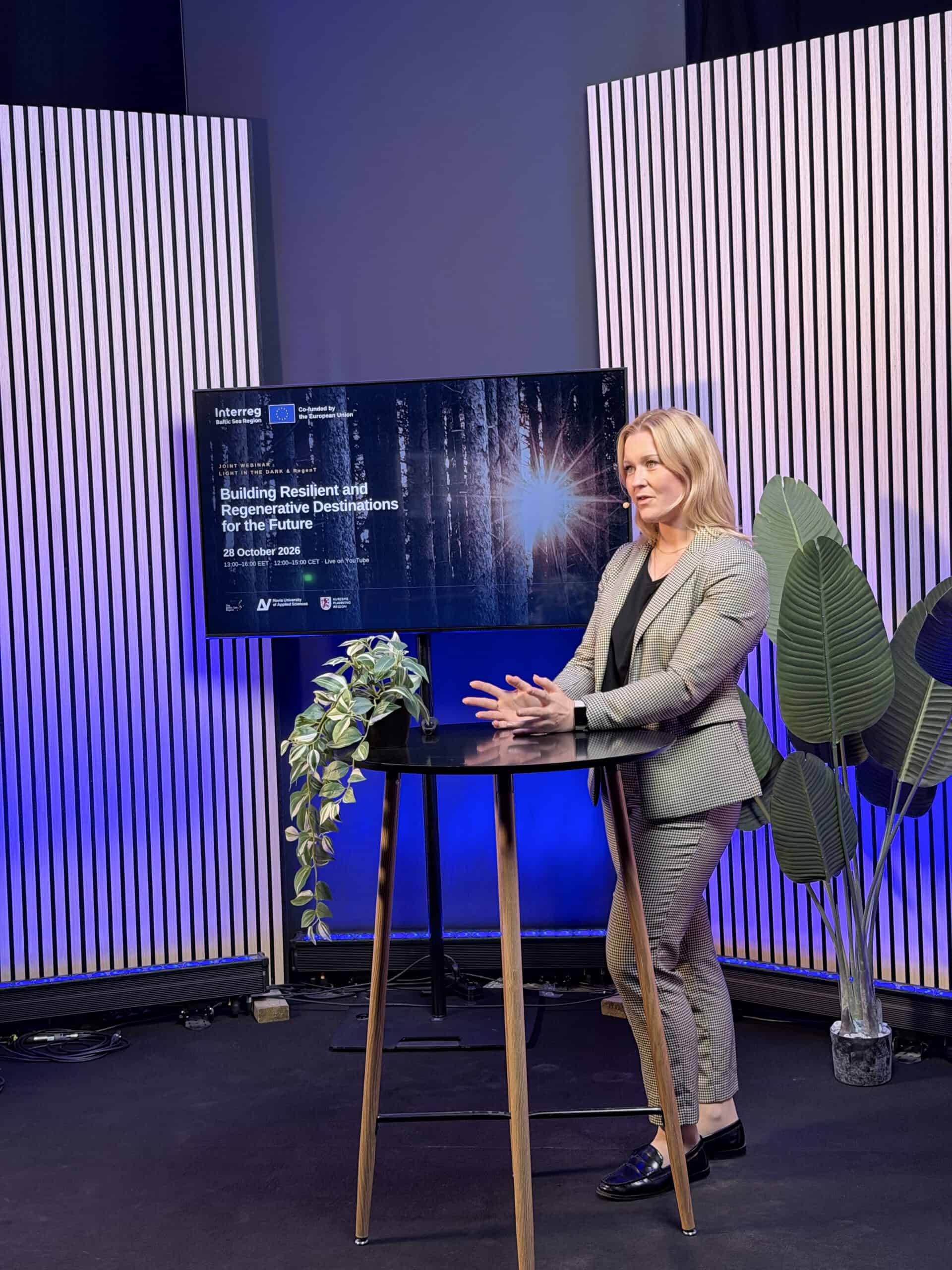
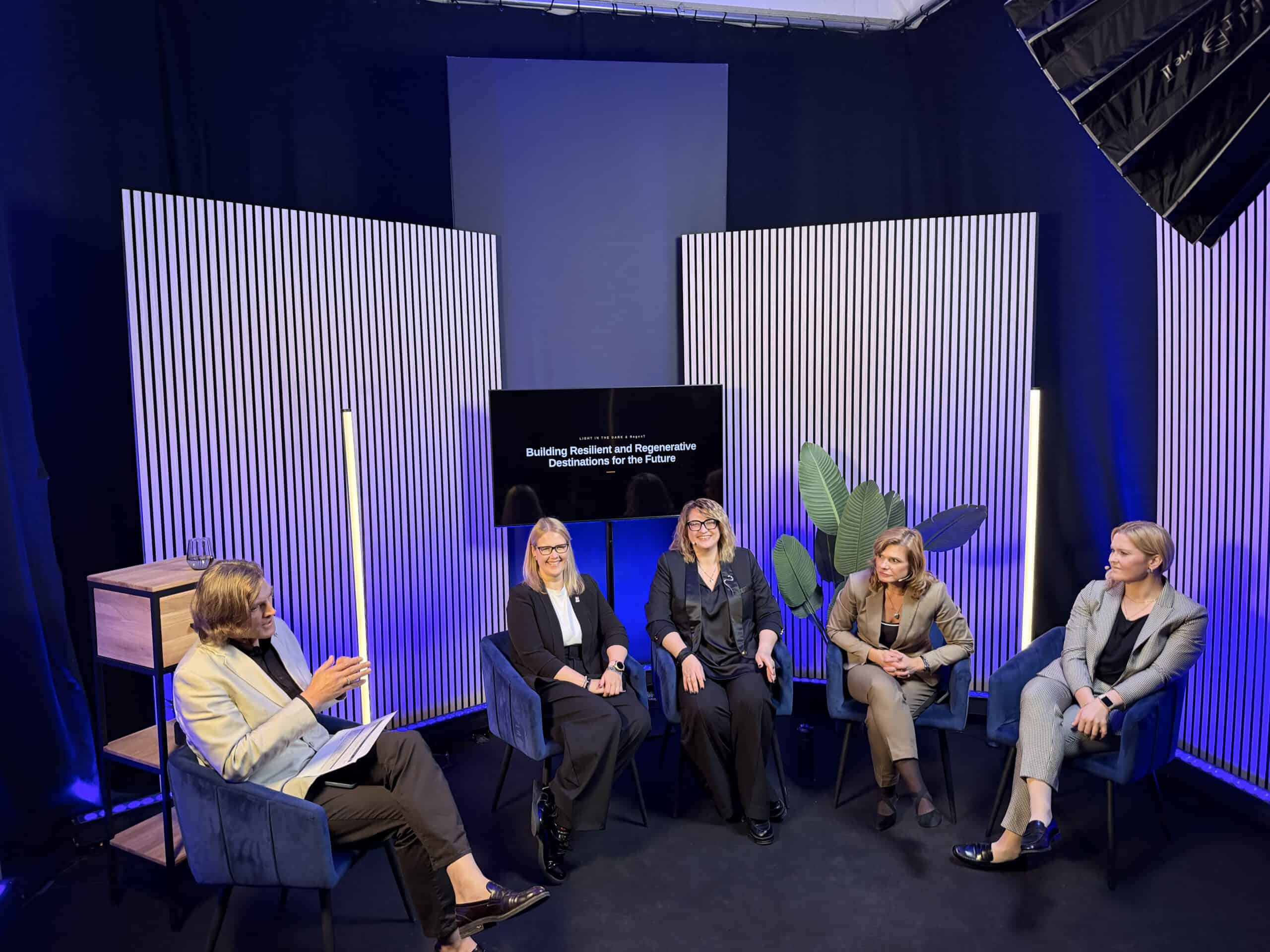
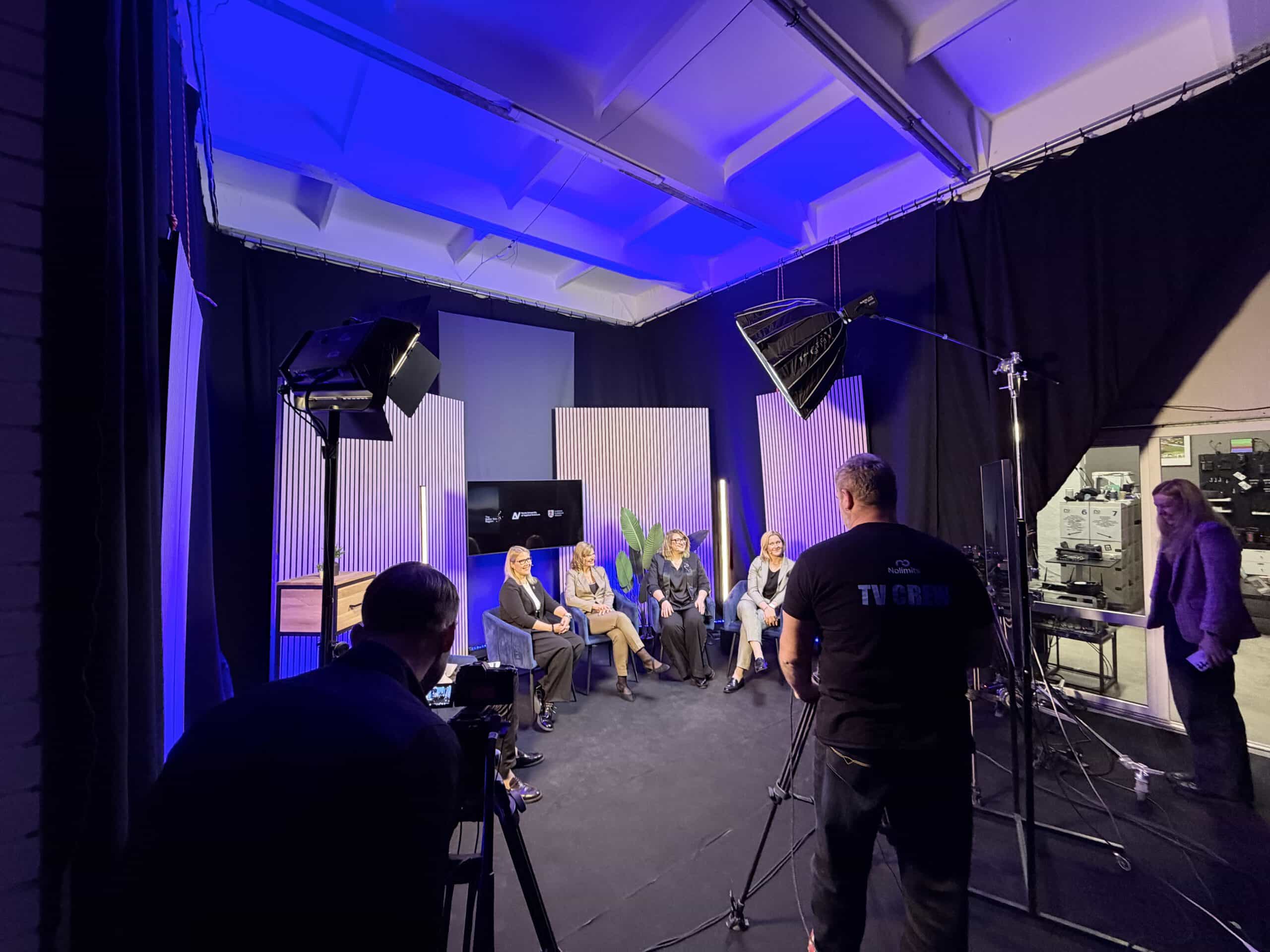
On 28 October, the international online seminar “Building Resilient and Regenerative Destinations for the Future” brought together tourism experts and practitioners from across Europe to share their experience on destination development, the impact of climate change, accessibility and ways to address tourism seasonality. The seminar also marked the conclusion of the “Light in the Dark” project, presenting experience gained during the project and practical tools developed for tourism businesses and destination management organisations.
The webinar reached 142 concurrent viewers during the live broadcast, while the recording has already been viewed 526 times on YouTube.
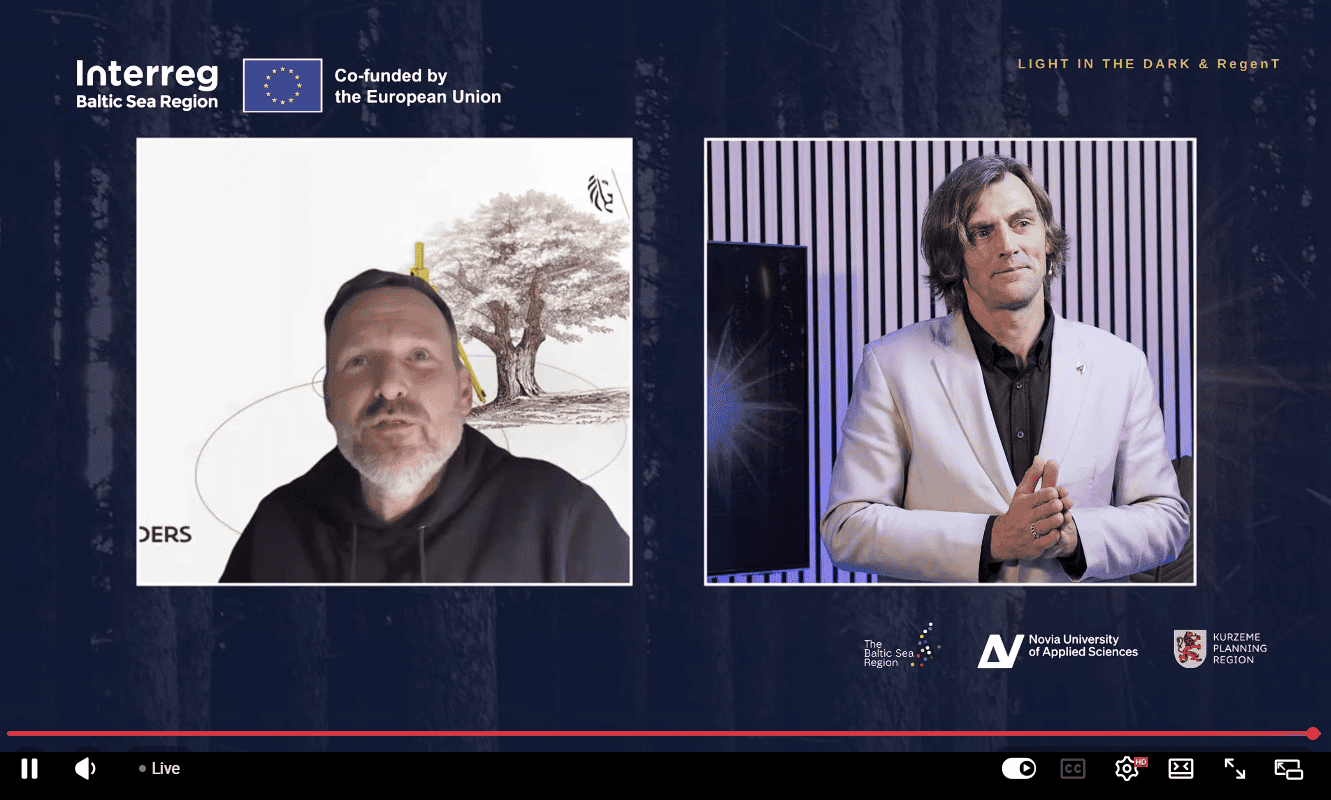
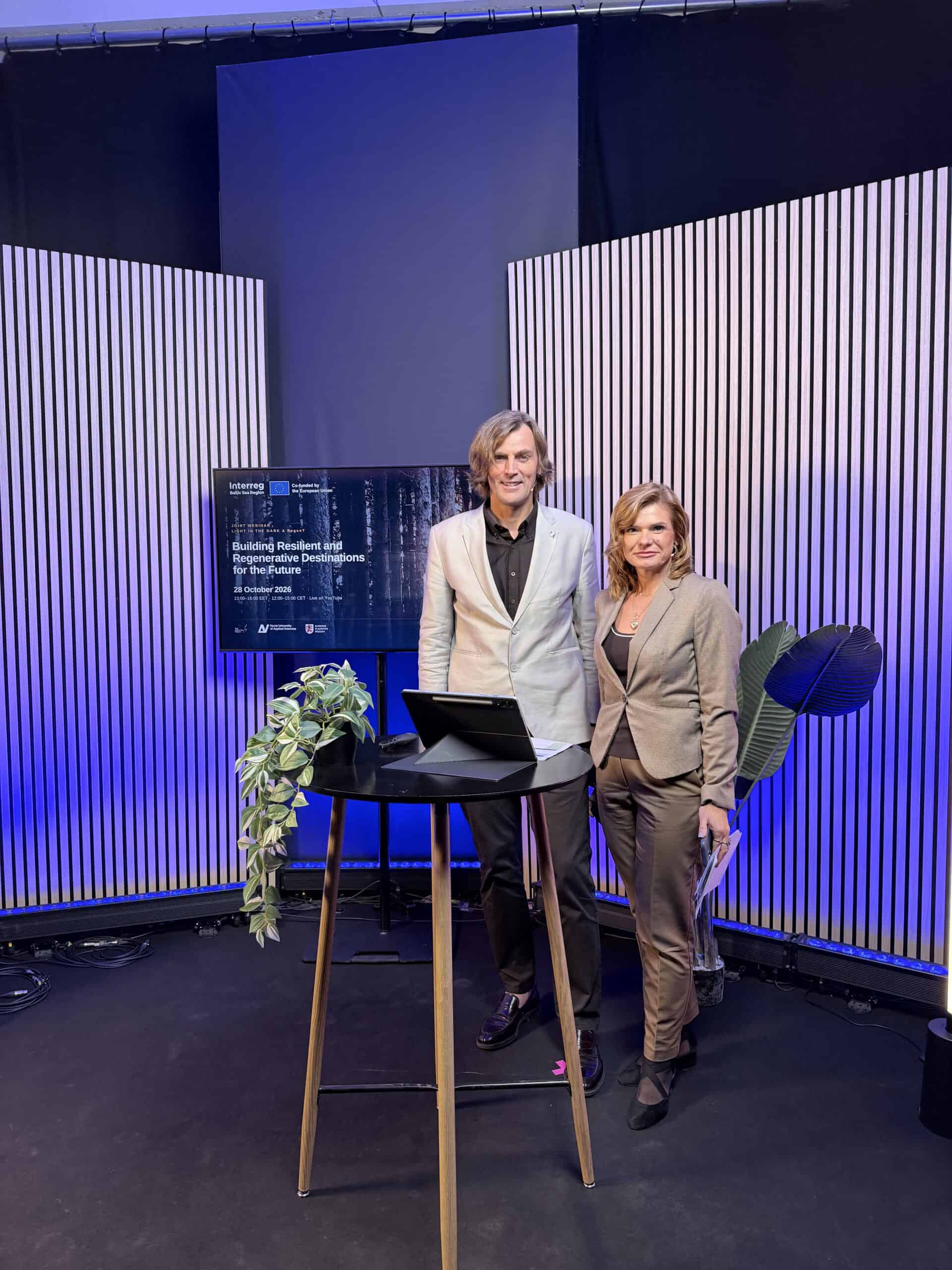
The event was moderated by Andris Klepers, Professor at Vidzeme University of Applied Sciences, Director of its Scientific Institute and leading researcher.
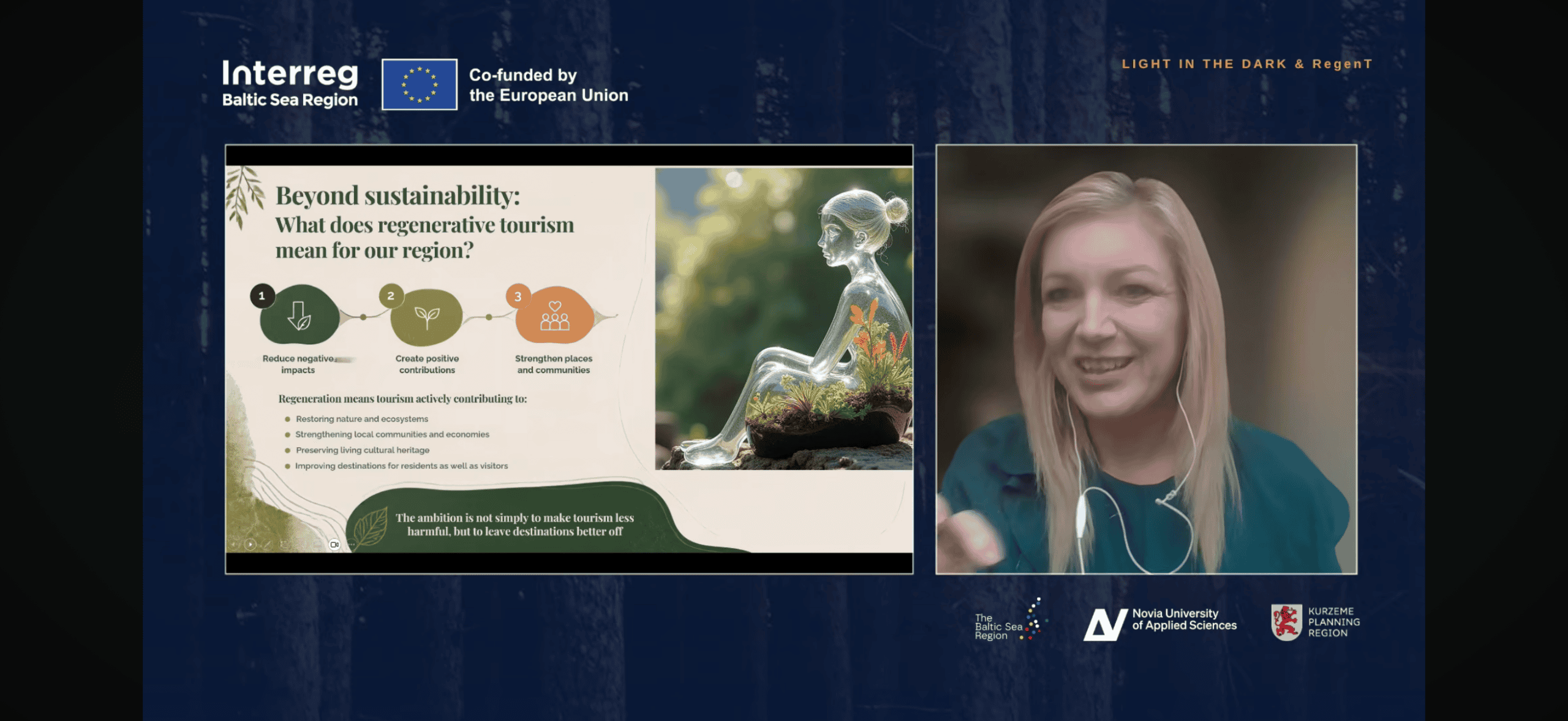
Putting local communities, nature and long-term benefits at the heart of tourism development
The first part of the seminar focused on the principles of regenerative tourism and the need to rethink traditional approaches to what makes a tourism destination successful.
Vincent Nijs, Chief Strategist at VISITFLANDERS and Vice-President of NECSTouR, presented Flanders’ “Travel to Tomorrow” approach to tourism development, which takes a broader view of the value tourism can create. The focus is not only on visitor numbers and economic indicators, but also on the quality of life of local residents, community involvement and long-term benefits for the destination.
Prof. Alessandra Priante, Partner at EY, Tourism, Events & Territories Transformation Lead for Western Europe and Co-Chairman Europe at SIGA, encouraged participants to view destinations as interconnected systems in which businesses, mobility, infrastructure, public services and local communities all interact. She highlighted the need to move beyond simply measuring tourist flows towards a broader assessment of destination quality and impact.
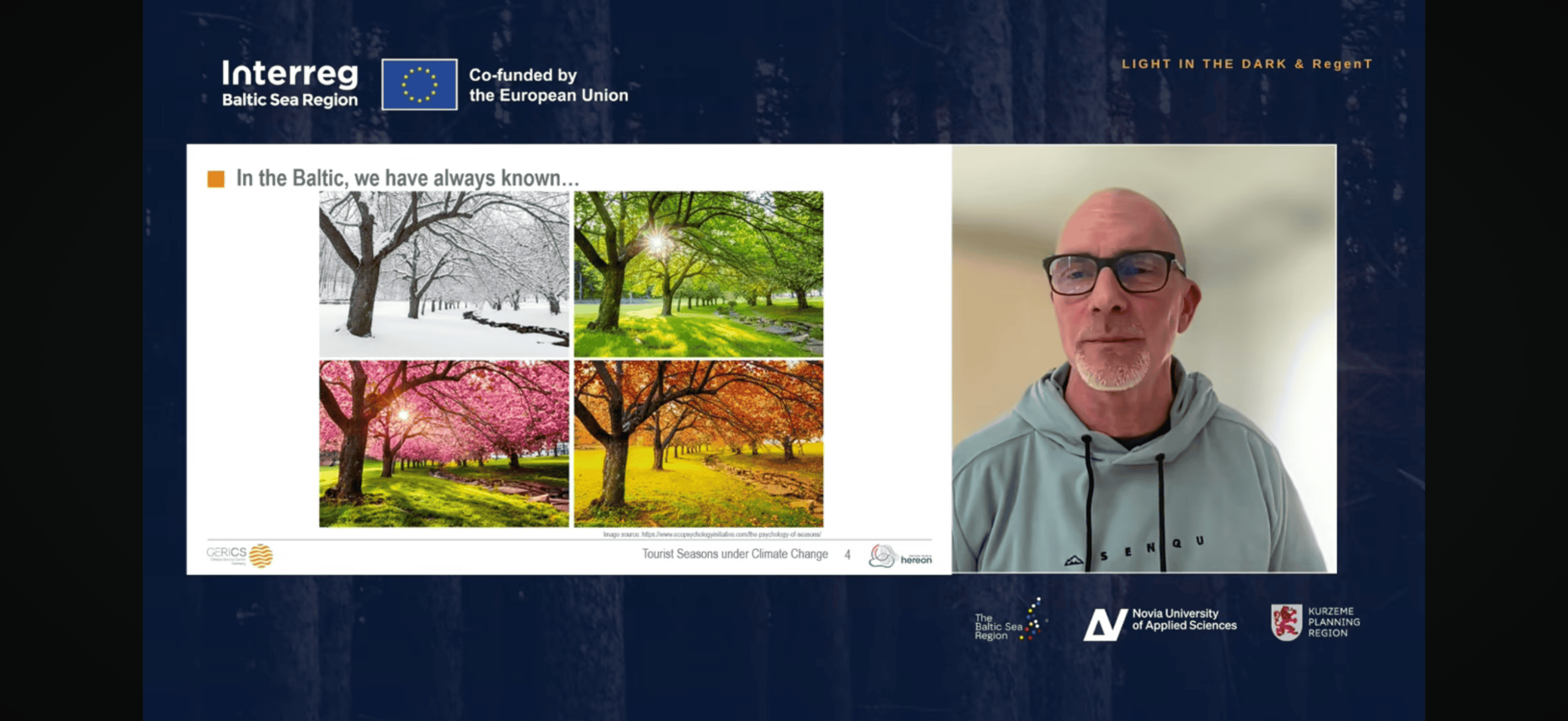
Louis Celliers and Vanessa Völz from the Climate Service Center Germany – Helmholtz-Zentrum Hereon examined the impact of climate change on tourism seasons and businesses. Rising temperatures, changing precipitation patterns and extreme weather events can alter established tourism season patterns, creating both new risks and opportunities for destinations.
Magda Leszczyna-Rzucidło, EUSBSR Policy Area “Tourism” Coordinator, highlighted the importance of cross-border cooperation in the Baltic Sea Region. The region’s natural and cultural heritage, less crowded destinations and established cooperation provide a strong basis for the development of regenerative tourism.
Addressing seasonality starts with creating new reasons to travel
The second part of the seminar focused on practical approaches to extending the tourism season.
Ieva Skābarde, Director of the Dienvidkurzeme Tourism Centre, shared experience from Kurzeme, emphasising that seasonality is not simply a marketing issue – it affects business operations, employment, service availability and the use of infrastructure.
One approach is not to try to replicate the summer tourism offer outside the peak season, but instead to highlight the unique qualities of each season – coastal walks, nature observation, local stories, gastronomy, sauna experiences, tranquillity or the awakening
of nature in spring. Cooperation between businesses is equally important, bringing accommodation, food services and activities together into a unified offer.
Accessibility – a prerequisite for travelling in every season
Alise Lūse, Project manager and Accessibility Specialist at Kurzeme Planning Region, addressed how seasonality affects travel opportunities for people with disabilities.
Travelling outside the peak season can offer advantages such as fewer visitors, a quieter environment, more individual service and sometimes lower prices. At the same time, colder weather, limited service availability, inaccessible infrastructure and insufficient information can create additional barriers.
A key takeaway was that accessibility should be viewed as a complete service chain rather than as an individual infrastructure improvement. People’s ability to travel is determined not only by their functional abilities or the season, but also by how accessible the environment, information and services provided by the tourism sector are.
The off-season can also become an advantage
A practical example from Kurzeme was presented by entrepreneur Karīna Leinberga-Lemberga, representing “Es gatavoju”, who developed and piloted a tourism offer in Upesgrīva together with partners as part of the “Light in the Dark” project.
By combining local gastronomy, culture, authentic experiences and a distinctive atmosphere, the initiative created a new reason to travel during a period when tourism activity is traditionally lower. The experience demonstrates that addressing seasonality does not always require major investments in infrastructure – it can also be about recognising the potential of existing resources and presenting them in new ways.
Practical tools for extending the tourism season
The seminar concluded with Janina Selin, Project Manager of “Light in the Dark”, presenting materials and tools developed during the project to help tourism businesses and destination management organisations develop offers beyond the peak season.
The project explored the needs of tourism businesses and potential travellers, developed new off-season tourism product ideas and piloted them in different Baltic Sea Region countries.
Based on this experience, a range of practical resources has been developed, including a guide for tourism businesses, product development materials, an overview of seasonality challenges, workshop materials for destination management organisations, piloting results and an image library.
One of the latest project results is also an AI-powered tourism business idea generator, which helps businesses explore new opportunities for extending the tourism season.
A recurring message throughout the seminar was that creating a new tourism product alone is not enough. For travellers to choose a destination during the quieter months, cooperation between businesses, accessible infrastructure, clear information and the ability to highlight the advantages of each season are all essential.
The “Light in the Dark” project is now coming to an end, but the materials and experience developed during the project will continue to be useful, helping tourism businesses and destinations create a more diverse offer throughout the year.
The main message of the seminar was clear: extending the tourism season is not simply about attracting more visitors during the quieter months. It is an opportunity to rethink tourism development, make use of the unique qualities of each season and create long-term benefits for businesses, local communities and the environment.
Watch the seminar recording on YouTube
The event was organised by Kurzeme Planning Region in cooperation with Novia University of Applied Sciences (Novia UAS) within the framework of the Interreg Baltic Sea Region Programme 2021–2027 projects “Light in the Dark” and “RegenT”.
Prepared by Anna Elizabete Upsava, Project Manager, Kurzeme Planning Region.

Additional links
details
-
Homepage
-
Project typeCore Project

-
ImplementationNovember 2023 - October 2026
-
StatusOngoing
-
Contribution to EUSBSRPolicy Area Tourism

-
Target groups
- Business support organisation
- Local public authority
- Regional public authority
- Small and medium enterprise
-
Social media
-
Additional links
-
Tags