




Tour Rural Baltic kick-off, Day 2: Accessibility in action on the sands of Yyteri
15 October 2026
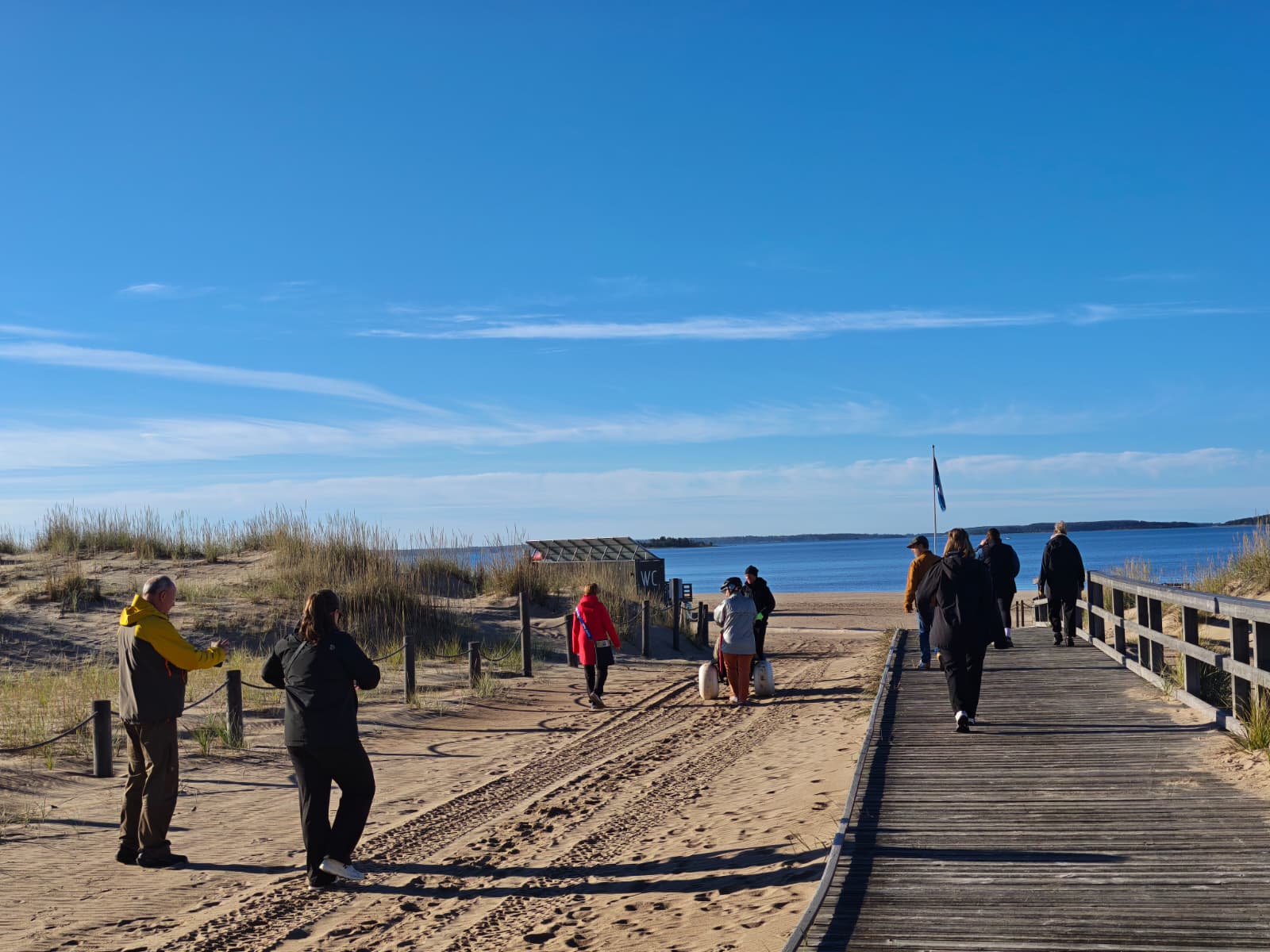
The second day took us to Yyteri, one of Pori’s best-known tourism attractions. The three-kilometre sandy beach, extensive dunes and surrounding nature attract hundreds of thousands of visits each year. In 2024, for example, Yyteri recorded around 256,000 visits.
At the new Yyteri Visitor Centre, we met senior advisor Tove Vesterbacka, who introduced us to the destination, its development and the challenges that come with managing a popular natural attraction.
Preserving the nature while providing experiences for all
Yyteri is an excellent example of the balancing act involved in rural and nature-based tourism. The area needs to welcome visitors and provide attractive, accessible experiences while protecting sensitive dune habitats and biodiversity. At the same time, the destination would benefit from extending the tourism season beyond the busy summer months.
The visitor centre plays an important role in this. It provides information, helps guide visitors, and creates a clear starting point for exploring the area. Routes for walking and cycling offer opportunities to experience Yyteri beyond the beach itself.
For the Tour Rural Baltic team, the visit also raised interesting questions about how different forms of mobility interact with nature conservation. The opportunity to test a fatbike route and discuss the management of the dunes provided a useful perspective on how cycling can be developed in sensitive coastal environments.
The visit also highlighted the importance of accessibility. Yyteri wants to make the dunes accessible for a wider group of people and their families. An all-terrain wheelchair can be loaned from the visitor center to enable beach access for people with mobility impairments. Nature trails are also developed considering different mobility needs, and Yyteri aims at providing sufficient accessibility information about their activities and services to ensure visitors can make informed choices.
Conclusion: Intensive two years ahead!
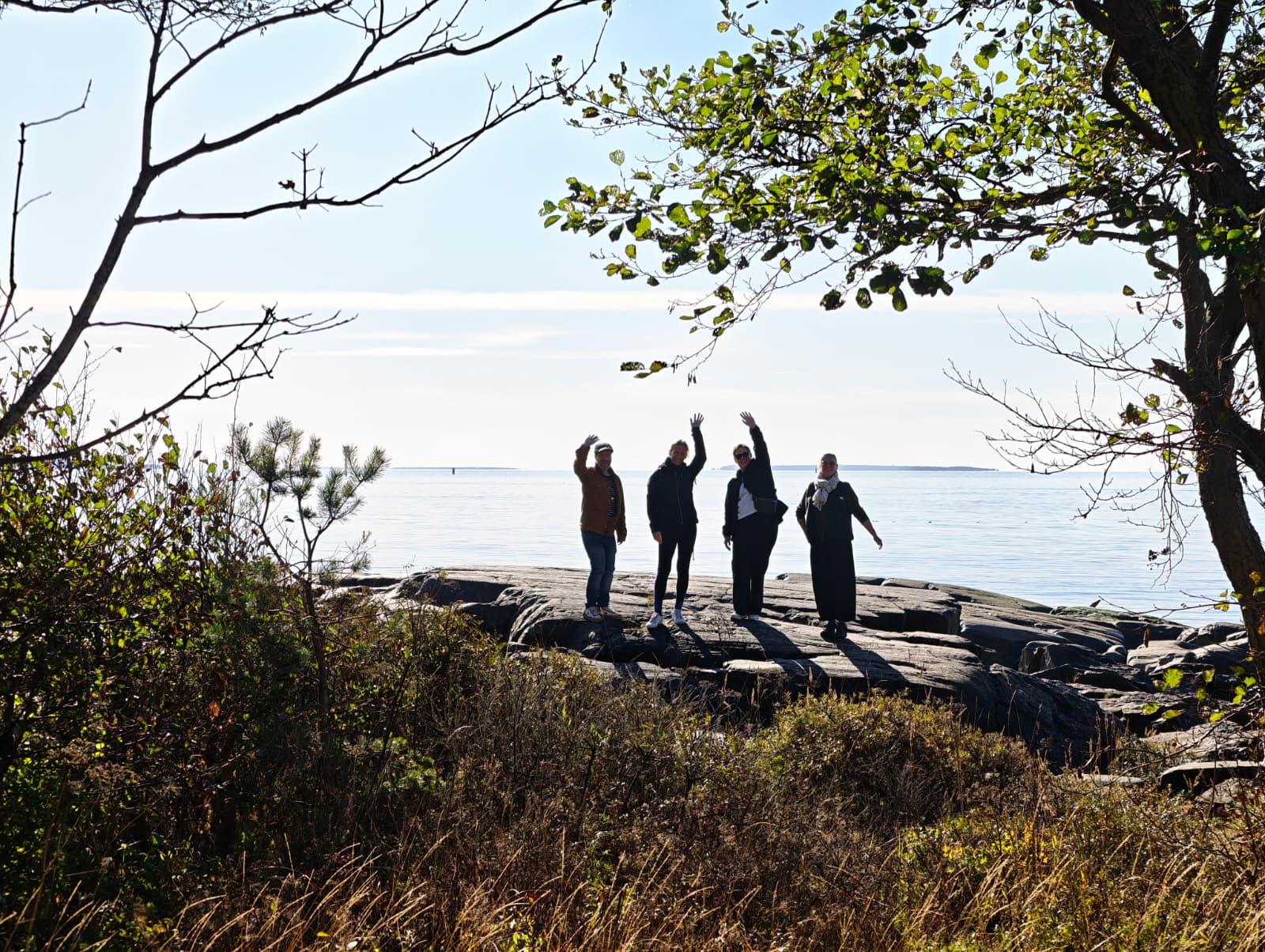
The kick-off provided a chance to reflect the different characteristics of the Baltic Sea coastline. The Scandinavian coastline is often characterized by rocky shores and skerries, while the Baltic States have extensive sandy coasts and dune landscapes. This means that coastal management, tourism products, and the ways visitors experience these environments can be quite different across the region.
At the same time many of the challenges are shared: how to protect natural environments while welcoming visitors, how to improve accessibility, how to extend the tourism season and how to make it easier to explore rural and coastal destinations without relying entirely on private cars.
Over the coming two years, the partners will do their bit, or “bring their straws to the stack” as it’s said it Finland, to explore good practices, analyse local contexts, work with stakeholders and develop solutions for better connections between rural tourism and active, accessible and low-carbon mobility. Finally, all the work comes together in The Green Rural Paths Toolkit.
But before creating the toolkit, we need to understand the places, people and challenges behind it. The Tour Rural Baltic journey has now begun and we are already looking forward to our next partner meeting in Latvia!

Additional links
details
-
Homepage
-
Project typeSmall Project
-
ImplementationJuly 2026 - June 2028
-
StatusOngoing
-
Contribution to EUSBSRPolicy Area Tourism

-
Target groups
- Local public authority
- NGO
- Regional public authority
-
Social media
-
Additional links
-
Tags