




Study visit to Norway – following the agricultural plastic value chain
13 October 2026
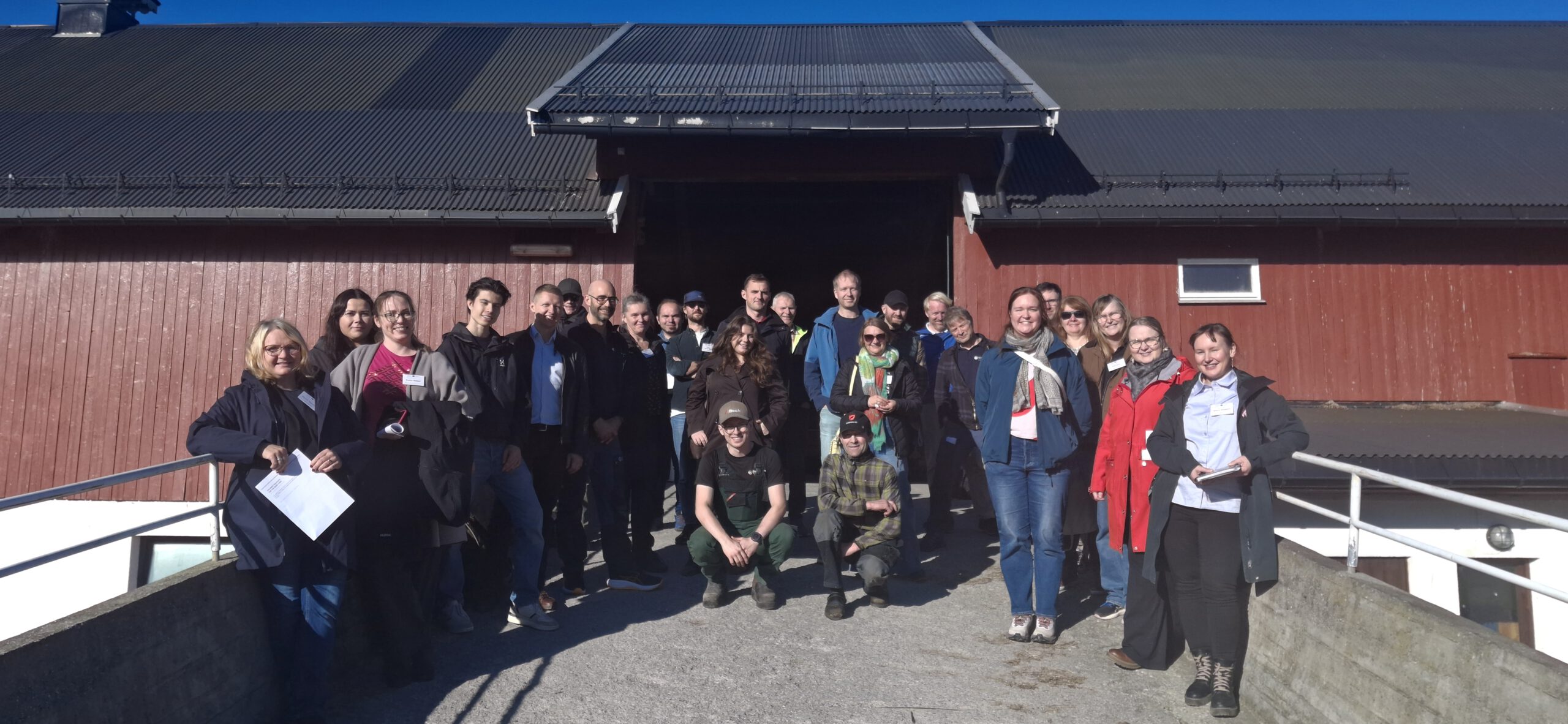
The organization was handled by the Norwegian project leader team: Bastian Edi Hoffman and Dirk Kohlmann from the County Governor of Vestland, and Marit Gjerstad from Norges Vel. During four intensive days, participants comprising project partners and stakeholders from the Baltic Sea region had the opportunity to follow the entire value chain of agricultural plastics, from collection on the farm to recycling and the development of new circular products. In addition, to familiarizing themselves with good practice presentations embedded in the Norwegian system, participants had the opportunity to meet key practitioners working hands-on with these issues on a daily basis.
The meetings on the first day took place at the Norges Vel farm, located in Hellerudsletta near Oslo. The participants had the opportunity to learn about the rich history of this institution. Founded in 1809, Norges Vel is Norway’s oldest nation-wide member organisation. The members include both companies and individuals who support the mission to create value, innovation and viable livelihoods in rural and coastal areas. Afterwards, the participants had the opportunity to listen to a presentation by Eline Stokstad Oserud, who is an active farmer and an employee of Bondelaget. This organisation brings together over 60 000 members, and its goal is to safeguard the working and living conditions of farmers, support Norwegian food production, and conduct annual agricultural negotiations with the government. Eline shared her experiences regarding agricultural plastic waste generation directly on the farm and how it is managed.
On the second day, the participants continued to follow the value chain. Kjell Warholm presented his activities in Lier Municipality regarding the management of agricultural plastic waste. This region accounts for approximately 20% of Norway’s total fruit and vegetable production, which over the years has resulted in significant pollution from agricultural plastic residues. He emphasized the crucial importance of dialogue between landowners, politicians, and the local administration regarding the collection of waste that may even be several decades old. In the next presentation, Stian Holmen introduced NORSIRK, a Norwegian EPR (Extended Producer Responsibility) organisation. It operates as a nationwide non-profit system managing the collection, recycling, and safe processing of specific waste categories. He described the cooperation within the agricultural sector with Felleskjøpet, which supplies Norwegian agriculture with everything necessary for food production and farm management. This was also a time to present solutions related to agricultural plastic management in the countries from the consortium: Estonia, Finland, Poland, Lithuania, and Norway. Representatives from each of the project countries played an active role here.
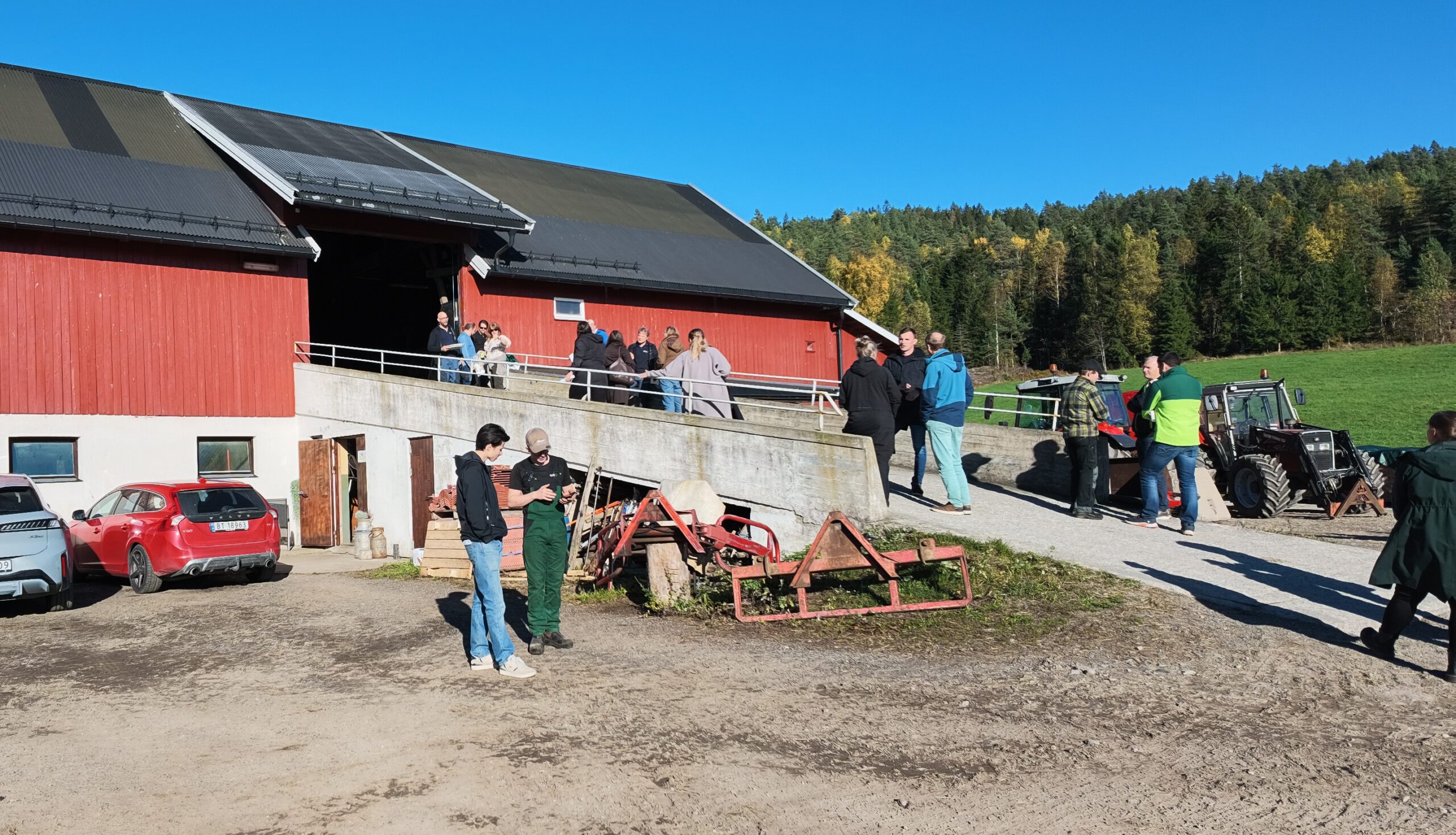
The participants went on a field trip to examine real-world problems and the management of agricultural plastic waste through a concrete case study of a farm belonging to Ingemund Tjelmeland in Leirsund. At this dairy farm, participants learned how a hydraulic baler fits into the farm’s plastic management routines. The demonstration showed the setup of the machines, the challenges involved, and what other farmers should consider before choosing a similar solution. Two specific models of machines that can be used by farmers to reduce plastic volume on the farm were presented. The presentation was led by Fredrik Stenseth Ruud from Felleskjøpet and a representative from ECO-NOR, the equipment supplier.
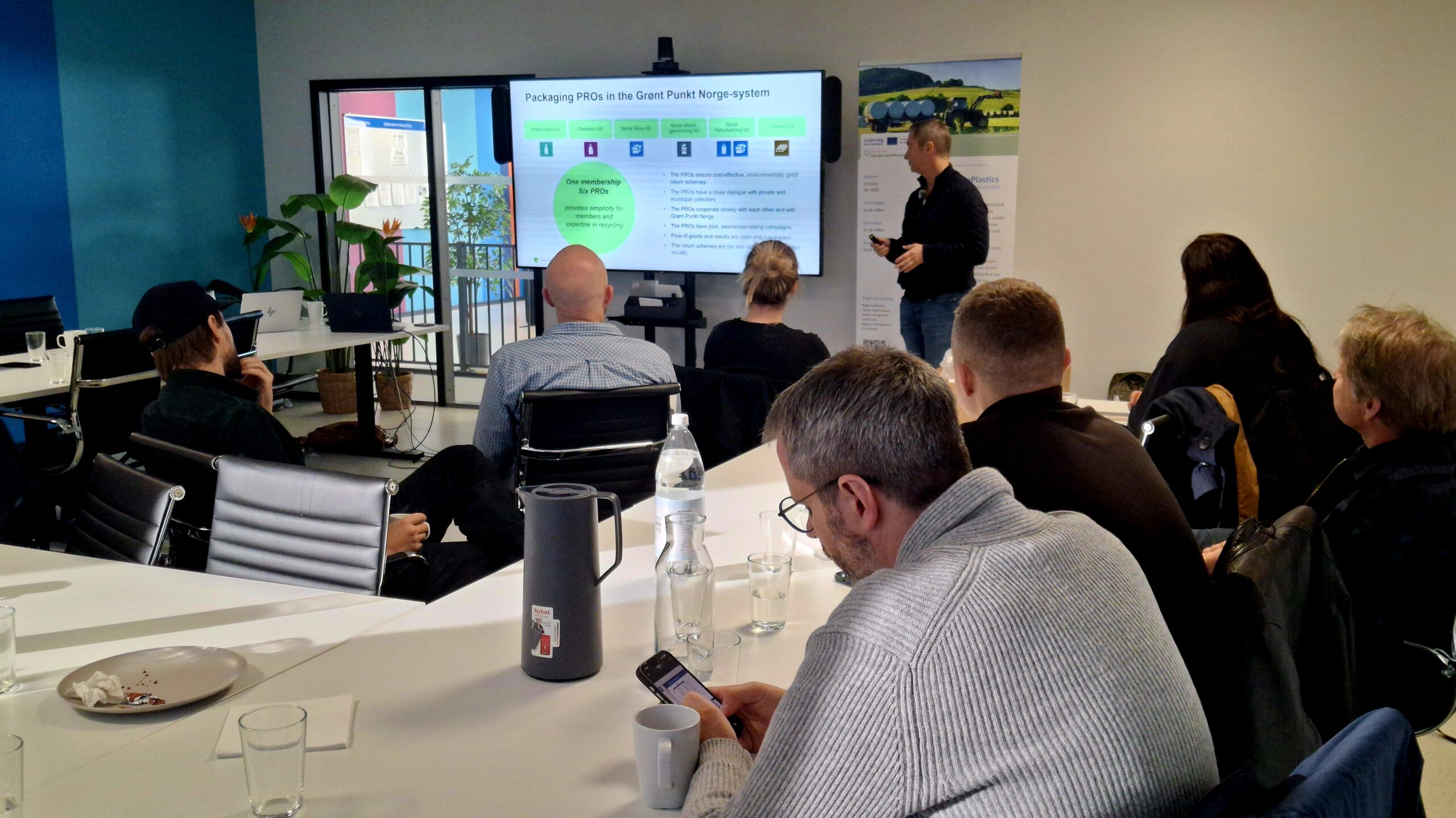
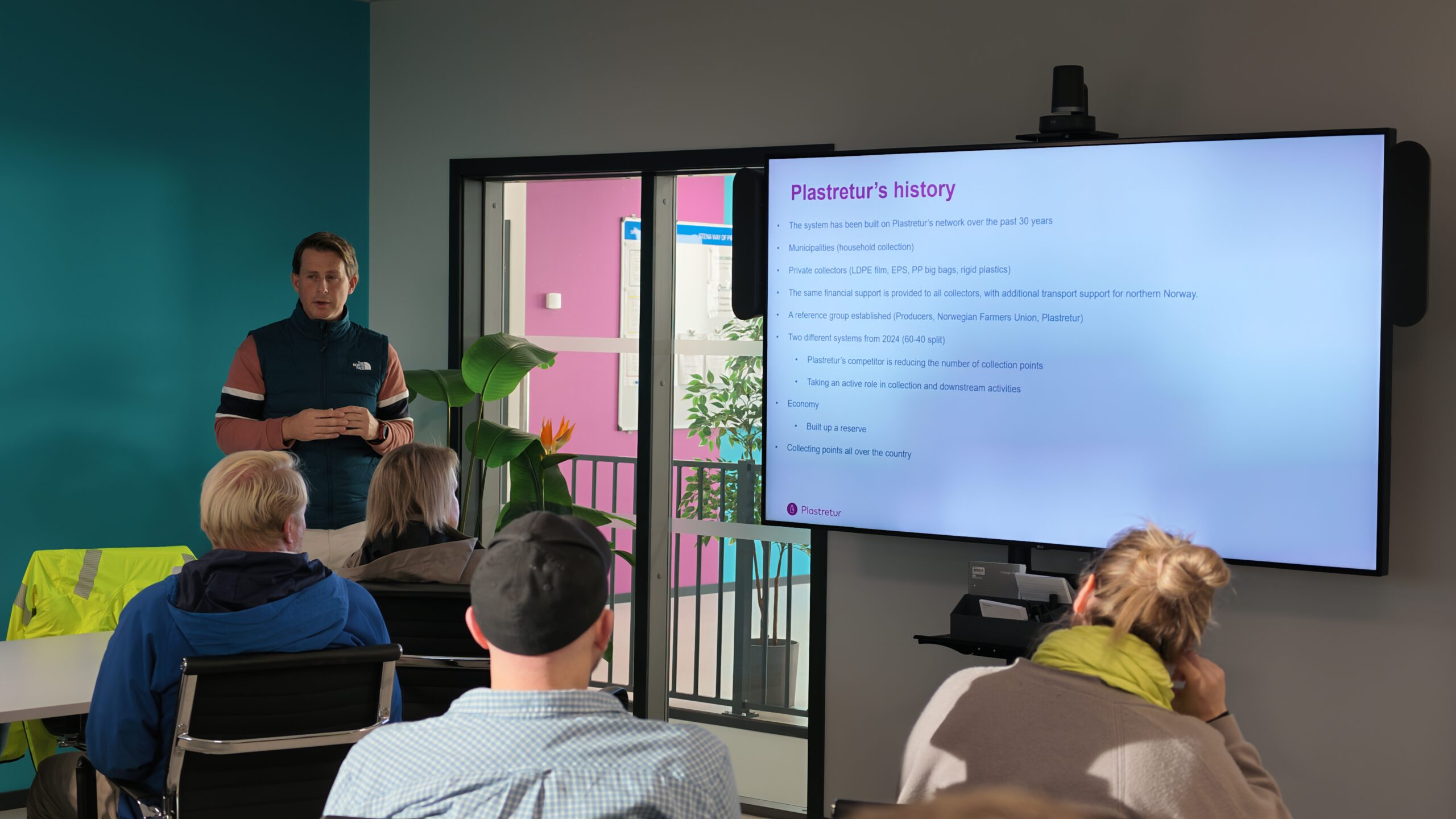
The next stop in the value chain was a visit to the newly opened Områ facility – Norway’s first sorting plant for plastic packaging waste, located in the Holtskogen industrial area in Indre Østfold municipality near Oslo. Participants had an unforgettable opportunity to be guided through this modern plant, learning the details of the plastic waste sorting process. Two expert presentations helped participants dive deeper into the topic of plastic management. Jan Petter from Grønt Punkt Norge presented producer responsibility, the organisation’s role, and how the fee system for agricultural plastics works. Per Haakonsen from PolymerTrade explained in details the recycling process of LLDPE film which is widely used in agriculture.
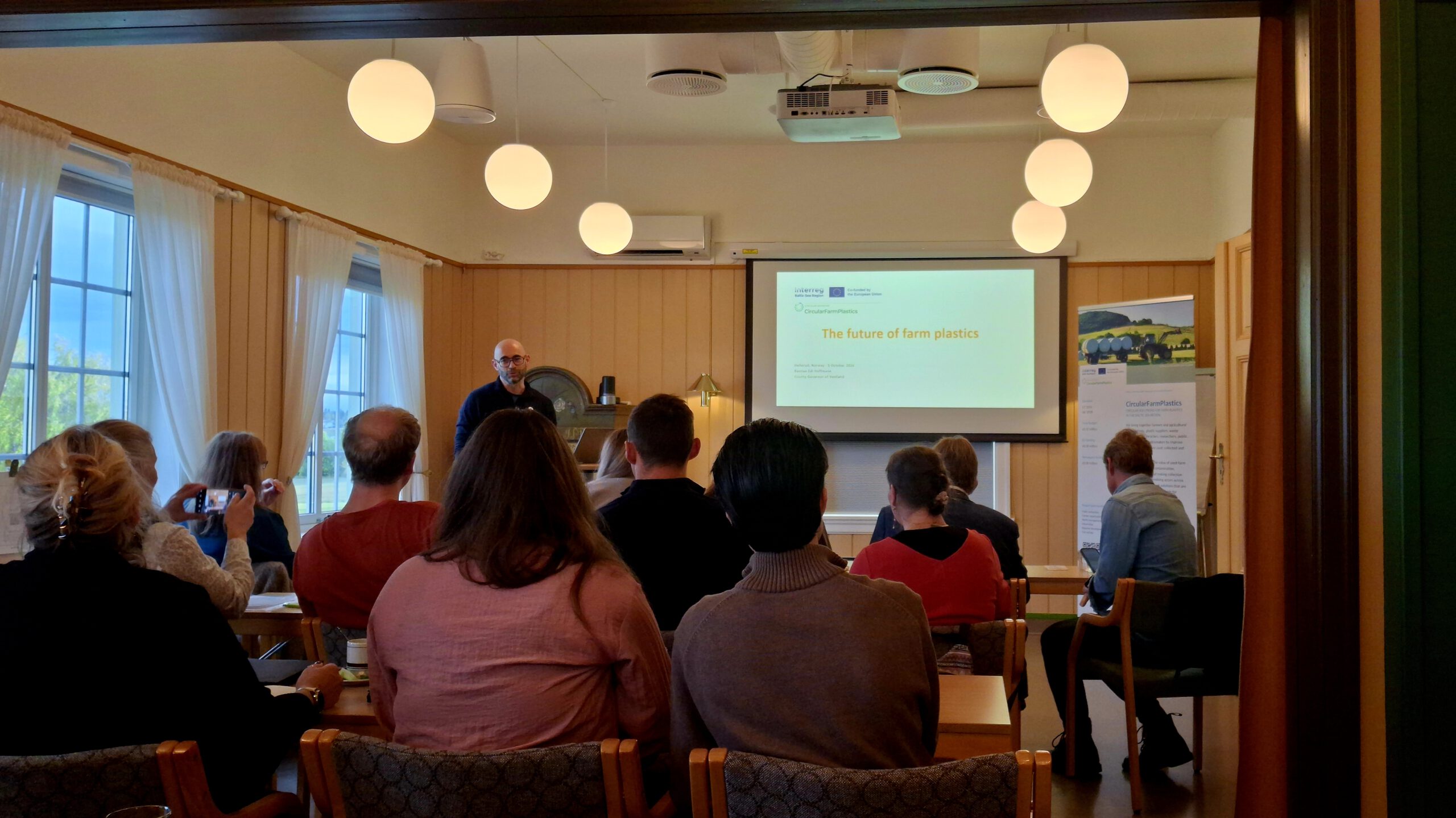
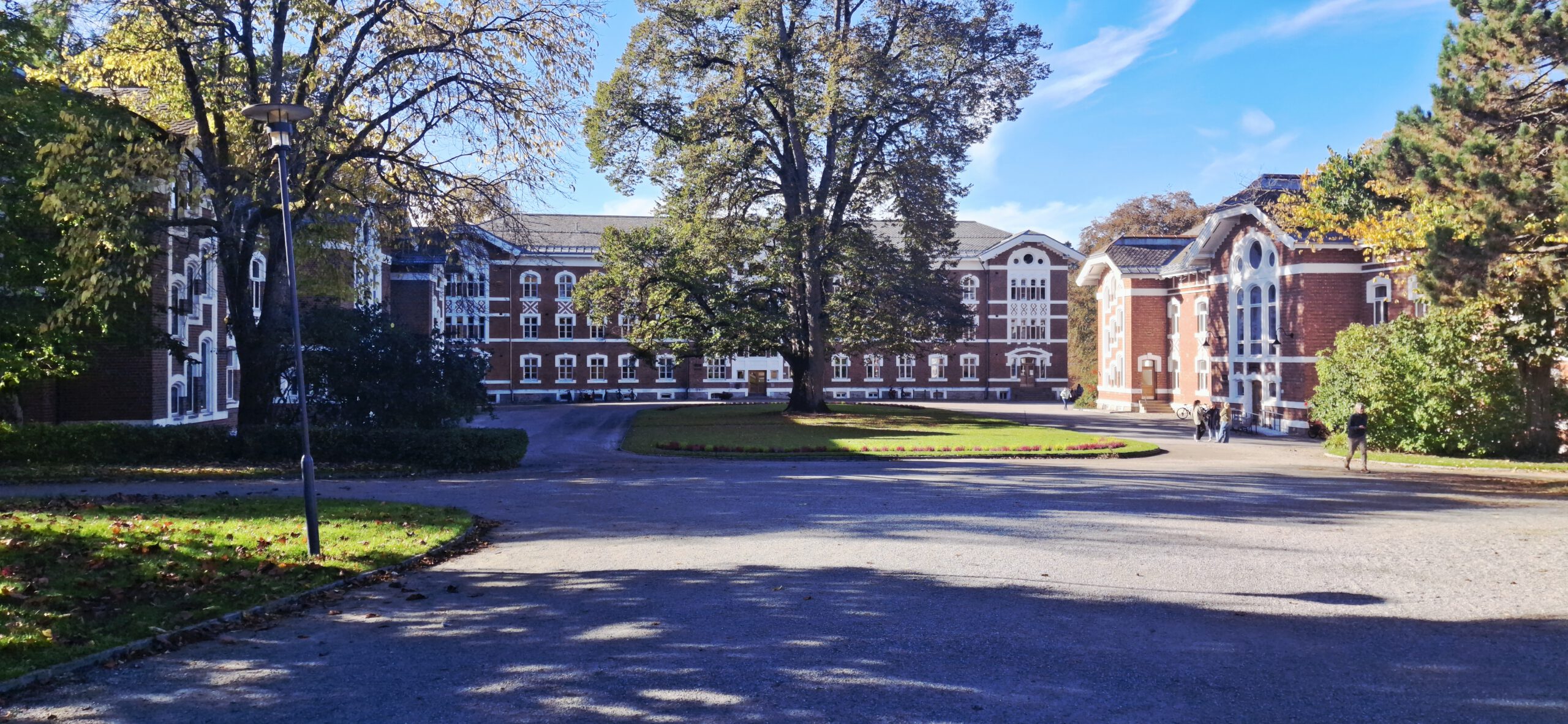
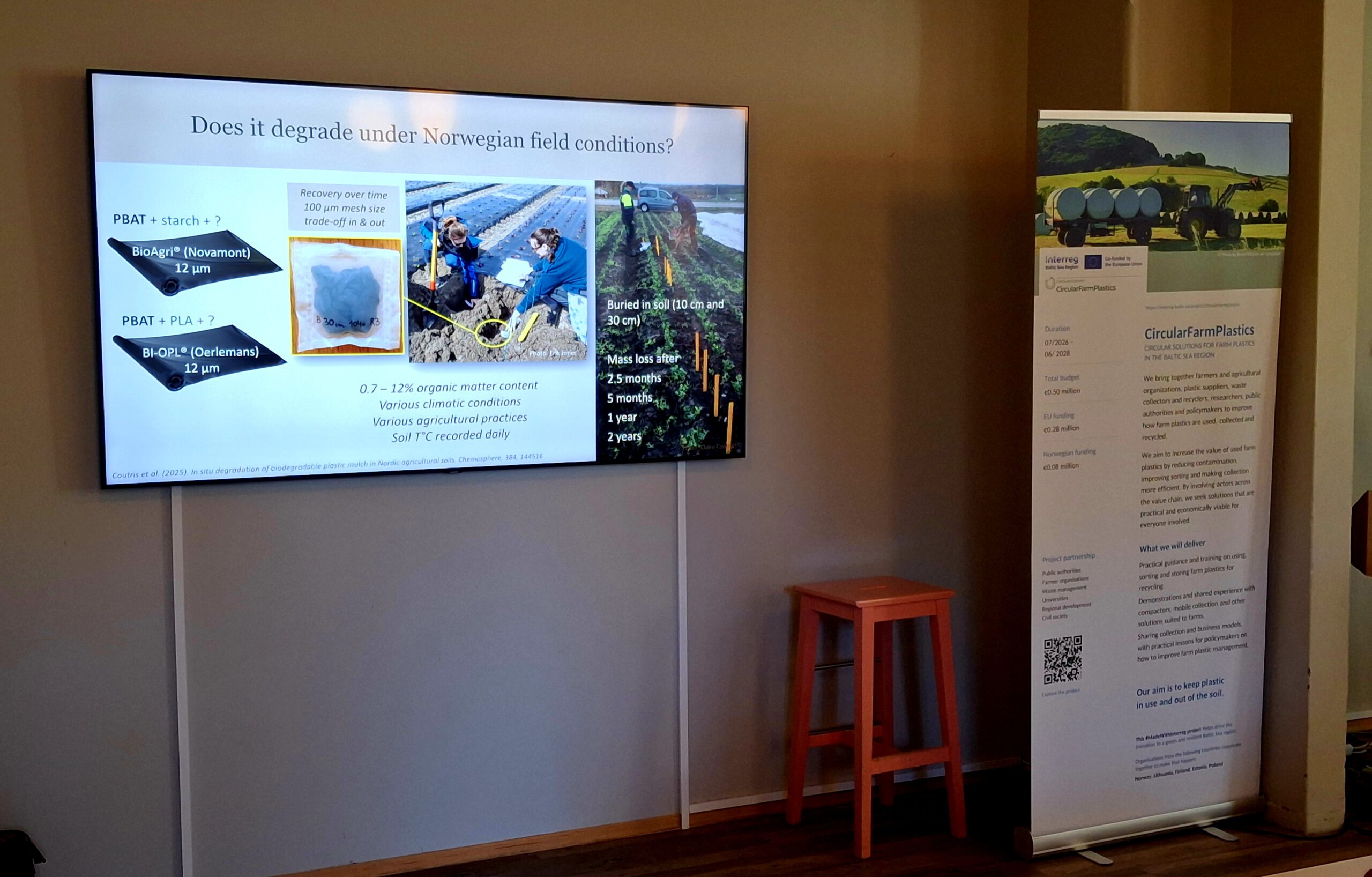
Having familiarized themselves with the journey of plastic from an individual farm to a recycling company, the participants headed to the beautiful campus in Ås belonging to The Norwegian University of Life Sciences. Here, researchers presented the results of their scientific work related to research on plastics in agriculture. Claire Coutris presented “Biodegradable mulch films: Benefits, limitations and lessons from Norwegian field studies”. Using examples from Norwegian field and laboratory studies, this presentation explored how biodegradable mulch films degrade in soil, how they interact with pesticides, and what this means for the use of agricultural plastics in a circular economy. The directions for the future development of agricultural plastic recycling were presented by Line Johanne Barkved from The Norwegian Institute for Water Research (NIVA). The session concluded with a presentation by Luca Nizzetto from NIVA titled “Microplastics in soils and crops: Current knowledge and key measures based on the PAPILLONS project”, which highlighted the scale of microplastics presence in European soils.
The entire study visit was summarized on the final day during an internal workshop for project partners. Participants were able to wrap up and share their impressions of these intensive days. Bastian Edi Hoffman, the project coordinator, led an interactive workshop designed to gather feedback that will help in organizing the next study visit in the spring of 2027. Next stop – Finland!

Additional links
details
-
Homepage
-
Project typeSmall Project

-
ImplementationJuly 2026 - June 2028
-
StatusOngoing
-
Contribution to EUSBSRPolicy Area Bioeconomy

-
Target groups
- Infrastructure and public service provider
- Interest group
- Regional public authority
- Small and medium enterprise
-
Social media
-
Additional links
-
Tags