




International "Interactive Gardens" Project Concludes: New Solutions for Public Outdoor Spaces Created in the Baltic Sea Region
09 October 2026
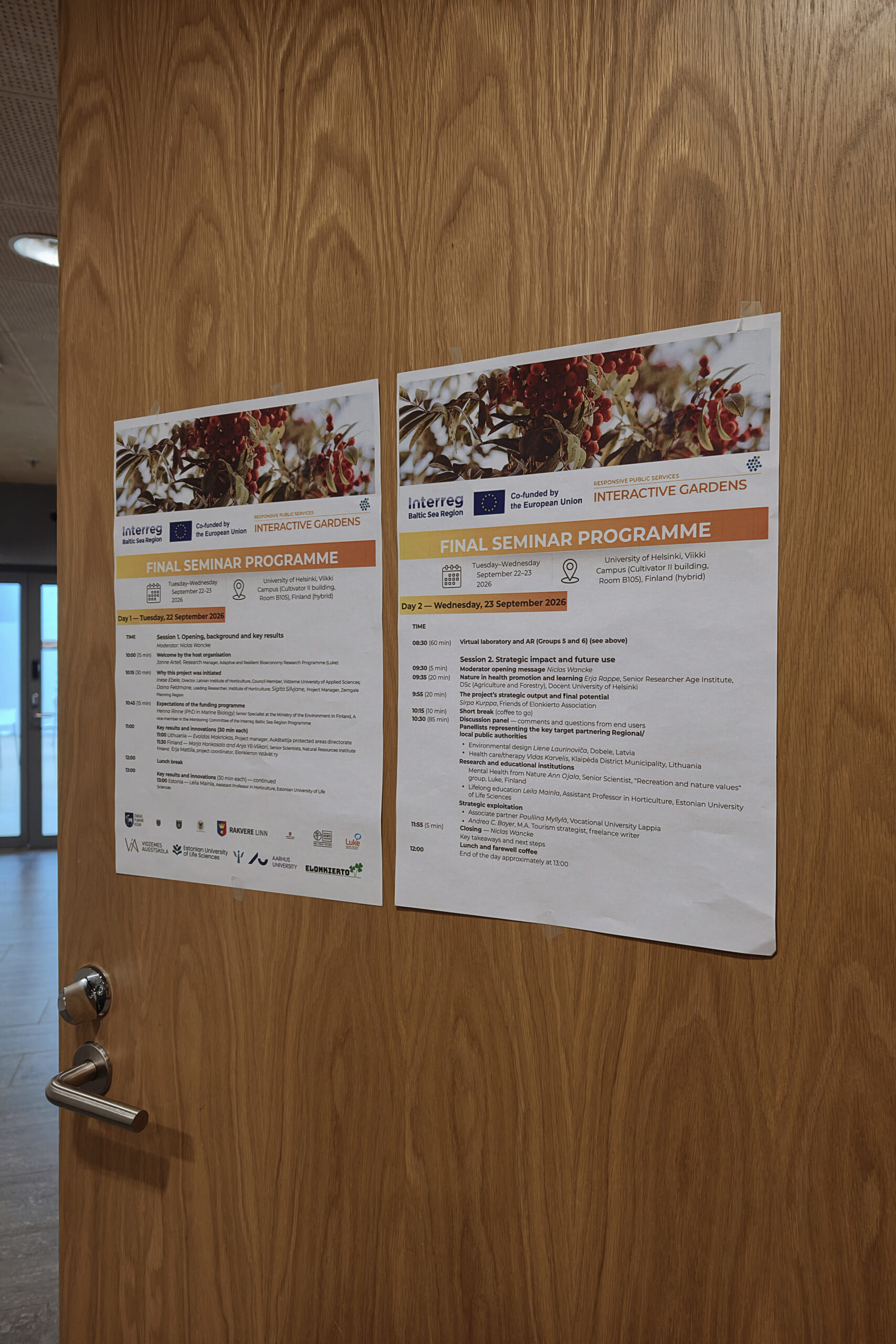
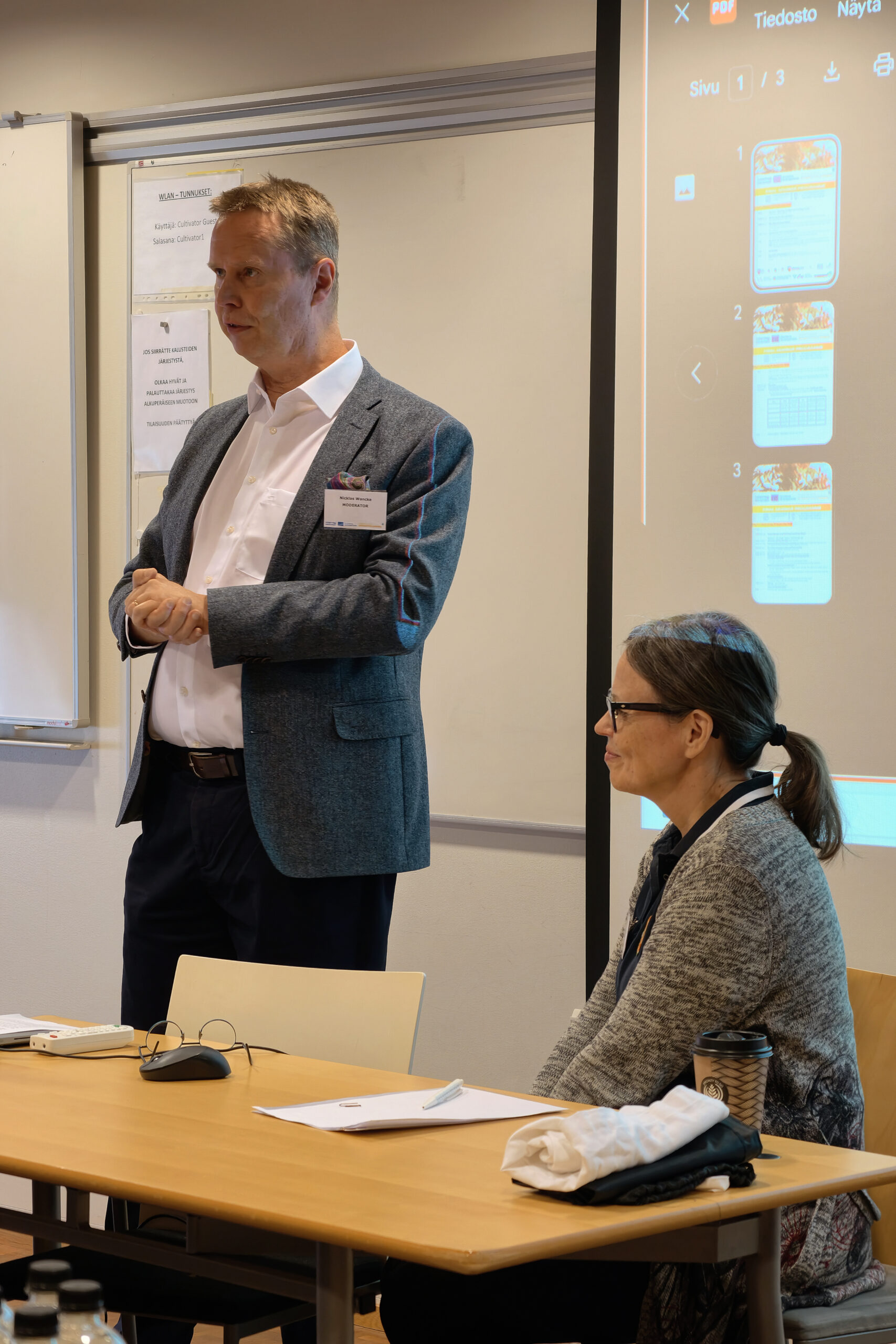
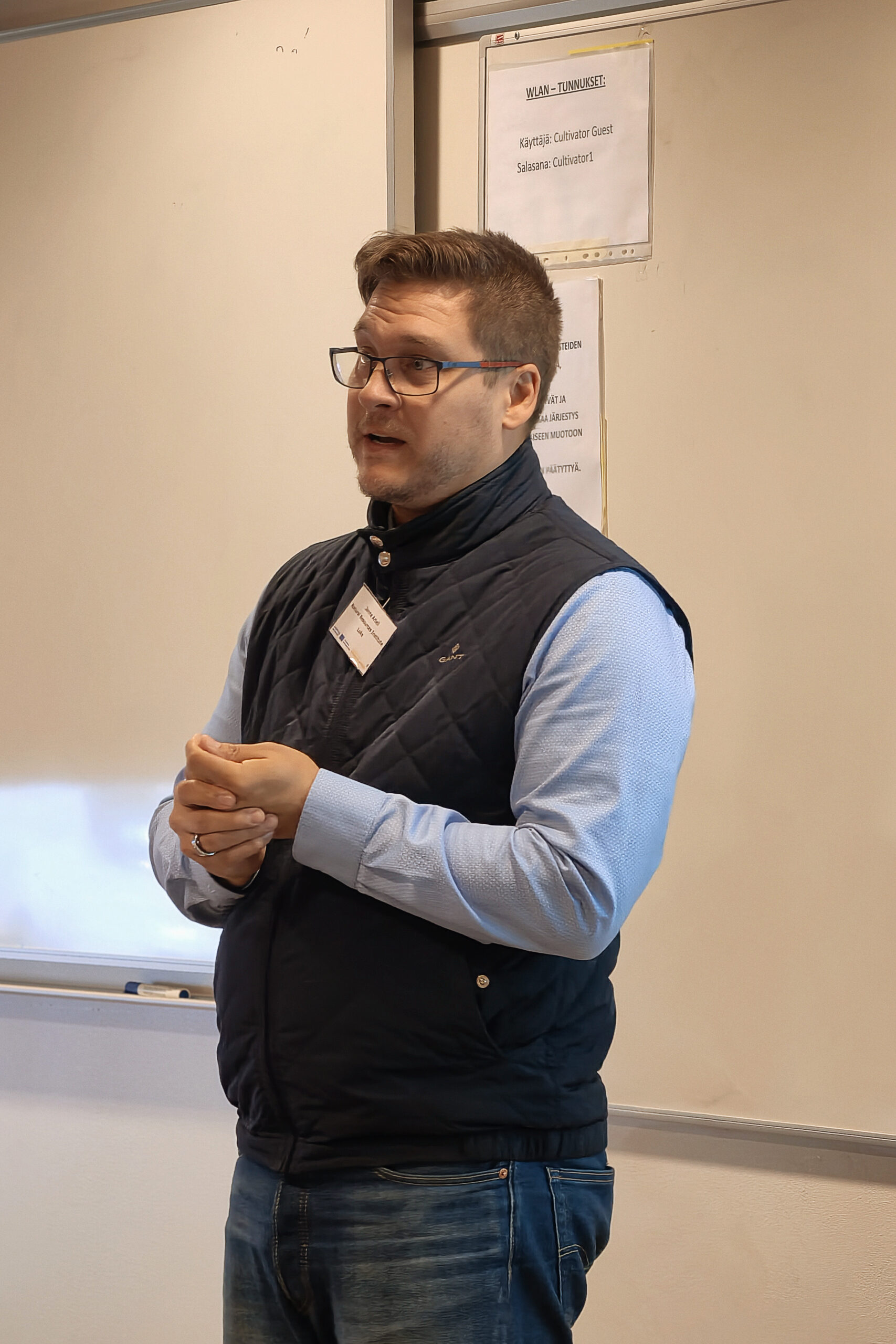
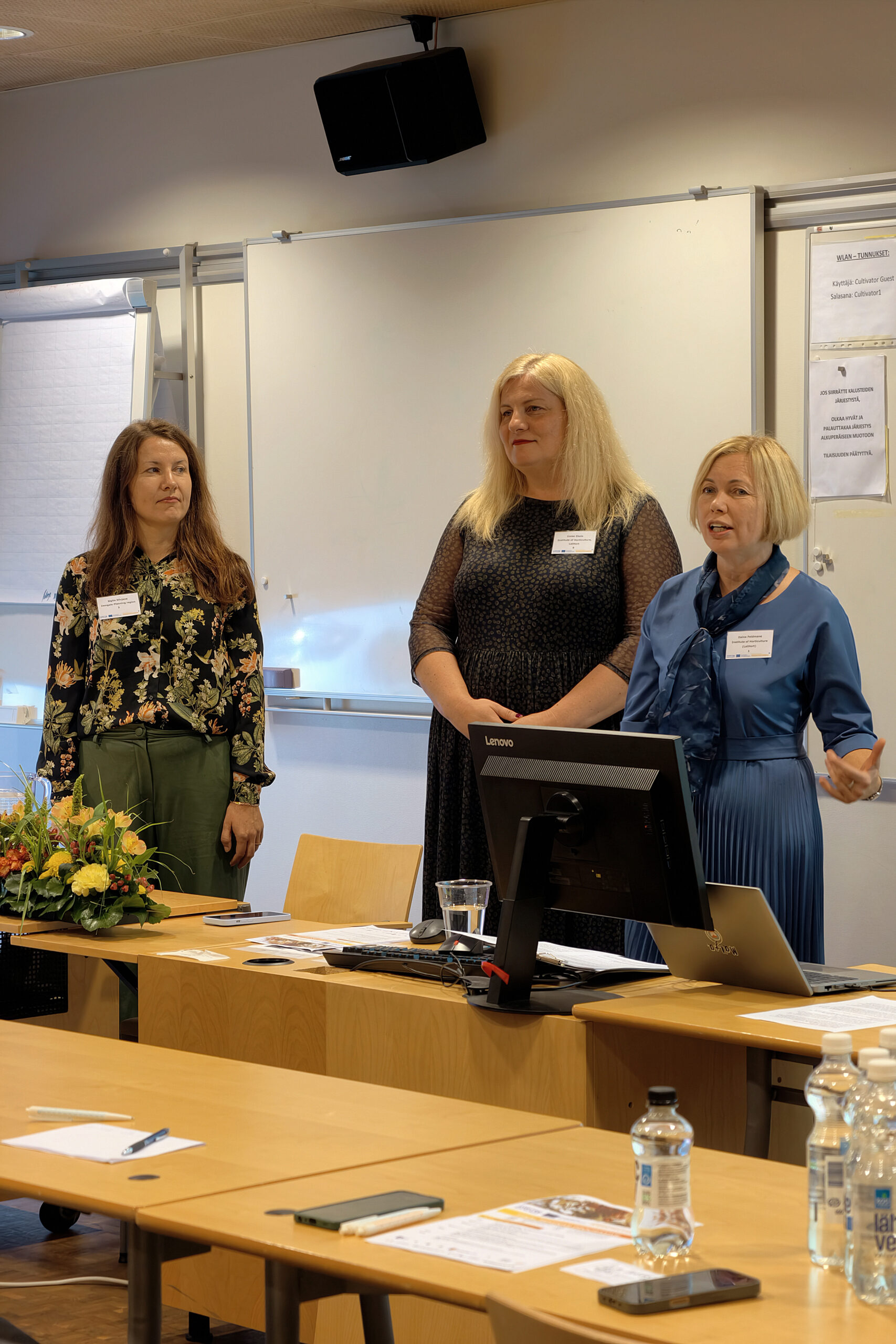
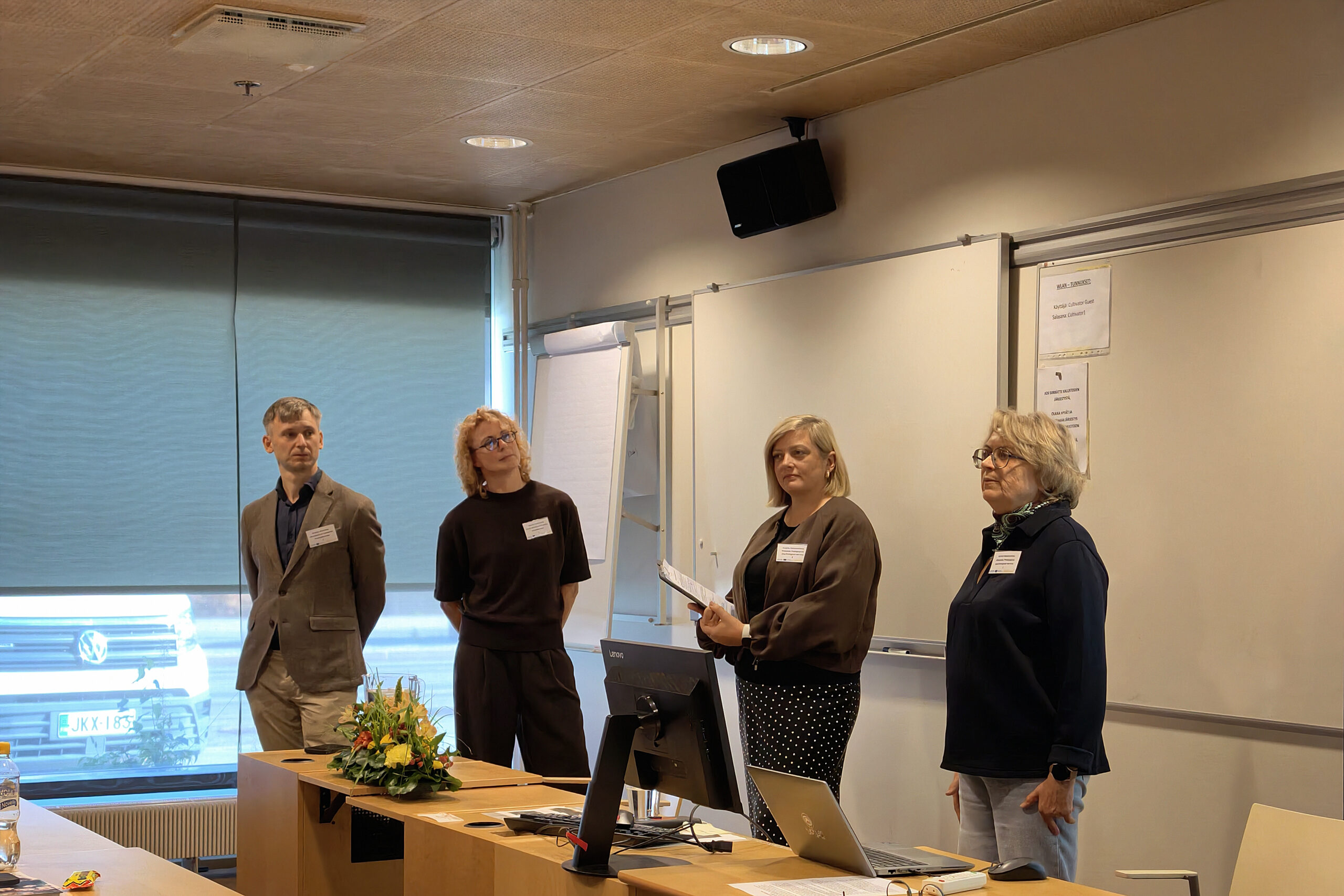
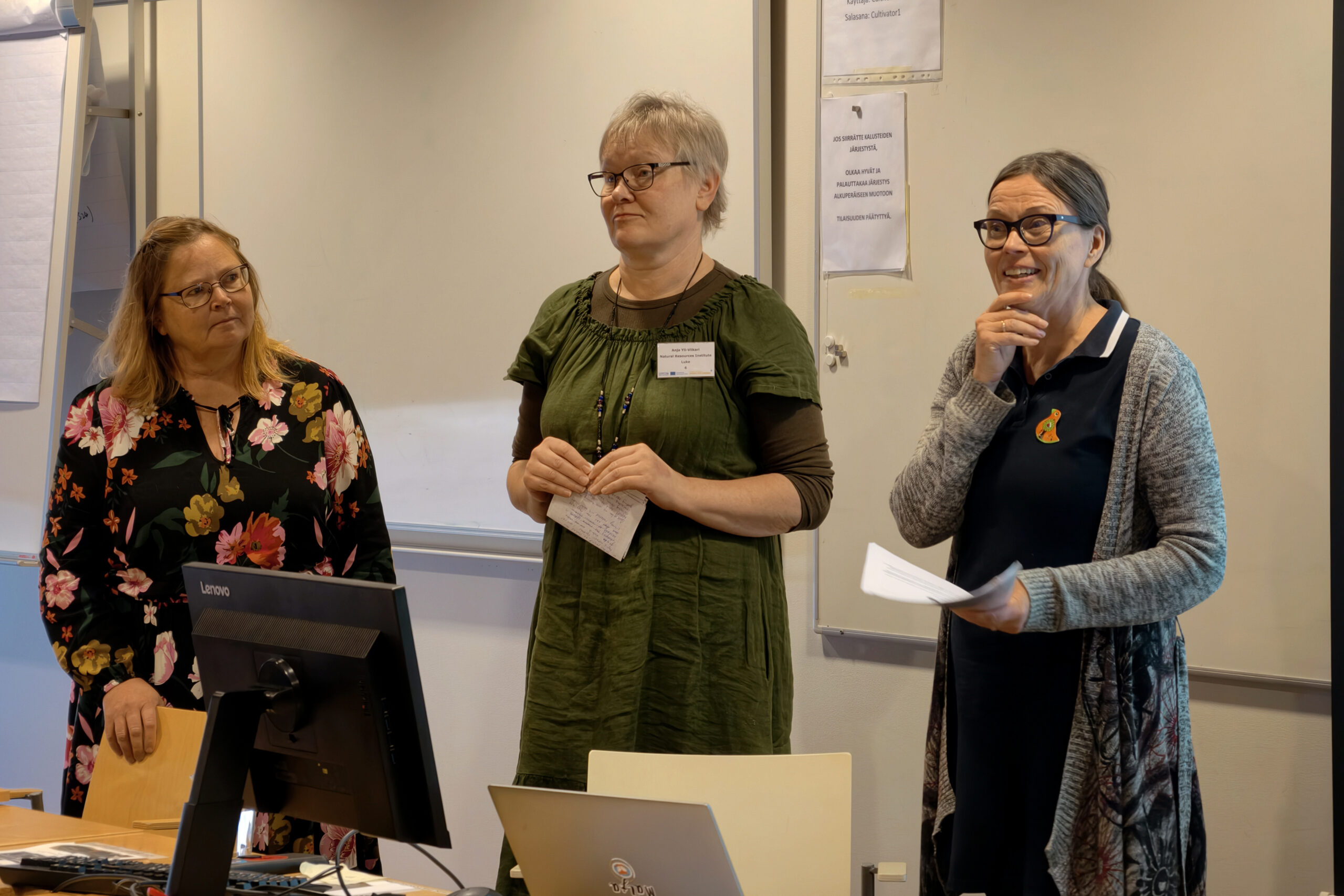
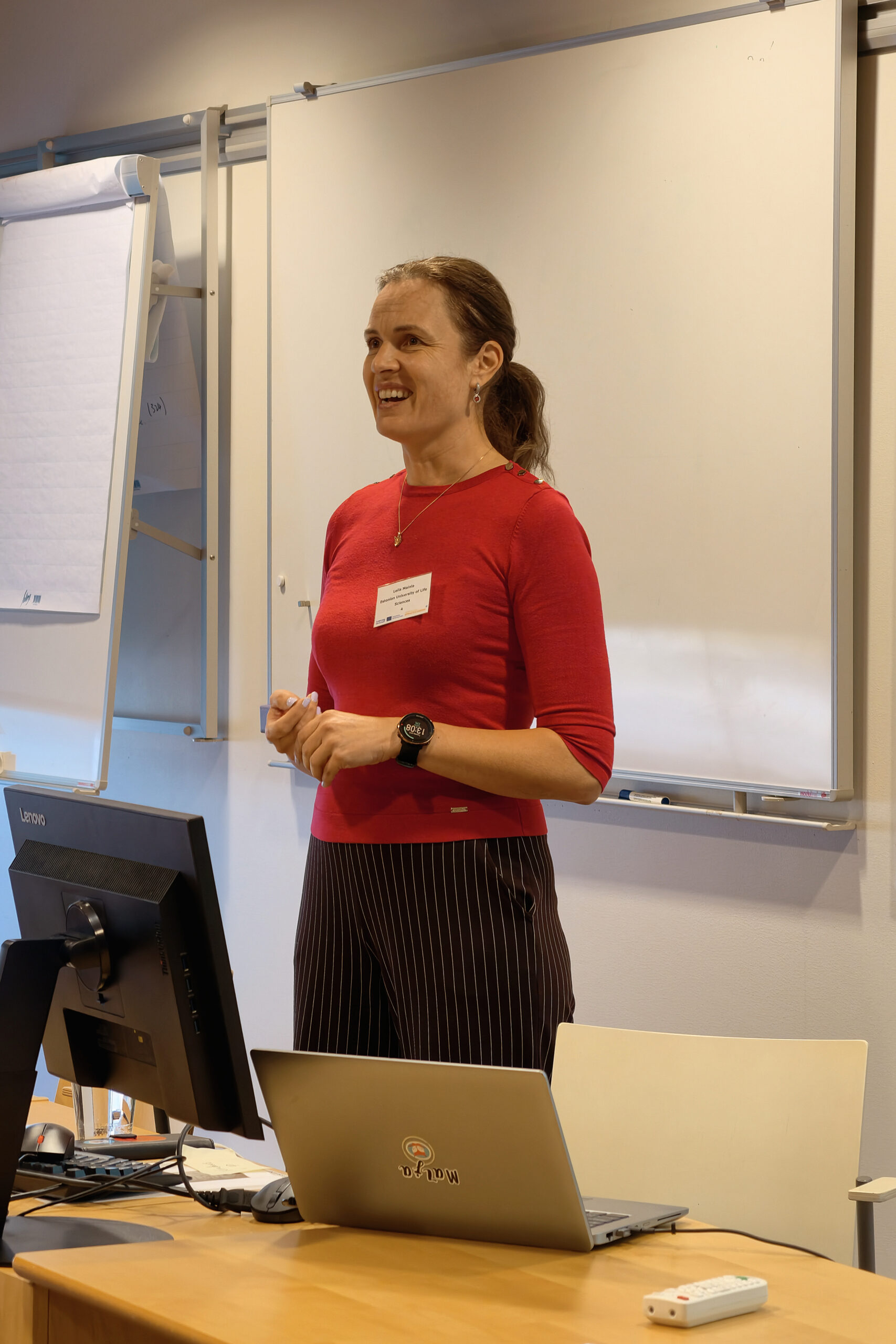
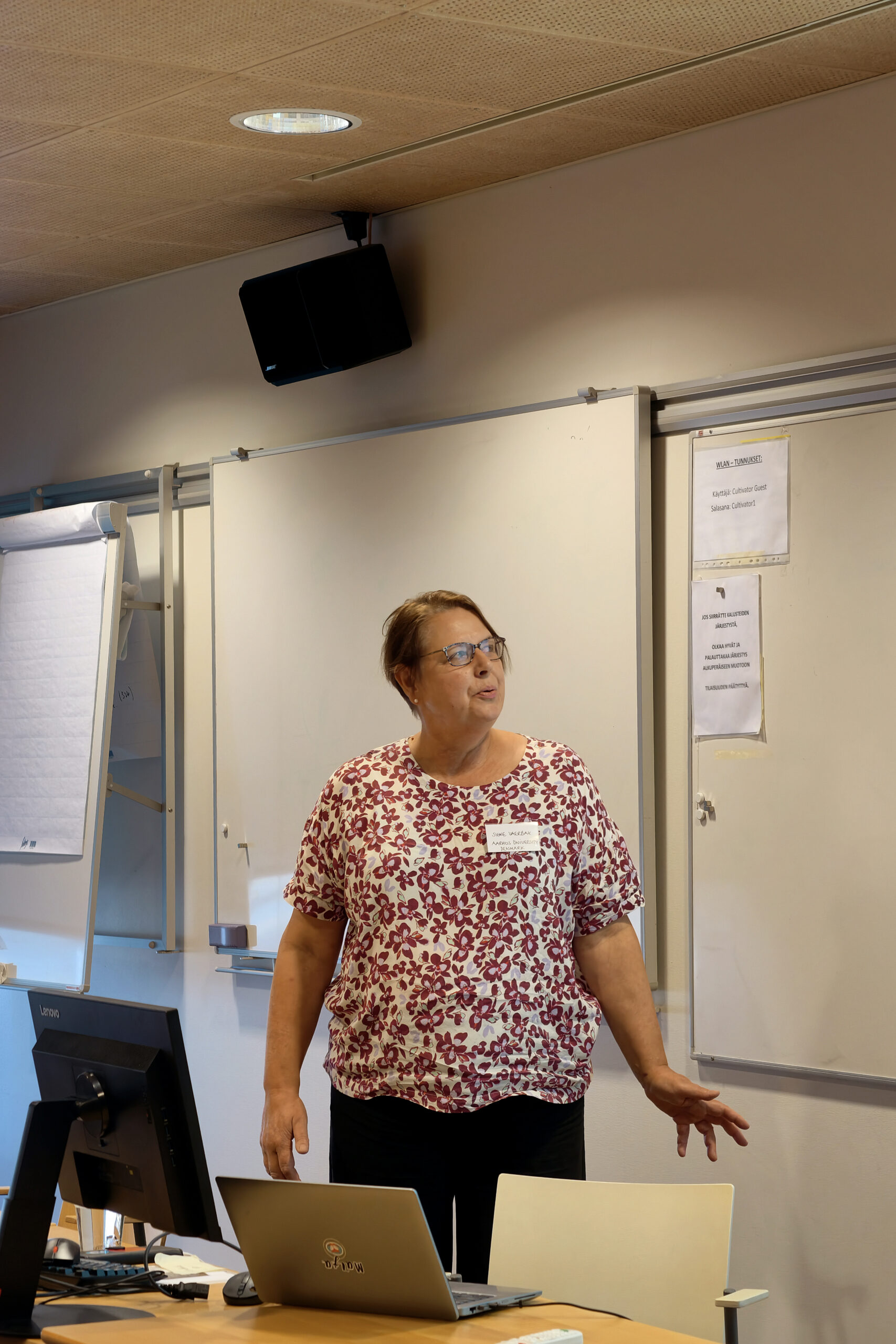
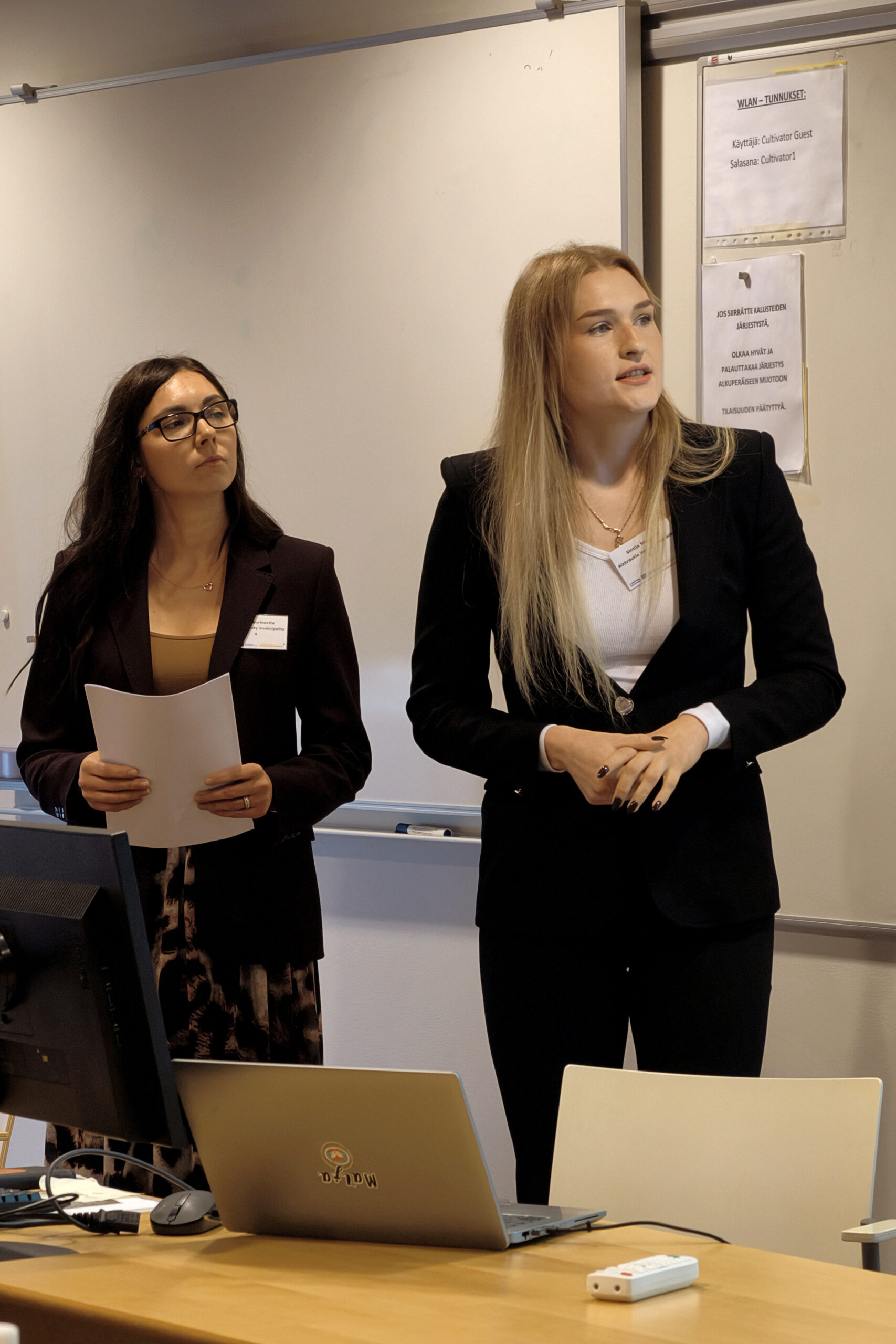
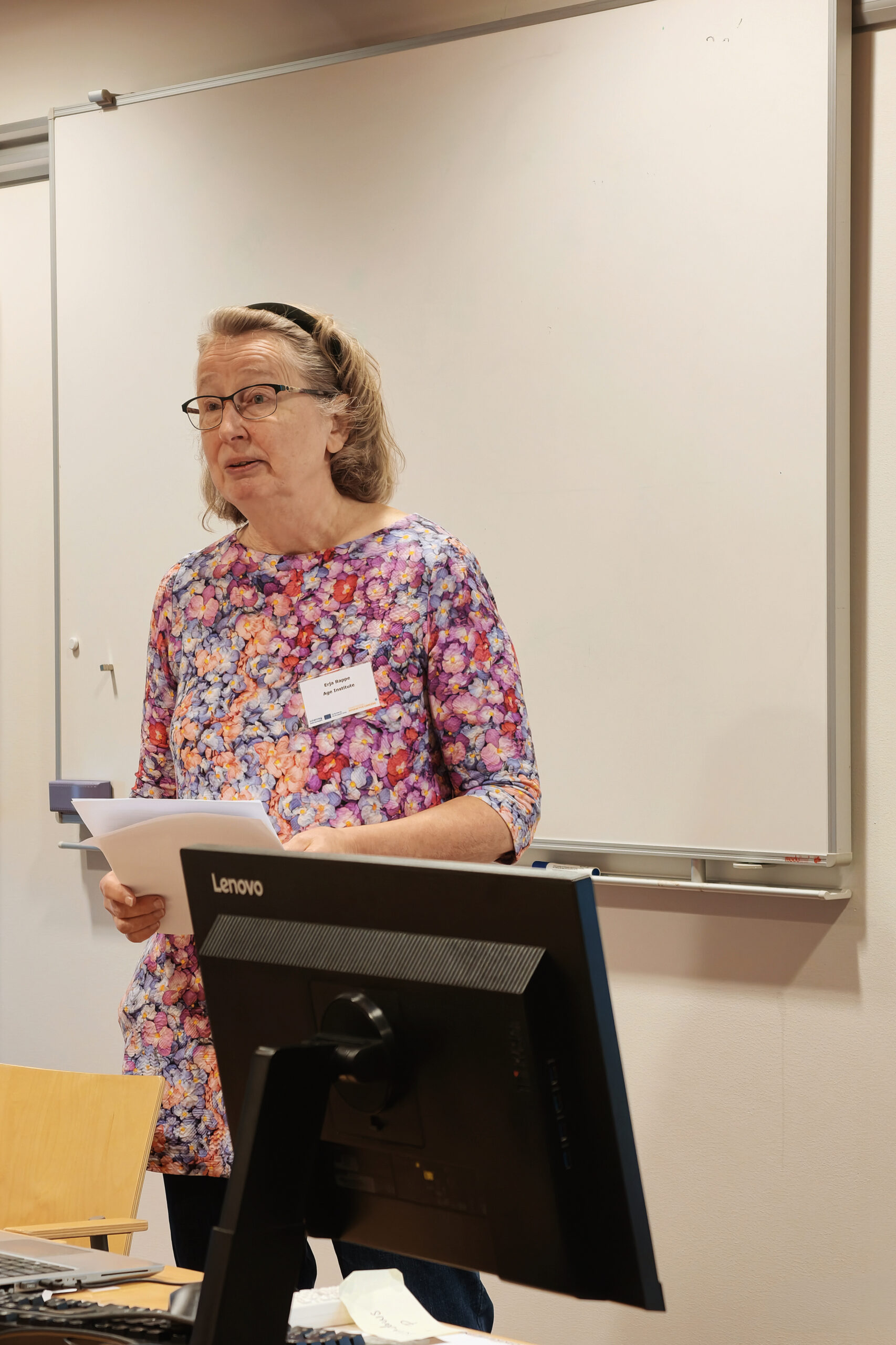
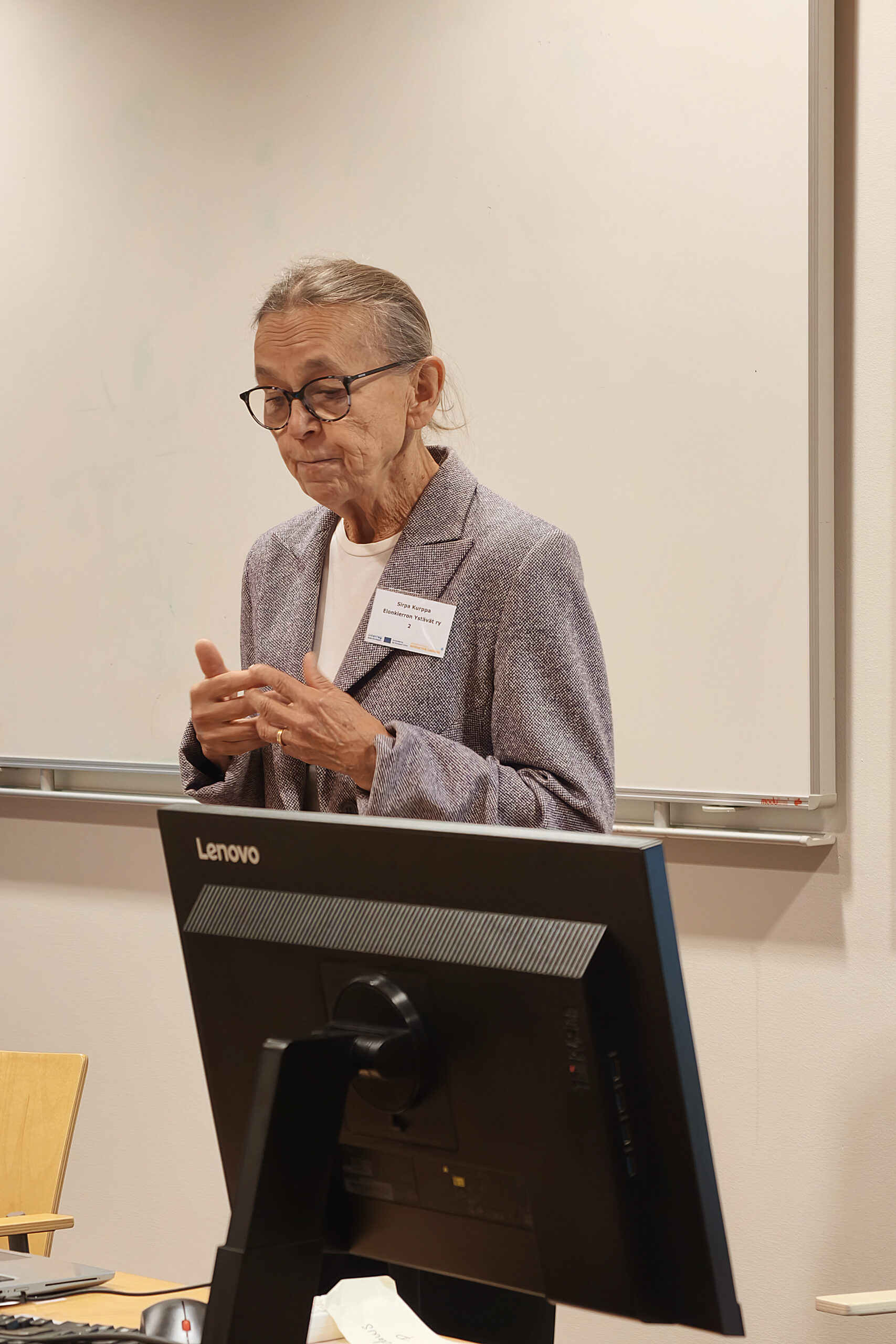
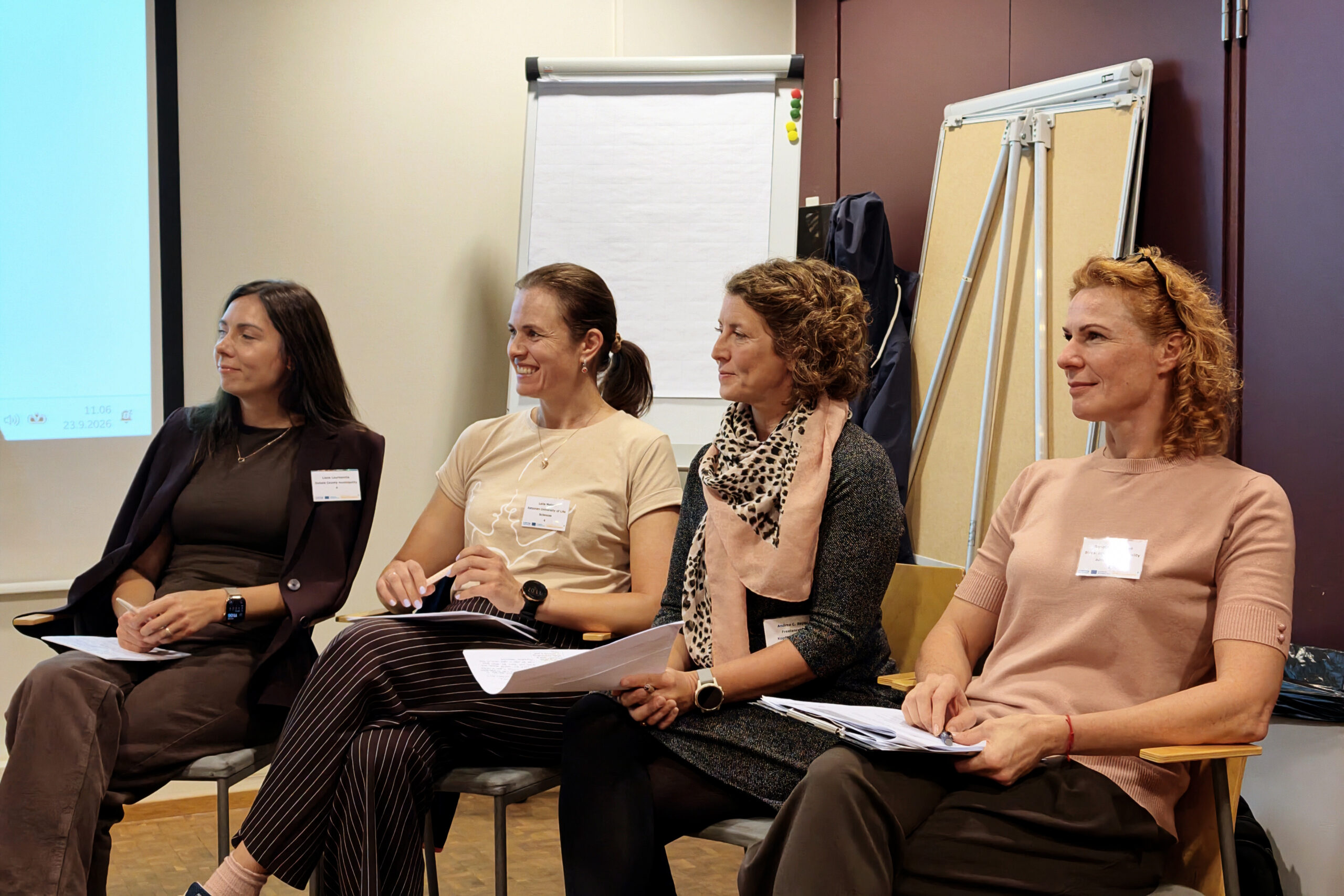
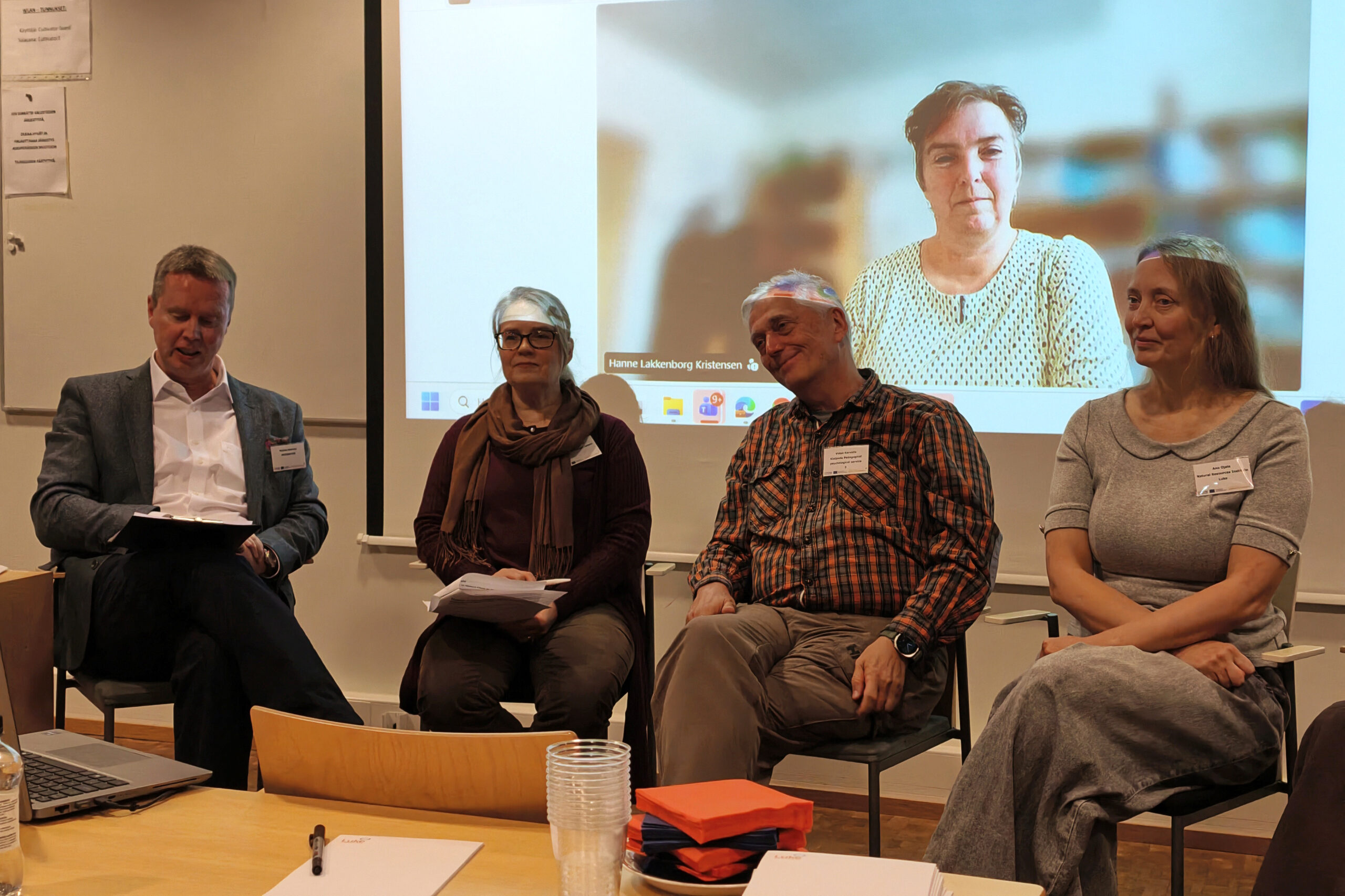
Strategically planned public gardens are not merely an aesthetic urban enhancement – they are a significant resource for residents’ daily well-being, health, and community cohesion. This is demonstrated by the results achieved within the Interreg Baltic Sea Region program project “Interactive Gardens,” which were presented at the final conference in Helsinki, Finland, at the end of September. Over the course of two days, 13 project partners from Latvia, Lithuania, Estonia, Finland, and Denmark shared their accomplishments, showcasing sustainable environmental design solutions whose true scale and functionality will continue to unfold long after the project’s conclusion.
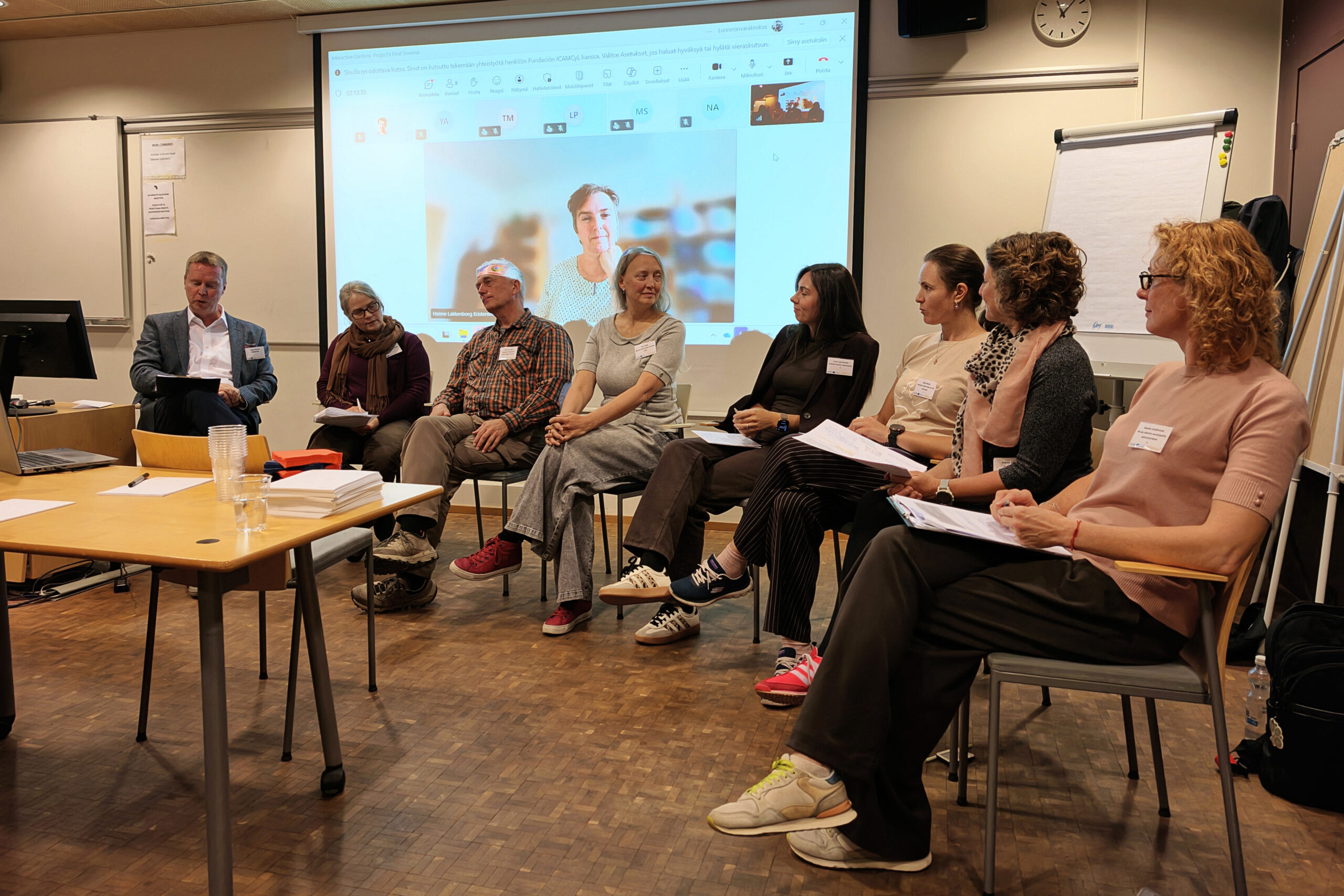
During the conference panel discussions, industry experts highlighted a significant trend: people’s daily lives increasingly take place indoors, leading to a gradual alienation from nature. This particularly affects teenagers, who often lack thoughtfully designed green spaces in urban environments that can compete with smart devices. As one of the solutions, experts recommended integrating nature into daily routines – for example, by taking micro-breaks in the fresh air or holding walking meetings. Furthermore, industry professionals stressed the importance of accessibility and the seamless integration of elements into the landscape, noting that successful environmental design should not only be seen but also felt.
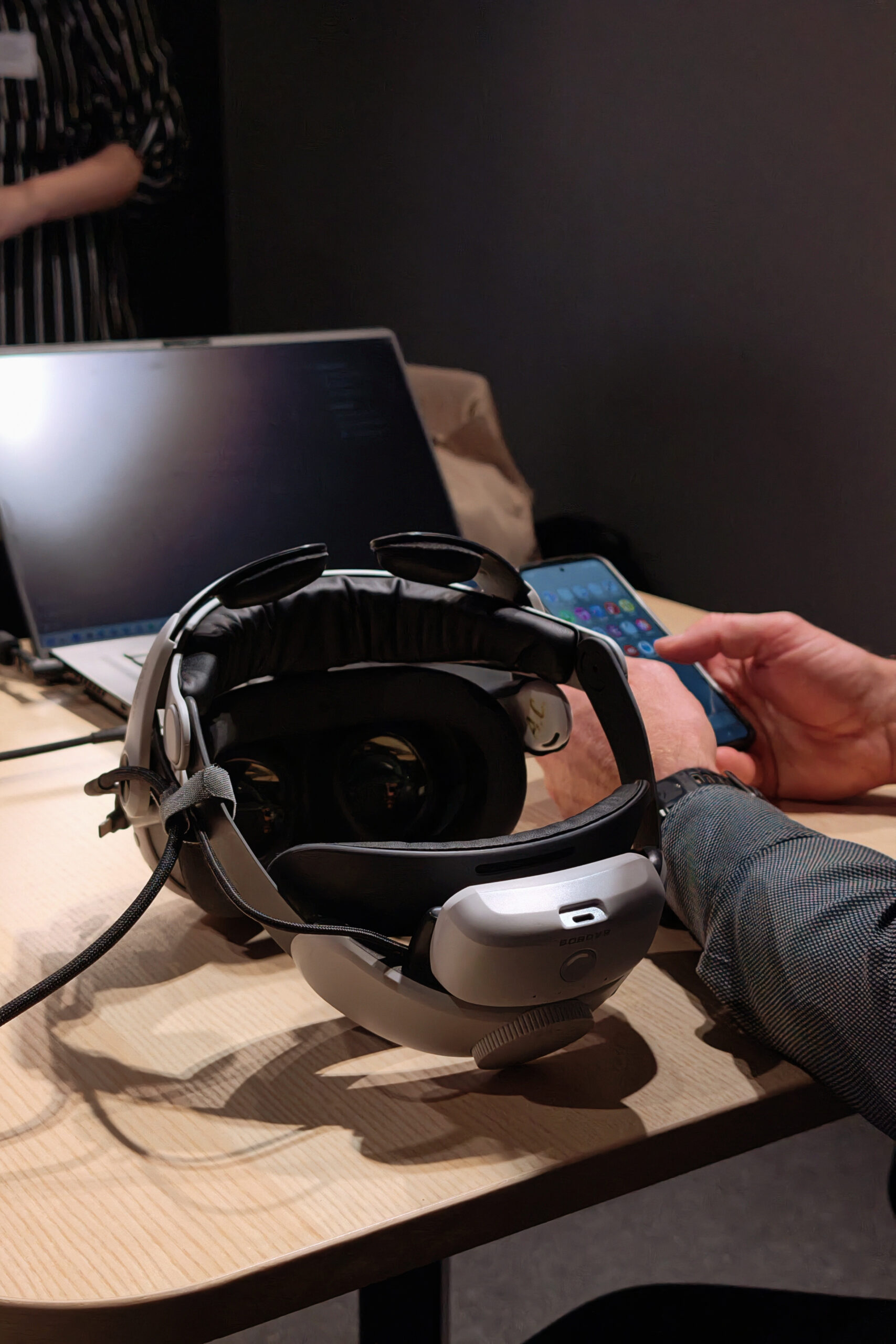
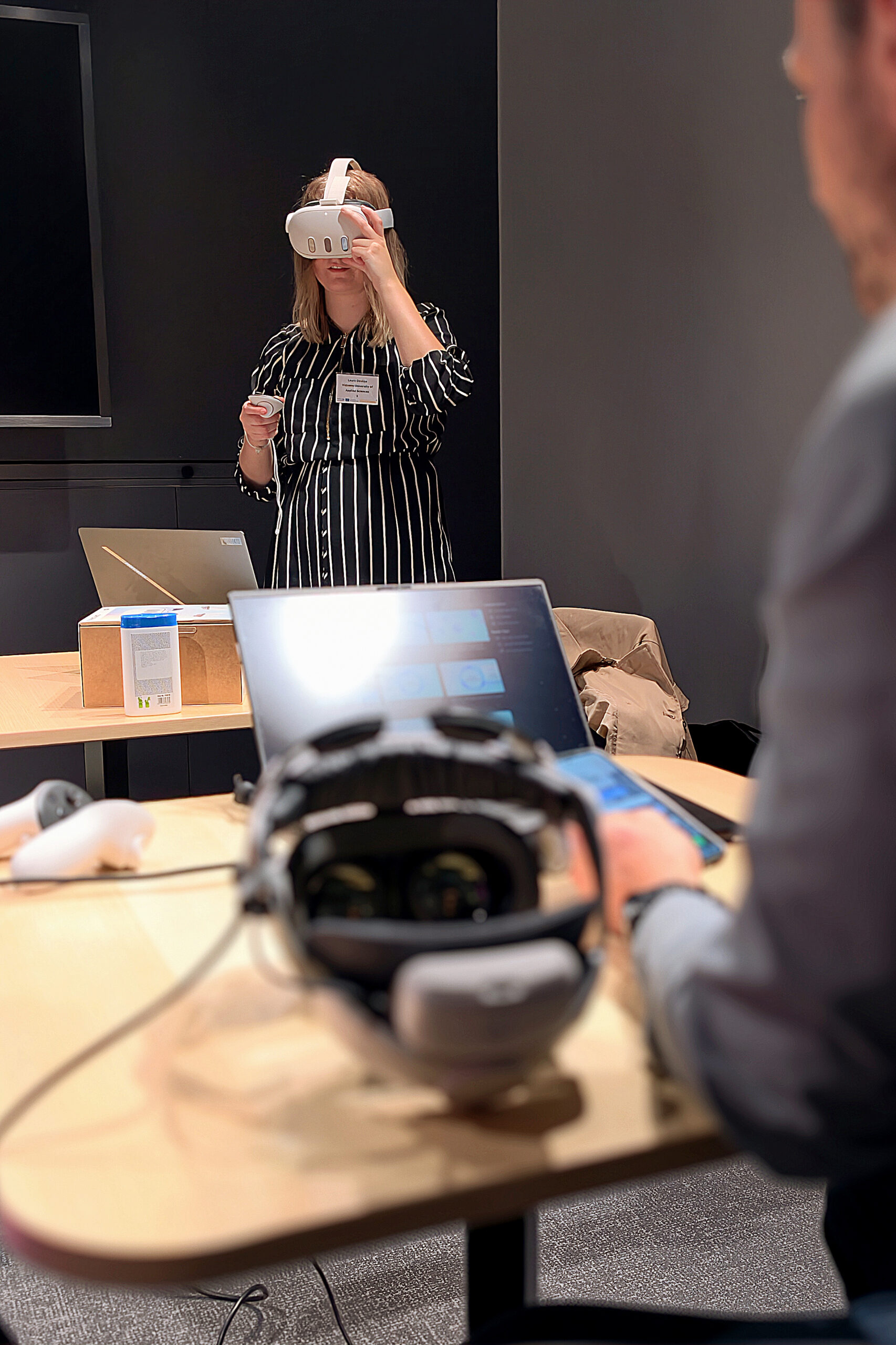
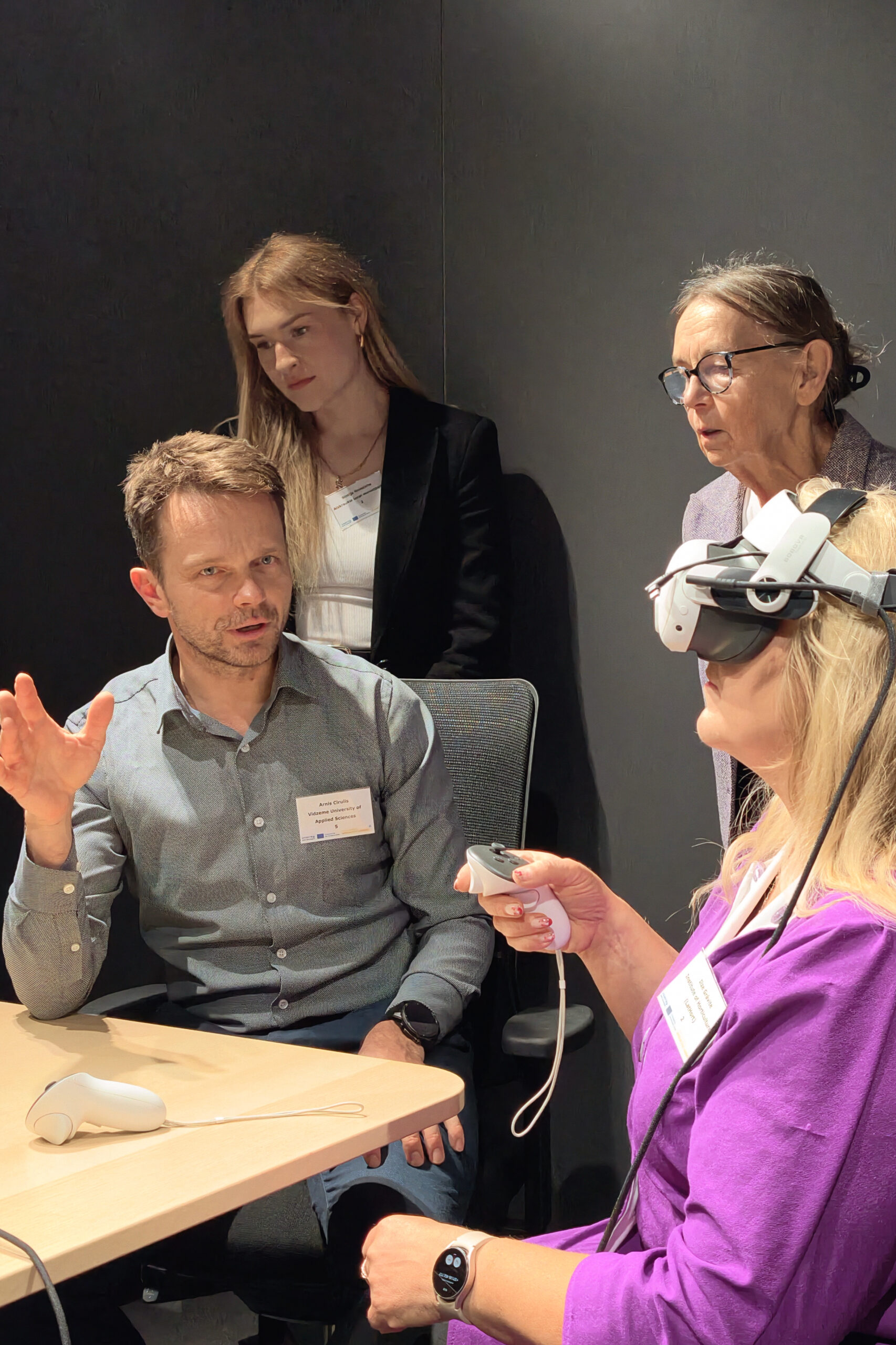
Significant attention in the project was also devoted to the synergy between technology and nature. Participants had the opportunity to practically test a Virtual Reality (VR) tool developed by Vidzeme University of Applied Sciences. This tool not only visually demonstrates how a modeled garden will evolve and change across seasons over the years, but also offers a calming virtual environment, making this experience accessible to individuals with limited physical mobility. Complementing the digital solutions, partners, guided by experts, tried out various relaxation techniques in Helsinki’s gardens, gaining practice-based confirmation of how garden environments positively impact mental health and stress levels.
The insights discussed at the conference have already taken practical shape across all partner countries, illustrating diverse approaches to public outdoor space development. In Finland, gardens are utilized as health and learning environments – researchers organized nature therapy and educational sessions in the Elonkierto and Loue parks, practically measuring the beneficial impact of nature on stress reduction. In Lithuania, the healing potential of nature has been integrated into the Japanese garden of the Klaipėda Pedagogical Psychological Service, which has been adapted for mindfulness, sensory classes, and canine therapy. Meanwhile, a major transformation has been carried out in Biržai, where a new walking trail and a “Lilac Peninsula” were created in a nature reserve, alongside a medicinal plant and fruit garden equipped with an outdoor gym near the city hospital. Estonia demonstrates a completely different approach: nature is successfully integrated into the dense urban infrastructure of Rakvere by placing large-scale plant containers with built-in seating along a pedestrian street. In Denmark, the main focus has been on educating the public about food cultivation and climate impact—Aarhus University, in collaboration with the Green Museum, hosted open-door days and educational events featuring food tastings in their research gardens.
A significant contribution to creating multifunctional and educational environments has also been made in Latvia. In Dobele, a modern Willow Park has been established, featuring a dog walking area, a fire pit, and gazebos and arches made of living willows, while the Institute of Horticulture has developed new thematic trails and a digital navigation app for garden exploration. Simultaneously, the Zemgale Planning Region, in cooperation with municipalities, has worked on revitalizing public outdoor spaces on a broader scale – ranging from the Sēlija sensory and taste zones in Viesīte, an educational botanical oasis in Karp’s Garden in Bauska, and the restored historical manor park plantings in Kroņvircava, to well-equipped active recreation zones in Aizkraukle.
At the conclusion of the conference, the jointly developed declaration “More Time in Nature Close to Home” was presented. It calls upon environmental planners, healthcare professionals, and decision-makers to work closely together to purposefully restore the connection between people and nature. Experts emphasize that in the future, thoughtfully planned and accessible public outdoor spaces must become as fundamental a part of daily community life as schools, libraries, or sports infrastructure are today.

Additional links
details
-
Homepage
-
Project typeCore Project

-
ImplementationNovember 2023 - October 2026
-
StatusOngoing
-
Contribution to EUSBSRPolicy Area Innovation, Policy Area Tourism

-
Target groups
- Higher education and research institution
- Local public authority
- Regional public authority
-
Social media
-
Additional links
-
Tags