




Conference in Kiel brings together six Baltic Sea Region cities to share lessons for a circular future
09 October 2026
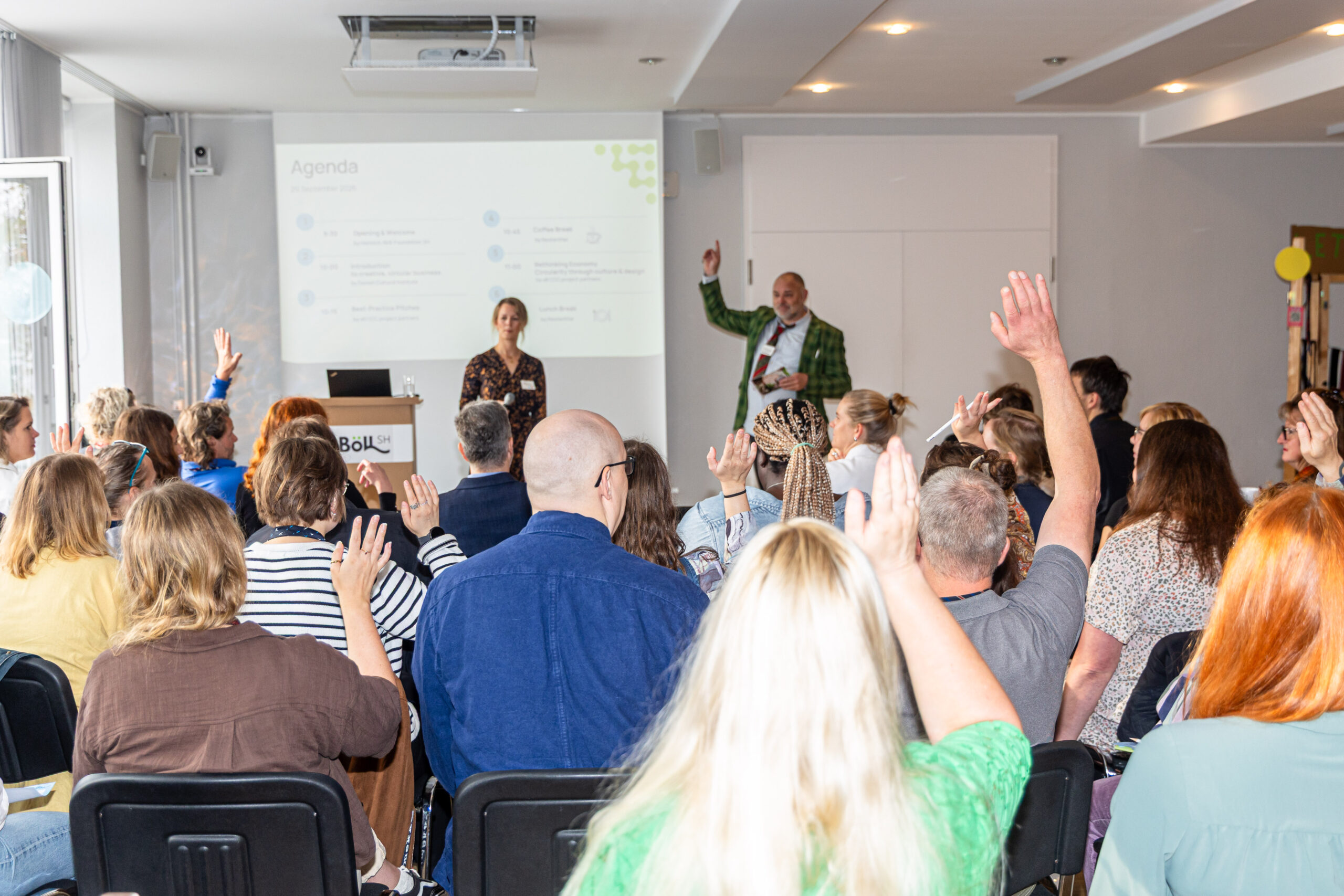
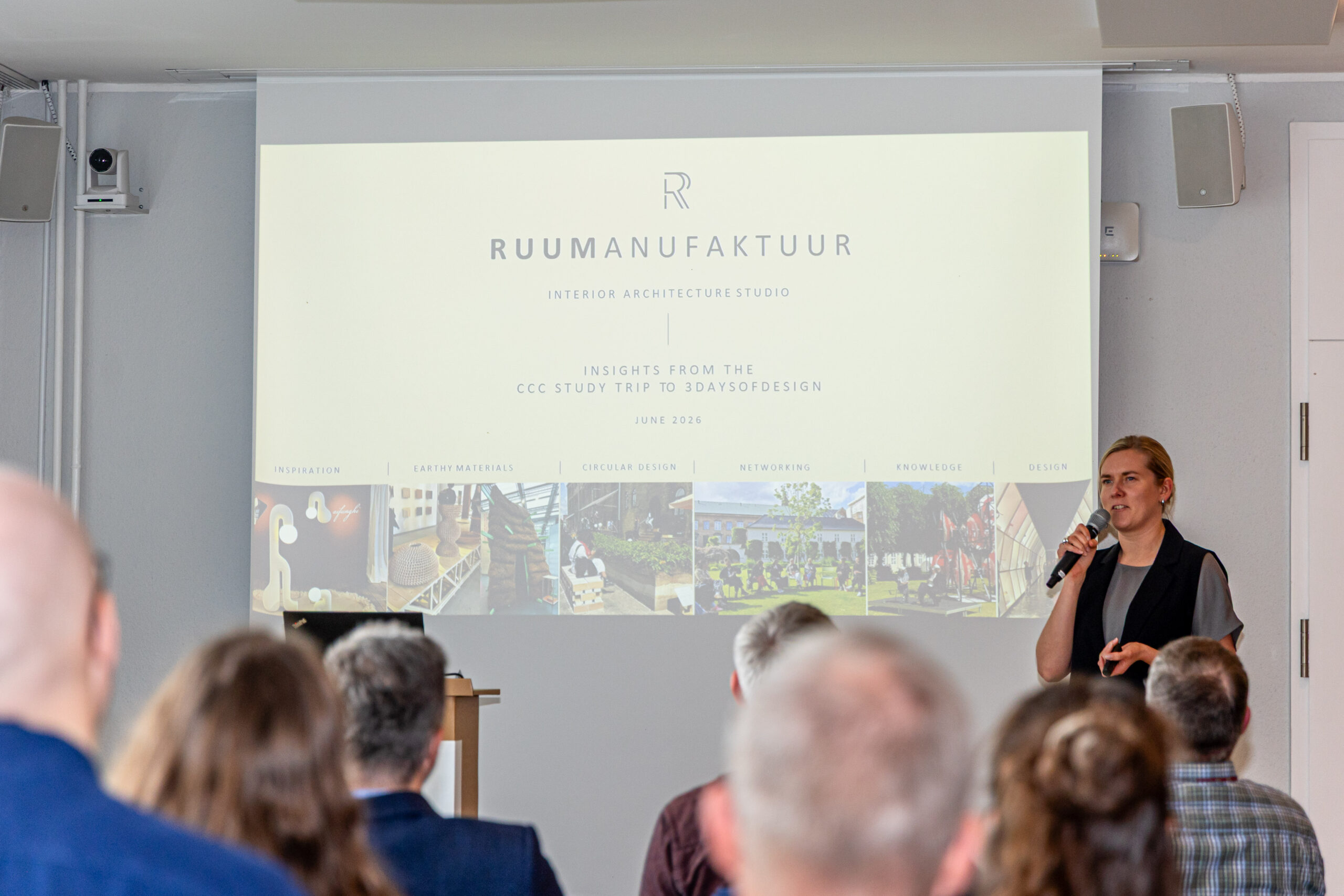
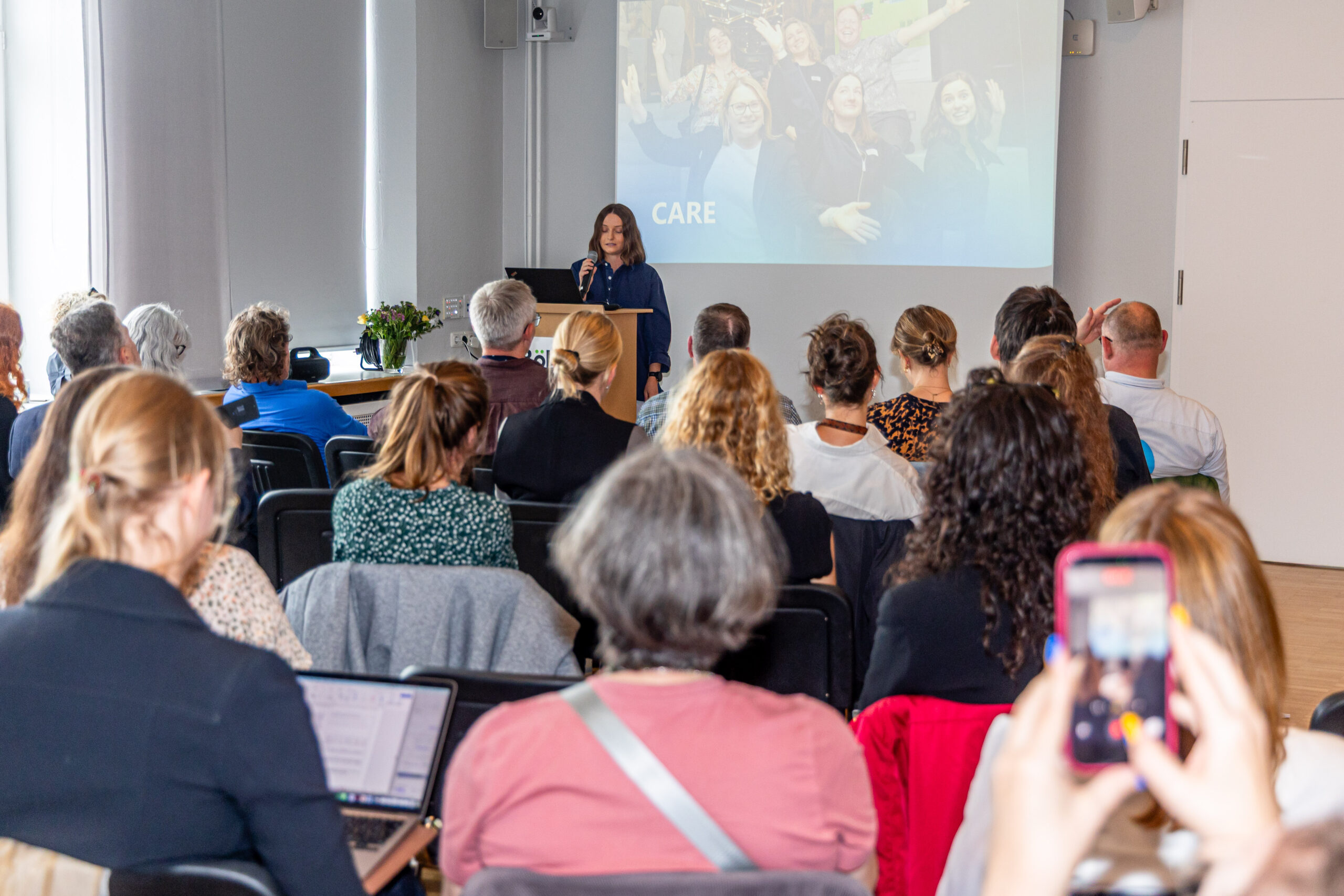
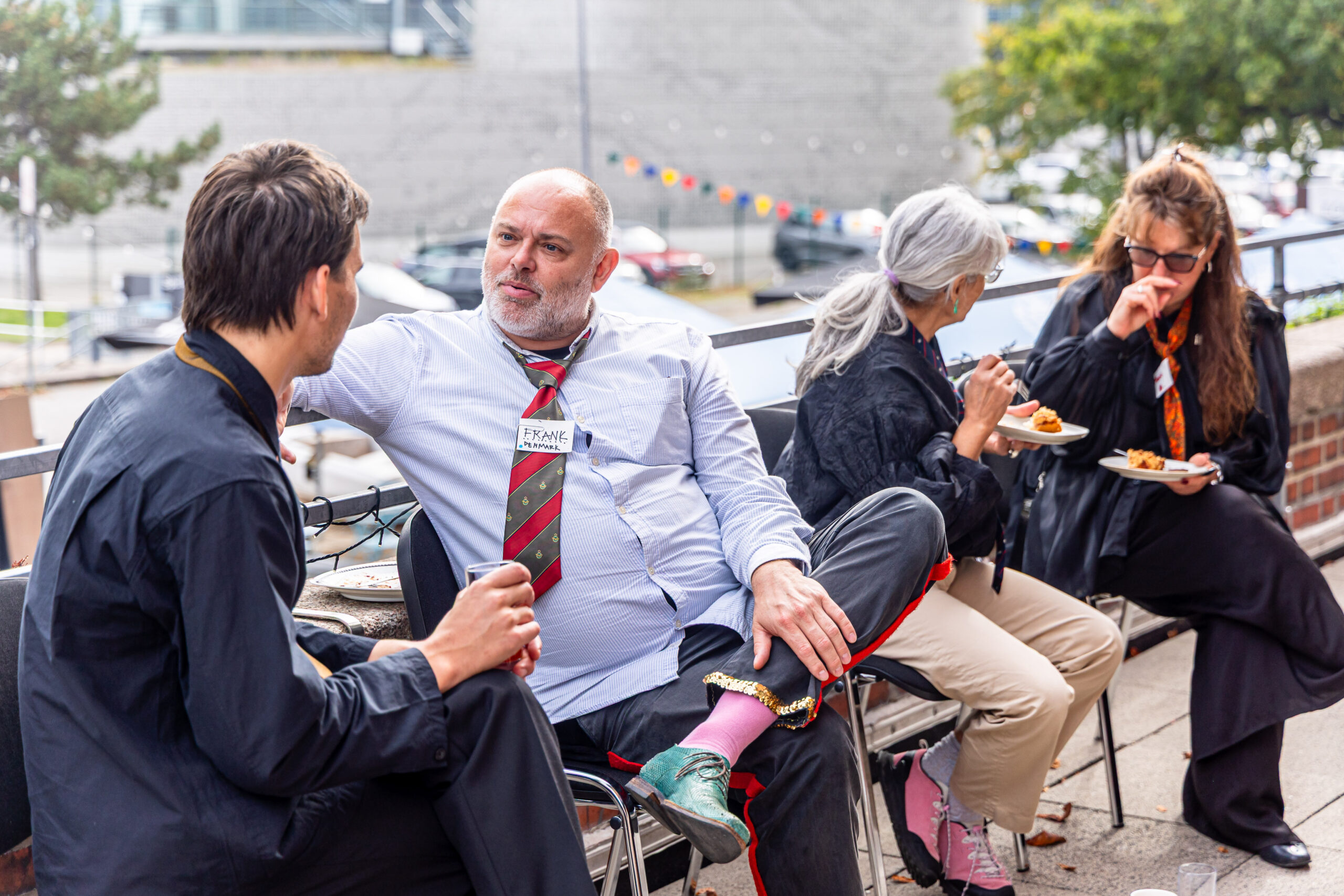
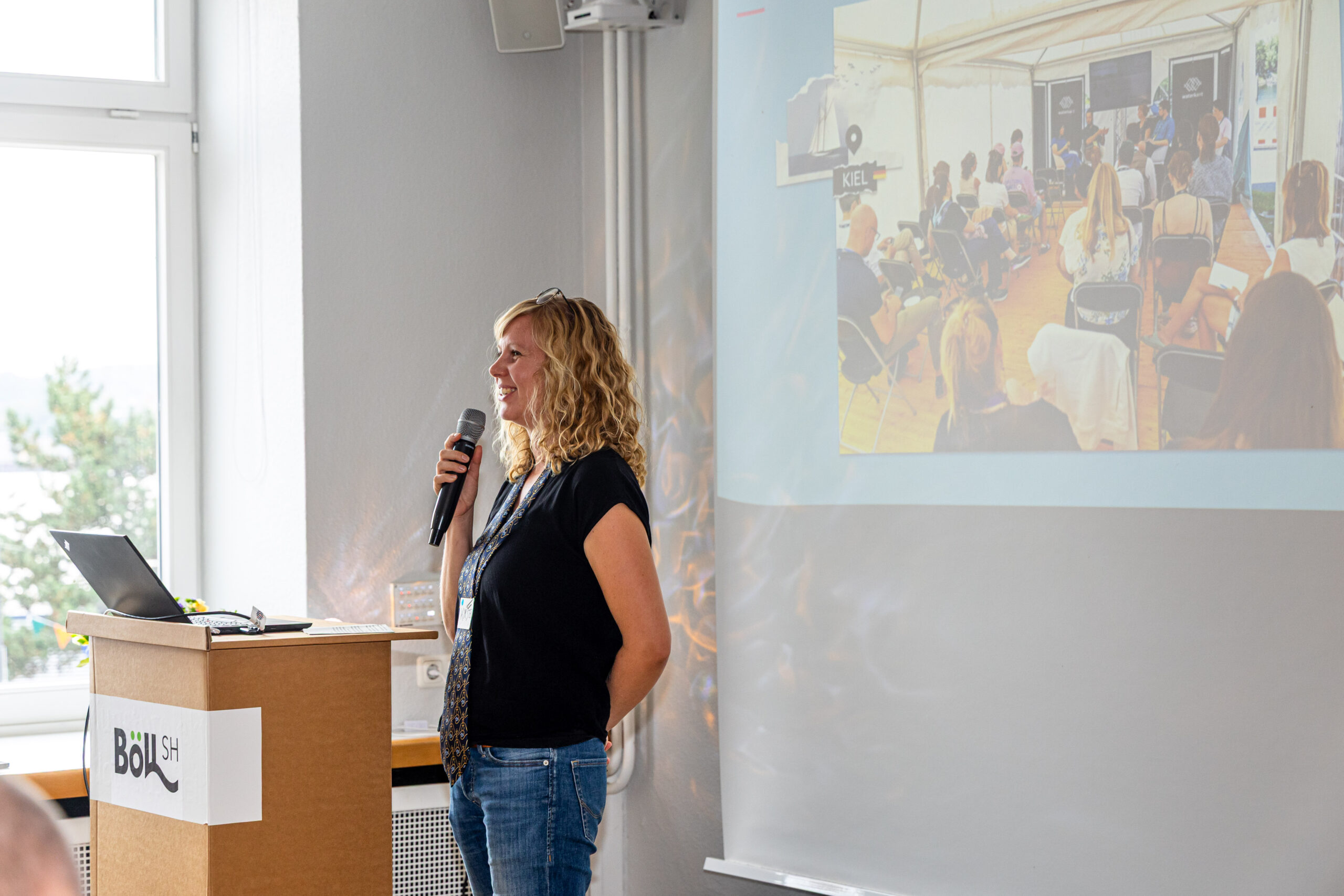
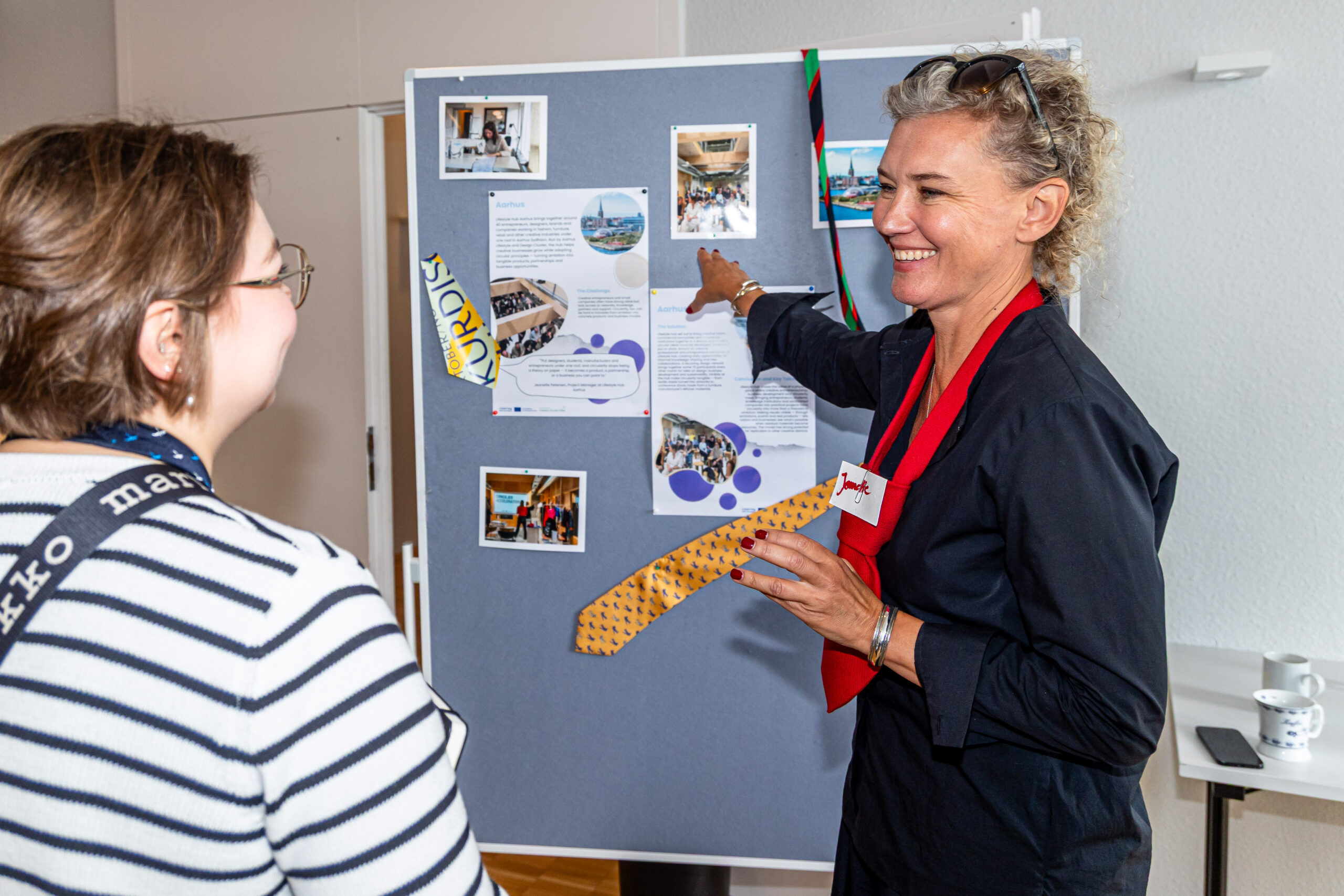
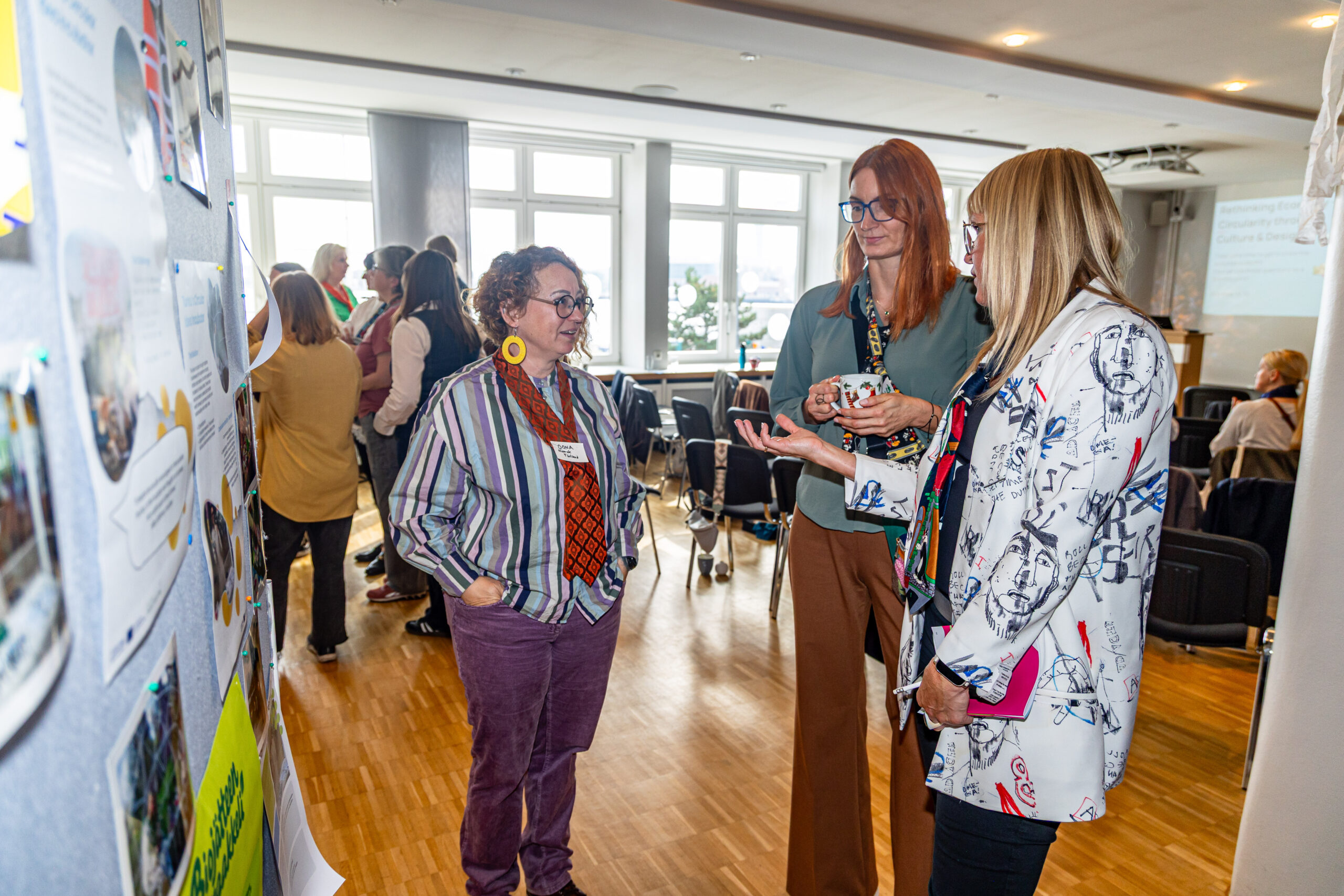
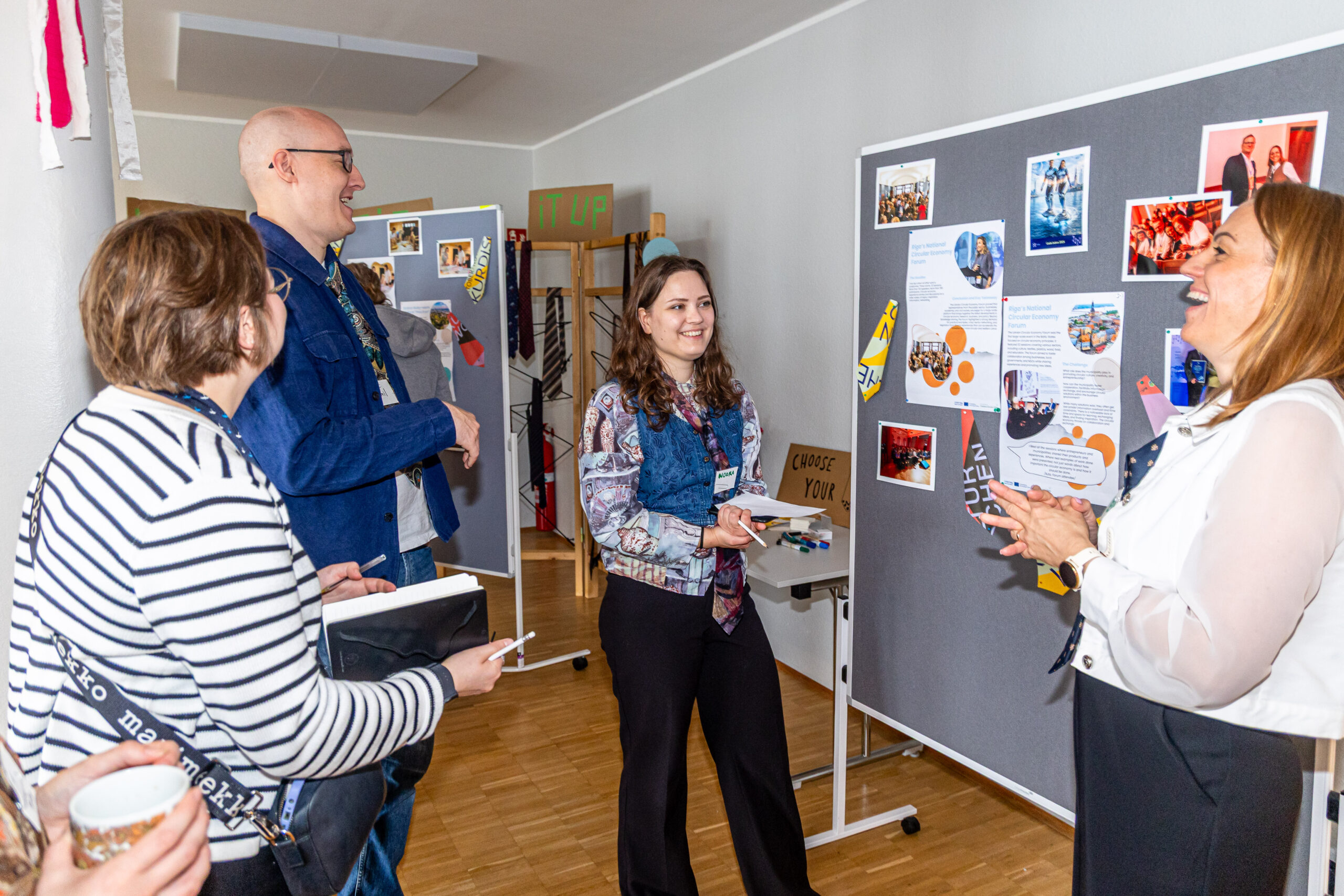
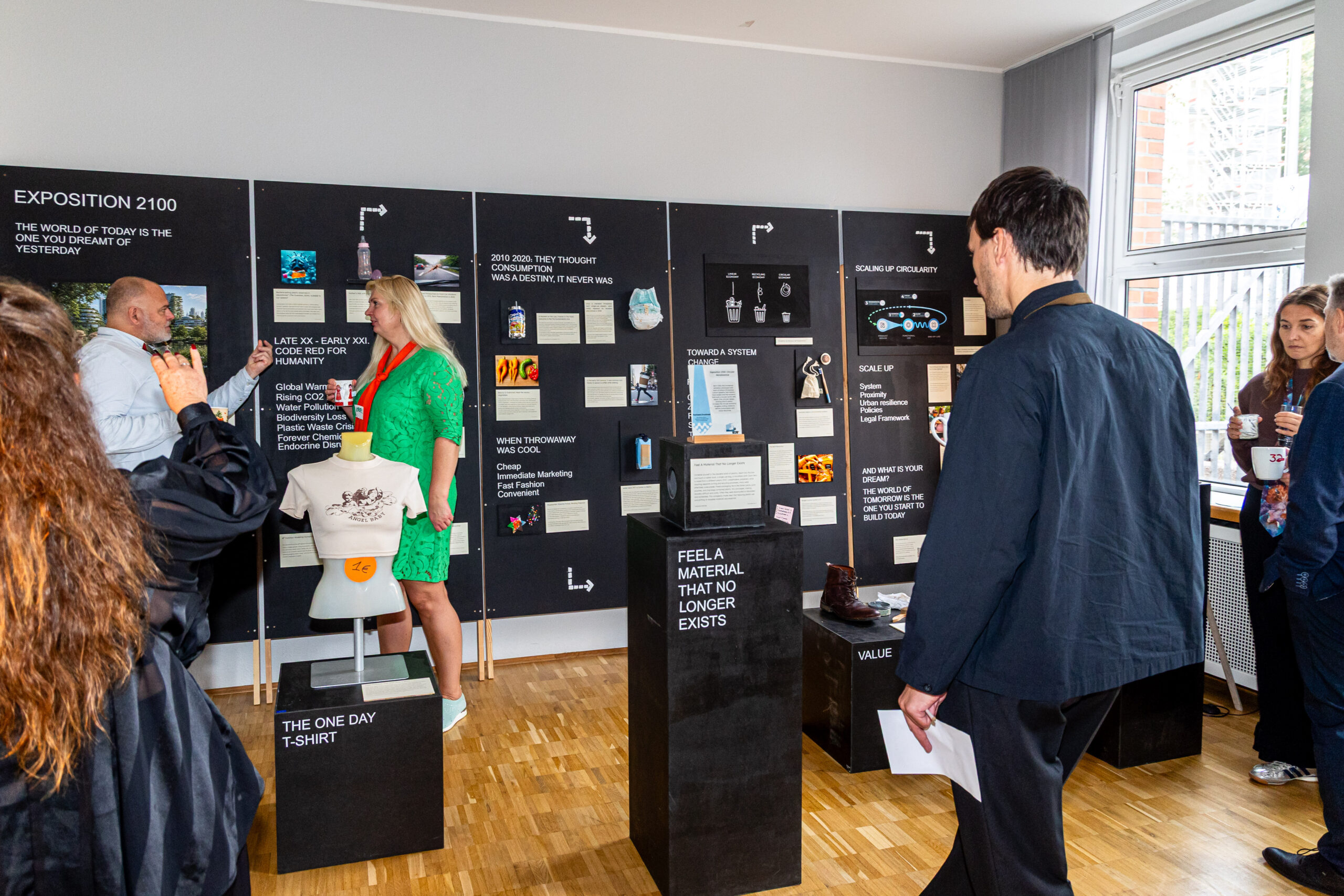
How can cities make circularity part of everyday life? This was the central question at “Creative Cities, Circular Futures”, the final conference of the Creative Circular Cities (CCC) project, held in Kiel on 29–30 September. Bringing together project partners, creatives, policymakers and urban practitioners from across the Baltic Sea Region, the conference reflected on three years of experimentation and explored what is needed to turn local initiatives into lasting change.
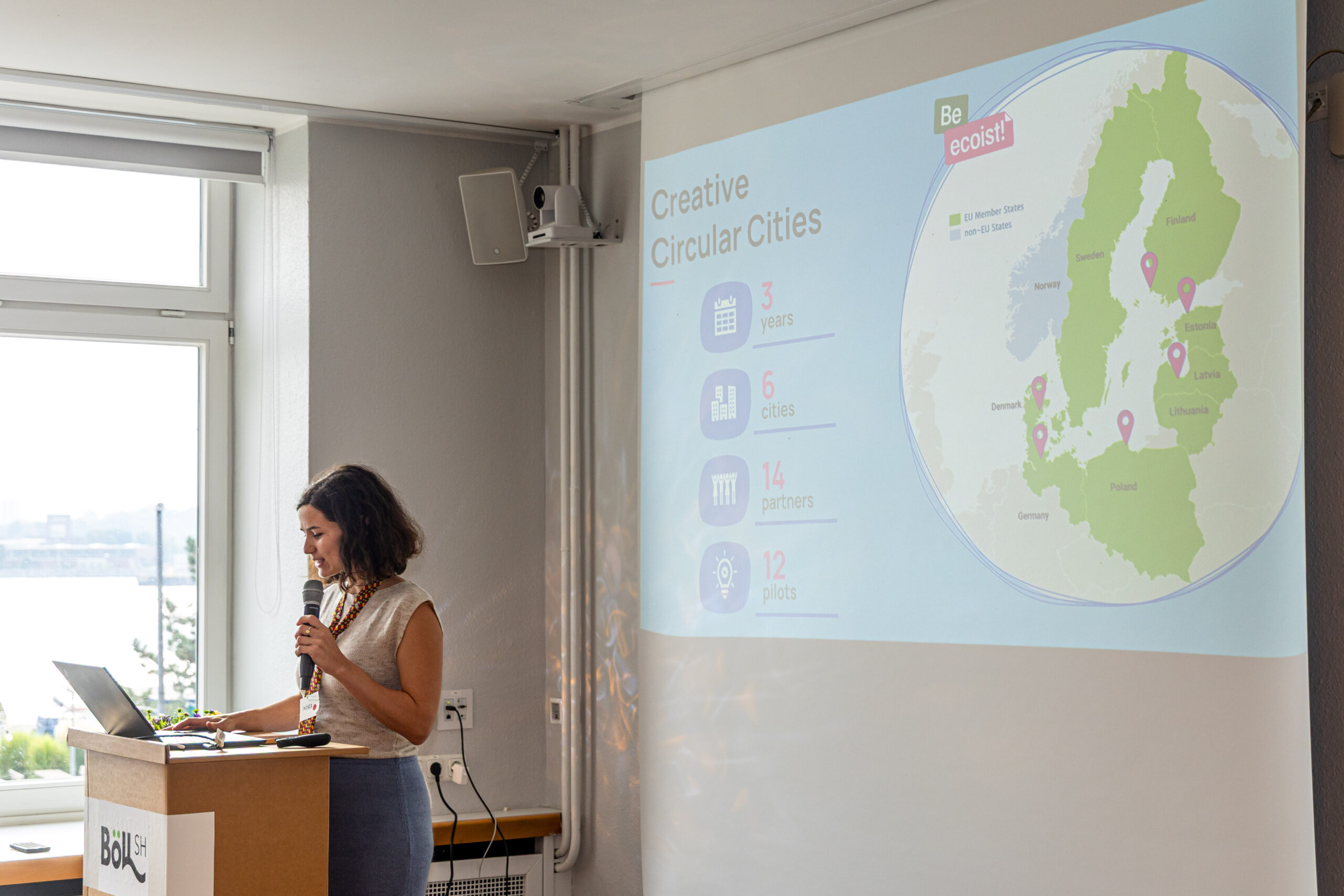
The Interreg Baltic Sea Region project worked with six cities – Aarhus, Gdynia, Kiel, Riga, Tallinn and Turku – to explore how culture, creativity and design can contribute to the circular transition. Through local pilot activities, the cities tested new approaches to engaging residents, connecting creative professionals with circular economy initiatives and making more sustainable practices accessible to communities.
The conference offered an opportunity to share these experiences, discuss what worked and what did not, and consider how the lessons could inform future projects, policies and partnerships.
Making circularity easier, more useful and more social
One of the key messages from the conference was that people are ready to embrace change, but individual willingness is not enough. Systems, infrastructure and policies must make circular choices practical and accessible. Rather than relying on appeals to environmental responsibility alone, circular initiatives need to demonstrate clear value to the people they serve and make participation convenient.
Community and social interaction are also important. Activities that encourage reuse, repair, sharing or making things together can offer more than environmental benefits – they can create opportunities for people to meet, learn and connect. By recognising this social dimension, cities can make circular practices more attractive and strengthen community ties at the same time.
Creativity belongs at the heart of the process
The discussions also highlighted the importance of involving artists and creative professionals from the earliest stages of planning and development, not simply bringing them in to decorate a finished project or provide an artistic element.
Creative professionals can challenge established ways of thinking, offer unexpected perspectives and help develop new solutions to complex urban challenges. However, collaboration must work for them, too. Their expertise and contribution need to be recognised, with fair conditions and clear value for participating.
For this kind of collaboration to continue beyond individual projects, funding structures also need to evolve. Initiatives combining culture and circularity often fall between cultural funding schemes and those focused on the circular economy. As a result, promising activities and services can become dependent on short-term project grants or volunteer contributions. More flexible and sustainable funding opportunities could enable cultural and circular economy organisations to collaborate from the outset, co-design solutions and build initiatives that can continue beyond a project’s lifetime.
From local pilots to wider change
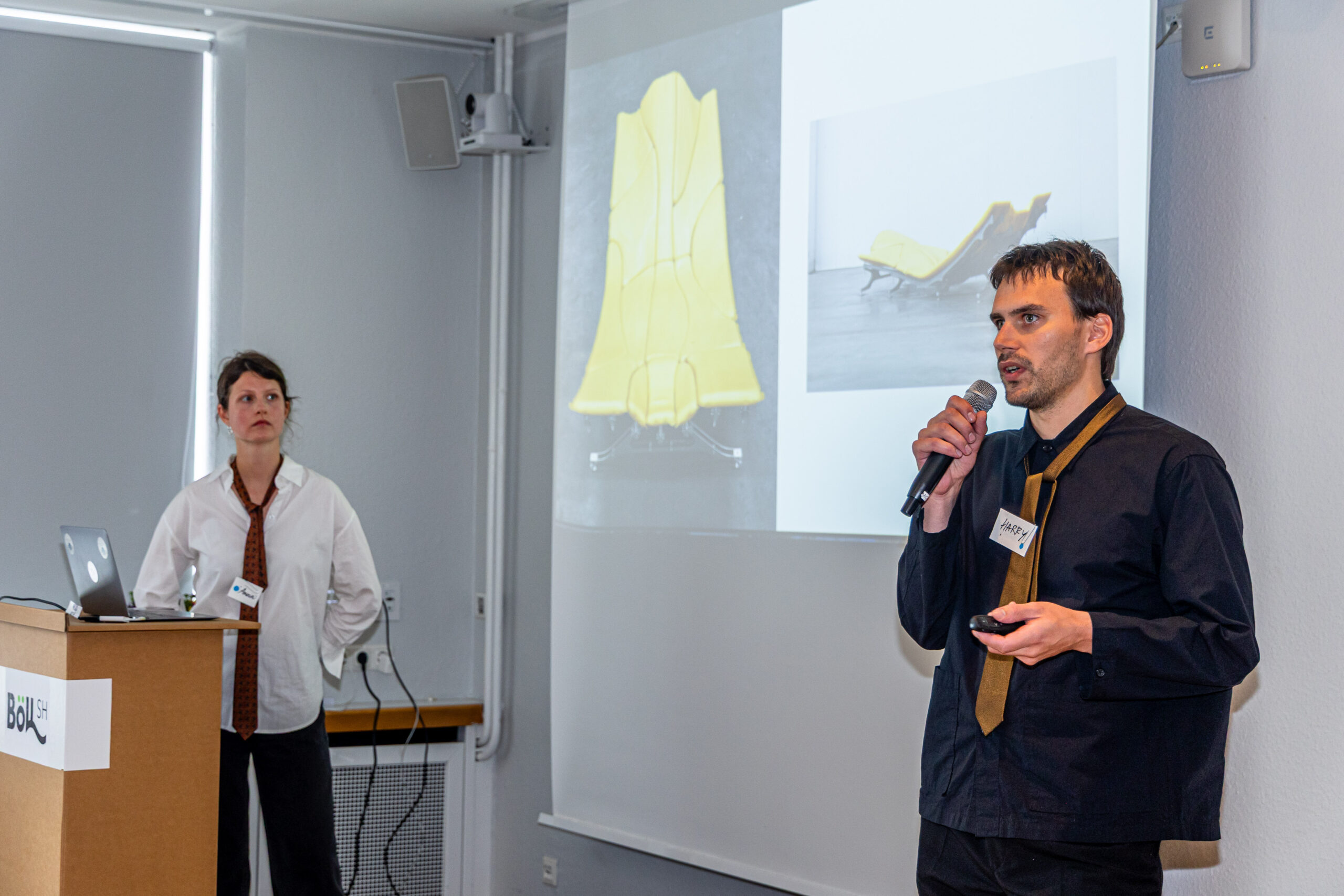
Across the two-day programme, participants explored creative approaches to circular business and citizen engagement activities, shared examples from the six project cities and discussed how culture and design can influence the way people think about resources and consumption. The programme also included a presentation of the CCC Policy Roadmap, which sets out systemic approaches to developing a more supportive policy framework for circularity.
Participants examined innovation procurement as a way for public authorities to develop and test new solutions. CCC was the first Interreg Baltic Sea Region project to implement an innovation procurement process as part of the project’s exploration of how public-sector approaches can help make circular services more accessible.
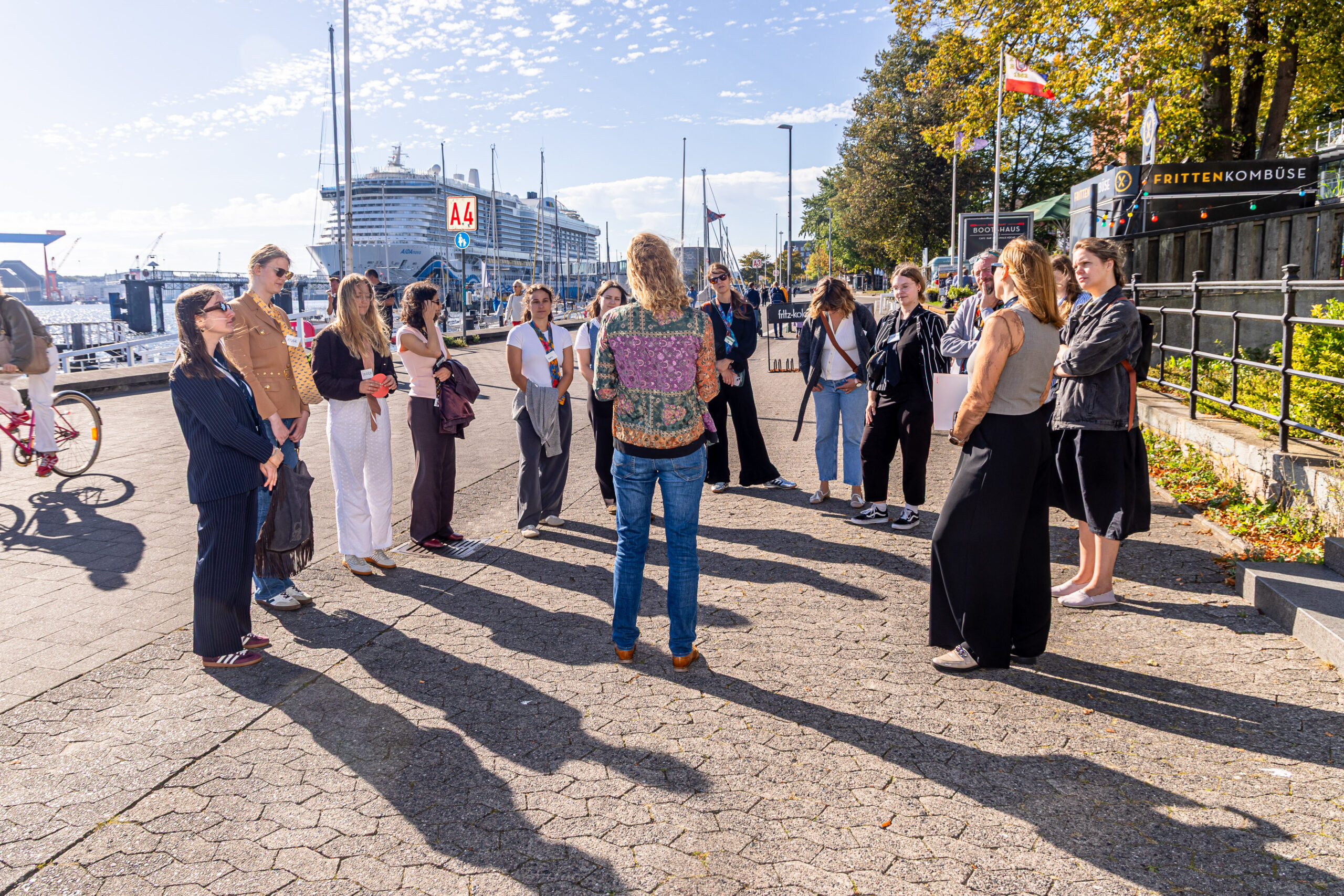
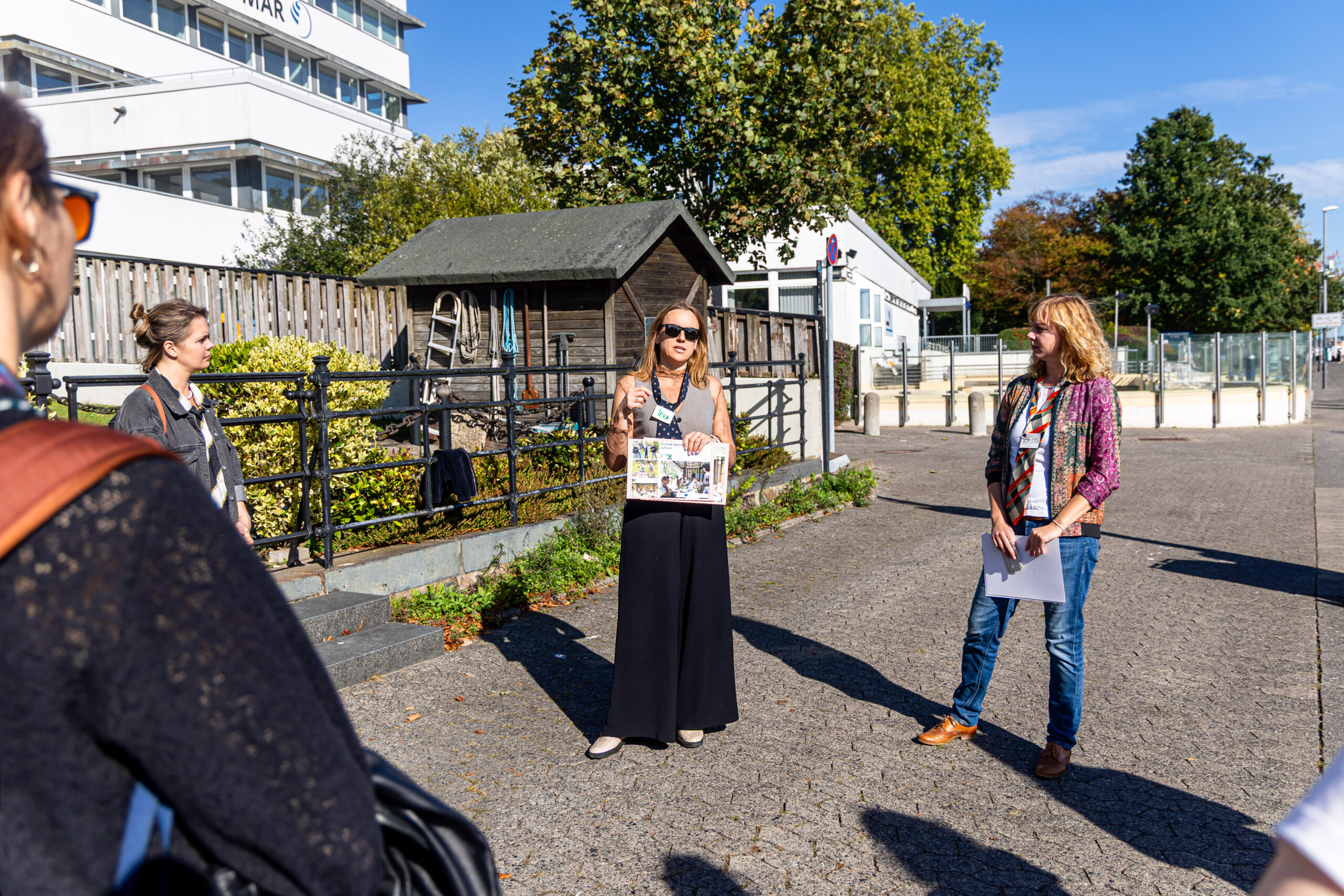
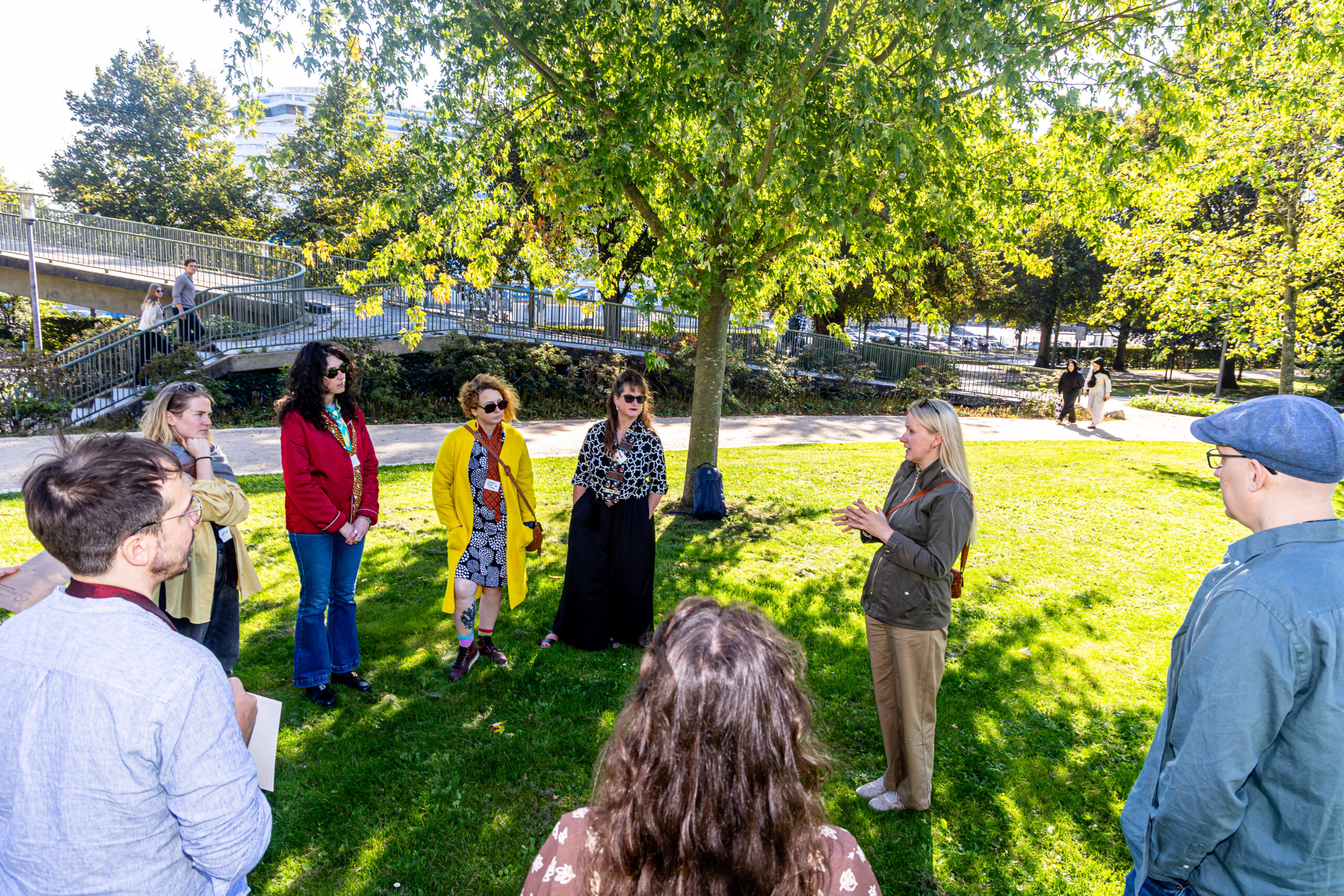
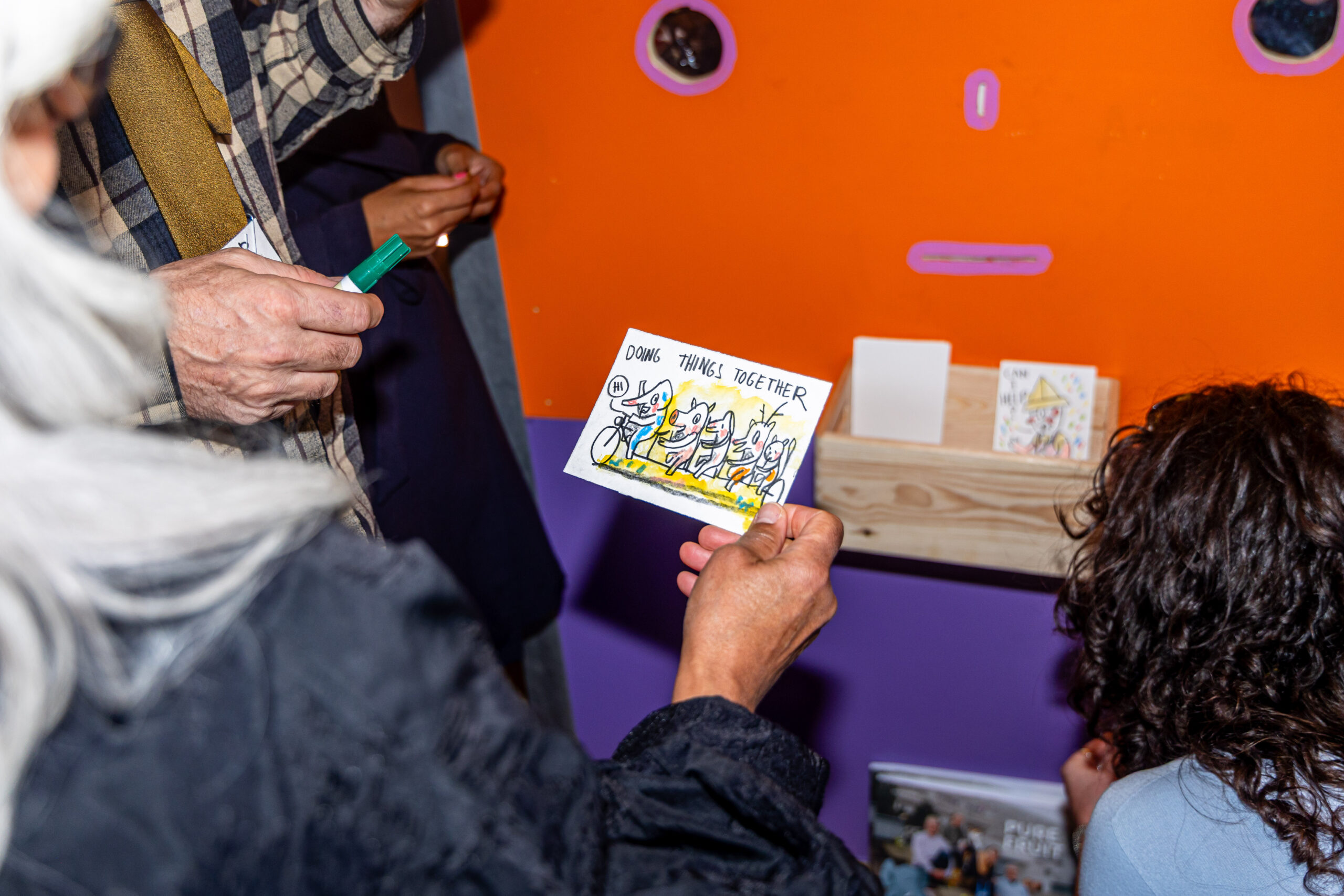
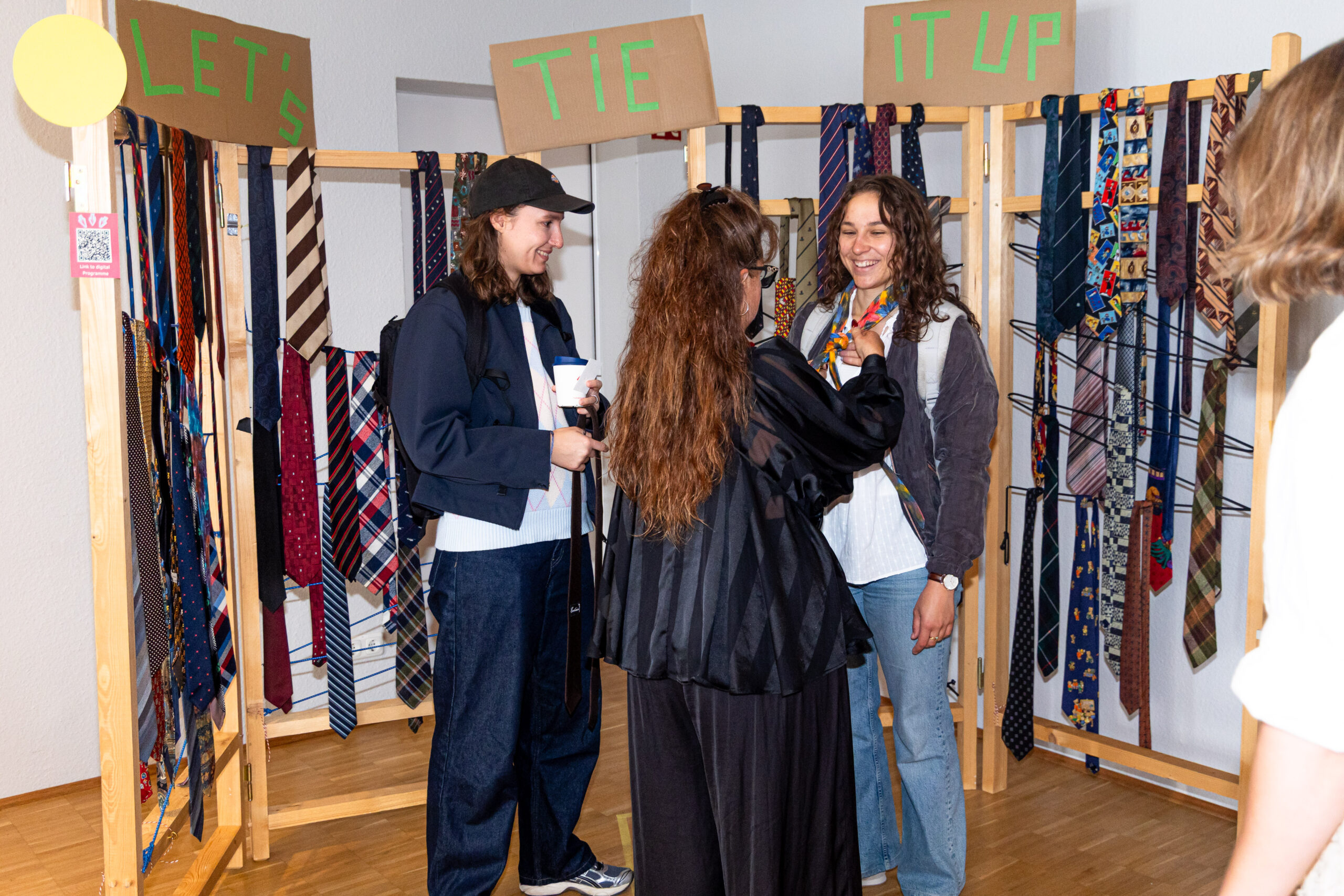
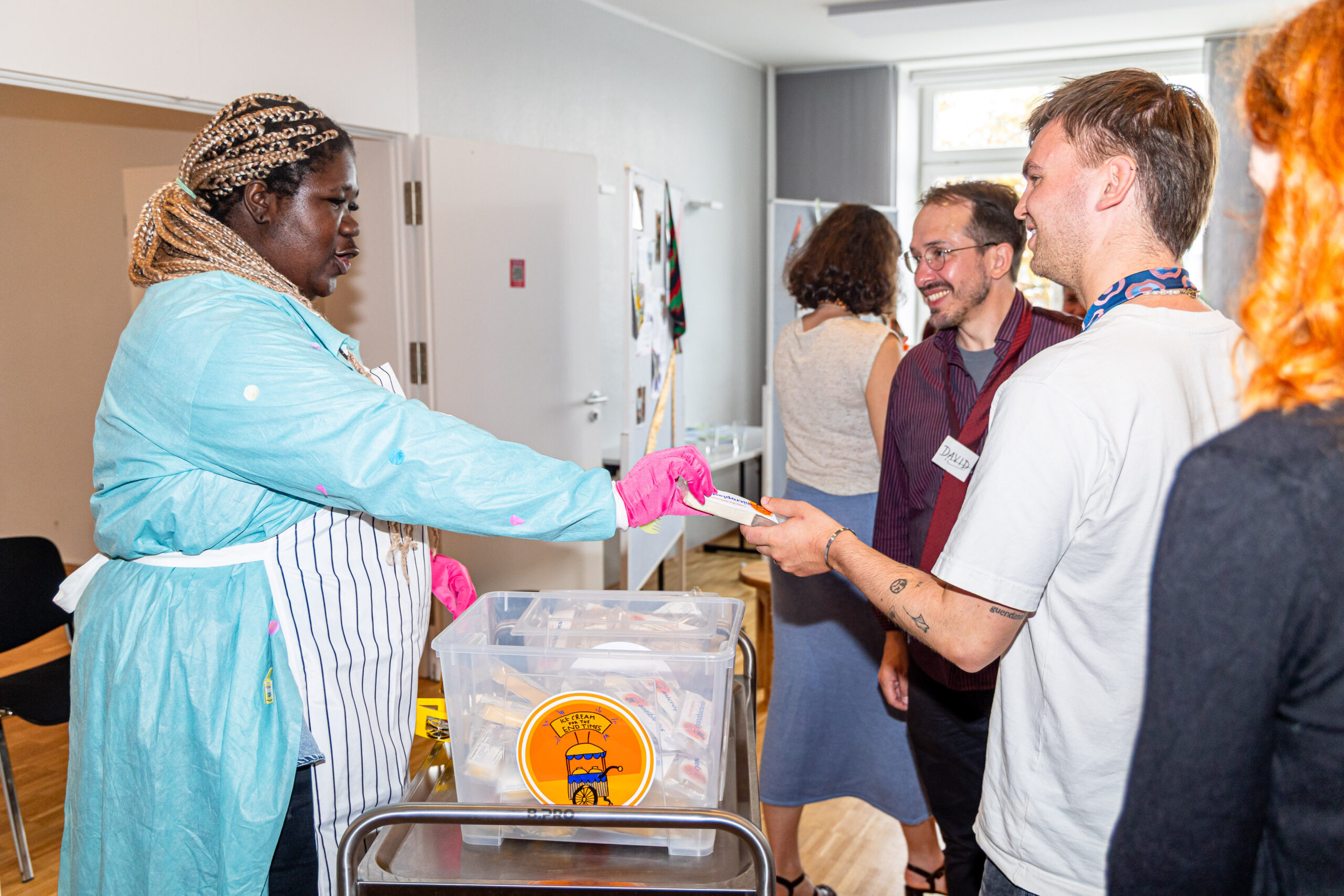
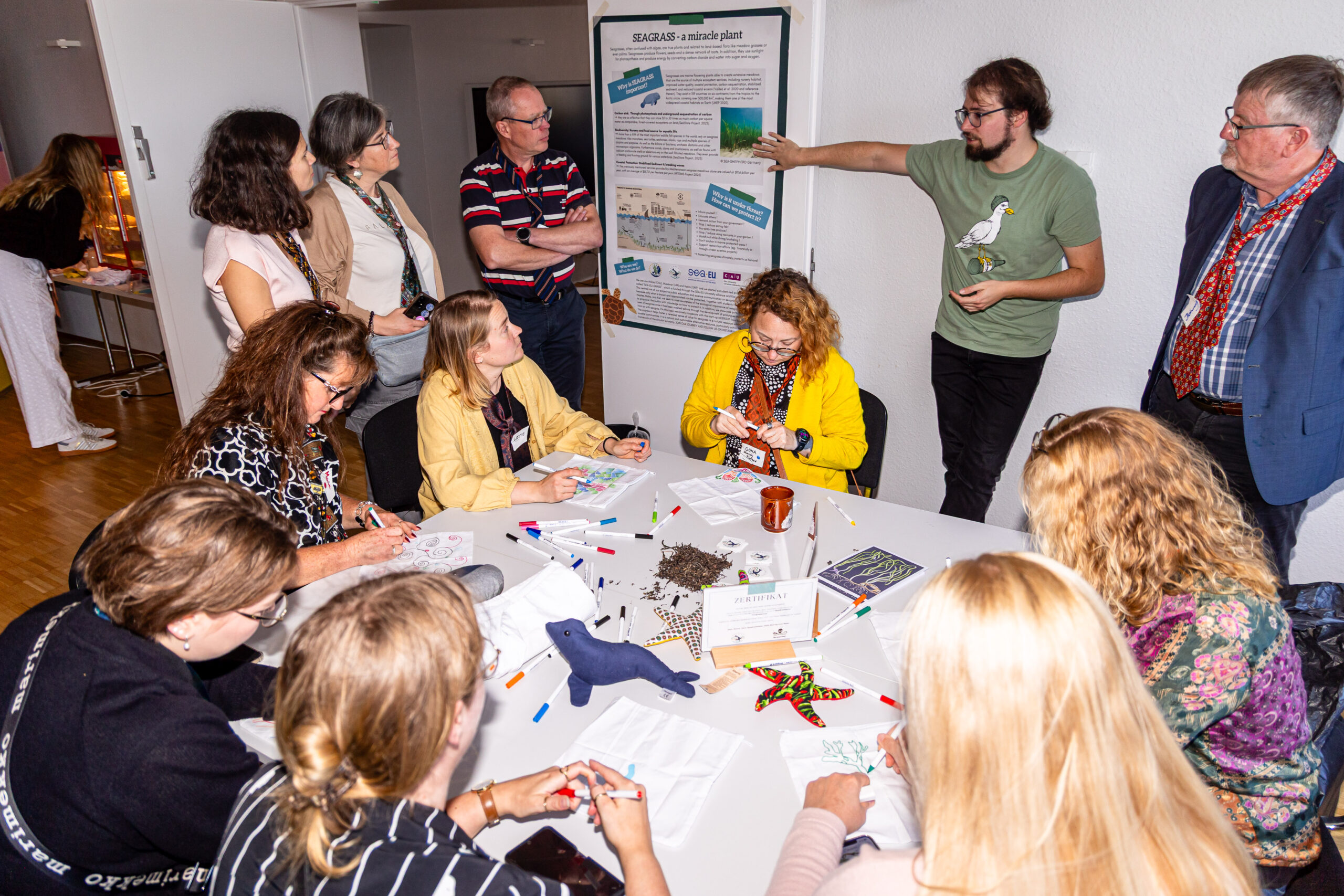
The conference extended beyond the meeting room. An interactive walk through Kiel introduced participants to citizen engagement initiatives, while hands-on activities explored circularity through making cushions from seagrass, creating circular postcards and turning ocean waste into jewelry. These experiences demonstrated how practical activities can make circular principles tangible and create opportunities for participation.
Continuing beyond CCC
While the project will conclude in October, the partners emphasized that the work will not end there. The approaches tested across the six cities, the lessons learned and the connections formed during the project will continue to inform initiatives elsewhere in the Baltic Sea Region and beyond.
The CCC Starter Kit brings together project resources and examples for cities, organisations and practitioners interested in exploring creative approaches to the circular transition. Find it here: www.creativecircularcities.com
The Creative Circular Cities project was co-funded by the European Union through the Interreg Baltic Sea Region Programme.

Additional links
details
-
Homepage
-
Project typeCore Project
-
ImplementationNovember 2023 - October 2026
-
StatusOngoing
-
Contribution to EUSBSRPolicy Area Culture

-
Target groups
- Business support organisation
- Interest group
- Local public authority
- National public authority
- NGO
-
Social media
-
Additional links
-
Tags