




Baltic Sea Day 2026 through an intern's eyes: Reflections from the Light in the Dark stand
05 October 2026
What we did
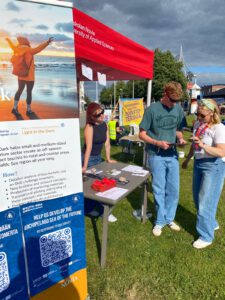
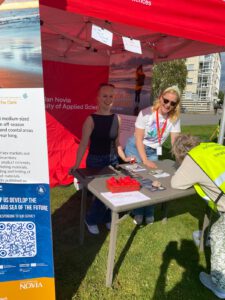
During Baltic Sea Day 2026, Novia University of Applied Sciences hosted an interactive stand presenting Light in the Dark, an Interreg Baltic Sea Region project co-funded by the European Union. The project develops nature-based experiences for the off-season to support more sustainable, year-round tourism across the Baltic Sea region. At the stand, visitors could learn about the project and discuss sustainable tourism and the future of the Baltic Sea.
As an intern at Novia, I helped my supervisor plan and design the stand experience. Our goal was to create a welcoming space where visitors could learn, take part in interactive activities, and reflect on the future of the Baltic Sea.
We prepared:
- An information corner introducing Novia and the Light in the Dark project.
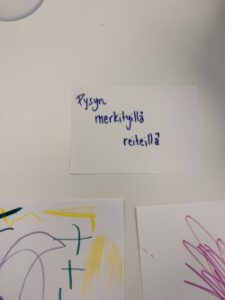
- A Baltic Sea promise activity, where visitors wrote personal commitments to protecting the sea.
- A survey collecting visitors’ thoughts, concerns, and ideas about the future of the Baltic Sea.
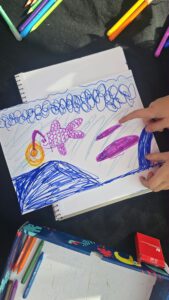
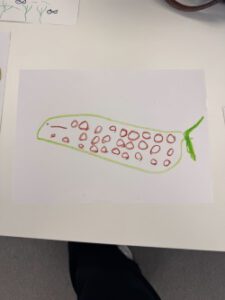
- A children’s drawing corner, inviting young visitors to illustrate their vision of the sea.
- Posters, flyers, and other visual materials to guide visitors through the activities.
Throughout the day, we spoke with families, students, professionals, and curious passers-by. Many were eager to share their experiences and hopes for a healthier Baltic Sea.
Interesting tasks and interactions
Working at the stand combined communication, creativity, and coordination. Some of the most interesting moments included:
- Presenting Light in the Dark and discussing sustainable tourism with visitors.
- Seeing the different Baltic Sea promises people made, from small everyday actions to ambitious long-term commitments.
- Observing children’s drawings, which included thoughtful ideas about nature and pollution.
- Talking with visitors who were curious about off-season travel and nature-based tourism.
- Hearing visitors’ reflections through the survey, which offered insights into how people perceive the challenges facing the Baltic Sea.
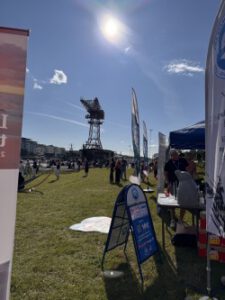
- Exploring the event area and discovering how many organisations are working on sustainability and Baltic Sea issues, each with its own approach.
These interactions made the stand feel lively and meaningful, turning simple activities into genuine conversations about sustainability.
Key learnings
From planning to implementation, the experience offered several important lessons:
- Clear visual communication matters. Posters and flyers helped visitors understand the stand’s activities and encouraged them to ask questions.
- Interactive elements increase engagement. The promise activity and drawing corner attracted visitors of different ages and made the stand memorable.
- People care deeply about the Baltic Sea. The interest shown by visitors and their willingness to contribute ideas were inspiring.
- Project presentations create opportunities for dialogue. Introducing Light in the Dark opened conversations about sustainable tourism with people from different backgrounds.
- Sustainability includes both large and small actions. Visitors shared everyday ways of reducing waste and protecting nature, showing that individual choices can contribute to wider change.
Personal reflections
What stood out most to me was the overall atmosphere. I was impressed by how many people attended and how strongly they cared about the Baltic Sea. Visiting other stands also showed me how many organisations, communities, and individuals are addressing the sea’s challenges.
As an intern, I learned more about Light in the Dark, the organisations involved in Baltic Sea protection, and the many ways people contribute to sustainability in their daily lives. It was eye-opening to see how both small and large actions can make a difference.
Explaining the details of Light in the Dark was sometimes challenging because I had not worked with the project for very long. However, each conversation helped me understand the project better and gave me more confidence in presenting its goals and themes.
Working alongside my supervisor made the experience enjoyable and educational. I was encouraged to take initiative, contribute ideas, and learn through practice.
Closing thoughts
Baltic Sea Day 2026 was more than an event. It was a reminder that collective action, creativity, and community engagement can support a healthier Baltic Sea and more sustainable tourism. Presenting Light in the Dark gave us an opportunity to connect the project’s work with people who care about the future of the region.
I am grateful to have taken part and proud that Novia and Light in the Dark contributed to a day filled with learning, inspiration, and hope.

Additional links
details
-
Homepage
-
Project typeCore Project
-
ImplementationNovember 2023 - October 2026
-
StatusOngoing
-
Contribution to EUSBSRPolicy Area Tourism

-
Target groups
- Business support organisation
- Local public authority
- Regional public authority
- Small and medium enterprise
-
Social media
-
Additional links
-
Tags