




4,000 tastings and an enthusiastic crowd: RoundGoby at the Tallinn FoodFair
30 September 2026
Partners met first for a last time to discuss remaining tasks and toured the facilities of project partner TFTAK, where the project’s round goby pet snacks were developed.
From net to plate
Round goby caught by fishers in the Baltic Sea was processed by project partners Skillinge Fisk and Rosbergs Fisk, and the recipes were developed together with chefs working at Kalmar Municipality, another project partner.
At the fair, four chefs from Kalmar Municipality presented those dishes alongside an Estonian chef. The two culinary traditions met head-on in a cook-off, where the Estonian chef and one of the Swedish chefs each prepared a round goby dish with a national twist.
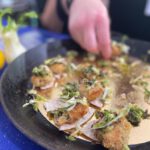
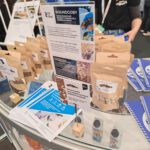
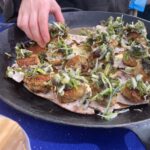
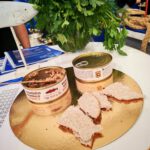
Over the two days, the stand served more than 4,000 portions: ceviche, sea and land patties, confit, and canned round goby spread. The pet snacks drew steady interest too, with plenty of visitors asking questions and taking samples home.
Changing minds about an invasive fish
Many of the chefs, fishers, processors and consumers who stopped by had never heard of round goby, or knew it only as a fish not worth eating. They left having tasted it and most really enjoyed their experience.
The question the team heard most often was simple: where can I buy this?
That question is the point. Round goby is an invasive species in the Baltic Sea, and fishing it commercially is one of the few responses that helps the ecosystem and creates income for coastal communities at the same time. None of that happens without demand, and demand does not exist until people know the fish is good.
A first step, not the finish line
The project has shown that the products work, that chefs will cook with them, and that consumers will queue for them. What comes next is the harder part, that is getting round goby from the water to the shelf reliably, at volume, and at a price that works for fishers and processors alike.
RoundGoby has taken the first step in building a value chain for this small invasive fish. With the project running until the end of October, the recommendations now being finalised set out what policymakers, researchers, processors and fishers each need to do to take the next one.




Additional links
details
-
Homepage
-
Project typeCore Project

-
ImplementationNovember 2023 - October 2026
-
StatusOngoing
-
Contribution to EUSBSRPolicy Area Bioeconomy

-
Target groups
- Interest group
- Local public authority
- National public authority
- Regional public authority
- Small and medium enterprise
-
Social media
-
Additional links
-
Tags