




CiNURGi brings Baltic Sea Region experience to 14th International Conference on Sustainable Development
21 September 2026
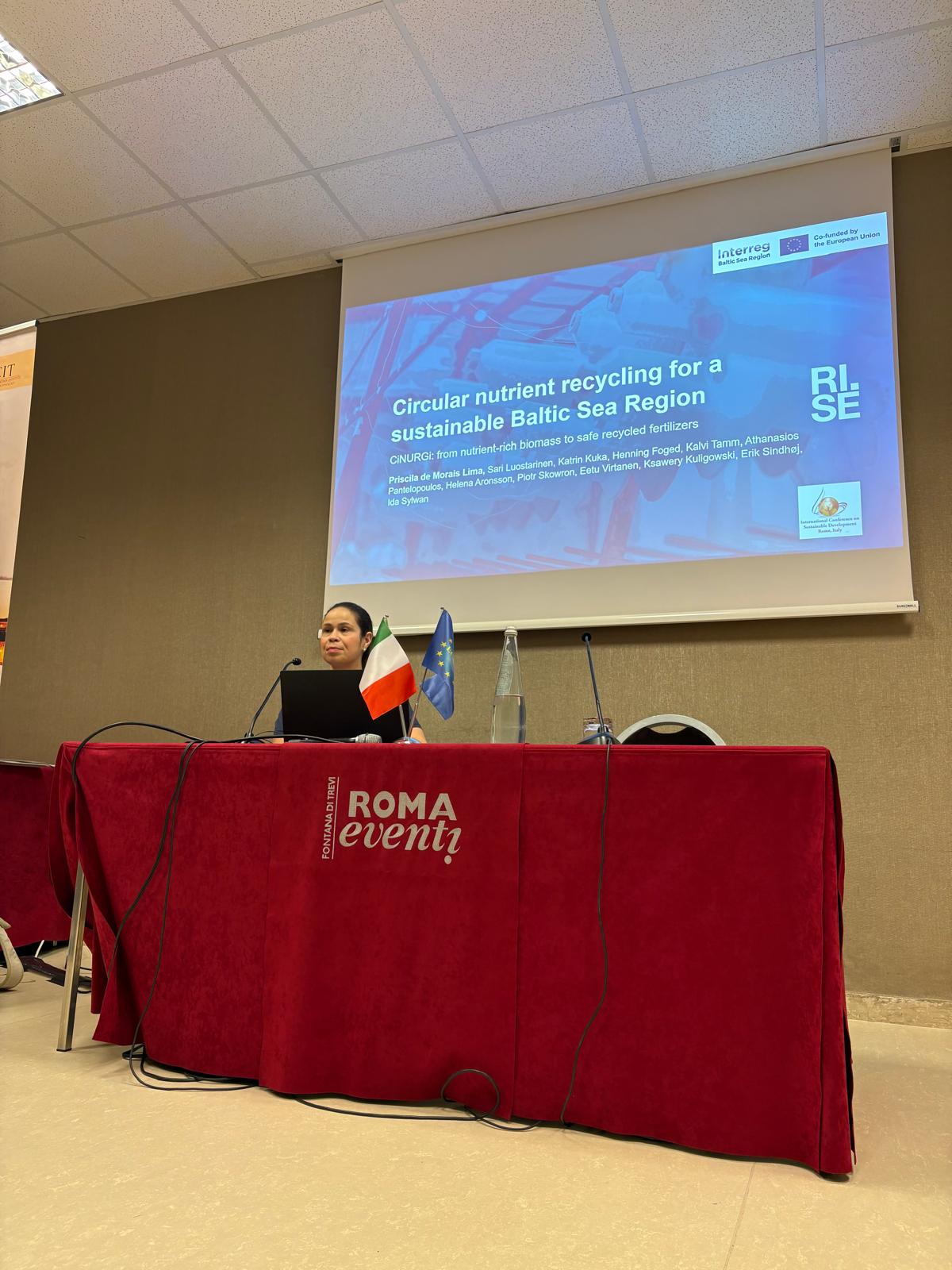
With the project coming to an end in October participation in ICSD 2026 provided an opportunity to share experiences from the Baltic Sea Region with an international audience working on sustainable development. With one of the three topics of the Conference being environmental sustainability CiNURGi was able to bring nutrient recycling and its challenges to the table.
In her presentation, Priscila highlighted CiNURGi’s integrated approach, structured around three workstreams: Assess, Validate and Scale. The project first assessed biomass availability, spatial nitrogen and phosphorus balances, as well as market potential and barriers. It then validated recycled nutrient fertilisers through quality and safety assessments, agronomic testing and field and laboratory evidence. Finally, the project focused on scaling solutions through commercial investments, stakeholder uptake and policy recommendations. This approach connects scientific assessment with regional implementation and governance support.
The agronomic trials provided further evidence that recycled nutrient fertilisers can work. Field trials in Estonia showed that recycled nutrient fertilisers consistently improved broccoli yield and nutrient uptake compared with an unfertilised control. However, mineral fertiliser still produced the highest final harvest under the conditions studied, highlighting the importance of nutrient-release timing and synchronisation between nitrogen and phosphorus availability and crop demand.
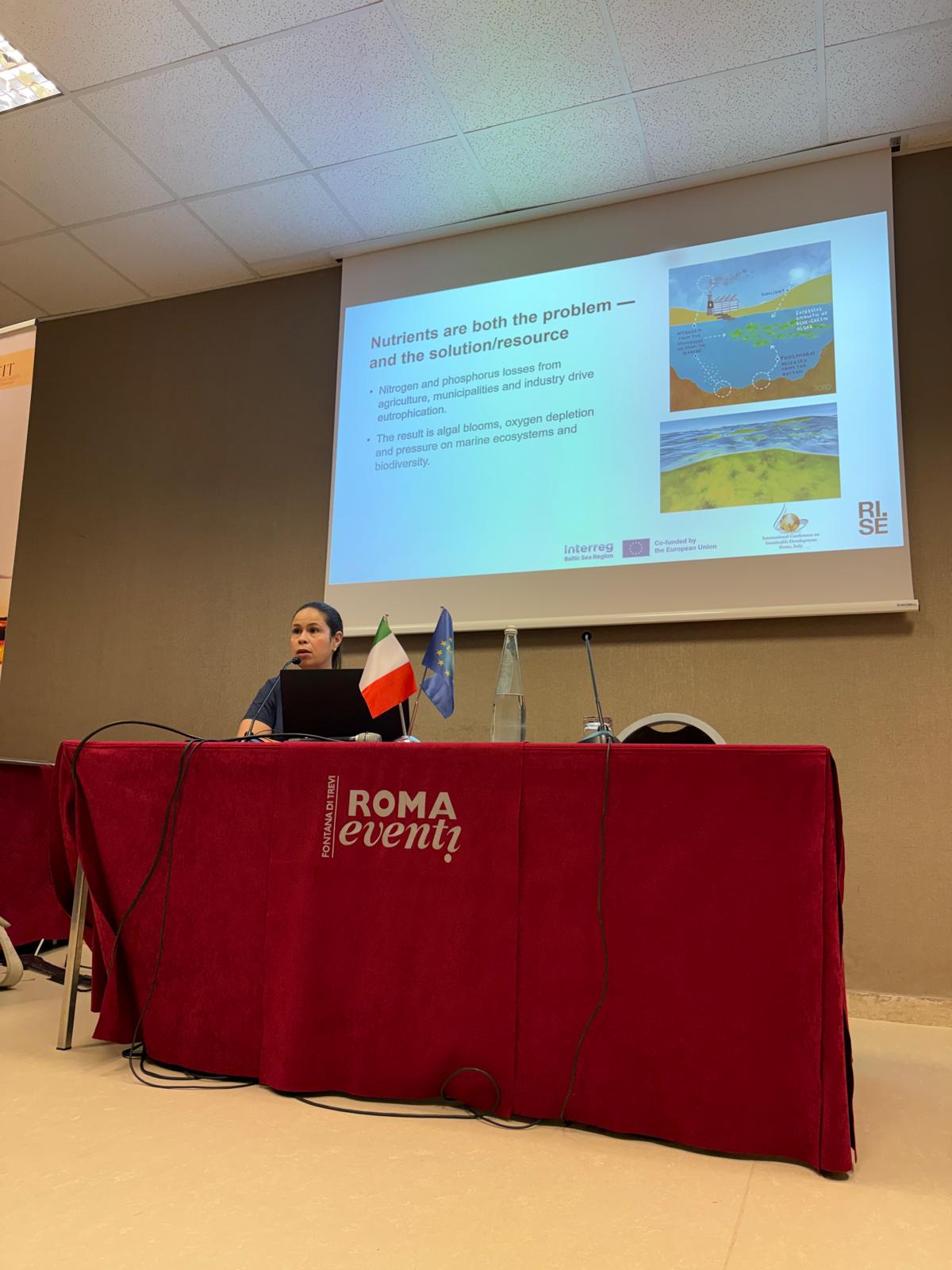
The project demonstrates how regional cooperation can connect nutrient balances, scientific evidence, agronomic performance, market development, investments and policy. The findings show that recycled nutrient fertilisers can replace part of mineral fertiliser use, but their performance depends on factors such as formulation, soil and timing. At the same time, wider market uptake requires predictable specifications, workable logistics and credible traceability, while policy needs to help de-risk investment and reward nutrient use – not only waste treatment.
As CiNURGi moves towards the final stage of the project, this integrated approach will be central to translating its evidence into practical implementation across the Baltic Sea Region and beyond.

Additional links
details
-
Homepage
-
Project typeCore Project

-
ImplementationNovember 2023 - October 2026
-
StatusOngoing
-
Contribution to EUSBSRPolicy Area Nutri

-
Target groups
- Interest group
- National public authority
- Small and medium enterprise
-
Social media
-
Additional links
-
Tags