




Living Coast begins its journey at Rødvig Harbour
21 September 2026
What can an old harbour building become? A place to cultivate and process seaweed, a learning space for local schools, a meeting point for residents—or perhaps all three?
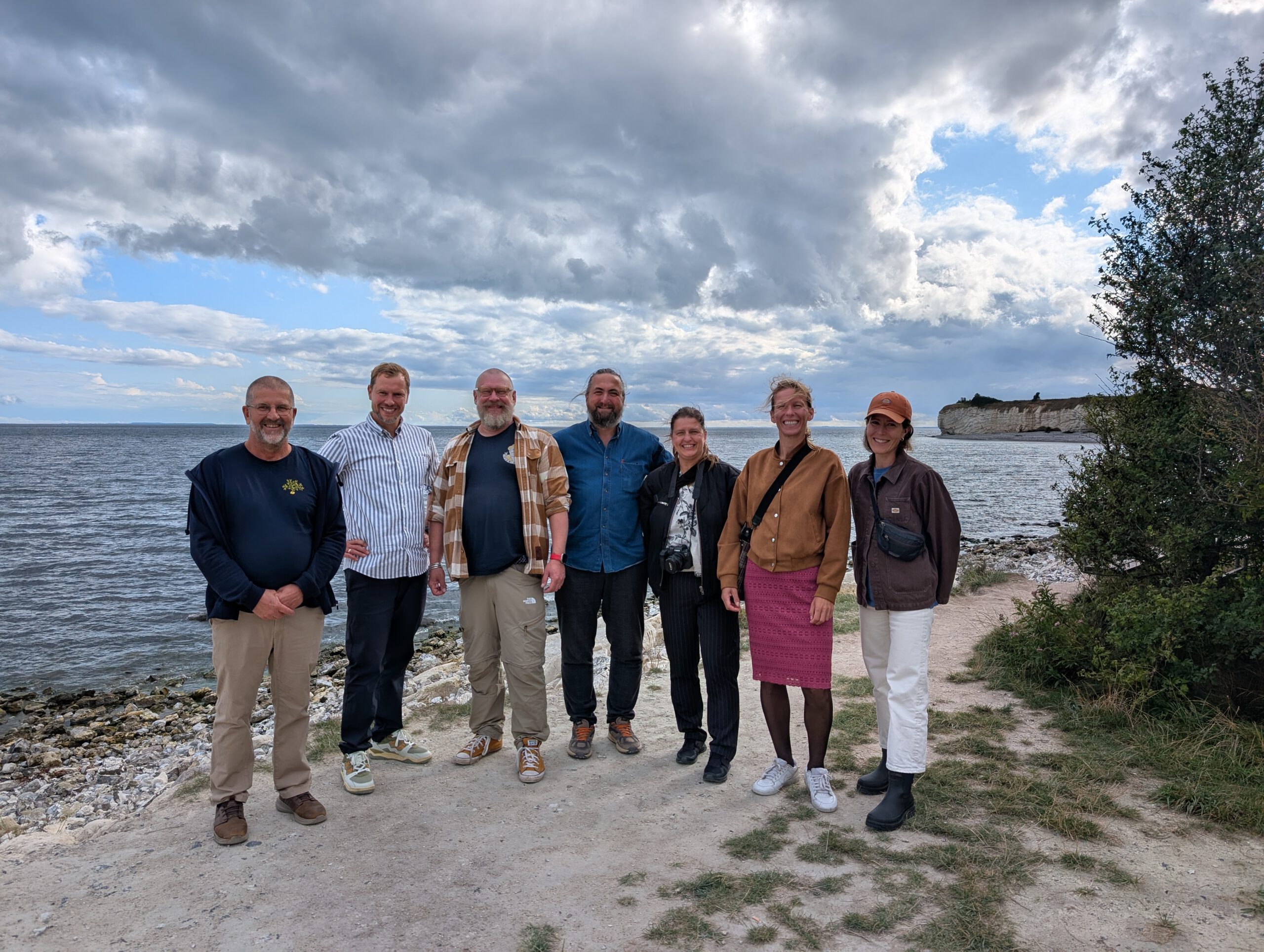
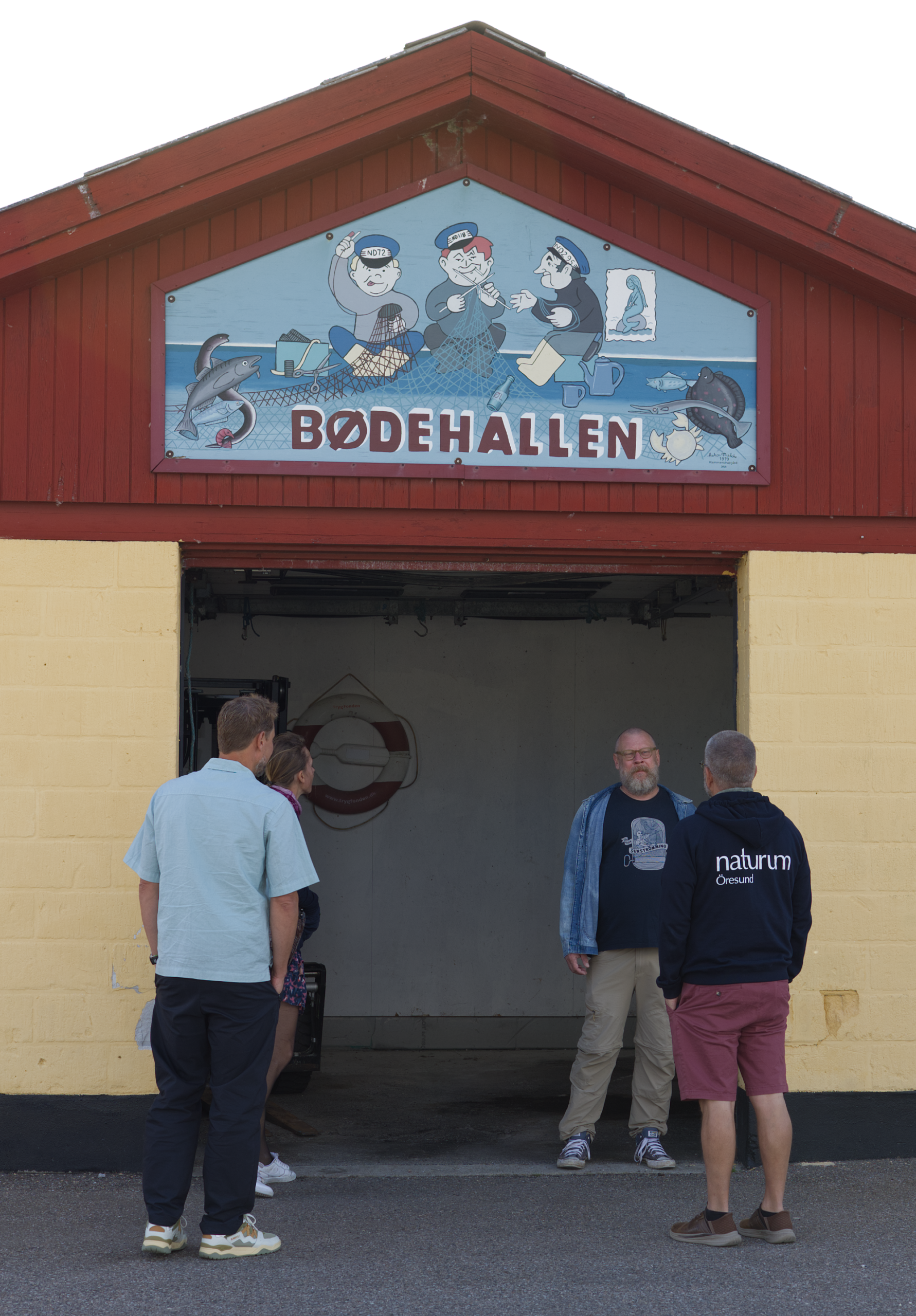
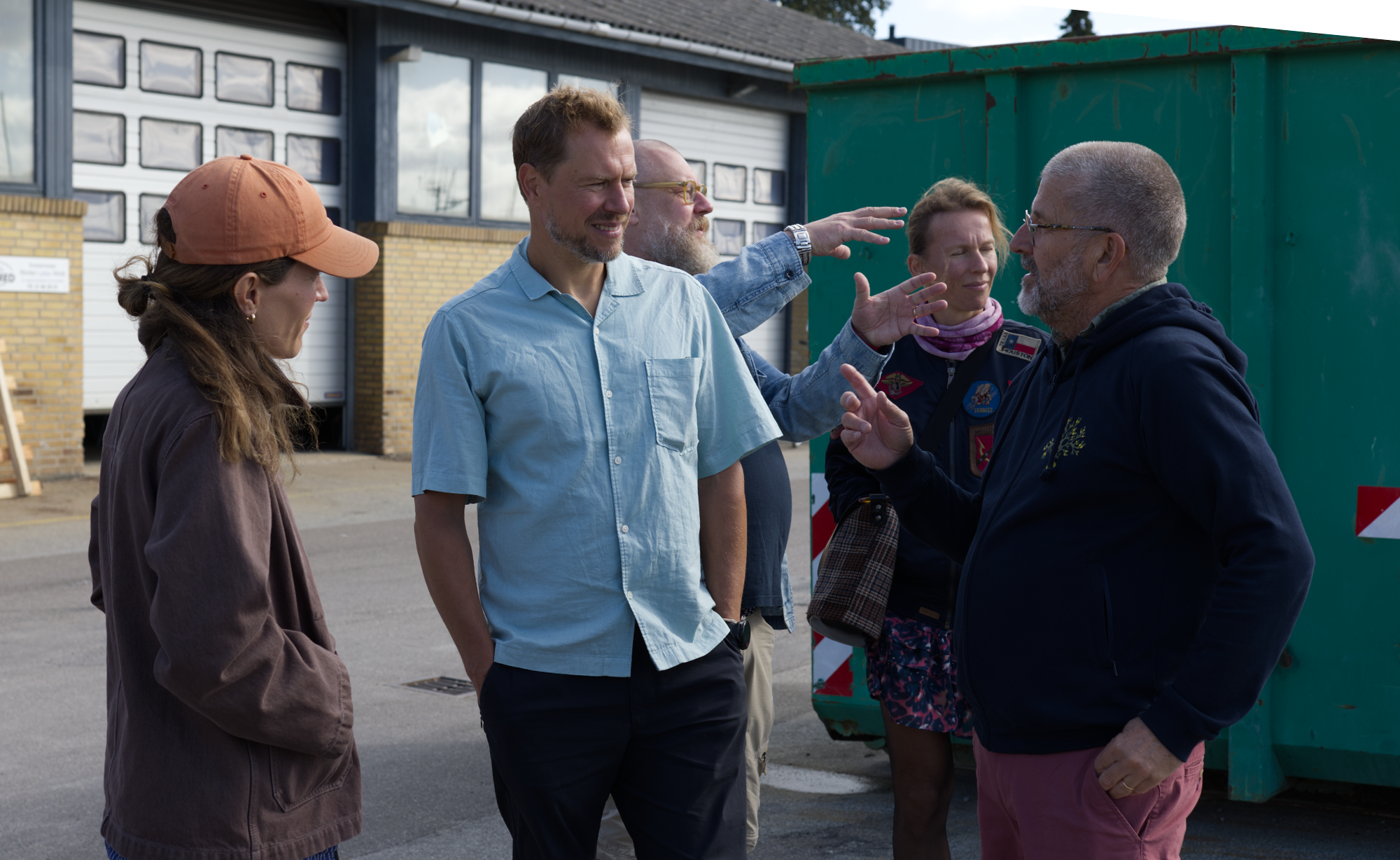
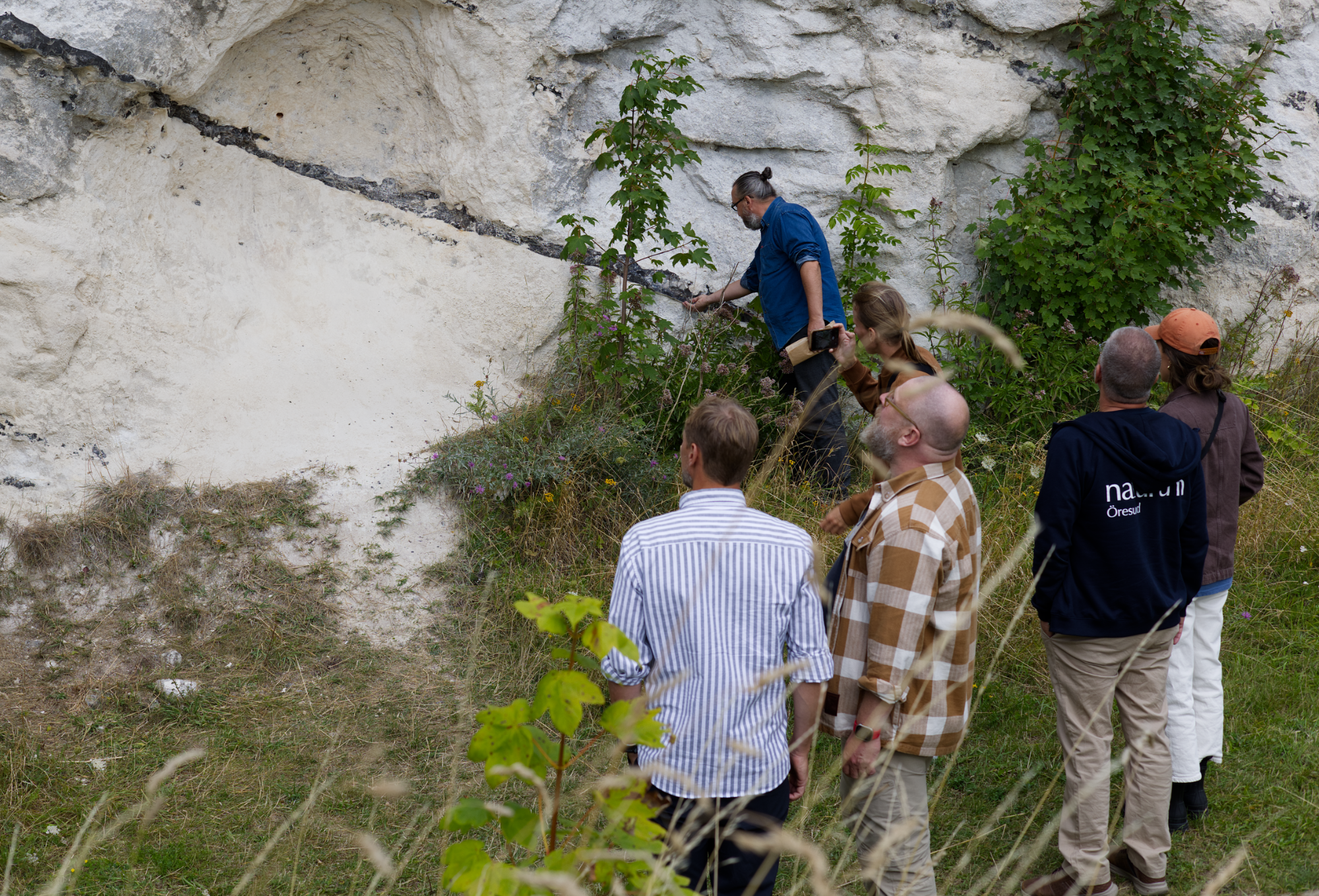
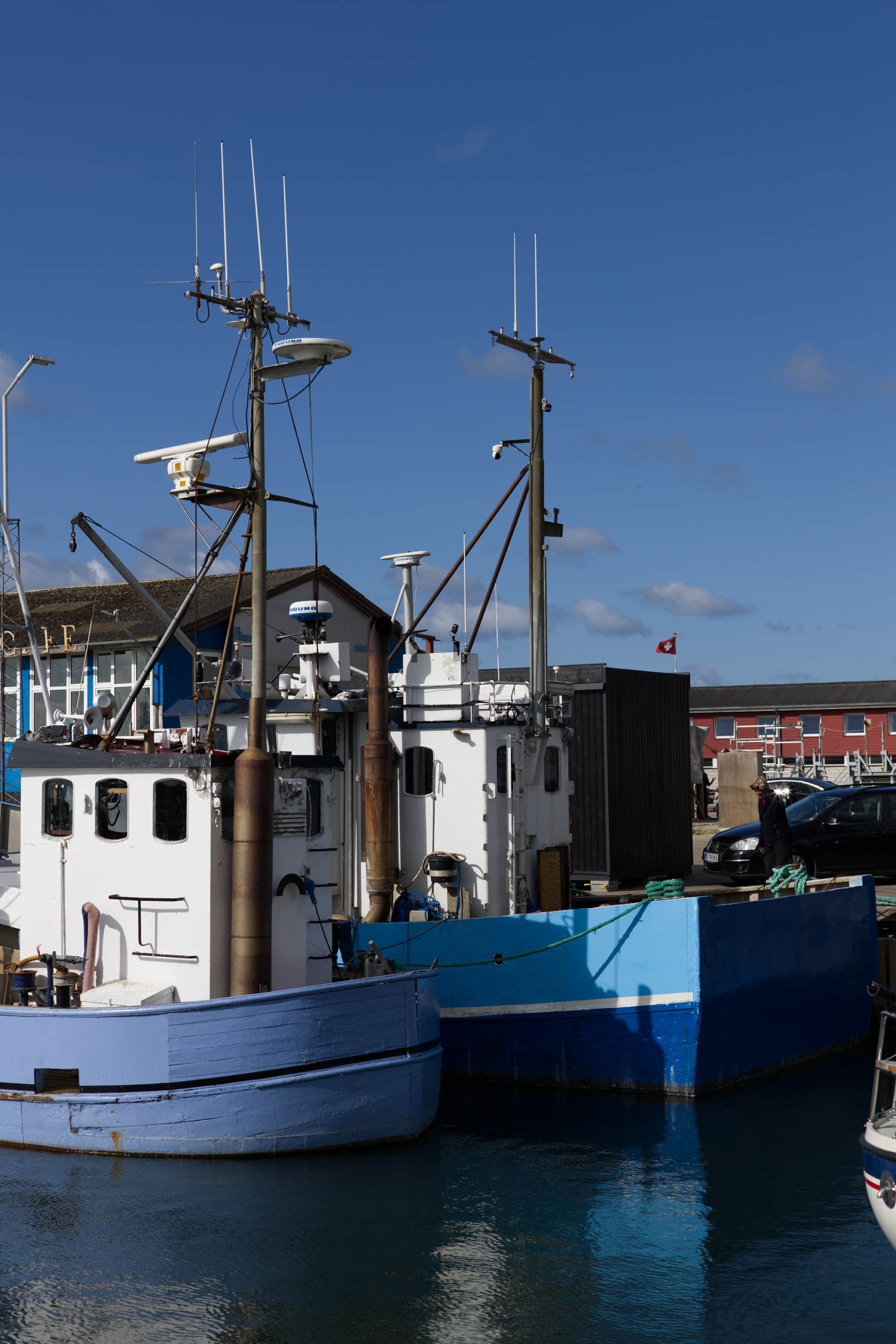
These questions became tangible when the Living Coast partners visited Rødvig Harbour during the project’s first joint meeting. Karl Michael Sloth from The Living Fishery Harbour guided the group through the harbour and introduced its history, existing activities and ideas for future development.
Instead of discussing the project only around a meeting table in Store Heddinge at the office of Business Stevns (lead partner), the partners could walk through the areas where the project’s first Danish Coastal Living Lab will take shape. They examined harbour buildings and potential pilot spaces and considered how local residents, schools, small businesses, researchers, and other organisations could get involved.
Coastal communities learning from one another
Living Coast responds to challenges shared by many smaller coastal communities around the Baltic Sea. Traditional fisheries are changing, some harbour facilities are underused, and local actors may lack the space, resources or experience needed to test new blue economy activities.
The project brings together partners from Denmark (Business Stevns, The Living Fishery Harbour, BonoLab), Estonia (Ruhnu Cultural Space) and Sweden (Marine Education Center) to establish three Coastal Living Labs: in Rødvig, on the Estonian island of Ruhnu and in Malmö City. Each location has its own character, resources and ambitions. By working across borders, the partners can test ideas locally, compare experiences and adapt successful approaches for other coastal communities.
Ocean literacy is an important part of this shared work. The partners will learn from one another and develop solutions that can inspire other coastal communities around the Baltic Sea. This means building a deeper relationship with the ocean—grounded in knowledge, participation, care and responsibility. It also means moving from seeing the sea only as a resource to understanding that people are part of the marine environment and share responsibility for its future.
During the kick-off meeting, representatives of the three Living Labs presented their local settings and initial ideas. The partners also discussed how the project will support seaweed cultivation and processing, education, citizen participation and the development of new local products and activities.
A harbour shaped by the sea—and by history
Rødvig provides a fitting place to begin this work. The harbour reflects the area’s long relationship with fishing, maritime livelihoods and the Baltic Sea. It also lies close to Stevns Klint, a UNESCO World Heritage Site where layers of chalk, limestone and clay preserve evidence of the asteroid impact that contributed to the extinction of the dinosaurs 66 million years ago.
This connection between deep natural history, living maritime traditions and future coastal development gives the Rødvig Living Lab a distinctive setting. The aim is not to replace the harbour’s identity, but to build on it—bringing existing knowledge together with new approaches to marine production, education and community involvement.
The visit marked the practical beginning of Living Coast: connecting coastal heritage and local knowledge with new possibilities for the future. Over the coming two years, the three Living Labs will involve local communities in testing activities, developing learning opportunities and finding ways for harbour facilities to support stronger coastal communities.
Living Coast is not about exploiting the sea. It is about learning to live with it and becoming active caretakers of our coasts. The partners left Rødvig with a shared starting point: the project will be developed not only for coastal communities, but with them—and with care for the marine environments they depend on.

Additional links
details
-
Homepage
-
Project typeSmall Project

-
ImplementationJuly 2026 - June 2028
-
StatusOngoing
-
Contribution to EUSBSRPolicy Area Bioeconomy

-
Target groups
- Education/training centre and school
- Higher education and research institution
- Local public authority
- NGO
- Small and medium enterprise
-
Social media
-
Additional links
-
Tags