




Tourism company stories - CliNeDest Toolkit helps companies to find new ideas and business value through climate work
24 August 2026
The first section of the climate-smart toolkit for tourism was tested in workshops with tourism companies in spring 2026. The workshops in seven destinations introduced participants climate impact assessment tools and calculators that help businesses better understand which activities have the greatest impact on their carbon footprint and where the greatest opportunities for change lie.
Participation in the project helped us identify what decisions have a real positive impact for both business and environment, and what actions could yield the greatest results.
– Marlis Soomets, Lux Express Estonia
PROTO, Estonia: Data helps with decision-making
PROTO Invention Factory is an experience and discovery centre in Tallinn that hosts exhibitions, workshops, family programmes and events. The company had already worked for sustainability before, including through the Green Key label, but the CliNeDest pilot programme helped to see these activities as a whole and understand how energy use, food waste and material use affect the company’s wider sustainability.
One of the most important discoveries for PROTO was how climate impact assessment tools and calculators help make sustainability more concrete. For example, the calculations helped assess the impact of upgrading LED lighting. Previously, lamps had been replaced gradually as needed, but the calculator showed what effect renewing the entire system at once could have.
“When you enter the data and see the results, you can start testing different solutions and assess which change could have the greatest impact.”
– Carmen Kõrvek, Events and Programme Manager at PROTO Invention Factory.
PROTO’s experience shows that sustainability does not have to mean major investments. Often, it is enough to look at your activities with fresh eyes, use data in decision-making and learn from the experiences of other companies.
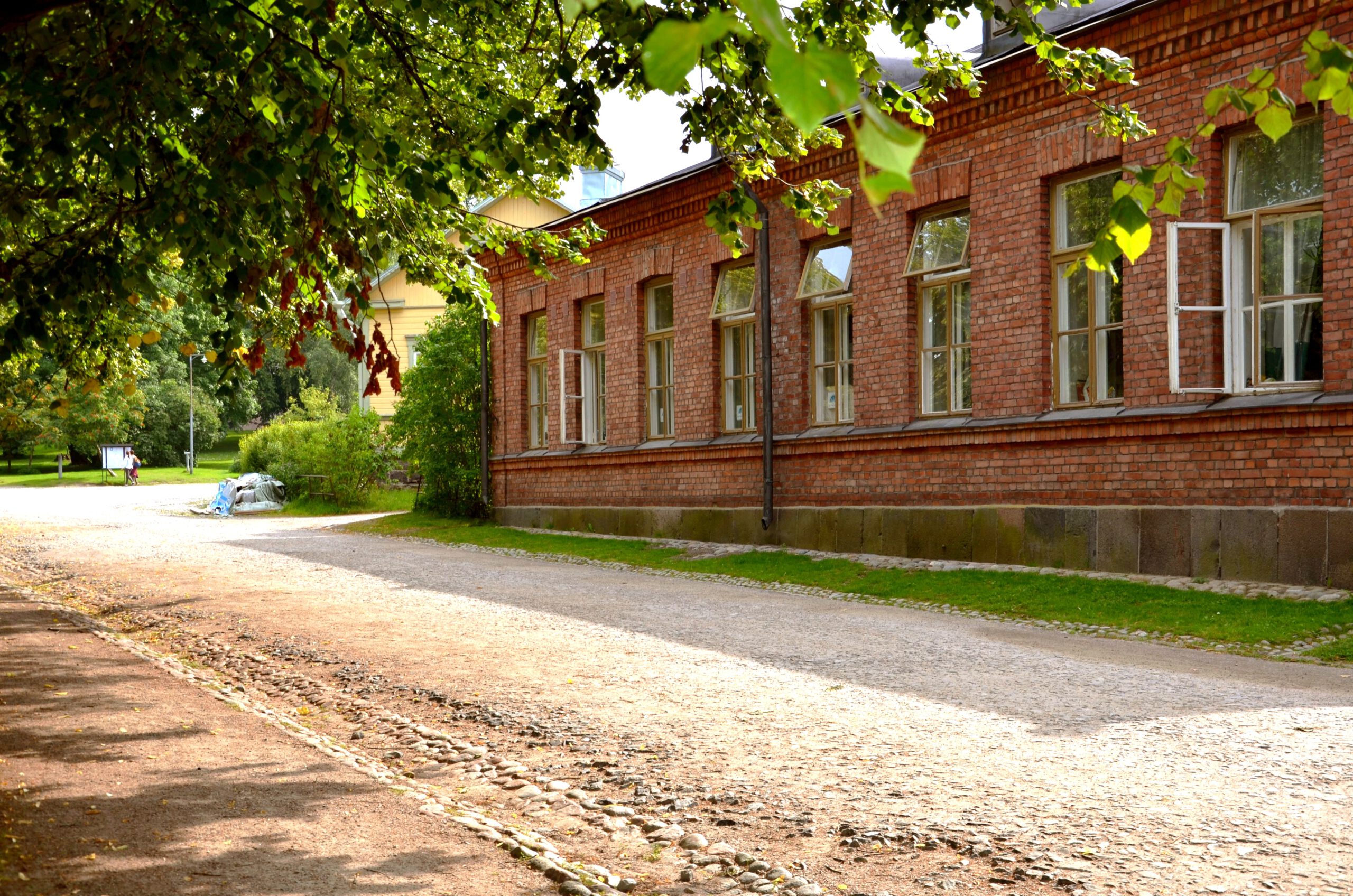
Hostel Suomenlinna: Sustainability that guests can actually see
Hostel Suomenlinna is situated on the historic sea fortress island of Suomenlinna, just a short ferry ride from Helsinki. At Hostel Suomenlinna, sustainability is something that guests can see, experience and take part in every day.
For Executive Director Petra Miessmer, this has always been the starting point:
“Sustainability is not a separate layer of communication, but something that is visible in operations, from the kitchen to guest facilities. People notice very quickly if sustainability is real or just words.”
At Hostel Suomenlinna, climate work happens through many small decisions that together form a consistent direction. In the kitchen, reducing food waste is a continuous effort. Portions are adjusted based on real demand, and leftovers are reused whenever possible. Staff are encouraged to observe and react, rather than follow rigid routines.
Procurement choices also play a major role. Switching suppliers has allowed the hostel to reduce packaging waste, for example through reusable delivery containers. Furniture and equipment are often sourced second-hand, and textiles are made from recycled materials.
For school groups that visit the Suomenlinna island, sustainability is part of the experience. Students are introduced to recycling practices and environmental thinking during their stay, turning operations into a learning opportunity.
Carbon footprint calculation had been a goal for some time, but like in many small organisations, it had been postponed due to limited time and resources.
“I expected the carbon footprint calculation to be very complicated. In the end, once the data was collected, it was surprisingly straightforward.”
Digital tools, such as AI tools, played an important role in making this possible, lowering the threshold for starting and continuing the work.
Kongeparken, Norway: Less carbon – more fun
Kongeparken is the biggest amusement park in the south-west of Norway, near City of Stavanger. It has more than 200 000 people visiting every year.
“When Stavanger municipality contacted us regarding the project, it felt like a sign. We had already started working with becoming more sustainable, and saw this is an opportunity to get support as well as access to knowledge and tools to move us forward”
– Vibeke Fjordbakk, general manager of Kongeparken.
In the discussions with other companies in the workshop, Fjordbakk got inspired to start the Eco-Lighthouse certification. As a result, Kongeparken managed to get the certification in summer 2026.
Main emission sources that Kongeparken identified were electricity use and waste management. The company realised that waste sorting was not sufficiently facilitated for guests. As a first step, they have started weighing food waste, to use as communication, for example “Yesterday we threw away x amount of food. Help us reduce that today!”.
As a result of the workshops, Kongeparken plans to:
- get Eco-Lighthouse re-certification every third year
- continue using sustainability as a guiding principle in decision-making
- put sustainability more firmly on the agenda in collaboration with park management networks across Norway
- position themselves as a responsible and future-oriented theme park
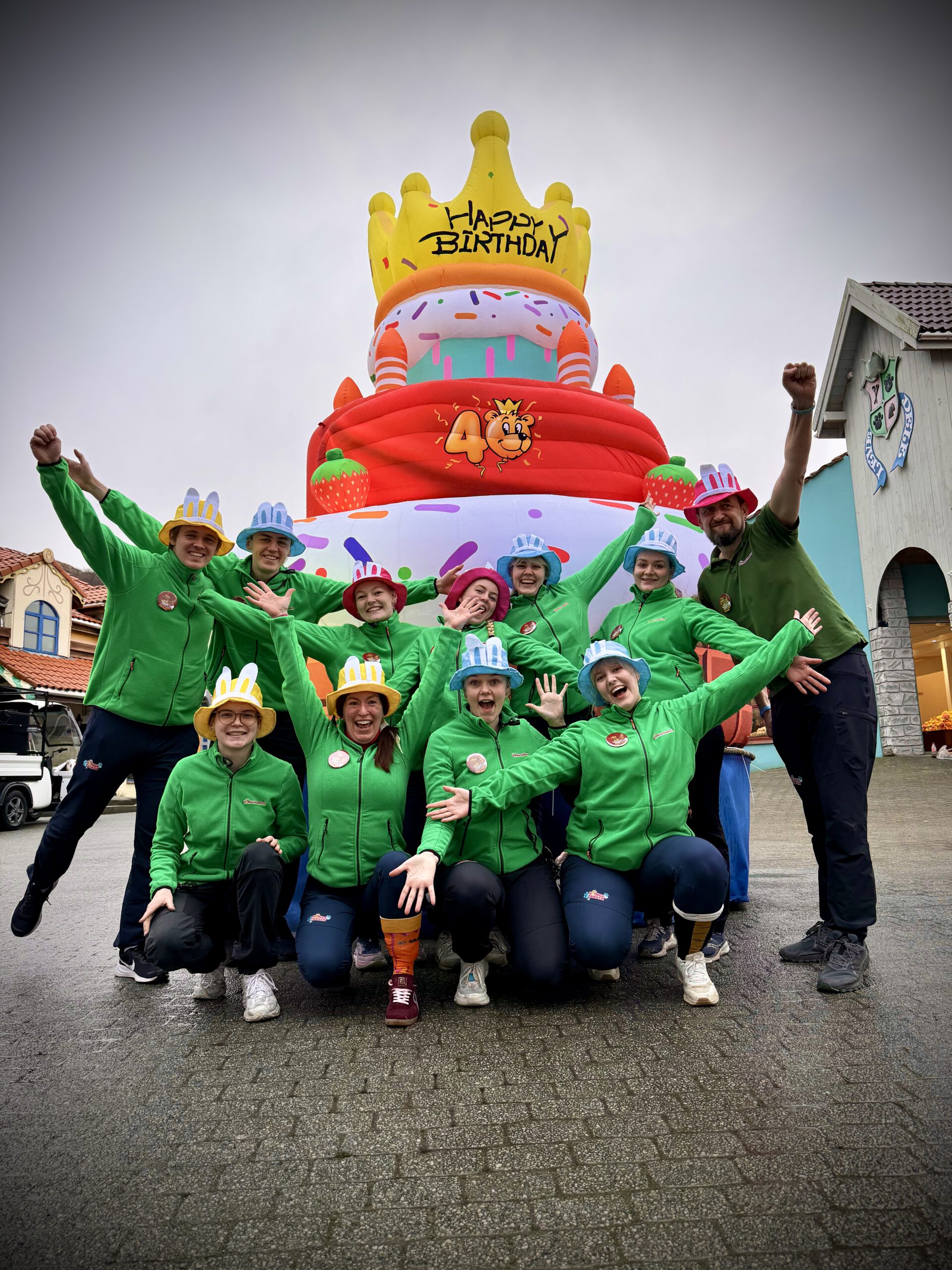
In 2026, Kongeparken celebrates its 40th anniversary. Instead of producing large amounts of new materials and single-use items, they got an idea to organise a “record weekend” in June, aiming to set 40 records. For example, taking a ride 40 times or gathering the guests to participate in collective activities, such as jumping on one leg while singing happy birthday. Vibeke Fjordbakk clarified the idea: “When the visitors are older, they won’t remember that one plastic cup anyways, but they will remember being part of a record breaking experience “.
Kaunas Fortress Park: From old military structures to green public spaces
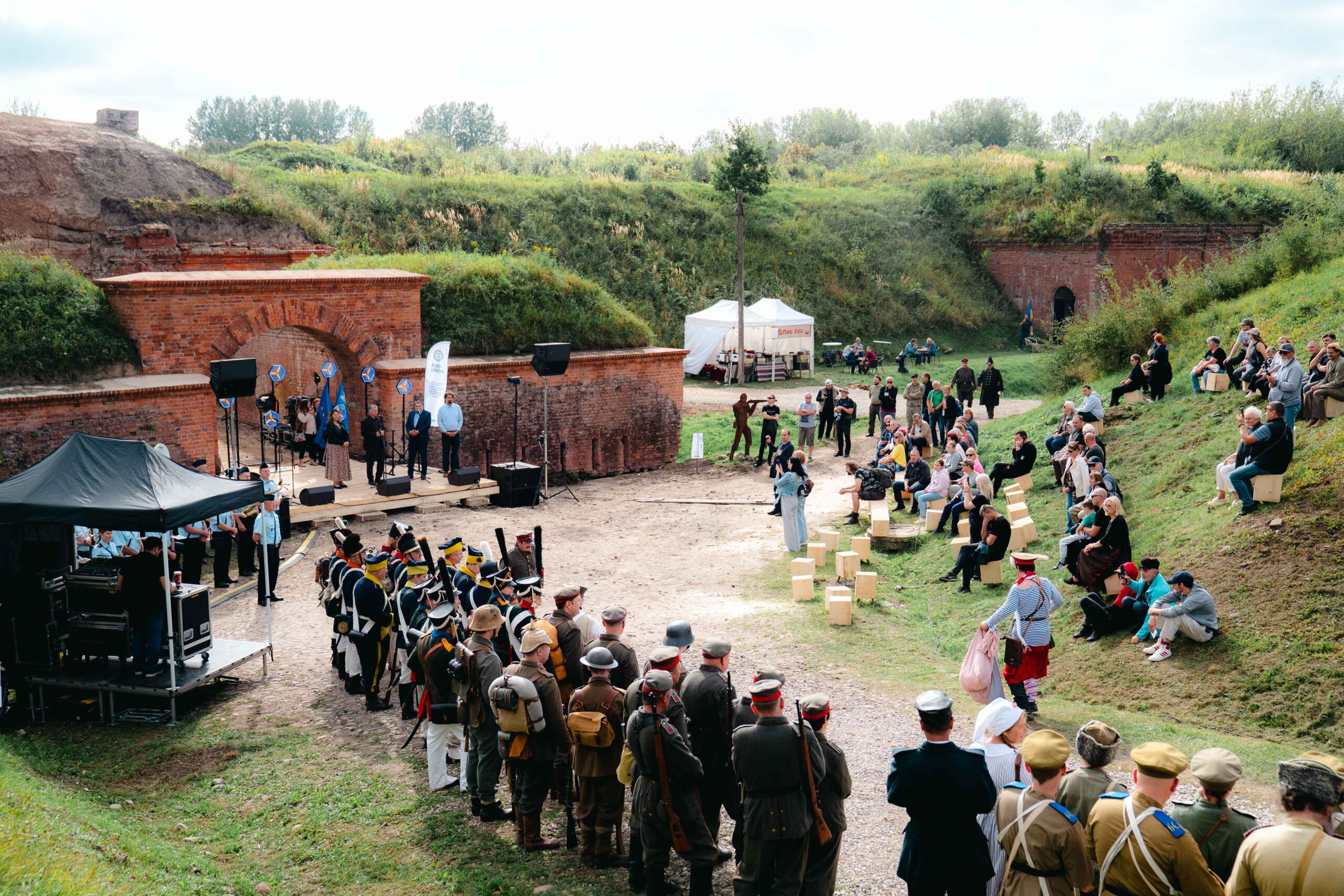
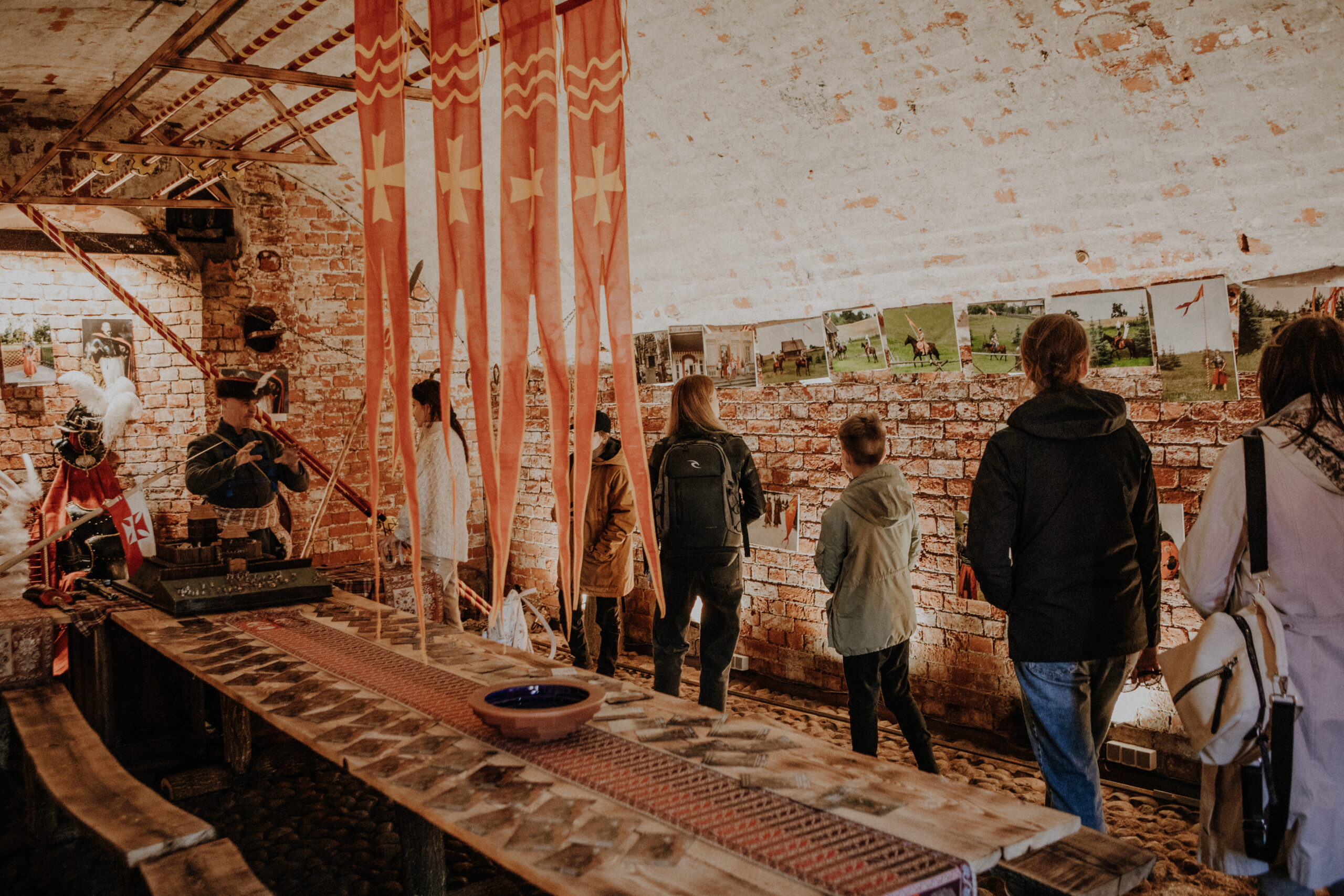
Public Institution Kaunas Fortress Park works in the abandoned Kaunas forts – impressive military structures built and used during the First World War. Today, the institution manages more than 200 hectares of territory and the heritage buildings within it.
From these once‑neglected areas, the organisation creates green public spaces across Kaunas city and district. A central part of its mission is to adapt and reuse heritage buildings for modern community needs. By choosing reuse over new construction, the institution avoids the emissions that come with building from scratch and significantly reduces its CO₂ footprint.
Kaunas Fortress Park has a strong motivation to bring more sustainability into its daily work and long‑term development. The biggest emission hotspot comes from fuel use. Diesel and gasoline are needed for our cars and for everyday work tools like trimmers and chainsaws, which makes fuel consumption the main source of our emissions.
“One of the biggest challenges is our heavy use of diesel and gasoline in everyday operations. Through the pilot, we were able to see just how much this contributes to our emissions. This insight helped us recognise the scale of the issue and gave us a framework for exploring practical ways to reduce fuel use and move toward lower‑carbon alternatives.”
– Vita Valantikonytė, Project Manager at Kaunas Fortress Park.
As next steps Kaunas Fortress park plans to:
- switch to renewable electricity suppliers
- explore the installation of a solar power plant
- increase the use of electric work tools, enabling a gradual shift away from gasoline‑powered equipment such as trimmers and chainsaws
- plan for future investment in electric vehicles
Mobilia Museum, Finland: Strategically committed to reducing CO2 emissions
Mobilia is the national responsibility museum for road and motor transport in Finland. It has 45 000 visitors per year. Mobilia’s services include exhibitions, museum shop and restaurant services, meeting and event services and events. Museum offers space for historical vehicle collections of the Finnish Transport Infrastructure Agency.
Mobilia museum is committed to reducing CO2 emissions. In 2014 the museum constructed own wood chips power station and stopped using oil. Solar panels were installed in 2019. Solar panels produce 16% of the annual power need and reduce carbon dioxide emissions by 27 600 kg per year. In its daily operations, Mobilia pays special attention to energy efficiency, led lighting, waste sorting, collecting hazardous waste, reusing exhibition and packaging materials, enabling recharging of electric automobiles, and encouraging clients to use public transport or cycle.
Mobilia received the Sustainable Travel Finland (STF) label in 2023. The label is granted by Visit Finland. Mobilia’s environmental work is guided by the EcoCompass system, where the environmental effects of the actions are comprehensively estimated.
In CliNeDest workshops, Mobilia identified that the main carbon emissions come from the big museum space and transport of exhibition materials. As next steps, museum will look for a suitable electric van from the market for transporting exhibition materials. Museum will continue active discussions with the city about improving public transport.
CliNeDest journey and work with the tourism companies continues
The CliNeDest workshops for tourism companies will continue in the autumn 2026 to co-create inspiring low carbon experiences for the customers.



Additional links
details
-
Homepage
-
Project typeCore Project

-
ImplementationMarch 2025 - February 2028
-
StatusOngoing
-
Contribution to EUSBSRPolicy Area Tourism

-
Target groups
- Business support organisation
- Large enterprise
- Small and medium enterprise
-
Social media
-
Additional links
-
Tags