




Circular design takes centre stage at Gdynia Design Days 2026
01 July 2026
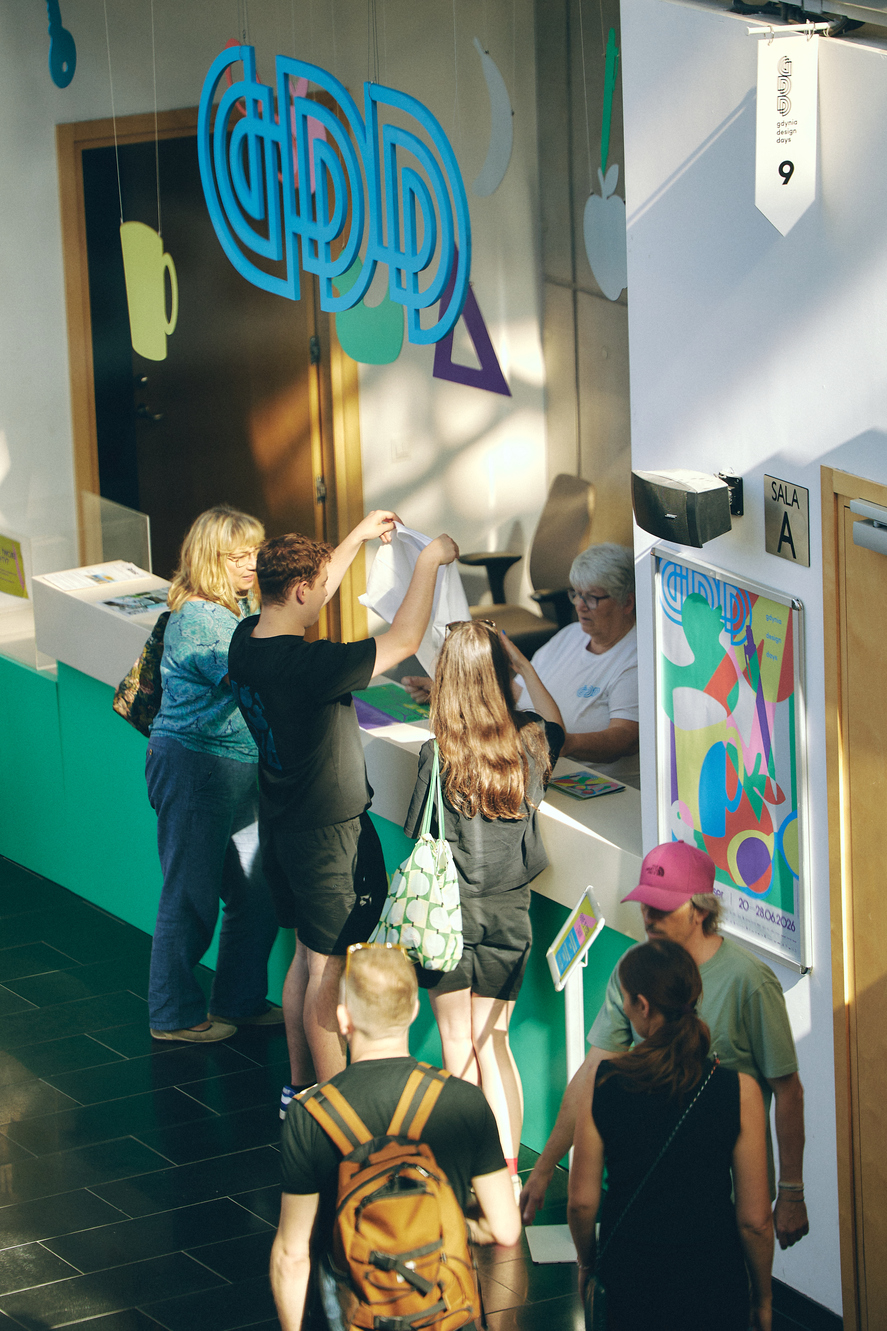
On 20-28 June, Gdynia Design Days 2026 once again demonstrated how design can become a practical tool for addressing today’s environmental and social challenges. Organised by PPNT Gdynia Design Centre, a partner in the Creative Circular Cities (CCC) project, the festival brought together designers, researchers, artists and visitors to explore the theme “Closer” -encouraging a shift from abstract global challenges to the local, tangible actions that can create meaningful change.
As one of Poland’s leading design festivals, Gdynia Design Days has long championed design as a force for positive transformation. Beyond inspiring exhibitions and discussions, the festival also puts its own values into practice by embedding sustainability and circular thinking into the way exhibitions are conceived, produced and experienced. This year’s edition featured 20 exhibitions alongside talks, workshops and public events, creating opportunities for visitors to engage with design that benefits both people and the planet.
Creative Circular Cities was strongly represented throughout the festival. Two exhibitions were funded through the project, with another CCC partner from Gdynia – the Association “Pomorskie in the EU” – also contributing to the programme through an exhibition, highlighting the city’s collaborative approach to advancing circular design.
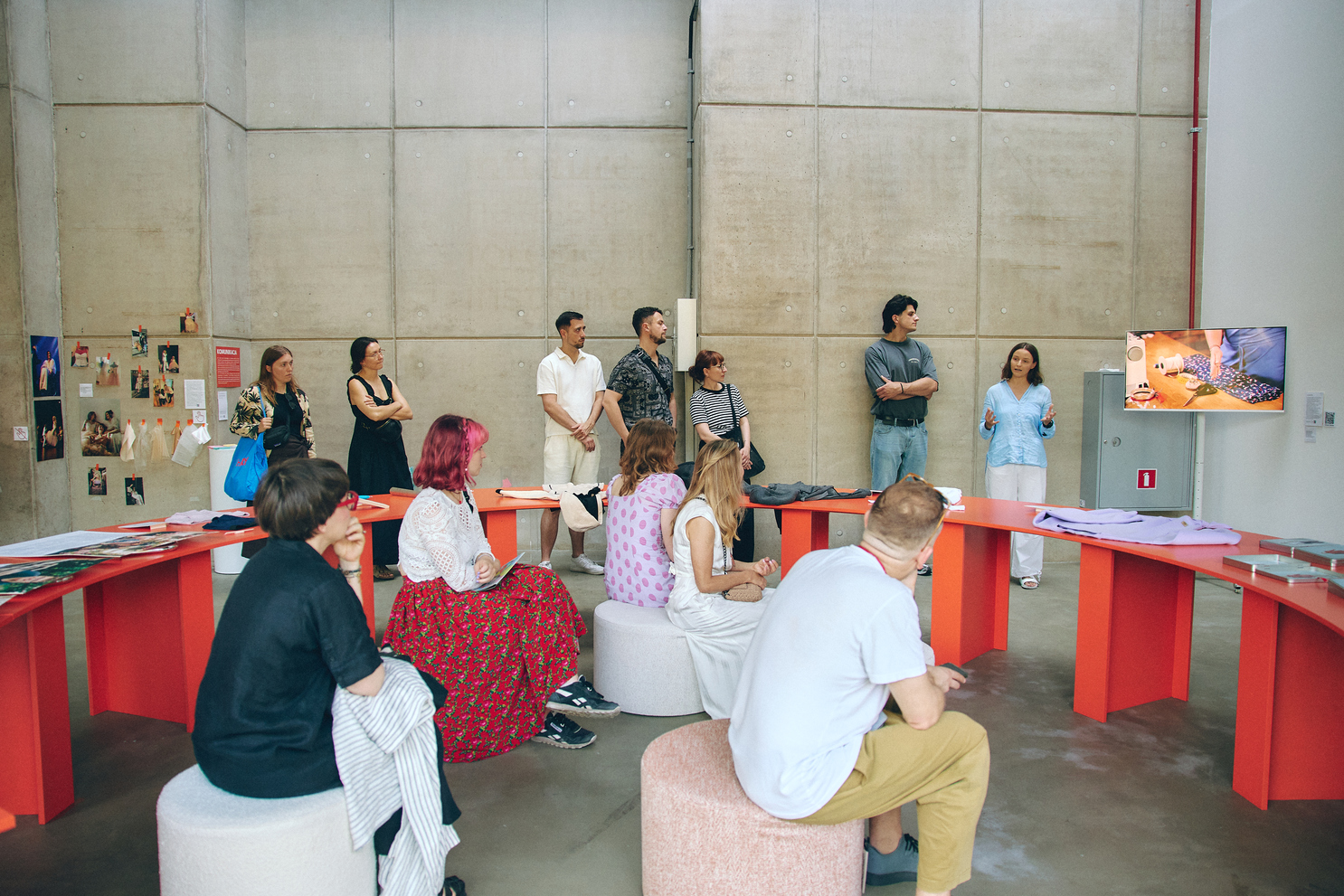
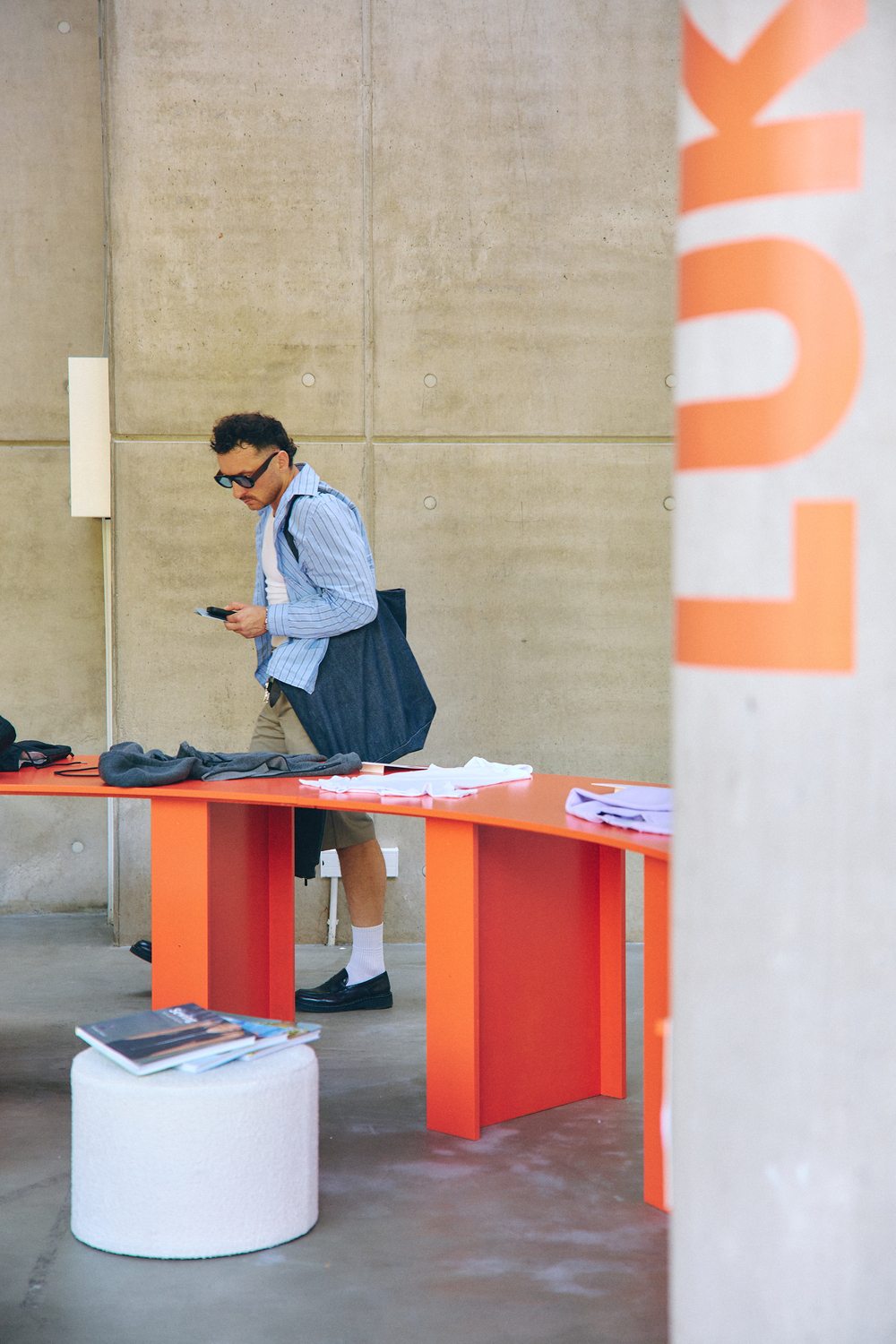
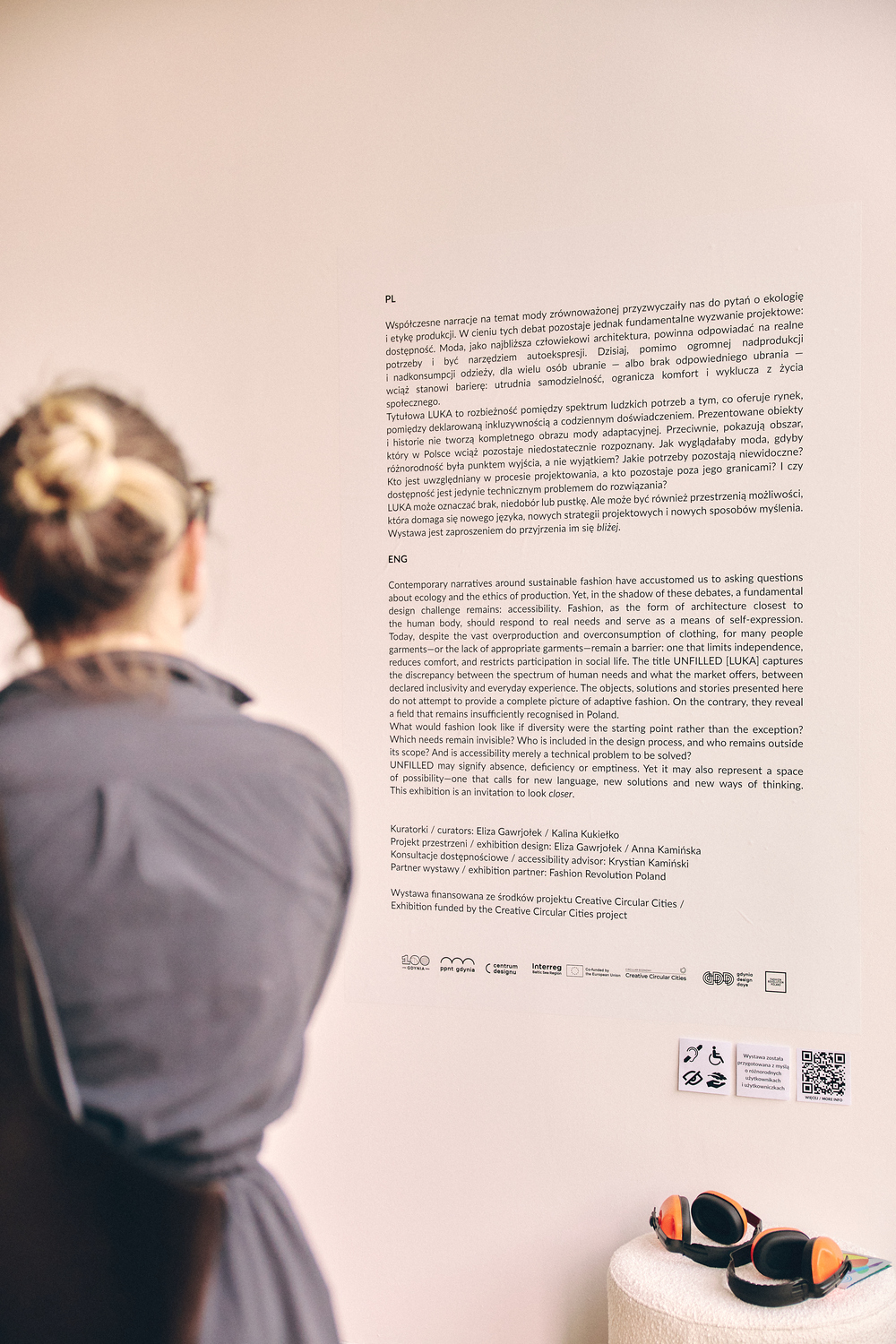
One of the CCC-funded exhibitions, “Unfilled”, explored adaptive fashion in Poland through the lens of accessibility and circularity. Rather than focusing solely on environmental impacts, the exhibition asked how clothing can better serve diverse bodies throughout its lifetime. It highlighted the gap between the needs of people with disabilities, neurodivergent individuals and ageing populations and what the fashion market currently provides, while showcasing adaptive garments alongside grassroots repair and modification practices.
Importantly, the exhibition embodied the principles it promoted. Approximately 80 percent of its infrastructure came from second-hand sources and was adapted through upcycling. Instead of disposable exhibition materials, components were designed for future reuse, borrowed garments were returned to their owners after the exhibition, and printed materials were minimised through the use of dynamic QR codes and digital content. Accessibility was equally embedded in the visitor experience through Easy-to-Read texts, audio descriptions and reusable accessibility features.
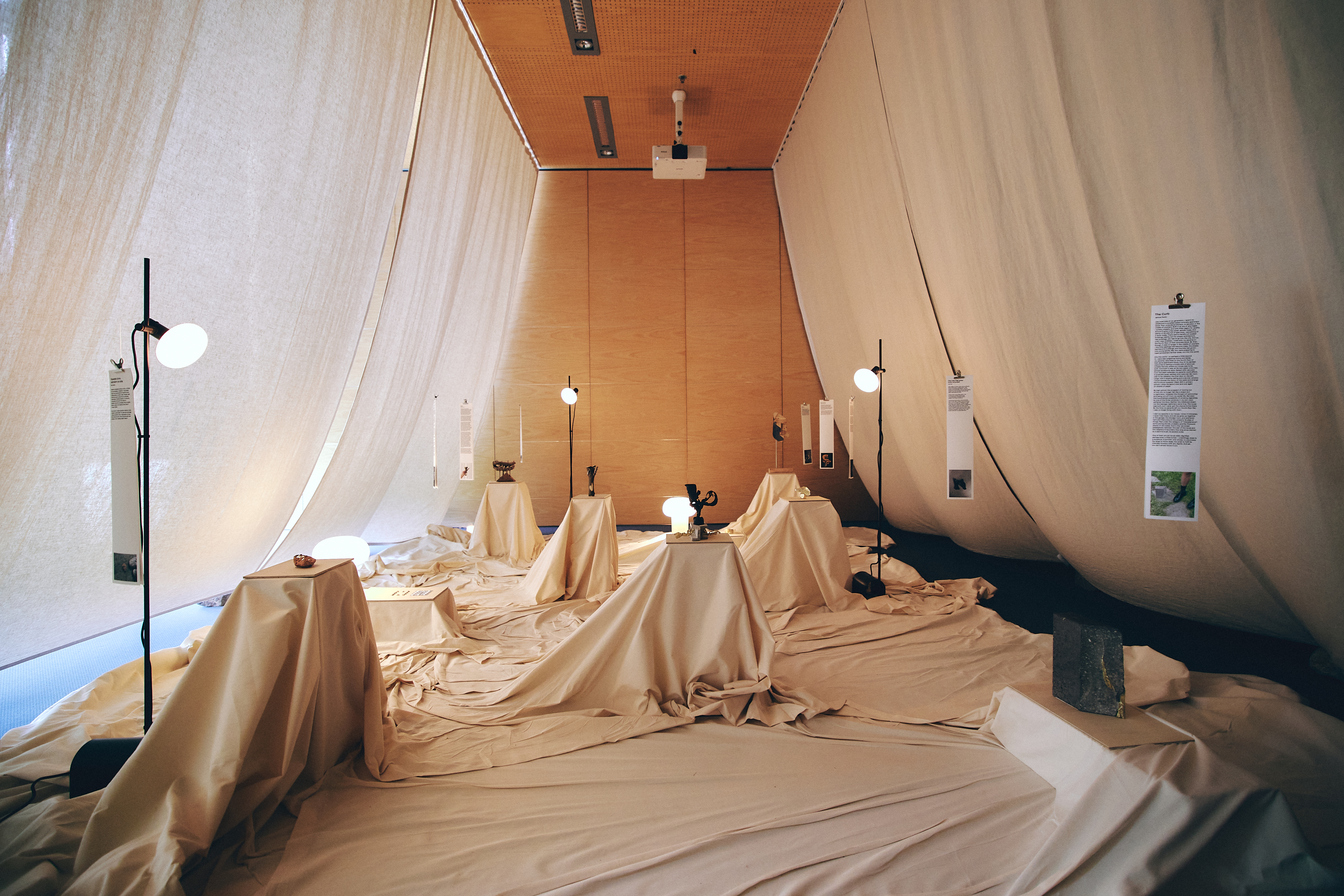
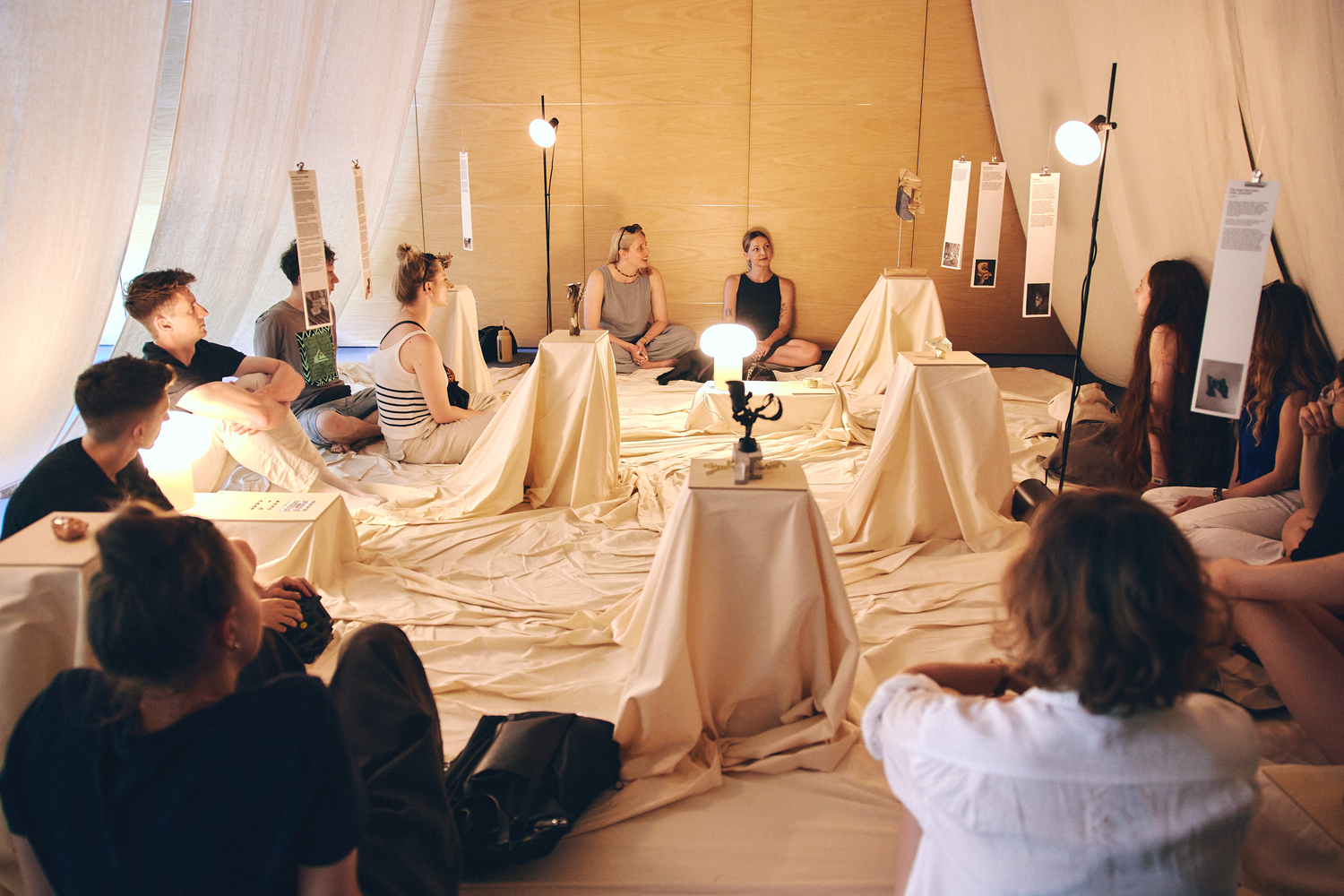
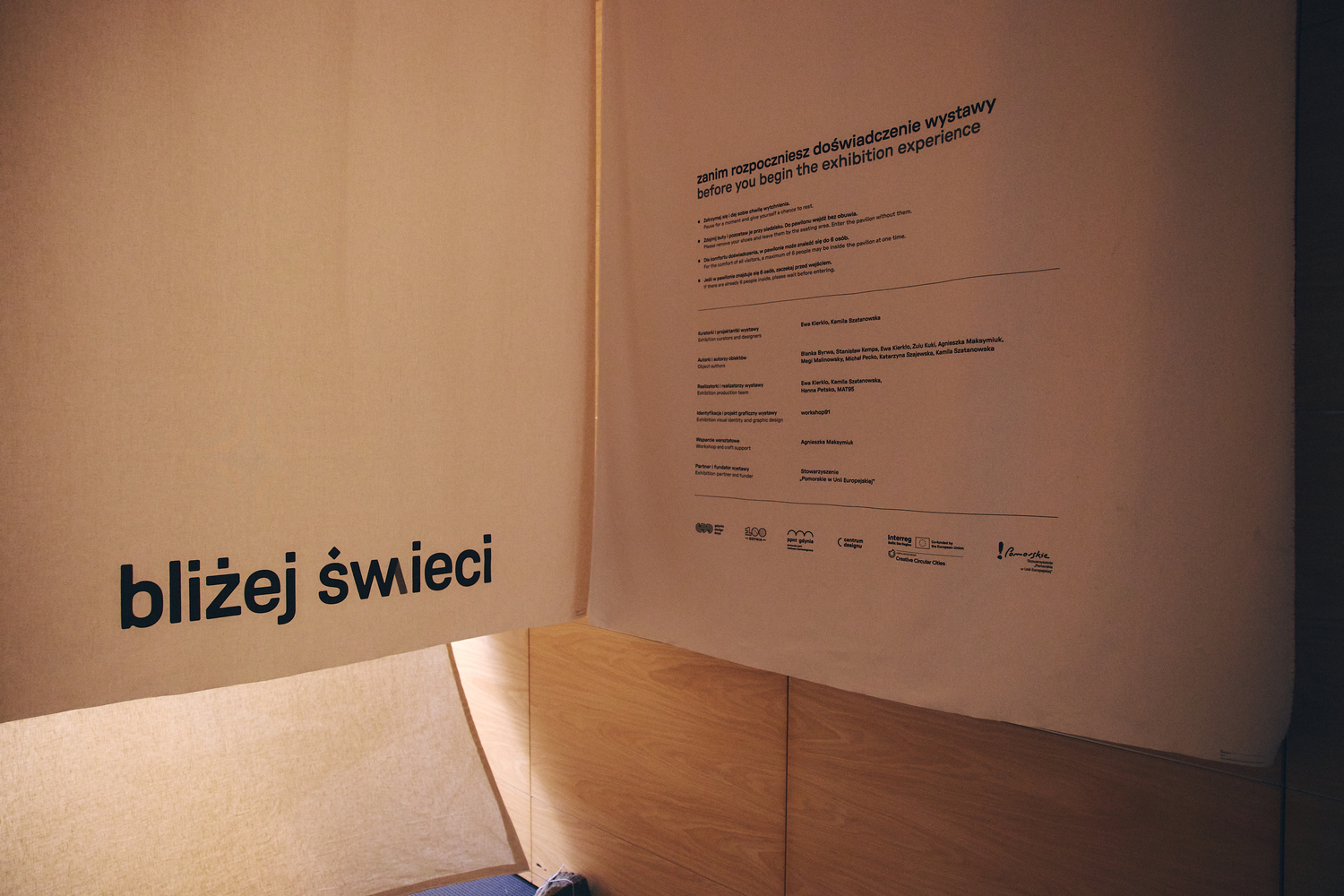
The second CCC-funded exhibition, “Closer to Waste”, which was created by the association “Pomorskie in the EU”, invited visitors to rethink their relationship with discarded materials. Through carefully curated stories of objects, residues and waste, it revealed how everyday materials can be transformed into meaningful artefacts with new identities. Rather than presenting waste as an endpoint, the exhibition demonstrated how thoughtful design can uncover hidden value, giving materials another life while encouraging visitors to reconsider what is truly disposable.
Together, the two exhibitions reflected different but complementary dimensions of circularity. While “Unfilled” focused on extending the life and accessibility of products through inclusive design, Closer to Waste highlighted the creative potential of reuse and material transformation. Both illustrated that circularity is not only about reducing waste but also about rethinking systems, design processes and human relationships with objects.
The project “Creative Circular Cities” is co-funded by the EU’s Interreg Baltic Sea Region programme.

Additional links
details
-
Homepage
-
Project typeCore Project

-
ImplementationNovember 2023 - October 2026
-
StatusOngoing
-
Contribution to EUSBSRPolicy Area Culture

-
Target groups
- Business support organisation
- Interest group
- Local public authority
- National public authority
- NGO
-
Social media
-
Additional links
-
Tags