




REDIRECT partners launch pilot of the Regenerative Savoir Vivre manual across the Baltic Sea Region
09 July 2026
This summer, visitors to destinations across the Baltic Sea Region are being invited to take part in an important pilot activity of the REDIRECT project.
The REDIRECT partners have now entered the pilot phase of testing the Regenerative Savoir Vivre – a practical behavioural guide designed to encourage visitors to become active contributors to the places they visit, rather than simply consumers of tourism experiences.
A different invitation to visitors
Many visitor guidelines focus on what tourists should avoid doing. The Regenerative Savoir Vivre takes a different approach.
Instead of presenting a list of restrictions, it invites visitors to reflect on a simple question:
“How can your visit leave something positive behind?”
The guide encourages visitors to consider how their choices may contribute to local communities, nature, culture and the local economy. In this way, it aims to strengthen the relationship between visitors and destinations by promoting awareness, participation and shared responsibility.
Testing the guide in real-life visitor settings
The pilot is taking place across several destinations within the REDIRECT partnership.
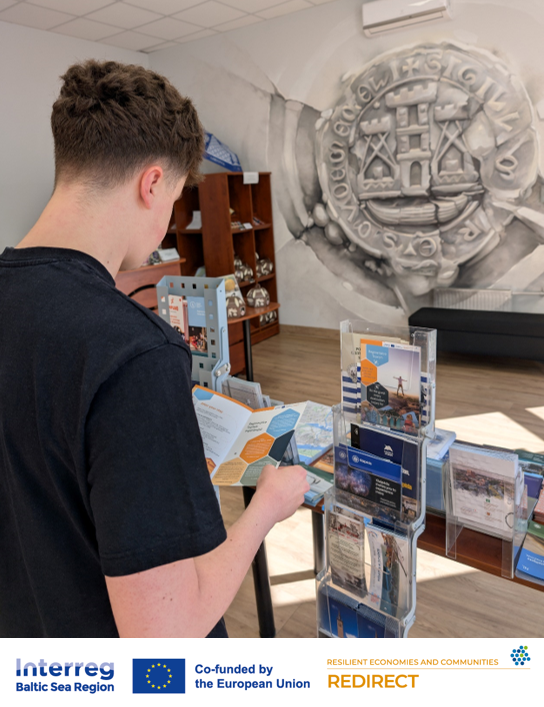
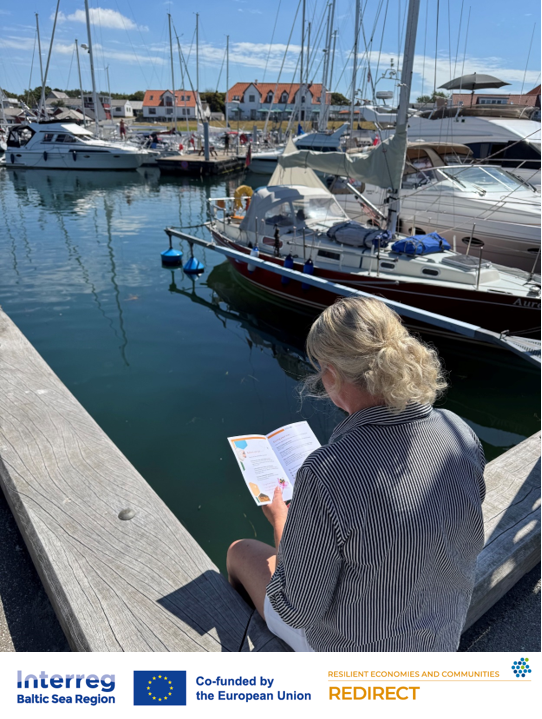
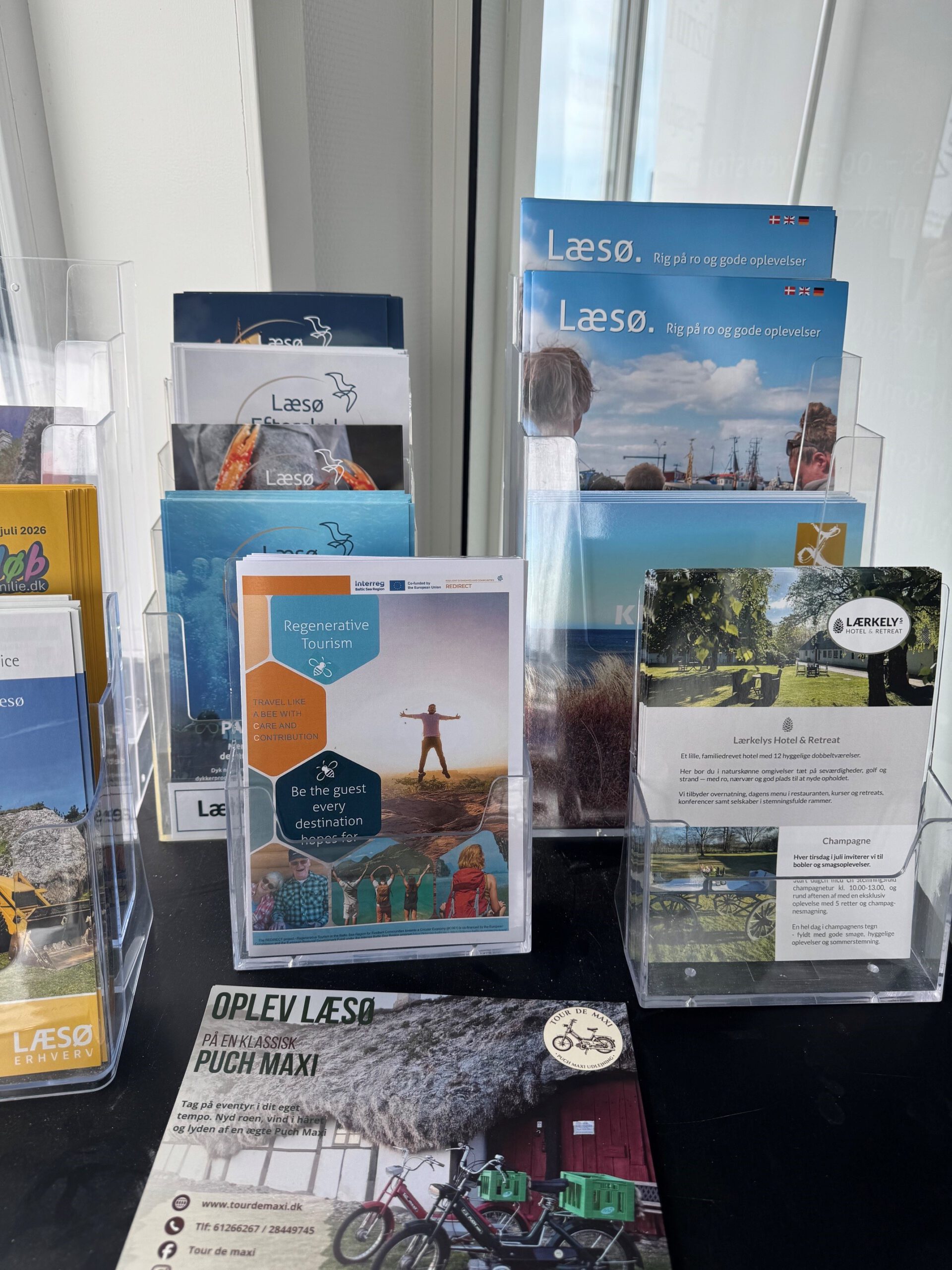
To understand how visitors respond to the guide in practice, partners are making it available at locations where visitors naturally plan and experience their stay. Depending on the local context, the Regenerative Savoir Vivre may be found on ferries, in hotels, holiday homes, tourist information centres and other visitor touchpoints.
By testing the guide in real-life situations, the project aims to understand whether this type of behavioural intervention can inspire visitors to engage more actively with the places they visit.
Learning together across the partnership
Throughout the pilot, REDIRECT partners are documenting both the practical implementation of the guide and the responses it generates.
The project collects information about where and how the guide is distributed, how many visitors it reaches, and how it is received in different destinations. Equally important are the qualitative experiences: the conversations the guide initiates, the reflections it encourages and the ways in which visitors respond to the invitation to contribute positively during their stay.
These insights will help evaluate not only the Regenerative Savoir Vivre itself, but also the wider question of how behavioural approaches can support regenerative tourism.
From testing to learning
The purpose of the pilot is not to demonstrate that the REDIRECT partnership has already found the perfect solution.
Instead, the pilot reflects one of the project’s core principles: learning through collaboration, experimentation and continuous improvement. By testing the Regenerative Savoir Vivre across diverse destinations, the partners are building knowledge that will help strengthen the final REDIRECT Toolkit and support destinations wishing to adopt more regenerative approaches to tourism in the future.

Additional links
details
-
Homepage
-
Project typeCore Project

-
ImplementationMarch 2025 - February 2028
-
StatusOngoing
-
Contribution to EUSBSRPolicy Area Tourism

-
Target groups
- Local public authority
- Small and medium enterprise
-
Social media
-
Additional links
-
Tags