




Interreg B Federal Conference in Berlin: PlanHeat highlights the local value of transnational cooperation
06 July 2026
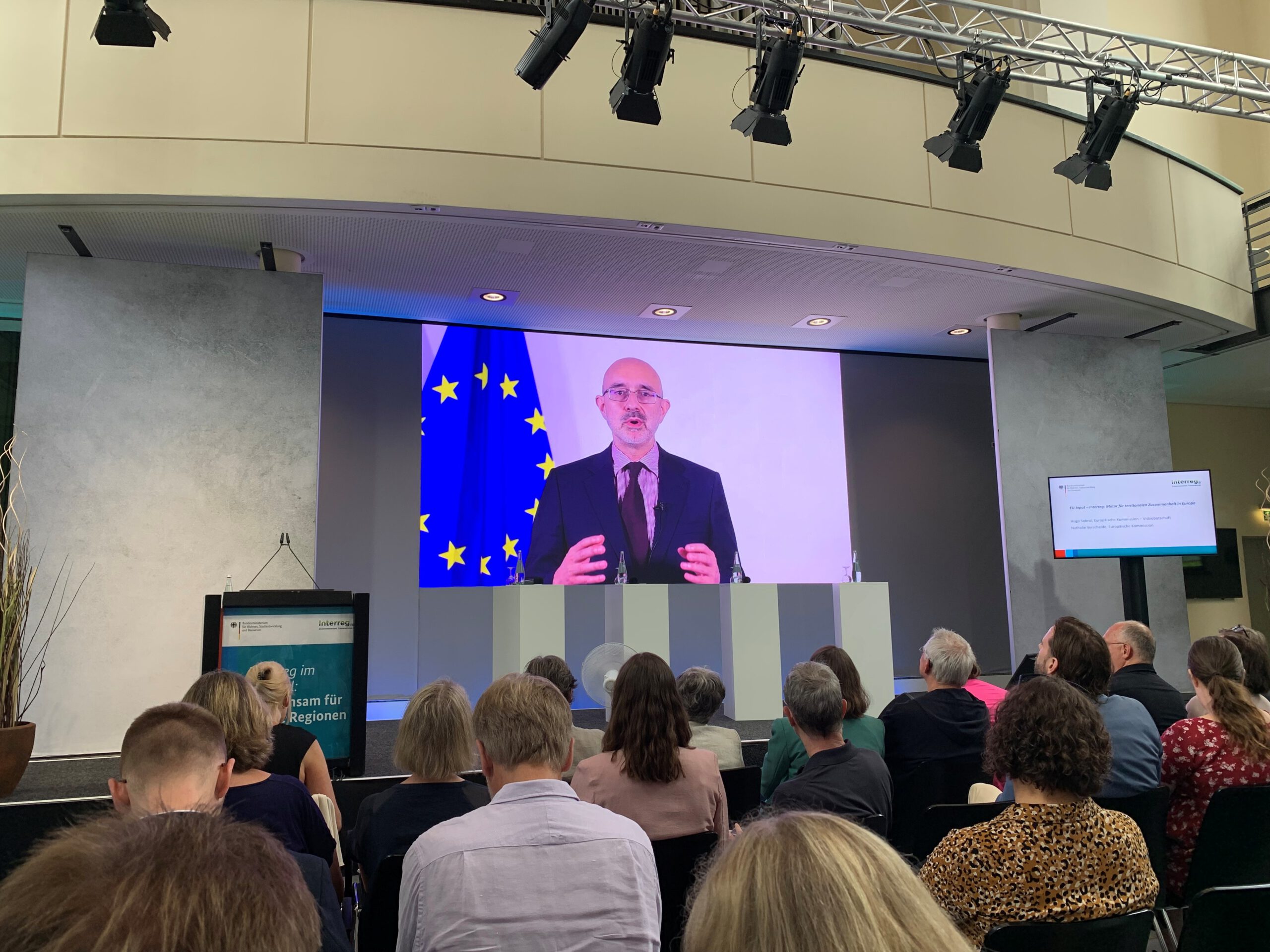
Representatives of the PlanHeat project attended the Federal Conference on Transnational Cooperation 2026, which took place on 29th and 30th June at the Umweltforum in Berlin, Germany. The conference was organised by the German Federal Ministry for Housing, Urban Development and Building (BMWSB) under the title “Interreg in Transition: Together for Strong Regions”. With a focus on Germany, it brought together representatives from Interreg programmes and projects, policy makers, public authorities and practitioners to discuss the achievements, added value and future perspectives of transnational cooperation.
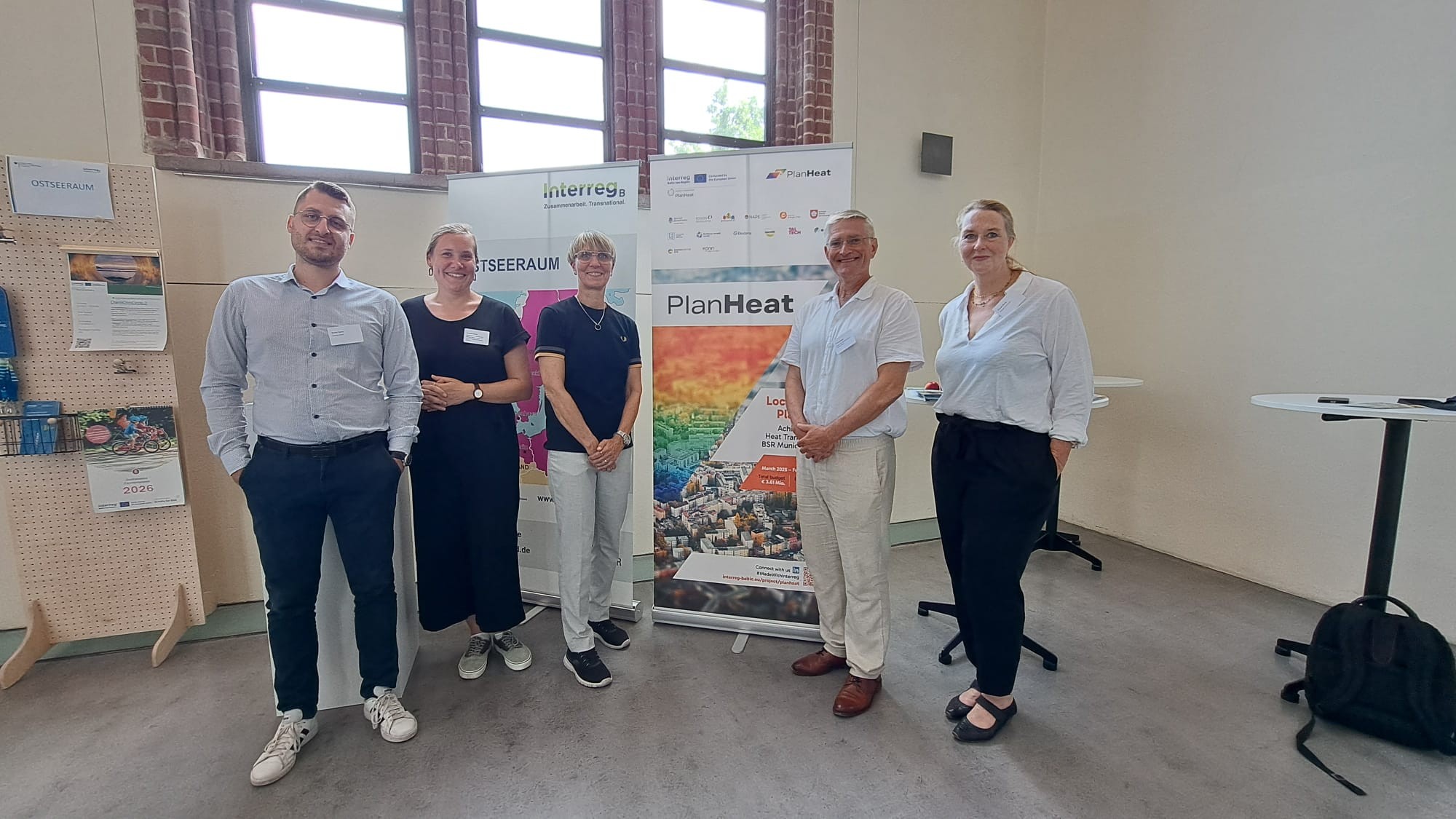
PlanHeat was represented by Till Scherzinger from PlanHeat Lead Partner City of Bremerhaven, as well as Britta Schmigotzki and Daniel Yanev from aconium GmbH, who support the PlanHeat consortium in project management. They were joined by Claudia Harms from the EU Coordination Office of the City of Bremerhaven.
Highlighting the value of Interreg for local heat planning
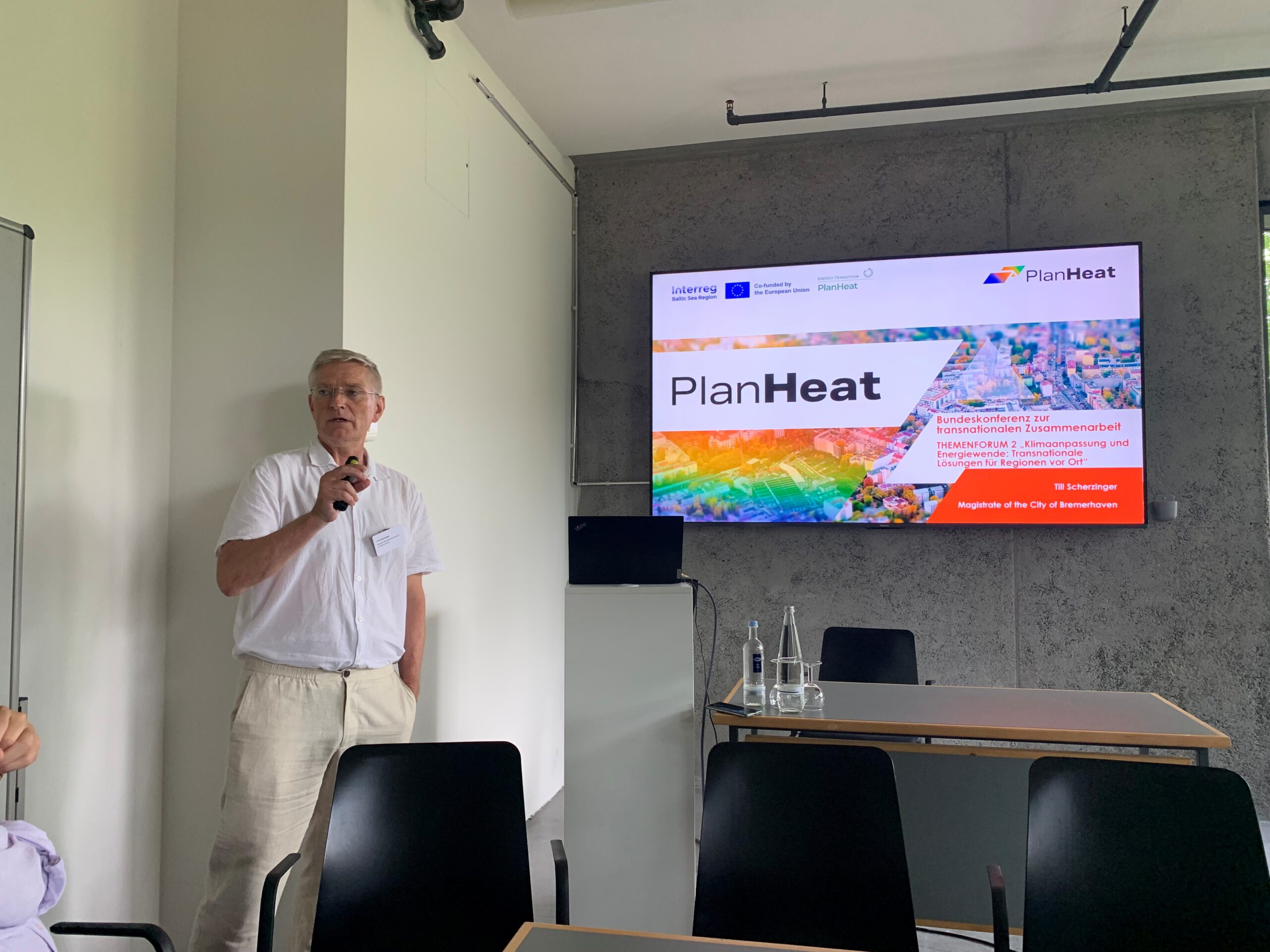
A key highlight for PlanHeat was Till Scherzinger’s contribution to the thematic forum on climate adaptation and the energy transition. In his presentation, he highlighted the important role of Interreg projects in enabling municipalities and regions to finance and implement measures that would otherwise be difficult to realise through local or national budgets alone. He also stressed that transnational cooperation provides access to unique international expertise and peer learning from across Europe. This exchange is particularly valuable for complex transformation processes such as the heat transition, where municipalities face similar challenges but often approach them from different institutional, technical and social perspectives.
Another important point raised in the presentation was the value of combining several Interreg projects in the same area or neighbourhood. By addressing different but related challenges through complementary projects, municipalities can create broader and more integrated impacts. This approach can contribute not only to progress in specific policy fields, but also to an overall improvement in quality of life for the respective local community.
Exchange on best practices and future expectations
The presentation was followed by a workshop discussion on best practices from Interreg projects working on the energy transition and climate adaptation, as well as expectations for the future. Participants were divided into three groups, each focusing on one of the topics presented in the thematic forum. The discussions provided space for practical exchange on how transnational cooperation can support municipalities and regions in developing strategies, creating plans and moving towards effective implementation.
Networking with Interreg partners and projects
For PlanHeat, the conference also offered valuable opportunities for networking and exchange. This included discussions with the German National Contact Point for the Interreg Baltic Sea Region programme, as well as exchanges with other Interreg projects presented in panel discussions, workshops and networking formats. These conversations helped to place PlanHeat’s work on local heat planning within the broader context of European territorial cooperation.
Looking towards Interreg B 2028+
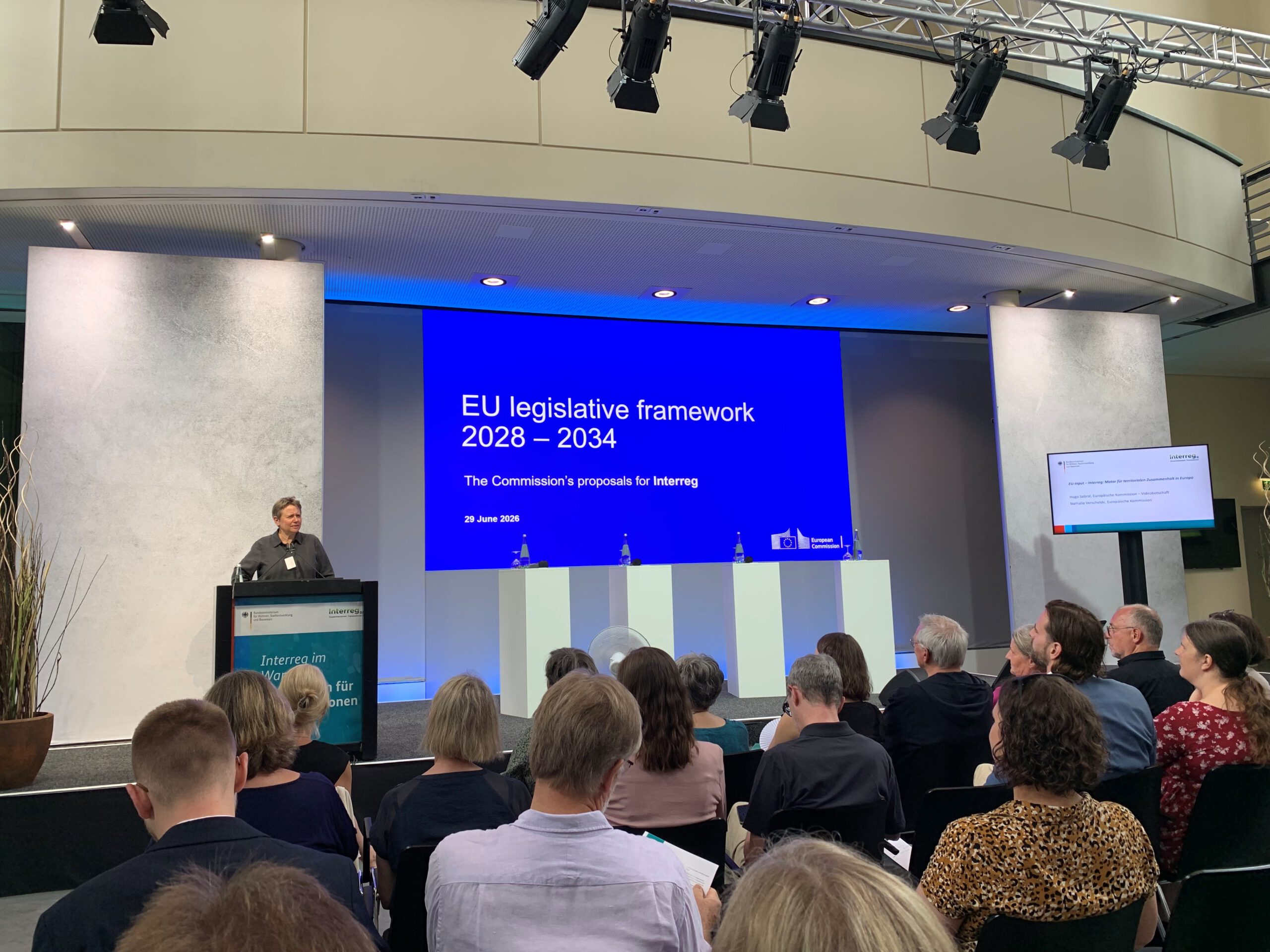
Further highlights included the video message by Hugo Sobral, Deputy Director-General at DG REGIO, and the input from Nathalie Verschelde from DG REGIO on perspectives for the next Multiannual Financial Framework 2028–2034. The contribution of Pascal Arimont, Member of the European Parliament, also provided valuable insights into the future of Interreg B and its role in addressing shared territorial challenges.
Together, these contributions underlined that transnational cooperation will remain an important instrument for strengthening regions, supporting innovation and creativity, and enabling joint responses to challenges that cannot be solved within administrative borders alone.
Transnational cooperation as a driver of local impact
The conference once again demonstrated that Interreg is more than a funding instrument. It is a platform for cooperation, knowledge exchange and joint problem-solving across borders. For projects such as PlanHeat, this transnational dimension is essential for developing practical, transferable and locally relevant solutions for the transition towards climate-neutral heat supply.

Additional links
details
-
Homepage
-
Project typeCore Project

-
ImplementationMarch 2025 - February 2028
-
StatusOngoing
-
Contribution to EUSBSRPolicy Area Energy

-
Target groups
- Infrastructure and public service provider
- Interest group
- Local public authority
- National public authority
- Sectoral agency
-
Social media
-
Additional links
-
Tags